REVIEW · MACHU PICCHU TOURS
Private Tour: 2-Day Exploration of the Sacred Valley and Machu Picchu
Book on Viator →Operated by Inkayni Peru Tours · Bookable on Viator
Two days, and Machu Picchu still feels huge. What makes this tour work is the round-trip train to Machu Picchu and the hands-on private guide who keeps the pace tight and personal. One thing to budget for: day 1 entrance fees for Chinchero, Moray, and Maras aren’t included, and Huayna Picchu is extra if you want it.
If you like structure (and hate last-minute scrambling), this one starts with an 8:00 AM hotel pickup in Cusco and runs on a clear plan, including buses up to the citadel on day 2.
In This Review
- Key highlights worth your attention
- How the 2-day Sacred Valley to Machu Picchu rhythm actually fits together
- Day 1: Chinchero, Moray, and Maras Salt Mines (the Sacred Valley starter pack)
- Chinchero: Inca walls, altars, and a textile center sales reality check
- Moray: circular terraces as an Inca agriculture experiment
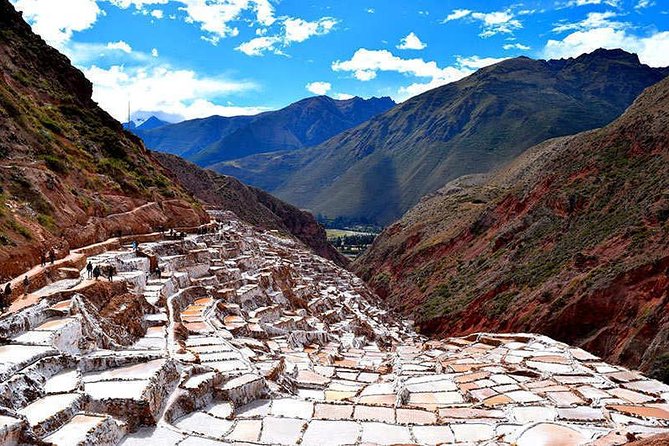
- Maras Salt Mines: 3,000 salt pools that look unreal
- The day ends with train time from Ollantaytambo to Aguas Calientes
- Aguas Calientes overnight: good location, 3-star reality
- Day 2: Morning bus to Machu Picchu with a guided plan
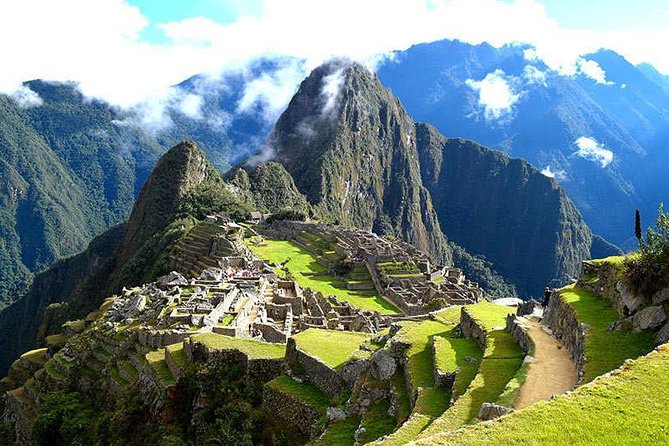
- The guided walk: temples, terraces, storage structures, and more
- If you want the extra view: Huayna Picchu or Machu Picchu Mountain
- Weather is the wild card you can’t book away
- The timing gap in Aguas Calientes: you’ll eat, wait, and then go
- Price and value: what $549 buys you—and what you still pay
- What I’d pack and plan for (so day 2 feels easier)
- Who this private Sacred Valley and Machu Picchu tour is best for
- Should you book this 2-day private tour?
- FAQ
- What time does the tour start?
- Where does the tour begin and end?
- Is this a private tour?
- Is Machu Picchu entrance included?
- Are round-trip train tickets included?
- Is Huayna Picchu included?
- What’s included for day 1 entrances?
- Is breakfast included?
- What information do I need to provide after booking?
- Is it refundable if I cancel?
Key highlights worth your attention
- Private guide plus private transport for both days, which keeps the group small and the route logical
- Round-trip Machu Picchu train tickets included, removing a big planning headache
- Machu Picchu entry and bus tickets are included, so you only think about the optional hikes
- Sacred Valley stops are built around variety: weaving in Chinchero, farming engineering at Moray, and the salt pans at Maras
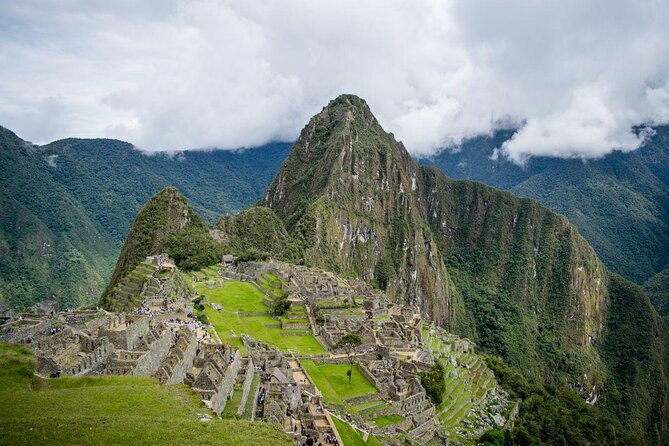
- Early morning Machu Picchu access with a guided walk through major sections like temples and storage areas
- Bilingual guiding is truly part of the value, with Yeny listed as one example of a guide who leads the experience
How the 2-day Sacred Valley to Machu Picchu rhythm actually fits together
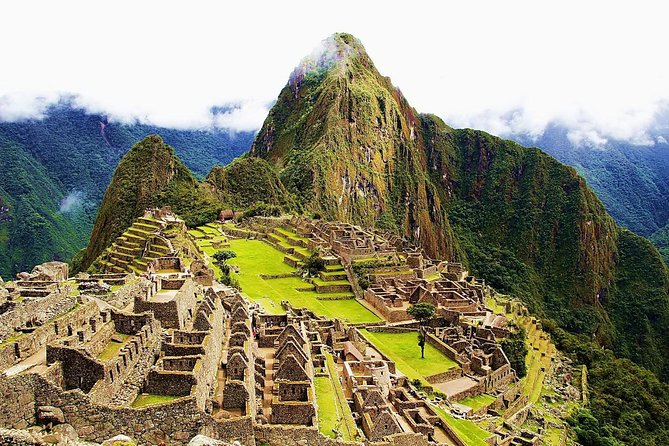
This is a classic Cusco-to-Machu Picchu setup, compressed into two days without feeling like you’re racing in circles all day. You’re picked up in the morning in Cusco, spend day 1 working through the Sacred Valley highlights, then ride the train to Aguas Calientes (the town at the base of Machu Picchu). Day 2 starts early, moves you up by bus, and finishes with the train back toward Cusco.
The main value here is that you’re not piecing together trains, bus schedules, and entrance timing yourself. The tour handles the big moving parts: hotel pickup/drop-off, private vehicle transfers, buses to Machu Picchu, and Machu Picchu entry.
It’s also a good format if you have limited time in the region and you’d rather see Machu Picchu once—well—than stretch things into a longer trip.
You can also read our reviews of more private tours in Cusco
Day 1: Chinchero, Moray, and Maras Salt Mines (the Sacred Valley starter pack)
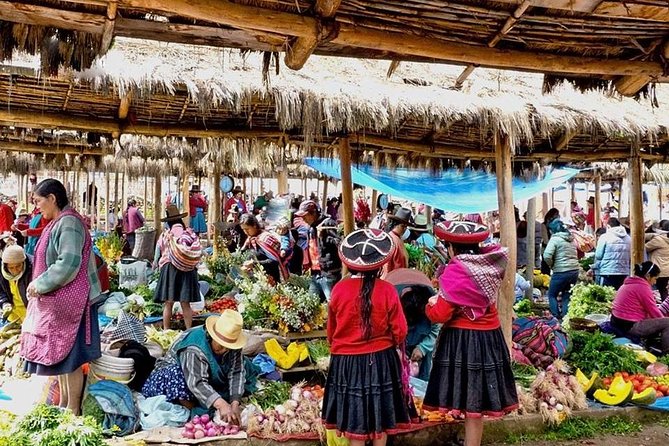
Day 1 is all about variety across very different parts of the Sacred Valley. You start at 8:00 AM with pickup from your Cusco hotel, then work through three stops with a lot of “why it mattered” built into the story.
Chinchero: Inca walls, altars, and a textile center sales reality check
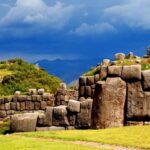
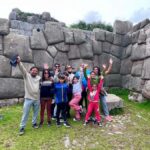
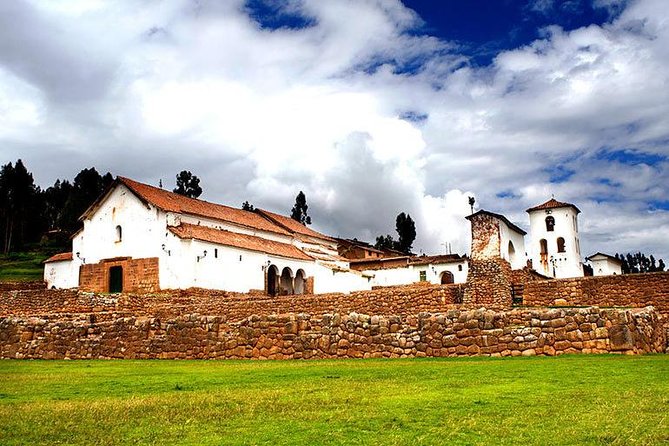
Chinchero sits at about 3,762 masl (12,343 ft.), and it’s a great first stop because it mixes history and daily life. You’ll see well-preserved Inca walls and altars, plus a lively main square atmosphere.
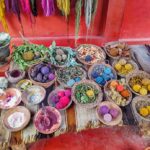
Then comes a textile center where Andean weavers explain dyeing and weaving methods passed down for generations. This can be genuinely interesting—especially if you like craftsmanship and want context for what you see later in Peru. The tradeoff is that textile centers often operate like micro-markets. In one account tied to this tour style, there was pressure to buy and mismatched pricing between shoppers. My advice: enjoy the demo, ask clear questions, and set a personal budget before you get pulled into the sales flow.
If you’re not into shopping, you can still treat this stop as a cultural orientation moment and just take notes and photos.
Moray: circular terraces as an Inca agriculture experiment
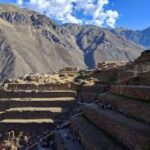
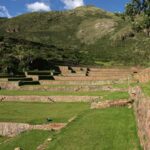
Moray is around 3,500 masl (11,483 ft.) and feels different from Chinchero immediately. Instead of a town, you’re looking at engineered circular terraces that were used as an agricultural laboratory idea—an Inca “test plot” built to study growing conditions.
This stop is worth your time because it shows Inca problem-solving in a tangible way. It also tends to feel calmer than the most famous Inca sites, so you can take your time with photos and a slower pace.
Maras Salt Mines: 3,000 salt pools that look unreal
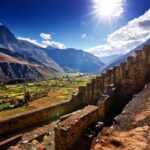
Then you descend to Maras Salt Mines (about 3,380 masl / 11,090 ft.). The sight is striking: thousands of salt pools fed by a mineral-rich spring, arranged like a cliffside grid. Even if you only stop for a short time, it’s one of those places where you keep finding new angles to photograph.
One practical point: this area can be slippery and uneven, so wear shoes with solid grip. You’ll be outside, and you may move around more than you expect.
You can also read our reviews of more tours and experiences in Cusco

The day ends with train time from Ollantaytambo to Aguas Calientes
After the valley stops, you travel to Ollantaytambo (about 2,792 m / 9,160 ft.) and board the scenic train to Aguas Calientes (about 2,040 m / 6,692 ft.).
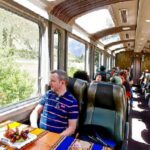
The train experience here is practical rather than fancy—think functional seating and the basics. If you’re expecting a luxury ride, adjust expectations. Your real payoff is arriving in time to reset and be ready for the early Machu Picchu morning.
Aguas Calientes overnight: good location, 3-star reality
You spend one night at a 3-star hotel at Golden Sunrise Hotel or a similar property (double occupancy), with breakfast included.
Aguas Calientes is not a big-city hotel scene. It’s a base town. That said, you still want your room to be comfortable, because day 2 starts early and you’ll want your energy.
One report tied to this tour format described the room as what you’d expect in a rural village—and also mentioned an insect issue in the bathroom (ants/bugs). That’s not something you can fully control from afar, so I’d treat it as a “be prepared” item: check the room on arrival, keep your luggage organized, and let the hotel know right away if something seems off.
Day 2: Morning bus to Machu Picchu with a guided plan
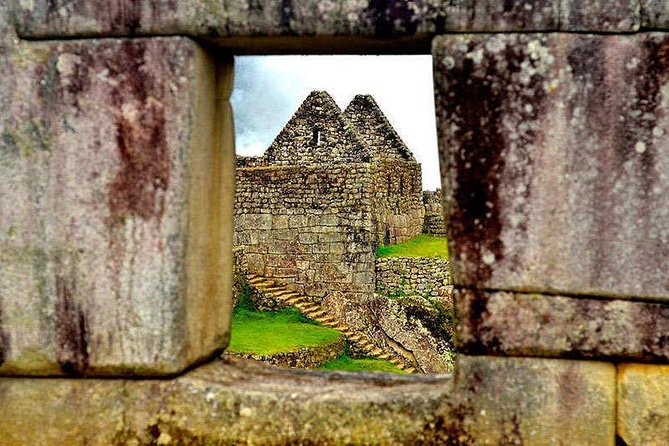
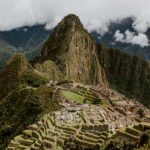
Day 2 starts with breakfast, then you take one of the morning buses up to Machu Picchu (about 2,430 meters / 7,972 feet). This early start matters because it helps you beat the chaos. It also gives your guide time to get you into the site when your legs still feel okay.
The guided walk: temples, terraces, storage structures, and more
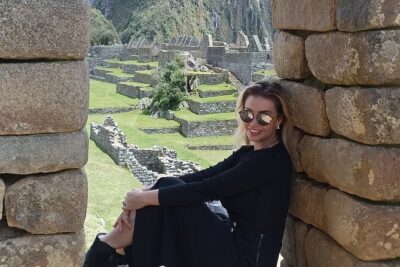
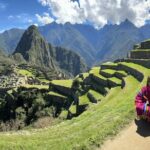
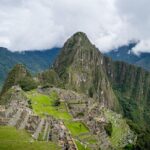
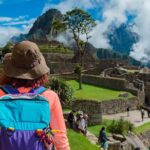
Once you enter, your bilingual guide leads you through Machu Picchu with a focus on the key areas: temples, ceremonial zones, terraces, and storage structures. The point isn’t just seeing postcard views—it’s understanding what you’re looking at while you’re standing there.
You’ll also get help with sequencing—where to go first, what to look for next, and how to avoid backtracking too much inside the citadel.
If you want the extra view: Huayna Picchu or Machu Picchu Mountain
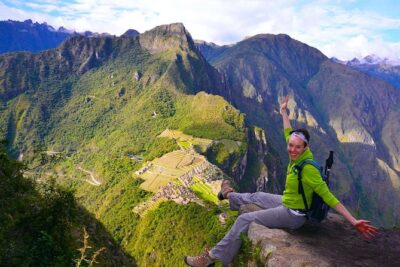
You have the option to add either Huayna Picchu (about 2,720 meters / 8,924 feet) or Machu Picchu Mountain (about 3,082 meters / 10,111 feet) if you secured the extra ticket in advance.
Here’s the tradeoff: these hikes add time and effort, and weather can change the whole experience fast. But if you want that broader perspective over the complex, they’re worth considering. If you’re unsure, your guide can help you decide based on what you’re comfortable with and what the weather looks like when you arrive.
Weather is the wild card you can’t book away
Machu Picchu is famous for views through mist. But rain can also mean clouds roll in and blur the distance. If you want the clearest panorama, aim for flexibility: bring a rain layer, keep your pace easy, and accept that some days are more about mood than distance.
In one account connected to this kind of trip, rain and cloud cover hid a lot of the view. The guide still helped keep the experience moving and meaningful even when visibility wasn’t ideal.
The timing gap in Aguas Calientes: you’ll eat, wait, and then go
After the guided Machu Picchu portion, you return to Aguas Calientes for a brief rest and lunch. In one real schedule, the guided finish happened around 9:00 AM, but the train back wasn’t until much later, so there’s a chunk of waiting time.
This isn’t a dealbreaker, but it’s a real factor when you plan your day. Bring something small to do (photos, a book, downloaded offline entertainment) and keep your energy up with water and snacks if you’re able—meals are not included on this tour.
Price and value: what $549 buys you—and what you still pay
At $549 per person for a private 2-day tour, you’re paying for more than sightseeing. You’re paying for coordination: private transport, a bilingual guide, round-trip Machu Picchu train tickets, bus transport to Machu Picchu, one included night in a 3-star hotel, and Machu Picchu entrance.
Then there are the add-ons:
- Chinchero, Moray, and Maras entrance fees are not included (day 1 lists them as $25.00)
- Meals aren’t included
- Huayna Picchu entrance is extra if you want it
So the real way to judge value is this: the tour saves you from arranging the riskiest moving pieces on your own. If you’d otherwise struggle with train and ticket timing, $549 can be a good trade. If you’re comfortable self-planning and already have everything timed, you might find cheaper options—but the convenience here is the point.
What I’d pack and plan for (so day 2 feels easier)
This itinerary is physical but not extreme. Still, Machu Picchu is uneven, steep in places, and often damp if the weather turns.
Bring:
- Walking sticks if you’re comfortable using them (they can help a lot on stone steps and slippery sections)
- Rain gear even if the forecast looks calm
- Good grip shoes
- A light layer for mornings when you start early
Also: day 1 includes time at higher elevations (Chinchero, Moray, Maras are all over 3,000 masl). Build in slower steps and plenty of water.
Who this private Sacred Valley and Machu Picchu tour is best for
This tour fits best if you want:
- Machu Picchu without stress and without splitting planning across multiple vendors
- A private guide who can pace you and explain what you’re seeing
- A tight two-day format that covers a solid chunk of the Sacred Valley too
It may be less ideal if:
- You’re picky about hotel room conditions and want to avoid any chance of a basic stay in Aguas Calientes
- You’re hoping to have meals fully handled (you’ll pay for most food on your own)
- You dislike any sales pressure and want a purely educational day with zero shopping elements—Chinchero’s textile stop may include that vibe
Should you book this 2-day private tour?
If you’re time-limited, want the heavy logistics handled, and you’re happy with a 3-star hotel base in Aguas Calientes, I think this is a smart choice. You get the structure that makes Machu Picchu feel possible in just two days, plus a guided Sacred Valley day that keeps the scenery from turning into a checklist.
Book it if:
- You want a private, guided experience with Machu Picchu entry and buses taken care of
- You prefer spending your energy on the sites, not on ticket math and transport juggling
- You’re okay paying small extras like the day 1 entrance fees and optional hike tickets
Pass or choose another format if:
- You’re extremely sensitive to hotel comfort
- You want full meal inclusion
- You expect a luxury train/hotel experience rather than a practical, functional one
If you decide to go, plan for rain, pack for stone steps, and set a simple budget for the textile stop so the experience stays fun.
FAQ
What time does the tour start?
The pickup starts at 8:00 AM from your hotel in Cusco.
Where does the tour begin and end?
The tour starts and ends in Cusco.
Is this a private tour?
Yes. It’s a private tour/activity, meaning only your group participates.
Is Machu Picchu entrance included?
Yes. Entrance to Machu Picchu is included. You also get buses to Machu Picchu (round trip).
Are round-trip train tickets included?
Yes. The tour includes the round-trip expedition train tickets to Machu Picchu.
Is Huayna Picchu included?
No. Huayna Picchu entrance fee is not included. It’s only included if you secure the additional ticket in advance.
What’s included for day 1 entrances?
Entrance fees for Chinchero, Moray, and Maras are not included (listed as $25.00).
Is breakfast included?
Yes. Breakfast is included, including breakfast before the Machu Picchu day.
What information do I need to provide after booking?
You’ll need to provide your full name (as on passport), gender, date of birth, passport number, nationality, and your Cusco hotel name.
Is it refundable if I cancel?
No. This experience is non-refundable and cannot be changed for any reason.