REVIEW · MACHU PICCHU TOURS
From Cusco: 2-Day Trip to the Sacred Valley and Machu Picchu
Book on GetYourGuide →Operated by Peru Andes Top · Bookable on GetYourGuide
Cusco to Machu Picchu in just two days is a fast ride. I like how this trip strings together the Sacred Valley sites first, so Machu Picchu feels earned, not random. I also like the guided tours in Spanish/English, plus the train that hands you real canyon views along the way. One thing to think about: the views from Machu Picchu depend a lot on your entry time and weather, and an early slot can be hit or miss.
What makes this experience worth considering is the “everything is handled” feeling. You get pickup in Cusco, a small group (up to 15), train and bus tickets, guides, Machu Picchu entry, and even lunch in Aguas Calientes. The one trade-off is cost and a couple extra payments on top (Pisac and Ollantaytambo entrances, plus Sacred Valley lunch), so it’s not the cheapest way to do it.
In This Review
- Key highlights you can plan around
- Getting from Cusco to the Sacred Valley without losing a day
- Pisac: terraces, irrigation, and the biggest Inca cemetery
- The Pisac craft market stop (and how to use it well)
- Urubamba lunch time: taste local dishes, choose your pace
- Ollantaytambo: stonecarving techniques and an Inca city you can picture
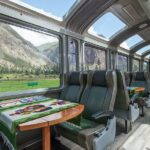
- Train to Aguas Calientes: choose the ride, then manage your seat
- A seat-side note that can save your photos
- Aguas Calientes overnight: where you reset before Machu Picchu
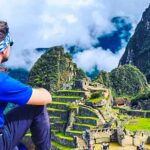
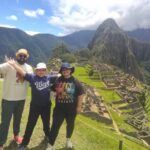
- Machu Picchu guided tour: terraces, stairways, and ceremonial layout
- Timing and weather: plan for the possibility of clouds
- Price and logistics: what you’re actually paying for
- What’s not included (so you don’t get surprised)
- Luggage and what to pack
- Who this tour is best for (and who might prefer DIY)
- My take: should you book this 2-day Sacred Valley and Machu Picchu trip?
- FAQ
- How long is the Sacred Valley and Machu Picchu trip?
- What does the tour include regarding transport?
- Is Machu Picchu entrance included?
- Are Pisac and Ollantaytambo entrance tickets included?
- What meals are included?
- Are large bags allowed?
Key highlights you can plan around
- Pisac’s Inca engineering: stone walls, terraces, and irrigation you can actually see working in your mind
- Craft market time at Pisac: browse and shop for textiles, ceramics, alpaca items, and more
- Ollantaytambo details with a guide: learn stonecarving methods at an Inca city with temples, terraces, and warehouses
- Train options plus view strategy: tourist vs panoramic train, and seat side can matter for the river views
- Early bus to Machu Picchu: you’ll be moving before full daylight, which can affect visibility
- Lunch in Aguas Calientes: food included after your Machu Picchu tour
Getting from Cusco to the Sacred Valley without losing a day
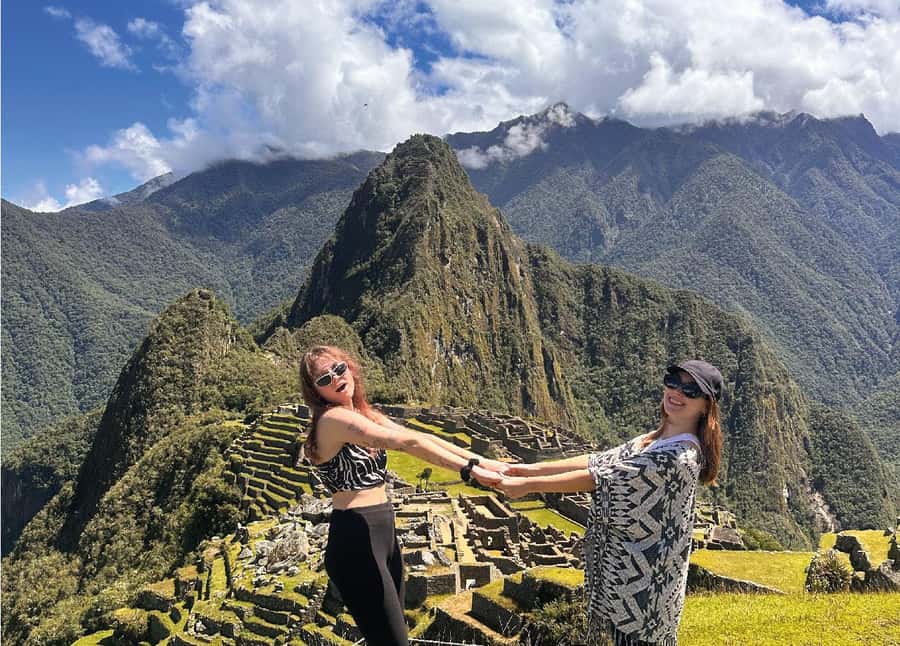
This is a tight, well-structured 2-day route, and that’s the main reason I’d pick it over a fully DIY approach. You start with hotel pickup in Cusco’s historic center, and you’re asked to be ready in your lobby about 15 minutes early. That “show up, go” setup is huge when you’re trying to avoid timing glitches between Cusco sites, ticket lines, and transport.
Once you leave Cusco, the Sacred Valley changes the pace. It’s not just scenic. It’s where Inca life and agriculture made sense of the mountains—terraces for farming, channels for water, and stone-built communities that still look precise.
Also, the group stays small. Limited to 15 people, you should have an easier time getting your guide’s attention—especially when they explain what you’re looking at and how the Inca used these places.
You can also read our reviews of more tours and experiences in Cusco

Pisac: terraces, irrigation, and the biggest Inca cemetery
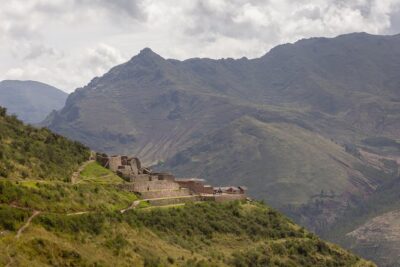
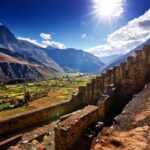
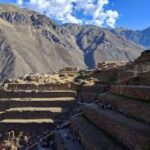
Pisac is the Sacred Valley stop that feels both dramatic and practical. You visit the archaeological complex and you’ll see stone walls, agricultural terraces, and irrigation systems that show the Inca weren’t just building monuments—they were building food production.
If you like sites where the engineering tells a story, Pisac delivers. The terraces weren’t random farming patches; they’re part of a broader system for managing water and slope. When you’re standing there, it’s easier to understand how the Sacred Valley could support communities at high altitude.
You’ll also see mention of Pisac having the largest cemetery in the Inca Empire. That detail matters because it frames the site as more than a view stop. Even if you don’t read every stone, you get the sense that this place had spiritual and cultural weight.
The Pisac craft market stop (and how to use it well)
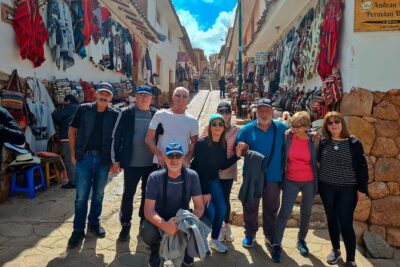
After Pisac, there’s time to explore the nearby craft market. This is your chance to shop while you still have energy, and before the day turns into train-and-Machu Picchu mode. You can look for ceramics, textiles, jewelry, Andean instruments, alpaca products, and typical souvenirs.
My practical tip: treat this market like browsing at home, not like a hunt. If you love something, buy it then. Prices and quality can vary between stalls, and you don’t want to regret it later when you’re already on the move.
Urubamba lunch time: taste local dishes, choose your pace
In the middle of the day you’ll travel through the Sacred Valley to Urubamba. Lunch here is not included, but you can eat at local restaurants with traditional dishes made with fresh products.
This is a good setup because it gives you control. If you want something simple and fast, you can. If you want a slightly slower meal and a breather after walking at Pisac, you can also do that.
One caution: plan for altitude and a busy schedule. Don’t go wild on heavy meals right before the next archaeological stop. You want enough energy for Ollantaytambo and for the long day that ends with the train.
Ollantaytambo: stonecarving techniques and an Inca city you can picture
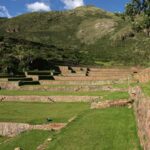
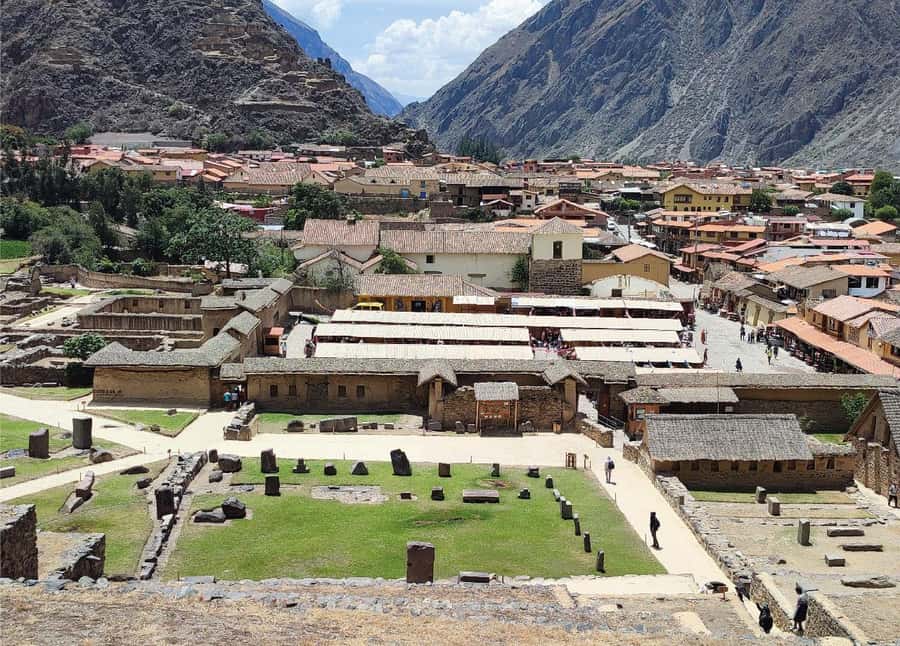
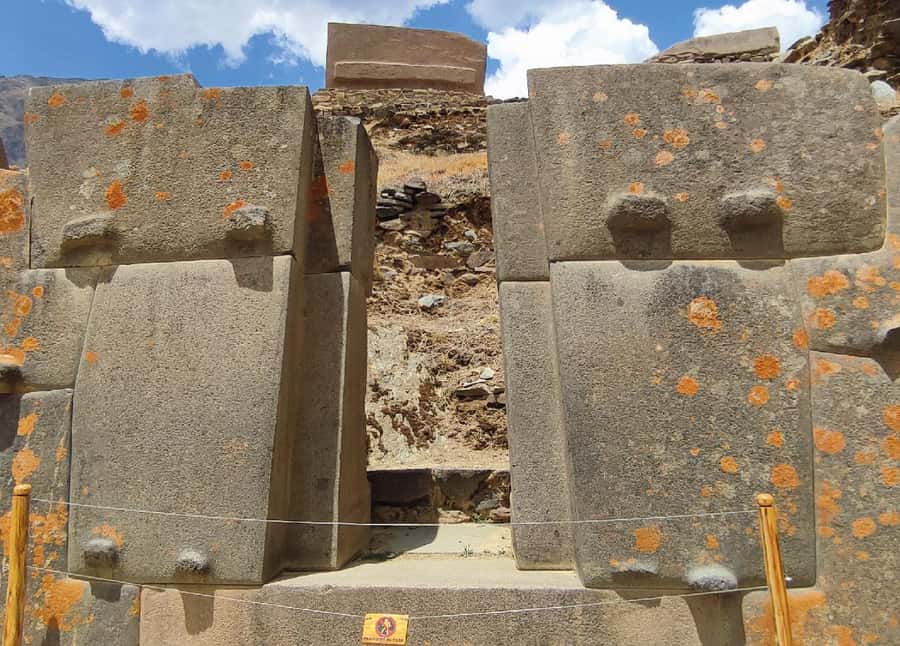
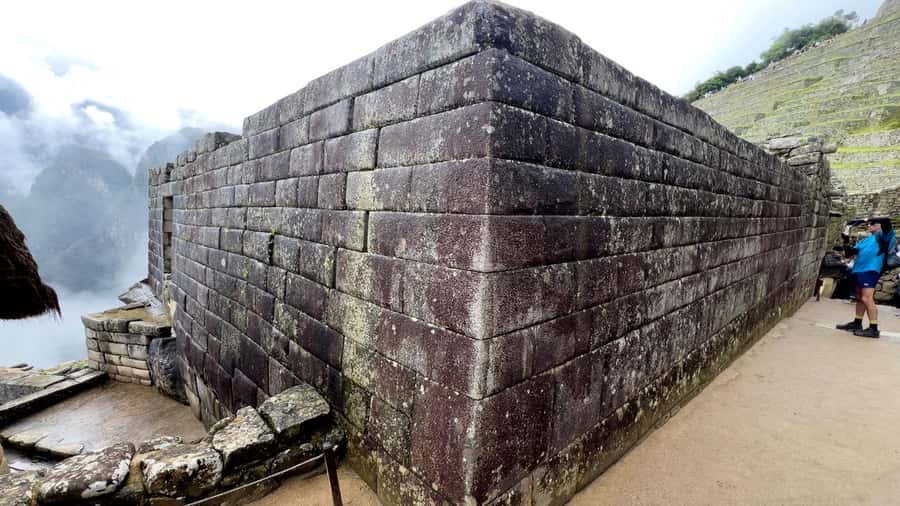
Ollantaytambo is the afternoon highlight for people who like Inca architecture that feels “built for living.” The archaeological complex includes temples, terraces, warehouses, and a large Inca monolith. And unlike some sites where you just wander, this one comes with guide focus—learning Inca stonecarving techniques and what the builders intended.
Here’s why it matters: seeing terraces at Pisac is one thing. At Ollantaytambo, the place starts to look like a functioning city. You can imagine movement between structures, and you can better grasp how Inca urban planning worked with the terrain instead of fighting it.
If you’re the type who wants the story behind the stones, this part is satisfying. The guide’s explanations help you stop treating the site like a photo backdrop and start treating it like a working system: elevation, agriculture, storage, ceremonial space—organized in one place.
You can also read our reviews of more tours and experiences in Cusco


Train to Aguas Calientes: choose the ride, then manage your seat
After Ollantaytambo, you take the train to Aguas Calientes. You can choose between the Tourist Train and the Panoramic Train, and the category you pick affects the experience.
Either way, the train ride is a major part of why this itinerary feels smooth. You’re not scrambling for timing. You’re moving, you’re seated, and you’re getting views along the way, including scenery shaped by the Urubamba River canyon.
A seat-side note that can save your photos
One review specifically called out a frustration: one side of the train often has better river views than the other, and they felt disappointed being assigned the less scenic side both ways. You can’t always control seat assignments, but it’s worth asking (or checking at boarding) whether you can get a better-side window seat for both directions.
It’s a small detail, but on a trip where you’re paying for convenience, this kind of “fine-tuning” can make the train feel even more rewarding.
Aguas Calientes overnight: where you reset before Machu Picchu
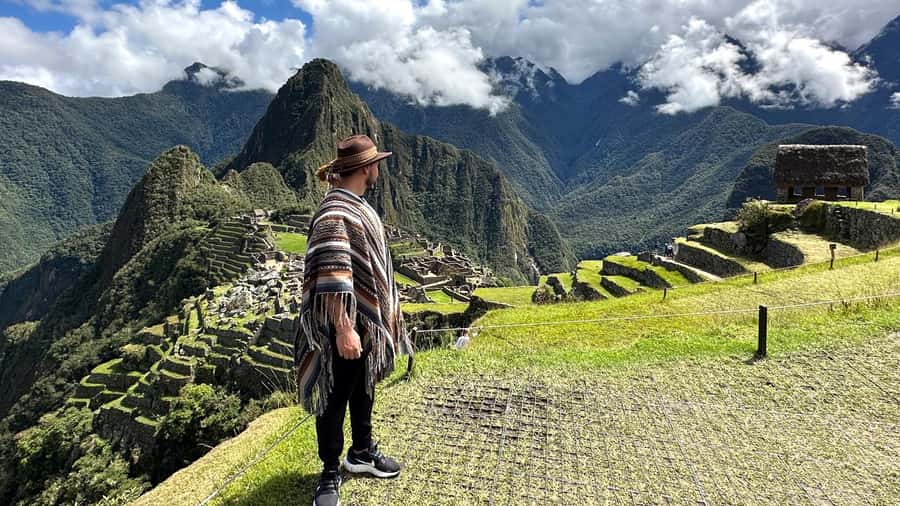
You’ll stay overnight in Aguas Calientes (if you selected accommodation in the tour options). This night matters because it turns a day trip into a controlled schedule.
In Aguas Calientes, you’ll have time to relax before the early morning push up to Machu Picchu. And the tour includes lunch in Aguas Calientes after your Machu Picchu visit, so you’re not scrambling for food when you’re tired and your phone battery is begging for mercy.
If weather is acting up, Aguas Calientes also gives you a practical buffer. You can’t control the sky, but you can control your pacing, and you’ll start day two already on the mountain-side route instead of rushing from Cusco.
Machu Picchu guided tour: terraces, stairways, and ceremonial layout
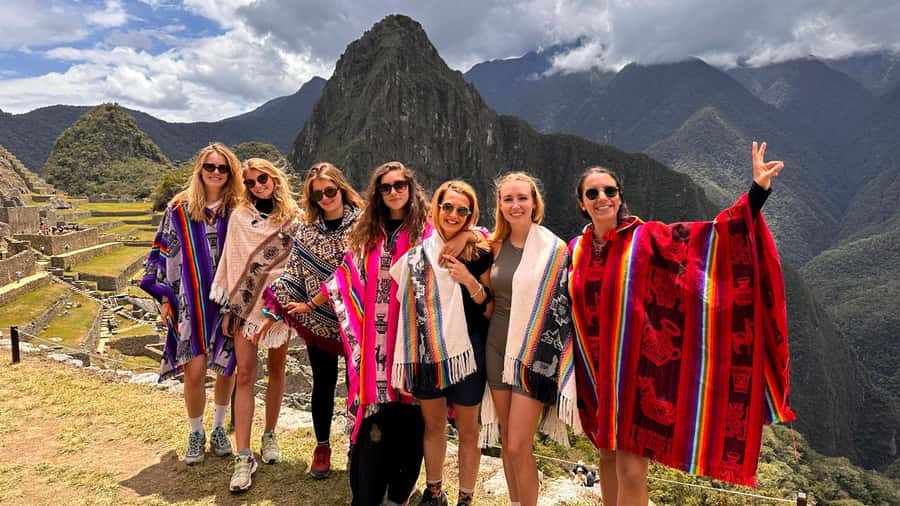
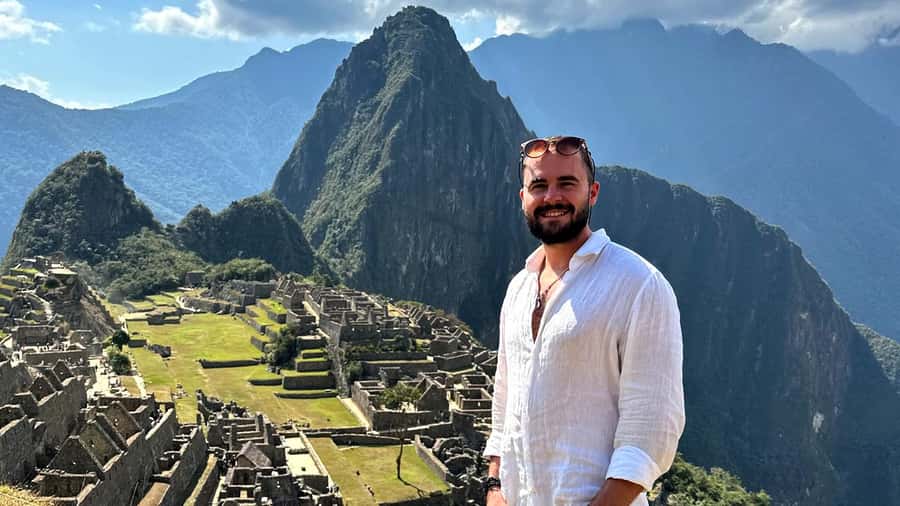
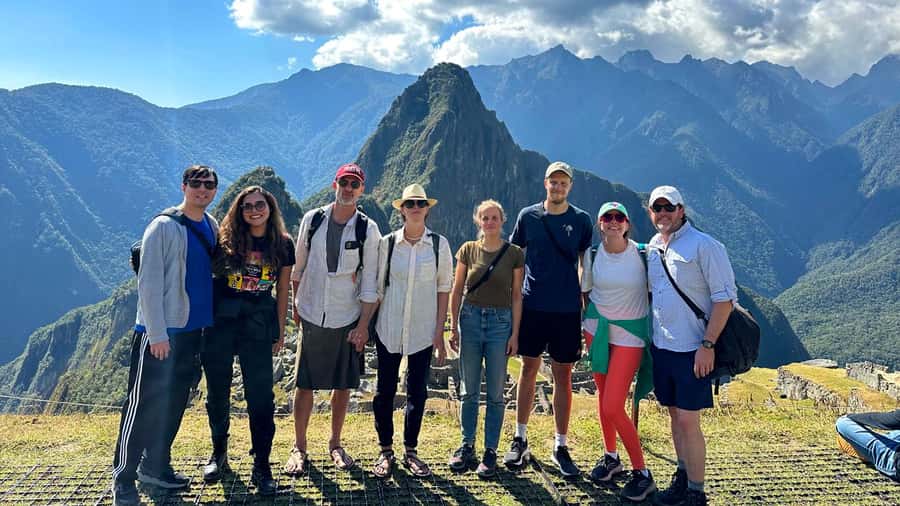
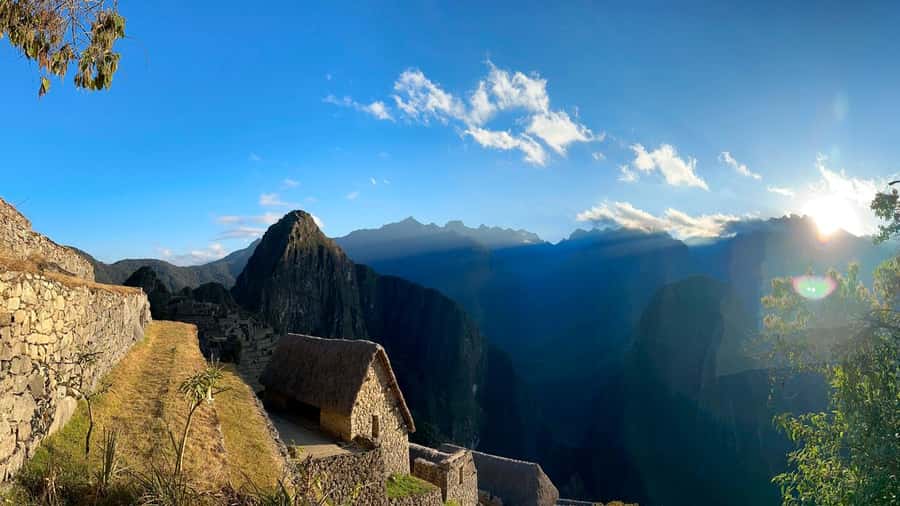
The second day starts with an early bus from Aguas Calientes up to Machu Picchu. On the ride, you’ll get views of the Urubamba River canyon—one of those moments where the geography explains the history.
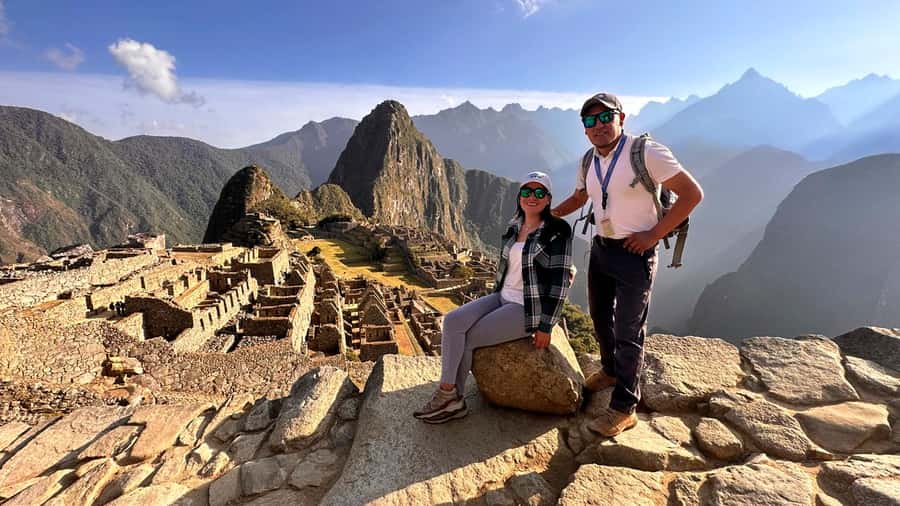
Then you explore Machu Picchu with a certified guide (Spanish or English). This is where the guided format really pays off. Machu Picchu is easy to admire and hard to fully understand at a glance. With a guide, you get help connecting features—terraces, stairways, and ceremonial structures—into a story instead of a list of highlights.
Timing and weather: plan for the possibility of clouds
Machu Picchu is weather-sensitive. One highlight from a late-December experience: an early 7:00 am ticket meant visibility wasn’t as favorable as hoped, even though the visit stayed memorable. That tells me something important for your expectations: if you get early entry, the reward is less about perfect light and more about a quiet, focused start. Clouds can reduce views, but they don’t erase the feeling of scale and design.
So I’d treat the weather as part of the deal, not a failure. Go for context and awe, not just a clear postcard panorama.
Price and logistics: what you’re actually paying for
The price is $370 per person for a 2-day package. For Machu Picchu travel, that’s not “cheap,” but it’s also not wild considering what’s bundled: pickup/drop-off, Sacred Valley tour (Spanish/English), Machu Picchu tour (Spanish/English), train tickets (Tourist or Panoramic category), bus tickets to and from Machu Picchu, Machu Picchu entrance, certified guide time, 24-hour assistance, and lunch in Aguas Calientes.
What’s not included (so you don’t get surprised)
- Entrance to Pisac and Ollantaytambo (about $22, approx.)
- Lunch in the Sacred Valley
- Drinks
So your real-world total may land a bit higher once you factor those extras. Still, if you’d rather not juggle entrance tickets, train schedules, and timing between transfers, this package is paying for coordination and a guided flow.
Luggage and what to pack
One important rule: luggage or large bags are not allowed. That’s a practical heads-up because you’ll likely need to travel light for the train and bus. Bring a day bag with your essentials and keep it manageable.
You’ll also need a passport or ID card.
Who this tour is best for (and who might prefer DIY)
This tour fits best if you:
- Want Sacred Valley + Machu Picchu in two days without figuring out every transport link
- Prefer a small group with an actual guide explaining what you’re seeing
- Are comfortable paying extra for peace of mind, especially around train and entrance coordination
You might consider a DIY approach if you:
- Love planning details yourself and already know how you’ll handle tickets, seats, and transfer timing
- Want full freedom to linger longer at specific sites (this schedule is efficient, not slow)
My take: should you book this 2-day Sacred Valley and Machu Picchu trip?
I’d book it if your top priority is getting everything lined up cleanly: pickup in Cusco, guided Sacred Valley sites, train to Aguas Calientes, an organized early start to Machu Picchu, and help throughout with a small-group format.
I’d think twice if you’re extremely sensitive to visibility issues and you expect Machu Picchu to look like a perfect cloudless postcard. Early tickets can mean less-than-ideal views, and you don’t control the weather. On the flip side, a guide and a structured day help you appreciate the site even when the sky isn’t cooperating.
If you do book: keep your expectations realistic, travel light, and be ready to go early. Those choices make the whole experience smoother—and more memorable.
FAQ
How long is the Sacred Valley and Machu Picchu trip?
It’s a 2-day tour.
What does the tour include regarding transport?
You get roundtrip train tickets (Tourist Train or Panoramic Train) and roundtrip bus tickets between Aguas Calientes and Machu Picchu, plus hotel pickup and drop-off in Cusco.
Is Machu Picchu entrance included?
Yes. The entrance ticket to Machu Picchu is included in the tour.
Are Pisac and Ollantaytambo entrance tickets included?
No. Entrance to Pisac and Ollantaytambo is not included (about $22 approximately).
What meals are included?
Lunch in Aguas Calientes is included. Lunch in the Sacred Valley is not included.
Are large bags allowed?
No. Luggage or large bags are not allowed. You should plan to travel light.