REVIEW · CITY TOURS
Cusco: Half-Day City Tour
Book on GetYourGuide →Operated by Peru Andes Top · Bookable on GetYourGuide
Cusco can feel like a blur when you only have a little time, so this route is a smart way to get your bearings fast. I like how the tour hits multiple Inca engineering landmarks in one outing, and I also like the way the bilingual guides keep linking the stones to real stories of Cusco. One thing to plan for: it’s still a lot of walking and stop-and-go climbing in about 6 hours, so comfortable shoes matter.
If you’re booking because of the historical stops, you’ll be happy—guides like Silvia, Clara, Janet, Wally, and José get praised for being attentive and answering lots of questions. Still, there’s a practical downside to know about: some versions of this kind of tour can include an extra textiles shop stop, and that can feel like a detour if you’re not shopping.
In This Review
- Key highlights worth your attention
- A 6-hour Cusco city tour that covers the big Inca hits
- Price and real-world value: what $17 covers (and what doesn’t)
- Morning vs afternoon: Cathedral and Coricancha change the whole feel
- Qenqo: a natural rock turned into ceremonial space
- Puca Pucara: military ruins and guard-post “logic”
- Tambomachay: the Baths of the Incas and the water-purification idea
- Sacsayhuaman: limestone blocks, solar-shrine theory, and defense from the East
- Coricancha and Cusco Cathedral: when Inca center stage becomes colonial basilica
- Coricancha (the Inca temple complex)
- Cusco Cathedral (Basilica Cathedral)
- How the bilingual guide experience actually feels on the ground
- Getting there, walking pace, and what to bring in Cusco conditions
- Budget-friendly tips that make the day smoother
- Who this tour suits best (and who might prefer another plan)
- Should you book Cusco: Half-Day City Tour?
- FAQ
- What sites are visited on morning departures?
- Which entrance fees are not included?
- Where does hotel pickup happen, and where do you end?
- What should I bring for the tour?
- Is video recording allowed?
- Are pets or large bags allowed?
Key highlights worth your attention
- Qenqo’s ceremonial rock: a natural formation the Incas turned into a ritual center
- Puca Pucara’s military layout: ruins that read like a defensive system, not just ruins
- Tambomachay and the water theme: the Baths of the Incas idea tied to purification
- Sacsayhuaman’s massive limestone blocks: built to defend against threats from the East (Antis)
- Coricancha and Cusco Cathedral (afternoon option): Inca temple importance meets colonial basilica architecture
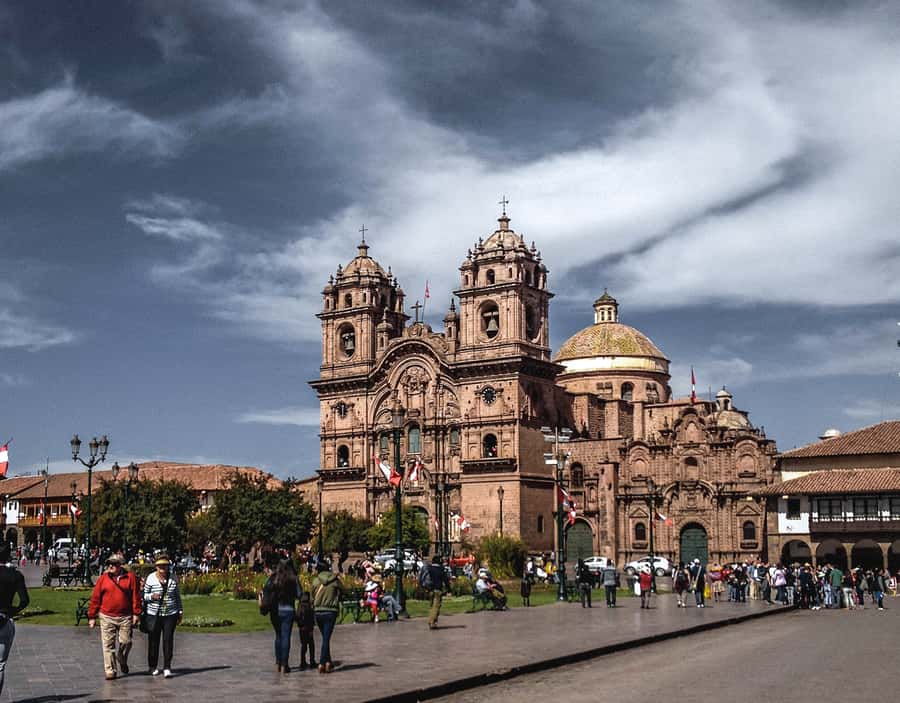
- Hotel pickup in Centro Histórico: you start and end in the heart of Cusco (Plaza Mayor)
A 6-hour Cusco city tour that covers the big Inca hits
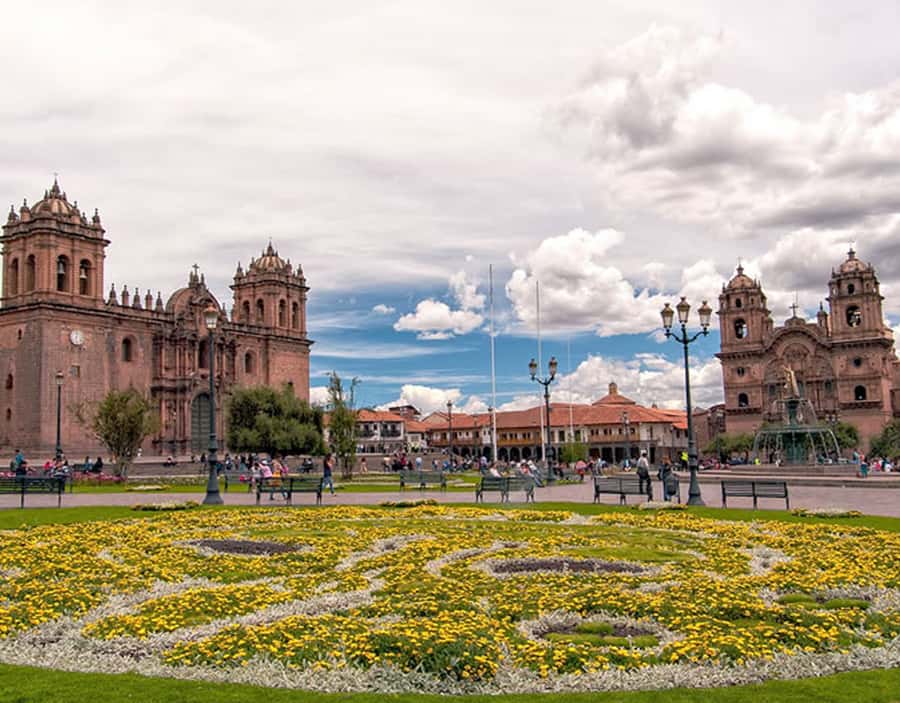
This is a half-day tour in name and a full-on orientation in practice. You’ll leave from your hotel in Cusco’s historic center, ride out in a van (about 40 minutes), then spend the rest of the time moving between major Inca sites around Cusco and—on afternoon departures—into the central religious monuments.
What makes it work is pacing. You’re not trying to do everything by yourself. With a guide, you get the why behind the where: why Qenqo looks the way it does, why Puca Pucara has the feel of a guard-and-defense zone, and why Sacsayhuaman’s stonework is such a big deal.
And because the tour is bilingual (Spanish/English) with a professional guide, you can ask questions instead of just staring at rocks. I find that’s where Cusco becomes real.
You can also read our reviews of more city tours in Cusco
Price and real-world value: what $17 covers (and what doesn’t)
At $17 per person, this tour is priced like a budget win—especially because transportation and a bilingual guide are included. The tradeoff is that entrance fees are not included, so your final total depends on which route you take and which tickets you need.
Here’s what you should budget for based on what’s listed as not included:
- Cusco Cathedral entrance fee: 40 soles
- Coricancha entrance fee: 15 soles
- Archaeological sites ticket outside the city: 70 soles
So if you’re doing an afternoon departure with Coricancha + the cathedral included, your cash plan needs to cover more. If you’re doing a morning departure, you’re still paying the outside-city archaeological ticket (because you’ll be visiting multiple sites outside the historic center).
The value part: even after adding tickets, the tour stays a good deal because you’re paying for guide time + transport + routing. If you tried to DIY this on your own, you’d spend more time figuring out transit and entrances.
Morning vs afternoon: Cathedral and Coricancha change the whole feel
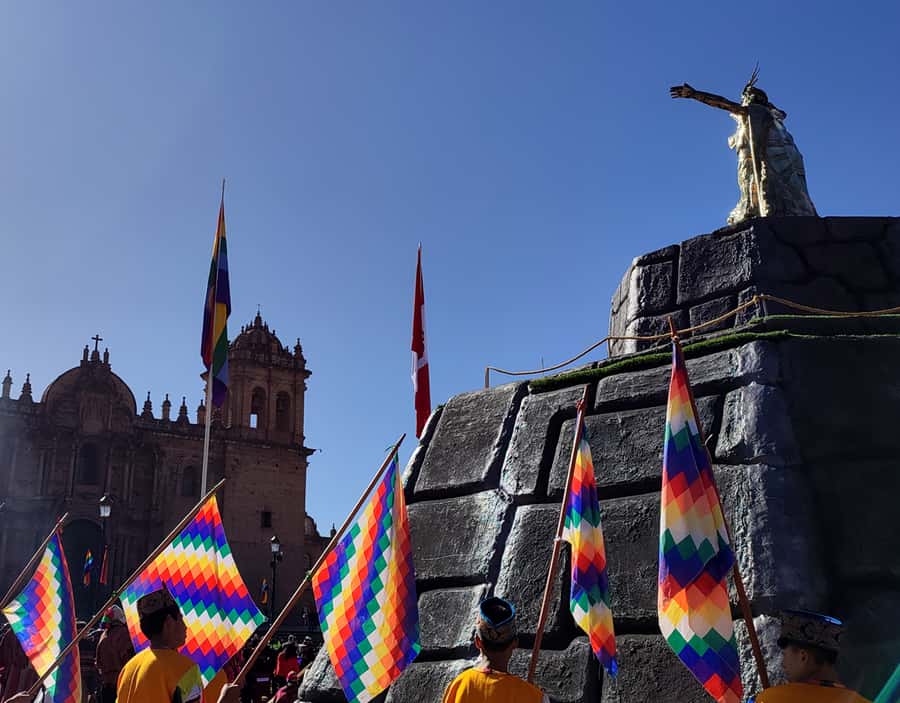
Know the difference before you book. The morning route is a tight loop of the classic ruins:
- Sacsayhuaman, Qenqo, Puca Pucara, and Tambomachay (guided visits)
The afternoon route adds the central monuments:
- Cusco Cathedral (Basilica Cathedral)
- Coricancha (the Inca temple complex, now with UNESCO-listed structures)
This matters because the sites feel different. The morning is about Inca-era design and how the Incas shaped sacred and strategic spaces around Cusco. The afternoon is about how Cusco’s spiritual power later got layered with colonial architecture—especially at Coricancha and the basilica (built in 1560, per the tour info).
If you like contrasts—Inca stone logic on one hand, colonial church grandeur on the other—afternoon is a stronger pick.
Qenqo: a natural rock turned into ceremonial space
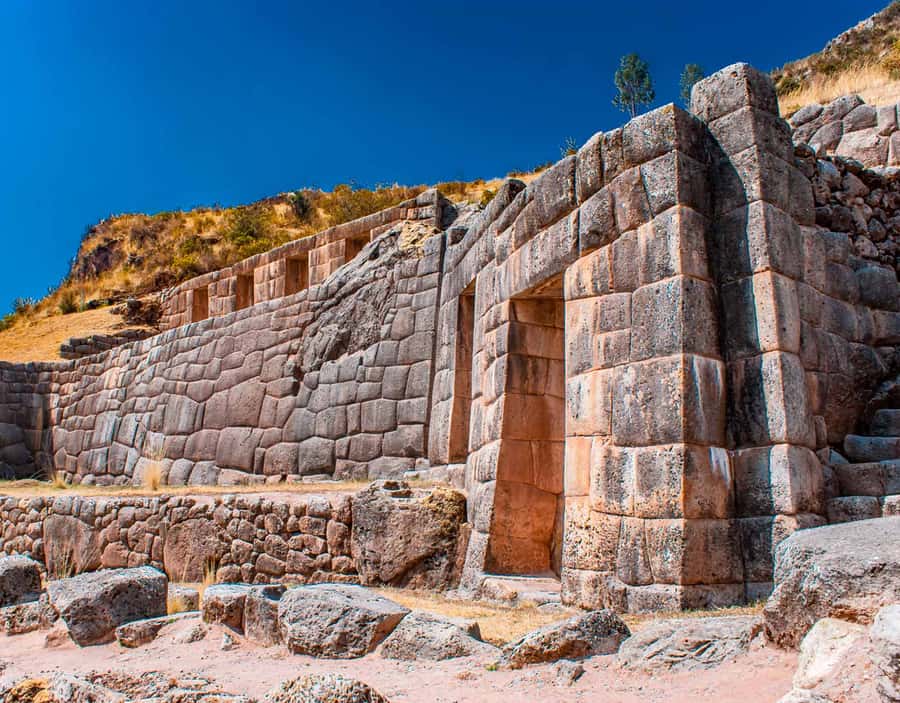
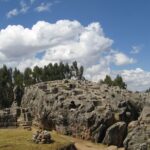
Qenqo is one of those places where you can feel the intention even before you understand it. The tour frames it as a natural rock formation that became a ceremonial center, which is exactly the right way to look at it.
Instead of treating it like a random pile of ancient walls, listen for what your guide points out about how the Incas repurposed the land. Qenqo’s power is the way the rock itself helps define the mood—still, concentrated, and clearly meant for ritual rather than daily life.
Practical note: it’s a short guided stop, so wear shoes that handle uneven ground. You’ll want to move comfortably even if the time on site is only about 40 minutes.
Puca Pucara: military ruins and guard-post “logic”
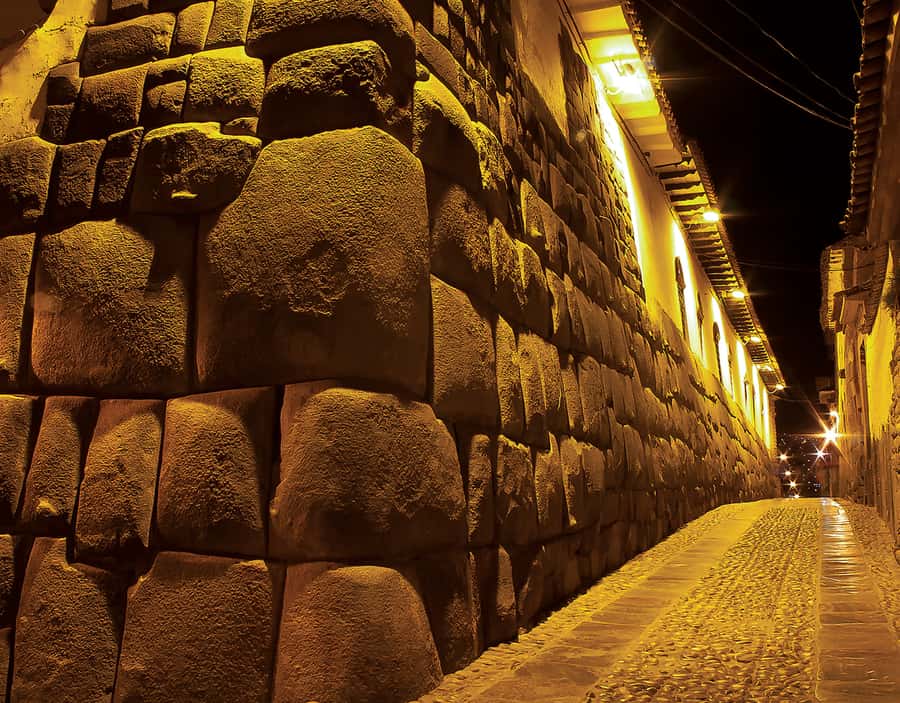
Puca Pucara gives the opposite vibe of a ceremonial site. This one is described as military ruins, with the remains of guard posts, staircases, streets, houses, and courtyards.
That layout is the clue. When you look at the surviving stone patterns with a guide explaining the defense function, you stop seeing it as “old stuff” and start seeing how the place might have worked: who would be where, how people might move, and how the site reads as a controlled zone rather than open countryside.
This stop is also a good reminder that Inca Cusco wasn’t only about temples. It was administration, engineering, and security too.
You can also read our reviews of more tours and experiences in Cusco

Tambomachay: the Baths of the Incas and the water-purification idea
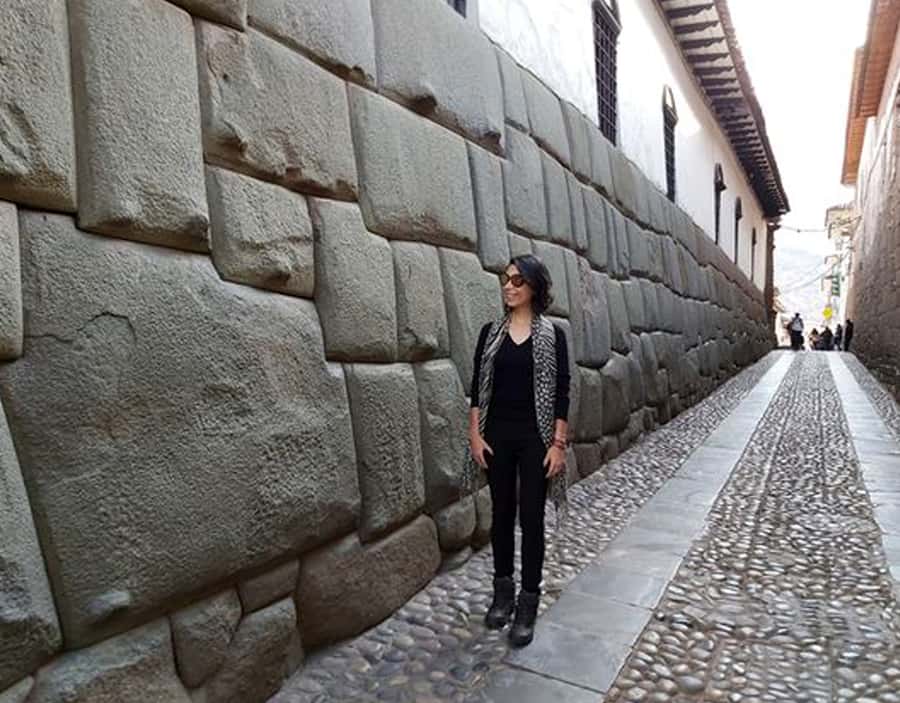
Tambomachay sits outside the city (the tour notes it’s 9 kilometers away). It’s known as the baths of the Incas because of the shape of the water source.
Even if you’re not a water-nerd, this site connects Cusco’s sacred ideas to something practical: water. The tour info suggests it could also have been related to a cult of water and purification, which changes how you read the design. You’re not just looking at channels and stone; you’re looking at a system built around a belief.
This is the kind of place where a good guide makes the stop feel longer than it is. Your visit is around 40 minutes, so pay attention to the water setup and why its form matters.
Sacsayhuaman: limestone blocks, solar-shrine theory, and defense from the East
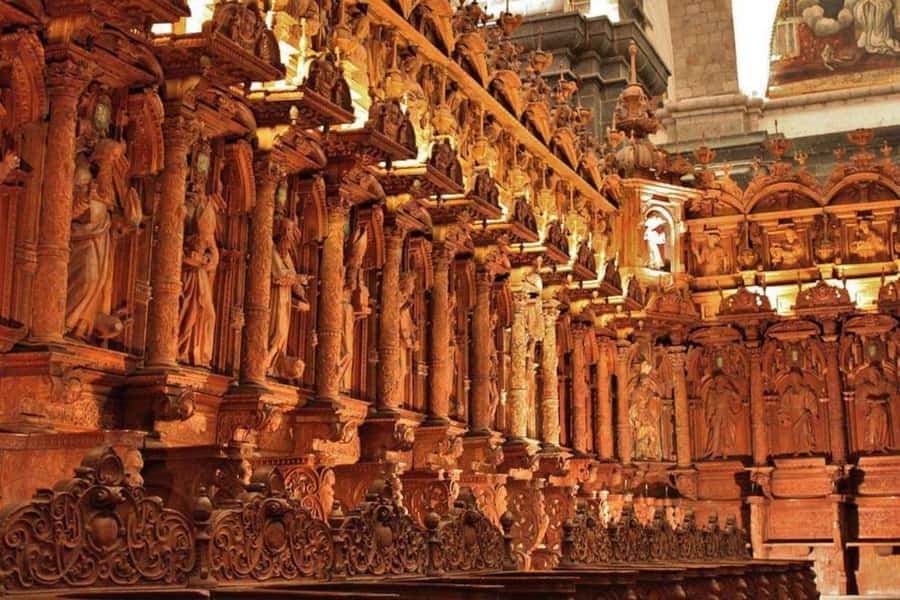
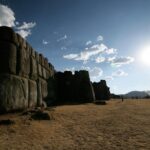
Sacsayhuaman is the headliner for many people for a reason: it’s huge, and it shows off serious engineering.
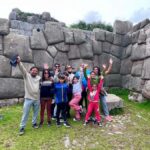
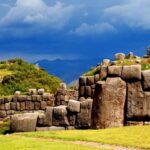
The tour describes it as a solar shrine in chroniclers’ accounts, built by the last Inca dynasties. It also emphasizes the defensive angle: large limestone blocks used to protect the city from attacks from the East (Antis). That combination—sacred meaning plus defensive design—is part of what makes Sacsayhuaman feel like more than a monument.
When you’re standing there, it helps to think about scale. Incas didn’t build lightly. They built so that the stone itself carried the message: permanence, power, and preparedness.
If your energy is starting to dip, don’t worry. The guided stop is about 40 minutes, and the key is letting your guide point out what to notice rather than trying to “figure it all out” alone.
Coricancha and Cusco Cathedral: when Inca center stage becomes colonial basilica
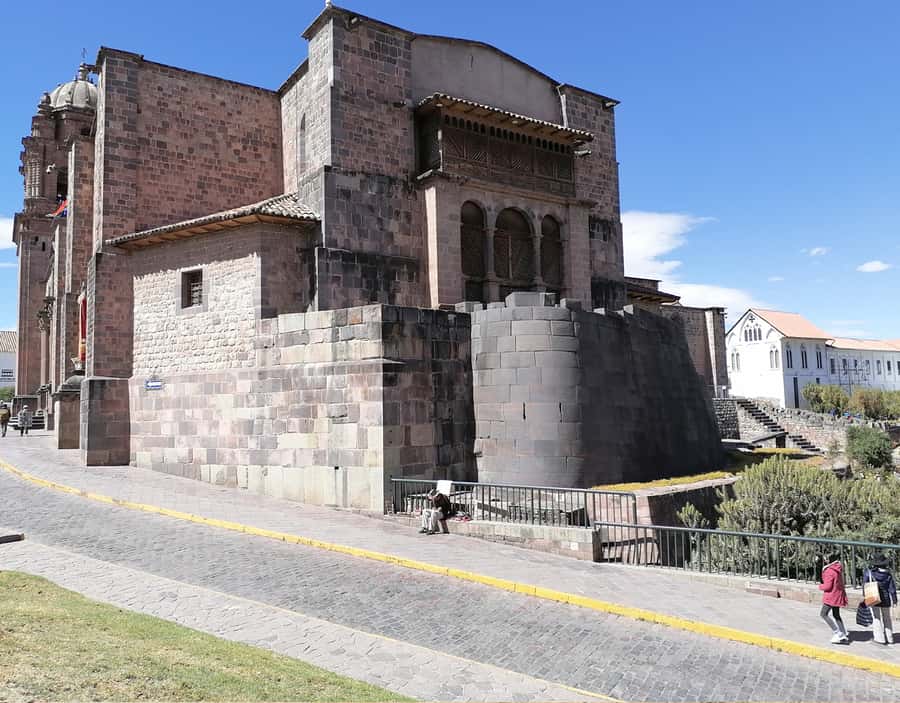
On afternoon departures, the tour finishes with two central spiritual landmarks: Coricancha and Cusco Cathedral.
Coricancha (the Inca temple complex)
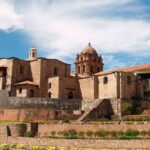
Coricancha is described as the most important temple of the Inca empire, with perfect architecture and stone construction. The point isn’t only that it’s old—it’s that it was once the center of religious life. Watching the transition from Inca architecture to later religious layers is one of the most memorable parts of Cusco for first-timers.
Your guided visit here is about 1 hour, so you get more time to process what you’re seeing.
Cusco Cathedral (Basilica Cathedral)
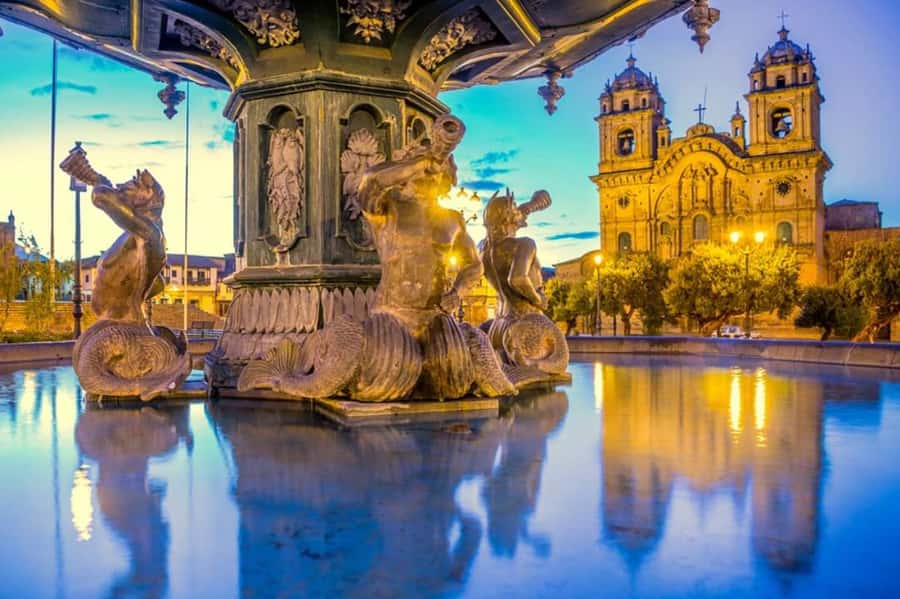
The cathedral is built in 1560, and it’s part of why afternoon tours feel more “city” and less “ruins.” If morning is Cusco’s Inca logic outside the center, the cathedral is Cusco’s story where the action moved indoors.
Your cathedral visit is about 40 minutes, and you’ll likely spend enough time to understand the architecture and why it mattered in colonial Cusco.
How the bilingual guide experience actually feels on the ground
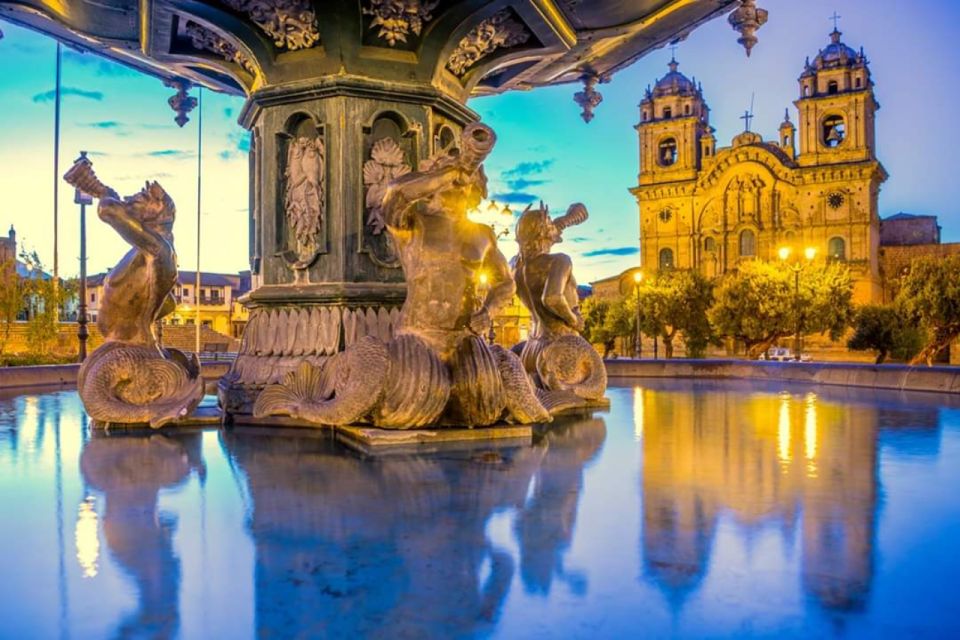
This is one of the strongest parts of the tour, and it comes through in the feedback around specific guides—Silvia, Clara, Janet, Wally, and José are all named as favorites for being engaged and for explaining Inca life clearly.
I like tours where your guide doesn’t just recite dates. Here, the best versions of the tour focus on linking:
- the stone layout to how people might have used the space
- sacred design to everyday survival
- defense architecture to what Cusco’s geography demanded
You’ll also notice that pickup and drop-off are handled smoothly, including transport coordination. Some groups are managed with different vehicles, but your guide’s job is to keep it organized so you don’t lose the thread.
If you’re traveling with kids, this one can work well too—there’s praise for a guide being patient with children, and the half-day structure helps keep attention from drifting too far.
Getting there, walking pace, and what to bring in Cusco conditions
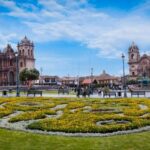
This tour gives you pickup in Centro Histórico and ends at Plaza Mayor del Cusco. That’s a big practical win because you don’t have to fight with taxis or buses between scattered ruins.
But Cusco is altitude + uneven ground. Even if the stops are timed, your body will feel it. Bring:
- Comfortable shoes (non-negotiable)
- Water
- Cash (for entrance fees)
- Passport (listed as required to bring)
And because weather can flip fast:
- long pants
- sun hat
- sunscreen with 30 sun protection factor or more
- raincoat or waterproof jacket
One more thing: the tour lists you should bring no luggage or large bags, and video recording isn’t allowed. So keep your bag small and your phone ready for photos only.
Budget-friendly tips that make the day smoother
Here are the choices I’d make if you want this to feel effortless.
- Have your entrance money ready. Entrance fees are listed separately, including cathedral and Coricancha. Don’t plan to be scrambling at the last minute.
- Don’t overpack. With the no-large-bags rule, pack light. You’ll thank yourself when you’re moving in and out of vehicles and walking sections.
- Ask questions early. The guide’s energy tends to be strongest at the start, and you’ll get more from stops like Qenqo and Puca Pucara when you’ve already learned the “language” of what you’re looking at.
- If there’s a shop stop, decide fast. One drawback that showed up in feedback: a textiles store stop can feel unnecessary if you want pure ruins. If you don’t want to shop, you can politely opt out of the time spent and keep your focus on the next site.
Who this tour suits best (and who might prefer another plan)
This is ideal if you:
- have a short time in Cusco and want the major Inca sites in one guided run
- like learning the meaning behind the stones, not just the location
- value transport + guide over self-navigation
It may be less ideal if you:
- want a super slow, relaxed day with long stays at one site
- prefer a strictly museum-style experience with no extra stops
- need fully individualized attention for complex interests at a single location (because the schedule is built to cover multiple sites)
Also, because it’s about 6 hours, it’s best for travelers comfortable with walking and switching contexts every stop.
Should you book Cusco: Half-Day City Tour?
Yes, if you want a strong first pass at Cusco with minimal hassle. At $17, you’re basically buying transportation and guided interpretation, and then paying separate entrances for the monuments that genuinely merit time—especially Coricancha and the cathedral on afternoon departures.
Book it if:
- you want Inca-era engineering stories you can actually picture
- you’d rather have a guide than guess what Qenqo or Puca Pucara are telling you
- you like the idea of mixing ruins and city monuments (afternoon)
Skip or rethink it if:
- you’re allergic to any kind of detour and only want ruins, no matter what
- you need long, unhurried time at one single site
- you don’t handle a day with multiple short walks well
If you’re flexible, this is one of the easier ways to learn Cusco’s structure fast. You’ll leave with enough context to explore on your own later—so the city makes sense the second time you see it.
FAQ
What sites are visited on morning departures?
Morning departures visit Saksayhuaman, Qenqo, Puca Pucara, and Tambomachay. Cusco Cathedral and Coricancha are not included on the morning route.
Which entrance fees are not included?
Entrance fees not included are Cusco Cathedral (40 soles), Coricancha (15 soles), and the archaeological sites ticket outside the city (70 soles).
Where does hotel pickup happen, and where do you end?
Pickup is included from your hotel in the historic center (Centro Histórico). If your hotel is not accessible by vehicle, you’ll meet at the nearest possible point. The tour ends at Plaza Mayor del Cusco.
What should I bring for the tour?
Bring comfortable shoes, water, passport, and cash. The tour also recommends long pants, a sun hat, sunscreen (30+ SPF), and a raincoat/waterproof jacket.
Is video recording allowed?
No. Video recording is not allowed during the tour.
Are pets or large bags allowed?
No. Pets are not allowed, and you shouldn’t bring luggage or large bags.