REVIEW · INCA TRAIL TREKS
2-Day Short Inca Trail to Machu Picchu
Book on Viator →Operated by Andean Path Travel · Bookable on Viator
Machu Picchu in two days with an Inca trail. I love how this short Inca Trail gets you to Wiñaywayna and the Sun Gate without the long slog, and I love the small-group setup (max 10) that keeps the days feeling manageable. You’ll also get the key costs handled ahead of time: Machu Picchu entrance, a guided visit, and train plus bus connections.
The main tradeoff is timing and altitude. You’re trekking at around 2,900 meters near Wiñaywayna, and the schedule is tight enough that you’ll want moderate fitness and a calm attitude when the climbs show up.
In This Review
- Key highlights to know before you go
- Short Inca Trail, big payoffs: how this 2-day plan works
- Cusco to KM 104: getting on the trail the practical way
- Wiñaywayna to the Sun Gate: ruins, waterfalls, and controlled effort
- Aguas Calientes overnight: why sleeping here makes Day 2 easier
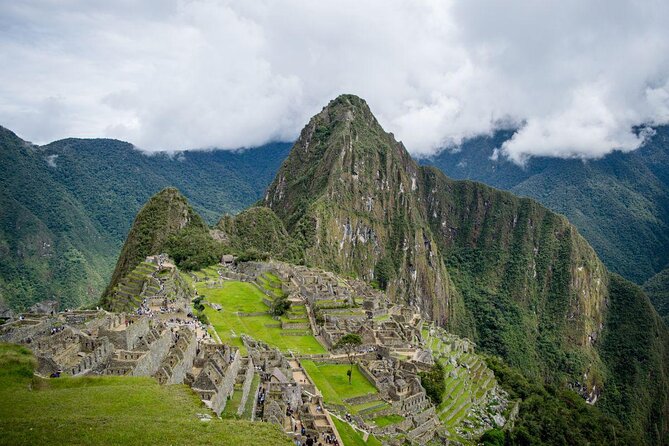
- Early walk to Machu Picchu: the postcard reveal happens fast
- Guided Machu Picchu, then free time: choose your pace
- What you’re paying for: does $680 make sense here?
- Who this short Inca Trail tour suits best
- Weather and timing: the one variable you can’t control
- Practical tips that make Day 1 and Day 2 smoother
- Should you book this 2-day Inca Trail to Machu Picchu?
- FAQ
- How long is the 2-day short Inca Trail to Machu Picchu?
- What is the meeting window for the tour?
- What does the tour cost?
- What’s included in the price?
- Do I need to pay for meals besides lunch?
- How many people are in the group?
- What level of fitness do I need?
- What about weather cancellations?
- Is free cancellation available?
Key highlights to know before you go
- KM 104 start gives you a true Inca Trail flavor without committing to the full multi-day trek.
- Wiñaywayna ruins plus waterfalls break up the walking with real scenery and archaeological stops.
- Sun Gate views and quick photo time before you head down toward Machu Picchu.
- Hotel in Aguas Calientes for one night means you’re not scrambling for sleep after Day 1.
- Guided Machu Picchu for about two hours, then free time to explore on your own (or add Huayna Picchu if you want).
Short Inca Trail, big payoffs: how this 2-day plan works
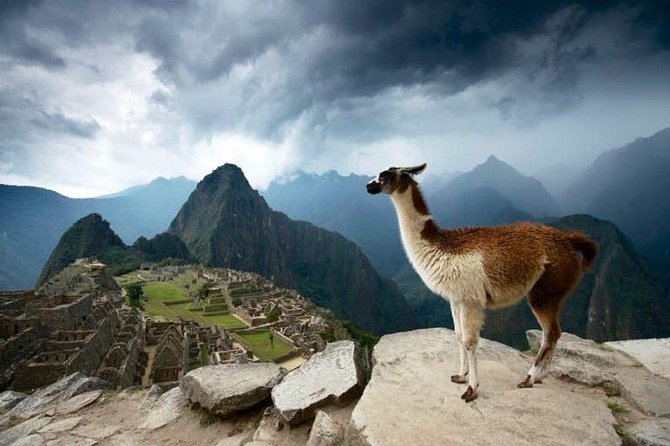
This is a condensed way to do the classic Inca experience. Instead of spending days hiking to Machu Picchu, you start at KM 104, walk to Wiñaywayna, then continue toward the Sun Gate on Day 1. Day 2 is all about Machu Picchu itself, with an early start and a guided orientation that helps you see what you’re looking at.
For me, the value here is how many of the hard pieces are already stitched together. The tour covers train tickets, Machu Picchu fees, bus transportation, and one lunch. That matters, because Cusco to Machu Picchu logistics can eat time and energy even for organized travelers.
The small-group limit is also a real quality marker. When your group stays under 10, the guide can watch pacing, answer questions, and adjust stops without turning the day into a production line.
You can also read our reviews of more tours and experiences in Cusco
Cusco to KM 104: getting on the trail the practical way
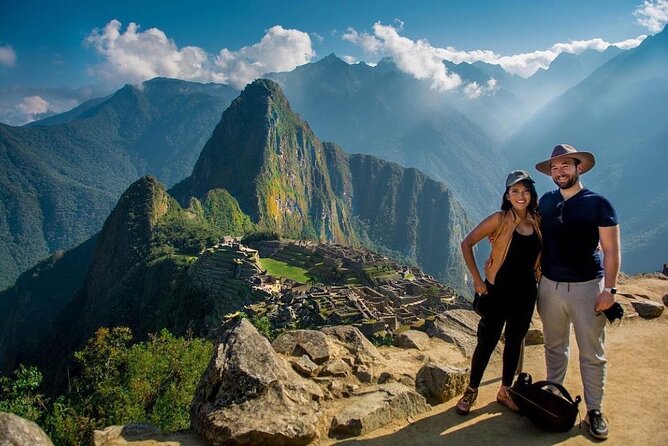
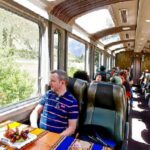
Day 1 starts with a hotel-to-train transfer to the station. Then you ride the train to KM 104, where the hike begins. It’s a clever setup: you avoid a long morning “travel day” and trade it for actual trekking time on the Inca route.
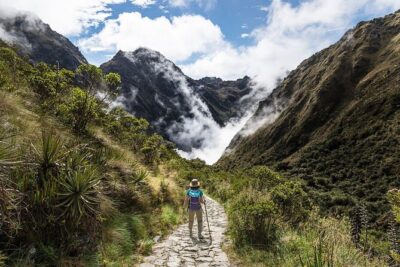
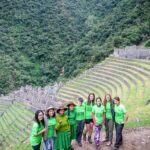
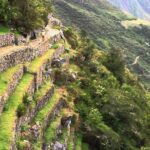
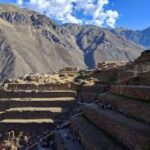
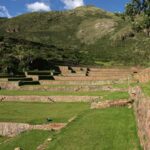
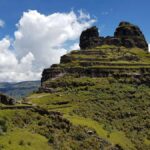
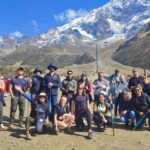
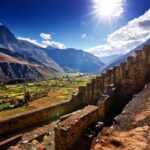
Once you’re at KM 104, you start walking for about 3 hours to the well-preserved ruins of Wiñaywayna. This stretch is the foundation of the whole trip because it gives you that first sense of the Inca Trail path—stone, steps, and the feeling that you’re moving through a historic corridor, not just hiking in general.
Altitude is part of this segment. Wiñaywayna sits around 2,900 meters, so take it slow in the beginning. If you’re the type who tries to “make up time” on the first climb, this is where you’ll pay for it later.
Wiñaywayna to the Sun Gate: ruins, waterfalls, and controlled effort
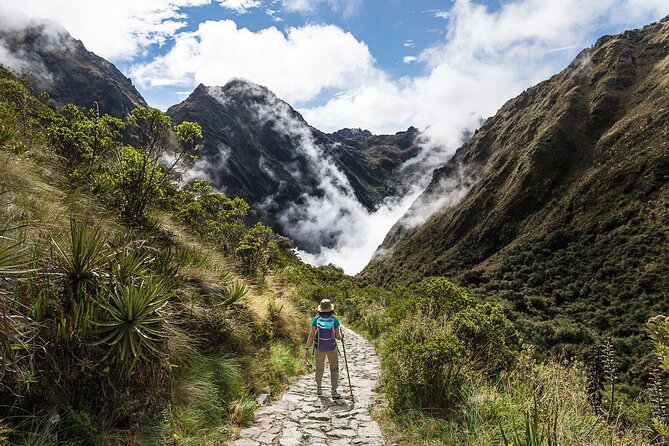
After reaching Wiñaywayna, you’ll have lunch and then keep walking for about 2 more hours. This is where the day shifts from first ruins to big views. The route is described as featuring beautiful waterfalls along the way, which is a nice mental break from “only uphill” thinking.
Then you work your way toward the Sun Gate. The goal isn’t just to arrive—it’s to arrive with enough energy to appreciate the views and take photos. After the Sun Gate, you head down toward the Machu Picchu Inca site for photos and then continue on to Aguas Calientes, where you’ll stay overnight.
One small planning detail matters here: this isn’t a sightseeing-only day. It’s active, and it’s sequential. If you want to linger at every viewpoint, you’ll need to do it without losing the group rhythm, because you still have to reach Machu Picchu the next day.
Aguas Calientes overnight: why sleeping here makes Day 2 easier
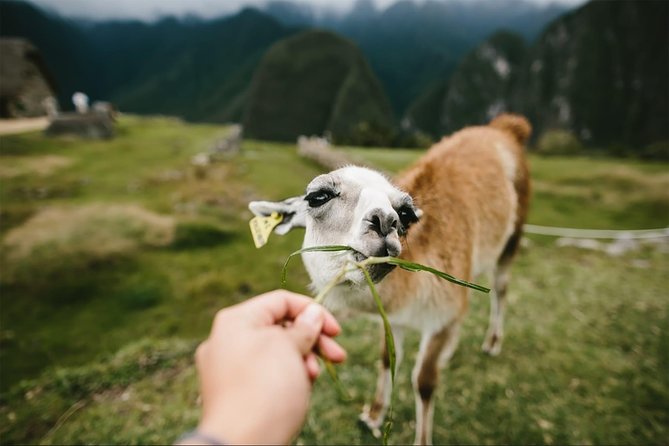
Aguas Calientes is where you reset. You arrive after Day 1 and you get a one-night hotel included, which is a huge relief after hiking and moving all day.
One of the smarter perks in practice is how your stuff can be handled. In at least one real traveler experience, a duffle bag was provided for items you don’t want to carry during the hike, and the bag later showed up at the hotel. That’s the kind of small logistics win that makes you feel lighter—and not annoyed—at altitude.
This night also changes your mindset for Day 2. Instead of rolling straight back from the trailhead, you get sleep, wash up, and prepare for the early start. Machu Picchu morning feels smoother when you’ve already made it to the town the night before.
Early walk to Machu Picchu: the postcard reveal happens fast
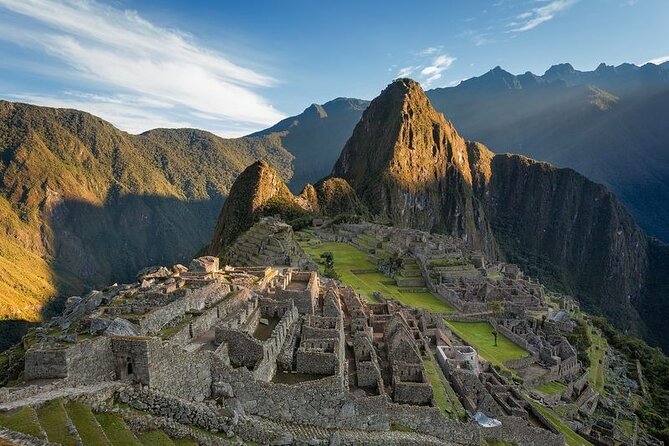
Day 2 begins with breakfast and an early start. Then you walk for about 1.5 hours to reach Machu Picchu and see the site open up in front of you.
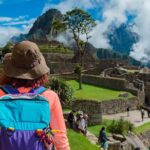
This is the moment most people remember: the reveal. You’re not just arriving at an attraction; you’re walking in with your legs still doing the work, which makes the first views feel earned. Your guide then spends about two hours explaining Machu Picchu’s history and pointing out what to look for.
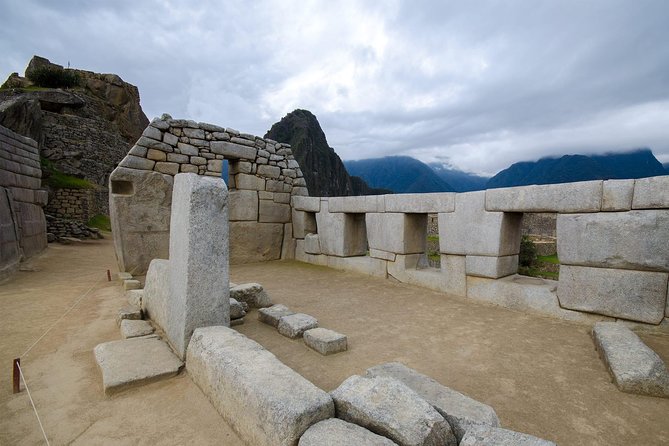
Those guided explanations matter more than you might expect. Machu Picchu is dense—platforms, terraces, temples, and sight lines. A good guide helps you connect the layout to how the site functions, so you’re not just taking pictures of stones.

Guided Machu Picchu, then free time: choose your pace
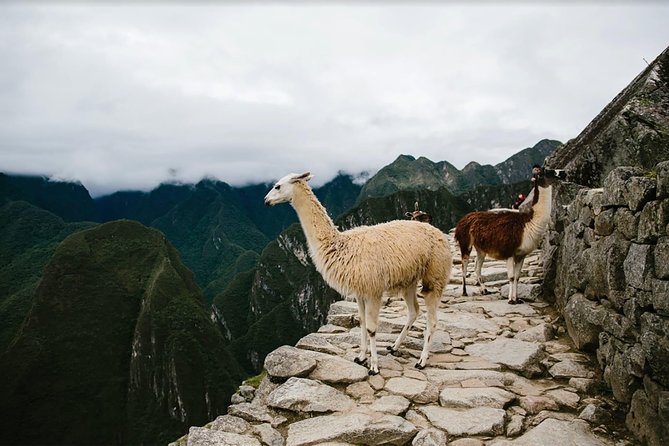
After the guided portion, you get free time to explore on your own. This is where you can slow down, step away from the group, and revisit viewpoints without worrying about keeping up with a schedule.
And yes, there’s an option to climb Huayna Picchu Mountain. The time estimate given is about one hour up and one hour down. The key practical point is simple: plan your day so you can make it back to the station on time, because your train depends on it.
To keep things running, you need to be at the Aguas Calientes station to catch the train back to Ollanta (Ollantaytambo area), then take the bus back to Cusco. It’s efficient, but it’s also strict: if you overstay your visit, you risk turning your ending into a stressful scramble.
What you’re paying for: does $680 make sense here?
At $680 per person, you’re not just paying for a view. You’re paying for the package of costs that tend to add up quickly for Machu Picchu trips: guide time, Machu Picchu entrance, train tickets, bus transport, and hotel accommodation for one night. You also get one included lunch, which reduces one more everyday expense.
In plain terms, the price feels more reasonable when you compare it to trying to piece together the same train, entrance, and guide yourself. The biggest “hidden cost” of DIY is time—time spent sorting tickets, timing train arrivals, and figuring out what to do once you’re on the ground. This tour handles the core sequencing for you.
Also, the small-group size is part of the value. Paying more for a bigger group often means you wait longer at stops and move slower as a unit. Here, the cap at 10 travelers suggests you’ll spend more time walking and looking, and less time herding.
Who this short Inca Trail tour suits best
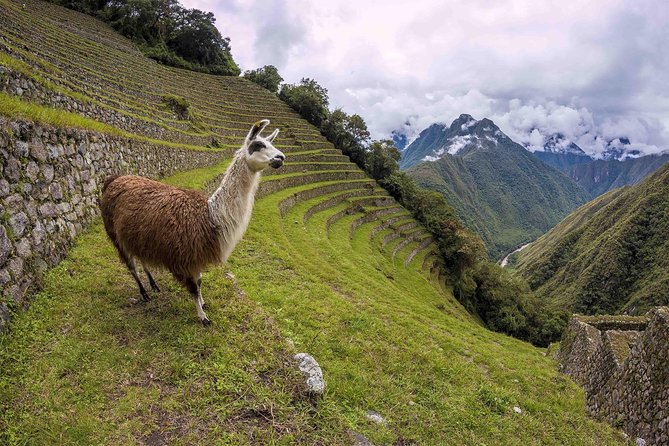
This tour fits travelers with moderate physical fitness. Day 1 includes about 3 hours of walking to Wiñaywayna, then lunch, then about 2 more hours to continue toward the Sun Gate, plus additional downhill time toward Machu Picchu and Aguas Calientes. Day 2 adds another walk of about 1.5 hours before your guided exploration.
If you’re nervous about the full-length Inca Trail, this is built as a gentler on-ramp. Multiple guide-led experiences highlight patience with pacing, including slower travelers in their late sixties who still completed the hike with encouragement. That doesn’t mean it’s easy, but it does mean the guides are used to real bodies, not just perfect-condition bodies.
If you hate early mornings or you’re sensitive to altitude, you’ll need to be extra strategic about acclimatizing in Cusco before you go. The day-by-day schedule leaves little slack for recovery.
Weather and timing: the one variable you can’t control
This experience requires good weather. If conditions aren’t suitable and the tour gets canceled for weather reasons, you’ll be offered a different date or a full refund.
So how do you deal with weather anxiety? Pack for layers and plan your attitude. When clouds roll in around Machu Picchu, views can change fast. The good news is that Machu Picchu still feels spectacular even when visibility isn’t perfect—the site is built for dramatic light and shadow.
Also keep in mind the time windows at the top of the day. The meeting hours listed are 5:30 AM to 5:00 PM, Monday through Sunday, so you’ll want to be ready for early activity rather than late starts and big breakfast plans.
Practical tips that make Day 1 and Day 2 smoother
Here’s what I’d do to get the most out of this style of trip:
- Go easy on the first hour. Even if you feel great, it’s smarter to let your breathing settle on the way to Wiñaywayna.
- Bring water discipline. The guide role includes keeping everyone comfortable and hydrated, and you should still sip consistently rather than waiting for thirst.
- Use your free time wisely. After the two-hour guided section, plan one main goal for self-exploration—views, architecture details, or that one photo angle you keep thinking about.
- If you’re climbing Huayna Picchu, commit to the timing. It’s about 1 hour up and 1 hour down, so it’s doable, but you still must return for the train back through Aguas Calientes.
- Pack light for the hike portion. If your operator provides a way to keep non-hike items separate, it’s worth using. Less carried weight makes altitude feel less rude.
Should you book this 2-day Inca Trail to Machu Picchu?
I’d book this tour if you want the real Inca feel—Wiñaywayna, the Sun Gate approach, and a guided Machu Picchu visit—without signing up for the full multi-day trek. The included train tickets, Machu Picchu entrance, hotel in Aguas Calientes, one lunch, and the bus ride back to Cusco are a strong bundle for travelers who don’t want logistics headaches.
I wouldn’t book it if you’re expecting a relaxed, slow walk with lots of downtime. This is active, it’s altitude-based, and the Day 2 schedule has to end with you at the station.
If you like guided context, compact group pacing, and a plan that gets you to the iconic viewpoints efficiently, this 2-day short Inca Trail option is a very solid way to reach Machu Picchu.
FAQ
How long is the 2-day short Inca Trail to Machu Picchu?
It runs for 2 days (approx.). Day 1 includes a trek from KM 104 to Wiñaywayna, then continuing toward the Sun Gate and heading to Aguas Calientes. Day 2 includes an early walk to Machu Picchu and guided time on site.
What is the meeting window for the tour?
The listed hours are Monday to Sunday, 5:30 AM to 5:00 PM.
What does the tour cost?
The price is $680.00 per person.
What’s included in the price?
Included are a guide, one lunch, transport, train tickets, the Machu Picchu fee, one night hotel, and a round-trip bus ticket.
Do I need to pay for meals besides lunch?
One dinner and the last day lunch are not included, so you’ll need to plan for meals on those parts of the trip.
How many people are in the group?
The tour has a maximum of 10 travelers.
What level of fitness do I need?
It’s suited for travelers with moderate physical fitness.
What about weather cancellations?
This experience requires good weather. If it’s canceled due to poor weather, you’ll be offered a different date or a full refund.
Is free cancellation available?
Yes. You can cancel up to 24 hours in advance for a full refund, as long as you cancel at least 24 hours before the experience’s start time.