REVIEW · PISAC & OLLANTAYTAMBO TOURS
Sacred Valley – Pisac and Ollantaytambo day tour
Book on Viator →Operated by Machupicchu Latin America · Bookable on Viator
One day can cover two unforgettable Inca stops. This Sacred Valley tour pairs big views with real hands-on culture, from Pisac ruins to Ollantaytambo fortress streets. It also helps you avoid the hassle of chaining transport and entry fees all on your own.
I really like the pace here. The group is kept small, the guide adds context in plain language, and you get enough time at key moments without feeling herded. I also like that you start with the human scale of the region, including a community animal rescue stop with alpacas, llamas, and even vicuñas.
The one thing to think about is spending. The advertised low base price does not automatically include site admissions or lunch, and some add-on upgrade options can be a mixed value if you only plan to do Ollantaytambo. If you want a shopping-light day, be ready to politely decline optional stops.
In This Review
- Key Things You’ll Notice on This Sacred Valley Day
- Getting Started Right: Cusco Pickup and the Inca Sites En Route
- Manos De La Comunidad Animal Rescue: The Most Human Stop on the Route
- Taray Viewpoint to Pisac: Classic Photos, Then Real Inca Engineering
- Pisac Market Time: Souvenirs Are Optional, Time Is Yours
- Urubamba Lunch Break: Budget It, Don’t Rush It
- A Local Weaving House Stop: Colors, Dyes, and Hand Skills
- Ollantaytambo Fortress: The Climb, the Stones, and the Finish Point
- Train connection note that actually matters
- Price and Value Check: What $29 Covers vs What You’ll Pay Later
- Who This Tour Fits Best (and Who Should Think Twice)
- Should You Book Sacred Valley: Pisac and Ollantaytambo?
- FAQ
- What time does the Sacred Valley day tour start?
- How long is the tour?
- Is hotel pickup and drop-off included?
- Are meals included in the tour price?
- Are entrance tickets included?
- Can I end the tour at Ollantaytambo train station?
- Do I need a passport for this tour?
Key Things You’ll Notice on This Sacred Valley Day
- Small-group feel with an English-speaking guide and a walking tour capped at 10 people
- Manos De La Comunidad camelid rescue where you’ll get close to alpacas, llamas, and vicuñas (ticket listed as free)
- Taray Viewpoint photo stop for the classic Sacred Valley panoramas
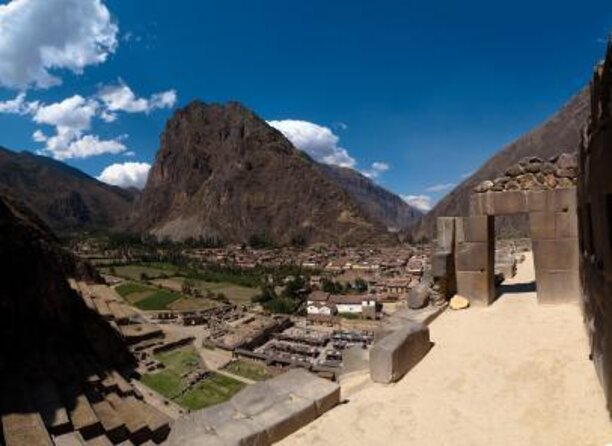
- Pisac with more than one angle: viewpoints plus a guided look at Inca agricultural terraces and ceremonial spaces
- Ollantaytambo with real effort: expect steps and a climb, plus dramatic stonework and terracing
- Optional train-station drop-off at Ollantaytambo (3:00pm or 4:00pm) for the Machu Picchu connection
Getting Started Right: Cusco Pickup and the Inca Sites En Route
This day starts early, with breakfast suggested before you go. Plan on pickup in Cusco around 7:00am, then you’re rolling toward the Sacred Valley. Meeting time is listed at 7:30am, so in practice you’ll want to be ready before that, especially if your hotel lobby is a few minutes from the actual door.
One of the smarter parts is the warm-up drive. You don’t just go straight to ruins. You pass by major Inca-era stops on the way out of Cusco area, including Saqsaywaman and Tambomachay (briefly seen from the route, not as a long guided detour). That matters because it gives your guide room to explain the “why” of the region before you start collecting monuments.
If you’re doing Cusco on your first day or two, this tour can also help you pace your altitude acclimation. You’ll be outside, but you’re not trying to force a long hike all morning. You’re in the car, then you step out in chunks.
You can also read our reviews of more tours and experiences in Cusco.
Manos De La Comunidad Animal Rescue: The Most Human Stop on the Route
The first scheduled stop is Manos De La Comunidad, an animal rescue center. You’re there around 8:00am, and the admission is listed as free for this stop. It’s a community-based setting, so the vibe is less like a zoo and more like a local project that supports families while caring for animals.
You’ll get close to Andean camelids: alpacas, llamas, and rare vicuñas. A couple of guides in the feedback also made this feel extra personal, with hands-on time and opportunities for folks who wanted to interact more. Even if you don’t go hands-on, you’ll still get the point: this is part of why the Andes feel so connected to daily life.
Practical tip: wear shoes you can stand in for a while. You’ll likely spend more time than you expect just watching the animals settle in and learning the guide’s explanations.
Taray Viewpoint to Pisac: Classic Photos, Then Real Inca Engineering
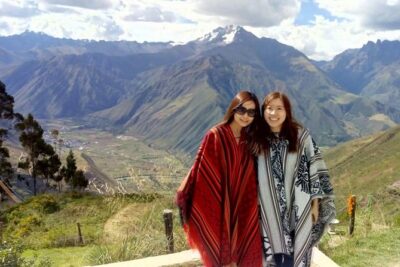
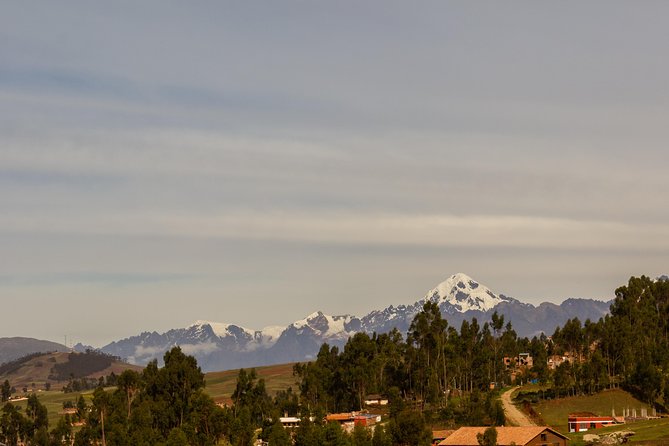
Next comes a quick viewpoint stop: Mirador Taray at about 8:50am. It’s short, listed at 15 minutes, and it’s all about the Sacred Valley panoramas. If you’ve seen postcard valley photos before, this is where they come from. Don’t plan to linger here for hours. Think quick shots, quick orientation, then back on the road.
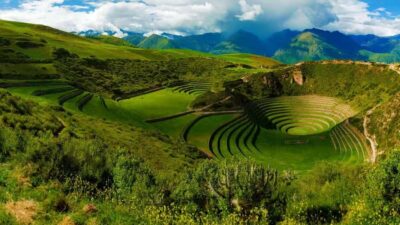
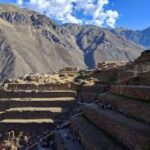
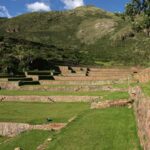
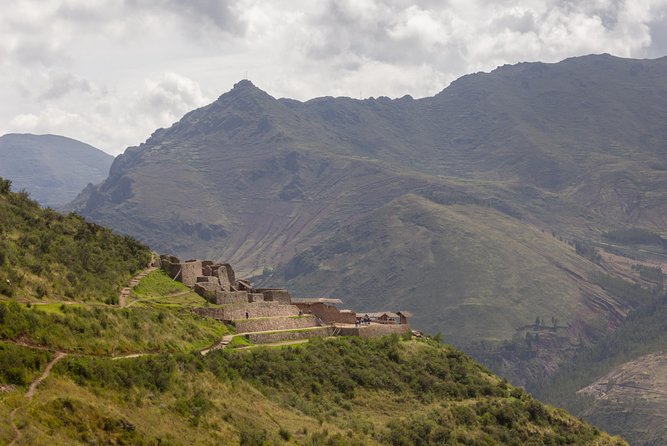
Then you reach Pisac Archaeological Park around 9:30am. This is the part most people picture when they book “Sacred Valley.” Pisac is famous for its agricultural terraces and a ceremonial center, including the Temple of the Sun. What’s worth paying attention to is the way the site shows Inca problem-solving: water management, land shaping, and built space all working together.
Time is tight here, around 30 minutes on the schedule. That’s enough to see major features, but it’s not enough to wander without a plan. This is where a good guide makes a huge difference. In the feedback, guides like Luis and Fabrizio were praised for turning the site from a list of stones into a story you can follow, including small details like how the Incas used plants and local conditions.
If you want one takeaway from Pisac, it’s this: you’re not just looking at temples. You’re seeing an engineered landscape meant to grow food and support ceremony.
Pisac Market Time: Souvenirs Are Optional, Time Is Yours
Around 10:30am you’ll visit the Pisac Market. The tour includes time here, and it’s a real cultural contrast after ruins. You can browse textiles, crafts, and small local goods. If you want souvenirs, this is your chance to pick them up without feeling like you’re buying on the bus.
The best way to use this stop is simple: set yourself a small mission. Maybe it’s one textile item, maybe it’s a snack, maybe it’s just walking slowly and looking. If you’re trying to avoid expensive shopping traps later, you’ll get better value by deciding what you want here and sticking to it.
One note: some shop visits or demonstrations may still pop up later. If you dislike that style of tour day, remember the market stop is one of the only clearly “you decide how long” moments.
Urubamba Lunch Break: Budget It, Don’t Rush It
Lunch happens around noon in Urubamba. The schedule lists a 1-hour lunch window and mentions an Andean buffet lunch option, with the cost as your responsibility.
What should you expect to pay? The provided details suggest buffet lunch runs around US$16 on average. Another review-backed detail put buffet choices at roughly 60 soles for adults and 45 soles for children when people were paying out of pocket. Prices vary by restaurant and what you choose, so treat this as a realistic ballpark, not a promise.
Here’s the real value of this lunch stop: it breaks the day. You’ll probably be a little tired from walking and altitude. Use the hour to refuel and also to mentally reset before you tackle Ollantaytambo.
If you’re doing the train connection to Machu Picchu, pay attention to timing here. Some versions of the day allow flexibility, especially for smaller groups. If you need to be at Ollantaytambo station early, it’s worth asking your guide what pace they’re planning before lunch.

A Local Weaving House Stop: Colors, Dyes, and Hand Skills
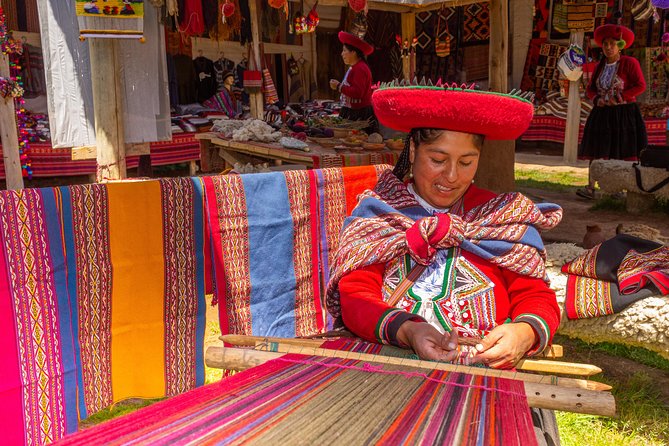
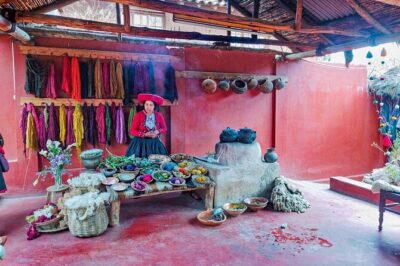
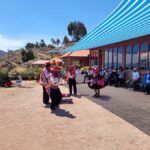
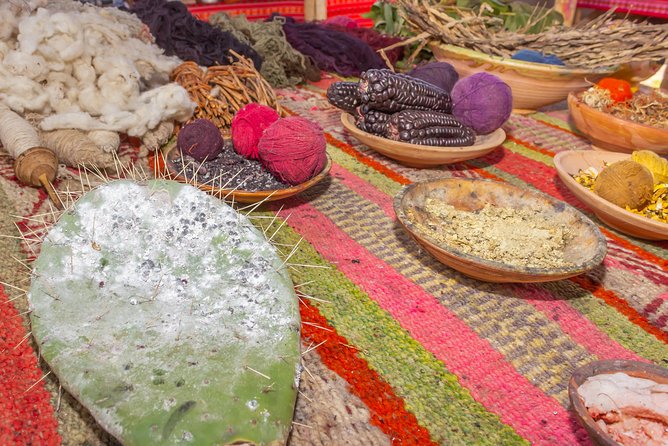
Between lunch and Ollantaytambo, the tour typically includes a stop at a local weaving house. This is where you watch a demonstration on dyeing and weaving techniques. Even if you’re not buying anything, watching the process helps you understand why Andean textiles look the way they do and why certain patterns matter to communities.
This stop also connects nicely to the animal rescue. Alpacas and llamas aren’t just scenery here. They’re part of the production chain. In the feedback, people liked when guides tied this to culture and language, not just selling you a product.
If you’re sensitive to sales pressure, here’s your approach: watch, ask one or two questions, and then decide whether you want to step into shops. In the tour description and responses, it’s clear these stops are optional and you can use the time for demonstration viewing or photography.
Ollantaytambo Fortress: The Climb, the Stones, and the Finish Point
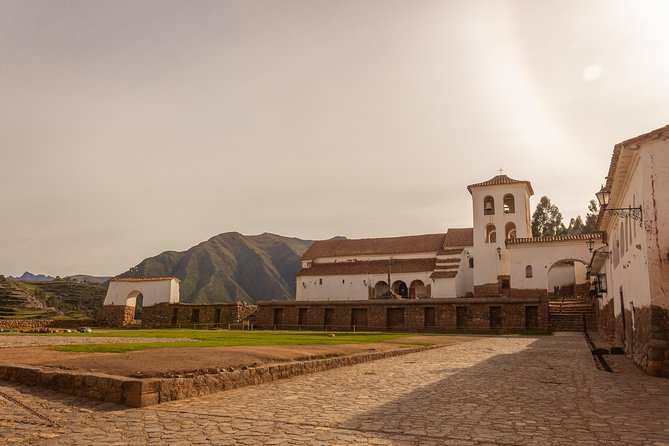
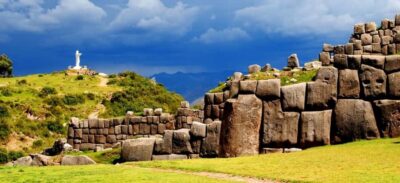
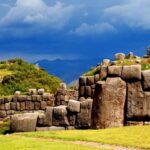
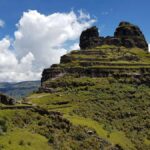
Ollantaytambo is the star. You arrive around 1:30pm and spend time exploring the archaeological park and fortress area, described as a religious sanctuary and a living city. The big visual payoff is the massive stone architecture and extensive agricultural terraces, plus dramatic views.
Also, plan for effort. A few reviews explicitly mention that Ollantaytambo can mean a strenuous climb to viewpoints, especially if it’s drizzling or you’re feeling altitude. If you’re not used to steps, go slow. Your best time strategy is to start earlier and keep breaks short.
What makes Ollantaytambo especially satisfying on this tour is the contrast with Pisac. Pisac often feels like engineered agriculture plus ceremonial spaces. Ollantaytambo feels like resistance and survival in stone, with a fortress vibe and an urban layout that gives you a sense of daily life.
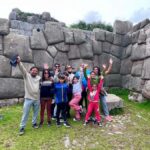
Guides in the feedback were praised for going beyond the basic talk at Ollantaytambo. People called out the way guides like Gary and Louis made the explanation personal and grounded, with lots of Inca context and helpful navigation so you don’t miss the good angles.
Train connection note that actually matters
If you’re heading to Machu Picchu later, this tour offers an ending at Ollantaytambo train station at 3:00pm or 4:00pm. The plan is set so you can catch trains from 15:37pm onwards. That’s a big deal because you don’t want a last-minute sprint. If you’re booking with a tight itinerary, confirm your exact drop-off time with the operator after booking.
Price and Value Check: What $29 Covers vs What You’ll Pay Later
Let’s talk value in plain numbers and plain expectations.
The listed price is $29 per person, and what’s included is the essentials: hotel pickup and drop-off, transport, an English-speaking guide, and a small walking tour component (max 10 people). You also get one bottle of water. That alone can be worth it in Cusco, because logistics cost time and money.
What’s not included automatically: meals and site admission fees. The tour description also mentions that there are different options, including an upgrade that can bundle attraction admission and lunch.
So how do you decide? Do a quick “math check” in your head:
- If you know you’ll pay for entrances anyway, an all-inclusive option might save you time and hassle.
- If you only plan to do the core sites and you prefer choosing your own lunch, the basic option often makes more sense.
- Use cash planning. Entrance tickets may need payment in Peruvian Soles, and one review called out that you shouldn’t assume everything is priced or handled in USD.
One review outcome that’s worth listening to: someone felt the VIP-style bundle wasn’t a good deal because it effectively still left them paying for lunch and only included limited site time. That doesn’t mean every upgrade is overpriced, but it does mean you should compare what you actually get, not just the label.
Best habit: before you pay for an upgrade, ask what’s included (which exact entries, lunch type, and whether it’s truly all sites on your day). If you want a shopping-light day, also ask how many optional shop stops are expected in your version.
Who This Tour Fits Best (and Who Should Think Twice)
This tour fits best if you want:
- A structured day that hits Pisac and Ollantaytambo without driving yourself
- A small-group feel with an English-speaking guide and time for the important stops
- A mix of ruins and real-life culture, including animals and weaving
- An itinerary that ends with a possible Ollantaytambo station transfer for Machu Picchu planning
It might be less perfect if:
- You hate any kind of shop or business stop. Some community-related stops can include sales areas, even when purchases are optional.
- You’re very price-sensitive and don’t want to think about entrance fees and lunch. This day will still have out-of-pocket costs even if the base price is low.
- You have limited mobility and want a totally step-free day. Ollantaytambo involves a climb for many people, and Pisac can include uneven ground.
The good news: several guides named in the feedback were praised for flexibility, including tailoring the stop pace for trains and allowing small-group adjustments. If you need a slower pace, ask your guide early.
Should You Book Sacred Valley: Pisac and Ollantaytambo?
If you’re trying to see the Sacred Valley efficiently in one day, this is a strong pick. I like that the tour balances the big Inca hits (Pisac and Ollantaytambo) with stops that connect to modern Andean life: camelids, textiles, and a market where you can browse without pressure.
Book it if you:
- Want a guided day with transport and pickup handled
- Like learning as you go, especially when your guide connects Quechua history, architecture, and daily culture
- Need an easy path to Machu Picchu later because of the option to finish at Ollantaytambo station
Think twice if you:
- Know you’ll be annoyed by optional shop stops and prefer fully independent touring
- Want lunch fully included and priced into a single number without checking what’s bundled
FAQ
What time does the Sacred Valley day tour start?
The listed start time is 7:30am, and pickup is described as happening around 7:00am from your Cusco hotel or Airbnb.
How long is the tour?
The duration is listed as about 9 hours.
Is hotel pickup and drop-off included?
Yes. Cusco hotel pickup and drop-off are included.
Are meals included in the tour price?
Meals are not included. Breakfast is not part of the tour price, and lunch is also listed as your responsibility unless you choose an upgraded package that includes lunch.
Are entrance tickets included?
Site admissions are not included by default (Pisac and Ollantaytambo have admission not included on the schedule). There is an option to upgrade to an all-inclusive package where attraction admission can be included.
Can I end the tour at Ollantaytambo train station?
Yes. You can end at Ollantaytambo train station at either 3:00pm or 4:00pm, so you can take trains from 15:37pm onwards.
Do I need a passport for this tour?
Yes. A current valid passport is required on the day of travel.
If you want, tell me your travel dates and whether you already have Machu Picchu train tickets. I can help you decide whether the station-drop timing and the upgrade option make sense for your exact schedule.