REVIEW · MARAS & MORAY SALT MINE TOURS
Cusco: Full-Day Sacred Valley and Maras Tour
Book on GetYourGuide →Operated by PVTravel · Bookable on GetYourGuide
This is a long day, but it moves fast. You’ll see the Sacred Valley’s big names, from Chinchero textiles to the salt pools of Salineras, all with a guide and included transport. I like how the route strings together different styles of Incan life and craft, and I also like that you get a real lunch stop instead of snack-only sightseeing. The main trade-off is time: at 12 hours, you’ll want solid shoes and a good attitude for plenty of walking in sun.
The value here comes from covering a lot of ground with hotel pickup and drop-off in central Cusco, plus a buffet lunch in Urubamba. You’ll also spend meaningful time at the standout stops rather than racing past everything. One consideration: the headline price doesn’t include touristic tickets (70 Soles per person), and Maras entrances can cost extra if you choose that option.
In This Review
- Key Moments You’ll Remember
- Morning Pickup and Chinchero Textiles
- Moray Terraces: Why This Place Feels Strange
- Maras Village and Salineras Salt Mines With 3,000 Pools
- Urubamba Lunch: A Real Break in the Middle of the Day
- Driving the Sacred Valley River: Views as a Breather
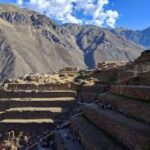
- Ollantaytambo’s Incan Architecture Up Close
- Písac Archaeological Park and the Craft Market Finale
- Price, Tickets, and Whether $33 Really Works
- What to Bring (So You Don’t Feel Beat Up by Hour 9)
- Who This Tour Fits Best
- Should You Book the Cusco Sacred Valley and Maras Tour?
- FAQ
- How long is the Cusco Sacred Valley and Maras tour?
- Is hotel pickup and drop-off included?
- What language is the tour guide?
- Is lunch included?
- Are entrances included in the price?
- What should I bring with me?
- What is the cancellation policy?
Key Moments You’ll Remember
- Písac market and craft area for hands-on browsing and shopping time
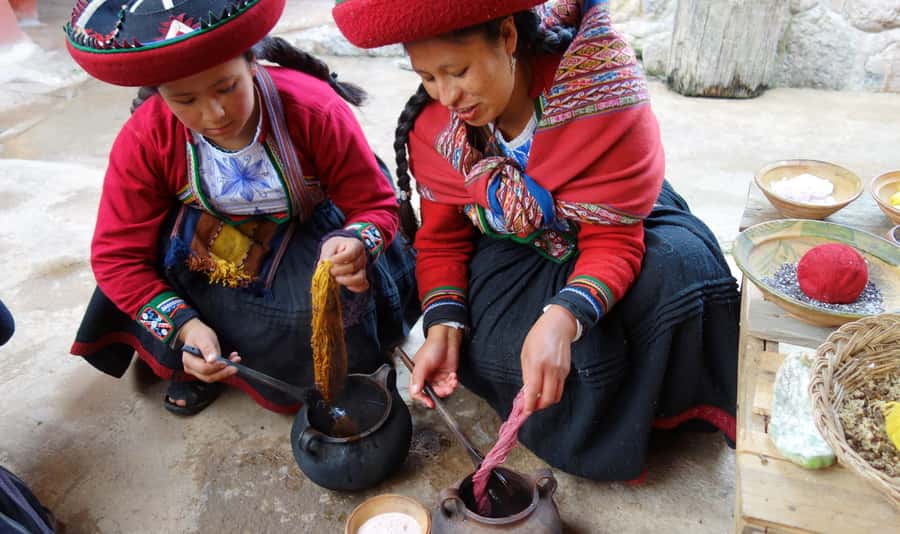
- Chinchero textile center where local weaving culture is part of the stop
- Moray terraces for that odd, wow-factor stepped Incan engineering
- Salineras salt mines to see more than 3,000 salt pools across the slope
- Ollantaytambo’s Incan stonework for architecture you can really study
Morning Pickup and Chinchero Textiles
Your day starts with pickup from your accommodation around central Cusco, then you head out toward the first major stops in the Sacred Valley area. The plan is built to minimize stress: transportation is included, and you have a professional guide speaking English and Spanish, so you’re not trying to translate signage on the fly.
The first real cultural stop is Chinchero, where you’ll visit both the archaeological zone and a textile center. This mix matters because it shows you two sides of Andean life in one shot: the ancient infrastructure in the stone, and the living tradition of weaving. If you enjoy crafts, this is a good moment to slow down and ask practical questions through your guide—how patterns differ, what you’re seeing, and what’s actually handmade versus mass-produced.
Do bring comfortable shoes. Chinchero is the kind of stop where you’ll likely want to walk, look closely, and pause for photos without getting rushed.
You can also read our reviews of more tours and experiences in Cusco

Moray Terraces: Why This Place Feels Strange
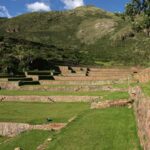
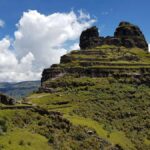
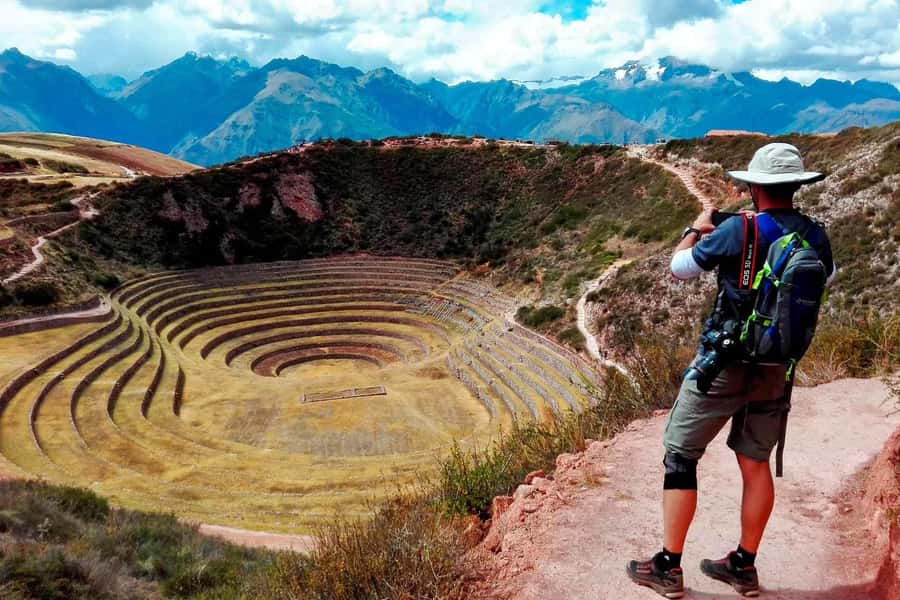
Next comes Moray, an archaeological park with stepped terraces that look almost staged. It’s one of those locations that can feel confusing at first glance, but that’s also why it works on a guided tour: your guide can help you interpret what you’re looking at and why the site is famous.
What I like about Moray on this route is pacing. It’s not the final “wow” of the day yet, so it’s a chance to reset your brain after the textile stop and before the salt mines. You’ll get time to observe the terrace shapes and imagine how the site functioned—without the pressure of being the only person staring at stones.
This is also a good place to hydrate and steady your day. Even if you’re not hiking for long, you’ll still be outside, and the sun in this region can add up.
Maras Village and Salineras Salt Mines With 3,000 Pools
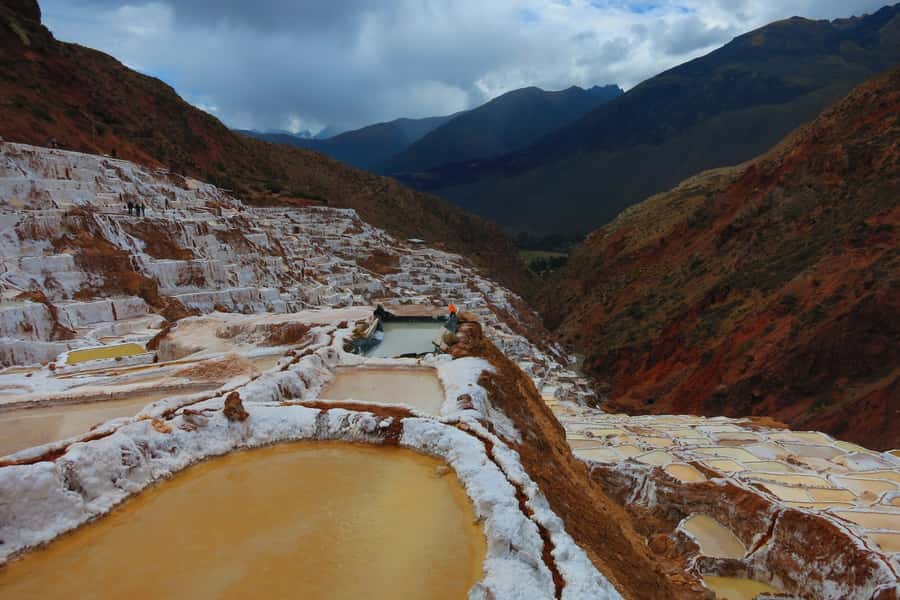
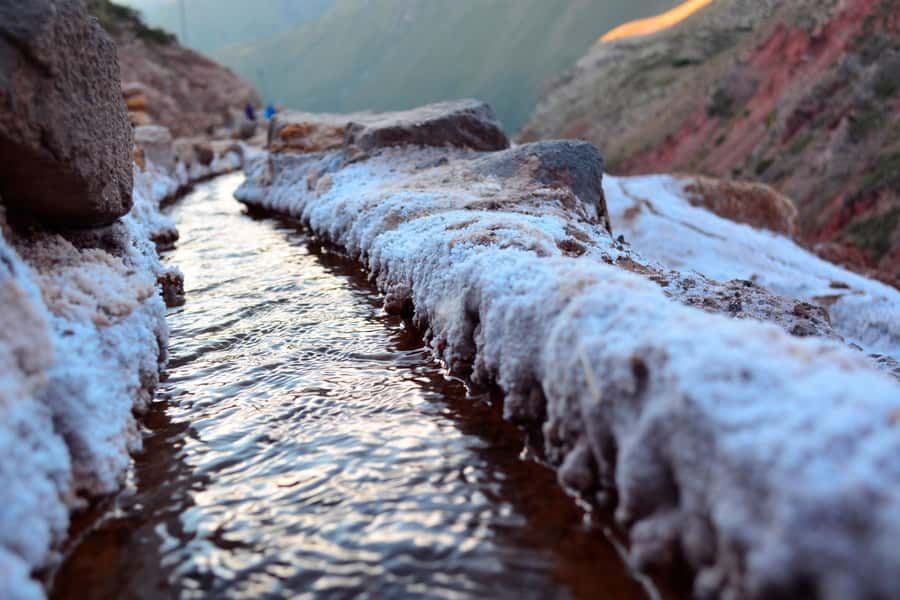
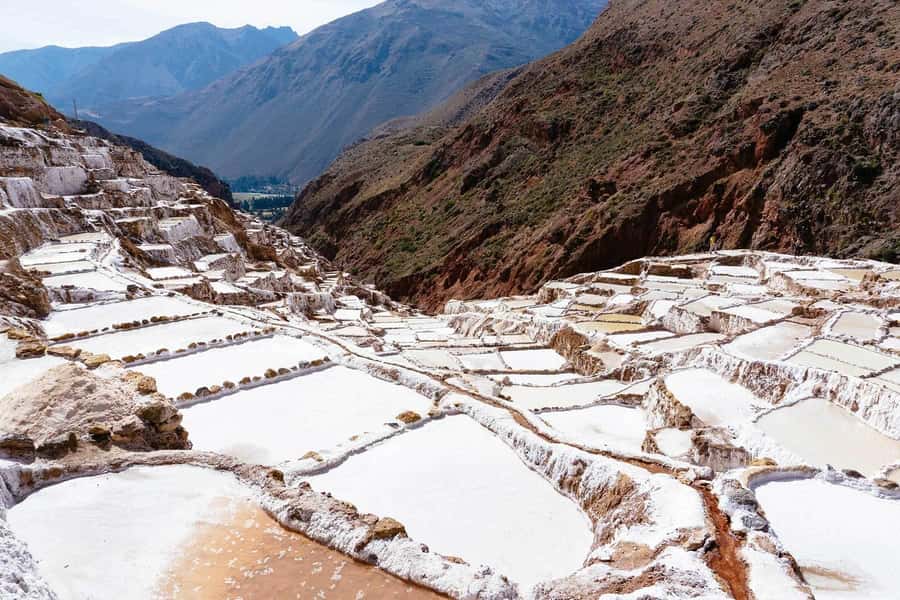
Then you reach Maras and head to the Salineras salt mines, the part most people latch onto for a reason. You’re going to see more than 3,000 salt pools spread across the slope, and that scale makes it feel bigger than a typical salt stop.
This is where the tour earns its keep. The salt mines are not just scenery; they’re a working landscape, and the visual rhythm of the pools gives you something to study for minutes at a time. If you like photography, this is a great area to take your time—look from one angle, then step a bit and reframe. The patterns shift visually as the pools catch light differently.
There’s one cost detail to factor in: entrances to Maras are not included by default. The tour lists Maras entrances as 10 Soles per person, with entrances included only if that option is selected. Also note that touristic tickets (70 Soles per person) are listed as not included overall. I’d rather you plan for those upfront than show up surprised.
Urubamba Lunch: A Real Break in the Middle of the Day
After the salt mines, the day includes lunch in Urubamba. You get a buffet lunch, which is a practical win on a 12-hour tour. It’s long enough that a sit-down meal matters; otherwise you end up spending your energy hunting for food and trying to decide what you can eat quickly.
The buffet format is also helpful because not every meal choice will match every stomach, and it gives you flexibility if you’re more into carbs or you want something lighter. I like that lunch happens mid-day rather than at the end—by the time you’re heading into more archaeological sites, you’ll have fuel and less chance of feeling cranky.
Before and after lunch, keep an eye on the timing cues your guide gives you. This part of the route is where you’ll feel the “flow” of a full-day tour—transitions happen in an efficient sequence.
Driving the Sacred Valley River: Views as a Breather
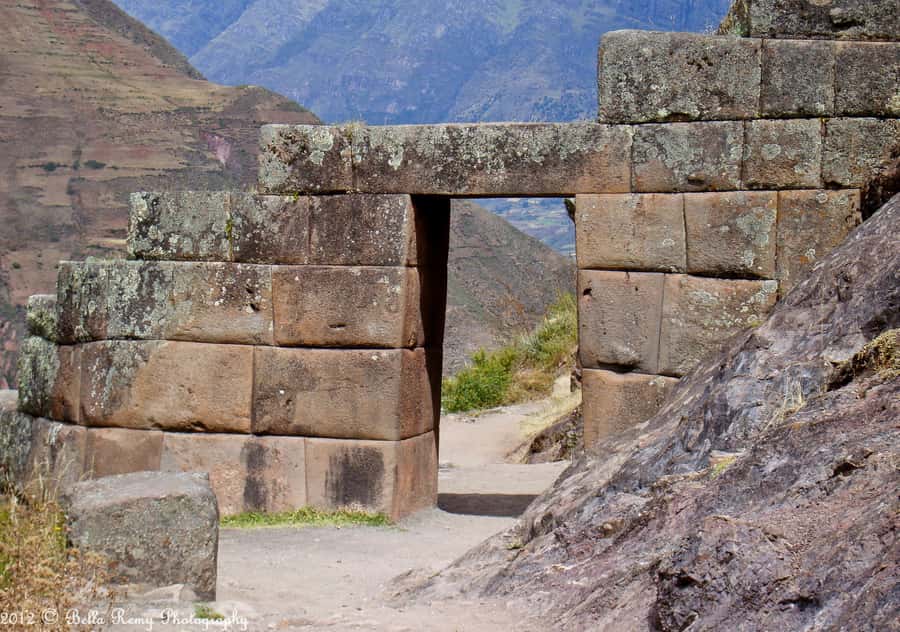
Between the archaeological stops, you travel along what’s described as the river of the Sacred Valley. This matters more than it sounds. After terraces and salt pools, a stretch of road travel gives your body a break while your eyes keep collecting the valley’s cues—farms, buildings, and the sense that the Sacred Valley is still very much inhabited.
I recommend using this travel time to reset your priorities. Ask yourself what you want to focus on when you arrive at Ollantaytambo later: stonework lines, defensive features, doorways, or just the overall massing. That way, you’re not saving everything for the last stop, and you don’t feel like you’re rushing at the end.
You’ll still be in motion for much of the day, so plan to spend the ride watching rather than constantly pulling out your phone.

Ollantaytambo’s Incan Architecture Up Close
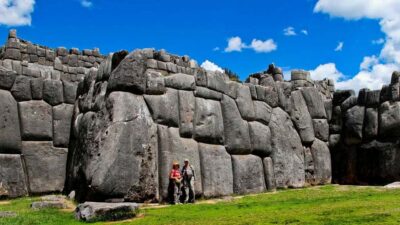
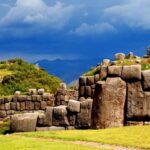
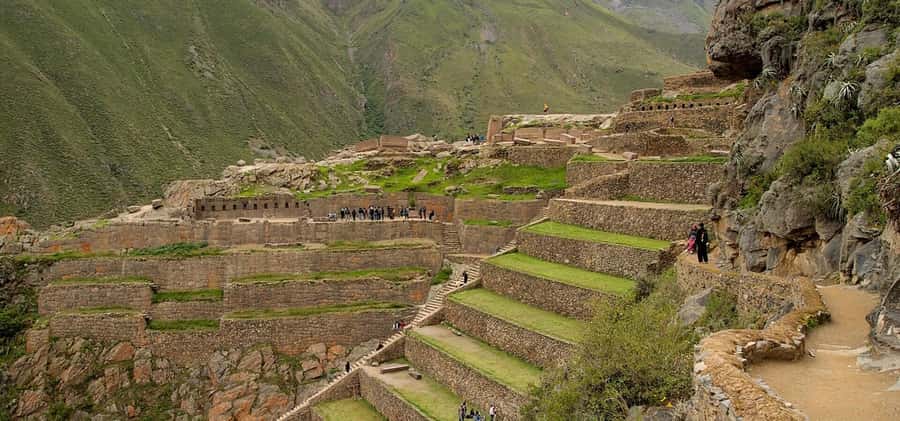
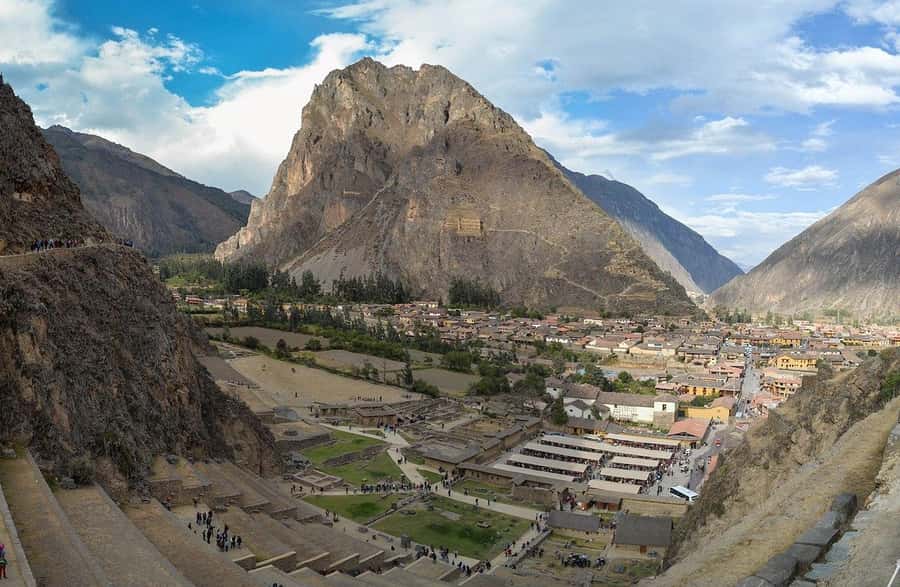
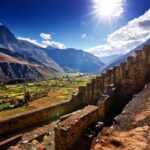
The route then brings you to Ollantaytambo, where you’ll admire Incan architecture in an archaeological setting. This is a stop that rewards close looking. Even if you’re not a stone-spotting expert, you can notice how the structures fit their purpose—how walls meet, how the geometry holds, and how the site carries itself.
What I like here is that it’s a change of pace from the salt mines. The mines are visual patterns across a slope; Ollantaytambo is heavy stone and structured design. When you’ve got a guide, you also get help turning impressions into understanding—what you’re seeing, and why it was built the way it was.
Give yourself permission to walk slowly. If you rush, you’ll miss details like the shape of doorways and the feel of how the site was planned.
Písac Archaeological Park and the Craft Market Finale

Near the end of the day, you visit Písac, first at the archaeological park and then in the nearby town for the craft market. This is a nice wrap-up because you get both sides of the area: the ancient site, then the living culture where crafts and goods are part of daily life.
The craft market portion is a practical advantage. You’ll have time to browse and buy at your own pace, and it’s a logical way to spend your last chunk of energy. I’d go in with a simple plan: pick one or two categories you actually want (textiles, small crafts, souvenirs with clear origin), and avoid buying just to fill space.
Finally, the day ends with drop-off in downtown Cusco. That’s important on a 12-hour tour because you’re tired. You don’t want to be stuck figuring out transit right when your legs are done.
Price, Tickets, and Whether $33 Really Works

The tour price is listed at $33 per person, which sounds like a bargain for a full-day loop with hotel pickup, transport, and a buffet lunch included. In real terms, your big extra costs are the ticket line items.
Here’s what you should budget based on the provided info:
- Touristic tickets: 70 Soles per person (not included)
- Maras entrance: 10 Soles per person (not included, unless you selected the option)
Also, entrances to ruins and Maras are included only if those options are selected. So the best value depends on what you choose and whether you already plan to pay those fees elsewhere.
My practical take: if you’re staying in Cusco and want a one-day sweep of Sacred Valley highlights without arranging separate transport, this is a solid value. If you already have tickets planned, or you’re picky about controlling your own schedule, it may feel less worth it once you add the Soles.
What to Bring (So You Don’t Feel Beat Up by Hour 9)
This tour gives you a long day outdoors and sightseeing between multiple stops. The basics in the provided list are exactly right:
- Comfortable shoes
- Sunglasses
- Sun hat
- Water
I’d add one mindset tip: treat the day like a marathon, not a stroll. Use water early, not only after you feel thirsty, and take shade when you can.
Who This Tour Fits Best
This is a strong match if you want:
- A structured full-day overview of the Sacred Valley with transport handled
- Stops that mix archaeology and culture, including textile and craft market time
- A guide who speaks English and Spanish and can explain what you’re looking at
It’s also good for couples, solo travelers, and anyone who doesn’t want to manage separate entrances and transport between sites. If you hate long days or don’t like walking, you might feel stretched here because it’s 12 hours.
Should You Book the Cusco Sacred Valley and Maras Tour?
I’d book it if you want maximum sightseeing in one day: Chinchero, Moray, the Salineras salt mines with over 3,000 pools, Ollantaytambo, and Písac, all tied together with pickup, a buffet lunch, and drop-off in central Cusco. The route makes sense and the highlights are the kind you’ll remember.
I’d pause before booking if you’re very price-sensitive once tickets add up, or if you prefer a slower, choose-your-own-adventure pace. If you do book, plan for the extra Soles for touristic tickets and possibly Maras entrances, and wear shoes you trust. That’s the difference between a great day and a miserable last two hours.
FAQ
How long is the Cusco Sacred Valley and Maras tour?
It runs for about 12 hours.
Is hotel pickup and drop-off included?
Yes. Pickup is included from accommodation around Cusco City center, and you’ll be dropped off in downtown Cusco. If your accommodation is outside that area, a meeting point will be set.
What language is the tour guide?
The guide is professional and speaks English and Spanish.
Is lunch included?
Yes. You get a buffet lunch in Urubamba.
Are entrances included in the price?
Not automatically. Touristic tickets are listed as not included (70 Soles per person). Entrances to Maras (10 Soles per person) and entrances to ruins are included only if the corresponding option is selected.
What should I bring with me?
Bring comfortable shoes, sunglasses, a sun hat, and water.
What is the cancellation policy?
You can cancel up to 24 hours in advance for a full refund.