REVIEW · MACHU PICCHU TOURS
8-Day All-Inclusive Peru Tour: Cusco, Machu Picchu, and More
Book on Viator →Operated by Chullos Travel Peru · Bookable on Viator
First impressions: Peru, handled with less stress. This is an efficient 8-day Cusco area circuit that wraps in hotels, transport, and guided stops, so you spend more time seeing and less time figuring things out. I also like how the plan mixes major icons like Machu Picchu with lower-key Inca sites around Cusco and the Apurímac River. One thing to consider: the schedule is tight, and a couple of mornings start at 4:00 a.m., so you’ll want decent stamina and flexibility.
The big practical win is logistics: airport pickup, hotel stays in Cusco and Aguas Calientes, train and bus timing for Machu Picchu, and day trips that move you between sites with an air-conditioned vehicle. The group size is capped at 15 travelers, which usually keeps it calmer than the huge coach crowds. Still, if you’re picky about hotel comfort or food, look closely at the included 3-star stays and breakfast/lunch setup, since experiences vary.
In This Review
- Key things to know before you go
- Value for Money: What $845.50 Buys You
- Day 1 in Cusco: Airport Arrival and the Qorikancha–Saqsayhuamán Circuit
- Day 2 Sacred Valley + Train to Aguas Calientes: Pisaq, Urubamba, Ollantaytambo
- Day 3 Machu Picchu: Bus Ride, Circuit Rules, and Ticket Availability
- Day 4 Maras and Moray: Salt Mines, Agricultural Lab, and an Inca Water Theme
- Day 5 Rainbow Mountain (Vinicunca): 4:00 a.m. Start and the Color Walk
- Day 6 Humantay Lagoon: Cold-Light Hike to 4,250 m and Back
- Day 7 Qeswachaka Bridge on the Apurímac: An Inca-Style Renewal Tradition
- Day 8 in Cusco: Plaza de Armas, Flight Timing, and a Food Option
- Should You Book This Cusco, Machu Picchu and Andes Tour?
- FAQ
- Are Machu Picchu tickets included in the tour price?
- What’s included for the big mountain hikes?
- How early do the hike days start?
- How big is the group?
- What hotel standard should I expect?
- Is there a free day on the itinerary?
- Can I cancel and get a full refund?
Key things to know before you go
- Machu Picchu tickets are handled by the operator, based on available circuits (typically circuits 1 or 2), with a full refund if no tickets can be secured.
- You get a guided Sacred Valley day with Pisaq, Urubamba lunch, and Ollantaytambo, then train onward to Aguas Calientes.
- Two big altitude hikes are included: Rainbow Mountain (Vinicunca) and Humantay Lagoon, with oxygen and walking sticks provided for mountain days.
- Day trips are built around classic Cusco-area ruins: Qorikancha, Saqsayhuamán, Qenqo, Puca Pucara, and Tambomachay.
- The Qeswachaka bridge day includes the Apurímac River ichu-fiber Inca bridge and a chance to cross from both sides.
Value for Money: What $845.50 Buys You
At $845.50 per person, this tour is built like a “pay once, coordinate less” package. You’re covering the heavy moving parts: airport transfer, hotel nights in Cusco and Aguas Calientes, guided tours on several days, and the big transit pieces for Machu Picchu (train + buses).
What you should watch is where the pricing value lands for you. The package doesn’t list Machu Picchu admission as included on Day 3; instead, it says tickets are obtained according to availability for specific circuits, and you can receive a full refund if no Machu Picchu tickets can be secured. In other words, you’re buying a workflow—transport, timing, and guide support—with the ticket piece dependent on Ministry of Culture availability.
Also, you’re paying for convenience, not luxury. Hotels are listed as 3 in Cusco and 3 stars in Aguas Calientes, and breakfasts/lunches are included only where explicitly stated. If you know you’ll need quiet rooms, strong Wi‑Fi, or reliable hot showers, you might want to add extra budget or choose your own hotels.
You can also read our reviews of more tours and experiences in Cusco.
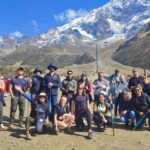
Day 1 in Cusco: Airport Arrival and the Qorikancha–Saqsayhuamán Circuit
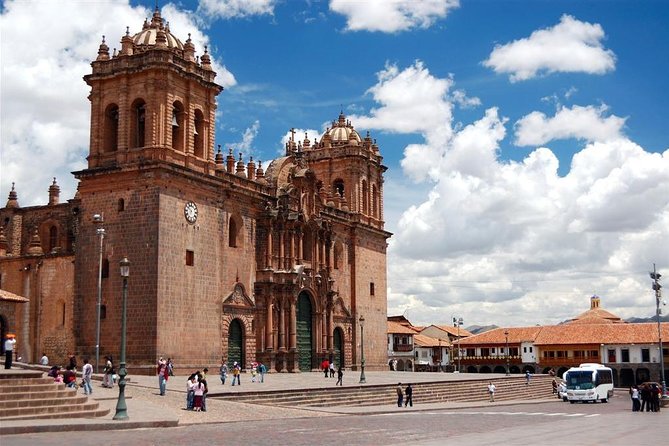
Cusco Day 1 starts the way you hope a trip starts: someone is waiting for you at Alejandro Velasco Astete Airport, then you get transferred to your hotel. After that, you have free morning time to rest and acclimatize—a smart move because altitude in Cusco is not the place to “power through.”
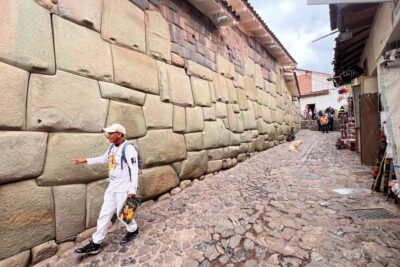
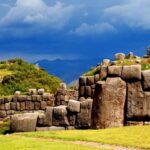
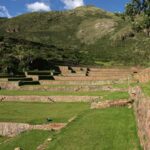
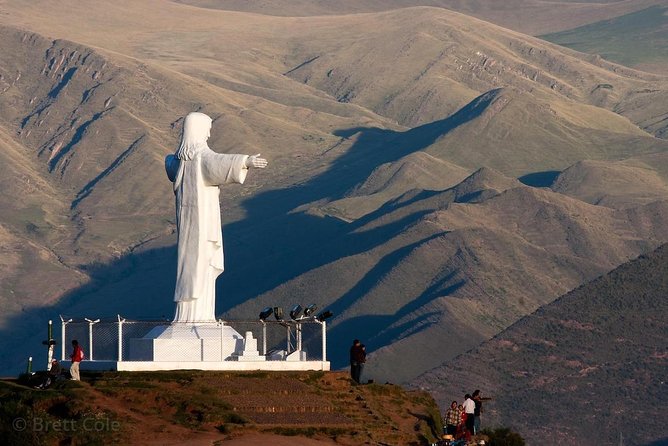
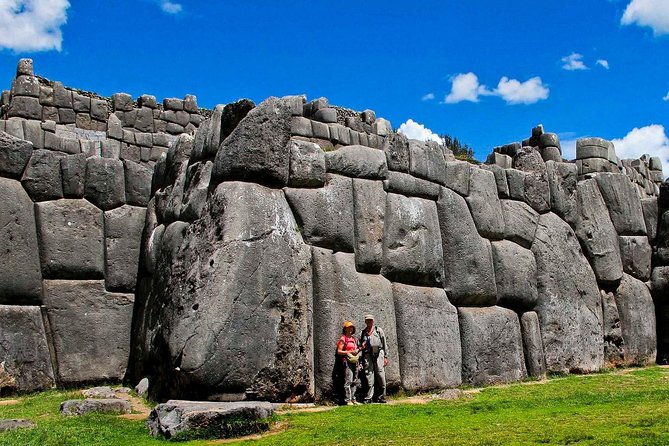
In the afternoon, you’re picked up around 2:00 p.m. for a guided city circuit built around Inca-era and early sacred sites. The main stops include Qorikancha (Temple of the Sun), then visits by vehicle to Saqsayhuamán, Qenqo, Puca Pucara (red fortress), and Tambomachay (often described as the Inca Bath and associated with water rituals). This day is a great first taste of Peru: you see multiple layers of sacred architecture in one block, with a guide to explain what you’re looking at.
Potential drawback: after your arrival, you may feel the fatigue of travel and thin air. This tour day isn’t a long hike, but it is a guided walking-and-standing day across several ruins.
Day 2 Sacred Valley + Train to Aguas Calientes: Pisaq, Urubamba, Ollantaytambo
On Day 2, you’re picked up at 8:00 a.m. and start with Pisaq for about an hour guided visit. This is one of the easiest ways to understand why people fall hard for the Sacred Valley: the ruins aren’t just “there,” they’re set into the geography and the river system.
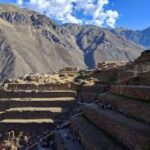
Then you travel along the Willkamayu (Sacred River) toward Urubamba, where lunch is a buffet featuring typical Andean food. After lunch, you continue about 30 minutes to Ollantaytambo for a guided hour that highlights major features like the Temple of the Sun, Intihuatana, the Princess Baths, and the terraces.
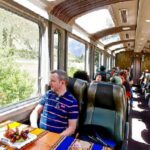
The practical payoff comes next: you move to the train station and board to Aguas Calientes, then sleep there so you’re positioned for Machu Picchu early the following day. You also get a guide briefing in the evening with details for your Machu Picchu visit—helpful because it reduces the usual anxiety about timing, ticket checks, and routes.
One small note for planning: the day is long because it includes both archaeology time and transit time. If you’re sensitive to motion sickness, bring something you’ve used before.
Day 3 Machu Picchu: Bus Ride, Circuit Rules, and Ticket Availability
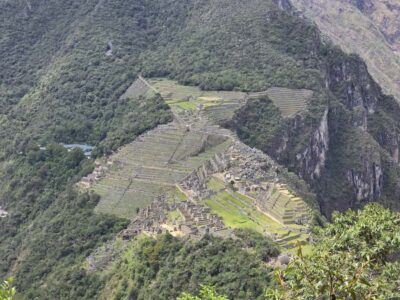
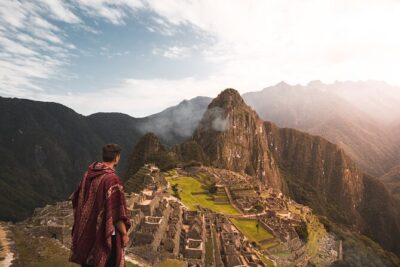
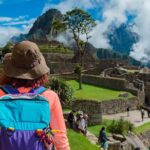
This is the “main event” day. You take a bus ride of about 30 minutes from Aguas Calientes to Machu Picchu. Once there, you present your tickets and passports, and your guided visit follows the circuit and ticket you’re assigned.
The tour also mentions the Machu Picchu ticket logic clearly: tickets correspond to circuits 1 and 2 when available, and other circuits may be offered with an additional charge for any ticket price difference. If there’s no availability for the Machu Picchu attraction, you receive a full refund for your reserved package.
That system matters because it changes how “fixed” your day feels. If you’re the kind of person who likes certainty—exact viewpoints, exact path length—you’ll want to understand that the route is tied to ticket availability, not just the tour plan.
After the guided walk, you return to Aguas Calientes for lunch, then head back toward Cusco by train and bus. The sequence keeps you from spending your whole day fighting logistics after the hike, which is a major part of the tour value.
Day 4 Maras and Moray: Salt Mines, Agricultural Lab, and an Inca Water Theme
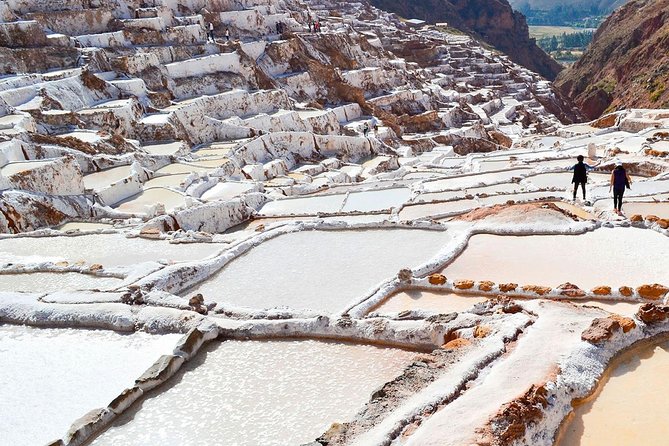
Day 4 is a change of pace in a good way: you start 8:00 a.m. pickup and head toward Maras. You pass through the town and then go to Moray, described as an agricultural laboratory and a place connected with Pachamama concepts. You’ll have about 40 minutes guided here.
Next you travel around 30 minutes to the salt mines (Salineras de Maras). You get about 1 hour guided time, plus time to shop for salt bags and souvenirs. Then you return to Cusco, with an approximate arrival around 3:00 p.m.
This day is not just scenic; it’s practical and visual. You’ll see how people extracted resources from the landscape long before modern industry, and you’ll likely come away understanding why places like this matter to local culture.

Day 5 Rainbow Mountain (Vinicunca): 4:00 a.m. Start and the Color Walk
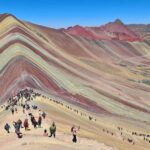
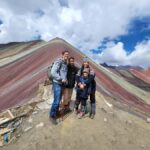
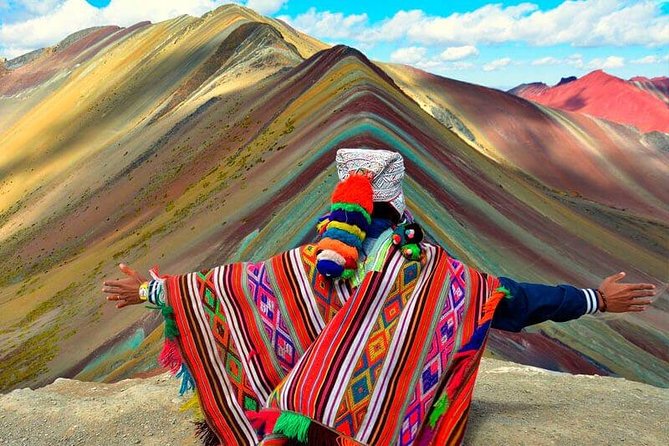
If you do only one Andes hike on this trip, Rainbow Mountain is the headline: Vinicunca (mountain of colors). The day starts at 4:00 a.m., with pickup from your hotel. You drive toward Cusipata, arrive around 6:30 a.m. for a breakfast buffet for about 30 minutes, then continue onward.
From there, you head toward the trail area around 8:00 a.m. and begin your walk. The plan calls for about 1 hour 30 minutes one way to the mountain, then around 40 minutes to visit and take it in. After that, you return to where the mobility is—about 1 hour 15 minutes—then you’re back to Cusco area for lunch around 1:00 p.m., arriving around 5:30 p.m.
This day is a perfect example of what the tour means by “easy logistics, tough timing.” You’re physically active early in the morning at altitude. The tour also lists oxygen and walking sticks for mountain support, which can make a real difference for comfort and safety.
Possible drawback: if you’re not used to altitude hikes, the early start plus the walking time adds up fast. It’s doable for many people, but you should respect the pace.
Day 6 Humantay Lagoon: Cold-Light Hike to 4,250 m and Back
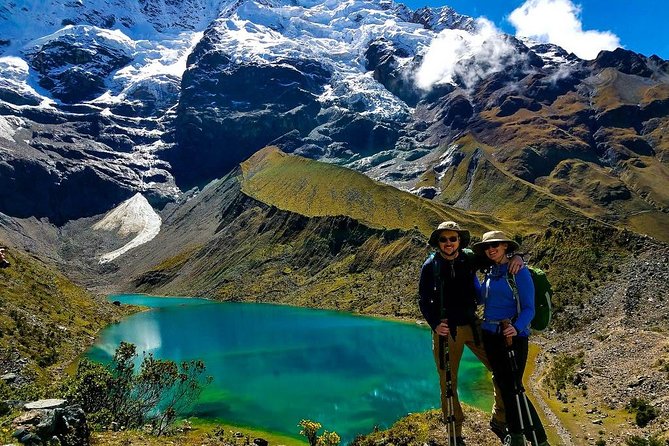
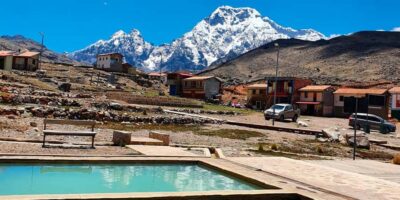
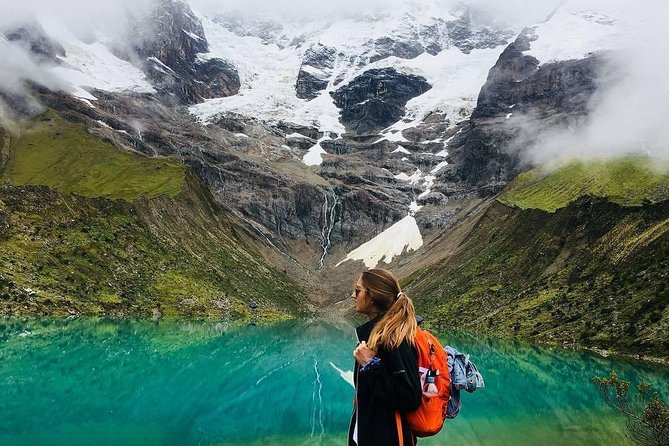
Day 6 is another big altitude effort. You’re picked up at 4:00 a.m., then travel to Mollepata for breakfast. You continue to Soraypampa, where the hike begins: about 1 hour 30 minutes walking to Humantay Lagoon, listed at 4,250 m altitude. Along the way you’ll appreciate local fauna and flora, but your real focus will be breathing and pacing.
After the walk, you descend to Soraypampa to take mobility back, then you enjoy lunch in Mollepata and return to Cusco, approximate arrival 6:00 p.m.
The tour lists mountain support items for this day too: oxygen balloon and walking sticks. That’s valuable because Humantay isn’t a “stroll” type hike; it’s a high-altitude climb where you’ll likely want help keeping your legs steady.
Day 7 Qeswachaka Bridge on the Apurímac: An Inca-Style Renewal Tradition
Day 7 turns the dial toward living culture. You’re picked up at 7:00 a.m. and travel nearly two hours south of Cusco to visit four lagoons, followed by a quiet moment near the water. After that, you go to a small Pabellones volcano near Yanaoca.
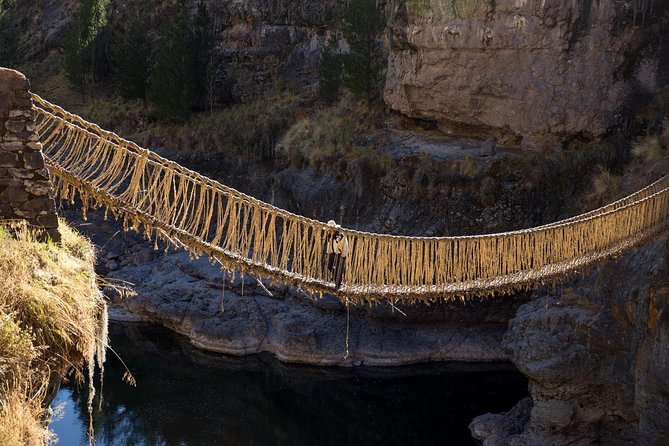
Then the main moment arrives: Qeswachaka, an Inca bridge made of vegetable fiber ichu, hanging over the Apurímac River. The information you get is specific: the bridge exists from the Inca period, and it’s renewed and maintained once a year by local communities around the area. An offering is given before the renewal as a sign of respect and gratitude to Pachamama. You also get the chance to cross the bridge from both sides.
There’s also a stop on the return: Checacupe Inca colonial bridge, where you can compare the differences between the two bridges.
This day is often memorable because it’s not only ruins on a hill. You’re seeing a craft and a ritual approach that still matters to people nearby.
Day 8 in Cusco: Plaza de Armas, Flight Timing, and a Food Option
You get a free morning on Day 8, depending on your flight time. The tour lists Plaza de Armas as the main free time area. If you want something structured, there’s an option for an additional short tour about Peruvian gastronomy and preparing pisco sour, listed as about 2 hours.
Then the trip ends with a transfer to the airport. This last morning is your chance to buy last snacks, grab photos without rushing, and handle anything you missed on the early days.
Should You Book This Cusco, Machu Picchu and Andes Tour?
Book it if you want the Andes highlights with fewer logistics headaches. The structure makes sense: Cusco acclimatization and ruins, Sacred Valley with train timing, Machu Picchu with guided navigation, and two major hike days plus a culturally rich bridge day. I’d especially recommend it if you’re okay with early starts and you value a package that takes care of transport, guides, and key tickets workflows.
Think twice if you’re very sensitive to hotel comfort or food quality, because this is positioned as an included 3-star style trip, and the itinerary is packed. Also keep your expectations realistic about Machu Picchu tickets: even though the operator works with the official ticketing system and may refund if no tickets are available, your exact circuit routing depends on what’s accessible at the time of ticket sale.
FAQ
Are Machu Picchu tickets included in the tour price?
The package notes that Machu Picchu tickets are not included on Day 3 as a standard admission item. Instead, tickets are purchased based on available circuits (corresponding to circuits 1 and 2), and if no Machu Picchu tickets are available, the tour package can be refunded in full.
What’s included for the big mountain hikes?
For Rainbow Mountain and Humantay Lagoon, the tour lists support items like oxygen (including an oxygen balloon on Humantay day) and walking sticks. This is meant to help with comfort during high-altitude trekking.
How early do the hike days start?
Both Rainbow Mountain (Vinicunca) and Humantay Lagoon days start with pickup at 4:00 a.m.. You then travel to breakfast points before beginning the hike.
How big is the group?
The tour sets a maximum of 15 travelers.
What hotel standard should I expect?
Hotels are listed as 3 in Cusco and 3 stars in Aguas Calientes. Breakfast and/or lunch are included on certain days where the tour lists meals explicitly.
Is there a free day on the itinerary?
Day 8 includes a free morning depending on your flight time, with Plaza de Armas as the suggested area. There’s also an optional add-on related to Peruvian gastronomy and pisco sour.
Can I cancel and get a full refund?
Yes. The policy states free cancellation if you cancel at least 24 hours in advance for a full refund.
If you tell me your travel month and fitness level (and whether you’re okay with 4:00 a.m. starts), I can help you judge how well this pace fits you.