REVIEW · HIKING & TREKKING
From Cusco: 4-Day Salkantay Trek with Meals & Equipment
Book on GetYourGuide →Operated by Exploor Trip E.R.L · Bookable on GetYourGuide
Salkantay hits different than the usual Machu crowd. I like that this route is one of the less-crowded ways to reach Machu Picchu, and I also like that you’re not dragging camp logistics yourself—meals are handled and pack animals carry tents and food. One thing to watch: the experience includes Machu Picchu entry and the train, but real-world organization can vary, so I strongly recommend confirming your tickets and timing before you rely on a handoff.
You’ll walk up high, sleep in mountain camps, then finish with an early Machu Picchu entry and a guided 2-hour tour of the Royal Citadel area. The good news is that the itinerary is clear about each day’s rhythm. The potential drawback is that a tight schedule on the Machu Picchu morning can leave you feeling rushed if any transportation plans slip.
In This Review
- Key points to know before you book
- Why the Salkantay Trek feels like the better Machu Picchu plan
- Price in real terms: what $410 covers (and what can cost extra)
- Day 1: Cusco morning transfer, Soraypampa camp, Humantay Lagoon
- The walking pace
- Humantay Lagoon later that day
- Day 2: Salkantay Pass day and the descent into Chaullay
- After the summit: lunch then a long downhill
- Day 3: Santa Teresa Valley, hydroelectric area, and the rail-track walk to Aguas Calientes
- Why Day 3 is special even though it feels like transit
- Watch the extra transport fees
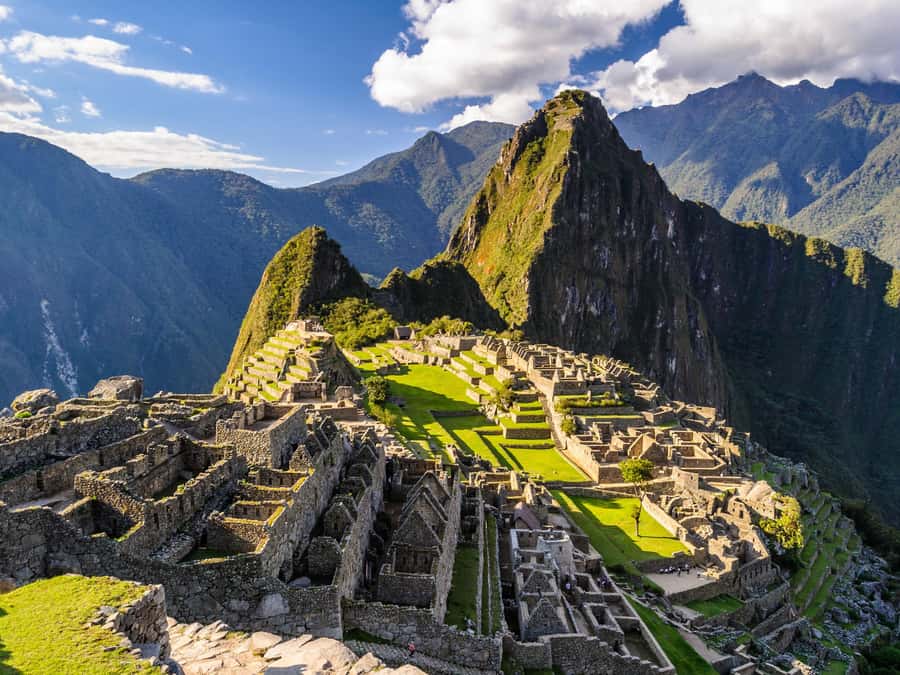
- Day 4: Early Machu Picchu entry and a guided 2-hour Royal Citadel tour
- Optional bus up to the site
- Guided time inside
- Train back to Cusco via Ollantaytambo
- Camps, cabins, and meals: what daily comfort looks like on trek
- Vegetarian and special menus
- What you’ll miss
- Packing: the 5-kg carry limit and how to travel lighter
- Small extras that can save your knees and your cold nights
- Ticket and transfer risk: the one thing I’d double-check hard
- Who this Salkantay trek suits best
- Should you book this Salkantay Trek from Cusco?
- FAQ
- What time do they pick you up in Cusco for the trek?
- What parts of the trek include meals?
- Do you visit Humantay Lagoon?
- Is Machu Picchu bus transportation included?
- How do you get from Aguas Calientes back to Cusco?
- Is a sleeping bag or walking sticks included?
- Are there any optional or extra costs during the trek?
Key points to know before you book
- Less-crowded Machu approach: Salkantay is designed to feel calmer than the most popular Machu Picchu trek options.
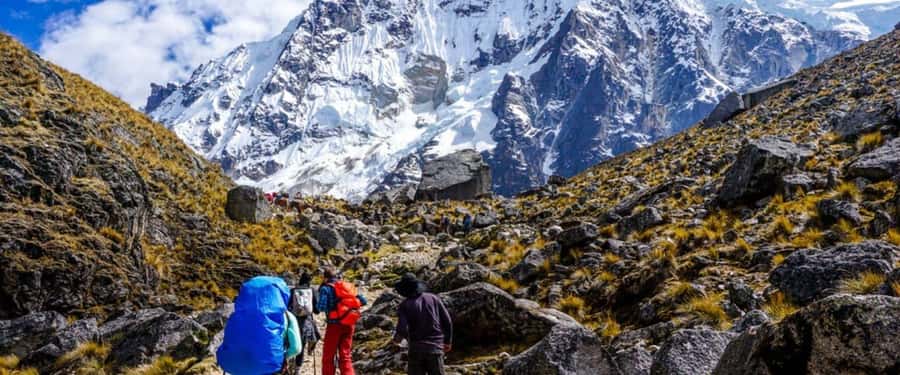
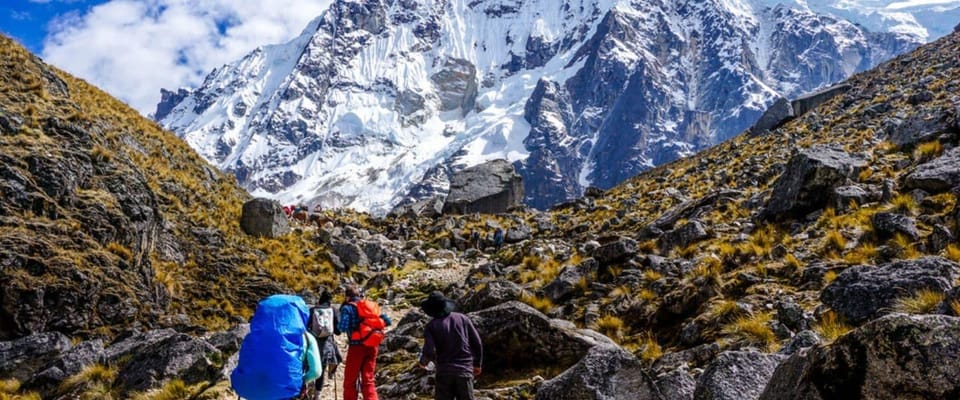
- Real summit day: Day 2 climbs toward the Salkantay Pass area, with views of Salkantay Mountain (6,264 m).
- Humantay Lagoon on Day 1: You’ll add a scenic detour right after camp lunch.
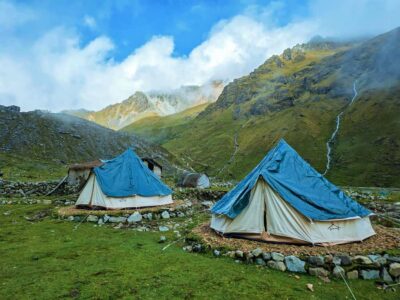
- Camp comfort basics: Dome-style lodging, mats, a dining tent, and a kitchen team handle the big setup.
- Machu Picchu morning timing matters: Entrance runs 6:00 AM to 3:00 PM, and you go early to reduce crowd stress.
- Confirm train and Machu Picchu tickets: One reported issue was missing tickets until the last day, so check your documents early.
Why the Salkantay Trek feels like the better Machu Picchu plan
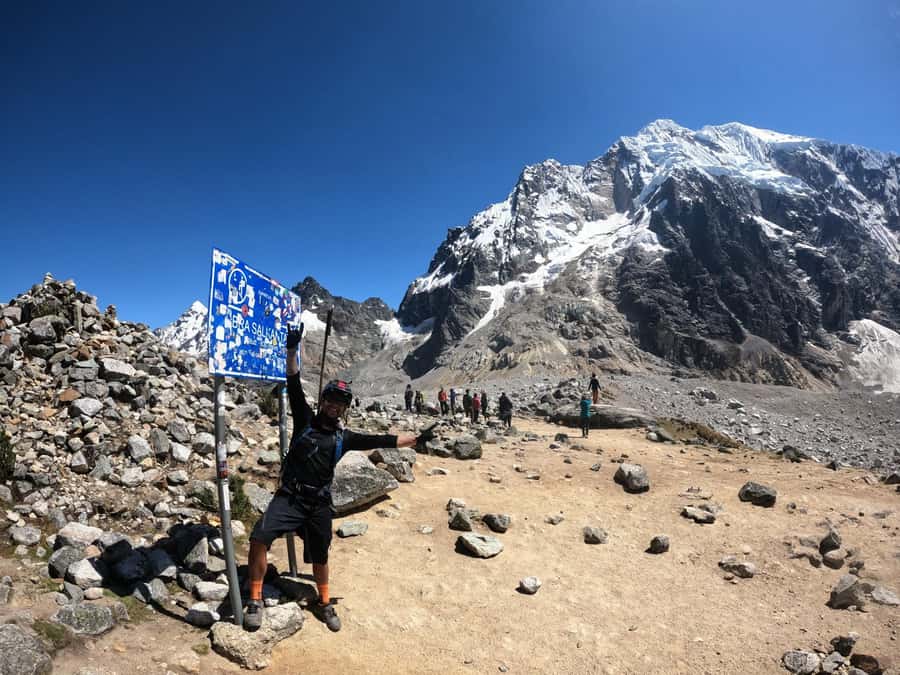
If you’re choosing between a classic Machu route and something more rugged, Salkantay is often the answer. It’s described as among the 25 best treks in the world, and the main appeal is that it brings you to Machu Picchu without the same level of crowds you’ll get on the most famous options.
This specific 4-day format has a clean arc:
- Day 1 eases you in from Cusco into the mountains with Soraypampa as your first camp.
- Day 2 is the big push over the highest point of the trek.
- Day 3 is transition-day: valleys, hydroelectric area, then a rail-track walk to Aguas Calientes.
- Day 4 is the payoff: early Machu Picchu and then the train back to Ollantaytambo.
That combination is great if you want the full trek experience but still prefer a guided, scheduled structure over figuring everything out on your own.
You can also read our reviews of more hiking tours in Cusco
Price in real terms: what $410 covers (and what can cost extra)
At $410 per person for 4 days, you’re paying for more than walking. This price is built around services that usually cost money separately:
- Private transfer from Cusco to Mollepata (start of trek)
- English-speaking official guide
- Chef + kitchen team
- Camp setup with dome-style lodging, dining tent, and kitchen
- Pack animals to move tents, food, and kitchen equipment
- Pack animals to carry personal gear up to 5 kg per person on days 1 to 3
- Meals: 3 breakfasts (counting days 2–4), 3 lunches, 3 dinners, plus daily morning snack and daily tea service (except the first-day breakfast)
- Machu Picchu entrance and train ticket from Aguas Calientes to Ollantaytambo
- 1 night accommodation in Aguas Calientes (hostel)
Then there are the add-ons and small fees that can shift your actual total. Some of the most likely ones:
- Lake Humantay / Lake Salkantay entrance: listed as 20 soles (the itinerary clearly includes Humantay Lagoon on Day 1)
- Optional Machu Picchu bus: $12 if you want the ride up
- Transportation pieces on Day 3 may cost extra: listed items include a possible bus to Aguas Calientes for 10 or 20 soles, plus PEN 30.00 for Playa Sahuayaco to Hidroelectrica
- Walking sticks: $20 for the pair for the full trip (optional)
- Sleeping bag: $20 if you don’t bring your own (they offer bags with -10ºC comfort)
So the value is strong if everything goes smoothly on ticketing and transfers. The only major caution is that at least one documented experience had trouble receiving Machu Picchu and train tickets in advance. Since this tour advertises those items as included, the smart move is to treat ticket confirmation as part of your job, not theirs.
Day 1: Cusco morning transfer, Soraypampa camp, Humantay Lagoon
Expect a very early start. Pickup in Cusco is scheduled between 4:45 AM and 5:30 AM, followed by bus time to the starting area around Mollepata.
In Mollepata, there’s a break for breakfast (not included) plus last-minute provisions and bathroom time. This matters because Day 1 is your “fuel and rhythm” day. You’ll walk from there toward Soraypampa at 3,900 meters.
The walking pace
Around 9:30 AM you begin hiking, and a regular pace puts you at roughly 4 hours to Soraypampa. Lunch happens when you arrive at camp.
Humantay Lagoon later that day
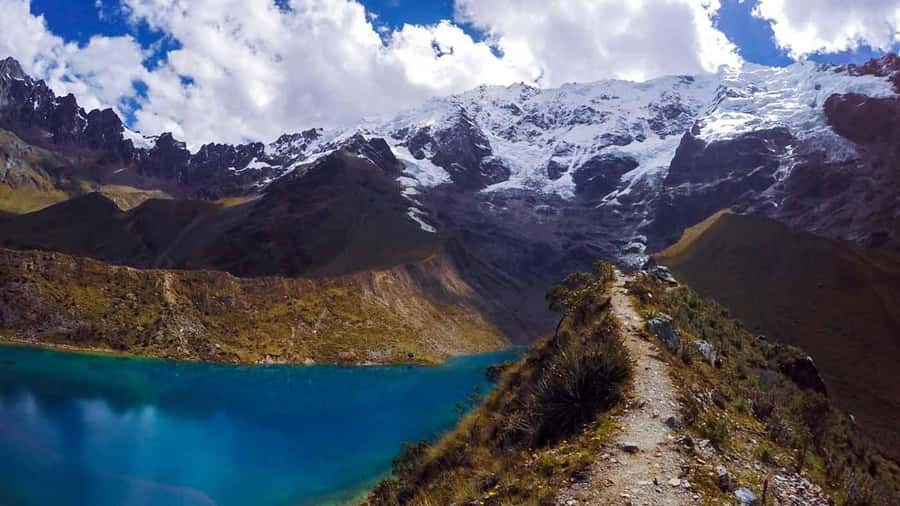
After lunch, you’ll visit Humantay Lagoon. Even if you’ve seen plenty of alpine lakes in photos, this one tends to land because of the timing: you reach it after camp lunch, not as a cold open. You’re warmed up from walking and you can actually enjoy the view instead of just surviving the first climb.
Dinner is served in camp, and you sleep in the dome-style lodging.
Why Day 1 feels manageable: It’s the acclimatization and setup day. You’re not trying to win the day; you’re getting altitude under your belt and learning the pace your guide expects.
You can also read our reviews of more tours and experiences in Cusco
Day 2: Salkantay Pass day and the descent into Chaullay
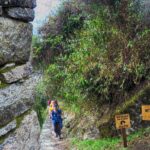
This is the hardest day, and the itinerary doesn’t pretend otherwise. Breakfast starts around 5:00 AM, then you begin hiking around 6:00 AM.
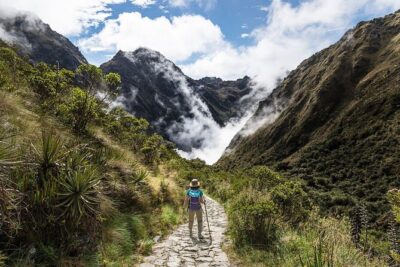
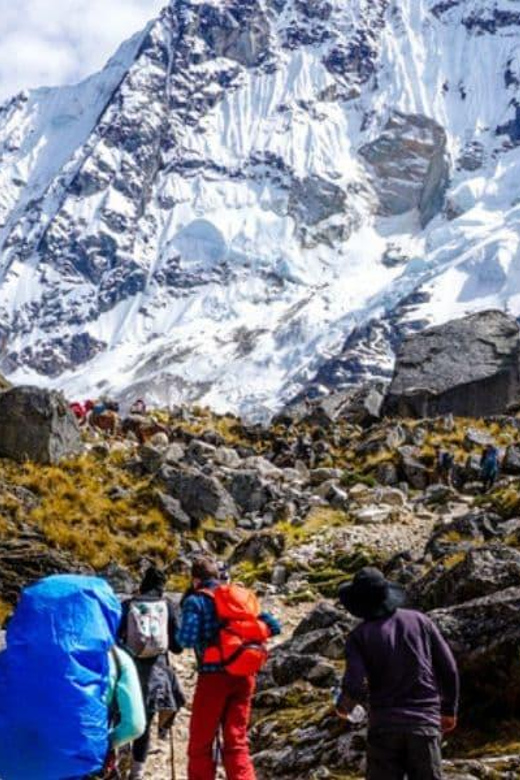
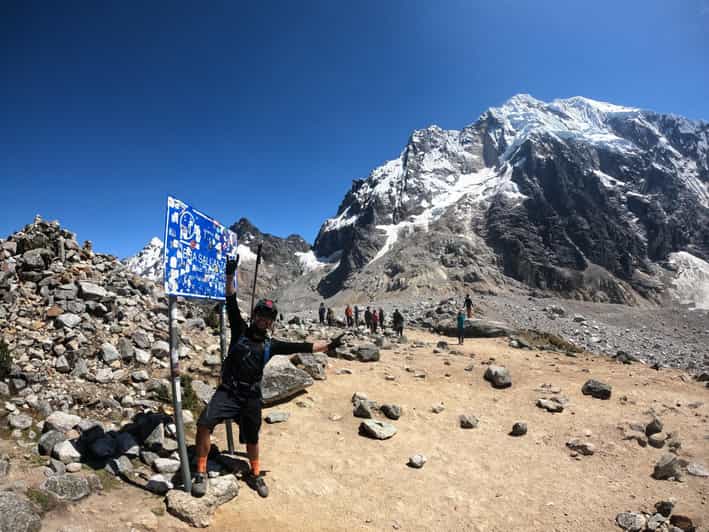
Your climb is described as about 6 kilometers uphill, with “Rocky Mountains” scenery along the way. You’re working toward the highest point of the trek, reaching the top with views of Mount Salkantay (6,264 meters).
After the summit: lunch then a long downhill
You’ll spend time enjoying views at the top, then begin descent. About 2 hours later (around 1:00 PM), you stop for lunch in the Huayracmachay area.
Then comes the real endurance test for many people: after lunch, you hike about 3 hours downhill toward Chaullay, where you sleep at roughly 2,900 meters. You’ll also sleep in “very spectacular indigenous huts,” with dinner later around 6:00 PM.
What to expect in your body: Day 2 is where breathing rate, foot placement, and pacing matter most. If you sprint uphill, you’ll pay for it on the downhill. If you keep a steady pace, the summit views feel earned.
Day 3: Santa Teresa Valley, hydroelectric area, and the rail-track walk to Aguas Calientes
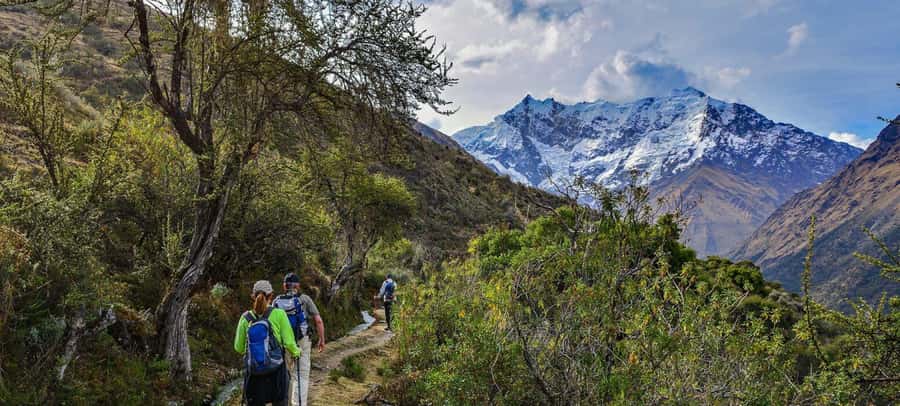
Day 3 shifts from “climb” to “connect the dots.” You start at 6:00 AM, walking toward the small town of La Playa through the Santa Teresa Valley.
Then it’s lunch at La Playa, and you take transportation to the hydroelectric plant for about 1.5 hours. After that, you walk roughly 10 kilometers for about 3 hours along the railroad track into Aguas Calientes, where you stay overnight.
Why Day 3 is special even though it feels like transit
This is often when your brain finally relaxes. You’ve already done the hard push. The rail-track walk is straightforward compared to the pass climb, and Aguas Calientes feels like the place where all your effort turns into something tangible.
Watch the extra transport fees
Your tour info lists transportation costs as not included, including PEN 30.00 for Playa Sahuayaco to Hidroelectrica. It also mentions that on the third day there are buses to Aguas Calientes for 10 or 20 extra soles. That suggests you may have options depending on conditions and timing.
So, don’t assume everything after La Playa is automatically included. If you want a smooth day, confirm what portion is included versus what you might pay on the ground.
Day 4: Early Machu Picchu entry and a guided 2-hour Royal Citadel tour
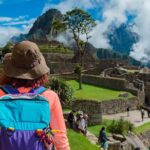
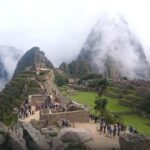
You wake up early in Aguas Calientes to beat crowds at the top of Machu Picchu. Machu Picchu’s entrance control point is listed as open from 6:00 AM to 3:00 PM, and you’re scheduled to go within that window.
Optional bus up to the site
Getting up to the entrance can include an optional bus. The tour lists this as $12 if you want the bus ride. If you’re trying to stay on schedule, the bus is the tool that reduces friction.
Guided time inside
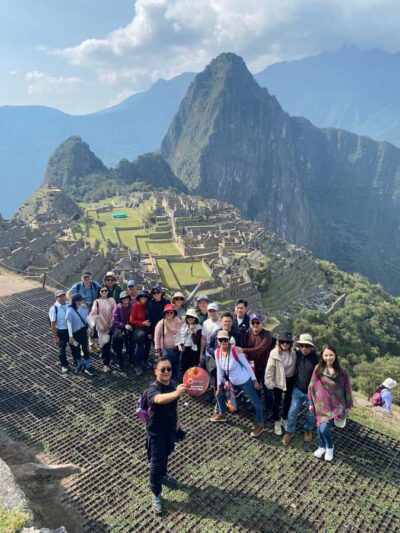
You’ll enter the Royal Citadel area for a 2-hour guided tour. Then you’re out into the rest of your Machu time, if any.
Train back to Cusco via Ollantaytambo
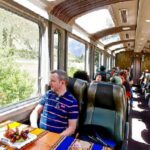
The itinerary lists a train departure at 4:22 PM or 6:20 PM (subject to availability) from Aguas Calientes to Ollantaytambo. A group minivan meets you and drops you back in Cusco at Plaza San Francisco.
The timing warning (important): If your Machu morning starts late, you feel it. The difference between seeing a few key areas and feeling like you’re sprinting for the exit often comes down to whether the transport and entrance are smooth.
Camps, cabins, and meals: what daily comfort looks like on trek
This trek is set up with a real camp system, not just “show up and hope.” What’s included is meaningful:
- Dome lodging: the info states dome tents hold 4 people, with cabins for 2 people
- 1 mat per person
- Dining tent with tables and chairs
- Kitchen tent plus a chef and kitchen team
- Tea service daily
- Meals: daily morning snack, breakfasts/lunches/dinners (with the first-day breakfast excluded)
Vegetarian and special menus
Vegetarian or special menus are available at no additional cost. That’s a big deal if you’ve dealt with trekking meals that treat dietary needs as an afterthought.
What you’ll miss
You’ll still be dealing with basic mountain conditions. A mat helps, but you’re sleeping at altitude and outside. If you tend to get cold, consider whether your own sleep system is up to the task.
Packing: the 5-kg carry limit and how to travel lighter
One of the smartest parts of this trip is the decision to limit what goes on pack animals. Your personal equipment carried by pack animals is limited to 5 kg per person on days 1 to 3. After that, gear is moved along with the logistics to Aguas Calientes.
That means you should pack like this is your last day to carry weight:
- Put essentials in your main bag (not your bulky extras).
- Plan for layering since nights at altitude can get cold.
- Keep a small day pack for water, snacks, and layers.
If you’re unsure what fits into 5 kg, weigh your bag at home. It’s the easiest way to avoid last-minute panic.
Small extras that can save your knees and your cold nights
A few listed options are worth thinking about before you arrive:
- Walking sticks: offered at $20 for the pair for the entire trip. On Day 2 and Day 3, sticks can help control the downhill and reduce knee strain.
- Sleeping bag: optional rental at $20 with a -10ºC comfort rating. They say it’s cleaned after each use. If you’re traveling light, that can be a reasonable way to avoid carrying your own bag.
- Water: drinking water can be purchased throughout the trip, or you can bring a filter. Filters are usually the “cheapest over time” move.
Also note the tour lists biodegradable hand soaps and biodegradable dishwashing detergents. That’s a practical improvement for hygiene without making a big footprint.
Ticket and transfer risk: the one thing I’d double-check hard
The trek is the headline. But the experience can be made or broken by documents and timing at the finish line.
One reported problem: Machu Picchu entrance tickets and train back to Cusco weren’t delivered as promised, even with booking far in advance. The fix was last-minute ticket purchasing, which left less time to explore Machu Picchu.
Even if your trip goes perfectly, you should treat this as a checklist item:
- Confirm you receive your Machu Picchu ticket details in advance.
- Confirm you have your train timing and booking from Aguas Calientes to Ollantaytambo.
- Verify any optional transport costs on Day 3 (the info lists bus and transfer items not included).
- Ask what time you’ll be aiming to arrive at Machu Picchu to avoid schedule pressure.
This isn’t about mistrusting your guide. It’s about protecting your precious Day 4, when you want the morning calm—not admin stress.
Who this Salkantay trek suits best
I’d point this trek at travelers who:
- Want the Salkantay-to-Machu Picchu experience but prefer a route that’s typically less crowded
- Like guided structure and don’t want to manage camp setup
- Appreciate meals and staff doing the heavy lifting, especially with chef + kitchen team and pack animals
- Are comfortable with altitude and a genuinely hard climb on Day 2
It might not be ideal if:
- You hate tight timing around Machu Picchu entrance and train departures
- You rely on a third party to hand you tickets without confirming them
- You want maximum flexibility for Day 4 exploration beyond the guided tour and scheduled return
Should you book this Salkantay Trek from Cusco?
If you want a classic trek feel—with real camp service, guided support, and a less-crowded path into Machu Picchu—this can be excellent value at $410. The meal plan, camp setup, and included Machu entry/train are the reason it’s competitive.
But book with eyes open. Before you commit, confirm ticket documents and transportation details tied to Day 3 and Day 4. If you can lock that down, you’ll spend your energy on what matters: the climb toward Salkantay Pass, the view of Salkantay Mountain, and that early, quieter moment when Machu Picchu finally opens in the morning light.
FAQ
What time do they pick you up in Cusco for the trek?
Pickup is scheduled between 4:45 AM and 5:30 AM from the meeting point in Cusco, and then you transfer by bus to the trek start area.
What parts of the trek include meals?
Meals include 3 breakfasts, 3 lunches, and 3 dinners, plus a daily morning snack and tea service. Breakfast on the first day is not included.
Do you visit Humantay Lagoon?
Yes. After lunch on Day 1 in Soraypampa, the plan includes a visit to Humantay Lagoon.
Is Machu Picchu bus transportation included?
An optional bus to Machu Picchu is listed as $12, so the bus is not necessarily included by default.
How do you get from Aguas Calientes back to Cusco?
You take a train from Aguas Calientes to Ollantaytambo at either 4:22 PM or 6:20 PM (subject to availability), and then a minivan brings you back to Plaza San Francisco in Cusco.
Is a sleeping bag or walking sticks included?
No. A sleeping bag can be rented for $20 and walking sticks for $20 for the whole trip.
Are there any optional or extra costs during the trek?
Yes. The info lists fees such as 20 soles for Lake entrance, and additional transportation items on Day 3 may cost extra (including bus options for 10 or 20 soles and PEN 30.00 for a transfer).