REVIEW · COOKING CLASSES
Cusco: Peruvian Cooking Class & Market Tour
Book on GetYourGuide →Operated by Peru Andes Top · Bookable on GetYourGuide
Pisco and ceviche in four hours, a smart plan. This Cusco experience pairs a San Pedro market ingredient tour with a chef-led cooking class, then ends at lunch with what you made. I like that it connects what you see in the market to the food on your plate, and I also like the Pisco Sour focus, including a guided explanation and tasting.
The biggest draw is how relaxed and well-prepared the afternoon feels, especially with chef Ronald running the show and keeping the pace friendly. One thing to consider: you’re walking for about an hour and cooking through most of a half-day, so it’s not the best fit if you want a totally low-effort activity.
In This Review
- Key Things You’ll Notice (Before You Go)
- Cusco Market Ingredients: San Pedro Sets Up Your Lunch
- Meeting Point and Timing: Plan for a Half-Day Flow
- Pisco Sour 101: Grapes, Qualities, and a Proper Toast
- Chef-Led Cooking: You’ll Make Cusqueña Classics
- Appetizer options: Ceviche or Chilcano soup
- Main course options: Lomo Saltado or Ají de Gallina
- The chef’s role (and why chef Ronald gets mentioned)
- Lunch Included: Eating Your Own Work
- What’s Included (and What to Budget For)
- Price and Value: Is $65 Worth It in Cusco?
- What to Bring (So You Actually Enjoy It)
- Who This Class Suits Best
- Practical Notes: Small Rules That Matter
- Should You Book This Cusco Cooking Class?
- FAQ
- What is the duration of the Cusco cooking class and market tour?
- Where do I meet the guide?
- How long is the San Pedro market walk?
- What dishes can I choose to cook?
- Is lunch included?
- What language is the class taught in?
- Are alcoholic drinks included?
- What should I bring?
- Is the activity wheelchair accessible?
Key Things You’ll Notice (Before You Go)
- San Pedro market walk (~45 minutes) gives you a concrete sense of the ingredients behind Cusqueña cooking
- Pisco Sour lesson + tasting covers pisco grapes and their different qualities
- Hands-on cooking with a chef means you’re not just watching; you’re actively making dishes
- Pick from classic options like ceviche or Chilcano soup, plus Lomo Saltado or Ají de Gallina
- Lunch is included so you’ll leave fed, not just “inspired”
- Bilingual instruction (English/Spanish) helps you follow every step
Cusco Market Ingredients: San Pedro Sets Up Your Lunch
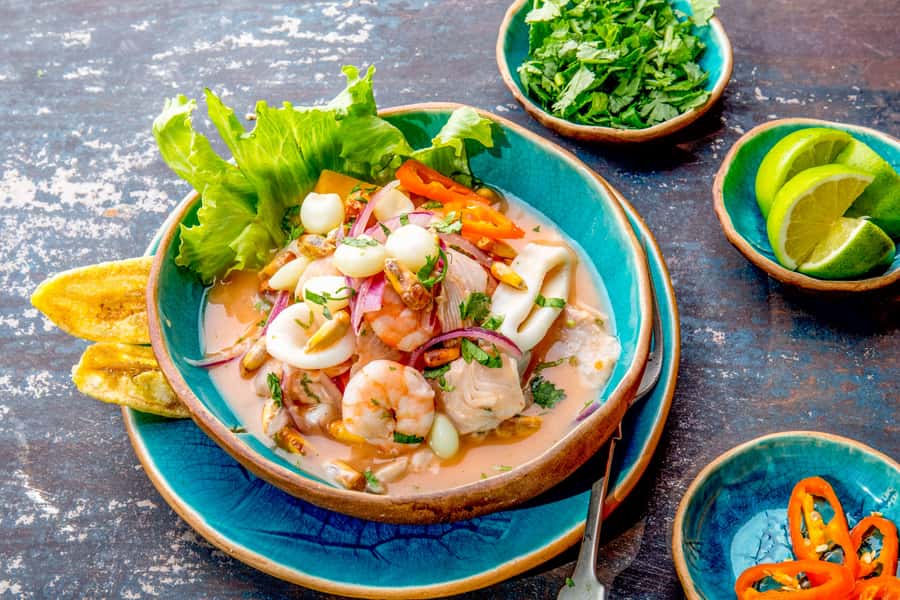
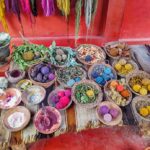
The day starts with a market walk of about 45 minutes in San Pedro. Even if you’ve already tried a few Peru dishes in Cusco, this part helps you understand what’s behind the flavors. You’ll look at local fruits and key ingredients, then later use many of the same items in the cooking portion.
Why this matters: Cusco menus can feel confusing if everything is new at once. The market portion slows you down just enough to learn what to look for—color, texture, and how ingredients are sold. You’ll also get a sense of what’s common in the Cusco region, which makes the rest of the class feel practical rather than just “tourist cooking.”
The pacing here is also a good match for short time in Cusco. You don’t spend half a day trekking around. You spend a focused stretch at a real food market, then you go back to cook and eat.
You can also read our reviews of more shopping tours in Cusco

Meeting Point and Timing: Plan for a Half-Day Flow
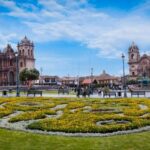
You’ll begin by waiting at the water fountain in the square, and you’ll end back at that same meeting spot. The experience runs about 3–4 hours (often described as 4 hours), so it fits nicely between other Cusco plans like sightseeing or a relaxed dinner.
This timing is the practical sweet spot. It’s long enough to do real prep, cook a meal, and have lunch, but short enough that you’re not tying up your whole day. If your legs are feeling the effects of altitude, treat the market walk as your “workout” portion, and the kitchen portion as your “reward” portion.
Pisco Sour 101: Grapes, Qualities, and a Proper Toast
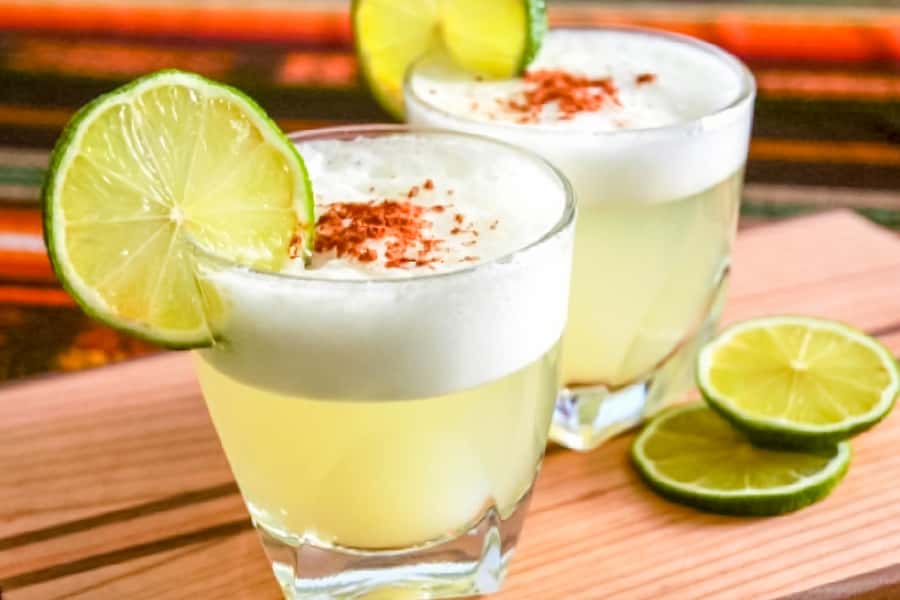
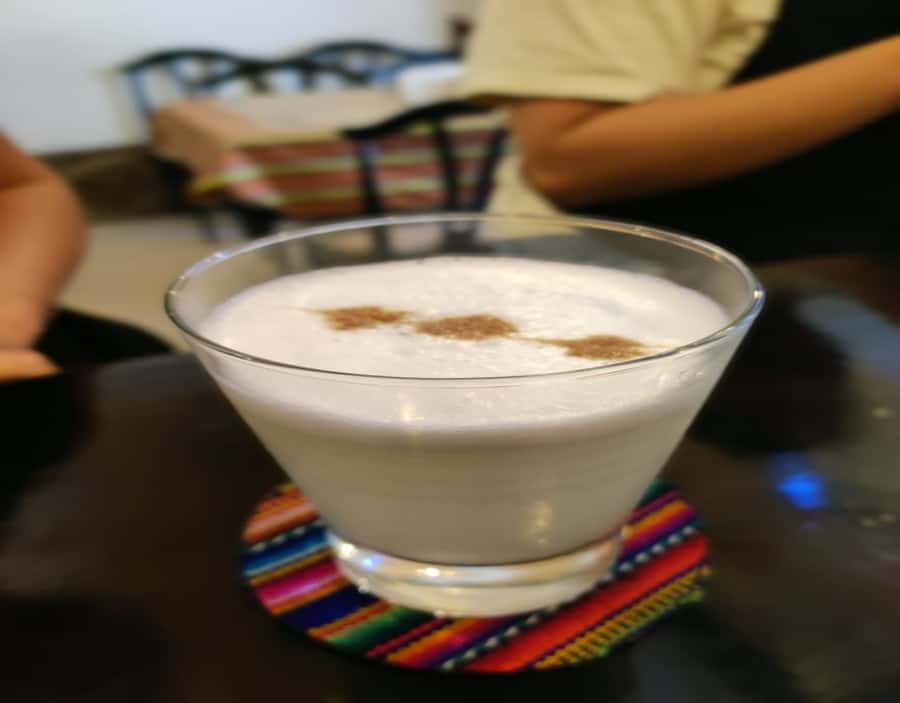
Back at the restaurant, the class turns to Peru’s most famous drink: the Pisco Sour. You get an explanation and tasting that includes details about pisco grapes and their different qualities. Then there’s a toast before you start cooking.
I like this segment because it gives you a framework for what you’re tasting. Instead of treating the drink like a one-note souvenir, you learn that the grape quality matters. That makes your later sip feel intentional, not random.
Also, this is a nice morale booster. After the market walk, you’re ready for a short break that still counts as learning. And since alcoholic drinks are available to purchase (but aren’t listed as included beyond what’s part of the experience), you can manage how much alcohol you want without it taking over the day.
Chef-Led Cooking: You’ll Make Cusqueña Classics
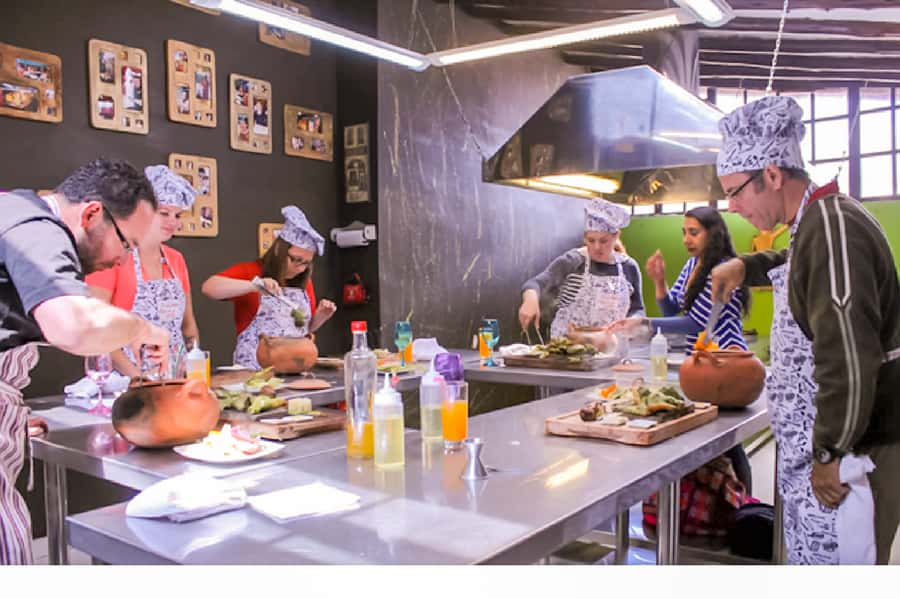
This is the hands-on part, led by an expert chef with experience in traditional Peruvian cuisine. You’ll learn cooking techniques while working on dishes you choose from the options provided. The class also includes an appetizer choice, plus a main course choice.
Appetizer options: Ceviche or Chilcano soup
You may choose an appetizer such as Ceviche or Chilcano soup. Either way, this setup is smart: you get a taste of different sides of Peruvian flavor—bright and citrus-forward for ceviche, comforting and spiced for soup.
Even if you’re not a confident cook, appetizer stations tend to be easier to manage in a group class. You’ll usually get clearer steps and faster feedback when you’re learning.
You can also read our reviews of more tours and experiences in Cusco
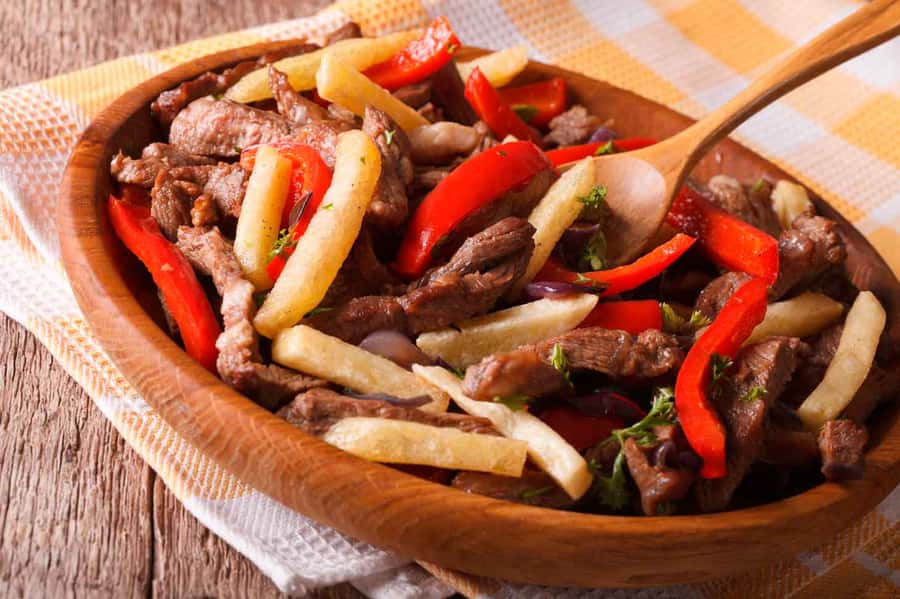
Main course options: Lomo Saltado or Ají de Gallina
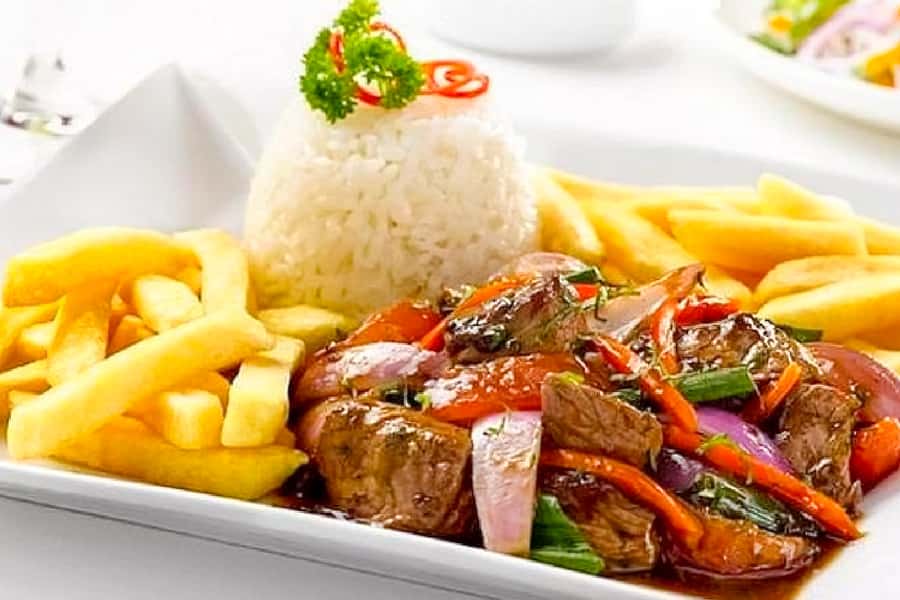
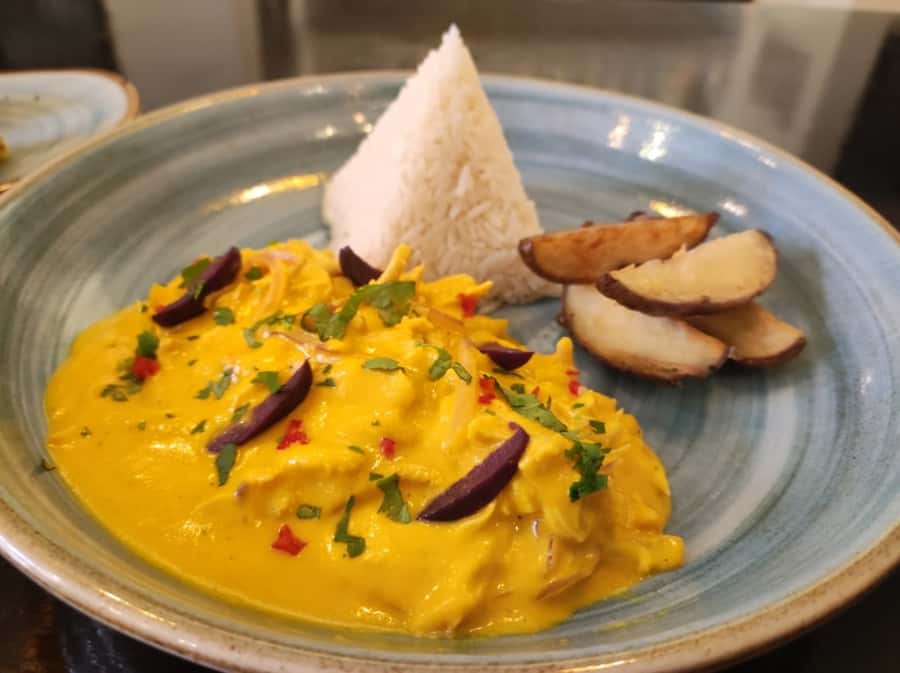
For the main, you can choose between Lomo Saltado or Ají de Gallina. Both are iconic, and they represent two different “moods” in the Cusco/Peru cooking world. Lomo Saltado leans toward savory and stir-fry style comfort. Ají de Gallina brings richness and a distinctive pepper character.
The value here is not just in eating a dish you recognize. It’s in learning the method well enough that you can recreate the overall idea later at home—what makes it taste like itself, and what ingredients play the starring roles.
The chef’s role (and why chef Ronald gets mentioned)
Chef Ronald comes up for a reason: the class feels organized, and the chef keeps explanations clear and entertaining. When you’re cooking, that matters more than big promises. A good teacher doesn’t just talk; they help you avoid mistakes and understand what you’re doing as you do it.
If you’re trying to learn more than just “how to follow instructions,” you’ll likely appreciate that teaching style.
Lunch Included: Eating Your Own Work
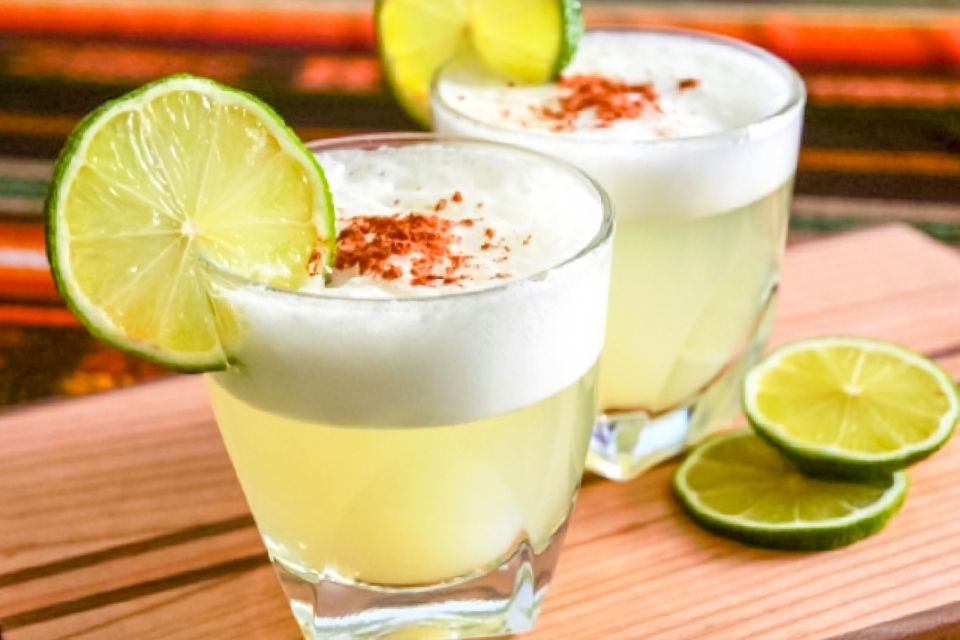
After cooking, you sit down to enjoy the dishes you created, plus you’ll try your pisco as part of the experience. Because lunch is included, you can treat the price like a true food-and-cooking deal rather than a “class that ends with snacks.”
This meal format is exactly why I like short cooking classes that include lunch. You don’t have to guess whether it’s filling enough. You leave with something tangible: dishes you helped make, plus a drink you learned about.
One practical note: eat slowly. You’ll have citrus, spice, and rich components depending on what you choose. Pace yourself, especially if you’re still adjusting to Cusco altitude.
What’s Included (and What to Budget For)
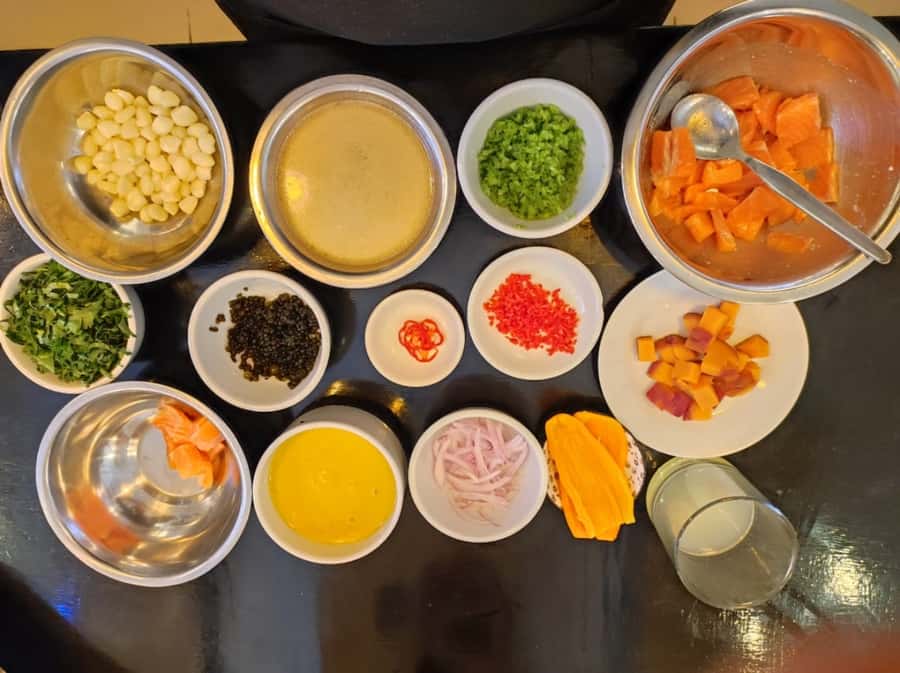
Included in the price:
- Bilingual cooking class (English/Spanish)
- Cooking equipment
- Lunch
- Approximately 45 minutes of the San Pedro market tour
Not included:
- Alcoholic drinks (available to purchase)
- Extra orders
This matters for budgeting. If you’re someone who will just have one drink, you’re likely fine sticking with what’s included in the experience flow. If you plan to order extra drinks or add-ons, set aside some extra cash so the final bill matches your comfort level.
Price and Value: Is $65 Worth It in Cusco?
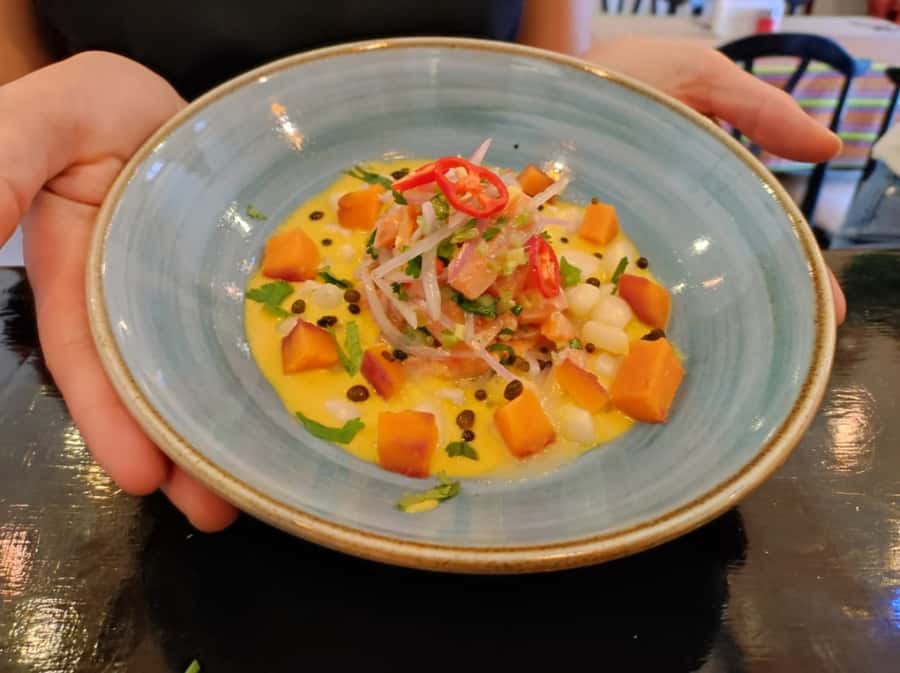
At $65 per person for about 3–4 hours, the main question is value: are you paying for a gimmick, or for real instruction and real lunch?
From what you get here—market ingredient time, pisco tasting, chef-led hands-on cooking, and an included lunch—it feels like you’re paying for three things at once:
1) food learning (market + techniques)
2) beverage education (pisco grapes and qualities)
3) a full meal made with your own hands
That combo is what keeps it grounded. You’re not just paying to sit in a room. You’re paying to participate, then eat what you made.
If you enjoy cooking, this is a particularly good use of a limited time in Cusco because it ties together local ingredients and classic Cusqueña dishes without requiring you to navigate shopping, recipes, and tools on your own.
What to Bring (So You Actually Enjoy It)
Bring:
- Camera
- Comfortable clothes
You’ll do some walking at the market and then spend time cooking. Comfortable clothing helps you stay focused, not fidgety. A camera is worth it because the market portion is your visual ingredient “reference library” for later—especially if you want to remember which fruits or ingredients caught your eye.
You might also want to keep your water handy and plan for a bit of standing during the cooking segment, since this is a hands-on setup.
Who This Class Suits Best
This experience is a strong fit if you want:
- an enjoyable way to learn traditional Cusqueña cuisine
- a short, structured activity that ends with lunch
- a guided introduction to pisco beyond the basics
- a class that’s understandable in English or Spanish
It may be less ideal if you:
- dislike food activities that involve walking and cooking for several hours
- want only a quick tasting with minimal time on your feet
Practical Notes: Small Rules That Matter
A couple of simple things to keep in mind: pets aren’t allowed, and smoking isn’t allowed. It’s also listed as wheelchair accessible, which is helpful if you need accommodations for mobility.
Should You Book This Cusco Cooking Class?
Yes—if you want a hands-on, food-focused Cusco experience that combines ingredients, cooking, and lunch in one organized half-day. The best reason to book is the structure: market first, pisco lesson next, cooking afterward, then you eat what you made. That order keeps everything connected instead of feeling like separate activities.
Before you reserve, think about what you’re hoping to learn. If you love cooking and want a recipe-level understanding of classics like Lomo Saltado or Ají de Gallina, this fits well. If you’re looking for something ultra-slow or mostly scenic, you might want a different style of tour.
If your schedule allows, this one is a solid value at $65—especially because it includes lunch and the market ingredient tour, not just a cooking demo.
FAQ
What is the duration of the Cusco cooking class and market tour?
The experience lasts between 3 and 4 hours. The exact timing can vary, so you’ll want to check availability for starting times.
Where do I meet the guide?
You start by waiting at the water fountain in the square.
How long is the San Pedro market walk?
The market portion is about 45 minutes, with an initial walk described around an hour in the San Pedro market area.
What dishes can I choose to cook?
You can choose an appetizer such as Ceviche and/or Chilcano soup, and a main course such as Lomo Saltado or Ají de Gallina.
Is lunch included?
Yes. Lunch is included as part of the experience after you cook.
What language is the class taught in?
The cooking class is offered in English and Spanish.
Are alcoholic drinks included?
Alcoholic drinks are not included. They are available to purchase.
What should I bring?
Bring a camera and wear comfortable clothes.
Is the activity wheelchair accessible?
Yes, it’s listed as wheelchair accessible.