REVIEW · CALCA
Visit to the Cochahuasi Animal Sanctuary with rescued animal
Book on GetYourGuide →Operated by Latitudes · Bookable on GetYourGuide
Cochahuasi turns animal rescue into a real-life lesson. In about 3 hours, you ride out of Cusco, meet rescued wildlife, and learn why places like this matter in Peru. I especially liked the wildlife specialist guidance, which keeps the focus on care and conservation, not just cute animals.
My second big favorite was the mix of experiences: you get time with llamas and alpacas, plus access to the VIP animal houses and animal enrichment. One possible drawback: the sanctuary time is fairly tight (about 40–60 minutes of tour plus 20–25 minutes of free time), so if you want a slow, long hangout, this may feel short.
In This Review
- Key things to know before you go
- From Cusco pickup to a wildlife morning in miniature
- What the Cochahuasi visit feels like once you arrive
- The guided tour plus free time: how to use your 20–25 minutes
- Llamas and alpacas: the gentler side of the sanctuary
- VIP animal houses and animal enrichment: why this is more than sightseeing
- The sanctuary mission: education and release, including a GPS-tracked condor
- Where the tour ends: crafts and products area
- Price and value: what $50 covers (and what it doesn’t)
- Who should book this, and who might skip it
- A quick word about the guide and the cause
- Should you book Cochahuasi?
- FAQ
- How long is the Cochahuasi Animal Sanctuary visit?
- What’s included in the tour price?
- What languages is the tour guide available in?
- What animals might I see at the sanctuary?
- Do I get to interact with animals or only observe them?
- Is food and drink provided during the tour?
- Are tickets to the animal sanctuary included?
- What’s the cancellation policy?
Key things to know before you go
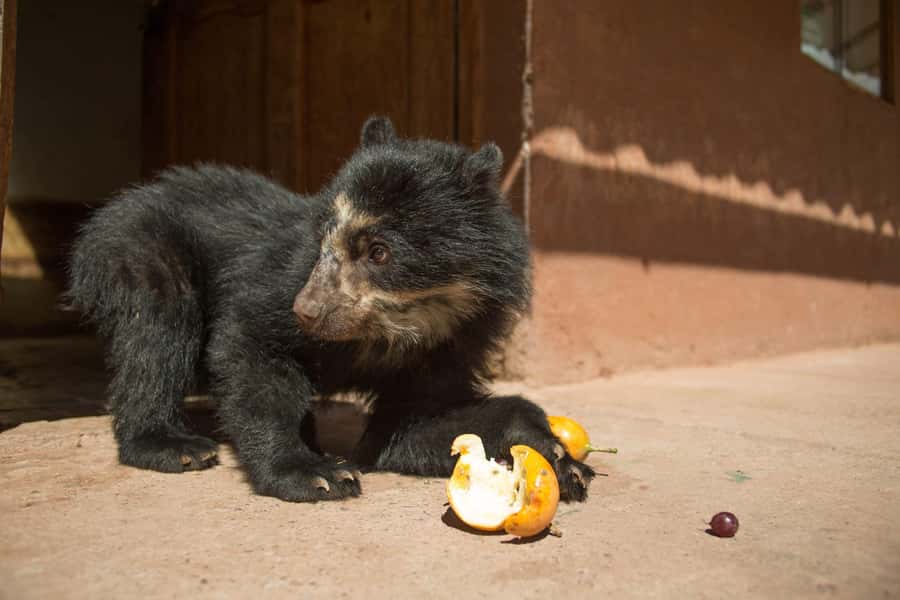
- Hand-on education, not just viewing: you’ll see how animals are cared for, including enrichment activities.
- A real cross-section of Peru’s wildlife: Andean spectacled bears, pumas, macaws, monkeys, and more.
- A trip that starts in Cusco and stays focused for 3 hours: pickup, travel time, sanctuary visit, then back to your hotel.
- VIP animal houses access: you’ll get access to special on-site areas during the visit.
- You’re part of the rescue story: the sanctuary’s mission includes education and release work (including a GPS-tracked Andean condor).
From Cusco pickup to a wildlife morning in miniature
This is the kind of tour that fits neatly into a Cusco day. You get hotel pickup in Cusco, then a car ride for about 30 minutes toward the sanctuary area. The timing is built for momentum: you’re not stuck on the road for long, and you’re not rushed into the next thing right after.
That 30-minute ride matters more than you might think. It creates a clean switch from city life to a rescue-focused environment. You’ll have that short window to settle in and mentally shift from sightseeing mode to learning mode, because the sanctuary visit is about stories, responsibility, and respect.
What the Cochahuasi visit feels like once you arrive
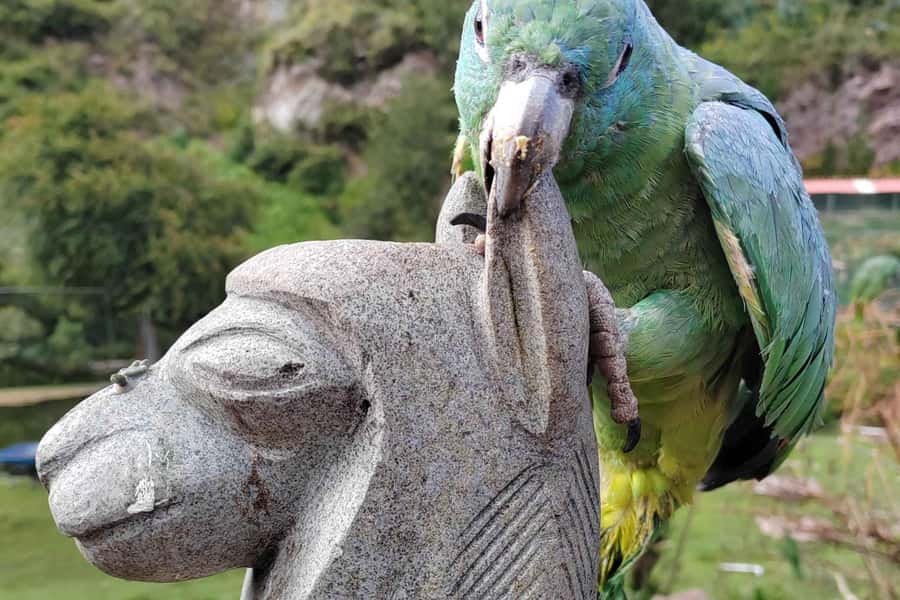
Once you’re there, you join a team of empathetic people with a big heart. The vibe is calm and purposeful. You’ll see a variety of species from the mountains and the coastal jungle of Peru, and each animal comes with a slightly sad story—sharing what brought them to the sanctuary and why conservation matters.
The animal list you can expect is impressive for a visit this length: Andean spectacled bears, pumas, macaws, monkeys, and other rescued wildlife. You won’t just get a name and a quick fact. You’ll get the context behind the rescue and what the sanctuary is trying to do long-term.
If you care about ethics and animal welfare, this part will hit. You’re not watching from a distance with zero explanation. You’re learning why these animals need protection and why people are part of the solution.
The guided tour plus free time: how to use your 20–25 minutes
Your on-site program runs from 40 minutes to 1 hour for the guided sanctuary portion. Then you’ll have free time—about 20 to 25 minutes. That split is useful. The guide time gives you the storyline and the conservation context. The free time lets you slow down and take in the animals without the constant narration.
I like this setup because it’s not all formal. You can stand where the sightlines are best, ask follow-up questions if your guide is still around, and simply watch how the animals respond to their environment.
Practical note: because the overall visit is only a few hours, try not to spend your free time distracted by checking your phone. Give your attention to the animals and what you’re learning. This experience works best when you treat it like a guided lesson, not a quick stop.
Llamas and alpacas: the gentler side of the sanctuary
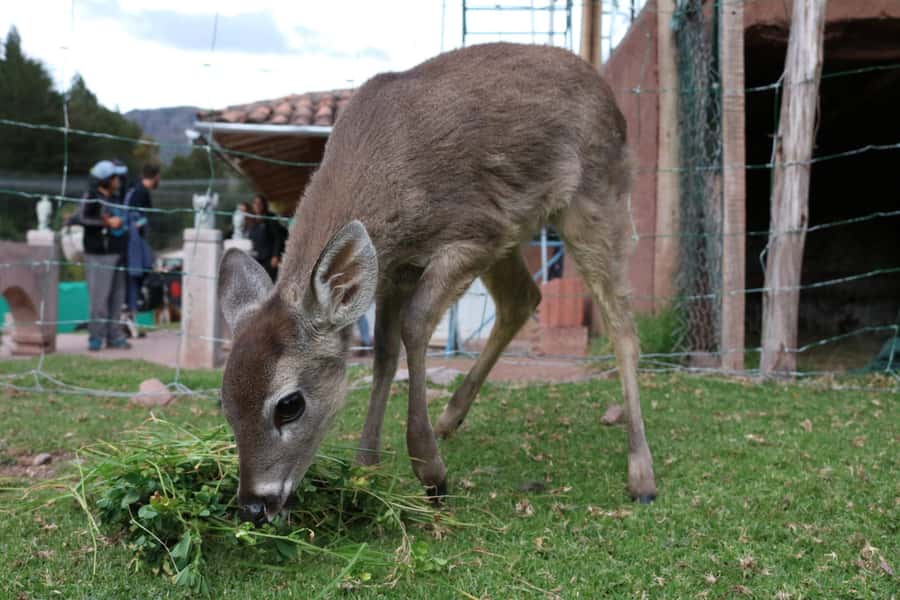
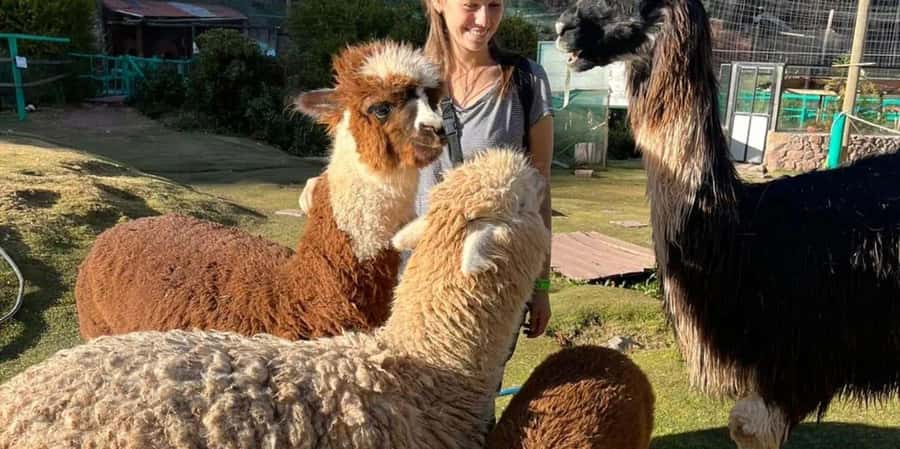
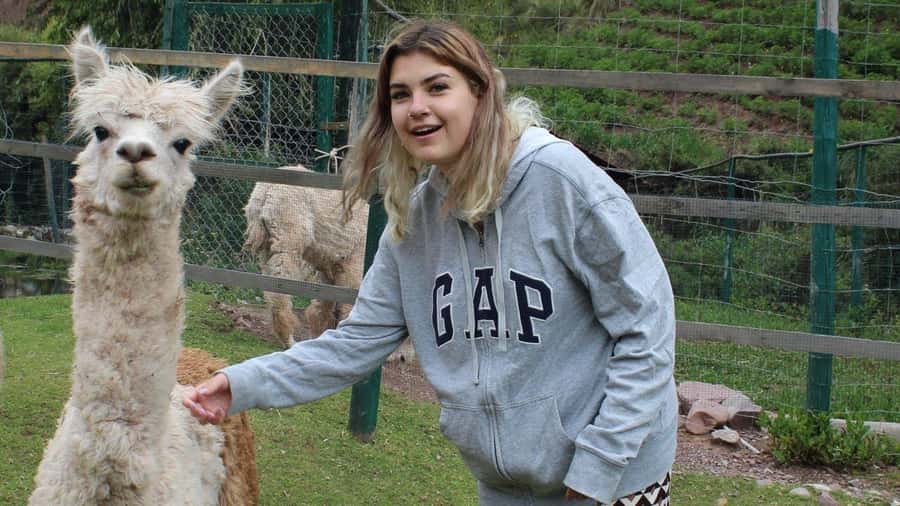
One of the most accessible parts is the interaction with llamas and alpacas, which is included. This isn’t just a “petting moment.” It’s part of the sanctuary’s education approach, and it helps you connect with animal care on a simpler level before you move into the more complex rescue stories of predators and birds.
If you’re traveling with kids or you want a lighter emotional tone early on, this is a good anchor. It balances the heavier parts of the visit and makes the larger conservation mission feel more human.
Even as an adult, I find these interactions do something important: they reset your expectations. You go in expecting rare animals and dramatic rescues, but you leave remembering daily animal needs—feeding, handling, and enrichment.
VIP animal houses and animal enrichment: why this is more than sightseeing
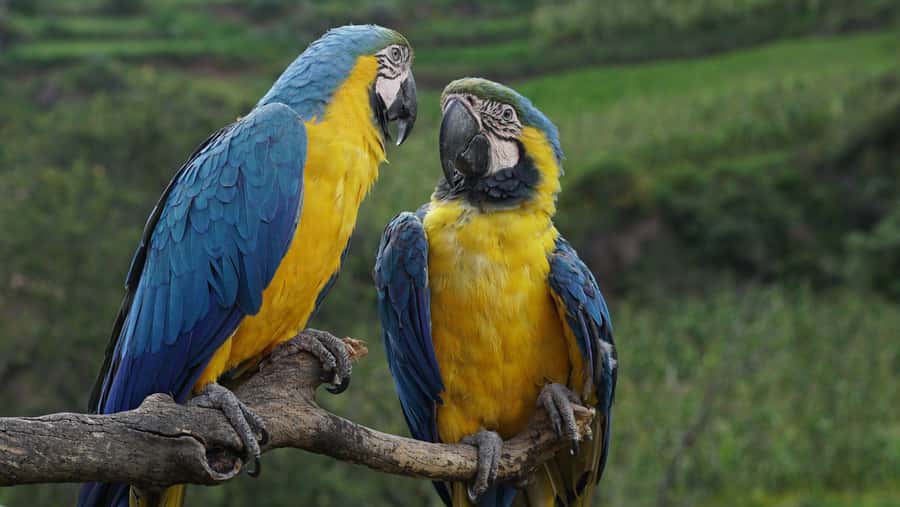
You get access to the VIP animal houses, which is included. You also participate in animal enrichment. Those two elements are what turn the tour from “look at animals” into “understand how care works.”
Enrichment is a key concept in modern animal welfare. In plain terms, it means activities and items that help animals cope with captivity, boredom, and stress. The fact that you’re included in this part (instead of being only an observer) changes the quality of your visit. It helps you see that rescue doesn’t end at arrival—it continues with daily care.
Also, the sanctuary provides food for the animals as part of the experience. That matters for value and for respect. You’re not walking in empty-handed. You’re participating in the routine that supports the animals’ health.
One thing to keep in mind: since VIP animal houses and enrichment are included, you should plan to follow instructions from your wildlife specialist guide closely. It’s not a casual walk-through.
The sanctuary mission: education and release, including a GPS-tracked condor
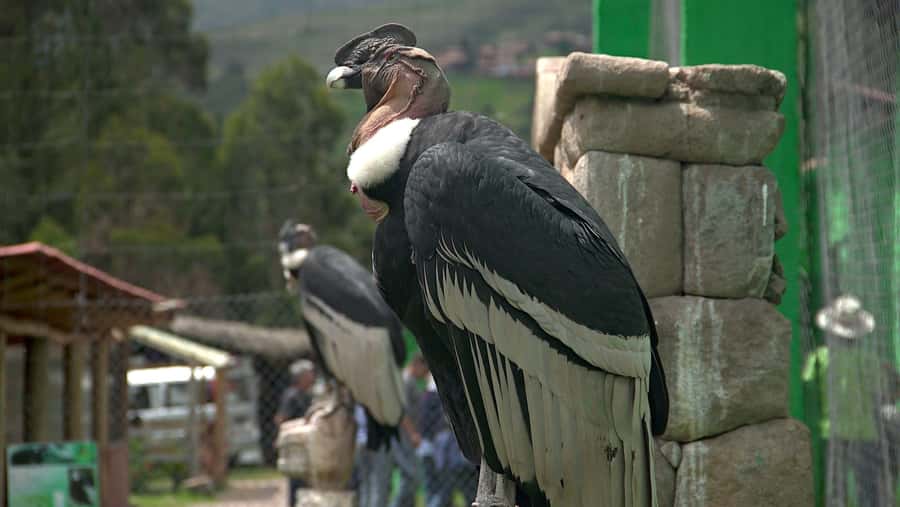
Cochahuasi isn’t only a holding place. The mission is education, and the sanctuary works on releasing some animals that are in danger of extinction.
A standout example mentioned is a male Andean condor with a GPS and satellite system in 2019. Even if you don’t remember every detail, this kind of project signals something big: the sanctuary is thinking beyond the fence. They’re supporting long-term survival, monitoring, and better chances for animals to live in safer conditions.
For me, this is where the tour becomes genuinely meaningful. You’re not just paying for a memorable afternoon. You’re supporting a place with a strategy—education for humans and planning for wildlife.
Where the tour ends: crafts and products area
After the sanctuary visit, you’ll spend time in the area of products and crafts. This is a typical end-stage for conservation experiences in Peru, and it’s also practical: you can pick up something small without turning your whole day into a shopping detour.
I treat this part as optional. If you’re tired, you can browse slowly. If you want a souvenir tied to the mission, this is usually the best moment to choose something relevant.
Price and value: what $50 covers (and what it doesn’t)
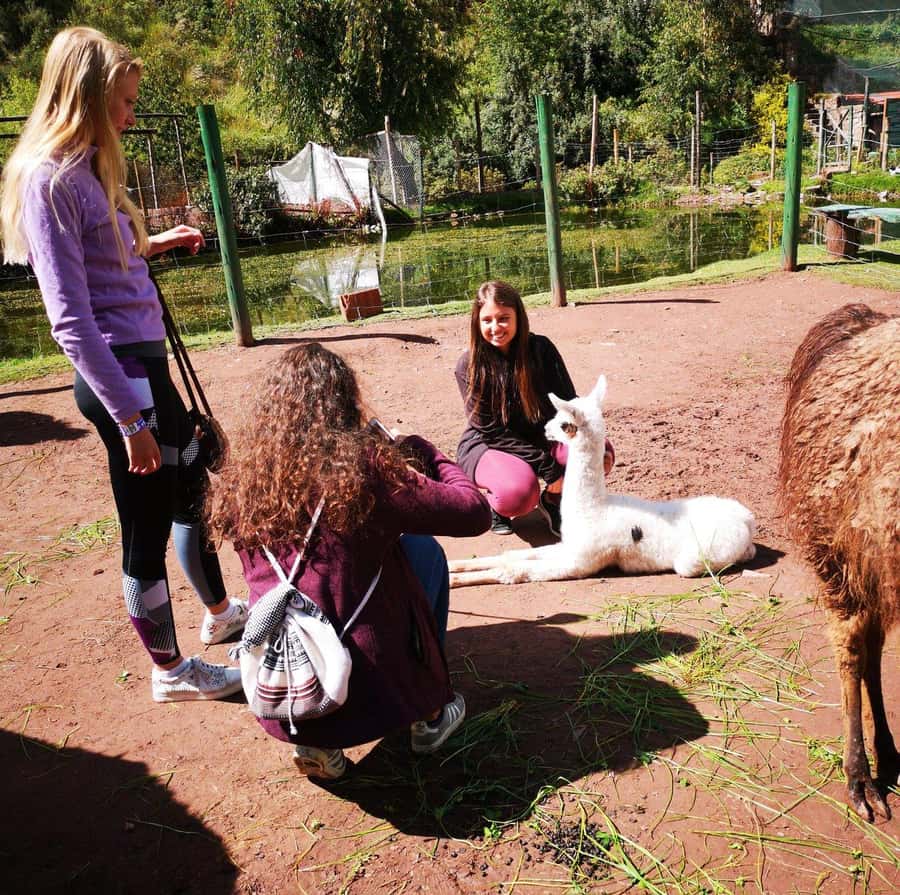
The price is $50 per person for a total duration of about 3 hours. In a short window, you’re getting hotel pickup and drop-off, round-trip transportation, a professional wildlife specialist guide, VIP animal house access, interaction with llamas and alpacas, food for the animals, and animal enrichment.
What’s not included is also clearly marked: gifts, food, drinks, and tickets to the animal sanctuary. That’s worth taking seriously. Sometimes tours include VIP access but still require a separate official ticket, depending on how the sanctuary fees are handled. Before you go, double-check what you personally need to pay at the site so there are no surprises.
Is $50 good value? For Cusco, it’s the kind of price that makes sense when you account for guided animal care education and the included transport. This isn’t a “self-guided” experience. You’re paying for guided expertise and included participation.
Who should book this, and who might skip it
This tour fits best if you:
- care about animal rescue and conservation education
- like guided learning with real context
- want hands-on involvement through enrichment and animal care routines
- are okay with an emotional tone, since the animals have sad backstories
You might choose something else if you:
- want a long, slow animal sanctuary day with lots of unstructured time
- don’t enjoy learning about rescue stories and conservation challenges
- prefer purely scenic outings without animal-care responsibilities
The emotional element is real. But that’s also part of why this experience is so effective.
A quick word about the guide and the cause
You can feel when a guide genuinely cares. One of the strongest signals in the overall experience is how the wildlife specialist explains the animals’ lives in a way that makes it clear they matter. The tone isn’t cold. It’s human. That matters because it shapes how you interpret everything you see afterward.
And the bigger picture is straightforward: this is a good-cause activity. Helping those who need it most also means showing respect for animals—because now you’re part of their voice.
Should you book Cochahuasi?
Yes, if you want an ethical, guided wildlife experience that’s short enough for a busy Cusco schedule but still delivers real education. At $50, the included transport, specialist guidance, VIP access, and participation in animal enrichment make it feel like a legitimate support-and-learning outing, not just a quick animal stop.
Before you go, do one simple thing: confirm whether any sanctuary ticket payment is required on-site since tickets are listed as not included. Then you’re set.
If your heart is in animal welfare and you appreciate the conservation angle, this is a thoughtful way to spend a few hours outside Cusco—and to leave knowing you supported something that continues long after you’re back in town.
FAQ
How long is the Cochahuasi Animal Sanctuary visit?
The full experience lasts about 3 hours.
What’s included in the tour price?
Hotel pickup and drop-off, a professional wildlife specialist guide, round-trip transportation, interaction with llamas and alpacas, food for animals, access to the VIP animal houses, and animal enrichment.
What languages is the tour guide available in?
The live tour guide is available in Spanish and English.
What animals might I see at the sanctuary?
You can expect a variety of rescued species, including Andean spectacled bears, pumas, macaws, and monkeys, among others.
Do I get to interact with animals or only observe them?
You’ll have interaction time with llamas and alpacas, and you’ll also be involved in animal enrichment.
Is food and drink provided during the tour?
Food and drinks are not included.
Are tickets to the animal sanctuary included?
Tickets to the animal sanctuary are listed as not included.
What’s the cancellation policy?
You can cancel up to 24 hours in advance for a full refund.