REVIEW · HIKING & TREKKING
Cusco: 5-Day Salkantay Ultimate Trek to Machu Picchu
Book on GetYourGuide →Operated by Inkayni Peru Tours · Bookable on GetYourGuide
Salkantay is the kind of hike you remember. The route stacks big Andean views with real cultural time, then hands you a guided arrival at Machu Picchu that feels earned, not rushed. I love how the day-by-day pacing mixes steep climbs with payoff moments like Humantay Lake, and I also like the steady on-the-ground support (guides, cook, horses, and careful meals). The main drawback to weigh is simple: this is physically and mentally demanding, and altitude is part of the deal.
You’ll also want to go in with the right expectations about comfort. This trip includes camping for multiple nights (plus a hotel night in Aguas Calientes), and you’re carrying yourself while the team manages the heavy lifting. If you’re prone to altitude sickness, have back problems, or want an easy walk, this probably won’t feel like a fit.
In This Review
- Key Highlights You’ll Feel From Day 1
- Why This Salkantay Route Feels Like an Actual Expedition
- Day 1: Soraypampa Climb, Lunch Break, and Humantay Lake at 4,200 m
- Day 2: The Salkantay Pass (4,630 m) and the Switch Into High-Altitude Jungle
- Day 3: Cloud Forest Mists to Playa Sahuayaco, Then Lucmabamba
- Day 4: Llactapata Ruins Through an Original Inca Trail, Then Down to Aguas Calientes
- Day 5: Machu Picchu in the Morning, Then Trains Back to Cusco
- Altitude, Pace, and Who Should Consider This Trek
- Support That Keeps You From Burning Out
- Price and Value: What You’re Really Paying For
- What to Pack (And the Stuff That Can Ruin Your Trip)
- A Few Smart Tips Before You Go
- Should You Book This Salkantay Trek to Machu Picchu?
- FAQ
- How long is the Cusco Salkantay trek to Machu Picchu?
- What is the price per person?
- What meals are included during the trek?
- Is Machu Picchu entrance included?
- Is Huayna Picchu included?
- Do you stay in a hotel or camp during the trek?
- Are sleeping materials provided?
- How is your luggage handled during the trek?
- Is pickup from Cusco included?
- Is water provided every day?
Key Highlights You’ll Feel From Day 1
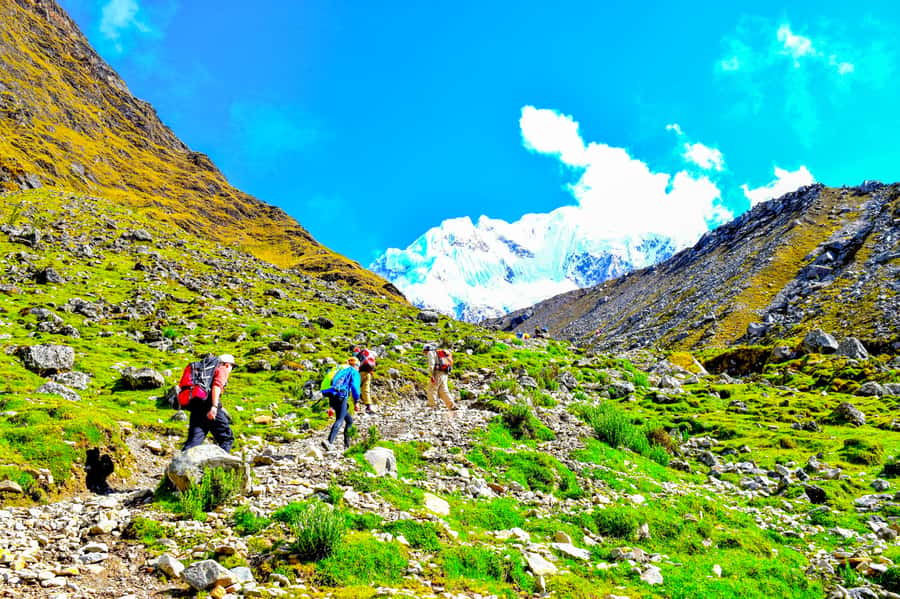
- Salkantay Pass crossing (4,630 m): a high, thin-air moment with big mountain views.
- Humantay Lake at 4,200 m: turquoise glacial water framed by towering peaks.
- Cloud forest descent to Playa Sahuayaco: misty trails, waterfalls, fruit trees, and lots of life.
- Lucmabamba family stay and coffee farm time: local people, local farming, not a staged stop.
- Llactapata ruins approach: a first view of Machu Picchu from lesser-visited terraces.
- Guided Machu Picchu plus optional peaks: you’ll learn the site, then choose Huayna Picchu or Machu Picchu Mountain.
Why This Salkantay Route Feels Like an Actual Expedition
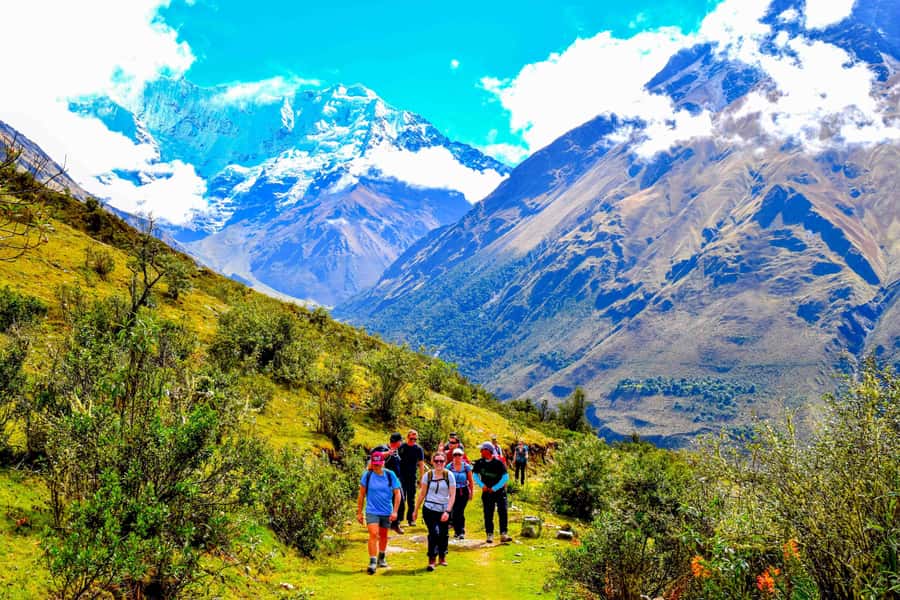
This isn’t just a trek to a postcard. It’s a route that moves through real altitude zones: high stone-and-snow country, then down into cloud forest, then toward the warmer, greener edge of the Andes. You’ll notice it in the air first—crisp and sharp up high, then damp and softer as you descend. That shift keeps the trek from feeling repetitive.
I also like how the plan builds in “earned perspectives.” You reach Machu Picchu after crossing tough terrain and seeing viewpoints from a different angle at Llactapata. That matters because Machu Picchu is not just something you look at—it’s something you understand. And with an expert guide at the citadel, you’re not guessing what you’re seeing.
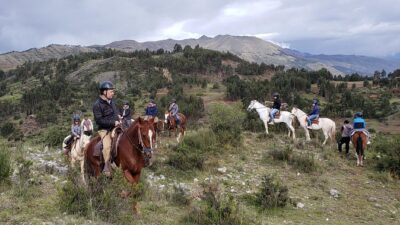
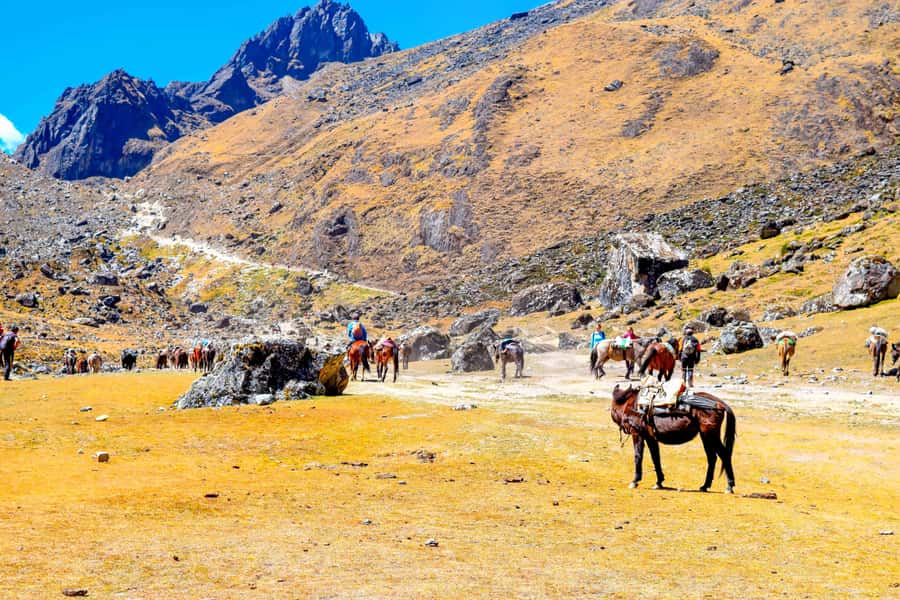
One more value point: the support setup is built for trekkers, not just tourists. You’ll have horses for equipment and your personal items (up to 7 kg), a professional cook, and a team that shows up with wake-up tea. It’s the small stuff that helps you keep moving when your legs start bargaining.
You can also read our reviews of more hiking tours in Cusco
Day 1: Soraypampa Climb, Lunch Break, and Humantay Lake at 4,200 m
Day 1 starts with a hike toward Soraypampa at 3,800 m. This is where the mountains make their first strong case: Salkantay and Humantay dominate the skyline, and the thin air makes every step feel a little louder. You’ll be climbing gradually, and the best part is that the views show up while you’re still working—not only at the top.
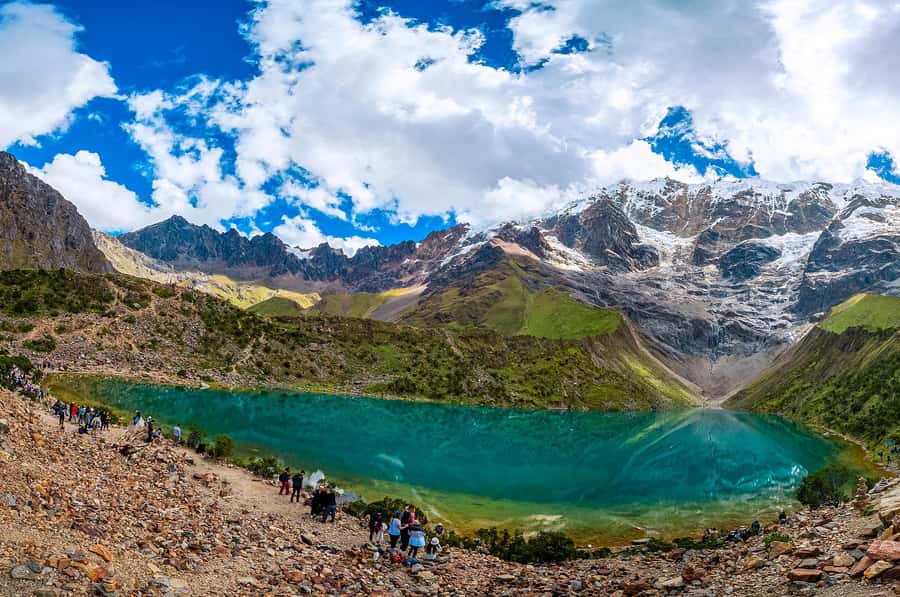
Midday brings a classic Peruvian lunch with fresh local ingredients. That matters because Day 1 isn’t just about sightseeing—it’s about getting fuel when you’re still warming up. Then you head onward to Humantay Lake at 4,200 m, a glacial lagoon known for that surreal turquoise color.
Humantay Lake is also a timing moment. You get the chance to take in the water reflecting the peaks, then you head back to camp before the day drains your energy. Dinner follows, and the night sky in the Andes has a way of reminding you why people do this stuff in the first place.
Practical heads-up: water is not included for the first four hours of the trek, so you’ll need to plan that early hydration.
Day 2: The Salkantay Pass (4,630 m) and the Switch Into High-Altitude Jungle
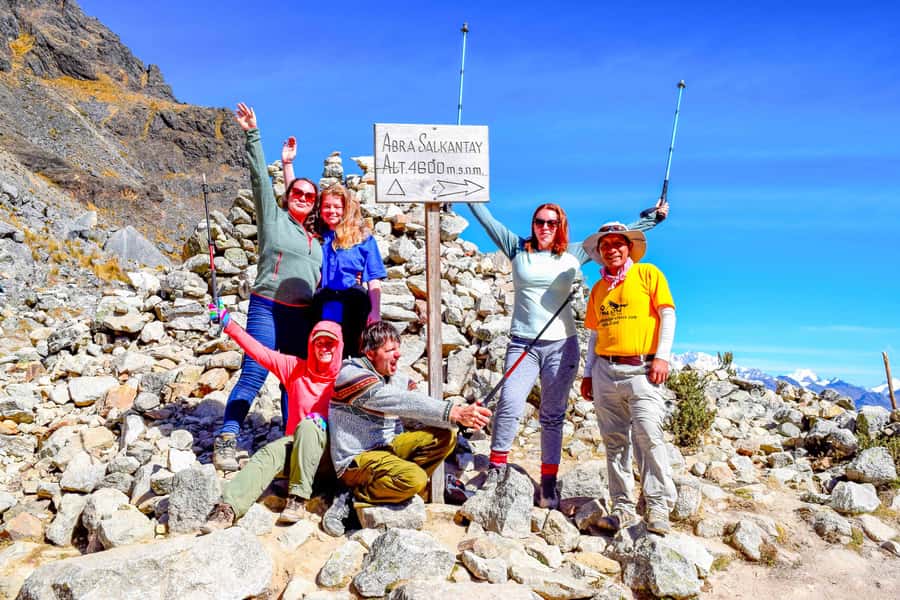
Day 2 is where the trek earns its reputation. After an early breakfast, you climb toward the Salkantay Pass at 4,630 m, the highest and toughest point of the route. The altitude does two things fast: it slows your breathing and it changes how the world feels. Your body works harder, but your eyes get sharper—ridges, valleys, and snow-capped peaks stretch out with a clarity you don’t get at lower elevation.
Once you pause at the pass, the payoff is in the scope: jagged ridges and deep valleys that fade toward the horizon. Then you descend into a lush high-altitude jungle area, and the contrast is dramatic. One day you’re in colder, harder country; the next you’re walking through vegetation that looks alive in every direction.
You finish with camp time—settle in, eat well, and let your body reset for the next descent day. This is one of those treks where “rest” is a skill you learn.
Consideration: this is not a stroll. Even with a guided pace and support, you’re tackling a real high pass and then continuing down.
Day 3: Cloud Forest Mists to Playa Sahuayaco, Then Lucmabamba
If Day 2 is the hard edge, Day 3 is the atmospheric one. You wake to jungle sounds and begin the descent into cloud forest. The trail winds through misty landscapes where you can spot cascading waterfalls and fruit-laden trees. The air feels cooler and wetter, and you’ll likely notice more life in the canopy as you walk.
After about five hours, you reach Playa Sahuayaco at 2,200 m. From there, you enter a region often described as the eyebrow of the Amazon—a sign you’re transitioning into a warmer, wilder band of ecology. You don’t need to remember that phrase to enjoy the feeling: it’s greener, more textured, and noticeably different from the high camps.
In the afternoon you arrive in Lucmabamba at around 2,000 m, your final campsite. This is also the setting for learning from a family—specifically, time connected to their local coffee farm. That kind of stop hits better on a trek because you’ve already spent days understanding how the mountains shape daily life. You’re not just taking a photo; you’re seeing how people live and work in this zone.
Day 4: Llactapata Ruins Through an Original Inca Trail, Then Down to Aguas Calientes
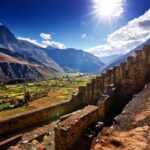
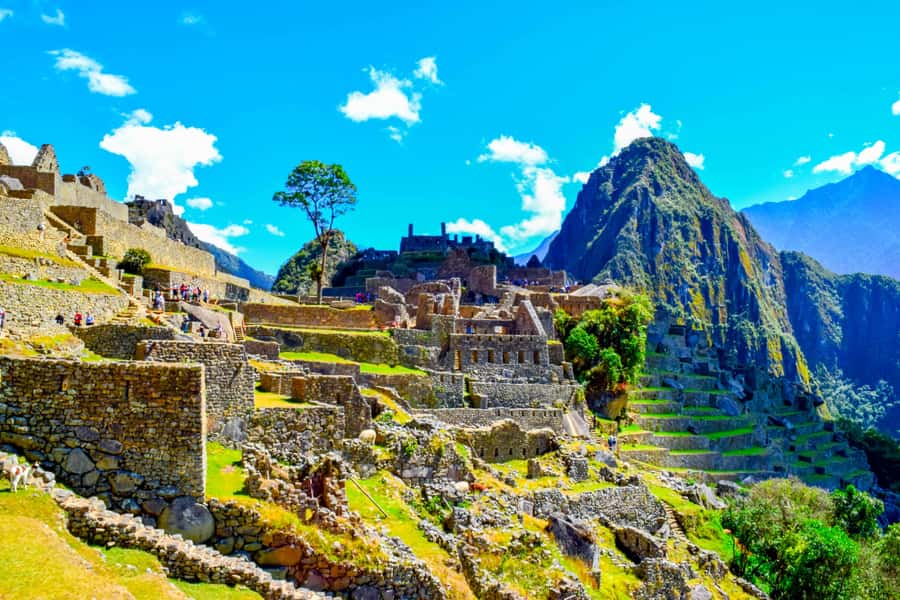
Day 4 starts with a nourishing breakfast, then a two-hour uphill hike along an original Inca trail toward Llactapata ruins at 2,840 m. Llactapata is the trick: it’s a lesser-visited site, but it gives you a stunning first view of Machu Picchu. If Machu Picchu is the headline, Llactapata is where the plot clicks into place.
After exploring the terraces and ruins, you descend through cloud forest to the Hydroelectric Station at 1,890 m. The trek to Hydroelectric Station is about 1.5 hours, and it sets you up for the next transfer: travel to Aguas Calientes, where you get a hotel for the night.
That hotel night is not a luxury flex—it’s a practical reset. You’ve been camping and moving in altitude for days. A real bed and a proper place to eat and recover helps you show up fresh for Machu Picchu on Day 5.
You can also read our reviews of more tours and experiences in Cusco
Day 5: Machu Picchu in the Morning, Then Trains Back to Cusco
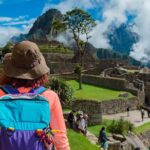
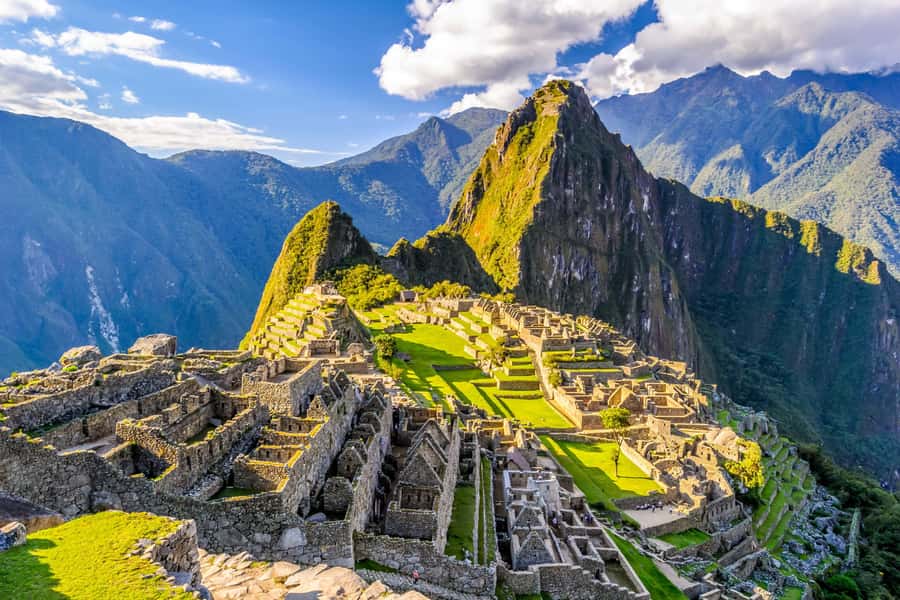
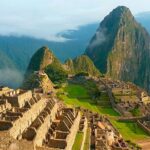
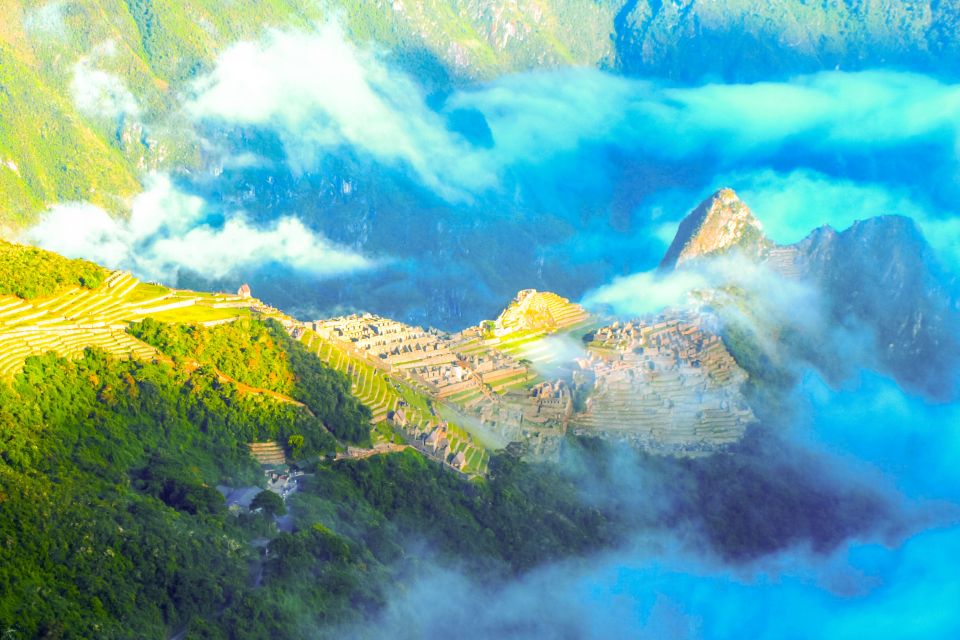
Day 5 starts early with breakfast. Then you head by bus up to Machu Picchu (2,430 m). When you arrive, your guide leads the tour with a clear explanation of what you’re seeing—temples, ceremonial areas, terraces, and storage buildings. This is where having an expert guide matters. You’ll notice details you’d otherwise miss, and you’ll understand how the site functioned beyond the Instagram look.
After the citadel visit, you get choices for your viewpoint hike: you can hike Huayna Picchu (2,720 m) or Machu Picchu Mountain (3,082 m). Huayna Picchu’s entrance costs extra (listed as US$85), while Machu Picchu Mountain is offered as an option as part of the day’s structure.
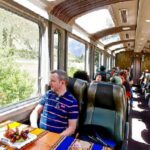
Once you wrap up, you return to Aguas Calientes for rest and lunch. In the afternoon you take the train to Ollantaytambo, then a van brings you back to Cusco. The logistics are smooth because the trek doesn’t end with chaos; it ends with transit that brings you home.
Small practical note: train schedules can affect the timing of your final evening in Cusco, so plan a calm day after you return.
Altitude, Pace, and Who Should Consider This Trek
Altitude is the big factor behind both the wow and the difficulty. You crest high points like Soraypampa (3,800 m), the pass at 4,630 m, and Humantay Lake at 4,200 m. The tour includes an oxygen bottle and a first aid kit, which is reassuring. Still, the reality is that your body needs time and effort.
The tour is not suitable for people with back problems, people with altitude sickness, or those over 70. That isn’t a small disclaimer. It’s a safety boundary. If you’re unsure, it’s worth discussing with a medical professional before committing.
Fitness-wise, this trip suits travelers who want a challenge and have a steady walking rhythm. The days include climbing, descending, and long hours on trails. If you handle hikes well and you like the feeling of pushing through hard moments for a big payoff, this route fits your style.
Support That Keeps You From Burning Out
Here’s what makes this trek feel well run: the team handles the “hard logistics” so you can focus on walking and acclimatizing.
- Horses carry equipment and up to 7 kg of your personal items. You still manage your own pack, but you’re not hauling everything on your back for days.
- A professional cook is running the food side. That means meals are planned and timed for trekkers, not improvised.
- Wake up tea arrives at your tent every morning. It sounds small, but it helps you transition from cold sleep to walking mode.
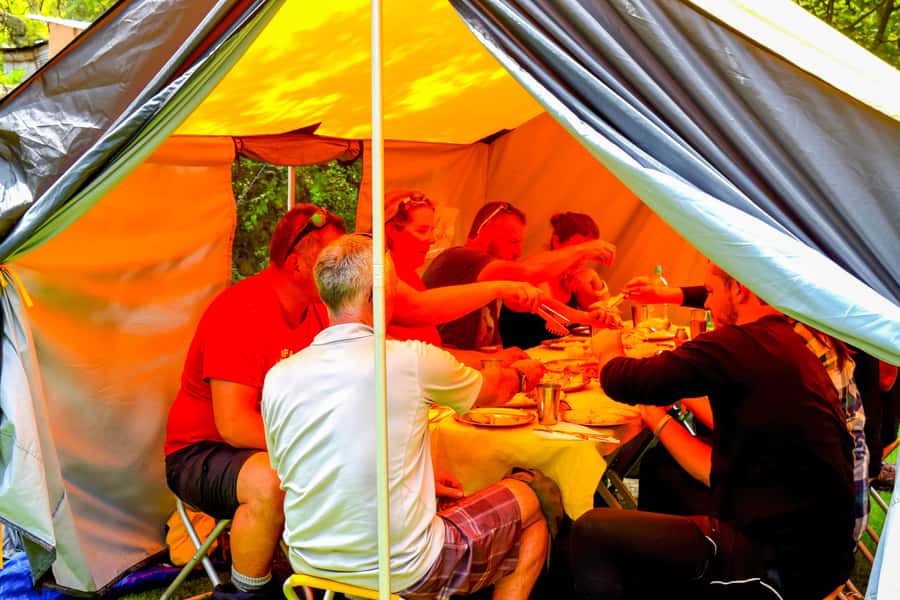
- Dining tent with tables and chairs during meal time keeps things organized. No eating standing up with numb fingers.
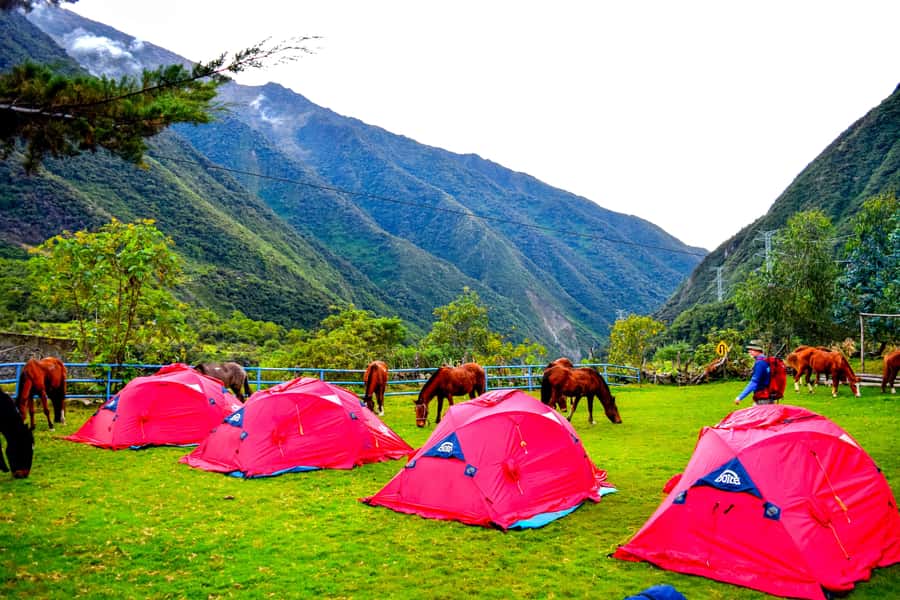
- Camping gear setup: you’ll have 4-man tents for every 2 trekkers, plus a double thickness foam sleeping mattress and an included first aid kit.
And yes, water is partially your job: water is provided except for the first four hours each trek day, when you need to bring your own.
Price and Value: What You’re Really Paying For
At $669 per person for a 5-day trek, you’re not just buying views. You’re paying for a full support system: pickup from your Cusco hotel, pre-departure briefing, professional English-speaking guide, assistant guide for groups of 9+ (so you don’t feel lost in a big crowd), a cook, horses, and a structured meal plan.
You’re also paying for the Machu Picchu piece. Entrance to Machu Picchu and the included bus are part of the deal, plus guided time inside the citadel. That turns the whole trip into more than a “hike and hope” day. It becomes a guided experience at the end, when your energy might be lowest.
The value question really comes down to comfort tradeoffs. This is camping for multiple nights, and you need to plan for that (sleeping bag is not included). If you’re okay with that and want real mountain trekking with cultural stops, $669 can feel fair for what’s included.
What to Pack (And the Stuff That Can Ruin Your Trip)
You don’t need a complicated kit, but you do need the basics right. Bring:
- Passport or ID card (required during tour activities)
- Sun hat and sunscreen
- Rain gear (mountain weather changes fast)
- Comfortable clothes for long walking days
Sleeping bag and trekking poles are not included, but they can be hired. If you’re the type who gets cold easily at night, renting a sleeping bag is worth considering so you don’t spend the last half of each evening fighting discomfort.
Also note what’s not allowed: pets, weapons or sharp objects, and alcohol or drugs. Keep things simple and follow the rules so the group stays safe.
A Few Smart Tips Before You Go
Small choices before you depart can make a big difference on the trail.
1) Build your buffer into altitude time. The trek crosses high points early and repeatedly. Plan to take it seriously even if you feel fine the first day.
2) Treat hydration as a schedule, not a moment. Since water isn’t provided for the first four hours, don’t rely on getting thirsty before you act.
3) Choose your peak wisely for Day 5. If you want maximum views and don’t mind extra walking, pick the mountain hike that matches your comfort. If you’re sensitive to altitude on steep sections, you’ll want to think carefully.
And keep your goal realistic: the trek is physically and mentally tough, but many people find it worth it because you finish with a guided Machu Picchu visit and a route that feels complete.
Should You Book This Salkantay Trek to Machu Picchu?
Book it if you want:
- a challenging Salkantay crossing with real payoff views,
- guided Machu Picchu time (not just a drop-off),
- and cultural contact like the Lucmabamba family coffee farm stop.
Skip it if:
- you’ve had altitude issues before,
- you have back problems or physical limitations that make long uneven trails risky,
- or you want a low-effort trip with minimal discomfort.
My final take: this is for travelers who like their adventures with structure. You get a tough route, strong support, and an ending that feels guided and meaningful.
FAQ
How long is the Cusco Salkantay trek to Machu Picchu?
It runs for 5 days.
What is the price per person?
The price listed is $669 per person.
What meals are included during the trek?
You get 4 breakfasts, 4 lunches, 4 afternoon snacks, and 4 dinners. Breakfast on Day 1, and lunch and dinner on Day 5 are not included.
Is Machu Picchu entrance included?
Yes, entrance to Machu Picchu is included.
Is Huayna Picchu included?
No. Huayna Picchu entrance costs US$85 and is not included.
Do you stay in a hotel or camp during the trek?
Accommodation is camping for the trek nights, plus a hotel night in Aguas Calientes.
Are sleeping materials provided?
Yes. You get a double thickness foam sleeping mattress. A sleeping bag is not included (but it can be hired).
How is your luggage handled during the trek?
Horses carry all equipment and 7 kg of your personal items. You also receive duffle bags at the pre-departure briefing that will be carried on horseback.
Is pickup from Cusco included?
Yes. Pickup from any hotel around Cusco city centre is included.
Is water provided every day?
Water is included, except for the first 4 hours of the trek each day, when you need to bring your own.