REVIEW · HIKING & TREKKING
From Cusco: Salkantay Trek to Machu Picchu 5D/4N or 4D/3N
Book on GetYourGuide →Operated by MACHU PICCHU JUNGLE · Bookable on GetYourGuide
Salkantay is the kind of hike that changes your pace. This Cusco-to-Machu Picchu trek mixes high mountain passes, icy views at Laguna Humantay, and the payoff of Machu Picchu with an early entrance plan.
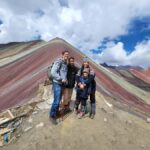
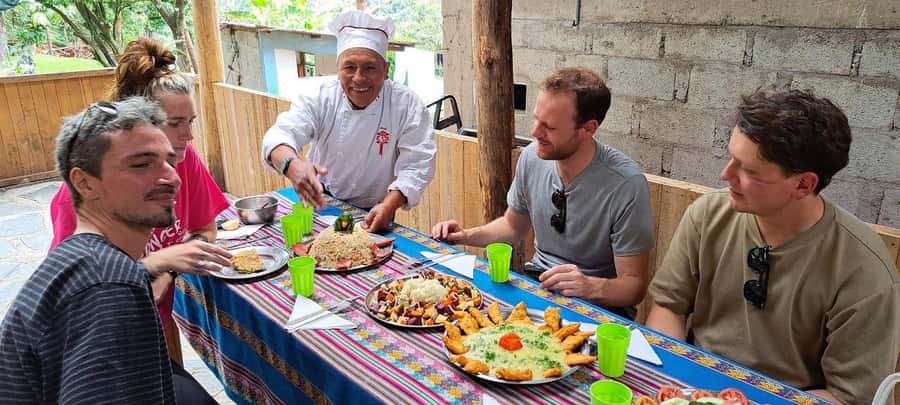
What I like most is how the route gives you two big “wow” days: the surreal turquoise lake day and the day you hit the highest point on the trek. I also like the practical support built into the hike, including a 6-kilo duffle carried by horse and real meals by a professional chef. One thing to consider: Machu Picchu tickets and the visit circuit can affect your final timing, so you’ll need to plan early and be ready to adapt if tickets aren’t available.
In This Review
- Key moments that make this trek work
- Salkantay to Machu Picchu: what you’re really buying for ~$50
- Day 1: 4:30 a.m. Cusco to Soraypampa, then Laguna Humantay
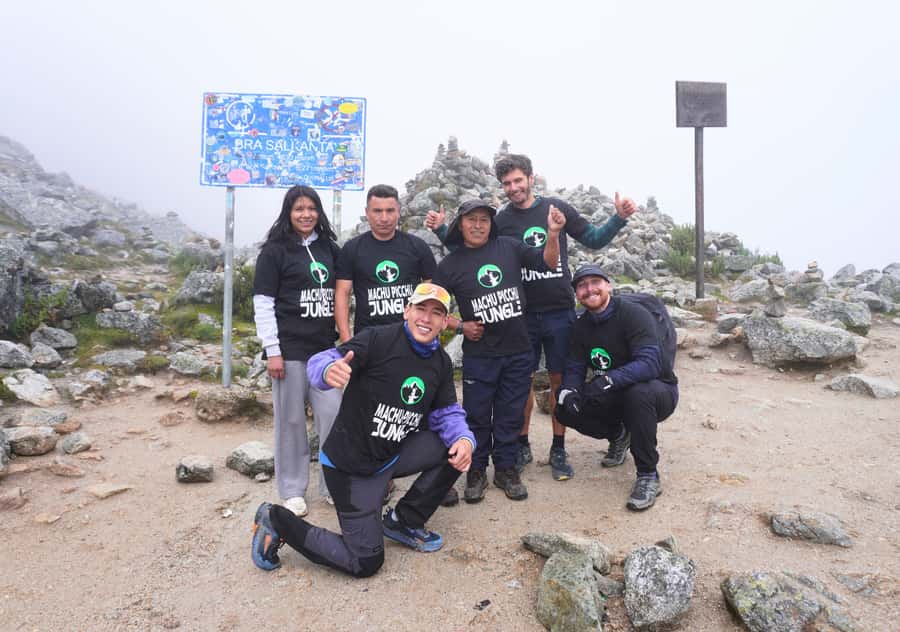
- Day 2: Salkantay Pass at 4,630 m and the descent to village camps
- Day 3: Santa Teresa rainforest trails, La Playa lunch, then Cocalmayo hot springs
- Day 4: Llactapata archaeology, Hidroeléctrica lunch, and Aguas Calientes at night
- Day 5: Early Machu Picchu entry, guided tour, and circuit choices (2A/2B, 3B, 1B)
- Price and logistics you should not ignore
- Who should book Salkantay 4D/3N vs 5D/4N
- Should you book this trek?
- FAQ
- How long is the trek?
- What meals are included?
- Are there cabins and a hotel, or only camping?
- Which Machu Picchu circuits can you get?
- What time do you visit Machu Picchu?
- Is the Humantay Lake entrance fee included?
- What about hot springs?
- Do I need to bring a sleeping bag or trekking poles?
Key moments that make this trek work
- Salkantay Pass (4,630 m): the highest point plus dramatic views, then a long descent through changing conditions
- Laguna Humantay (4,200 m): a turquoise payoff after steep-but-doable climbing from Soraypampa
- Rainforest day on wooden bridges: Santa Teresa trails with waterfalls and fruit plantations
- Llactapata viewpoint: archaeological site looking down toward Machu Picchu before you reach Aguas Calientes
- Machu Picchu circuits to choose from: 2A/2B for the full classic visit, 3B for lower + middle viewpoints, 1B for the upper terrace photo
- Food and warmth rhythm: coca tea in camp mornings and afternoon tea times to keep you going
Salkantay to Machu Picchu: what you’re really buying for ~$50
That advertised price is a strong entry point, but don’t treat it like a full bundle that covers every Machu Picchu-related fee. What you’re really paying for here is the core experience: multi-day walking support, guided trek leadership, cooking, and transportation to get you onto the trail—plus a guided Machu Picchu visit once your ticket is secured.
Look closely at what’s included vs. what you may pay separately:
- Included: guide, chef and cooking setup, private transport to the trail start, campsite cabin nights (depending on 4-day vs 5-day), and a Machu Picchu entrance reservation strategy.
- Not included: Humantay entrance, various Machu Picchu sanctuary add-ons (bus to Machu Picchu), and some optional rental gear like trekking poles and a sleeping bag.
Why that matters: your “all-in” cost can move depending on ticket availability and which transportation choices you make on the final day. If you want to control costs, confirm what fees you’ll likely pay locally, especially for Machu Picchu and the bus.
Also, the trek is run as a private group, which usually means you’ll get more consistent pacing and fewer surprises with logistics than on big mixed groups.
You can also read our reviews of more hiking tours in Cusco
Day 1: 4:30 a.m. Cusco to Soraypampa, then Laguna Humantay
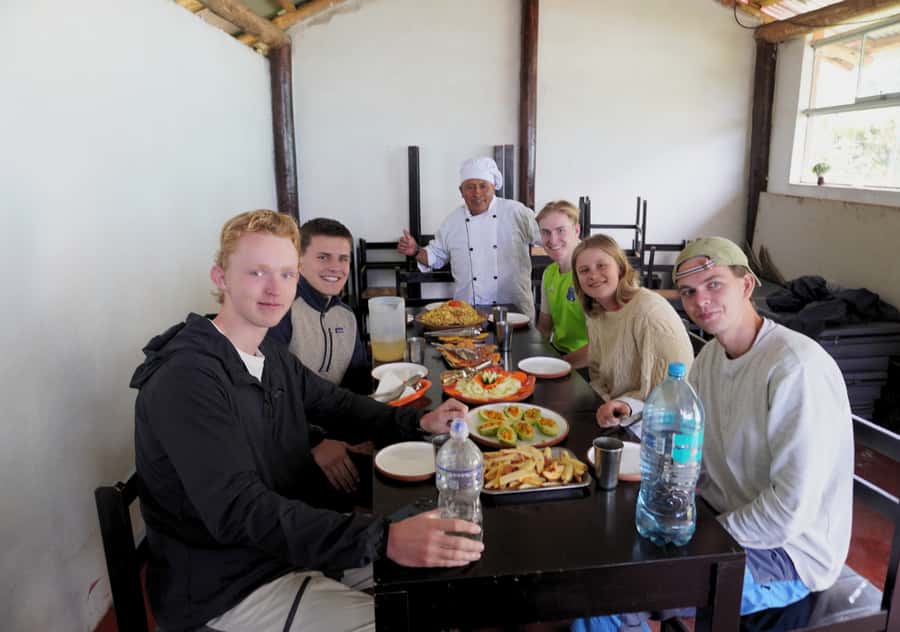
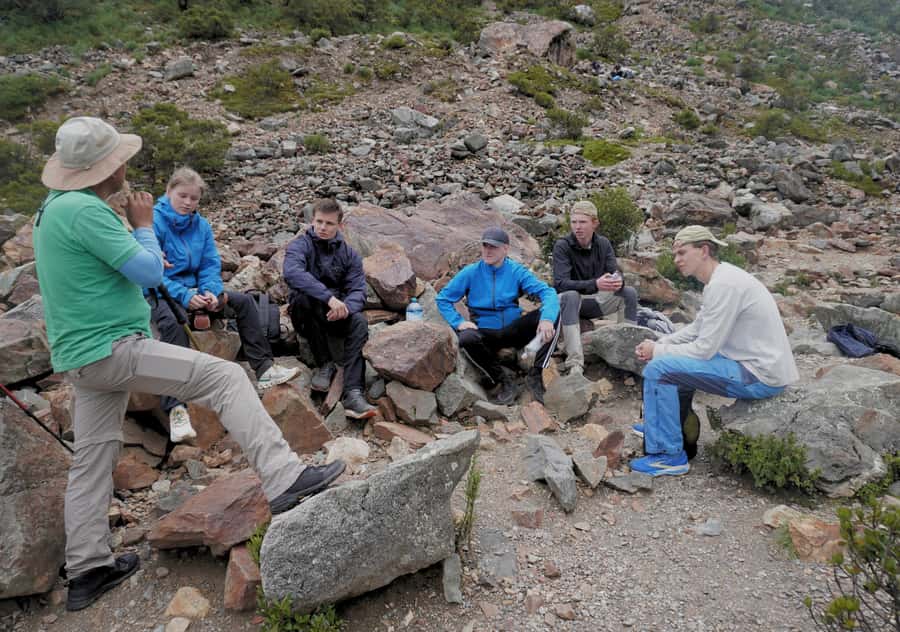
Your day starts with an early pick-up—around 4:30 a.m.—and then a scenic drive (about 3 hours) to the trailhead area. After a breakfast stop in the Cusipata district, you begin hiking toward Soraypampa at about 3,800 m.
This first day is less about “a quick summit” and more about getting your body tuned to altitude. You climb for roughly 3 hours to Soraypampa, then you fuel up with lunch and continue another 2 hours toward Laguna Humantay at around 4,200 m.
Humantay is the first big emotional moment. The lake’s turquoise color isn’t subtle, and the air feels crisp and thin up there. You also get time to actually look—photos are easy, but the real win is the quiet moment when you stop climbing and the view fills your whole attention.
Then you hike about 2 more hours onward to reach camp. Dinner is served at the campsite, with a starry-sky vibe and a real rhythm to the day: hike, eat, rest. If you’re the type who likes a clear schedule when you’re tired, this is a good setup.
Practical note: entrance to Humantay itself is not included, so budget PEN 20 per person for that.
Day 2: Salkantay Pass at 4,630 m and the descent to village camps
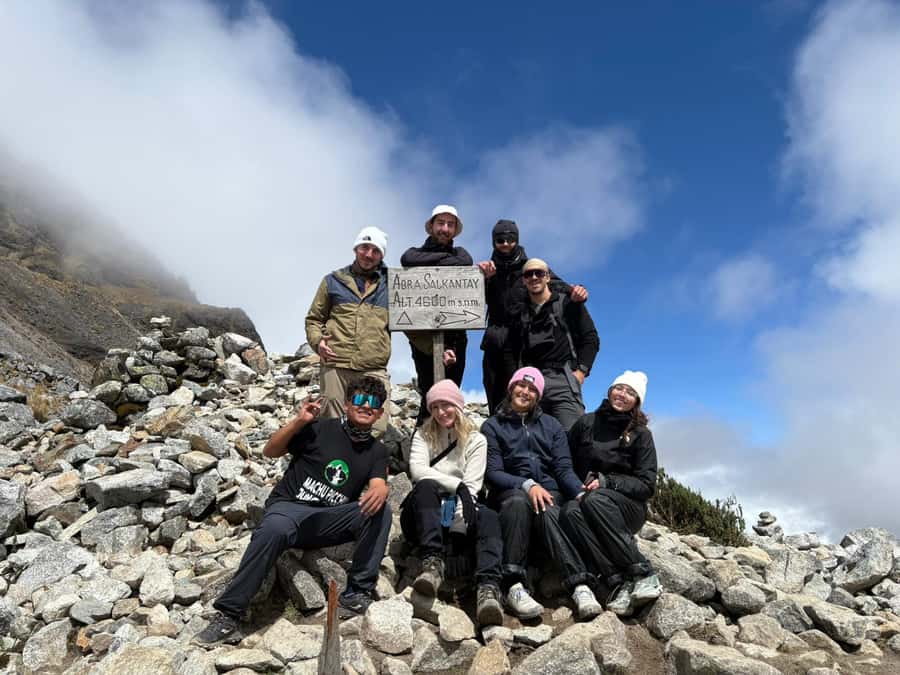
Day 2 is where the trek earns its reputation. After waking with coca tea (they also mention coffee), you hike for about 3 hours to the highest point at 4,630 m.
This isn’t a “run to the top” day. You’ll move steadily, stop for views, and take in the thin-air reality. There’s also a nearby lake stop along the way, which gives you a break from the monotony of uphill steps.
From there, the route shifts hard into descent mode:
- About 3 hours down to Wayracmachay for lunch
- Then roughly 3 more hours descending through changing terrain and climate until you reach camp at Chayllay or Collpapampa (around 2,770 m) by a local village
That climb-down pattern is important for your experience. People worry they’ll be destroyed by altitude, but the bigger stress is often the switch from “high, cold air” to “leg-heavy downhill.” The tour’s pacing is built to get you through the day in stages with meals and rests.
If you’re bringing your own shoes and rain gear (you should), this is a day where it pays off. Weather at these elevations can change quickly, and wet stone plus steep angles is where good traction matters.
Day 3: Santa Teresa rainforest trails, La Playa lunch, then Cocalmayo hot springs
Day 3 is a nice reset. Instead of grinding altitude, you walk through rainforest trails in the Santa Teresa area, with wooden bridges and waterfalls along the route.
You’ll also pass plantations—banana, passion fruit, and avocado are specifically mentioned. That’s a fun contrast to the snowy-and-stony feeling of Days 1 and 2. It makes the trek feel like a real journey across Peru’s elevation range, not just one long climb.
You reach La Playa for a buffet lunch. Then the day splits depending on whether you booked the 4-day or 5-day option: those on the 4-day hike are said to end here, so you’ll feel a real shift in group energy.
In the afternoon, the tour plan includes a possible visit to Cocalmayo hot springs. For me, a hot springs stop on a tough multi-day trek is one of those rare moments that feels like “recovery” instead of “one more thing to do.” If you’d rather rest instead, the camp option is there too.
Dinner includes a group bonfire, and then you return to your room/cabin to rest. This is the kind of evening that helps you sleep better before the final trekking day.
Day 4: Llactapata archaeology, Hidroeléctrica lunch, and Aguas Calientes at night
Today brings you back toward Machu Picchu—slowly at first, then with a big viewpoint moment.
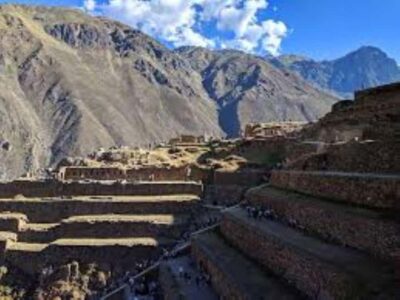
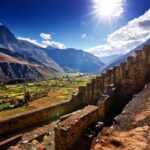
After breakfast, you hike following part of the original Inca Trail. There’s a two-hour climb to Llactapata (2,700 m), an archaeological site that looks out toward Machu Picchu. That viewpoint is a great “pre-payoff” stop. You’ve seen the idea of the citadel from far away; now you get to feel the scale before you’re even close.
You visit Llactapata, then you descend for about two hours to Hidroeléctrica for lunch.
From Hidroeléctrica, you walk onward to Aguas Calientes. You check into your accommodation, then you get a group dinner scheduled for 7:00 p.m. in the evening.
This day matters because it’s where your Machu Picchu plan becomes real. Instead of more wilderness walking, you’re transitioning into the “tour day” zone—warm food, a hotel bed, and enough time to sleep without rushing. If you get cranky easily when you’re tired, protect your evening here. It’s your last calm buffer before the early Machu gate.
Day 5: Early Machu Picchu entry, guided tour, and circuit choices (2A/2B, 3B, 1B)
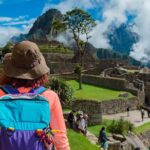
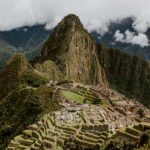
Your Machu Picchu day starts early with breakfast, then a one-hour climb of stairs to the main gate, arriving around 6:30 a.m. The tour then includes about a 2.5-hour guided visit.
Here’s the practical thing: Machu Picchu isn’t just one route. There are circuits, and your experience changes based on which one you get:
- Circuit 2A or 2B: full visit to Machu Picchu, the popular plan
- Circuit 3B: lower stop at Machu Picchu, middle viewpoint, and sacred temples
- Circuit 1B: upper terrace and the classic photo angles
The package you’re reviewing specifically mentions guided Machu Picchu with circuit 2A or 2B. Still, because circuit availability can change, you should ask about what’s open when your reservation is being finalized. It’s the one lever you can pull that affects what you’ll physically see.
After the guided portion, you descend and return based on your reservation:
- By car: return from 6:00 a.m. to 9:00 a.m.
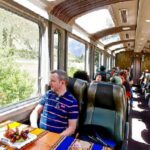
- By train: you pick the time, and you go from Aguas Calientes to Ollantaytambo, then take a local car back to Cusco
One more reality check: the package notes that if Machu Picchu sanctuary tickets aren’t available through their process, you may need to pay USD 40 or PEN 152 to purchase them locally. Also, one day can sell out—about 1,000 tickets per day, bought in person with your passport.
That’s why they push you to send your passport in advance.
Price and logistics you should not ignore
If you want value, treat this trek like a package plus a few unavoidable add-ons.
From your side, watch for these:
- Humantay entrance fee: PEN 20 per person (not included)
- Machu Picchu bus round-trip: not included, listed as US$12 up and US$12 down
- Wayna Picchu fee: optional/not included, listed as USD 60 per person
- Hot springs: included for 5-day passengers (entrance), while transportation depends on group numbers
- Luggage transfer after Lucmabamba: the transfer from Lucmabamba to Aguas Calientes may be by car or you might carry some of it yourself
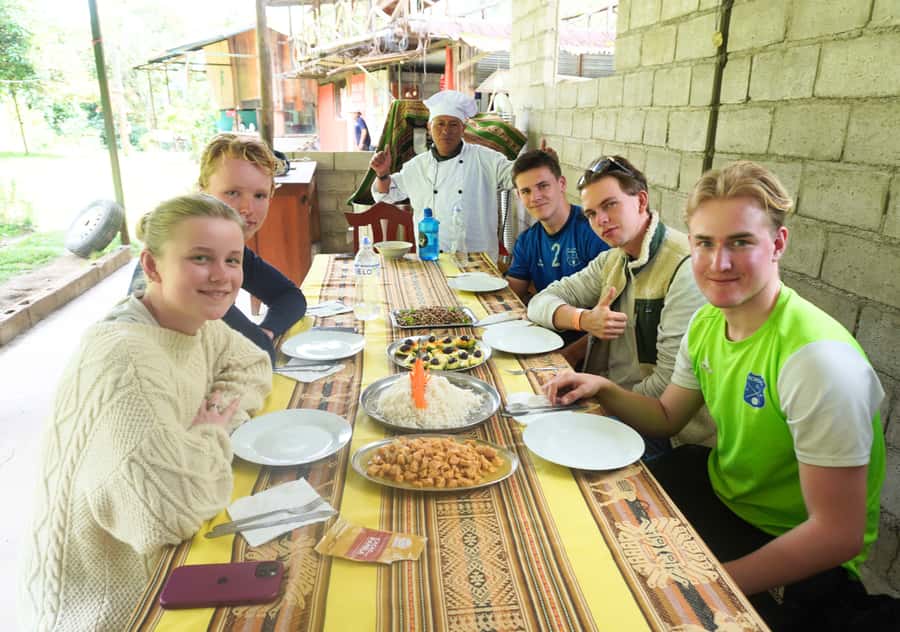
On the comfort side, they handle a smart chunk of the weight problem. You get a duffle bag for up to 6 kilos, which a horse carries along with cooking equipment. That means you’re carrying mostly you—layers, water, and a snack—rather than your whole life story.
You’ll still want:
- comfortable shoes with traction
- hat, sunscreen, water
- rain gear (because weather at altitude loves plot twists)
And if you don’t already have them, consider renting:
- sleeping bag: USD 15 for the entire trip
- trekking poles: USD 10 for the entire trip
This trek is not “luxury.” It’s organized comfort. The value comes from not having to think about every minute detail during the hardest days.
Who should book Salkantay 4D/3N vs 5D/4N
Choose 4 days / 3 nights if you want:
- the mountain highlights and Machu Picchu
- a tighter schedule
- fewer rainforest/extra recovery moments (the Cocalmayo hot springs option is more clearly tied to the longer plan)
Choose 5 days / 4 nights if you want:
- more walking time plus a better recovery rhythm
- the rainforest day plus the option to visit Cocalmayo hot springs as part of the experience
- more built-in rest via campsite nights
This hike suits you if you enjoy effort with rewards, and you like your travel days to feel like a story. It might not fit if you want minimal physical strain, because Salkantay Pass at 4,630 m is a serious altitude moment even with guided pacing.
Language-wise, the guide is listed as English/Spanish/Portuguese, so if you’re more comfortable with those, you should be in good hands. One of the guides named in the experience is Fernandez, described as kind and very experienced, always helping people through the trek.
Should you book this trek?
If your goal is a classic Salkantay-to-Machu Picchu journey with a balance of mountain drama and practical support, this is a solid choice. The best reason to book is the combination of:
- Humantay Lake as a turquoise payoff after real climbing
- the serious milestone of Salkantay Pass
- a guided Machu Picchu visit timed for early entry
I’d only hesitate if Machu Picchu tickets are a big unknown for your dates. The tour makes a strong effort to secure access, but the process depends on what’s available, and the sanctuary can sell out.
FAQ
How long is the trek?
The experience runs 4 days / 3 nights or 5 days / 4 nights. It’s described as a 12 hours to 5 days duration depending on which option you book.
What meals are included?
For 5-day passengers, it includes 4 breakfasts, 4 lunches, and 4 dinners. For 4-day passengers, it includes 3 breakfasts, 3 lunches, and 3 dinners. There are also three tea times every afternoon and coca tea each morning at camp.
Are there cabins and a hotel, or only camping?
It includes 3 nights in cabins for the 5-day option (and 2 nights in cabins for the 4-day option), plus 1 night in a hotel in Aguas Calientes.
Which Machu Picchu circuits can you get?
The circuits described are 2A or 2B (full visit, most popular), 3B (lower stop, middle viewpoint, sacred temples), and 1B (upper terrace, classic photo). The tour mentions a guided Machu Picchu visit with circuit 2A or 2B.
What time do you visit Machu Picchu?
You climb stairs to the main gate and arrive around 6:30 a.m., then get a guided tour of about 2.5 hours.
Is the Humantay Lake entrance fee included?
No. Humantay entrance is listed separately at PEN 20 per person.
What about hot springs?
For 5-day passengers, the package includes entrance to the hot springs (PEN 10 per person). Transportation to the hot springs is listed as depending on the number of people.
Do I need to bring a sleeping bag or trekking poles?
They’re not included to own. You can rent a sleeping bag for USD 15 for the entire trip and rent trekking poles for USD 10 for the entire trip.