REVIEW · MACHU PICCHU BY TRAIN
From Cusco: Sacred Valley & Machu Picchu 2-Day Tour by Train
Book on GetYourGuide →Operated by FLY CUSCO PERU Travel Agency · Bookable on GetYourGuide
Machu Picchu runs smoother with a plan. This Cusco to Machu Picchu by train tour strings together the Sacred Valley highlights, a guided Machu Picchu visit, and a comfortable small-group pace (up to 10 people), all backed by door-to-door pickup in Cusco.
I love two things most: the way guides like Viktor and Carlos (A. Sullcaccori Sifyentes) handle the moving parts so you’re not wrestling tickets and schedules, and the fact that your Machu Picchu time is guided and paced on the right circuit (Circuit 1 is a common choice).
One thing to consider: the Aguas Calientes hotel is included for one night, but its comfort level can vary. Some guests have called it very basic, so it’s worth choosing your hotel category carefully when booking.
In This Review
- Key things that make this Machu Picchu by train tour worth your time
- Door-to-door Cusco pickup and a Sacred Valley day that stays calm
- Chinchero: alpacas, hand-weaving, and a quick look at daily life
- Moray and the Maras salt mines: Inca engineering in plain sight
- Ollantaytambo and the PeruRail train to Aguas Calientes
- Aguas Calientes overnight: your practical base for Machu Picchu
- Machu Picchu Circuit 1–3 with Carlos: guided pacing that keeps you steady
- Price and logistics: what $499 really buys you
- Who should book this train tour from Cusco
- Should you book this Cusco to Sacred Valley and Machu Picchu by train tour?
- FAQ
- What’s the duration of the tour?
- Where does the tour start and how do pickup/drop-off work?
- What’s included in the price?
- Is the Sacred Valley entrance ticket included?
- Can I choose the train experience?
- Which Machu Picchu circuit will I visit?
- Is Wayna Picchu included?
- What meals are included?
- Do I need to provide passport details?
- Is this tour suitable for everyone?
Key things that make this Machu Picchu by train tour worth your time

- Small group (max 10): more questions answered, less waiting around.
- Door-to-door in Cusco: no sketchy meetups or hunting for vans.
- Sacred Valley rhythm: Chinchero, Moray, Maras, and Ollantaytambo in one organized day.
- PeruRail train time matters: you’re traveling during daylight for those big Andean views.
- Guided Machu Picchu circuits: Circuit 1/2/3 depending on availability, with history explained clearly.
Door-to-door Cusco pickup and a Sacred Valley day that stays calm
Cusco can feel chaotic before you even leave. What I like here is the “start from your hotel” approach: you’re collected in the historic center, and the day runs like a series of well-timed chapters instead of a scavenger hunt. That matters because most of your stress on a Machu Picchu trip comes from logistics—getting the right tickets, being in the right place, and not losing your spot to crowds.
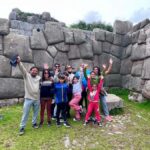
On day 1, you’re set up for a full Sacred Valley experience without feeling rushed. The tour moves by modern, comfortable round-trip transport between stops, and you get guided context at each major site. Group size also helps. With a small group, the guide can keep an eye on timing and still give you freedom to step back for photos.
And yes, you’ll have photo stops (for Chinchero, Moray, and the salt mines), but the visit isn’t just snapshots. You get the “why” behind what you’re seeing—especially at Moray and Maras, where the Inca approach to agriculture is the point, not just the scenery.
You can also read our reviews of more tours and experiences in Cusco

Chinchero: alpacas, hand-weaving, and a quick look at daily life
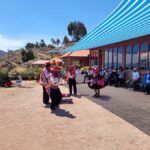
Chinchero is one of those places where you don’t just see Peru—you see how it’s lived. The morning starts with a visit to the town and a stop at a local family who keeps traditional weaving going. You’ll meet alpacas and llamas and can even help with simple feeding activities (the kind that makes the animals curious rather than stressed).
Why this stop is worth your time: weaving here is not a souvenir performance. It’s presented as a living craft, tied to materials and techniques created by hand using natural ingredients. You also get to watch how the process works, then shop if you want, but the best part is understanding what you’re buying.
Practical note: this is a good photo-and-mingle stop, so wear comfortable shoes and expect a bit of walking. Also, alpaca encounters tend to bring out the camera instinct—bring sunglasses and sunscreen even if you think you’re only out for an hour.
Moray and the Maras salt mines: Inca engineering in plain sight
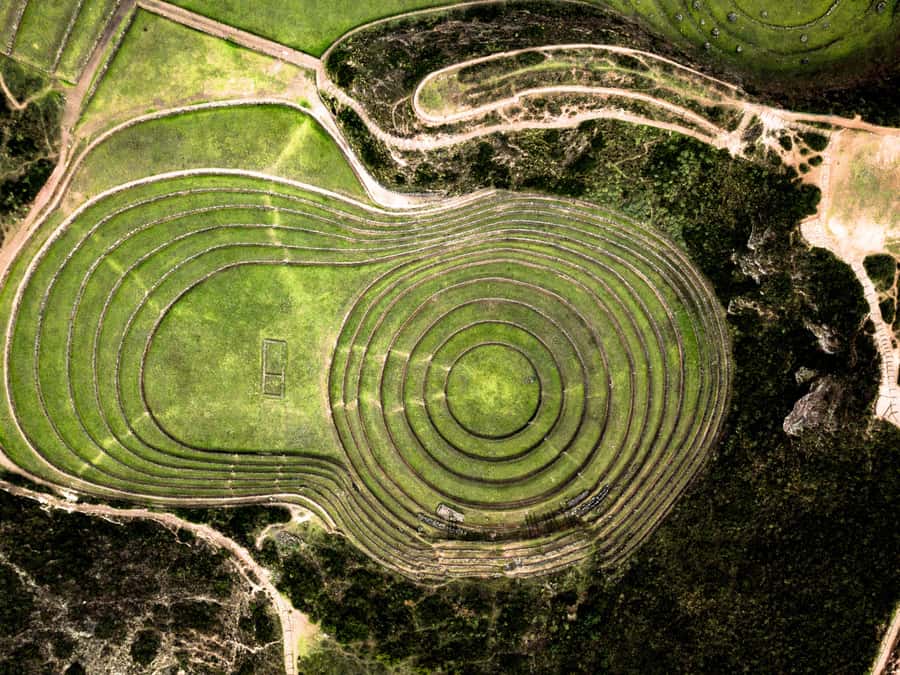
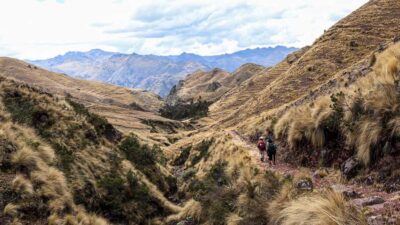
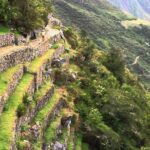
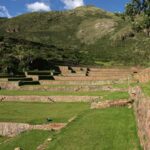
Moray is the first “whoa” moment for many people. The terraces look like an amphitheater built into the Andes, and the guide explains why the Incas used these areas as an agricultural laboratory. In other words, it’s not just an impressive ruin. It’s a system designed to create different climatic zones for farming.
Then you go to the Maras Salt Mines (Salt mines, sometimes called Maras). Thousands of salt ponds still fill and function, and your guide points you to the spots that make the famous photos possible. Even if you’re not obsessed with salt production, the visual pattern is unforgettable in a practical way: you get strong angles fast, without needing to figure out the best viewpoint on your own.
Two considerations:
- Bring insect repellent. The Sacred Valley outdoors time is long enough for bites to become annoying.
- Expect sun. You’ll want a sun hat, and a light jacket helps because temperatures can swing.
This day is packed, but the pacing keeps it from feeling like a speed-run. You get guided time plus breathing room for photos and short walks at key stops.
Ollantaytambo and the PeruRail train to Aguas Calientes
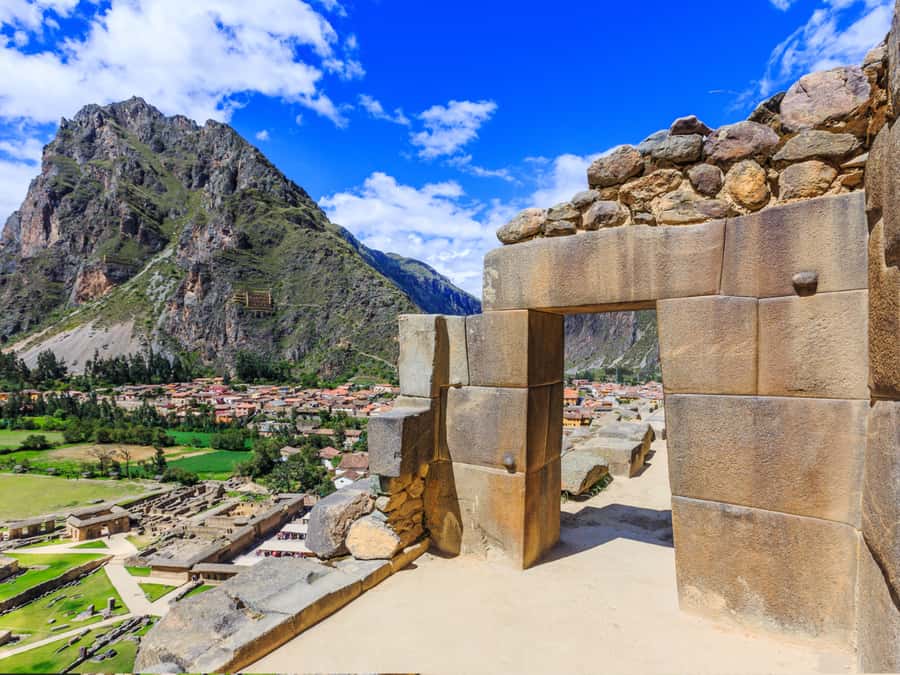
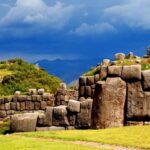
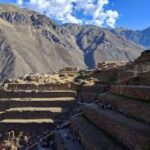
After lunch in Urubamba (buffet with vegetarian options), the route finishes with Ollantaytambo. This is one of the best “in-between” stops before Machu Picchu because it explains the region’s strategic role. The terraces and ruins were closely protected, and they connect to the wider story of Spanish invasion pressures.
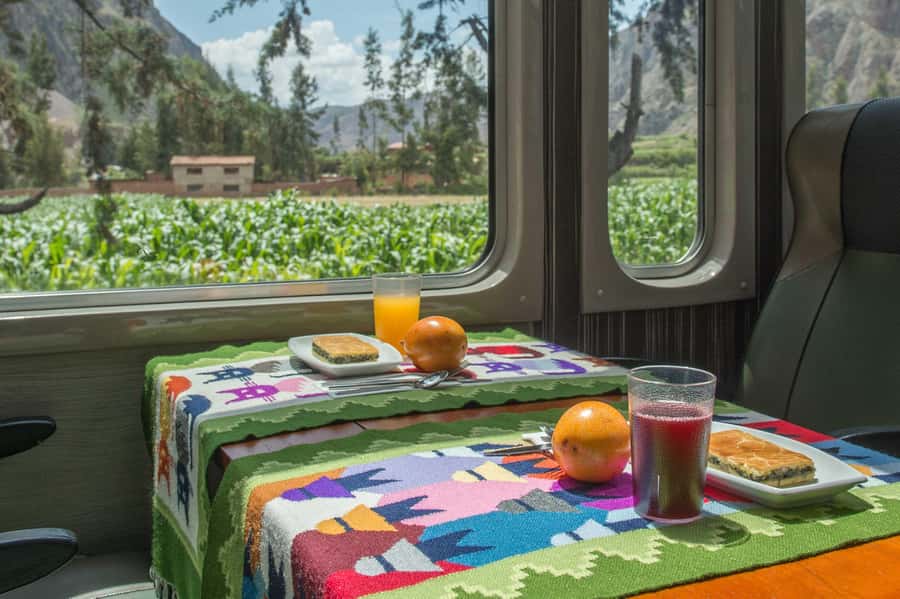
Then comes the transition to your train ride. You board at Ollantaytambo, and you’re heading to Aguas Calientes with round-trip train tickets included. The travel time is about 105 minutes each way.
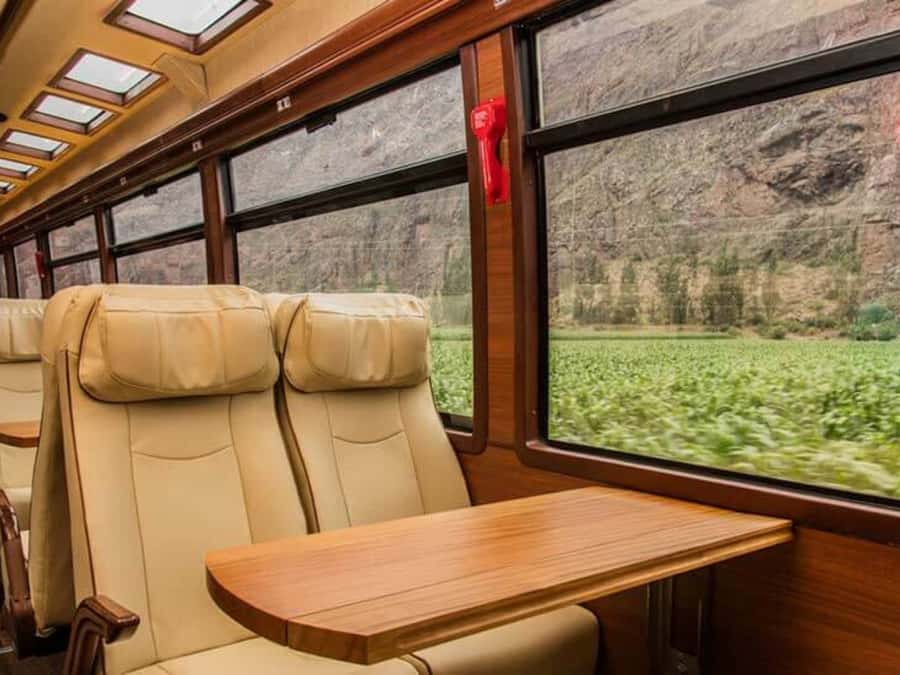
Here’s the detail that can make or break your mood: you can choose your train type when booking. The tour mentions normal train or the Vistadome 360° panoramic train. If you like views, pick Vistadome at least one way. Guests mention it as a fun upgrade, with the vibe turning lively on the ride.
Why the train portion is valuable: you’re not stuck in a long, exhausting bus ride through tough terrain at the wrong time. Instead, you get daylight views and a smoother reset before Machu Picchu day. That evening in Aguas Calientes also sets up your early arrival schedule.
Aguas Calientes overnight: your practical base for Machu Picchu
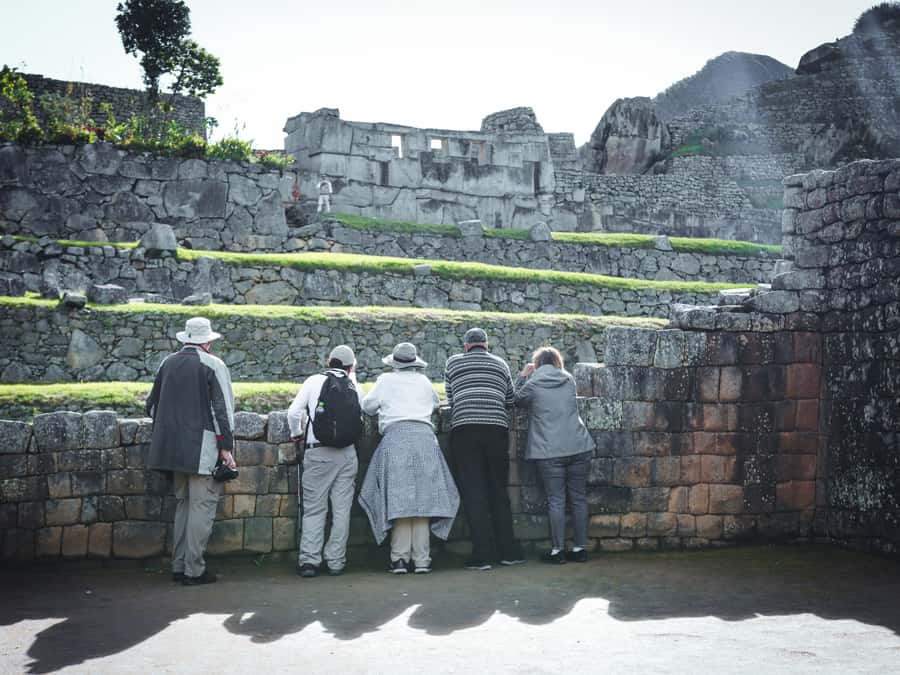
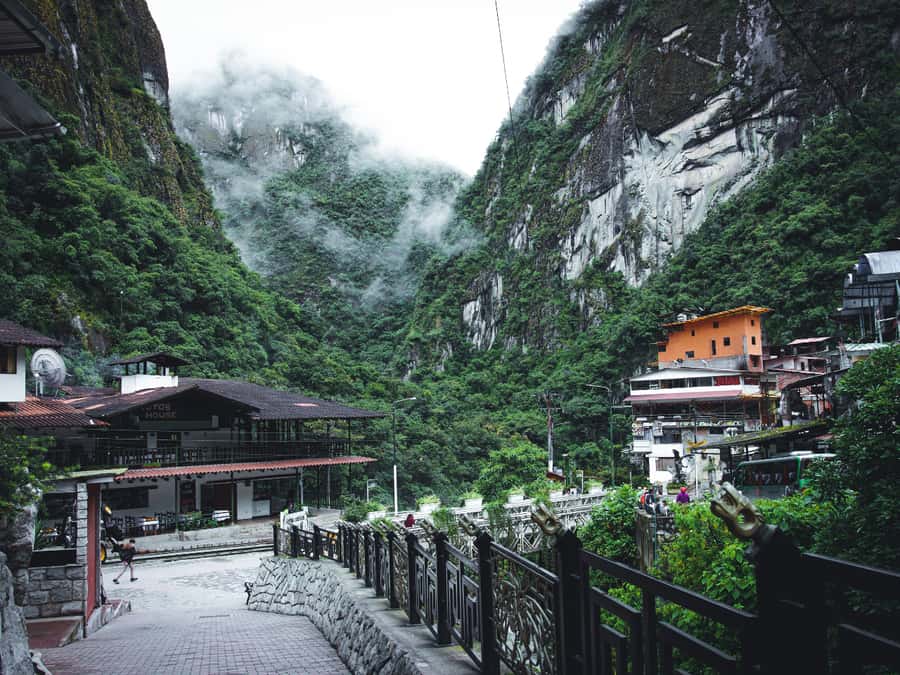
Aguas Calientes is where you sleep, recharge, and eat before Machu Picchu. The tour includes a one-night stay in a hotel category you choose at booking (2, 3, or 4-star). In your room: one night, then day 2 starts early.
In the schedule, you’ll have breakfast at the hotel, then you’ll meet your guide and head to the bus station in Aguas Calientes. The timing is designed for you to reach Machu Picchu in the morning.
A fair warning: hotel reviews are always mixed, because categories vary. Some guests have said the Aguas Calientes hotel felt lovely and right by the station, while one person noted a more basic setup with limited towels and pillows. This isn’t a reason to skip the tour—it’s a reason to book the highest category you can comfortably afford so you’re not paying premium money and then suffering at the last mile.
What to bring to your hotel day: keep your essentials easy to find. You’ll be up early and moving fast.

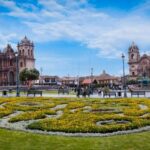
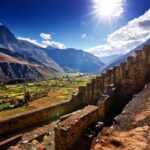
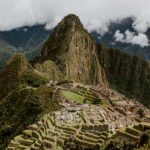
Machu Picchu Circuit 1–3 with Carlos: guided pacing that keeps you steady
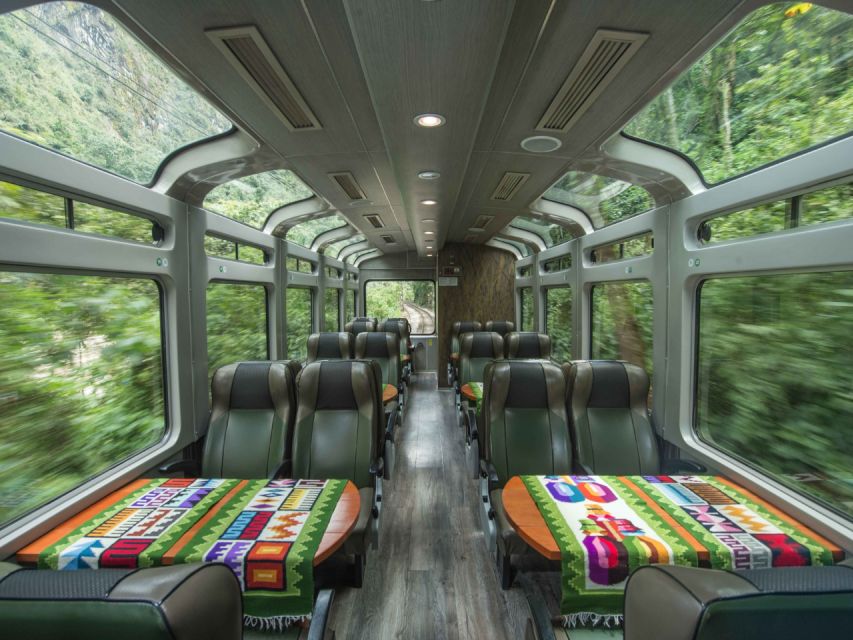
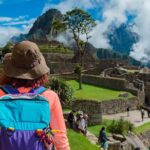
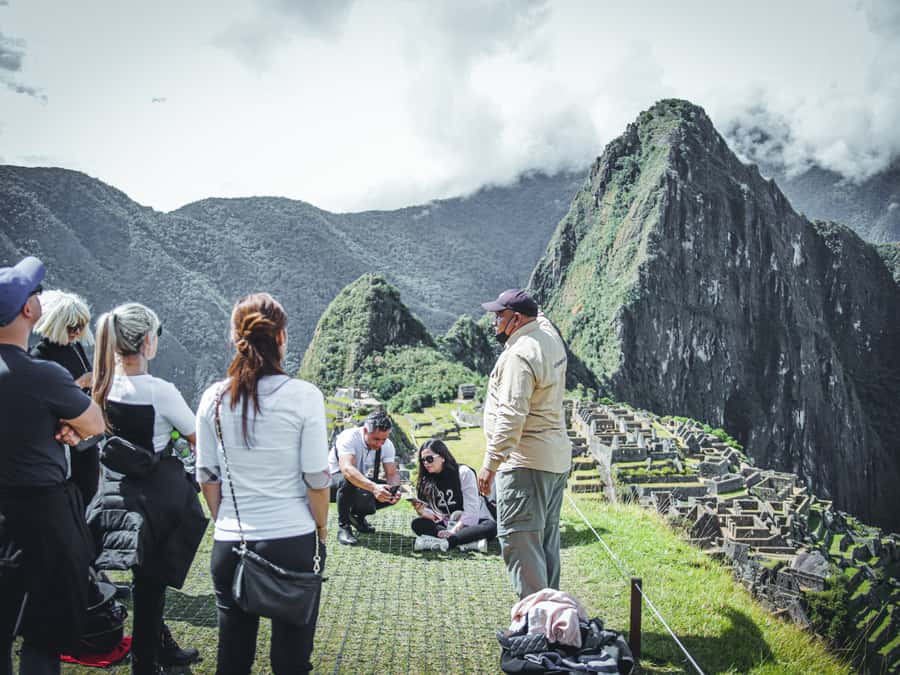
Day 2 is the main event: Historic Sanctuary of Machu Picchu. You’ll take a bus from Aguas Calientes to the main gate with your guide, usually early enough to help you get oriented before crowds build.
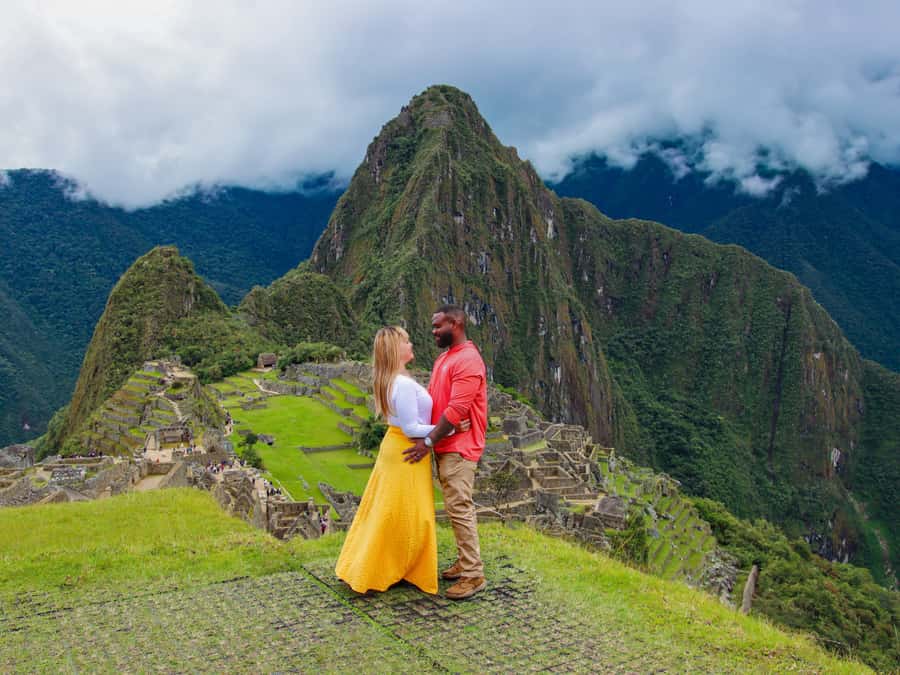
Your guided visit includes time for the classic viewpoint photo and then time on the lower areas. Your circuit depends on availability, and the ticket included is listed as Circuit 1, 2, or 3. In practice, Circuit 1 is a common route, and one guide (Carlos A. Sullcaccori Sifyentes) was praised for guiding at a comfortable pace and using visual references to make the site click.
Why this matters: Machu Picchu is not just “ruins on a mountain.” It’s an engineered place with relationships between structures, viewpoints, and paths. A guide helps you avoid wandering aimlessly, especially if you don’t already know the basics.
Lunch is on you after the visit. You’ll return to Aguas Calientes by bus, have free time, and then board the train back to Ollantaytambo at the scheduled time. Expect a long day, but it’s organized around your ticket window.
Weather can shift quickly in the Andes. One guest noted rain, but the guide still helped them see everything they needed. Still, pack a light jacket and plan for damp conditions if the forecast looks uncertain.
Price and logistics: what $499 really buys you
At $499 per person for a 2-day package, you’re paying for a lot of problem-solving. Here’s what you get that usually costs time and headache when you DIY:
- Door-to-door pickup and drop-off in Cusco
- Guided Sacred Valley stops plus guided Machu Picchu tour
- One night in a hotel you choose at booking (2, 3, or 4-star)
- Round-trip PeruRail train tickets (Ollantaytambo ⇄ Aguas Calientes)
- Round-trip bus tickets in the Machu Picchu zone (Aguas Calientes ⇄ Machu Picchu)
- Machu Picchu entrance ticket included (Circuit 1/2/3 depending on availability)
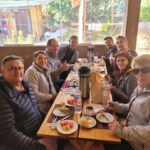
- A buffet lunch on day 1 in the Sacred Valley with vegetarian options
- English-speaking guides, plus the option of Spanish/Portuguese support depending on the guide team
- A bottle of water
What’s not included (so you don’t get surprised):
- Sacred Valley entrance ticket (90 Peruvian soles in cash)
- Wayna Picchu optional ticket (must be requested months in advance)
- Lunch on day 2 in Aguas Calientes
- Tips (optional)
- Airfare
Value verdict: for most people, the price feels fair because the tour bundles tickets, timing, and guided interpretation into one package. If you’re the type who hates planning and wants to focus on being there, this is the kind of deal that saves both time and energy.
Who should book this train tour from Cusco
This tour is a strong fit if you want:
- a guided overview of the Sacred Valley (Chinchero, Moray, Maras, Ollantaytambo)
- Machu Picchu with a guided circuit rather than a self-guided scramble
- a small-group experience (max 10) where you can actually ask questions
- the classic PeruRail journey, ideally with Vistadome at least once
It may not be the best choice if:
- you’re pregnant (listed as not suitable)
- you’re over 70 or over 95 (also listed as not suitable)
- you hate early mornings (Machu Picchu day starts early)
Also note: luggage or large bags aren’t allowed. Travel light, keep a day bag for essentials, and follow the tour’s packing reality.
Should you book this Cusco to Sacred Valley and Machu Picchu by train tour?
If you want Machu Picchu without wrestling logistics, I’d book it. The small-group size, the door-to-door Cusco service, and the guided pacing at both the Sacred Valley sites and Machu Picchu are the big wins. The train ride also adds a “whole day travel experience,” not just transportation.
Two smart moves before you commit:
- Choose your Aguas Calientes hotel category carefully. If comfort matters to you, pay for the better tier.
- If you can, opt for Vistadome 360° on at least one leg to make the PeruRail time feel like part of the show.
If that sounds like your style of trip—guided, organized, and still full of room to look around—this is a solid way to do it.
FAQ
What’s the duration of the tour?
The tour runs for 2 days, starting in Cusco and finishing with drop-off back in Cusco on day 2.
Where does the tour start and how do pickup/drop-off work?
Pickup and drop-off are door-to-door for hotels (free pickup from locations within the historic city center of Cusco). The tour also lists Cusco Plaza Regocijo as a drop-off area.
What’s included in the price?
Included are hotel night (2/3/4-star based on your choice), door-to-door service, buffet lunch in the Sacred Valley, guided Sacred Valley and Machu Picchu tours, round-trip train tickets (Ollantaytambo ⇄ Aguas Calientes), round-trip buses for Machu Picchu access, Machu Picchu entrance ticket (Circuit 1/2/3 depending on availability), and an English-speaking guide (plus 1 bottle of water).
Is the Sacred Valley entrance ticket included?
No. The Sacred Valley entry ticket costs 90 Peruvian soles in cash.
Can I choose the train experience?
Yes. During booking you can choose normal train or the Vistadome 360° panoramic train.
Which Machu Picchu circuit will I visit?
Your ticket is listed as Circuit 1, 2, or 3 depending on availability at the time of booking.
Is Wayna Picchu included?
No. Wayna Picchu is optional and must be requested a few months in advance if available.
What meals are included?
Day 1 includes a buffet lunch in the Sacred Valley. On day 2 you’ll have time for lunch in Aguas Calientes, but it is not included.
Do I need to provide passport details?
Yes. Passenger full names, passport ID, date of birth, and nationality are required after reservation for the 2-day Machu Picchu train tour.
Is this tour suitable for everyone?
The tour is not suitable for pregnant women and also lists limits of over 70 years (and over 95 years). It also states luggage or large bags are not allowed.