REVIEW · URUBAMBA
From Cusco: Sacred Valley VIP Tour with Buffet Lunch
Book on GetYourGuide →Operated by PeruVibes · Bookable on GetYourGuide
Salt, terraces, and textiles—then back to Cusco. This one-day Sacred Valley route hits the big visual moments fast, and I really liked the chance to focus on Chinchero’s textile traditions and the mind-bending Moray circular terraces. You’re moving for hours, though, so it feels packed and you’ll spend less time lingering at each stop than on a slower itinerary.
What makes this tour practical is that it’s built around smooth van travel, a professional bilingual guide, and a buffered lunch break in Urubamba. The main catch is cost creep: the guided day covers the sights, but you still need to budget separate entry tickets at several locations and you’ll be walking outdoors under strong sun.
In This Review
- Key Highlights Worth Your Time
- How This One-Day Sacred Valley Loop Really Feels From Cusco
- Pickup, Van Time, and What Your Day Schedule Looks Like
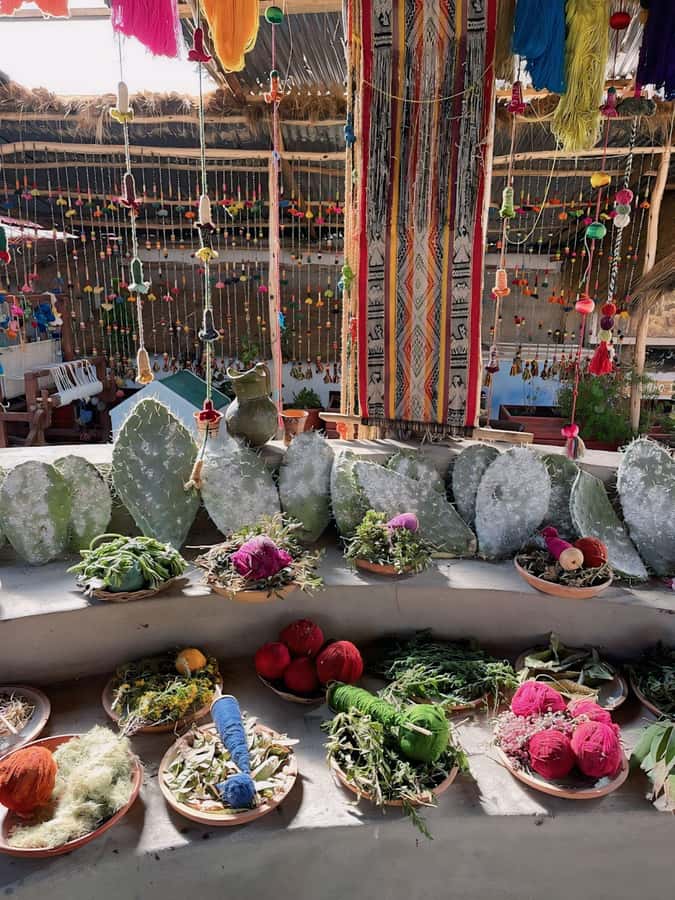
- Chinchero Textiles: Culture First, Photos Second
- Moray Circular Terraces: Inca Experiment With a Weirdly Logical Story
- Maras Salt Mines: Working Ponds and Ancient Production
- Urubamba Buffet Lunch: A Real Break Without Losing Momentum
- Ollantaytambo: Inca Town Energy and That First Big View
- Pisac and the Sunset Angle: Last Views Before Cusco
- Price and What You Still Pay On Site
- What I’d Suggest You Bring (So the Day Stays Enjoyable)
- Who This Sacred Valley VIP Tour Fits Best
- Should You Book It? My Decision Guide
- FAQ
- How long is the Sacred Valley VIP tour?
- What’s included in the price?
- Are entrance tickets included?
- What time of day does the tour start?
- Is pickup available from my hotel?
- What languages is the guide available in?
- What should I bring for the day?
Key Highlights Worth Your Time
- Chinchero textiles and local color with guided context, not just a photo stop
- Moray’s circular terraces explained as an Inca agricultural experiment
- Maras salt ponds viewed as a working landscape used since ancient times
- Urubamba buffet lunch that keeps you fueled without breaking the schedule
- Ollantaytambo and Pisac viewpoints that give you Inca-town atmosphere plus sunset energy
- Small-group style so the day feels more controlled than a big bus tour
How This One-Day Sacred Valley Loop Really Feels From Cusco
This is a full-day plan designed to cover the Sacred Valley highlights in one go. You start with pickup from your Cusco hotel, then get whisked into the valley by van with stops that balance guided time and your own wandering time.
Timing matters here. The day flows in a sequence—Chinchero, Moray, Maras, Urubamba, Ollantaytambo, then Pisac—so you’re not constantly backtracking. The tradeoff is that you’ll likely keep moving even when you spot something cool you’d like to study longer.
That’s why I call it VIP in the practical sense: you get a structured route, a guide handling the stories, and a lunch stop that prevents the “hangry” spiral.
You can also read our reviews of more tours and experiences in Urubamba
Pickup, Van Time, and What Your Day Schedule Looks Like
Your day begins with pickup in Cusco, then van time between each major site. Roughly speaking, you’re looking at:
- ~40 minutes to Chinchero
- ~30 minutes to Moray
- ~20 minutes to Maras
- ~20 minutes to Urubamba for lunch
- ~30 minutes to Ollantaytambo
- ~1 hour to Pisac
And then you finish back in the Cusco area at Calle Plateros.
This matters for two reasons. First, you’ll want comfortable shoes because you’re walking in multiple places. Second, you’ll want to plan for sun and altitude-adjacent fatigue—this is outdoors sightseeing with plenty of daylight exposure.
One more logistics note: pickup is optional, and coordination is done via WhatsApp. Make sure you have coverage so you don’t lose your handoff moment.
Chinchero Textiles: Culture First, Photos Second
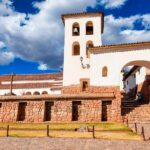
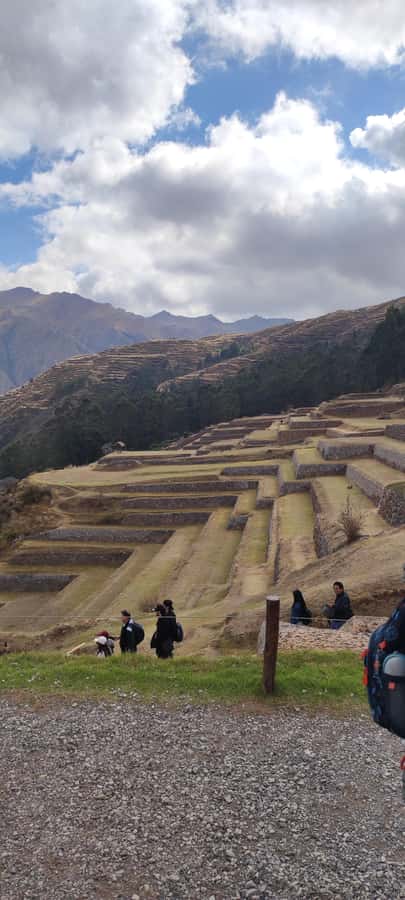
Chinchero is where the day begins to feel like more than a checklist. You’ll have a photo stop, then a visit with a guided tour that focuses on the town’s well-known textile traditions. It’s also a setting that helps you understand why people pay attention to this area: you’re surrounded by dramatic views and a place where craft traditions are part of daily life.
Expect about an hour total in the Chinchero area. That’s enough time to learn something, browse a bit, and not feel like you’re just racing through.
A small practical tip: if the group includes a stop that feels more like shopping than sightseeing, keep your priorities clear. One review flagged that a jewelry shop stop could be skipped. If shopping isn’t your thing, you can still be polite and move on quickly—your time is better spent watching how locals talk about textiles and techniques.
Moray Circular Terraces: Inca Experiment With a Weirdly Logical Story
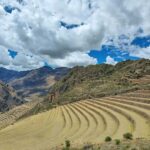
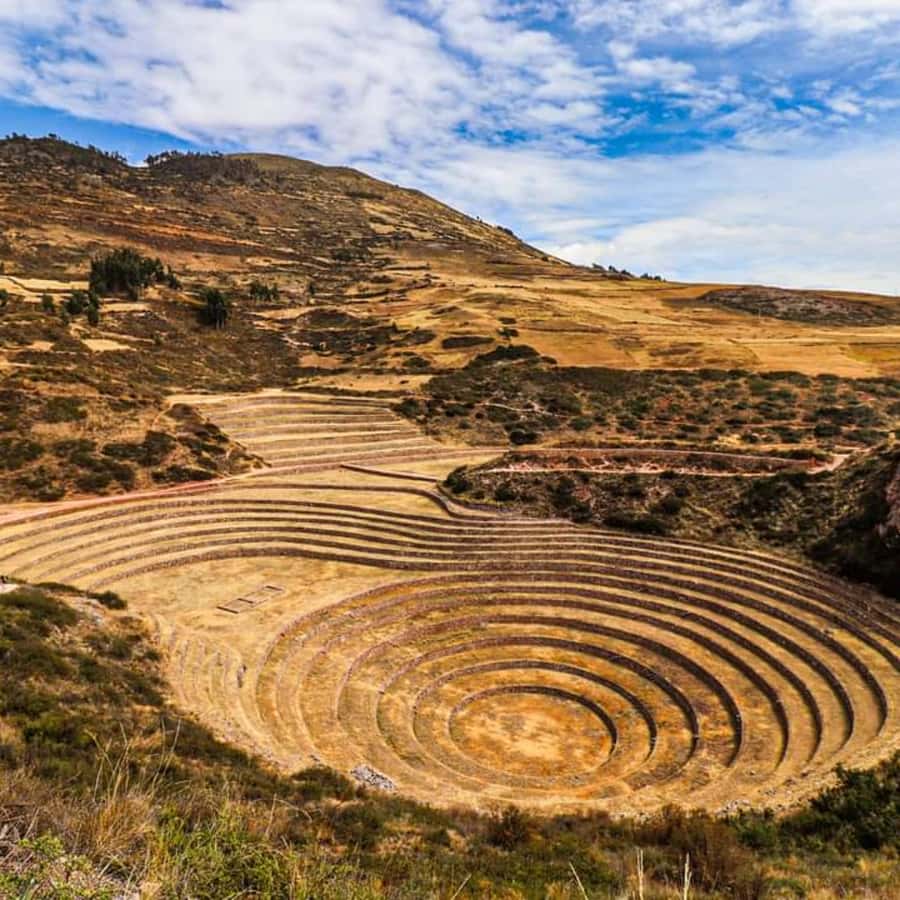
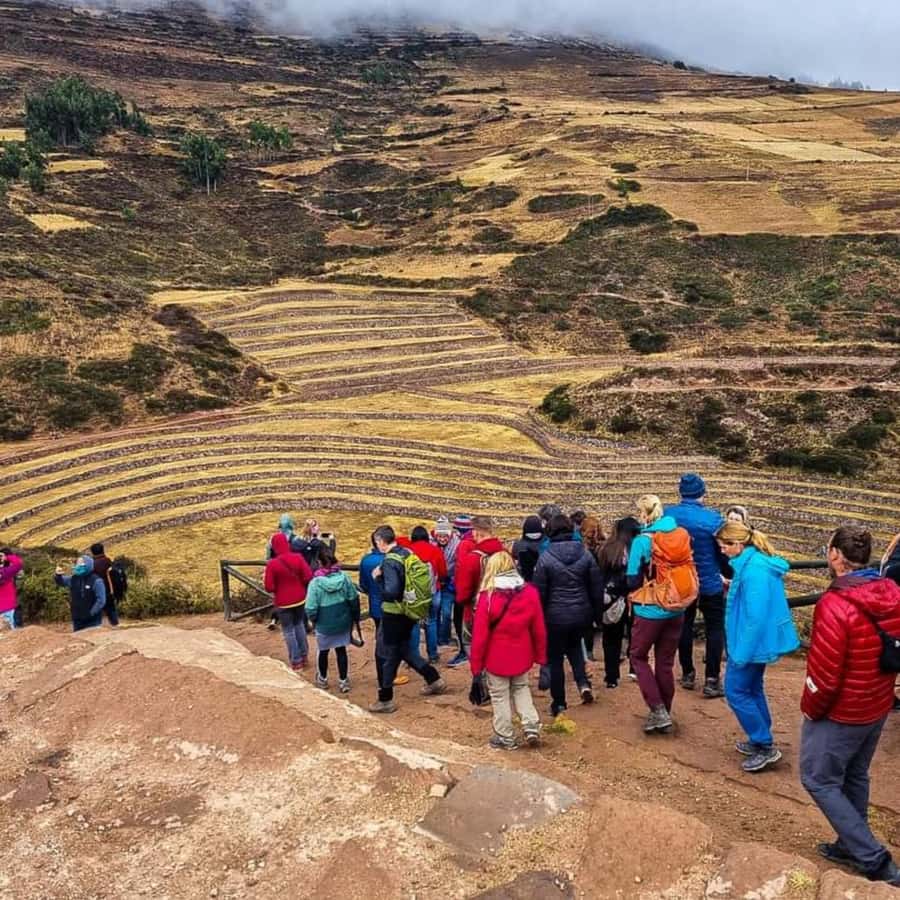
Moray is the stop that tends to make people pause, because the terraces look almost geometric in an Andes way. You’ll stop for photos and then have a guided visit lasting around 40 minutes. The key detail is why the circles matter: the terraces were used by the Incas for agriculture.
If you’ve ever wondered how the Incas turned difficult terrain into productive farmland, Moray gives you a concrete answer. The circular design is a visual clue to experimentation—different levels create different growing conditions. Your guide’s job here is to connect the visual to the practical farming use.
Drawback to keep in mind: Moray isn’t a “sit and relax” kind of site. It’s an active walk with uneven surfaces and bright light. Wear shoes that grip and bring sunscreen.
Maras Salt Mines: Working Ponds and Ancient Production
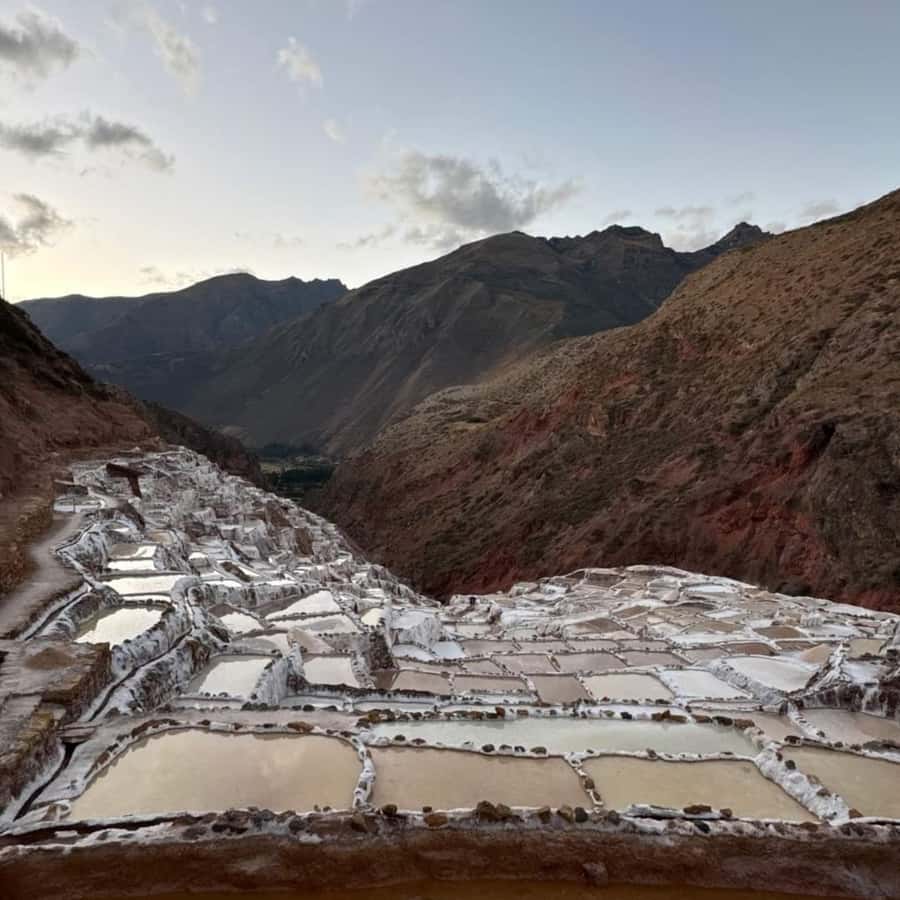
Then you head to Maras Salt Mines, famous for their patchwork of salt ponds. This part of the route is both scenic and practical because the salt is not just a monument—it’s a system used since ancient times.
Plan on about 30 minutes on-site, including photos and a guided tour. That may sound short, but it works because the view is immediate. Once you get your bearings, you can take in the full grid, then focus on details up close.
One thing I like about Maras is that it doesn’t feel abstract. You can actually see the production layout and imagine how harvesting would work across the different ponds. And when your guide explains the long-running use, it adds weight to the scenery without turning it into a textbook.
Hot-weather note: you’ll be exposed. Hat + sunscreen + water isn’t optional here.
You can also read our reviews of more tours and experiences in Urubamba
Urubamba Buffet Lunch: A Real Break Without Losing Momentum
After salt and terraces, you get lunch in Urubamba. The tour includes a buffet lunch with about an hour set aside for eating.
This is one of the best value parts of the day because it prevents you from hunting for food while also protecting your schedule. If you’ve traveled in Peru, you know timing can get weird—lunch without structure can turn into a frustrating delay. Here, you have a defined window.
What to expect from the meal: typical regional dishes, plus the flexibility of a buffet so you can choose what your stomach wants. The tour doesn’t promise a specific menu item list, but the regional focus is clear.
Practical advice: eat like a planner. Don’t overload, especially if you plan to keep walking at Ollantaytambo and Pisac afterward.
Ollantaytambo: Inca Town Energy and That First Big View
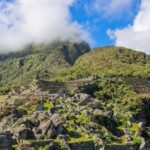
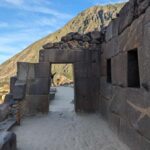
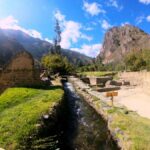
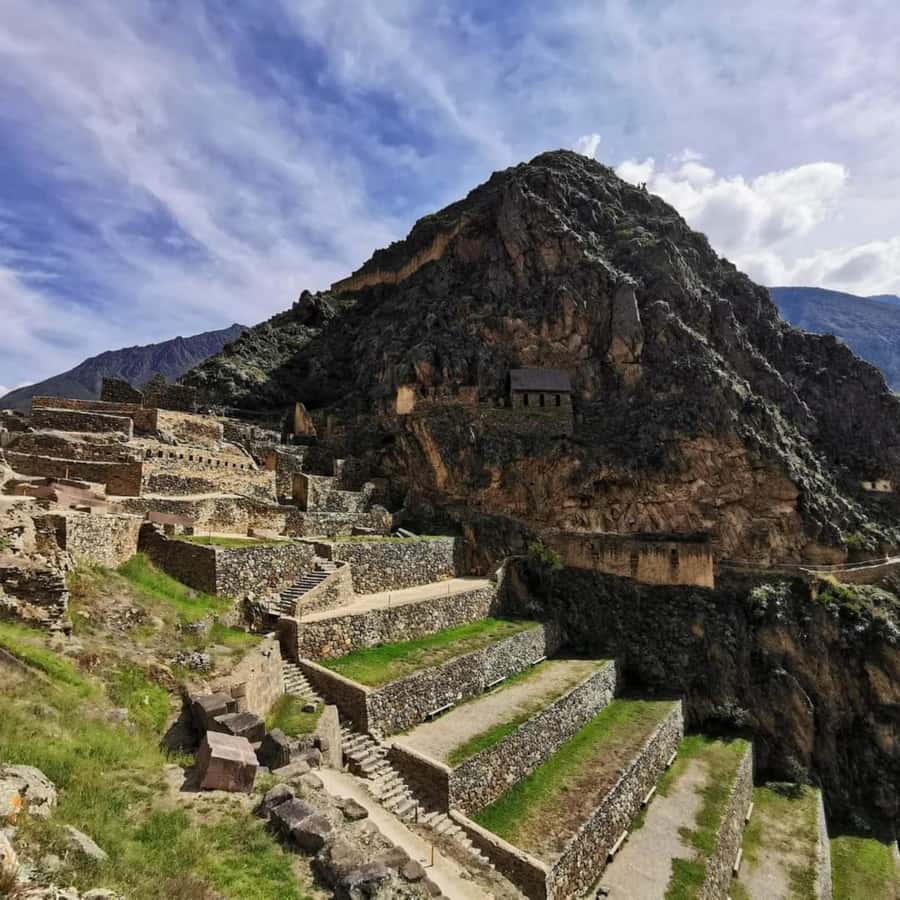
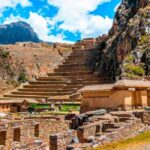
Next stop is Ollantaytambo, an important archaeological site and an Inca town. You’ll have a photo stop and guided tour, plus time to walk, totaling about 40 minutes in the area.
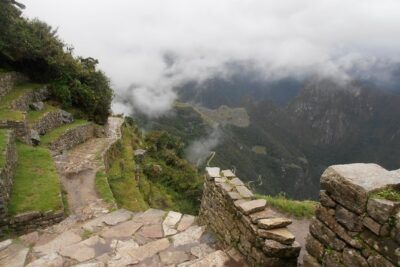
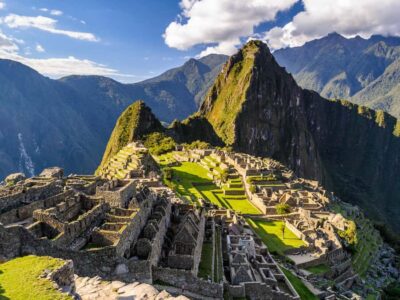
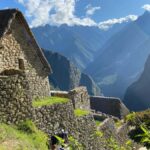
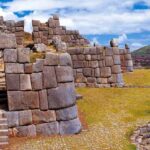
Ollantaytambo gives you a different feel than the earlier sites. Instead of terraces and mines, you’re dealing with an urban archaeological presence—stone structures and the sense of a place that people built and kept using.
Also, this is where views start becoming part of your mental map. If your legs are tired, focus on one or two viewpoints. You don’t need to “complete everything” to get the value here—your guide helps you identify where the most meaningful angles are.
Pisac and the Sunset Angle: Last Views Before Cusco
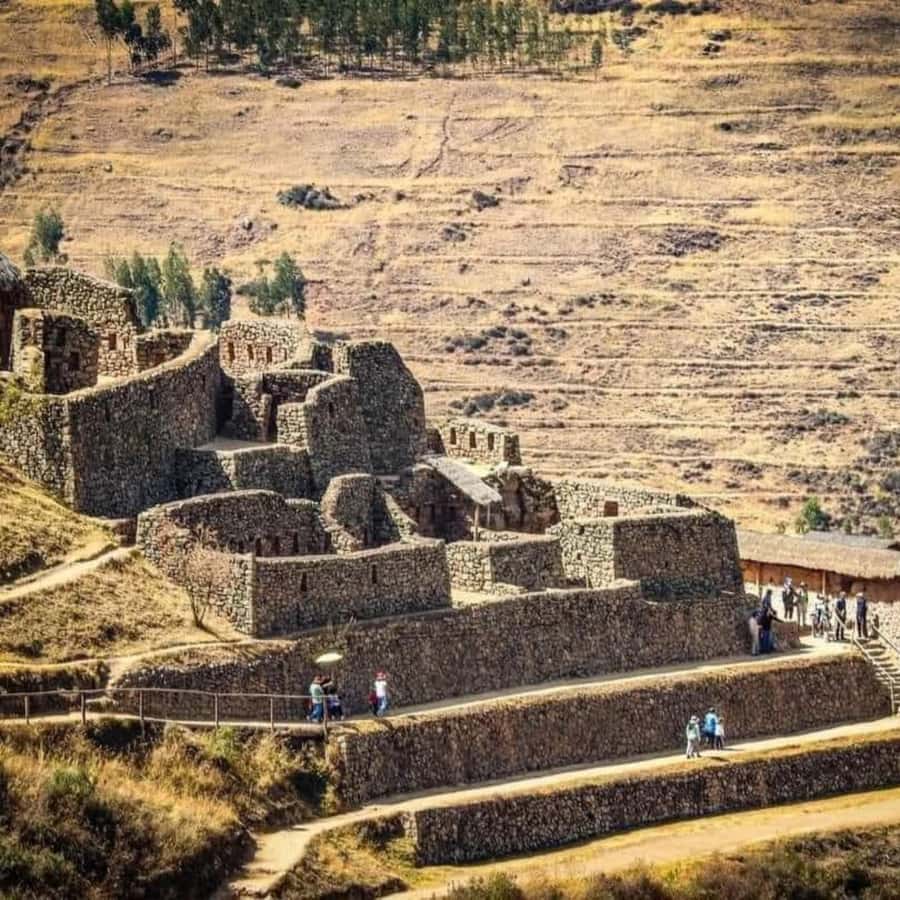
The final stop is Pisac. You’ll have a photo stop, visit, and guided tour for about 40 minutes, plus time for sightseeing. This part of the day includes a beautiful sunset element, so you’re often walking a little later and under changing light.
Pisac is especially good for perspective. The earlier stops show how the Incas adapted land for agriculture and production. Pisac shifts that story toward town life and how communities shaped their surroundings.
Because the timing is late in the day, manage your energy. If you’re prone to getting chilled, pack accordingly. If you tend to overheat, drink water early—sunset can trick you into thinking you’re done with the heat.
Price and What You Still Pay On Site
The tour price is listed at $32 per person, which is a reasonable base for a one-day loop with van transportation and a bilingual guide. But you should budget for entrances.
Not included (based on the tour info you were given):
- Tourist ticket/entrance costs: about 70 soles / 20 USD approx
- Maras salt entrance: 10 soles / 5 USD approx
- Breakfast
So the realistic total is higher than the headline price. Still, it can be good value if you want multiple stops in one day and you don’t want to organize transport and guides yourself.
If you’re comparing options, calculate like this: transportation + guide + lunch cost vs. what you’d pay for each site entry and independent transport. This tour wins for convenience. It’s not the cheapest way to visit the valley, but it’s a time-smart way to see a lot.
What I’d Suggest You Bring (So the Day Stays Enjoyable)
You’ll walk in sunny conditions, and the itinerary includes multiple outdoor sites. Pack to stay comfortable.
Bring:
- Comfortable shoes
- Hat
- Sunscreen
- Camera
- Water
If you’re sensitive to heat, add extra water even if you think you’ll be fine. And if weather shifts quickly, be ready for it—this region can change mood fast.
Also, plan your clothing for walking. The tour isn’t set up for wheelchair users, and it’s not suitable for people with back problems due to the walking involved.
Who This Sacred Valley VIP Tour Fits Best
This tour works best if you want a structured “greatest hits” day without complicated planning. I’d point it toward:
- First-time Sacred Valley visitors who want key stops in a single day
- Travelers who value a guide’s explanation at each site
- People who prefer convenience and a lunch stop over searching for meals
If you’re hoping for a slow, deep exploration with lots of free wandering, this one might feel rushed. The day is designed to keep the loop moving, so your time is split between guided parts and quick self-guided looks.
Should You Book It? My Decision Guide
Book it if you want maximum Sacred Valley coverage with clear route logic, included transportation, and a buffet lunch that keeps you on track. It’s also a strong pick if you’re traveling with limited time in Cusco and you’d rather see Chinchero, Moray, Maras, Ollantaytambo, and Pisac in one day.
Skip or consider a different pace if you hate long days, need lots of downtime, or want to linger at one site for an hour or two on your own. This plan is efficient, and that efficiency means less free time.
If you do book, come ready for sun, bring sturdy shoes, and don’t fight the schedule. Use your guide for the stories, then take your own photos and short walks where you feel the pull.
FAQ
How long is the Sacred Valley VIP tour?
The tour lasts 1 day.
What’s included in the price?
Transportation, a professional bilingual guide, and a buffet lunch are included.
Are entrance tickets included?
No. Entrance is not included, and the information provided estimates about 70 soles (around 20 USD) for tourist tickets. Maras salt entrance is also not included and is estimated at about 10 soles (around 5 USD).
What time of day does the tour start?
You’ll check availability to see starting times.
Is pickup available from my hotel?
Pickup is optional. The provider coordinates pickup through WhatsApp, so having WhatsApp coverage helps.
What languages is the guide available in?
The guide is available in English and Spanish.
What should I bring for the day?
Bring comfortable shoes, a hat, sunscreen, a camera, and water.