REVIEW · SACSAYHUAMAN & INCA RUINS
Sacsayhuaman Temple, Tambomachay and Puca Pucara Half-Day Tour
Book on Viator →Operated by VIPAC Travel · Bookable on Viator
Megaliths and springs, all in one early run. This half-day route in Cusco is a smart way to cover four major Inca sites close to the city with an air-conditioned van and prebooked entry, so you’re not wasting time hunting taxis or waiting in lines. The small-group setup (up to 14 people) also keeps the pace calm enough for photos and questions.
I like that Sacsayhuamán is given the focus, since it’s the big engineering jaw-dropper, with time to wander its terraces and notice carvings. The main downside: the other three stops can feel short, and some departures include a store stop that can eat into ruin time, so you’ll want to manage your expectations for the schedule.
In This Review
- Key highlights that actually matter
- Why this half-day Cusco route makes sense
- Timing and the real rhythm of a 3-hour day
- Stop 1: Sacsayhuamán citadel and its megalithic views
- Stop 2: Q’enqo’s carved rock shrine (and what if it’s restricted)
- Stop 3: Puca Pucara’s red fortress, aqueducts, and water features
- Stop 4: Tambomachay springs and the ceremonial logic of water
- Transport and pickup: the comfort plus the constraints
- Tickets and what you’re actually paying for at $69
- Guides: how to get the best morning (and protect your time)
- Rain, steps, and slippery stone: plan like it’s real
- Should you book this tour?
- FAQ
- What sites are included on this half-day tour?
- How long is the tour?
- What time does the tour start?
- Is hotel pickup and drop-off included?
- Are admission tickets included?
- What is the cancellation policy?
Key highlights that actually matter
- Four sites, one morning plan so you avoid multiple rides and time gaps
- Early start that helps with crowds at Sacsayhuamán
- Prebooked tickets meaning less time stuck at entrances
- Sacsayhuamán gets the most time so you don’t just glance and go
- Bilingual live guide (Spanish/English) that helps you read what you’re seeing
- Q’enqo access may be limited depending on current site conditions
Why this half-day Cusco route makes sense
Cusco is gorgeous, but it can also be chaotic. This tour is built for people who want the Inca sites around town without losing half a day to logistics, traffic, and lines.
You also get a practical structure: you’re not bouncing between stops on your own schedule. Instead, you’re dropped into each place at the right moment, with a guide translating the “what am I looking at?” part of archaeology. That matters at Sacsayhuamán, where the stonework is impressive but not always obvious.
You can also read our reviews of more tours and experiences in Cusco
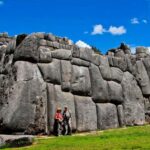

Timing and the real rhythm of a 3-hour day
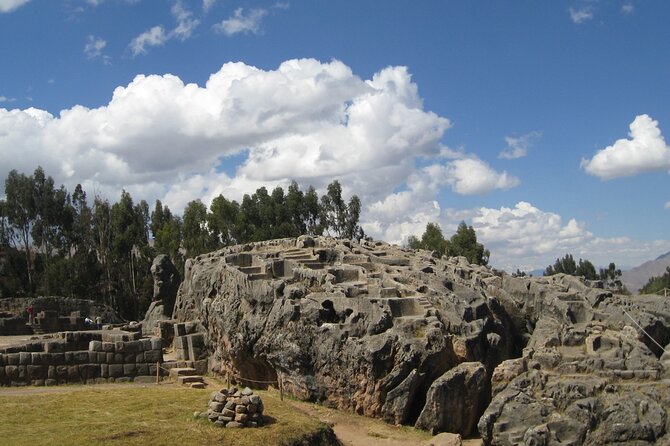
Start time is 8:00 am, and that’s not just a random number. At Sacsayhuamán, crowds can get intense, and the early arrival often makes the difference between a photo sprint and a slower look at the details.
The total time is about 3 hours, with each stop designed to fit the group flow. Expect Sacsayhuamán to take the longest chunk, then shorter visits at Q’enqo, Puca Pucara, and Tambomachay. In other words: this is a “hit the highlights” tour, not a “study every wall like a grad seminar” tour.
Group size is capped at 14 travelers, which tends to feel more relaxed than a packed bus. Still, if you’re the type who likes long, silent wandering, you may crave extra time afterward—especially at Sacsayhuamán.
Stop 1: Sacsayhuamán citadel and its megalithic views
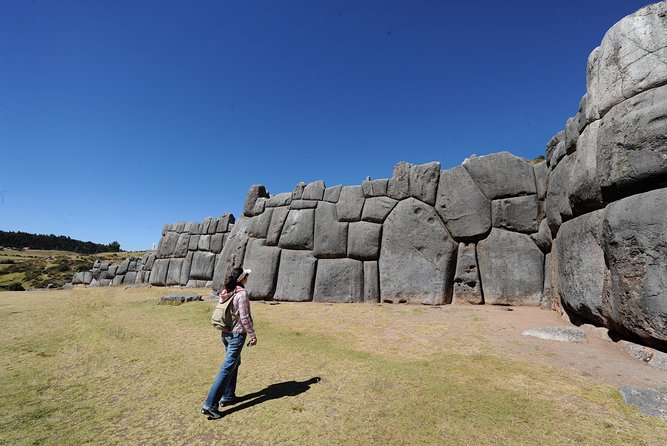
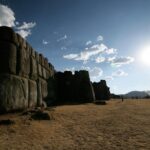
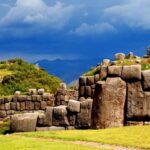
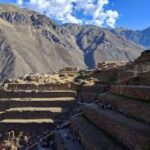
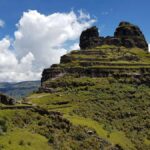
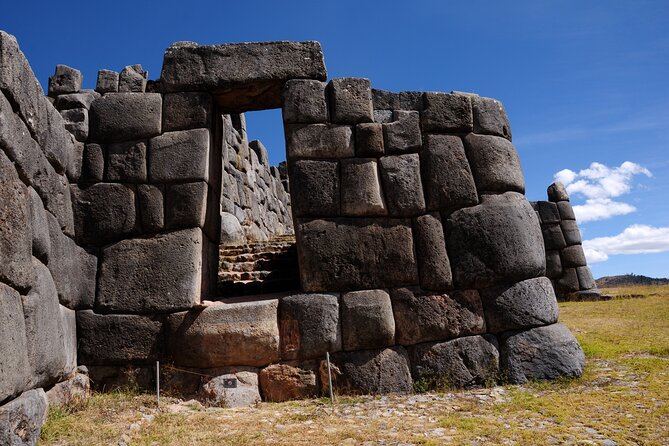
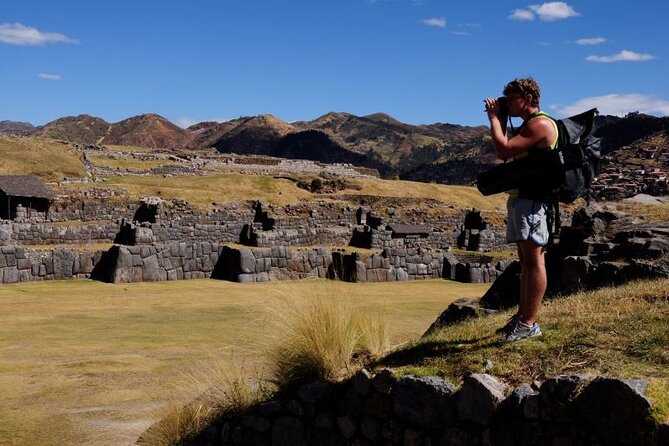
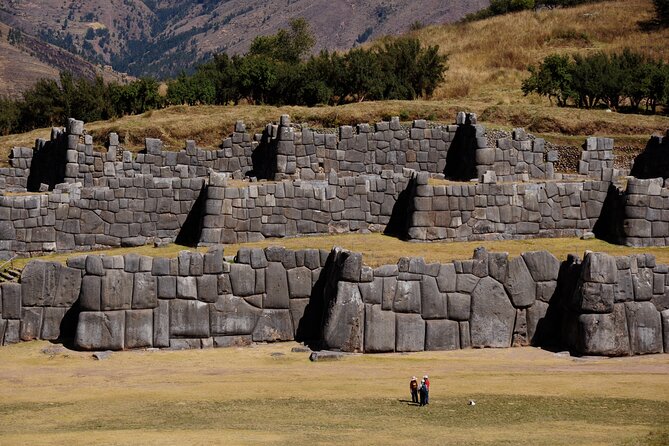
Sacsayhuamán is the emotional center of this morning. It’s a large Inca citadel with colossal stone fortifications and terraces that sit in direct conversation with the surrounding mountains and sky. Even before you get deep into the story, your eyes get pulled to scale.
You’ll have time to move through three levels and spot features like the remains of the tower and the sacred paths. This is one of those places where the stones don’t look like “ruins” after a few minutes. They look like engineering, like planning, like muscle.
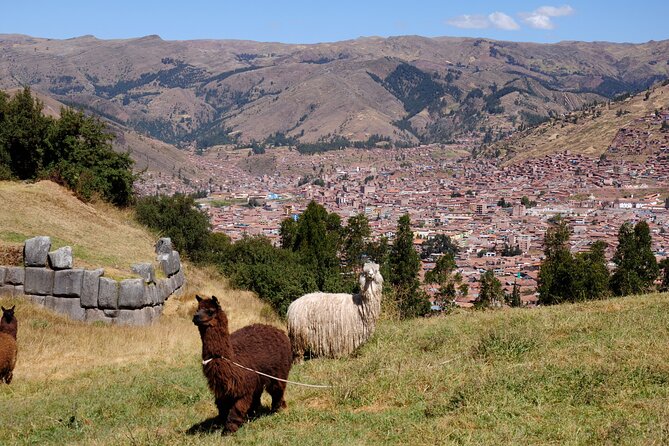
There are also animal-related shapes and carvings tied to symbolism in the Inca worldview. A guide can point out what you might otherwise miss. And yes, the panoramic view over Cusco is part of the payoff—one of the reasons this is often the first stop people recommend.
One practical tip: go slow with your photos early. Once the crowd thickens, it gets harder to back up and frame the terraces without other people in your shot.
Stop 2: Q’enqo’s carved rock shrine (and what if it’s restricted)
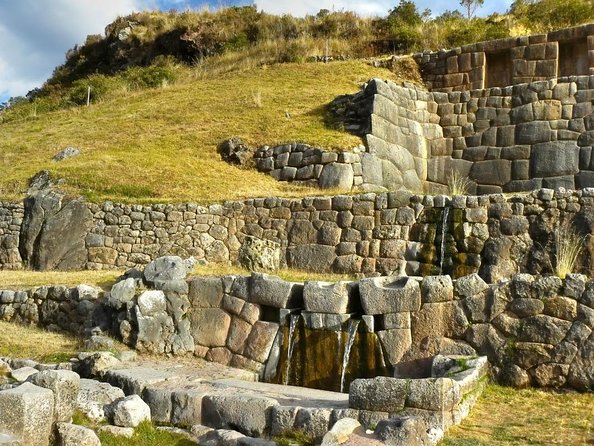
Q’enqo is different energy from Sacsayhuamán. This site is a carved rock complex known for winding passages and a central altar area cut into the rock face.
Your route usually includes a look at the “labyrinth” top view. But there’s an important note: Q’enqo’s altar area is listed as not accessible currently due to covid reasons. That means you might not see everything you hoped for inside the most sacred-feeling portions.
Still, even a limited visit can be rewarding if you focus on the layout: stairways, chambers, and channels. A good guide explains how these spaces were used in ceremonial life. If you’re the kind of person who likes to understand what a structure was for, this stop is where that pays off—assuming access is open on your day.
If Q’enqo feels short, don’t panic. The tour is set up so you still get the big-picture engineering at Sacsayhuamán plus the defensive-water logic at Puca Pucara and Tambomachay.
Stop 3: Puca Pucara’s red fortress, aqueducts, and water features
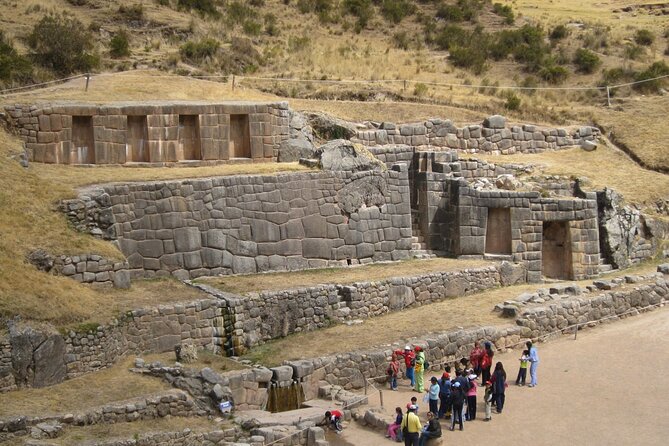
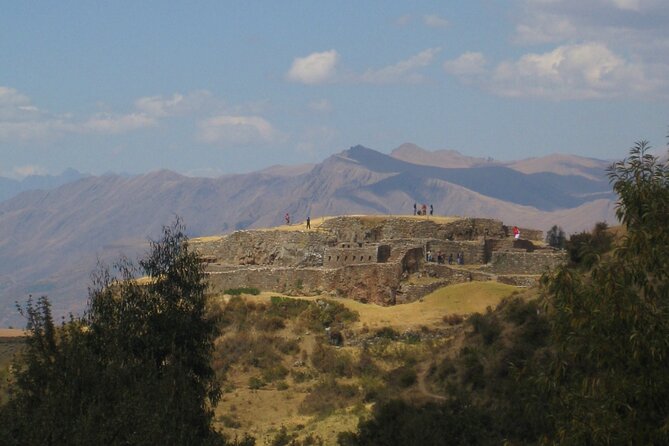
Puca Pucara means red fortress in Quechua, and it earns that name with its hilltop position and stone walls. This is more military and practical than ceremonial—think lookout, defense, checkpoints, and movement control.
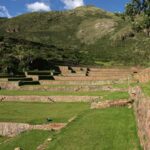
What stands out here is the combination of fortification and water management. You’ll see aqueduct-like elements and water features, which connect this site to the broader Andean theme of engineering tied to daily survival and ritual meaning.
Time at Puca Pucara is usually shorter, so try not to spend your whole visit staring at the biggest wall from one angle. Instead, take a few minutes to walk the perimeter lines where the view opens up. The site is made for scanning distance.
If you’re worried about the store stop cutting your ruin time, this is the stop where you may feel that pinch the most. Still, if your guide keeps things on track, Puca Pucara is a strong “why this place mattered” chapter.


Stop 4: Tambomachay springs and the ceremonial logic of water
Tambomachay is all about water and stone craft. It’s built around natural springs that were sacred to the Incas, with channels and water routes tied to ritual life. The site is also described as a monument of notable architectural excellence, which you feel as soon as you look at how the water is guided.
A detail worth paying attention to: the spring water is said to come from inside the mountain, associated with ideas of youth and luck. Even if you view the message through a modern lens, the physical systems are real and impressive—channels, control points, and the way water interacts with the rock.
Tambomachay tends to be a calmer stop than the bigger fortress sites. That can be a relief if altitude has started to hit your breathing. Take your time here to observe the flow and imagine the daily maintenance the structure required.
If your morning is running behind, Tambomachay is still worth your attention because it adds meaning you don’t get from pure warfare sites. It’s a reminder that Inca infrastructure was spiritual and practical at the same time.
Transport and pickup: the comfort plus the constraints
This tour uses an air-conditioned minivan and includes hotel pickup and drop-off. That’s a big deal at altitude. It’s also a big deal for time, since you don’t have to negotiate taxis between hills.
One constraint to know: some hotels are in areas where vehicle access isn’t permitted. If that’s your situation, you may meet the van at a nearby spot. It’s not unusual in Cusco, and it’s easy to fix as long as you’re ready to walk a bit.
What to wear: you’ll be stepping around ruins and terrain with changes in elevation. Comfortable walking shoes are non-negotiable. Also bring layers—mornings can feel cool, and then the sun ramps fast.
Tickets and what you’re actually paying for at $69
The price is $69 per person, and what you’re getting is more than a guide with a clipboard. Your admission is prebooked, and the tour includes an Archaeological Sacsayhuamán Park passport-style ticket covering four archaeological sites.
Value comes from three places:
- Transportation that keeps you moving efficiently between stops
- Prebooked tickets that help you bypass some lines
- A bilingual guide who helps you interpret what you see in limited time
If you tried to DIY this, you’d still pay entry fees and likely spend time figuring out routing and timing. You might save a few dollars, but you’ll pay in effort. For a half-day window, that effort cost can be higher than you expect.
Where value can dip is when the day feels rushed. If your guide prioritizes time elsewhere—like a store stop—you lose the main reason to book a guided half-day: maximizing ruin time with context.
Guides: how to get the best morning (and protect your time)
A big theme in experiences on this kind of tour is that the guide quality can swing your satisfaction level. The operator uses live bilingual Spanish/English guiding, and many guides are praised by name for clear explanations and patience.
Still, the schedule is tight. If you’re someone who wants long photo sessions, you may need to speak up early and set expectations. Ask the guide at the start how much time you can realistically spend at Sacsayhuamán for photos and walking.
Also watch for the “extra stop” pattern. Some outings include a textile or alpaca-silver store stop. On a day like this, even 20–30 minutes can feel like a lot. If you want purchases, great. If you don’t, you can ask to skip or keep it minimal.
One more practical move: carry sunscreen and a hat. Several people note that Cusco sun can be strong at this altitude, and rain or clouds can change how you perceive heat until you feel it on your skin.
Rain, steps, and slippery stone: plan like it’s real
Cusco weather can shift fast. If it rains, ruins can get slick, especially on rocky paths and steps. If you’re visiting in the wet season, I’d treat the day as traction-focused—shoes with grip matter more than comfort sneakers.
If the rain hits mid-tour, the guide may adjust movement pace. That can be good for safety, but it can also make the short stops feel even shorter if the route doesn’t adjust. Building in flexibility in your day plan helps.
If you’ve got a tight next-day plan—like needing energy for Machu Picchu or a Sacred Valley excursion—this early tour is still a solid choice. Just don’t schedule anything requiring speed immediately after.
Should you book this tour?
Book it if you:
- Want a fast, efficient Inca-site overview near Cusco
- Like having a guide explain what you’re seeing
- Prefer a small group and an early start to avoid peak crowds
- Want transport and ticketing handled for you
Consider skipping or switching to something longer if you:
- Want lots of time to linger at each site
- Hate store stops and don’t want to lose ruin minutes
- Feel you’ll be deeply disappointed if Q’enqo access is limited on your date
If you do book, my best advice is simple: treat Sacsayhuamán as the main event, plan your photos early, and be clear at the start about how you want your time spent. Done well, this tour hits the right notes without wasting your morning.
FAQ
What sites are included on this half-day tour?
You’ll visit Sacsayhuamán, Q’enqo, Puca Pucara, and Tambomachay.
How long is the tour?
It runs for about 3 hours.
What time does the tour start?
The start time is 8:00 am.
Is hotel pickup and drop-off included?
Yes. Pickup and drop-off are included, though some hotels may require you to meet at an accessible point.
Are admission tickets included?
Yes. Admission tickets for the four sites are included via a prebooked Sacsayhuamán Park ticket.
What is the cancellation policy?
You can cancel for a full refund up to 24 hours before the experience start time.