REVIEW · SACRED VALLEY TOURS
Sacred Valley Textile Workshop – Dyeing & Weaving in Cusco
Book on Viator →Operated by Peru Private Tours · Bookable on Viator
Hand dyeing alpaca in the Sacred Valley feels personal. This private textile workshop with Ruth Pimentel turns you into a maker, from gathering botanicals for organic dyes to weaving your own backstrap piece with master weavers. I especially like the personal welcome and lineage context you get at the atelier, and I also love that the whole day is hands-on, not a sit-and-watch show.
Do plan for one real downside: the timing is long. With pickup at 8:30am and a countryside drive (often around 1.5 hours each way), the weaving is a true full-day commitment—and you’ll be working on a loom that asks you to sit and focus for hours.
In This Review
- Key things I’d circle first
- Cusco Textile Workshop: What You’re Really Signing Up For
- Morning Pickup and the Countryside Drive That Eats Time
- The Atelier Welcome: Ruth Pimentel and the Meaning Behind the Craft
- Foraging Dye Plants: Walking Through Color
- Spinning and Preparing Yarn: The Step Most People Skip
- Hand-Dyeing Baby Alpaca Yarn the Traditional Way
- Weaving on a Backstrap Loom: Where the Real Learning Happens
- What You’ll Make: From Bookmarks to Bracelets and Headbands
- Lunch, Coffee or Tea, and a Bit of Culture Along the Way
- Shop Time and the Smart Way to Buy
- Price and Logistics: Is $420 Worth It?
- Who This Workshop Suits Best
- Should You Book This Sacred Valley Textile Workshop?
- FAQ
- What time does the workshop start?
- How long is the workshop day?
- What will I make during the workshop?
- Does the price include lunch?
- Will I dye yarn or just watch?
- Is this tour private?
- Do I need good weather?
- What if I need to cancel last-minute?
Key things I’d circle first
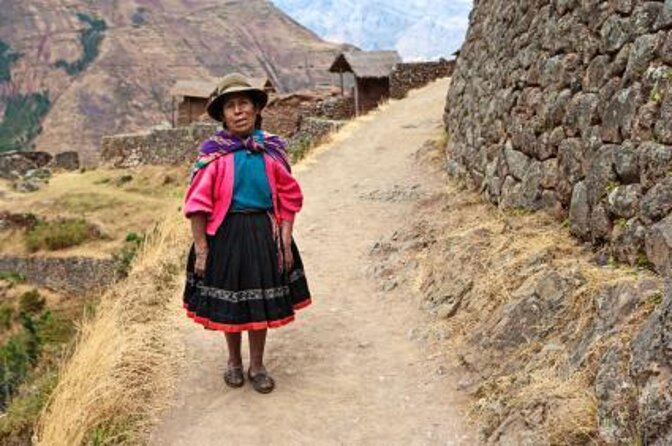
- Meet Ruth Pimentel and learn how she safeguards Peru’s living textile heritage
- Hand-dye baby-alpaca yarn using seasonal botanicals and ancestral methods
- Make your own piece on a backstrap loom, with help when you need it
- Forage for dye plants (not just one step—this is part of the lesson)
- Leave with a finished item in elegant packaging plus a signed provenance card
- Enjoy a real meal with coffee or tea included during the day
Cusco Textile Workshop: What You’re Really Signing Up For
This isn’t a quick craft stop. You’re joining a working textile process where dye, yarn prep, and weaving all connect. The payoff is that you don’t just buy something pretty and leave. You make something that has a story you can explain—because you did the steps yourself.
The workshop centers on Peru’s indigenous backstrap weaving tradition and the slow art of natural color. Expect to learn why Andean textiles matter culturally, how specific plants become dye, and how the loom turns fiber into a pattern over time. And yes, you’ll also get the practical satisfaction of finishing a physical item to take home the same day.
If you like hands-on classes, or you’ve ever been curious about how color is made before it ever hits yarn, this works well. If you’re only looking for a short activity, this is probably too long for your schedule.
You can also read our reviews of more tours and experiences in Cusco



Morning Pickup and the Countryside Drive That Eats Time
Pickup starts at 8:30am from your hotel area, using private transport. That’s a big comfort win in Cusco, where walking uphill with altitude fog brain is not everyone’s favorite plan.
Then comes the drive. Several experiences note it can be about an hour and a half out to the workshop area, so the day doesn’t feel compact. You’ll also have a chance to stop along the way for photos in the countryside. The tradeoff is simple: you’re paying in time, not just money.
My advice: plan a light morning around pickup. No rush, no big breakfast race. You’ll be ready for the long sitting later if you pace yourself first.
The Atelier Welcome: Ruth Pimentel and the Meaning Behind the Craft
At the private atelier near Cusco, Ruth Pimentel greets you personally. You get a warm introduction that includes her lineage and the UNESCO recognition mentioned in the workshop overview, plus how her work preserves Andean traditions through a social-impact initiative.
This is more than a biography chat. It sets the tone for why the day is built this way. When you understand that the craft is living knowledge—passed down through women in Andean communities—the weaving doesn’t feel like an art project. It feels like joining a cultural practice with values attached: patience, precision, and respect for materials.
In the workshop, you’ll also interact with other master weavers from Parobamba, so you’re learning from more than one voice. One of the most praised parts of this experience is exactly that blend: personal context, real teaching, and the sense that the instructors want you to succeed.
Foraging Dye Plants: Walking Through Color
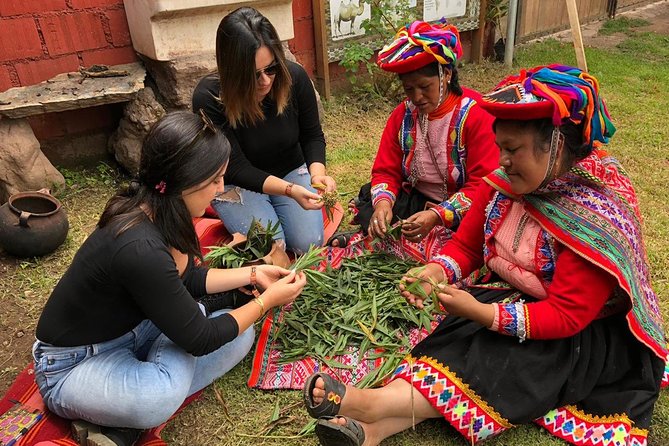
One of the standout lessons is collecting natural materials for dye. You might hear it described as gathering herbs or leaves for the dye bath, and in practice it means you get a guided walk where you learn what plants they use and how they think about them.
This matters because natural dyeing isn’t just a recipe. You’re learning the logic of the materials: what gets collected, when it’s used, and why those choices affect color. It’s also one of the most memorable parts because it gets you moving and out of tourist mode for a bit.
Bring your practical mindset here. It’s an outdoor walk, so dress for light weather changes and wear shoes you’re comfortable getting on and off a vehicle with. The workshop assumes you’ll be able to participate in a hands-on, outdoorsy step.
Spinning and Preparing Yarn: The Step Most People Skip
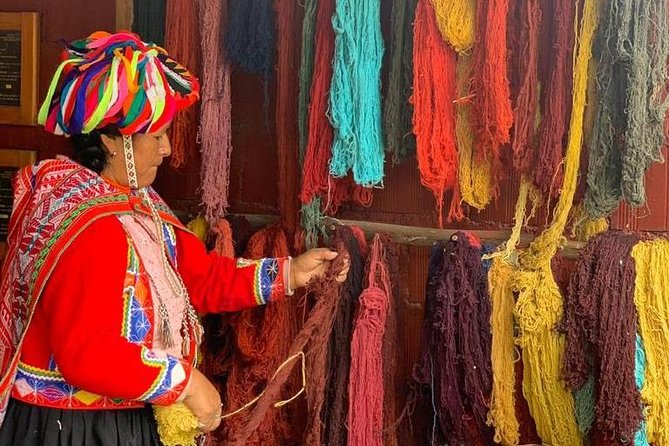
Before dye even happens, you’ll learn yarn prep. Several experiences mention learning how to make yarn from alpaca wool, and also stepping through spinning techniques and winding yarn afterward.
This part is a reality check in a good way. It turns what looks like finished fiber into an understanding of how much work sits behind it. When you feel that time and effort, you stop thinking of yarn as a product and start seeing it as something made.
If you’re a textile nerd—great. If you’re not, you’ll still benefit, because it changes how you view the final piece. Your future self will notice the difference when you compare industrial yarn to what you helped create.


Hand-Dyeing Baby Alpaca Yarn the Traditional Way
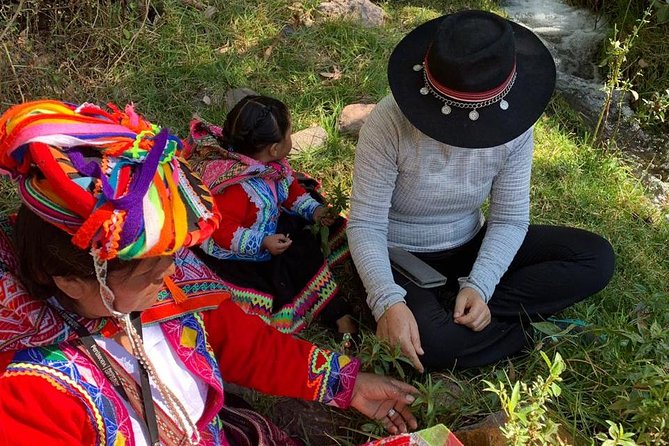
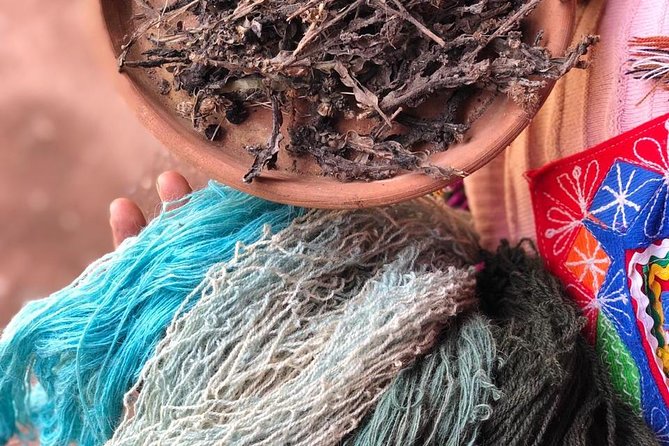
Then you get to the core activity: dyeing premium baby-alpaca yarn by hand with organic materials.
In plain terms, you’ll:
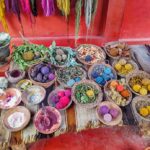
- select seasonal botanicals (and/or use what you gathered)
- prepare the dye bath and the materials
- dye the yarn to create color you can use in weaving
A lot of the joy here comes from being hands-on during the steps, not watching someone else do it all. You’ll usually get help as needed, and the instructors’ patience is a repeated theme.
One practical note: natural dye results can surprise you—because natural materials can vary. That unpredictability is part of the charm. You’re learning a process, not memorizing a lab technique.
Weaving on a Backstrap Loom: Where the Real Learning Happens
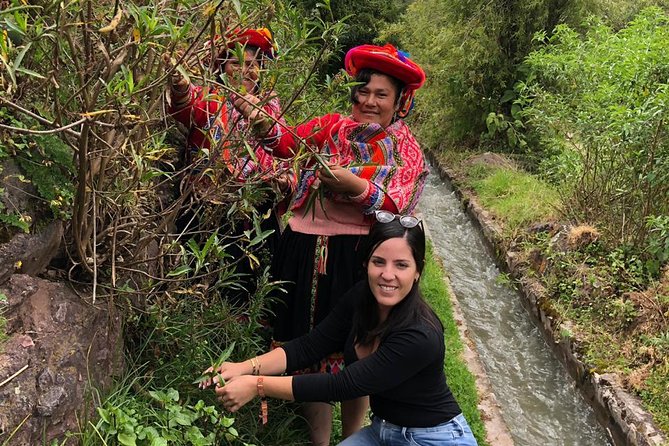
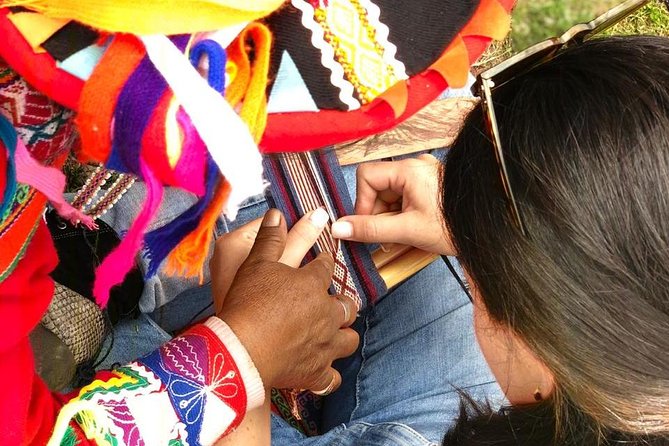
The backstrap loom part is the big skill moment. You’ll set up and use the loom, then work through weaving with guidance from Ruth and other master weavers.
This is also where you might feel challenged. One of the most honest comments in the experiences is that weaving is really challenging—often in a good educational way. The loom demands coordination and concentration. Plan to focus, and don’t expect to become a pro in one day.
What helps: the instructors don’t toss you into it. They guide you step by step, and many experiences mention that help is available throughout. You’ll likely start with a simpler task first (like weaving a smaller item), and then build up as you get the hang of tension and rhythm.
If you want an activity where you leave with both a souvenir and a new respect for the work behind Andean textiles, this is it.
What You’ll Make: From Bookmarks to Bracelets and Headbands
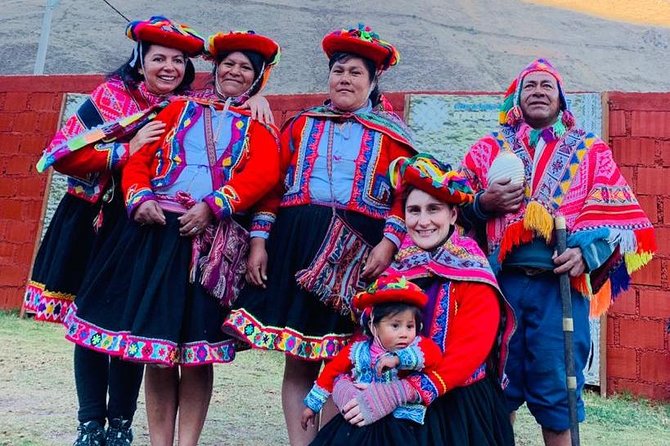
You’ll come out with a finished piece. Depending on the session and what you choose during the day, that can mean items like bookmarks, bracelets, or woven headbands (bincha). In several experiences, people chose bracelets, and others made bookmarks or headbands after learning the basics of weaving.
Even when the item differs, the structure stays the same: you dye yarn, you practice weaving with guidance, and you finish onsite so you can take your work home the same day.
The workshop also includes elegant packaging and a signed provenance card. That’s not just a nice touch. It reinforces that your piece ties to real people and real materials, not a generic souvenir.
Lunch, Coffee or Tea, and a Bit of Culture Along the Way
Your day includes lunch plus coffee or tea. The meal is repeatedly described as delicious, wholesome, and homecooked, and several experiences mention fruit and local ingredients.
One person even noted guinea pig being served as a delicacy, so if you’re curious about trying local food, you might get a chance here. If you’re not, you can still enjoy the meal as part of the day’s rhythm.
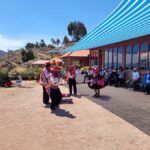
Culture doesn’t stop at the loom. Many experiences mention learning some Quechua, dressing up in traditional clothing at the end of the day, and finishing with dancing to a song. That mix—craft + language + celebration—makes it feel like a community day rather than a classroom performance.
If you’re the kind of traveler who wants your memories to include more than photos, these moments help.
Shop Time and the Smart Way to Buy
At the end, there’s time to visit the shop. This is a practical chance to compare what you made with what’s already woven by the artisans.
A few experiences mention that prices weren’t as scary as expected, and people bought items directly. My advice is to browse with two goals:
- find something you truly like (not just what’s affordable)
- ask how it’s made when you can
Also, since you already have dyed and woven materials in your mind, you’ll be better at noticing quality.
Price and Logistics: Is $420 Worth It?
For $420 per person with an about 8-hour day, you’re paying for several things at once:
- private hotel pickup and transport
- instruction from master weavers, including Ruth Pimentel
- hands-on dyeing and weaving using alpaca yarn and natural materials
- lunch plus coffee or tea
- a finished item made onsite with provenance packaging
Could you do a cheaper craft class in Cusco? Sure. But cheaper often means less time with the process and less connection to the people making the textiles. Here, you’re building skills across dye, yarn prep, and weaving. You also leave with yarn you dyed and a woven item (often bracelets, bookmarks, or headbands), which increases the value because you’re not just paying for a demonstration.
My balanced take: this is worth it if you want a full, working day and you’re excited by slow craft. It’s not ideal if you want a quick hit between Cusco sights or you dislike long drives and sitting.
Who This Workshop Suits Best
You’ll love this most if:
- you’re interested in natural dyeing and fiber craft
- you like hands-on learning where mistakes are part of the lesson
- you want cultural context tied to real practice
- you’re okay with a full-day schedule that starts early
It may feel less perfect if:
- you’re short on time in Cusco
- you hate long vehicle rides
- you want something mostly visual and not skill-based
If you’re solo, it still works well because the experience is private for your group, and the instruction is tailored through the day. If you’re with a partner or family, you’ll likely enjoy sharing the process and celebrating progress together.
Should You Book This Sacred Valley Textile Workshop?
If you’re torn, ask yourself one question: do you want to carry home a story you can explain, made with your own hands? If yes, book it.
I’d especially recommend it to textile lovers, gift-buyers who care about provenance, and anyone who’s skeptical of cultural activities that feel staged. The strongest parts of this experience are the personal teaching from Ruth Pimentel and master weavers, the fact that you dye and weave yourself, and the same-day finish with provenance packaging.
Just go in knowing it’s a full-day. You’re not rushing. You’re learning slowly, with focus—and that’s exactly why it’s memorable.
FAQ
What time does the workshop start?
Pickup is arranged with a start time of 8:30am.
How long is the workshop day?
Plan for about 8 hours for the full experience, including travel.
What will I make during the workshop?
You’ll create your own textile piece on-site. Depending on the session and choices during the day, this can include items like bracelets, bookmarks, or a woven headband.
Does the price include lunch?
Yes. Lunch is included, along with coffee or tea.
Will I dye yarn or just watch?
You’ll do the dyeing yourself. The workshop focuses on hand-dyeing alpaca yarn with organic materials and learning the process step by step.
Is this tour private?
Yes. It’s described as a private tour/activity, meaning only your group participates.
Do I need good weather?
Yes. The experience requires good weather, and if it’s canceled for poor weather, you’ll be offered another date or a full refund.
What if I need to cancel last-minute?
You can cancel for a full refund if you cancel at least 24 hours before the experience’s start time. If you cancel less than 24 hours before, the amount paid isn’t refunded.