REVIEW · COOKING CLASSES
Private Andean Cooking Class, Pachamanca
Book on Viator →Operated by Marcelo Batata Cooking Class · Bookable on Viator
Cusco tastes like the Andes when you cook it. In this private 3-hour Cusco class, you’ll move through classic Andean cooking steps that end with a shared meal in clay pots and plenty of tasting along the way. Think marinated flavors, corn-based tamales, spicy sauces, and traditional drinks that fit perfectly between ruins days.
I especially like two things: the class is built for all levels, and the format keeps you doing real cooking instead of watching from the sidelines. I also love the way ingredients are taught in context, starting with a private market stop so you understand what you’re using and why it matters in Andean diets.
One consideration: you start at 9:00 am and you’ll need to bring your original passport at the beginning for tax purposes. If you’re sensitive to spicy food, tell your chef in advance so the uchucuta heat is adjusted to your comfort.
In This Review
- Key things to know before you cook in Cusco
- Marcelo Batata Cooking Classes: the Cusco kitchen setup
- Price and value: is $150 per person actually fair?
- Welcome and marination: where flavor starts (and timing gets easier)
- Andean tamales: corn, tradition, and a hands-on technique
- The private market stop: your best shortcut to understanding Andean ingredients
- Uchucuta pepper sauce: learning heat with history in the background
- Chicha tasting: fermentation as culture, not a stunt
- Cooking the classic dishes and cocktails: from prep to real plates
- Final tasting in clay pots: the payoff moment
- Who this Pachamanca-focused class suits best
- Practical planning tips before you go
- Should you book this Private Andean Cooking Class in Cusco?
- FAQ
- How long is the cooking class?
- Where does the class start?
- What time does it start?
- Is it a private tour or shared group?
- Is English available?
- What’s included in the price?
- Is there a vegetarian option?
- Do I need to bring my passport?
- What dietary requirements can be accommodated?
- What’s the cancellation policy?
Key things to know before you cook in Cusco
- Private group, pro chef instruction means you get more hands-on attention than a bigger class
- Market tasting first helps you connect names like corn, peppers, and grains to what ends up on your plate
- Tamales + uchucuta bring two classic Andean staples into the same cooking flow
- Chicha tasting adds a traditional fermented drink experience that goes beyond just sampling food
- Pisco cocktails are part of the learning, with people often making drinks like Chilcano and Pisco Sour-style options
- Lunch is included (an appetizer plus a main), so you’re not guessing about meal value
Marcelo Batata Cooking Classes: the Cusco kitchen setup
This experience runs from the Marcelo Batata Cooking Classes meeting point at C. Palacio 135, Cusco 08002, starting at 9:00 am. It’s designed as a true private activity, so your group cooks together and only your group participates. That matters in Cusco, where mornings can disappear fast into sightseeing, and you don’t want to spend precious time waiting around or sharing space with strangers.
The class is led by a professional chef, and you get a steady structure that moves from prep to cooking to tasting. You’re also covered on the practical side: beverages, bottled water, and lunch (one appetizer and one main) are included. Even better, the lunch isn’t separate from the class. It’s tied to what you’re making and tasting, so the meal feels like part of the lesson rather than a detour.
One small planning note: the class operates in Spanish or English depending on what you request. If language matters for you, make that request at booking so you’re not negotiating mid-class.
You can also read our reviews of more private tours in Cusco

Price and value: is $150 per person actually fair?
At $150 per person for about 3 hours, this can feel like a splurge—until you map it against what’s included. You’re paying for (1) a private setup, (2) a professional chef instructor, (3) a market stop tied to the cooking, and (4) both food and drinks during the session.
When an experience is this short, value comes from efficiency. Here, the timeline is built to pack in multiple techniques: marination prep, corn-based tamales, pepper sauce work, and drink tasting. Then you finish with a final communal tasting in clay pots. Add in the included lunch and beverages, and the price becomes less about “just cooking” and more about a full culinary workshop with cultural ingredients.
If you’re deciding between a half-day cooking class that’s mostly watching and a private hands-on session like this, the private format is the difference-maker. You get more feedback while you cook, and the pace can fit your group.
Welcome and marination: where flavor starts (and timing gets easier)
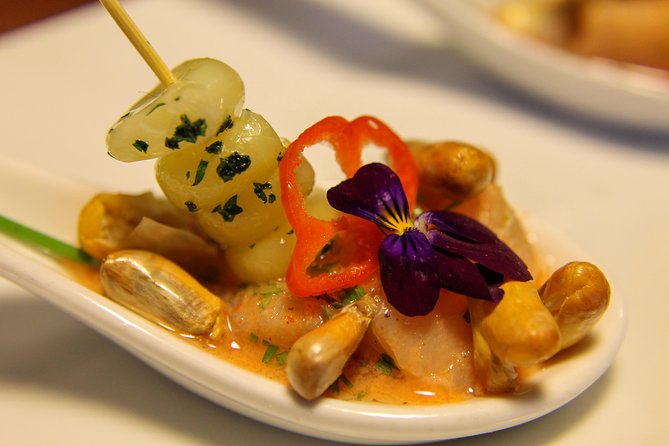
The class begins with a welcome that’s all about marination—learning how to prepare meats and other ingredients in a special sauce that boosts flavor and gets things ready for cooking. This is one of those steps that makes everything after it taste better, because it’s where you build depth instead of relying only on salt and heat.
What I like about starting here is that it gives you a mental framework. Once you understand the role of marination, you can see how later flavors land in your final dishes. And if you’re new to cooking, this is a beginner-friendly entry point: you’re not expected to master everything at once, but you do get the hands-on experience early.
Andean tamales: corn, tradition, and a hands-on technique
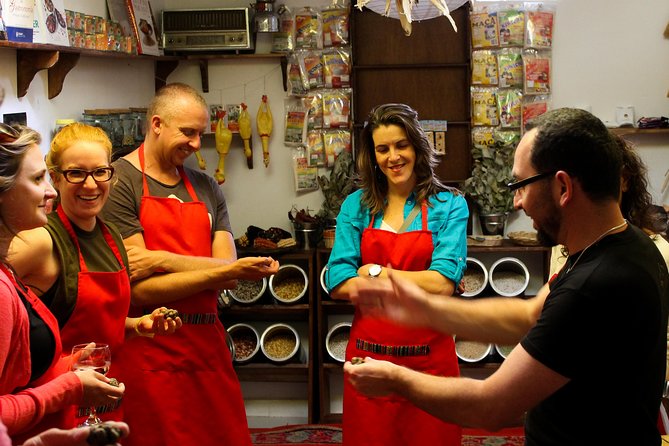
Next comes Andean tamales, using corn and an ancestral technique tied to the land and the region’s culinary tradition. Tamales can sound intimidating, but the lesson format here is paced as a cooking class for all levels. That’s important. You don’t need special skills to participate; you just need patience and a willingness to learn the sequence.
In a class like this, tamales do more than teach you a recipe. They connect technique with ingredient identity. Corn is not just an ingredient; it’s a foundation. Once you work with it in a guided way, you start understanding why Andean food relies on corn so often and why other flavors pair with it so naturally.
If you’re the type who wants something practical you can recreate at home, this is the part to pay attention to. Corn-based cooking methods tend to be the most transferable.
The private market stop: your best shortcut to understanding Andean ingredients
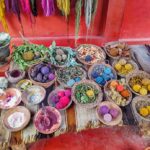
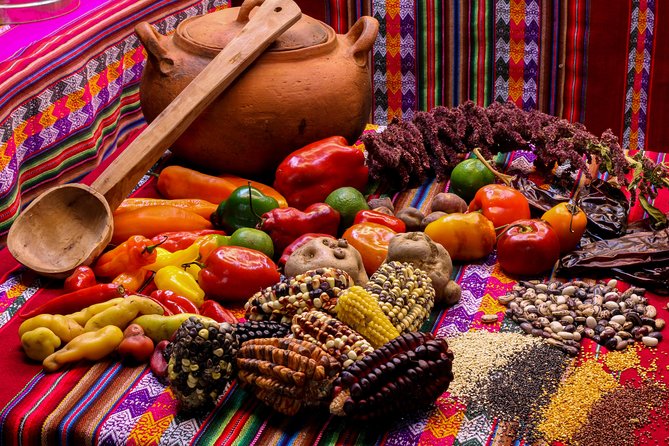
Then you head to a private market, which is one of the most useful parts of the whole experience. You’ll explore a variety of Andean products—think ancient grains and other items described as superfoods—while learning why these foods matter in Andean diet and culture.
A market stop isn’t just sightseeing. It changes how you cook. When you can match an ingredient’s name to what it looks like, how it’s processed, and how it’s used, recipes stop being abstract. They become repeatable.
This is also where you pick up practical “shopping brain.” Even if you don’t cook every day at home, you’ll walk away with a better sense of what to look for when you’re buying corn products, peppers, or grains. That’s a real value beyond the class itself.
You can also read our reviews of more cooking classes in Cusco

Uchucuta pepper sauce: learning heat with history in the background
After the market, you work on uchucuta, a spicy sauce described as a pepper sauce consumed by the Incas using traditional techniques passed down through generations. The point here isn’t only heat. It’s technique plus balance—how peppers, other ingredients, and seasoning come together into a sauce that can carry a dish.
Because uchucuta is meant to be spicy, this is the moment to speak up. If you want mild heat, say so early. A good chef will adjust while keeping the flavor logic intact. If you’re excited by spice, this step is one of the best chances to taste peppers in a prepared, intentional form rather than just as raw ingredients.
Chicha tasting: fermentation as culture, not a stunt
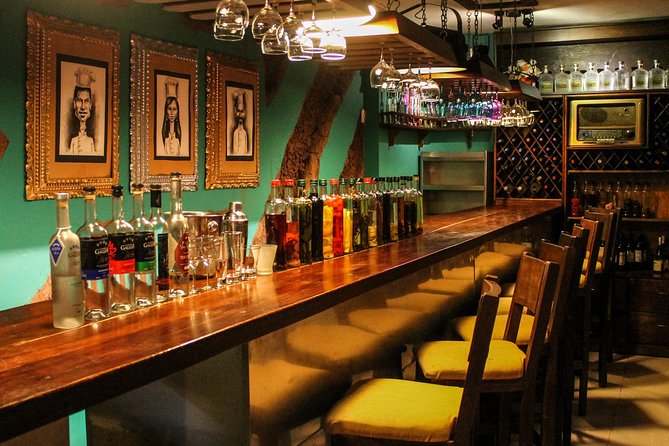
The class includes chicha tasting, described as the drink of the Incas and an ancestral fermentation experience. People often think of chicha as a novelty, but in a class like this, it’s framed as part of the broader food system: agriculture, tradition, and how communities create flavors over time.
What makes this valuable is how it broadens your understanding of cuisine. You’re not only learning food preparation. You’re learning how drinks fit into dining and culture. The fermentation angle also helps you appreciate why some flavors taste deeper and rounder than what you get from fresh ingredients alone.
If you’re unsure about fermented drinks, you can still enjoy the experience through the tasting and the explanations about what you’re sampling.
Cooking the classic dishes and cocktails: from prep to real plates
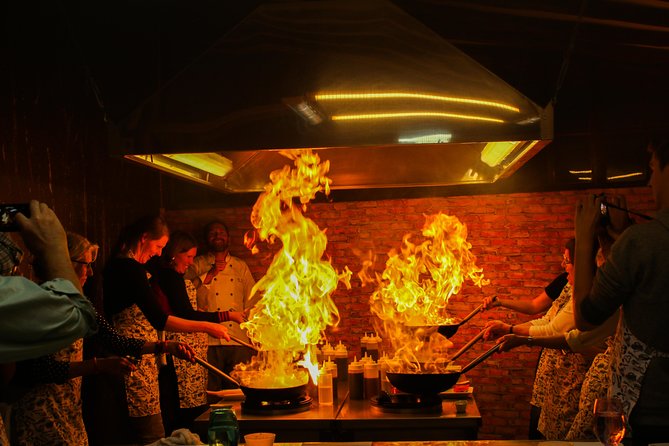
Throughout the class, you’ll learn to make classic Peruvian dishes and cocktails. While the exact dish list can vary by session, many past participants have done hands-on work with items like ceviche and lomo saltado, plus pisco drinks. In some sessions, the cooking includes high-energy wok moments and flambé-style flare-ups when preparing lomo saltado, which adds theater without turning the lesson into a show.
This part of the experience is where the private format pays off. If something moves too fast, you can ask questions in the moment. If your group has different comfort levels, the chef can adjust coaching so everyone stays engaged.
A few specifics you should look forward to in spirit:
- Ceviche work: hands-on preparation and tasting, with attention to how the balance of acidity and seasonings changes the final bite
- Lomo saltado: wok cooking that can include flambé steps, adding flavor through quick, hot technique
- Pisco cocktails: people often mention learning drinks like Chilcano and Pisco Sour-style options, with tasting built in before or during cocktail prep
Even if you’re not a confident cook, this is a class where your confidence grows during the session. You start with foundations, then move into cooking steps that build on each other.
Final tasting in clay pots: the payoff moment
The class ends with a final tasting of the dishes cooked in clay pots—an experience described as connecting you to the land and history of the Peruvian Andes. Clay-pot cooking tends to change how flavors feel: you often get more rounded warmth and a sense of the ingredients melding rather than staying separate.
This last stop is where you slow down. You taste what you made, see how the sauces and peppers affect the overall profile, and get a sense of what “classic” really means in this cuisine. For many people, this is the moment that makes the whole afternoon feel like a complete meal, not a cooking demo.
The timing matters too. It’s about 3 hours total, so you’re not stuck all day. It’s a good interlude between Cusco ruins and other activities.
Who this Pachamanca-focused class suits best
This is a strong fit if you want:
- A hands-on Cusco activity that doesn’t require cooking experience
- A private learning environment with a professional chef
- A mix of food and culture: market ingredients, Andean sauces, traditional drinks, and classic Peruvian dishes
- A short day plan that still feels substantial
It’s also family-friendly in practice. One past participant noted it worked well with children and grandparents, including mocktail options and kid-friendly support during cooking.
If you’re traveling solo, the private nature still makes sense because you’ll get more attention than in larger group formats. If you’re traveling with friends, it becomes a shared activity with built-in conversation around ingredients and technique.
The biggest mismatch would be if you want an ultra-restful afternoon with minimal work. This class is meant for doing, not just watching.
Practical planning tips before you go
Here’s what will help your session run smoothly:
- Bring your original passport at the beginning. It’s required for tax purposes.
- Request English or Spanish at booking so you’re not stuck mid-class.
- Tell them about dietary requirements in advance. A vegetarian option is available if you ask at booking.
- If spice is a concern, mention it before you start the uchucuta step, since it’s described as a spicy sauce.
- Plan your day around the 9:00 am start. A 3-hour block vanishes quickly in Cusco.
Also, since lunch is included (one appetizer and one main), treat it as a real meal plan. That makes it easier to eat well without budgeting for additional food right after.
Should you book this Private Andean Cooking Class in Cusco?
I’d book it if you want a focused Cusco food experience with real cooking, not just a tasting tour. The combination of a private market, hands-on Andean techniques (tamales and uchucuta), and traditional drink tasting (chicha and pisco cocktails) makes this feel like a culinary lesson with context.
Skip or reconsider if you’re highly time-flexible and hate early starts, because the class begins at 9:00 am and runs about 3 hours. Also factor in the passport requirement and the possibility that the uchucuta sauce is spicy unless adjustments are made.
If your goal is to leave Cusco with more than photos—if you want recipes, cooking intuition, and an actual sense of Andean ingredients—this is a smart use of your day.
FAQ
How long is the cooking class?
It lasts about 3 hours (approx.).
Where does the class start?
The meeting point is C. Palacio 135, Cusco 08002, Peru. The activity ends back at the meeting point.
What time does it start?
The start time is 9:00 am.
Is it a private tour or shared group?
It’s a private tour/activity, so only your group participates.
Is English available?
Yes. The class is operated in Spanish or English, depending on your request.
What’s included in the price?
The price includes beverages, a private tour, a professional chef, lunch (one appetizer and one main), and bottled water.
Is there a vegetarian option?
Yes. A vegetarian option is available if you advise at the time of booking.
Do I need to bring my passport?
Yes. You must provide your original passport at the beginning of the course for tax purposes.
What dietary requirements can be accommodated?
You should advise any specific dietary requirements at the time of booking.
What’s the cancellation policy?
You can cancel for free up to 24 hours in advance for a full refund. If you cancel less than 24 hours before the start time, the amount paid is not refunded. Changes made less than 24 hours before the experience start time aren’t accepted. The experience may also be canceled if a minimum number of travelers isn’t met, in which case you’ll be offered a different date or a full refund.