REVIEW · WEAVING & ALPACA EXPERIENCES
The Textile Workshop Experience in Cusco Region
Book on Viator →Operated by Andean Colors · Bookable on Viator
Wool, dyes, and alpacas in one afternoon. At Andean Colors in the Cusco region, you get a hands-on textile workshop where you’ll make a bracelet or bookmark using ancient-style techniques. The day also includes a cozy traditional lunch and a picture-friendly encounter with llamas and alpacas against the Andes.
I love that this isn’t a quick demo. You actually take part in the key steps, including washing/cleaning the wool and working the fibers into yarn before weaving your own piece. You’ll also hear the story behind the materials and the colors, with guides like Miguel and Paulita/Paolina guiding the process in plain, patient steps.
One drawback to plan around: private transportation isn’t included. If you’re not close enough to go by public transport, you’ll need to arrange a ride (the team can help).
In This Review
- Key highlights at Andean Colors (Cusco)
- Where the day starts: Andean Colors and your 4-hour flow
- The textile workshop: you make a bracelet or bookmark, not just watch
- Wool to yarn: cleaning, spinning, and the natural-color mindset
- Natural dye walk and “show me” moments with dye plants
- Llamas, alpacas, and mountain views: the animal encounter part
- Lunch: what you’ll eat and how it fits the schedule
- The on-site boutique: shopping with purpose and a value check
- Price and value: is $79 worth it?
- Who should book this workshop—and who might skip it
- Final call: should you book Andean Colors?
- FAQ
- How long is the Textile Workshop Experience in Cusco?
- What do I get to make, and do I take it home?
- What’s included in the price?
- What isn’t included?
- Is this a group tour or private?
- Can I cancel for a full refund?
Key highlights at Andean Colors (Cusco)
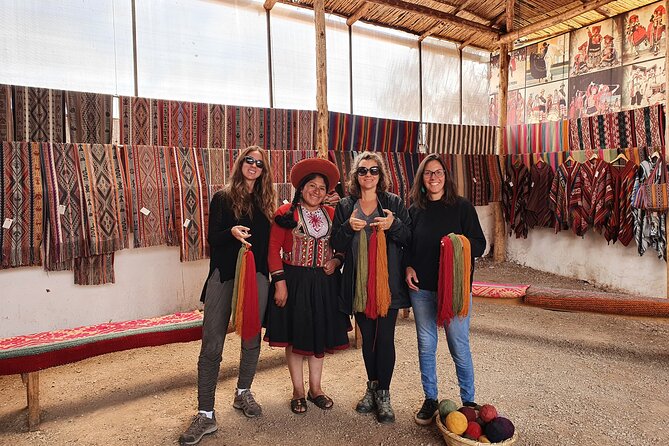
- Full hands-on textile process: wool prep, dyeing, spinning, weaving, and a take-home piece
- Natural dye work with ingredients gathered/used on-site
- Feeding and walking llamas and alpacas with Andes views
- Andean lunch included, and the meal is prepared with care (including dietary needs, when shared)
- Shopping on-site where purchases support women artisans/single mothers
- English-friendly guidance (Miguel is often mentioned as fluent, making it easier if your Spanish is rusty)
Where the day starts: Andean Colors and your 4-hour flow
The experience is based at Andean Colors, Racchi ayllu (08670), and it ends back at the same meeting point. The duration is listed at around 4 hours, so think half-day, not an all-day trek.
This is a private activity, meaning it’s only your group. That matters here, because textile work moves at a human pace. You’re not stuck watching from the sidelines.
It also says it’s near public transportation. In plain terms: if you’re already in the Cusco area and you’re comfortable moving around, you may be able to keep logistics simple. If you’d rather not mess with timing, the guides can help you arrange transport—some people specifically mention coordinating with Juan Carlos or other driver support.
Timing tip: this kind of calm activity can be a smart first step if altitude has you a bit slow. Many people like doing it early in their Cusco stay so they can adjust without jumping straight into a long hike.
You can also read our reviews of more tours and experiences in Cusco



The textile workshop: you make a bracelet or bookmark, not just watch
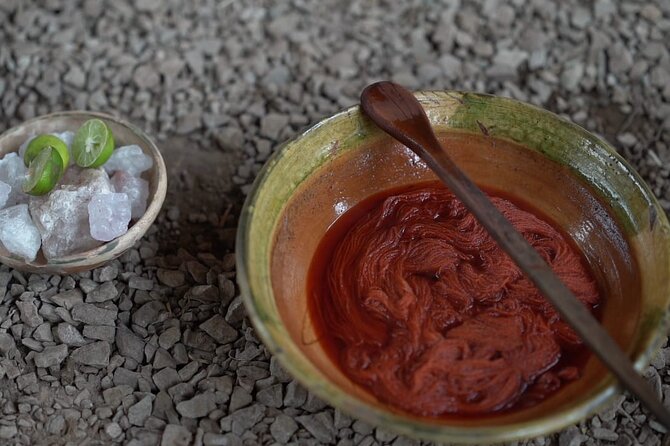
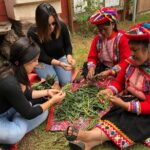
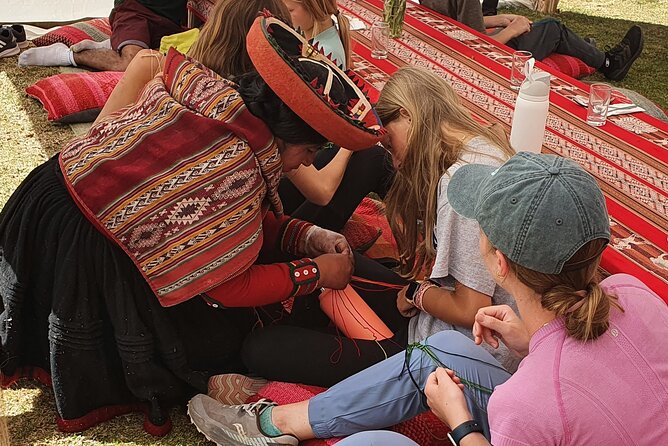
You’ll begin at the workshop and move through a complete textile session. The goal isn’t to admire textiles from a distance. You’ll learn and practice the work using materials and tools provided on-site, including wool, dyes, and the fabric tools you need.
Your final take-home creation is a bracelet or bookmark made with ancient-style techniques. That’s a big deal for value. When the tour ends, you don’t just leave with photos—you leave with something you can feel in your hands and actually use.
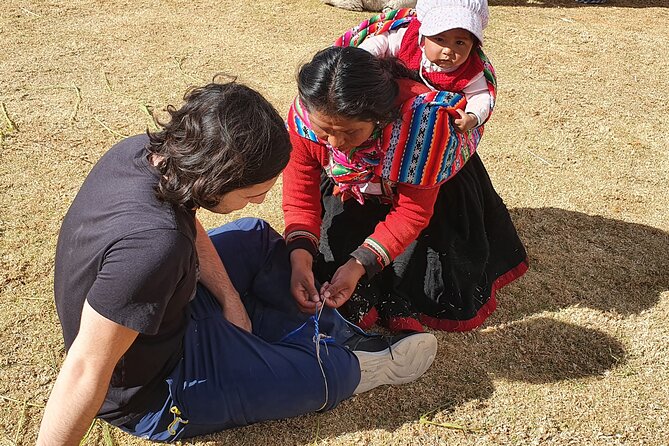
What makes this experience different is the amount of step-by-step participation. Multiple descriptions highlight that you do the major stages: wool prep, dyeing, turning fiber into yarn, then weaving. It’s the kind of class where you understand why the process takes time, because you’re doing the work, not just being shown it.
Also, the workshop is paired with a shop visit. There’s a large boutique on-site with authentic textiles and fine leather goods. If you like crafts, you’ll probably want to budget time to browse at the end—more on that below.
Wool to yarn: cleaning, spinning, and the natural-color mindset
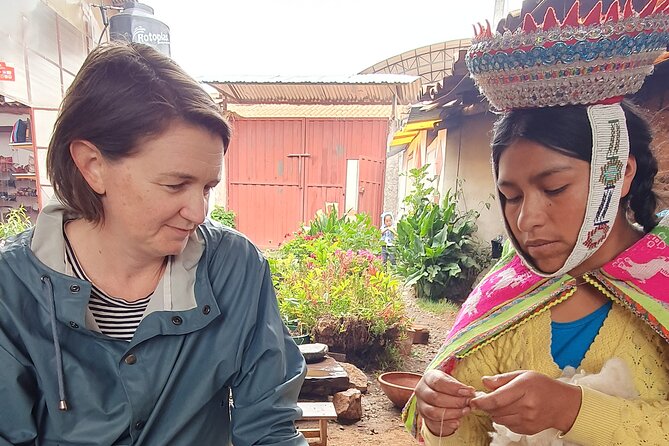
Here’s where the magic becomes practical. You start with raw wool (or at least raw fiber work begins immediately) and you learn how it gets prepared for dye and spinning. You’ll wash/clean wool as part of the process, then you’ll spin it into yarn.
One of the details people remember is the hands-on spinning approach—some descriptions mention spinning without a big machine setup, using a simple handheld tool method. Whether the exact tool varies by session, the point stays the same: you’ll learn the skill that turns fiber into usable yarn. That’s the step most “quick textile” tours skip.
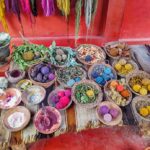
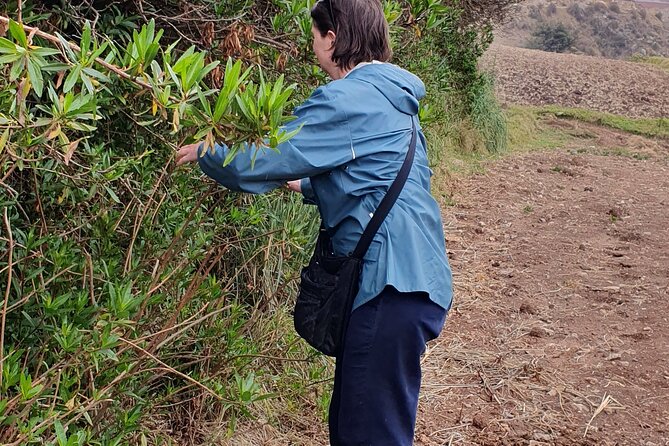
Then comes dyeing. This is not artificial-color talk. You learn how natural items produce color, and you’ll hear how the dye process fits into Andean textile tradition. Several descriptions mention collecting plants or other dye materials during the day—so you’re not only learning chemistry in theory; you’re seeing where the materials come from and how they’re used.
A few striking examples come up in people’s descriptions: cactus-related sources for certain shades, moss for a yellow tone, and other natural ingredients for different colors. Don’t expect to memorize every plant name, but do expect the session to make colors feel real. You start to understand why Andean textiles look the way they do.
This is also why the workshop feels calm rather than rushed. Natural dye work takes patience. You’ll feel that time built into the class.
Natural dye walk and “show me” moments with dye plants
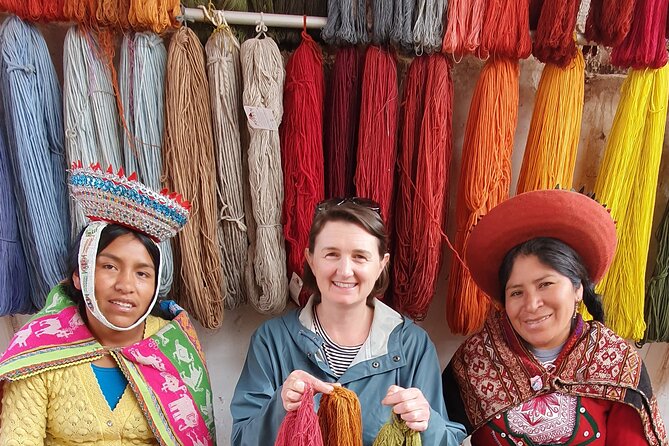
Many textile experiences treat dyeing like a lecture. Here, you typically get more action early on—there’s often a short walk at the start to gather or source dye materials, then you move into the dyeing stages.
That walk is worth it for two reasons:
- It gives context. You see the ingredients for color in the same countryside setting where the craft is practiced.
- It breaks up the day. After a few hours of sitting and weaving, a short outdoor stretch keeps your energy up.
Some people also mention a walk with llamas and alpacas to gather dye material. If that’s in your group’s flow, it’s a great combo: animal time plus craft learning, with views along the way.
If you’re the type who gets bored easily in workshops, this is where you’ll stay interested. It’s hard to check out when you’re picking plants or preparing dye materials with your hands.
Llamas, alpacas, and mountain views: the animal encounter part
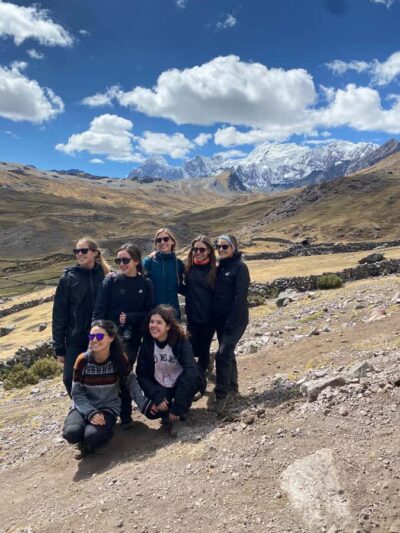
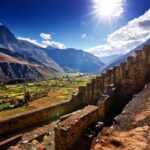
After the craft work, you get a charming encounter with llamas and alpacas. The day includes fresh grass so you can feed them during the visit. People also describe walking with the animals, plus a scenic overlook and clear countryside views with the Andes in the background.
This is the part that makes the workshop feel like a day outside, not just a craft class in a building.
A practical note: you’re feeding animals, so go easy with sudden movements and keep a calm pace. You’ll get better photos if you slow down and let the animals come to you.
Some descriptions mention special wildlife moments like the chance to see a baby alpaca. That’s not something you should count on, but it’s a good reminder that this is a working animal setting, not a staged petting zoo.
Lunch: what you’ll eat and how it fits the schedule
Lunch is included, and it’s described as traditional Andean food. The way people talk about it tells you something important: they treat meal time as part of the experience, not an afterthought.
You might see lunch described as soup plus a second course, or a hearty main such as chicken with potatoes and rice. What’s consistent is that it’s home-style and filling—good fuel for weaving (and for the walk/photo time with the animals).
Dietary needs: if you have restrictions, share them early. One detailed account praises the host for taking initiative after hearing about gluten-free and other limits. If you care about your meal matching your needs, message your diet details before arrival so they can plan.
What’s not included: soda/pop and bottled water aren’t part of the package. You can still have a great meal, but plan ahead for drinks. If you like water on hand, bring your own or pick it up nearby once you’re settled.
People also mention a bathroom on-site. That’s a small comfort detail, but it matters when you’re doing hands-on work and you’re away from the city.
The on-site boutique: shopping with purpose and a value check
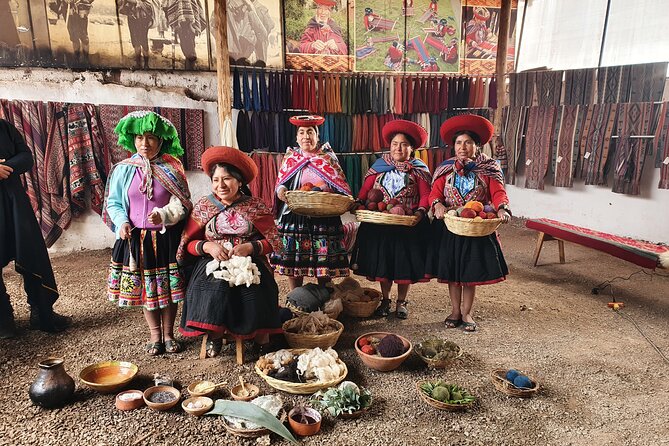
Andean Colors has a large boutique where you can buy handmade textiles and fine leather goods. This is more than souvenir shopping. Some descriptions emphasize that the purchase supports women artisans and helps single mothers through their work.
There’s also a practical price/value angle. A few people compare what they bought at Cusco’s main plaza before the workshop, saying the quality felt lower and the price higher than what they found at Andean Colors. Even if you don’t shop, that’s useful advice: if your plan includes buying textiles or leather items, make this your reference point before you spend.
My rule for this kind of stop: don’t buy everything on day one of Cusco. See how the workshop explains materials and dyeing, then shop with that context. By the end, you’ll know what questions to ask (and you’ll spot what’s cheaply made).
One more tip: some descriptions mention they take credit card. Still, don’t assume—bring a backup payment method if your budget depends on it.
Price and value: is $79 worth it?
At $79 per person for about 4 hours, the value is mostly in what’s included—not just the lesson.
You’re getting:
- the textile workshop itself (materials and instruction)
- wool, dyes, and tools for what you make
- lunch
- fresh grass for feeding llamas and alpacas
- a private format for your group
What’s extra (and common in Peru): private transportation isn’t included, and bottled water/soda aren’t included.
So the value calculation depends on your logistics. If you can reach the meeting point easily via public transportation, $79 looks like a solid deal for a hands-on craft + animals + lunch. If you need a private ride, that can add cost. Still, people often say the ride coordination is easy with the team, which can reduce stress even if it’s not technically included.
Bottom line: this isn’t just “see a textile demo.” You’re paying for participation and a take-home result.
Who should book this workshop—and who might skip it
This one fits best if you like hands-on activities, small skills you can repeat later, and learning why something works—not just how it looks.
It’s also a good fit for:
- families (multiple accounts describe kids enjoying it, including ages around 8 to 11)
- solo travelers who want a slower day and conversation
- first-day Cusco planners who want something calmer before big hikes
- people who care about buying crafts that support local women artisans
You might choose a different activity if:
- you’re only in Cusco for quick sightseeing and hate workshops
- you want a fully packaged day with private transport included in the base price
- you’re expecting a long, high-energy outdoor trek; this is more about craft + a short walk/animal time than all-day hiking
Final call: should you book Andean Colors?
Yes, if you want a Cusco-region experience that feels practical and different from the usual box-ticking. The standout strength is the complete textile process plus lunch plus animals—so the $79 doesn’t feel like you’re paying for a short explanation.
Book it early in your trip if altitude is a concern. And if you plan to buy textiles, come here before you start shopping in the city center. You’ll learn what good dye work and yarn production look like, and you’ll shop with better instincts.
If transport is your weak spot, message ahead for help arranging a ride or plan your public transport route. Do that, and you’ll spend the day doing something your hands can remember for a long time.
FAQ
How long is the Textile Workshop Experience in Cusco?
It’s listed at about 4 hours (approx.).
What do I get to make, and do I take it home?
You’ll create your own bracelet or bookmark using wool and techniques from the workshop, and you keep what you make.
What’s included in the price?
Included are the textile workshop, lunch, the wool/dyes/tools to make your item, and fresh grass for feeding the llamas and alpacas.
What isn’t included?
Soda/pop, breakfast, bottled water, and private transportation are not included.
Is this a group tour or private?
This is private—only your group participates.
Can I cancel for a full refund?
Yes. There’s free cancellation up to 24 hours before the experience starts for a full refund.