REVIEW · COOKING CLASSES
Cusco: Peruvian Cooking Class, Cocktails & Local Market Tour
Book on GetYourGuide →Operated by PERUVIAN CUSCO FLAVORS · Bookable on GetYourGuide
Pisco, cebiche, and a market crawl. This Cusco cooking class starts at San Pedro Market, then moves into a historic-center kitchen where you cook three classic Peruvian dishes and mix pisco cocktails. I especially like how the food lessons come with context, not just instructions, and I like that the class is led by Chef Jesus. One thing to plan for: it’s a full 4-hour afternoon with lots of tastings, so you’ll want to pace your energy.
You also get the best kind of hands-on travel: ingredients you saw at the market end up in your meal. The small group (up to 10) keeps it interactive, and dietary options are truly part of the plan rather than an afterthought. If you’re visiting with kids, note that it’s not suitable for children under 10.
In This Review
- Key Highlights I’d Prioritize
- San Pedro Market at Door Number 1: where Cusco food starts
- From market to kitchen: a short walk into historic-center cooking
- Cocktail time: pisco drinks, mocktails, and a fun entry point
- The cooking lesson: cebiche, causa limeña, and quinoa tamal
- Cebiche: citrus, timing, and texture
- Causa limeña: a layered potato base with personality
- Quinoa tamal: Peru’s grains in a comfort-food format
- Plating and flavor logic
- Eating together: savoring your work at the table
- Picarones with honey: the sweet finish (with options)
- Dietary options: how the class handles vegetarian, vegan, and gluten-free needs
- Value for $67: what you’re really paying for
- Who this Cusco experience suits best
- Should you book this Cusco cooking class?
- FAQ
- How much does the Cusco cooking class cost, and how long is it?
- Where do I meet for the San Pedro Market start?
- What dishes and tastings are included?
- Are cocktails included, and can I choose non-alcoholic options?
- Can the class accommodate vegetarian, vegan, and gluten-free diets?
- Is the tour guide instruction in English?
- What should I bring or wear?
- Is this experience suitable for children?
Key Highlights I’d Prioritize
- San Pedro Market orientation at Door Number 1, Cusco’s old-school food hub
- Cocktail making first, including pisco-style drinks and non-alcoholic options
- 3 hands-on dishes: cebiche, causa limeña, and quinoa tamal
- Small group size limited to 10, so questions actually get answered
- Sweet ending with picarones with honey, plus sugar-free and gluten-free options
- English-only instruction with a live guide and chef coaching
San Pedro Market at Door Number 1: where Cusco food starts
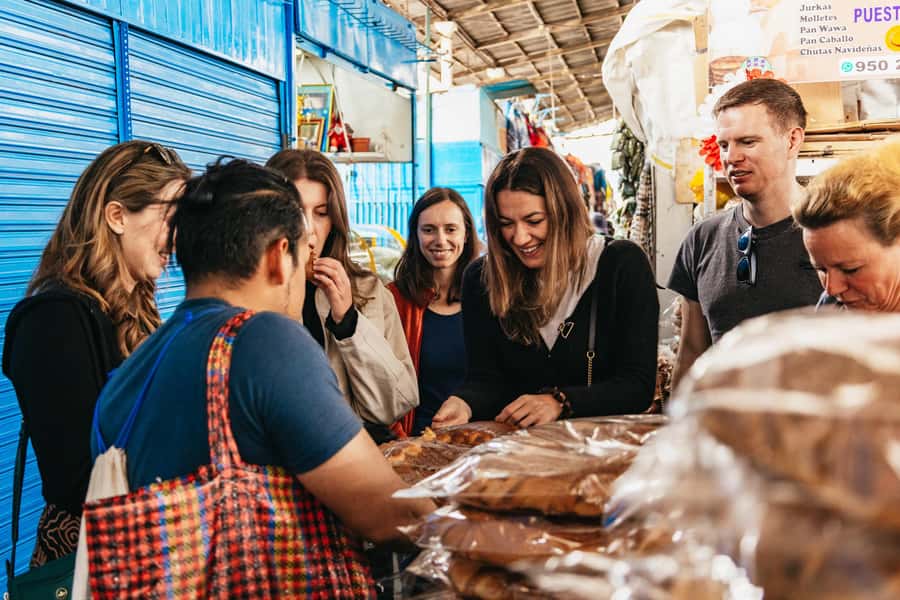
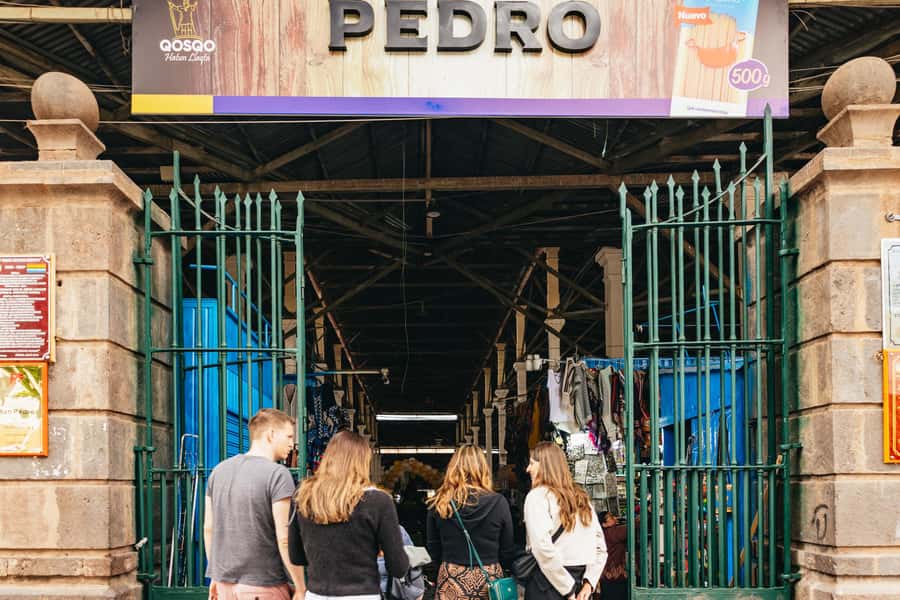
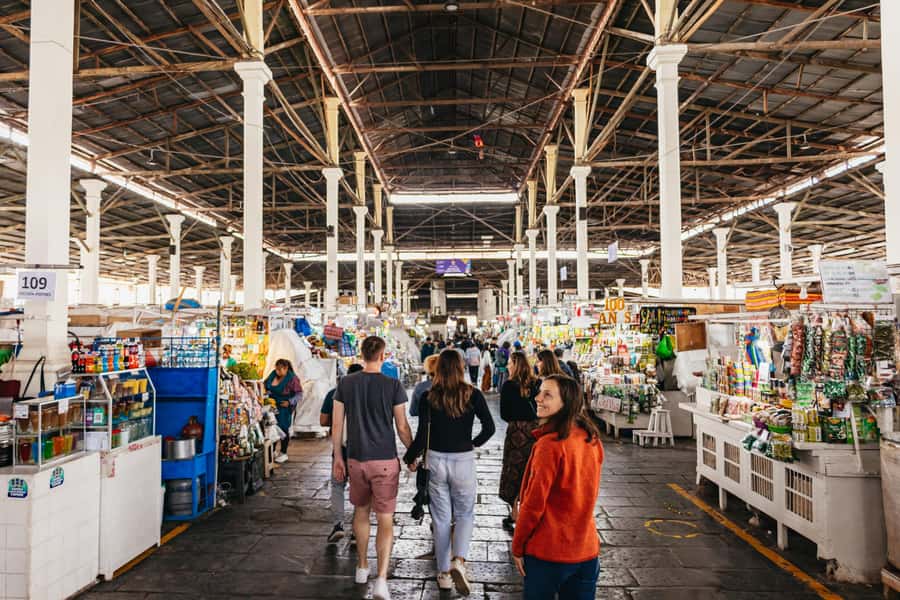
You meet at Door Number 1 at San Pedro Market. This matters because San Pedro isn’t just a backdrop. It’s an active market where you’ll see what Peruvian cooking is built on: produce, grains, dairy, and pantry ingredients that taste like they came from the region because they did.
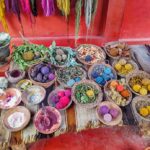
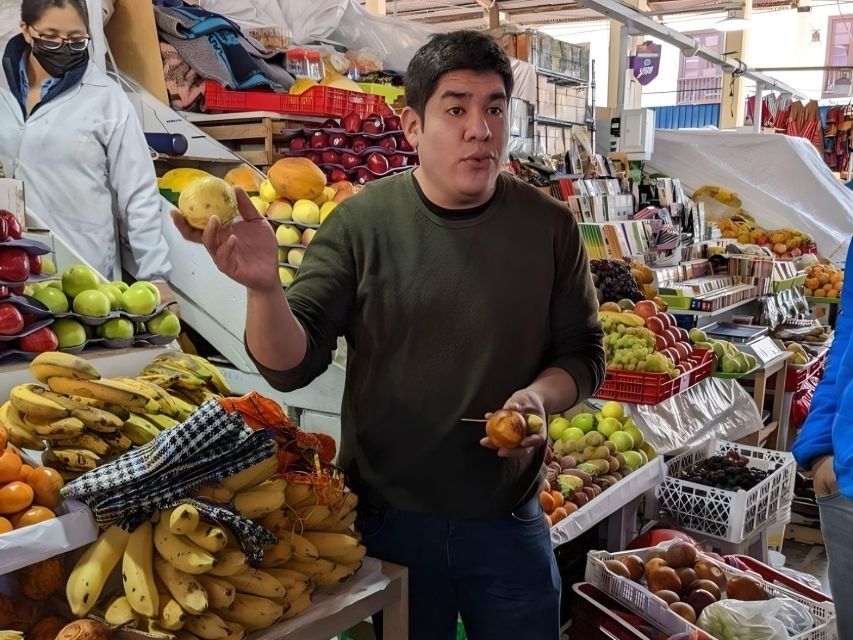
The market walk is designed to get your senses working. You’ll spot exotic fruits, local cheeses, bread, and chocolate and cacao. You’ll also see staples that show up in Cusco cooking every day, including quinoa and potatoes. Even if you’ve eaten Peruvian food before, it helps to understand the raw ingredients in front of you, not just the finished plate.
One practical reason to like this market start: you stop guessing. When you later make cebiche or assemble causa limeña, you’ll know what you’re looking for and why certain flavors belong together. That’s the difference between eating a dish and learning how it’s built.
You can also read our reviews of more shopping tours in Cusco
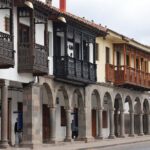
From market to kitchen: a short walk into historic-center cooking
After the market portion, you take a short walk to the cooking studio in the historic center of Cusco. The move is quick, but it changes the vibe. The street noise fades and the kitchen becomes the main event.
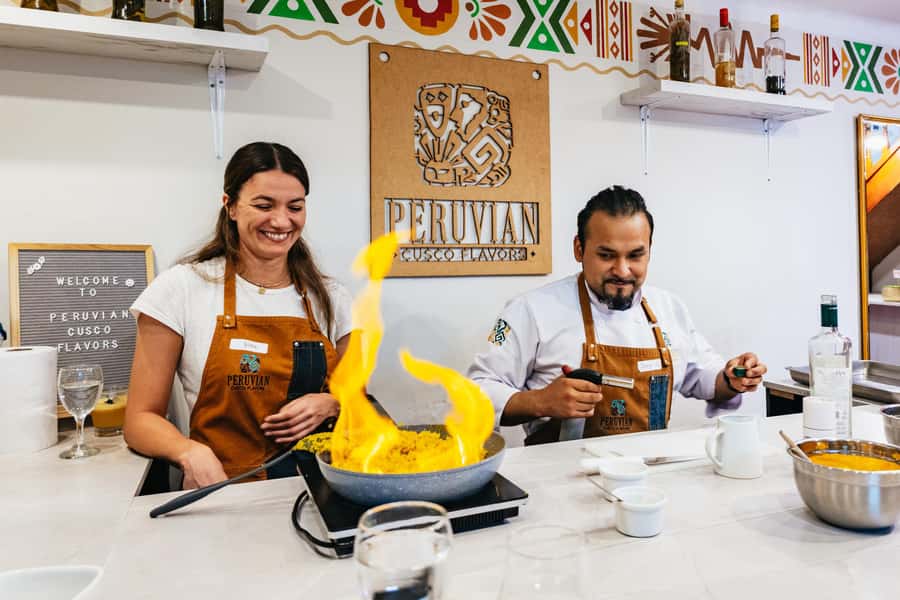
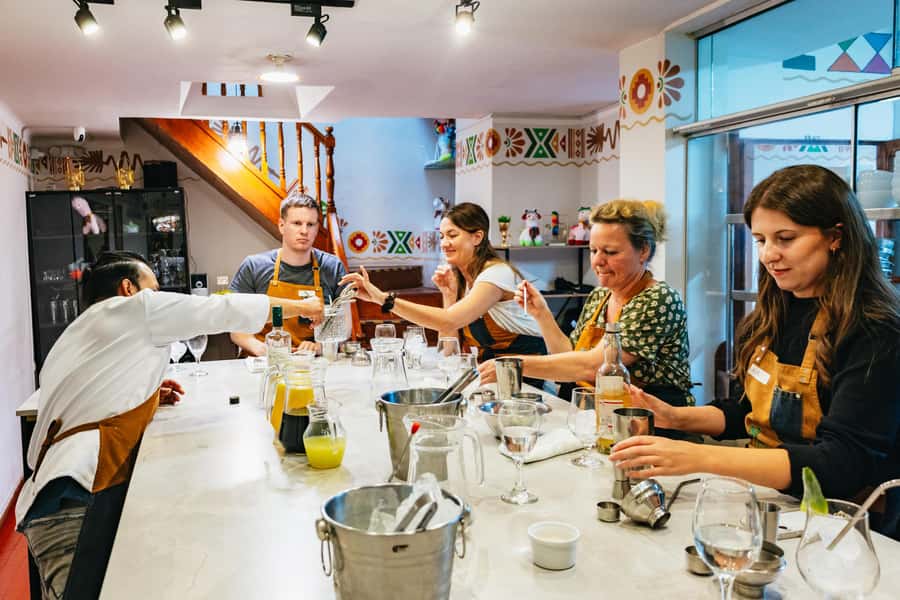
The class setup is very geared toward people who want to learn without stress. You’ll get set up, tie your apron, and start working in a small group environment where the chef can watch what you’re doing. With a max of 10 participants, it feels more like a working table than a show with spectators.
You’ll also want to dress for comfort. Bring comfortable shoes and comfortable clothes, because you’ll be on your feet during the market walk, then standing and moving around in the studio. If you’re already feeling the altitude in Cusco, this is still manageable, but it’s not a seated-only activity.
Cocktail time: pisco drinks, mocktails, and a fun entry point
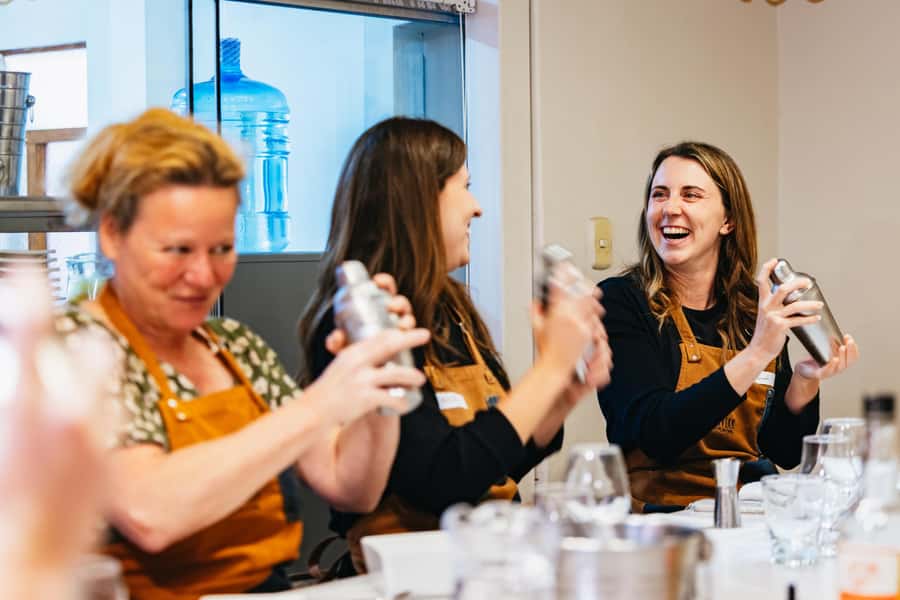
One of the best pacing choices in this class is that cocktail making happens early. You begin by crafting a Peruvian cocktail while the chef sets expectations for how the lesson will run.
You’ll make two pisco cocktails as part of the experience. The good news is that there are non-alcoholic recipes available, so you can still participate fully in the mixing, tasting, and flavor-building without having to sit out.
This part of the experience is more than sipping. It’s a lesson in balancing flavors. Pisco drinks rely on a careful mix of fruit, acidity, and sweetness, and that same skill shows up later in how Peruvian dishes get layered. By the time you start cooking, you’re already thinking like a cook, not just a consumer.
If you’d rather keep it zero-proof, treat the mocktail option as a win. You still get the same rhythm and the same hands-on confidence boost.
The cooking lesson: cebiche, causa limeña, and quinoa tamal
The class teaches you three beloved dishes: cebiche, causa limeña, and quinoa tamal. The chef explains step by step how to prepare each one, so you’re not left to figure things out alone.
Cebiche: citrus, timing, and texture
Cebiche is one of those dishes where technique is everything. It’s not just about adding seafood and lemon or lime. You learn how the flavors come together and how the dish should feel when it’s ready.
What I like about cooking this in Cusco is that the lesson connects the finished plate to the ingredients you saw at the market. Citrus notes, seasoning, and freshness matter, and you get a real sense for what changes when something is overdone.
You can also read our reviews of more tours and experiences in Cusco
Causa limeña: a layered potato base with personality
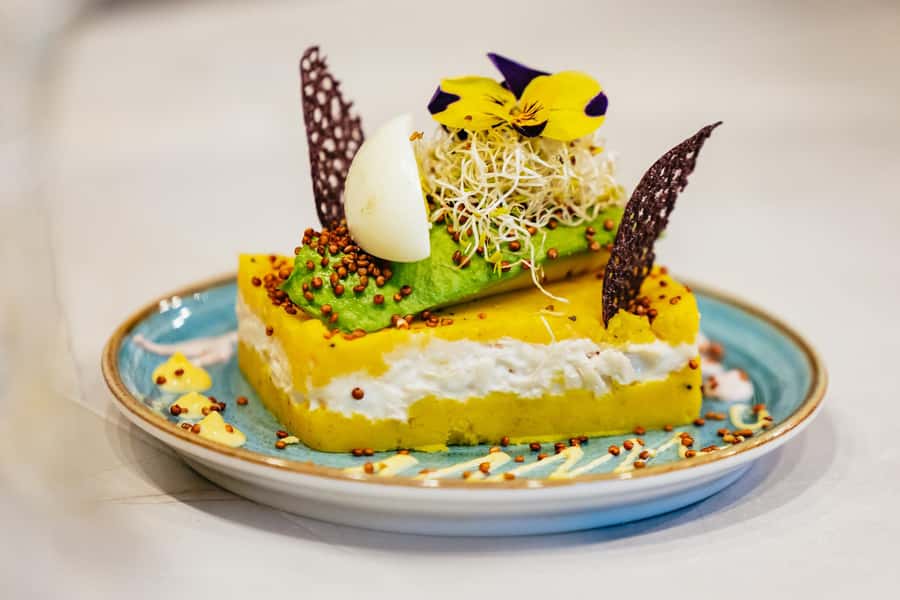
Causa limeña is all about structure. You’re assembling a dish with a creamy potato base and a filling that brings the brightness. Even if you’re not used to cooking, this is a “learn by building” dish, and it’s very satisfying when it comes together in front of you.
Many classes like this are hands-on, but they tend to vary in how much chopping versus assembling you do. Here, the experience feels guided: you participate, but the chef keeps things moving so everyone finishes and can eat what they made.
Quinoa tamal: Peru’s grains in a comfort-food format
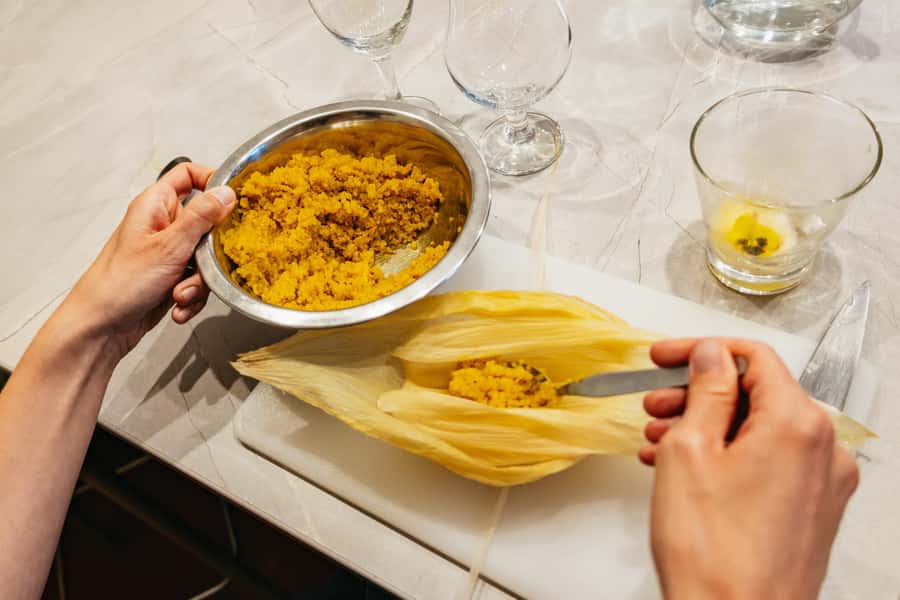
Then comes quinoa tamal, a dish that helps you see quinoa in a new way. Instead of thinking of quinoa as only a side, you get to make it part of a more comfort-food style preparation.
Quinoa is a Cusco staple, so this dish is especially relevant to the region. You’ll end up with a stronger understanding of why people treat it as more than a trend.
Plating and flavor logic
One theme that shows up throughout this class is that the chef doesn’t just say, do this next. The instruction also includes explanations behind why dishes are made that way. Many sessions also emphasize plating, so you get tips on making the final dish look like something worth sharing.
This is a big deal if you’re cooking at home later. If you can recreate the setup and feel confident with the sequence, you’ll actually use the recipes.
Eating together: savoring your work at the table
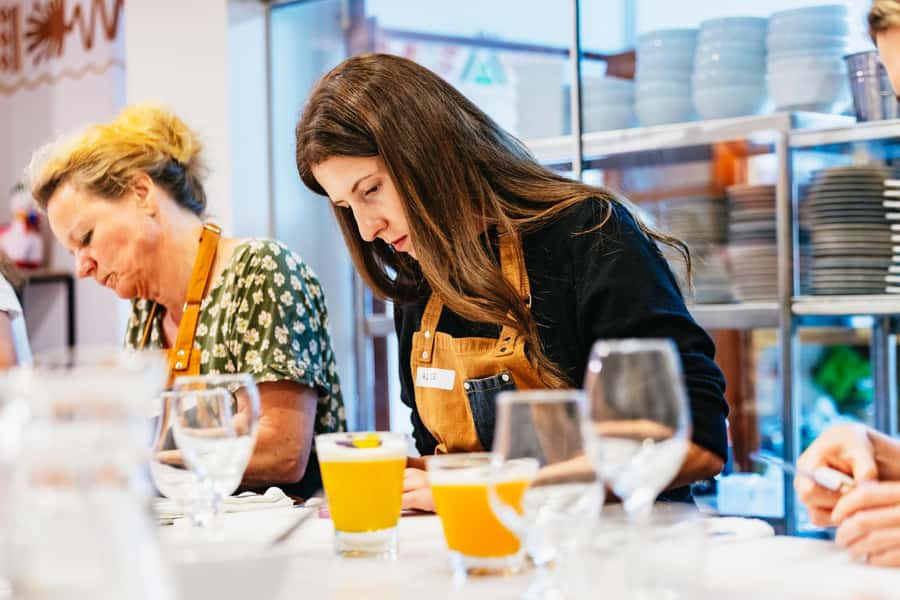
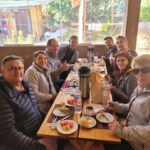
After you cook, you sit down and enjoy what you prepared. There’s something motivating about eating the results right away, and the table sharing adds to the experience.
You’ll also have water included, which is handy during a 4-hour activity in Cusco. Food and drinks are part of the loop, but the meal break lets everyone regroup, trade stories, and compare what they think they nailed.
A practical tip: come with an appetite. The class is structured so you build, taste, and eventually eat multiple dishes plus desserts. It’s not a light snack stop; it’s a proper meal event.
Picarones with honey: the sweet finish (with options)
To end, you get picarones with honey. This is a classic Peruvian sweet, and it’s the right kind of finale after the savory cooking and cocktail building.
The experience also includes options: there are sugar-free and gluten-free choices available for picarones. That means the ending stays part of the experience, not something you have to skip because of dietary needs.
If you’re a dessert person, don’t rush through this portion. The sweet finish rounds out the flavors and makes the whole 4-hour arc feel complete.
Dietary options: how the class handles vegetarian, vegan, and gluten-free needs
This is one of the smoother parts of the experience. The class offers vegetarian options, a vegan menu, and a gluten-free menu. It’s also set up so you can make choices without derailing the cooking flow.
You should plan to tell the team your needs clearly at the start, since the class runs in English. When you’re dealing with gluten-free or vegan changes, being explicit early makes the cooking process smoother.
The good sign here is that the options aren’t limited to one part of the meal. You can adapt the dishes and also keep the sweet ending aligned with your dietary preferences.
Value for $67: what you’re really paying for
At $67 per person for a 4-hour experience, this class is priced like a high-impact activity. You’re not just paying for ingredients and a chef. You’re paying for a full learning package:
- A market tour at San Pedro Market, where you see key ingredients in context
- A professional chef guiding you through three dishes
- Two cocktails (with non-alcoholic versions available)
- Picarones tasting with honey
- Ingredients, water, and an English-speaking guide
- A small group setting (up to 10), so it doesn’t feel anonymous
For Cusco, where good food experiences can add up fast, this strikes a practical balance. You get a market orientation, cooking practice, and an actual sit-down meal experience, all in one afternoon. If you’re comparing it to doing a market walk on your own plus booking a separate cooking session, the combo format is where the value is.
Also, the class is built for repeat confidence. When you leave, you have a better mental map of Peruvian flavors and how they connect to ingredients you can find at home.
Who this Cusco experience suits best
This cooking class is a strong pick if you want a hands-on Cusco activity that also teaches you what you’re eating. It’s ideal for:
- Food lovers who want more than a taste menu
- Couples or small friend groups who like shared work at the table
- People acclimating to Cusco and wanting a social activity that isn’t strenuous
- Vegans, vegetarians, and gluten-free diners looking for real meal options
It’s also a good choice if you’re the type who forgets recipes, because learning how dishes are assembled makes it easier to recreate later.
The main mismatch is children. It’s not suitable for children under 10, so plan accordingly if you’re traveling with younger kids.
Should you book this Cusco cooking class?
If you’re choosing between a simple market stroll and a cooking session, I’d lean toward this one. The market start gives you context, then the kitchen turns that context into skills you can use again. Add cocktails, a shared meal, and picarones, and you’ve got a full 4-hour food-focused day.
Book it if you want San Pedro Market plus cooking plus drinks, all with an English-speaking guide and real dietary options. Skip it if you’re looking for a short, casual activity, or if you want a quiet, low-people experience.
If you like learning by doing, this is the kind of Cusco outing that sticks. You’ll leave with dinner solved, plus a better sense of how Peru’s flavors fit together.
FAQ
How much does the Cusco cooking class cost, and how long is it?
The price is $67 per person, and the experience lasts 4 hours.
Where do I meet for the San Pedro Market start?
Meet at Door Number 1 at San Pedro Market.
What dishes and tastings are included?
You’ll learn three recipes: cebiche, causa limeña, and quinoa tamal. The class also includes a picarones tasting with honey.
Are cocktails included, and can I choose non-alcoholic options?
Yes. You’ll make and enjoy 2 pisco cocktails. Non-alcoholic recipes are available.
Can the class accommodate vegetarian, vegan, and gluten-free diets?
Yes. Vegetarian options, a vegan menu, and a gluten-free menu are available.
Is the tour guide instruction in English?
Yes. The guide provides instruction in English only.
What should I bring or wear?
Wear comfortable shoes and comfortable clothes.
Is this experience suitable for children?
No. It’s not suitable for children under 10.