REVIEW · OLLANTAYTAMBO
From Cusco: Sacred Valley ending in Ollantaytambo and Lunch
Book on GetYourGuide →Operated by Exploor Trip E.R.L · Bookable on GetYourGuide
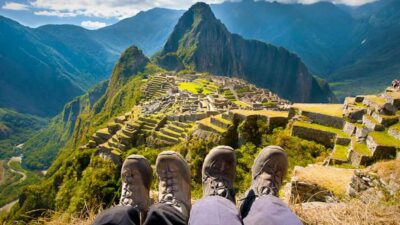
Morning light on Inca stone.
This one-day Sacred Valley tour strings together Pisac and Ollantaytambo with a lunch stop in Urubamba, so you get major views of the Urubamba River valley and mountain ruins without burning multiple days. I like the simple structure: early pickup from central Cusco, scenic driving, guided archaeological time, then you’re dropped near Ollantaytambo’s train station when it’s done.
What I like most is the combination of two anchor sites (Pisac’s archaeological center and Ollantaytambo’s Inca town/fortress) plus the fact that lunch is included in Urubamba. I also like that the drive itself is part of the experience, with the road following the Urubamba River and passing through towns and crop fields.
One possible drawback: this is a tight schedule, so you may not get long, slow time in every stop. Also, you’ll have to plan for entrance fees not included, and a couple of practical hiccups (like contact or ticket timing) can affect how smooth your morning feels.
In This Review
- Key highlights at a glance
- Why the Sacred Valley route works in one day
- Getting picked up in central Cusco: what an early start really means
- The Urubamba River drive to Pisac: scenery with a purpose
- Entering the archaeological center of Pisac: ruins on the mountain
- Urubamba lunch: local break before Ollantaytambo
- Ollantaytambo: fortress power and a town you can still walk
- Price and logistics: is $22 a good deal for a day?
- Practical tips so your day runs smoothly
- Who this tour is best for
- Should you book this tour?
- FAQ
- How long is the tour?
- Where does the tour start?
- What stops are included?
- Is lunch included?
- Are entrance fees included?
- Will there be a live guide?
- What languages are available?
- Where do I end after the tour?
- Is there free cancellation and a pay-later option?
Key highlights at a glance
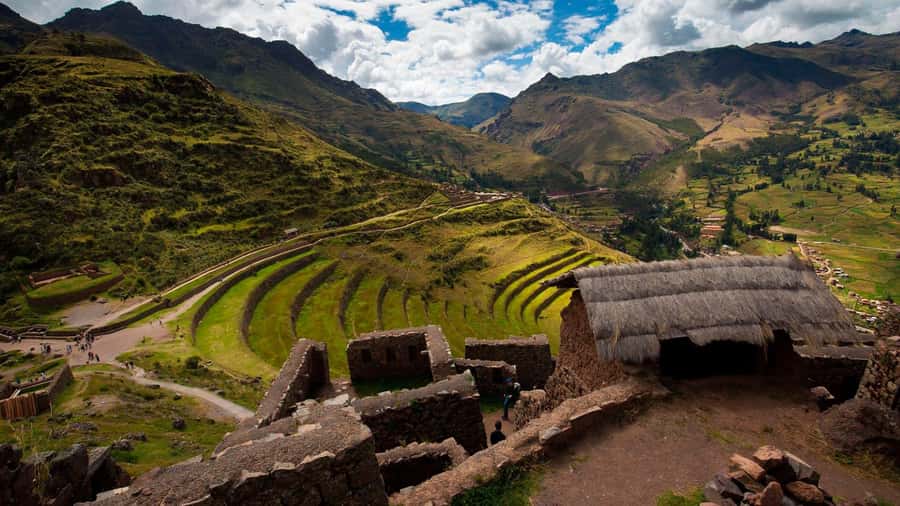
- Pisac ruins on the mountain: Big photo views and a guided look at how the Inca used the site.
- Urubamba River drive: Towns, terraces, and fields along the route, not just “transfer time.”
- Lunch in Urubamba: A straightforward mid-day break before the afternoon focus on Ollantaytambo.
- Ollantaytambo as a living Inca town: You’ll see the stone fortress idea and the town’s strategic layout.
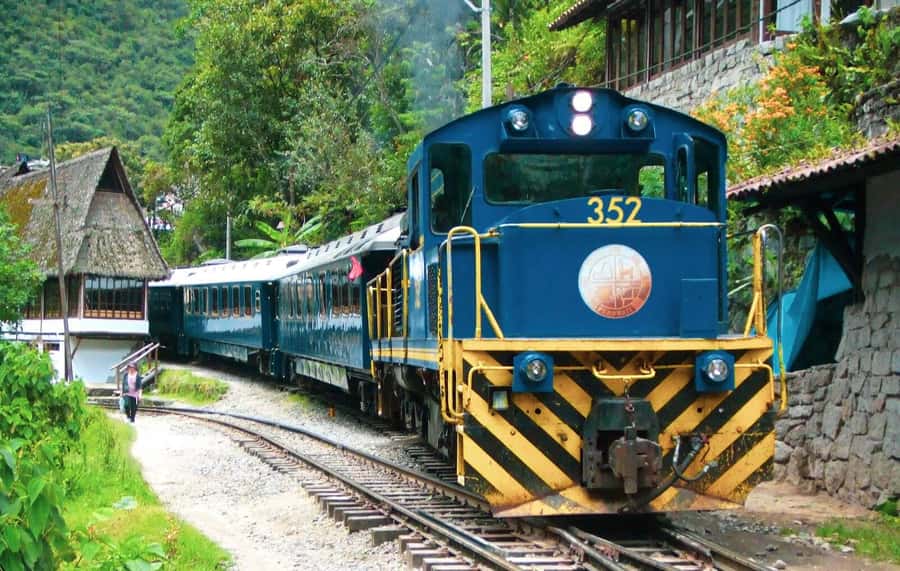
- Ends near the train station: Easy handoff if you’re continuing onward by rail.
Why the Sacred Valley route works in one day
The Sacred Valley can swallow your time fast. This itinerary avoids that trap by choosing two stops that naturally connect: Pisac first, then Ollantaytambo. You spend the day moving from ruins-with-views to a real town where the Inca building style still shapes the place.
The best part of this format is pacing. You’re not trying to do everything at once. Instead, you’re building a mental map: terraces and mountain-side sites in the morning, then fortress-and-settlement in the afternoon.
You can also read our reviews of more tours and experiences in Ollantaytambo
Getting picked up in central Cusco: what an early start really means
You’ll start with an early pickup from your hotel in Cusco’s historic center. That’s a big deal in practice, because Sacred Valley travel times are real, and later starts can compress your site time.
Before you go, do one thing that makes your day easier: send a WhatsApp number when you book. The activity info specifically asks for it, and good communication matters when pickup points are involved. If your plan includes any extra logistics (like where you’ll meet, or whether you have bags), having a working WhatsApp thread helps you avoid stress.
Bring layers. Cusco-area mornings can feel cooler, and mountain air changes quickly as you move down and back up through the valley.
The Urubamba River drive to Pisac: scenery with a purpose
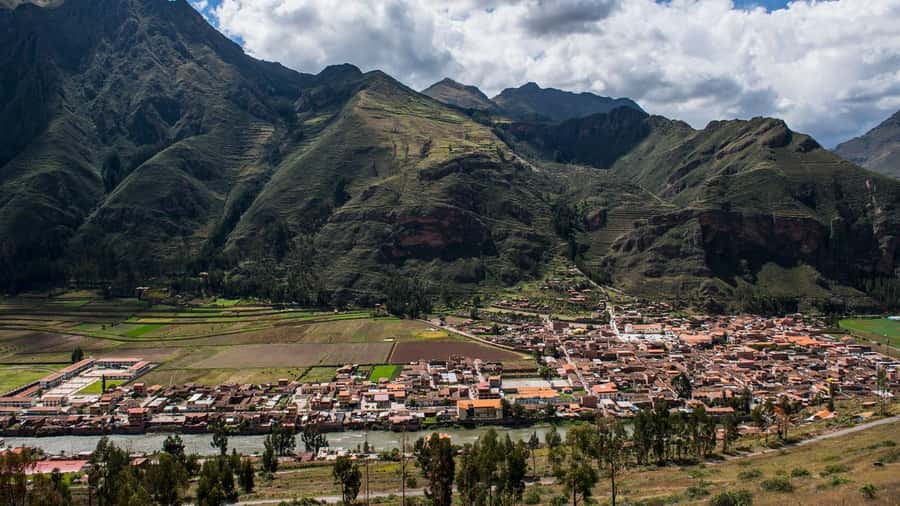
Once you leave Cusco, the route runs alongside the Urubamba River. This isn’t random sightseeing; it’s the spine of the valley. The road borders the river, and you’ll see towns and mostly crop fields sliding by as the day settles into that broad valley rhythm.
What I like about driving here is that you get “context” while you’re in transit. The terraces, the way farmland sits on slopes, and the sense of settlement patterns start making sense before you even reach Pisac.
For photos, this is the part where you can grab wide shots without fighting crowds. Window time is quick, so keep your camera ready and don’t overthink settings.
Entering the archaeological center of Pisac: ruins on the mountain
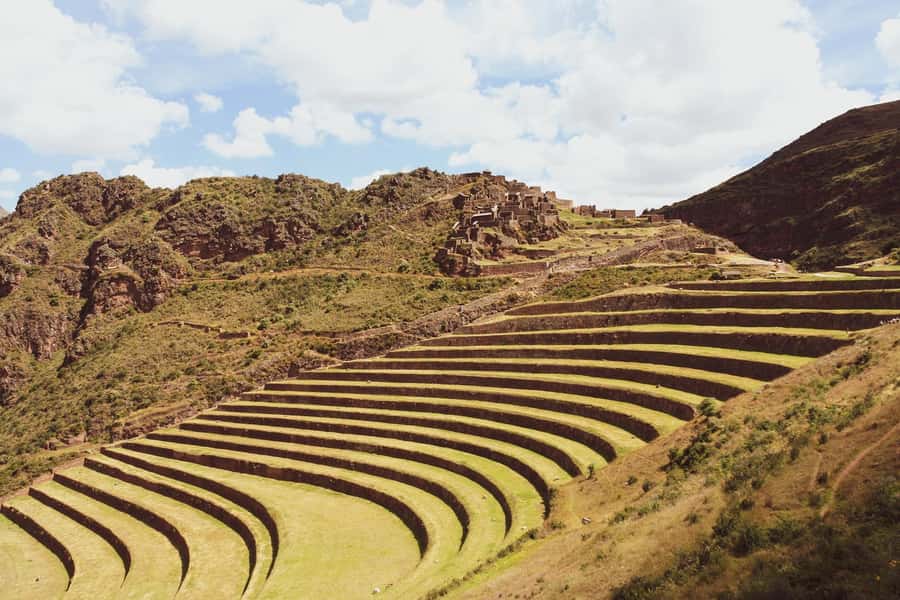
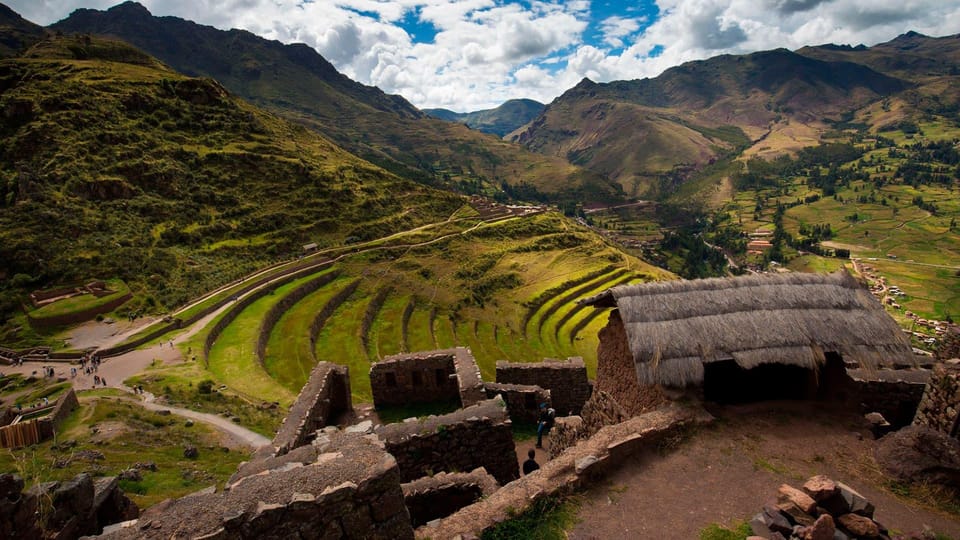
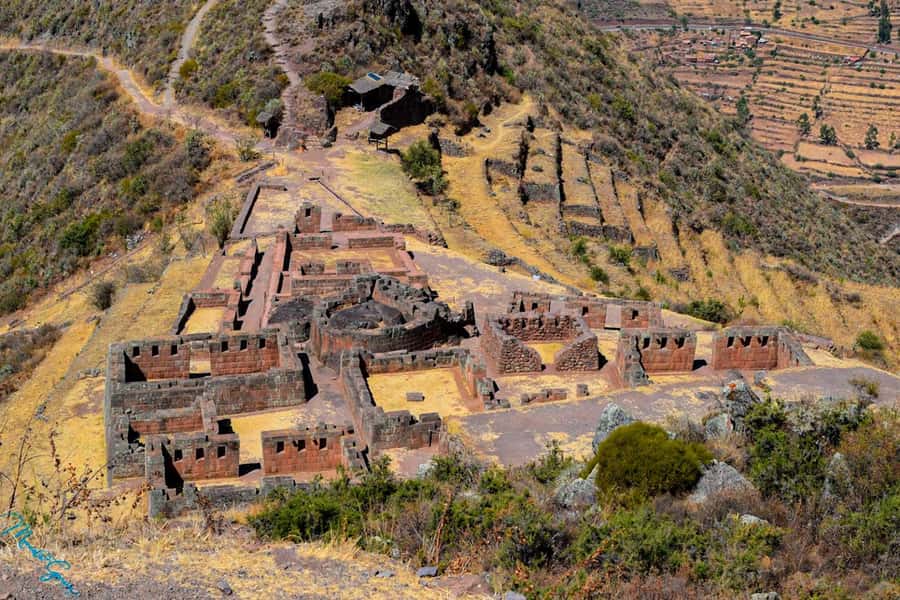
Pisac is the first major archaeological stop, and the payoff is visual. As you get closer, you can see the ruins on the mountain ahead, which immediately tells you this place wasn’t built for comfort. The Inca chose strong lines and defensible positioning, and you’ll feel that logic when you get there with your guide.
A guided visit helps because Pisac isn’t just a pile of stones. You’re learning the site’s role in Inca life and how the archaeological center fits into the Sacred Valley story. The guide is also your best “translation tool” here—stone features can look similar at first glance, and guidance helps you tell them apart.
Practical note: entrance fees are not included, so you’ll need to budget for them. If you don’t plan ahead, you can lose time—especially if ticket payment becomes inconvenient. A smooth strategy is to handle tickets before you arrive, or at least be ready with whatever payment method you’re likely to need.
Wear shoes with grip. Some paths can be uneven, and you’ll get more out of the visit if you can move steadily rather than watching your footing every step.
Urubamba lunch: local break before Ollantaytambo
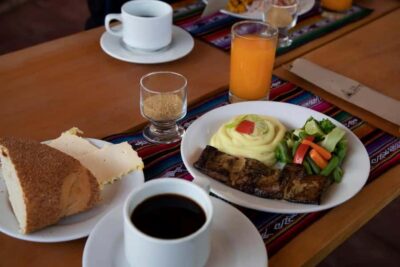
After Pisac, you head toward Urubamba, where lunch is included in a typical restaurant in the area. This is one of the more solid pieces of value in the whole day, because it’s not “just a snack.” It gives you energy for the afternoon site walk and town exploring.
Keep expectations realistic: the listing says lunch is included, but it doesn’t promise extra meals or drinks beyond what’s described. If you’re the type who likes a full lunch with beverages, bring a bit of cash or a backup plan for what’s not covered.
I like this timing because it reduces decision fatigue. You’re not hunting for food during the tight schedule. You just eat, reset, and go back into Inca-mode for Ollantaytambo.

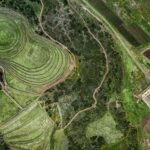
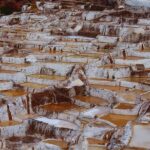
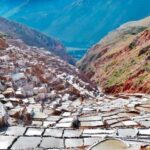
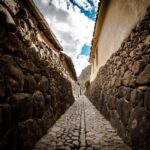
Ollantaytambo: fortress power and a town you can still walk
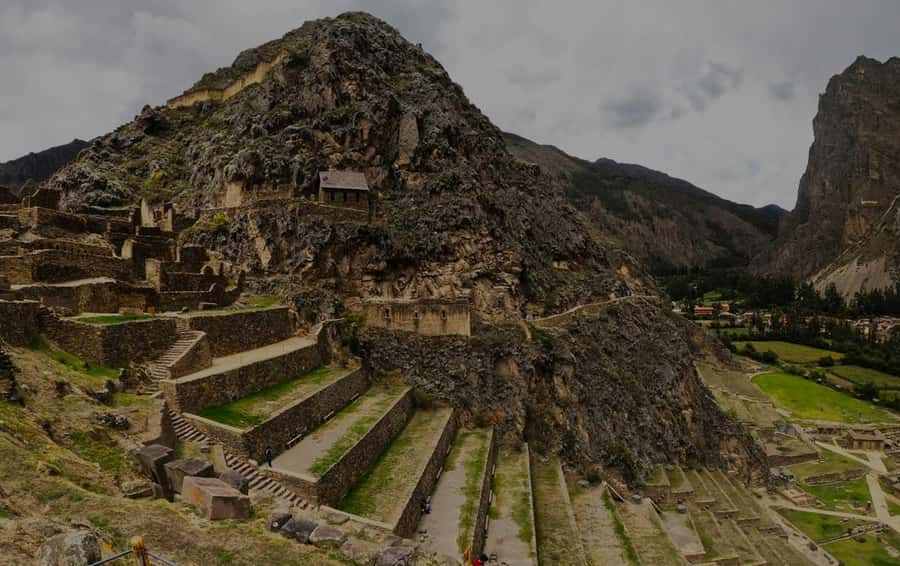
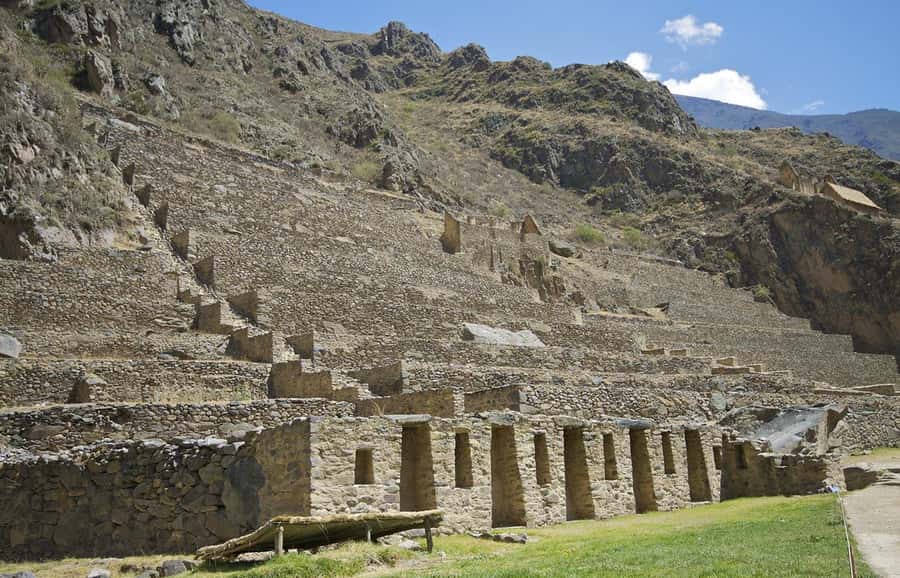
Ollantaytambo is where the tour shifts from “archaeological site” to “Inca town.” You’ll visit the charming settlement and its strategic stone construction, including the fortress elements that served military, religious, and administrative purposes.
This is also the stop with the strongest sense of place. Ollantaytambo isn’t just ruins behind a fence. Even with a short schedule, you’re walking a living layout shaped by Inca-era engineering. That’s what makes the experience stick: you can see how the planning affects movement and viewpoints even now.
The tour summary frames Ollantaytambo as one of the last constructions of the Incas, which makes the atmosphere feel different. Instead of only looking back, you can sense how this town was built to endure and function.
Photography tip: go for both close and wide shots. Close-ups help you study the stonework, while wide angles capture how the fortress connects to the surrounding valley.
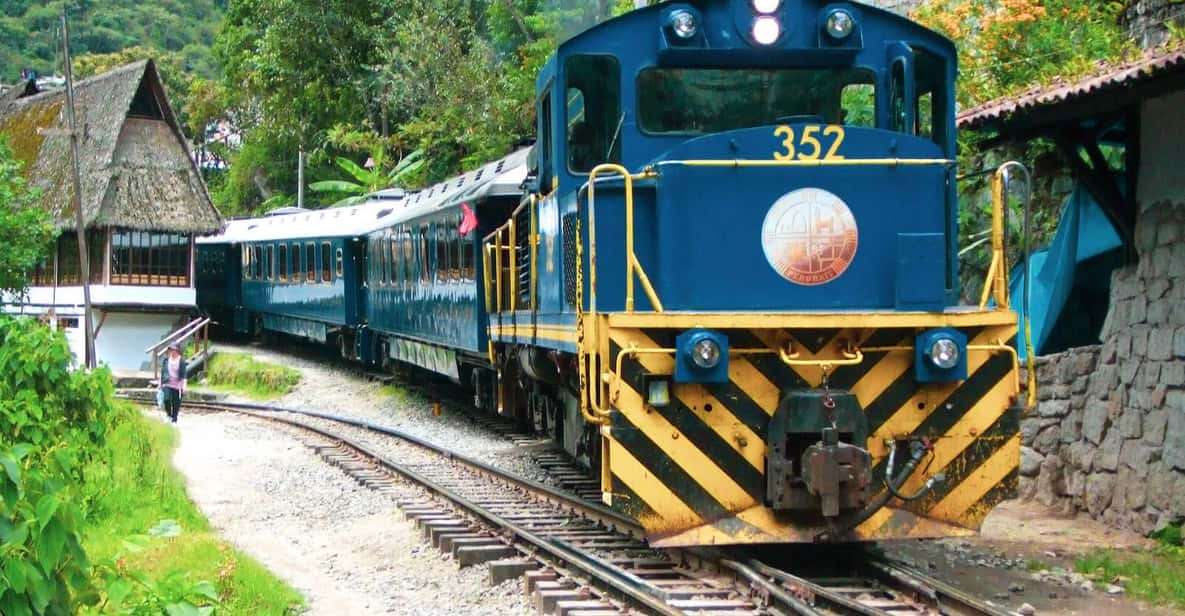
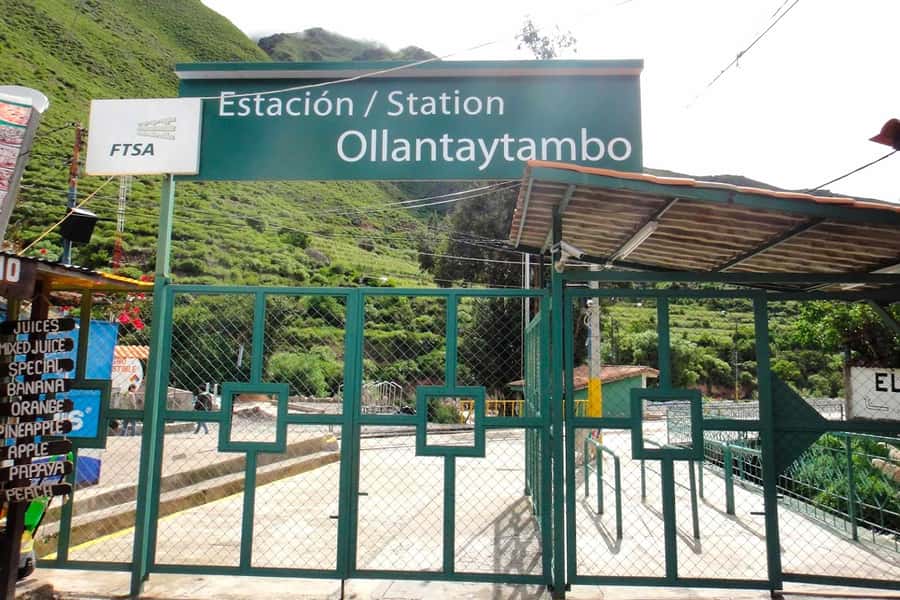
You’ll finish by being left near the train station in Ollantaytambo, which is convenient if you’re continuing your trip by rail. It also helps if you want a buffer afterward to grab water, use the restroom, or simply slow down.
Price and logistics: is $22 a good deal for a day?
At $22 per person for a one-day tour, the value is largely in what’s included: hotel pickup (in central Cusco), a professional guide, transport, and lunch in Urubamba. For many visitors, that’s the right package because it removes the hard parts—finding rides and mapping time between sites.
The catch is what’s not included: entrance fees to the Sacred Valley sites. Those can add up, so think of the $22 as “guide + transport + lunch,” not “all-in entry.”
Then there are two real-world logistics considerations worth planning for:
- Ticket timing and payment method: If tickets aren’t handled in advance, you may end up with slower entry or needing cash on-site. One way to protect your schedule is to buy tickets ahead of time when possible, or at least arrive ready to pay the way the site allows.
- Time in towns vs. driving time: This is a one-day schedule, so you might feel that you spend more time on the road than you’d like. That can be fine if you’re there for the main archaeological focus (Pisac and Ollantaytambo). If you want long wandering through each town street-by-street, this may feel short.
Baggage can also be tricky. There’s a pattern of people being told they can leave their luggage during the tour if you’re headed to Ollantaytambo, but retrieval may involve buying something. If you have a lot of luggage, plan to carry only what you’ll need for the day and be ready to treat any storage stop as a small expense rather than a free service.
Practical tips so your day runs smoothly
Here’s how to make this tour feel effortless instead of chaotic:
- Confirm pickup details early
Use the WhatsApp number you provide and keep messages ready. If the organizer reaches out, reply quickly so pickup doesn’t become a guessing game.
- Plan for entrance fees before you’re standing in the crowd
Since entrance fees are not included, treat tickets as part of the schedule. Don’t assume everything will be painless at the gate.
- Keep cash as backup
The tour includes transport and a guided visit, but not everything you’ll need is included. Having some cash on hand can save time if a payment method becomes limited on-site.
- Bring a camera-friendly day bag
A small daypack is best: water, a light layer, sunscreen, and a snack if you get peckish between stops. Your lunch is included, but the day can still feel long.
- Choose shoes for stone paths
Comfortable traction matters at both archaeological sites. You’ll move more than you think, and slippery surfaces are not the time for fashion.
- If you’re storing luggage, read the rules before leaving it
If you plan to store bags with a shop or storage point, ask how retrieval works and whether you’ll need to purchase something. Then you won’t get surprised later.
Who this tour is best for
This tour fits best when you want a high-impact Sacred Valley overview and you’re short on time. It’s ideal for:
- First-timers in the region who want both Pisac and Ollantaytambo in one day
- People who prefer guided context over self-navigation
- Travelers who appreciate scenic driving as part of the experience
- Anyone who wants to end near the train station in Ollantaytambo for an easy next step
If you’re the type who hates tight schedules, you might prefer a longer day with more free time in towns. The focus here is clearly the sites, not hours of independent wandering.
Should you book this tour?
I’d book it if you want an efficient, guided Sacred Valley day with transport and lunch handled for you. The price is low enough that you’re mostly paying for the day’s convenience and expert interpretation, and the combination of Pisac + Ollantaytambo gives you two of the most meaningful stops in the valley.
I’d hesitate if you need lots of town time, like to linger at viewpoints without a clock, or you’re worried about last-minute ticket/payment delays. In that case, do the “prep work” before you go: handle tickets early if possible, confirm pickup via WhatsApp, and pack for walking and changing weather.
If you’re sensible and plan ahead, this can be a solid one-day Sacred Valley hit.
FAQ
How long is the tour?
It runs for 1 day.
Where does the tour start?
It starts with an early pickup from your hotel in Cusco’s historic center.
What stops are included?
You’ll visit Pisac and Ollantaytambo, with a lunch stop in Urubamba.
Is lunch included?
Yes, lunch in Urubamba is included as an option in the tour.
Are entrance fees included?
No. Entrance fees to the Sacred Valley sites are not included.
Will there be a live guide?
Yes, the tour includes a live guide.
What languages are available?
The tour is available in English and Spanish.
Where do I end after the tour?
The tour ends near the train station in Ollantaytambo.
Is there free cancellation and a pay-later option?
The info says you can cancel up to 24 hours in advance for a full refund, and there’s a reserve now & pay later option.