REVIEW · OLLANTAYTAMBO
From Cusco: Sacred Valley & Maras Salt Mines Tour with Lunch
Book on GetYourGuide →Operated by Inka Altitude · Bookable on GetYourGuide
First thing you’ll notice: this is a morning-you’ll-feel-it trip. You start in Cusco at 6:00–6:30 AM, bounce between the Sacred Valley’s big names, and get a guided lesson on how the Incas engineered farming and survival in places that still look unreal. I like that the tour mixes textiles, agriculture, salt production, and fortress architecture instead of repeating the same kind of stop.
The other big win is the human factor: the bilingual guide experience here has real energy, and names like Liliana and Jorge come up again and again for clear explanations and keeping the group moving. Still, there’s one catch: it’s a compressed schedule with lots of bus time and short visits, so if you want to linger in just one site, this may leave you wanting more.
In This Review
- Key reasons this Sacred Valley day works
- Early Start from Cusco: 6:00–6:30 AM and a Long Day on the Road
- Chinchero Weavers and the Old Church: Textile Craft with Inca Techniques
- Moray Terraces: When the Incas Played Climate Science with Stone
- Maras Salt Mines: 5,000+ Ponds and Food Preservation Power
- Urubamba Buffet Lunch: Big Energy Before Ollantaytambo’s Steps
- Ollantaytambo: The Terraced Fortress and the 200-Step Climb
- Pisac: A Workshop and an Archaeological Site Walk
- Price and Tickets: What $28 Really Buys You
- Guides and Bilingual Delivery: Why Names Like Liliana and Jorge Matter
- Who This Tour Suits (and Who Should Skip It)
- Should You Book This One-Day Sacred Valley Plan?
- FAQ
- What time do I get picked up from Cusco?
- Where is the meeting point?
- What stops does the tour include?
- Is lunch included?
- Are entrance tickets included?
- Can I pay for tickets by card?
- Is there a drop-off in Ollantaytambo?
- How many steps do I need to climb at Ollantaytambo?
- What time do we return to Cusco?
Key reasons this Sacred Valley day works
- Early departures help you reach key sites before the day gets crowded
- Chinchero weaving + archaeology gives you culture you can actually see and touch
- Moray and Maras show Inca problem-solving in agriculture and food storage
- A buffet lunch in Urubamba keeps you fueled for the afternoon walking and steps
- Ollantaytambo’s 200 steps leads to big views if your legs are up for it
- Optional Ollantaytambo drop-off is handy if you have train plans or side trips
Early Start from Cusco: 6:00–6:30 AM and a Long Day on the Road
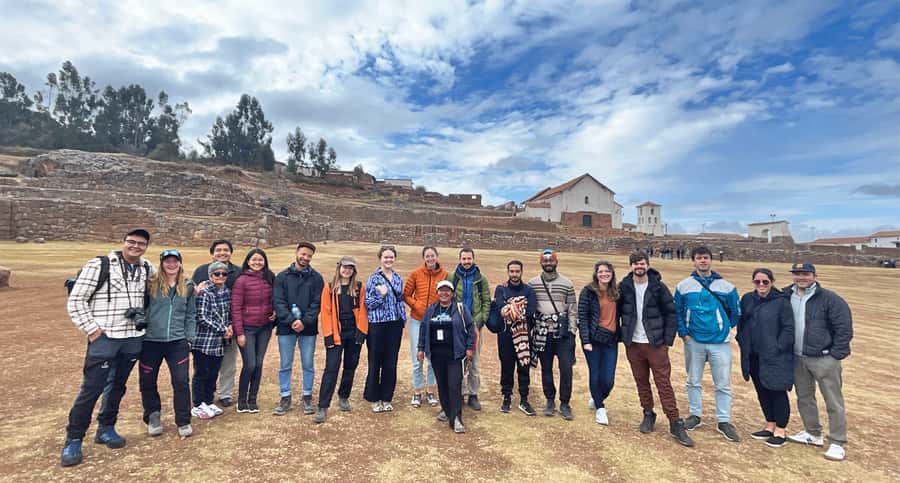
Your day kicks off early, with pickup from the historic center of Cusco (or a nearby meeting point if you’re in private accommodation) between 6:00 AM and 6:30 AM. The meeting point is in front of the Inka Altitude office, and your guide calls your name when it’s time to match you to the van.
Here’s the practical truth: a good chunk of your day is travel. That’s not a flaw so much as part of the deal. The Sacred Valley stops are far apart, and the only way to hit Chinchero, Moray, Maras, Ollantaytambo, and Pisac in one day is by letting the bus do its job.
A couple of logistics points matter:
- You can’t bring luggage or large bags, so pack light.
- Plan on being awake, hydrated, and ready for quick transitions between stops.
- Bilingual groups run in English and Spanish, so you should feel included rather than left behind.
You can also read our reviews of more tours and experiences in Ollantaytambo
Chinchero Weavers and the Old Church: Textile Craft with Inca Techniques
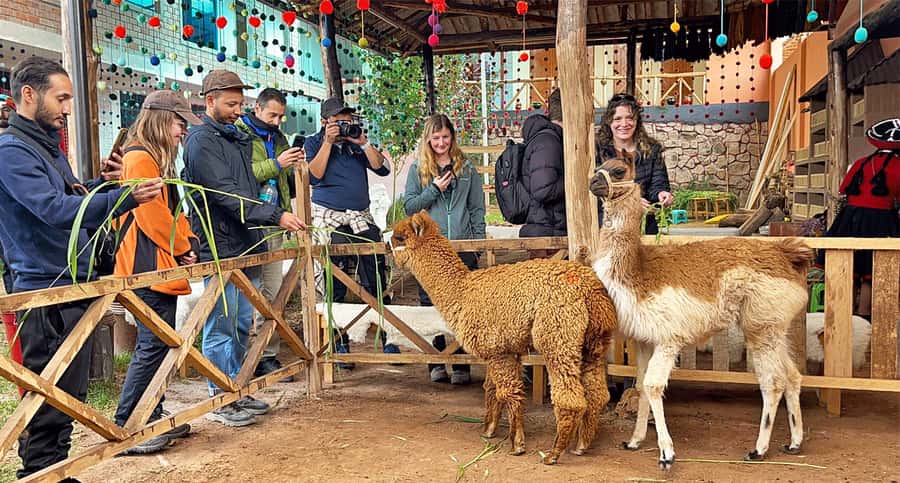
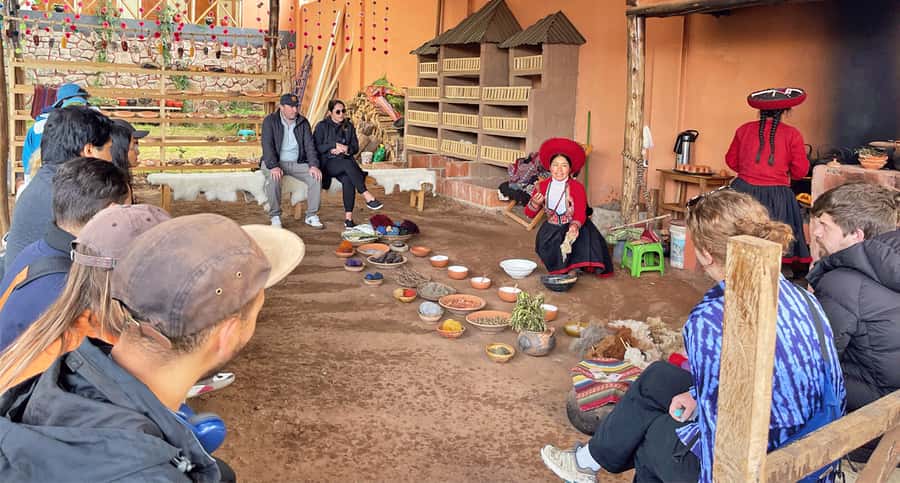
Chinchero is one of those places where the setting helps you understand the story. You’ll visit the weaving workshop area in the Chinchero District (with a short workshop time) and see textiles made using traditional Incan weaving techniques. This isn’t just a generic souvenir stop. It’s a hands-on look at how patterns and craft connect to identity and heritage in the Andes.
After the textiles, you’ll move to the first archaeological site stop in the area and also see an old church. That combo matters because it shows the mix of cultures that reshaped life after the Inca period. You get craft, you get ruins, and you get context you can carry to the next stops.
Two things to watch for while you’re there:
- If you’re interested in textiles, ask questions about how designs are made and why certain patterns matter.
- If you’re not into shopping, you can still enjoy it—just set a firm mental boundary before the sales pitch starts.
Some guides are good at keeping the tone relaxed. In the field, names like Liliana and Jorge have earned praise for making stops informative without turning everything into a hard sell.
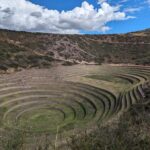
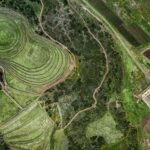
Moray Terraces: When the Incas Played Climate Science with Stone
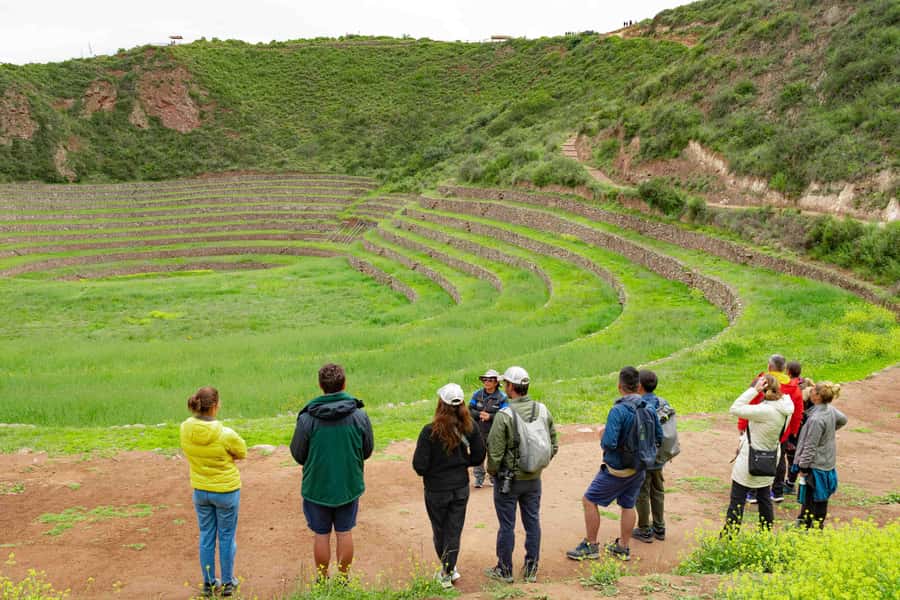
Next up is Moray, famous for its circular agricultural terraces. These terraces were built into hillsides to grow crops in harsher mountain conditions—basically, the Incas used terrain like a natural lab.
During your guided visit (about 30 minutes), you’ll learn how the design helped create different microclimates. If you’ve ever wondered how ancient people managed agriculture at high altitude without modern tools, Moray is the answer in stone form.
A practical note: Moray is a site you’ll understand faster if you pay attention to the explanation while you walk. The terraces aren’t just pretty. They’re an engineered system that changes growing conditions based on the way each level sits.
Time at Moray is short. That’s normal here. You’ll get the core story and move on, so keep your pace steady and don’t overthink it.
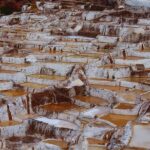
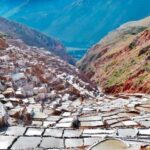
Maras Salt Mines: 5,000+ Ponds and Food Preservation Power
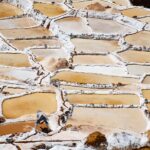
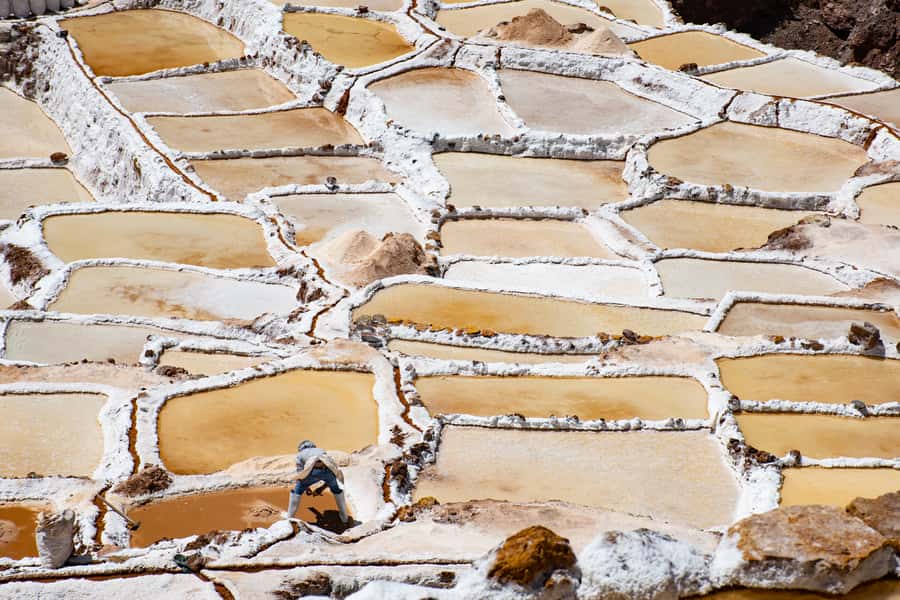
Then comes the jaw-drop moment: Moray’s nearby companion, the Maras Salt Mines. You’ll visit the salt ponds area with a guided tour (about 30 minutes), and you’ll see over 5,000 salt ponds used for extraction.
This stop hits two themes at once:
- Economy and work: salt was valuable, and these ponds turn it into something extractable and repeatable.
- Survival and food storage: you’ll hear how salt helped preserve foods for long periods—exactly the kind of practical technology people needed in a rugged environment.
One thing to plan for: the salt mine entrance ticket is not included. You pay in cash in local currency (20 Nuevos Soles is listed). You’ll also need cash for other entrance-related costs.
You’ll likely have a chance for shopping around Maras too. If you do buy salt, think of it as a food product rather than a souvenir. People seem to like bringing it home because it’s tied directly to the place you just learned about.
Urubamba Buffet Lunch: Big Energy Before Ollantaytambo’s Steps
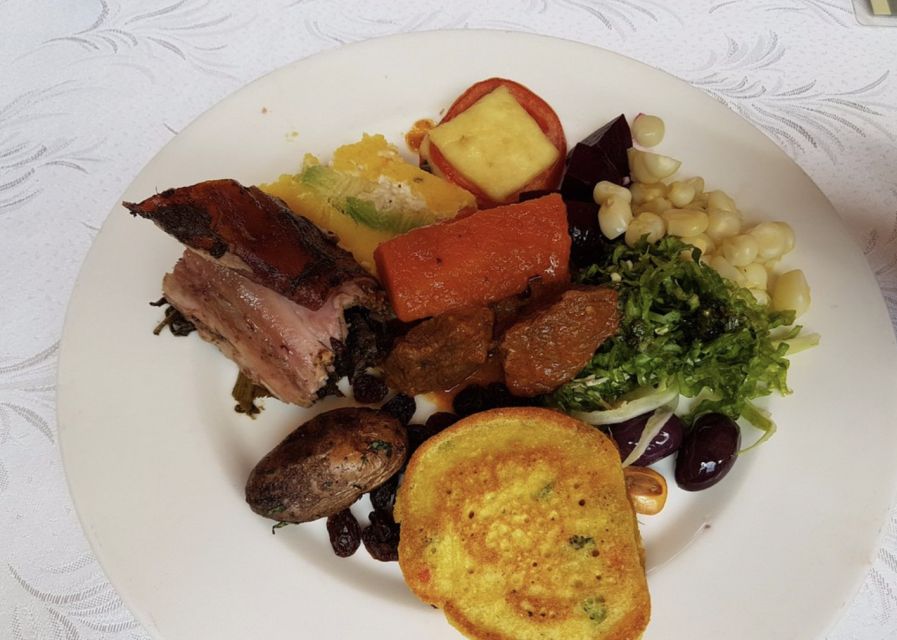
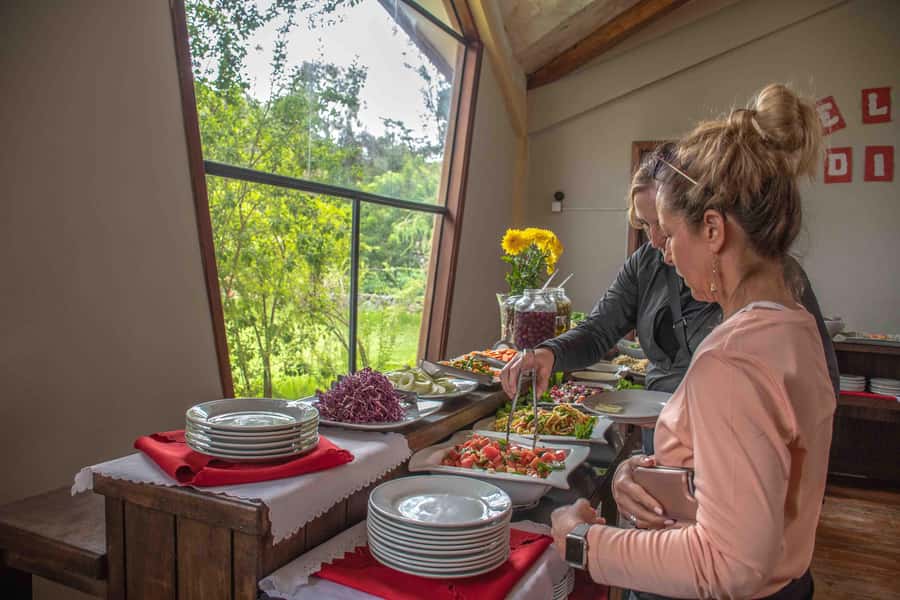
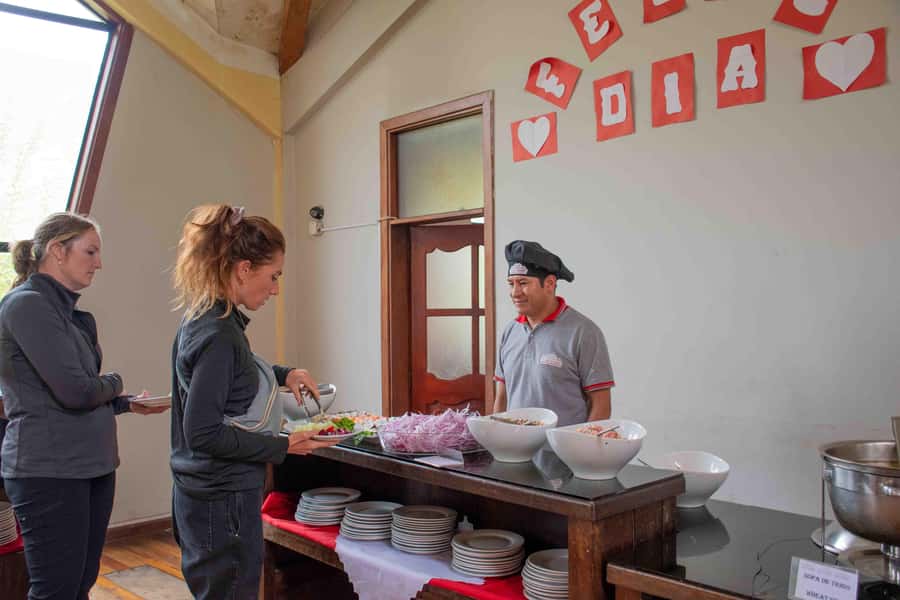
After Moray and Maras, you head to Urubamba, often described as the Sacred Valley’s hub. Lunch is a buffet with about 45 minutes on the clock.
This is where you refill before the hardest part of the day: Ollantaytambo’s 200 steps. Drinks aren’t included, so if you want something specific, budget time and money for that.
What makes the lunch valuable isn’t just the food—it’s the pacing reset. A good meal in the middle of the day keeps you from burning out during the afternoon walking. The buffet is typically described as abundant and varied, which matters when you’re eating at altitude and moving all day.
If you’re the type who gets snack-hungry between stops, you might want to bring a small carry-on snack. The tour itself doesn’t list snacks as included, so don’t assume extra food beyond the buffet.

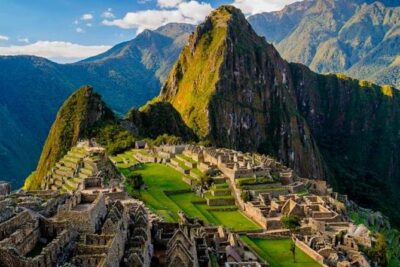
Ollantaytambo: The Terraced Fortress and the 200-Step Climb
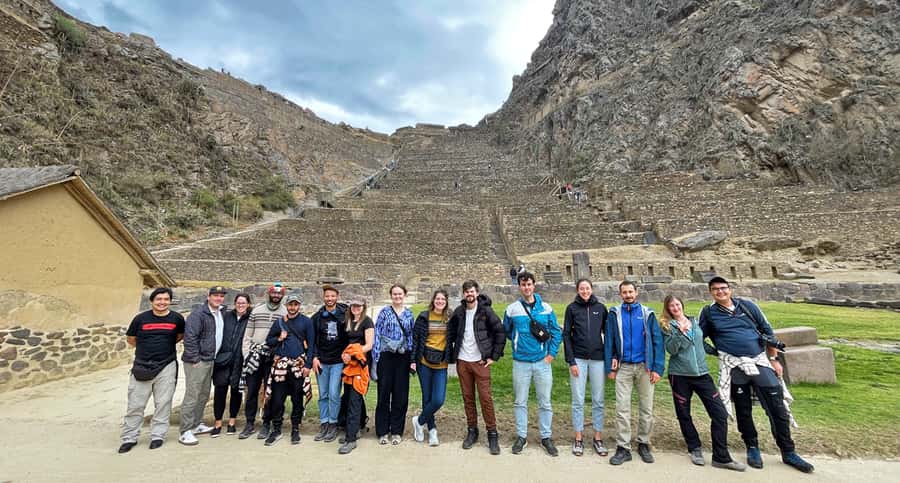
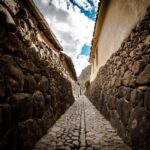
Ollantaytambo is the big afternoon highlight, and you’ll feel that the moment you start climbing. You’ll have a guided visit (about 45 minutes) that includes trekking over 200 steps to reach the top of the ancient terraced fortress overlooking town. There’s no elevator, so this is not a “light walk” stop.
If your legs are strong, you’ll probably love it. The payoff is the view and the sense that you’re looking across a real defensive and administrative design. The terraces and the layout tell the story quickly once you’re up high.
If your legs are not strong, be honest with yourself. This is one of the main reasons the tour is not suitable for mobility impairments or wheelchair users.
You also get an optional drop-off in Ollantaytambo for anyone who wants to stay in town or manage plans. If you’re connecting by train, the tour info recommends taking one later than 16:00, which is a smart heads-up if you need predictable timing.
Pisac: A Workshop and an Archaeological Site Walk
After Ollantaytambo, you’ll head to Pisac, where the schedule includes a workshop segment (about 30 minutes) and then a guided archaeological visit.
Pisac is a good “final content” stop. By the time you arrive, you’ve already learned about:
- Inca farming tricks (Moray)
- Inca salt for preservation (Maras)
- Inca stone-built power (Ollantaytambo fortress)
So the Pisac ruins land with more meaning. You’ll walk through the archaeological area and get the guided story that ties the site to the broader Inca world around Cusco.
Time here is also limited, so again, don’t expect a slow stroll. This is a highlight sweep, not a museum-grade tour where you can stop and stare forever.
Price and Tickets: What $28 Really Buys You
At $28 per person, this tour is aimed at value. You’re paying for:
- Transport from Cusco and between valley stops
- A bilingual guide
- A buffet lunch in Urubamba
- A basic first aid kit
- Pickup and a drop-off (at Plaza Regocijos is listed)
What’s not included is where your total cost can move a bit:
- Partial tourist ticket: 70 Nuevos Soles (not included)
- Salt mine entrance: 20 Nuevos Soles (not included)
- Drinks
Also, entrances are cash-only for tickets. If you show up planning to pay card at every stop, you’ll be stuck. Bring cash in local currency so you don’t lose time during transitions.
Here’s the best way to think about value: for the price, you’re getting a fast route through the Sacred Valley’s most famous learning stops, plus lunch. If your alternative is hiring private transport or trying to stitch sites together with random buses and taxi negotiations, this one-day plan often makes more sense than it sounds.
If you’ll be in Cusco for more than a few days, you might consider whether you want the full tourist ticket, which is valid for 10 days and covers most major Inca sites around the Cusco region. That can simplify entry if you’re doing more than just this one tour.
Guides and Bilingual Delivery: Why Names Like Liliana and Jorge Matter
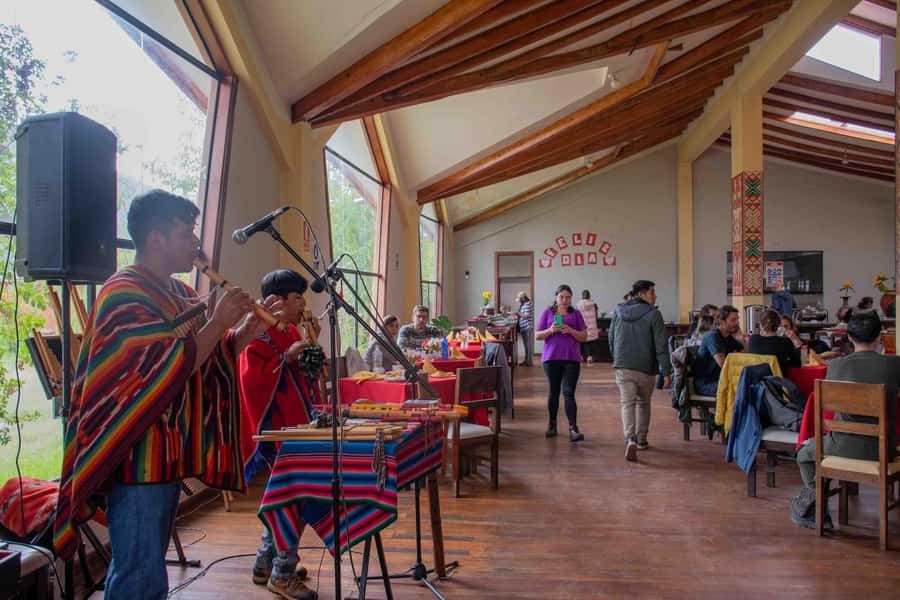
The biggest difference between a good day trip and a great one is the guide. This tour runs with bilingual groups, and the guides often lead with clear pacing and explanations that work in both English and Spanish.
In real-world feedback tied to this experience, guides like Liliana and Jorge show up for a reason: they’re praised for explaining details, answering questions, and keeping the schedule moving without making you feel lost.
You’ll also feel how the guide manages the group on buses. Some guides use the ride time to share facts so you don’t just sit and stare out the window the whole way. That’s especially useful because the route is long.
If you’re the type who likes history but doesn’t want textbook lectures, this format usually hits the sweet spot: short guided segments, then you look at the site, then you move.
Who This Tour Suits (and Who Should Skip It)
This is best for you if:
- You have one day and want the Sacred Valley highlights
- You like guided explanations tied directly to what you’re seeing
- You’re okay with a fast pace and short stops
- You can handle a 200-step climb at Ollantaytambo
It’s not suitable for:
- People with mobility impairments or wheelchair users
- People with respiratory issues
- People who are hearing-impaired (noted as not suitable)
Also, a quick reality check: this is a day of movement. Even if you’re fit, you’ll feel it. The tour is designed for active participation, not for relaxing between stops.
Should You Book This One-Day Sacred Valley Plan?
If your goal is a smart overview of the Sacred Valley—textiles at Chinchero, climate engineering at Moray, salt preservation at Maras, fortress steps at Ollantaytambo, and ruins at Pisac—this is a strong choice. The day is long, but the sites are varied, the lunch helps, and the bilingual guidance is usually what turns it from scenic to meaningful.
I’d especially book it if you’re tight on time and want one guided sweep that covers the big hitters. If you want slower visits and more time for photos at each site, consider splitting your Sacred Valley time into two days instead.
FAQ
What time do I get picked up from Cusco?
Pickup happens from 6:00 AM to 6:30 AM from your accommodation in the historic center or a nearby meeting point.
Where is the meeting point?
You’ll meet in front of the Inka Altitude office in Cusco. Your guide will call your name at the meeting point.
What stops does the tour include?
You’ll visit Chinchero (weavers and an archaeological site), Moray, Maras Salt Mines, Urubamba for lunch, Ollantaytambo, and Pisac.
Is lunch included?
Yes. The tour includes a buffet lunch in Urubamba.
Are entrance tickets included?
Not fully. A partial tourist ticket (70 Nuevos Soles) is not included, and the salt mine entrance (20 Nuevos Soles) is not included.
Can I pay for tickets by card?
The tour info says entrance tickets are available only if you pay in cash in local currency.
Is there a drop-off in Ollantaytambo?
Yes. There’s an optional drop-off in Ollantaytambo for people who want to stay there or manage other plans. The tour also lists a drop-off at Plaza Regocijos.
How many steps do I need to climb at Ollantaytambo?
You’ll climb over 200 steps to reach the top. There’s no elevator.
What time do we return to Cusco?
You’ll return to central Cusco around 6:00 to 7:00 PM.