REVIEW · COOKING CLASSES
Vegan Peruvian Cooking Class Cocktails and Local Market in Cusco
Book on Viator →Operated by Peruvian Cusco Flavors · Bookable on Viator
Cusco has a way of grabbing your attention fast. This vegan cooking class mixes a hands-on market tour with a real kitchen session and cocktails. You’ll shop for Cusco staples at Mercado Central de San Pedro, then head to a central studio to cook dishes like ceviche, causa limeña, and quinoa tamal, all plant-based.
I especially like that you get guided help from a chef who explains what you’re doing step by step, and that everything is centered on ingredients you can actually find. A second big plus: you’ll make two pisco cocktails during the class, not just a food lesson in theory. The main catch to consider is logistics: the meeting point can be a little confusing at first, so give yourself extra time to find the right entrance.
In This Review
- Key Highlights You Should Know
- From San Pedro Market to Your Cutting Board
- The Studio Lesson: Vegan Peruvian Classics, Step by Step
- Cocktails in the Mix: Two Pisco Drinks During Class
- What You’ll Cook: Flavor, Texture, and How to Build a Plate
- Group Size, Timing, and Why the Pace Works
- Price and Value: What $69 Buys in Cusco
- Good to Know Before You Go
- Should You Book This Vegan Cooking Class in Cusco?
- FAQ
- Where does the cooking class start?
- How long is the experience?
- Is the menu actually vegan?
- What cocktails are included, and are they alcoholic?
- Are recipes included?
- Can the class handle allergies or food restrictions?
- How big is the group?
- What’s the cancellation policy?
Key Highlights You Should Know
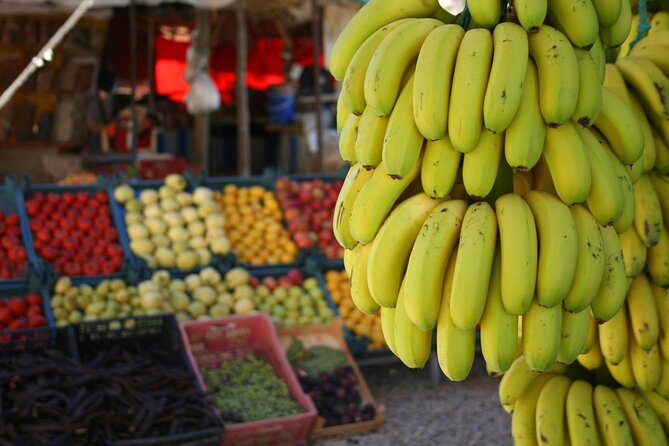
- San Pedro Market start: ingredients first, then cooking with what you bought
- 100% vegan Peruvian menu: ceviche, causa limeña, and quinoa tamal
- Two cocktails included: pisco-based drinks for adults during the class
- Small group size: up to 10 people, so you’re not lost in the crowd
- You leave with recipes: so you can recreate it back home
From San Pedro Market to Your Cutting Board
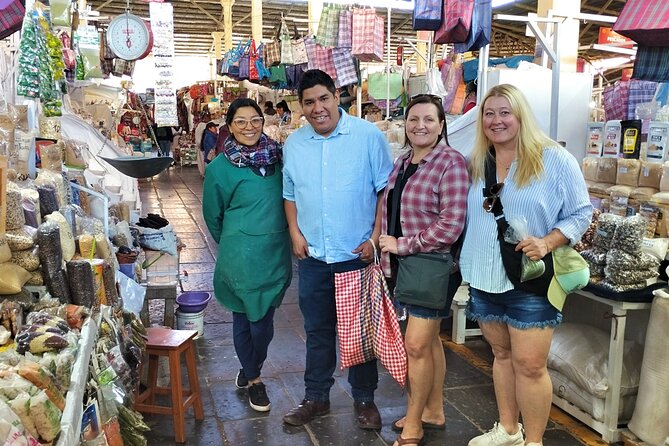
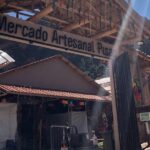
I like tours where the food makes sense from the start. This one begins at Mercado Central de San Pedro, Cusco’s classic market hub, where you’re introduced to local ingredients you’d never think to buy on your own.
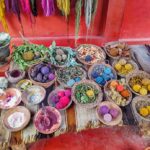
You’ll see a mix of roots, grains, veggies, and fruit, plus Peru’s “superfood” style ingredients that show up across local cooking. Even if you already know some Peruvian staples, the market portion helps you understand what’s available in the region and how those items can end up in everyday dishes. That context matters, because it changes the way you cook later. Instead of following steps blindly, you’re working with ingredients that you recognize and know how they behave.
Also, this is a very practical market stop. You’re not just taking photos. You’re learning what goes where—what you’ll actually use for the recipes back in the studio. And because you’ll have the ingredients you need, the class feels less like a demo and more like you’re building a meal.
One practical note: Cusco sits at high altitude, and markets can move faster than you expect. If you get winded, take your time for the first 10 minutes, drink the included water, and pace yourself.
You can also read our reviews of more tours and experiences in Cusco
The Studio Lesson: Vegan Peruvian Classics, Step by Step
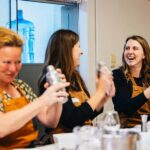
After the market, you’ll head to a cooking studio in the center of Cusco. This is where the experience shifts from sightseeing to doing. You’ll cook in a hands-on format with all the ingredients, equipment, and recipes included, so you’re not stuck figuring out substitutions on the fly.
The menu is the standout here. You’ll learn to prepare three dishes:
- Ceviche (100% vegan)
- Causa limeña (100% vegan)
- Quinoa tamal
What I like about this combination is that it covers different cooking styles. Ceviche-style cooking teaches you how acidity and flavor balance work. Causa limeña focuses on texture and layering. Quinoa tamal adds another method and makes quinoa feel more “Peru” and less like a health trend. Even if you’ve cooked other cuisines at home, these dishes give you specific techniques you can reuse.
Chef-led coaching is part of the value. In past classes, Chef Jorge and Chef Jesus have been credited with clear guidance and patient explanations. If you’re worried about language, I’d still go in ready to ask questions, but at least some sessions have been described as very strong in English support.
Cocktails in the Mix: Two Pisco Drinks During Class
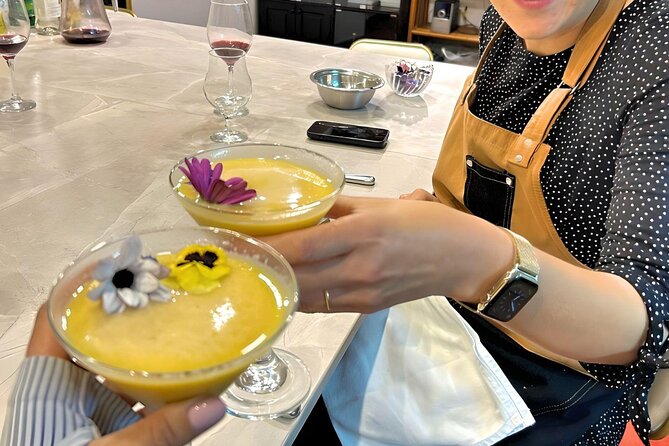
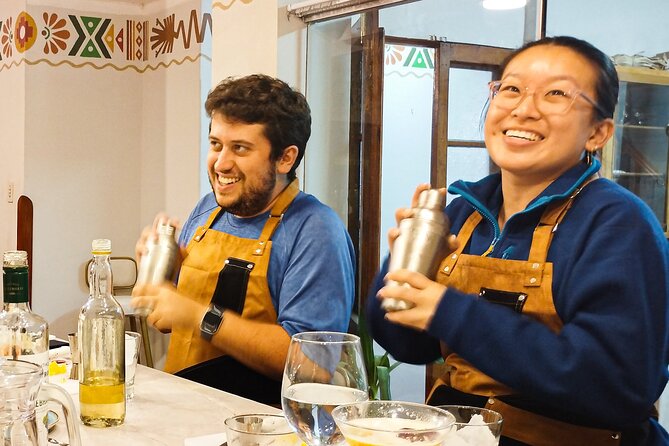
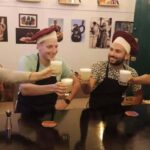
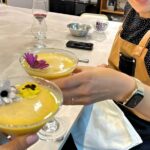
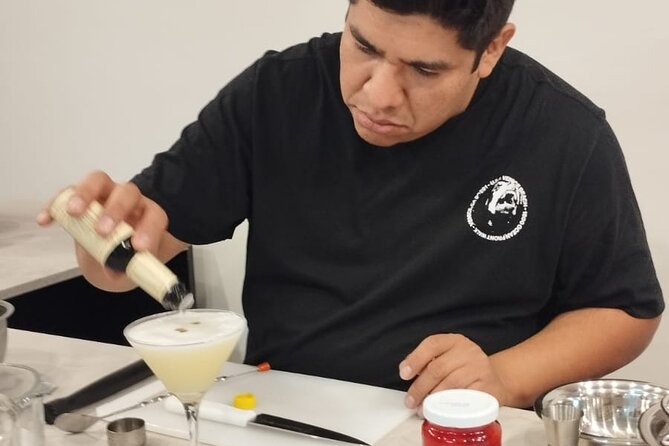
Food classes are great, but I love when the drinks are built into the lesson. Here, you’ll enjoy two pisco cocktails during the cooking portion. The drinks aren’t treated like an afterthought; they’re tied to the ingredients and the overall flow of the class.
There are also smart rules built in. Per Peruvian law, alcohol service starts at age 18. If someone in your group is under 18, they’ll be served a non-alcoholic version, and the pisco is replaced with bottled water. That means you can still join the full class experience without feeling left out.
One more thing: you’re not just tasting. You’ll learn how to prepare the cocktails as part of the session. That’s the kind of takeaway that actually gets used after your trip, especially if you like hosting.
What You’ll Cook: Flavor, Texture, and How to Build a Plate
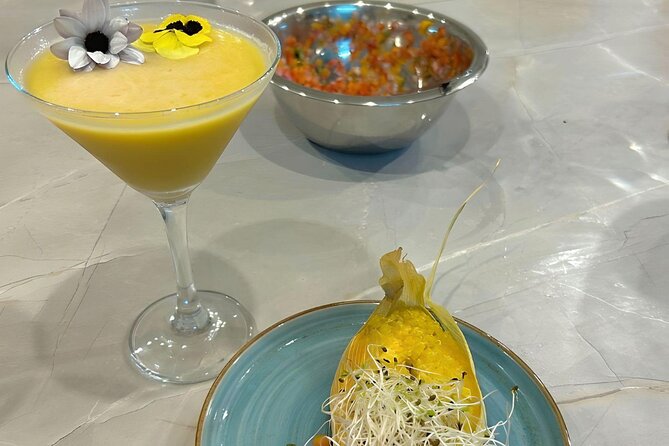
Here’s the practical way to think about the dishes you’ll make.
Vegan ceviche
Ceviche is usually about contrast: bright, tangy, and fresh. In the vegan version, you’ll still learn how to create that punchy balance using plant-based ingredients. The key takeaway for you is the logic of seasoning and timing—what makes the flavors “snap” instead of tasting flat.
Causa limeña
Causa is famous for its smooth, layered character. In a plant-based version, you’ll still be shown how to build that “slice and stack” structure, including how to keep flavors bold without relying on dairy. If you’ve ever tried to make causa before, you know it can get tricky with texture. This class format helps because you’re working with guidance while you cook.
Quinoa tamal
Quinoa tamal is a great choice because quinoa often ends up either bland or only used as a side. Here, it’s treated like a centerpiece. You’ll get hands-on practice using quinoa in a Peruvian-leaning dish format, which gives you a template for making quinoa feel local instead of generic.
Across all three, the point isn’t just finishing a plate. It’s understanding why each dish works. That’s what lets you repeat it later without guessing.
Group Size, Timing, and Why the Pace Works
This experience runs about 4 hours and is limited to a maximum of 10 travelers. In practice, that smaller group size usually means more personal attention. You’re more likely to ask questions in the moment and get help before something goes wrong—especially important in cooking tasks where timing matters.
The tour starts at Mercado Central de San Pedro at Thupaq Amaru 477, Cusco 08002, Peru. It ends back at the same meeting point, so you’re not dragging yourself across town afterward.
If you’re planning the day, think of this as a proper evening meal replacement. You’ll come hungry from the market walk, cook a full menu, and the class is structured so you can eat what you make.
You can also read our reviews of more shopping tours in Cusco
Price and Value: What $69 Buys in Cusco
At $69 per person, this class is one of those deals where you should ask: what are you really paying for?
You’re paying for:
- market guidance at San Pedro Market
- all ingredients and equipment
- a pro chef-led cooking session
- two included cocktails
- recipes sent after the class
When a cooking class includes the ingredients and the drink-making, you’re cutting down on hidden add-ons. Also, because you’re learning multiple dishes—not a single recipe demo—the per-dish value improves quickly. The small group size (up to 10) also matters. You get a more direct experience than you would with a big bus-group style food stop.
For me, the best value sign is that you leave with repeatable skills. Recipes being sent after the class is helpful, but the real payoff is knowing how to recreate the taste and technique, not just having written instructions.
Good to Know Before You Go
A few practical things can make or break your experience:
Find the meeting point early
One review noted that the meeting point can feel confusing because instructions like door number can be easy to miss. My advice: show up a little early, scan for signage, and don’t be shy about asking at the entrance.
Tell them about dietary needs upfront
The class is presented as vegan with 100% plant-based versions of the featured dishes. Still, if you have allergies or specific food restrictions, the tour notes that options are available. Message ahead so the chef can handle it smoothly.
Alcohol rules are clear
If anyone in your group is under 18, you’ll still get the full class experience with non-alcoholic substitutes.
Altitude pacing is real
Cusco’s altitude is no joke. If you get breathless, take breaks. This is not a hike, but it’s still a good idea to pace yourself during the market portion and then settle into the cooking rhythm.
Should You Book This Vegan Cooking Class in Cusco?
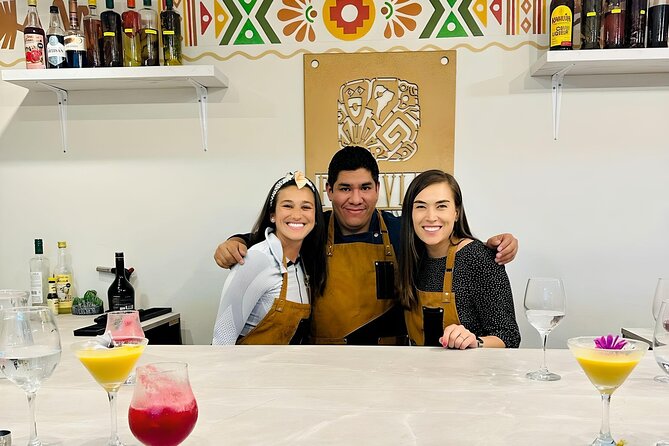
I think you should book it if you want a Cusco food experience that’s hands-on, small-group, and built around ingredients you can recognize. You’ll come away with more than a meal—you’ll learn how to cook three Peruvian favorites in vegan form and make two pisco cocktails at the same time.
Skip it only if you strongly prefer a very relaxed, casual tasting tour with no cooking pressure. This one is meant for doing the work, chopping, mixing, assembling, and tasting along the way.
If you’re excited about vegan versions of Peruvian classics—and you like learning recipes you’ll actually use at home—this is a very solid choice.
FAQ
Where does the cooking class start?
It starts at Mercado Central de San Pedro in Cusco, at Thupaq Amaru 477, Cusco 08002, Peru.
How long is the experience?
The duration is about 4 hours.
Is the menu actually vegan?
Yes. The class includes vegan versions of ceviche, causa limeña, and quinoa tamal, and the dishes are described as 100% vegan.
What cocktails are included, and are they alcoholic?
Two pisco cocktails are included for the class. Alcohol service follows Peru’s law: it’s available from age 18. Under 18, pisco is replaced with bottled water as a non-alcoholic option.
Are recipes included?
Yes. At the end of the class, recipes are sent to you.
Can the class handle allergies or food restrictions?
Yes. There are options available for allergies and other food restrictions. You should share details when booking.
How big is the group?
The experience has a maximum of 10 travelers.
What’s the cancellation policy?
You can cancel for a full refund if you cancel at least 24 hours before the experience starts. If you cancel less than 24 hours before, the amount paid is not refunded.