REVIEW · MARAS & MORAY SALT MINE TOURS
Moray and Maras Salt Mines Full Day Tour – Small Groups
Book on Viator →Operated by Peru Grand Travel · Bookable on Viator
Two Inca sites, one salt-soaked day.
This full-day trip from Cusco focuses on the Moray terraces and the living salt beds of Salinas de Maras, with a guide helping you connect what you see to how the Incas experimented and how families still work the salt. I especially like the contrast: engineered circular farming at Moray, then everyday labor in the salt flats. One thing to plan for is the pace: it’s a tight schedule, and entrance fees are extra.
I also like the small-group feel, with a maximum of 15 people and hotel pickup plus round-trip transport built in. The day runs about 6 hours starting at 8:00 am, and you’ll travel with a professional guide in Portuguese, English, or Spanish (your language option is part of the booking details).
Keep in mind that food and drinks aren’t included, and you’ll pay separate entry tickets for Moray and the salt mines. Also, my advice if you hate shopping stops: be ready for the possibility of extra store-style stops that can eat into time at the sites.
In This Review
- Key highlights worth your attention
- Moray’s circular terraces: why the temperature changes matter
- Visiting Maras town: the quick colonial taste between stops
- Salinas de Maras: watching salt work that still runs daily
- Price and time fit: what you get for about $45
- Small-group logistics with a 15-person cap
- What to expect at each stop: timing and pacing
- What to bring so the day feels easy
- Who this tour suits best (and who should skip)
- Should you book this Moray and Maras Salt Mines tour?
- FAQ
- What time does the tour start?
- How long is the tour?
- What’s included in the price?
- Are the entrance fees included?
- How much are the entrance fees?
- Is food and drinks included?
- How long is each main stop?
- What group size is used for this tour?
- What languages does the guide speak?
- Can I cancel for a full refund?
Key highlights worth your attention
- Moray’s circular terraces: an Inca agricultural experiment with terraces arranged in circles.
- Microclimates you can feel: historians link the design to temperature differences of up to 15°C between top and bottom.
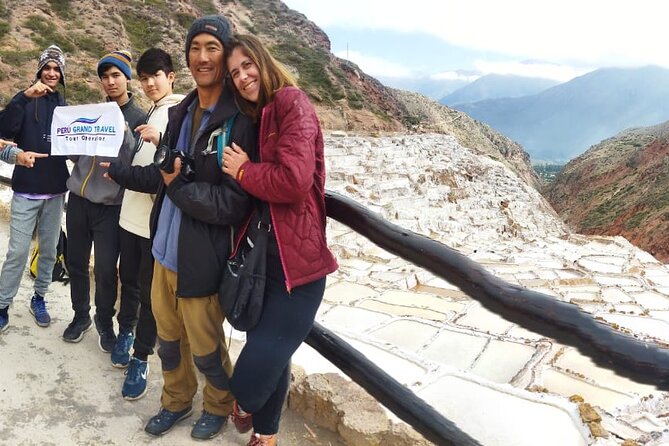
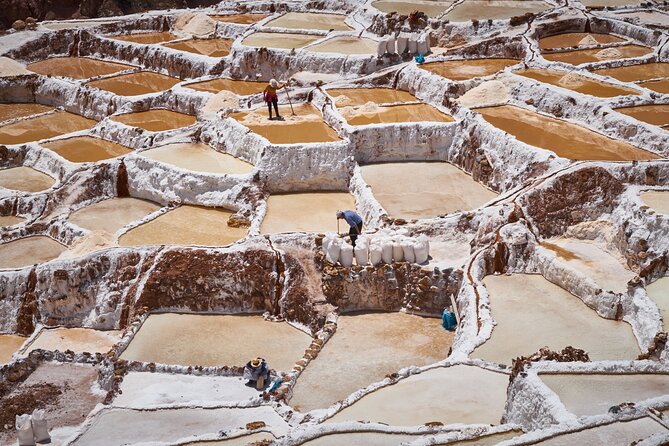
- Salinas de Maras still in production: salt farmers work the mines daily, like they did in Inca times.
- Colonial Maras stop: admire town architecture with colonial-style stone doors.
- Good value for a 6-hour loop: hotel pickup, transport, and a guide are included; you only add entrance tickets and lunch/snacks.
Moray’s circular terraces: why the temperature changes matter
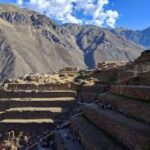
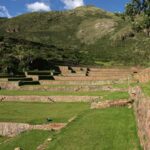
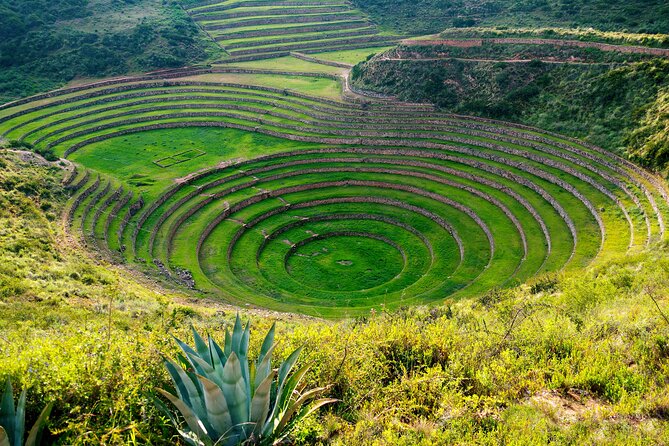
Moray is the headline stop, and the site deserves the attention. You’ll go to the experimental agricultural terraces—a set of circular platforms built into a shallow depression. The terraces can reach down to around 150 meters, and the key idea is that the arrangement wasn’t random.
The Incas used the irrigation canals tied to each platform as part of the experiment, creating microclimates in different spots. The point wasn’t just impressive stonework. It was farming science. Historians attribute the design to growing different crops based on local conditions, even when the overall region was the same.
What makes Moray feel extra interesting is the reported temperature swing. The difference in average annual temperature between the top and bottom of the depressions can be up to 15°C. You don’t need lab equipment to appreciate the concept. Even if you just walk from a higher edge down toward the lower terraces, the whole place gives you a sense of how a design like this could affect what thrives where.
Time-wise, you should treat Moray as your deeper focus stop. The tour allots about 1 hour there, and that’s enough to walk, look for the irrigation channels, and understand the layout without feeling rushed the whole time. Still, it’s a museum-like site: you’ll want to wear shoes with grip and move at a steady pace.
Admission for Moray is not included (PEN70.00 per person), so if you’re tracking your budget, factor that in early. The good news is that Moray’s entry is a one-time ticket for the main showpiece.
You can also read our reviews of more tours and experiences in Cusco
Visiting Maras town: the quick colonial taste between stops
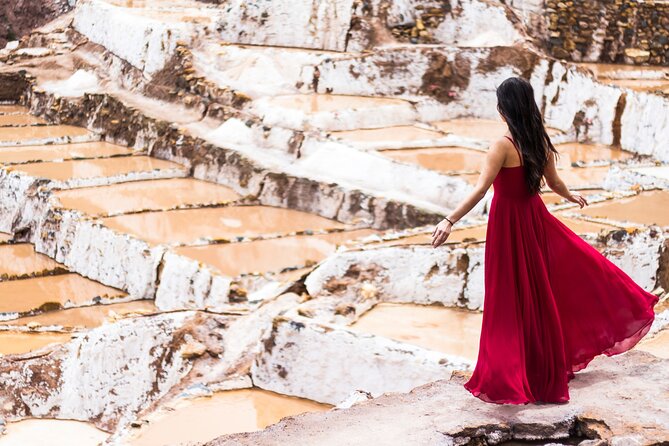
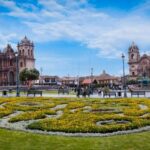
Next you’ll head to Maras, described as a colonial town that keeps Andean traditions and customs. This is a shorter stop—about 45 minutes—and it works best as a palate cleanser between Moray and the salt flats.
Maras itself is about architecture and atmosphere. You’ll spend time admiring houses with colonial-style stone doors and the town’s overall look. It’s not a long walking tour where you cover everything on foot. It’s more like a guided introduction: you’re seeing the local character, then moving on.
Because time is limited, Maras is a place to keep your expectations realistic. If you want shopping, you might find opportunities here. If you want quiet and photos, you’ll also get chances, but you won’t have hours to wander freely.
The positive angle is that Maras feels grounded and human. Moray is an engineered experiment. Salinas is active work. Maras sits in the middle, showing how the area blends old and newer influences—at least in what you can see from the streets and building fronts during your short stop.
The good part: the admission for this stop is free, so there’s no extra ticket to worry about for the town segment.
Salinas de Maras: watching salt work that still runs daily
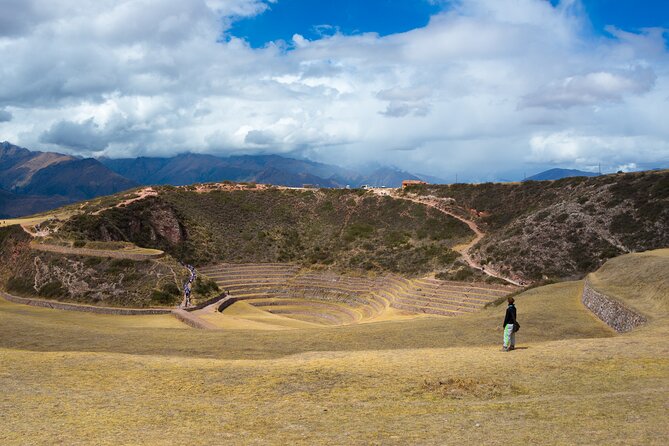
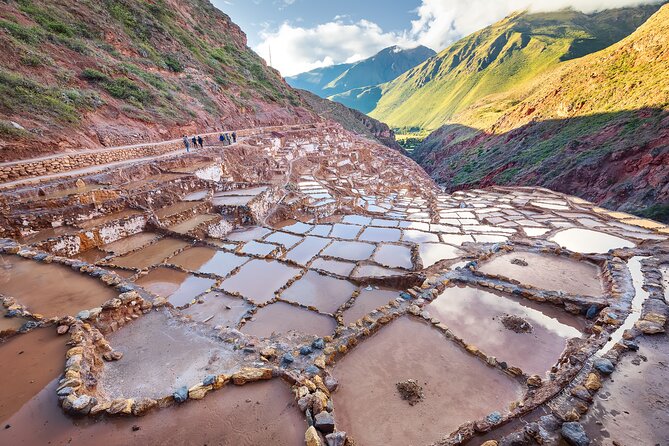
Then comes the part that many people remember most: Salinas de Maras, the salt mines where farmers continue exploiting the deposits today. This is one of those “the past didn’t stop” places.
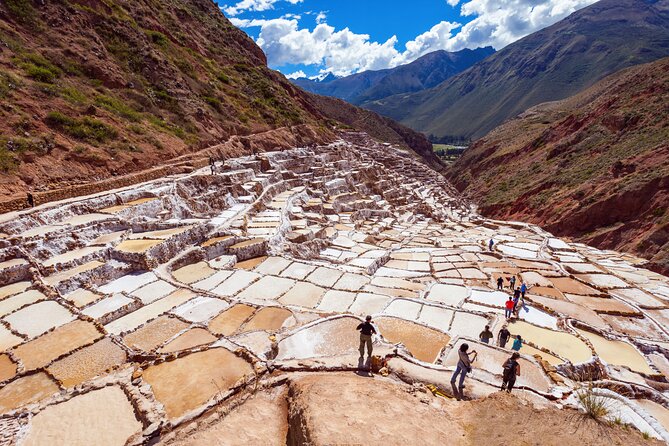
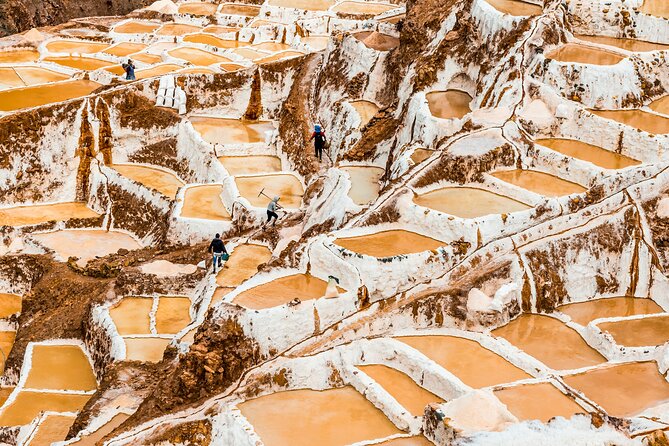
You’ll have about 45 minutes here. That’s not long, but it’s usually enough time to take in the wide pattern of the salt pans and then focus on what’s happening within the working sections. The mines are made up of many small plots, and that grid-like look is what makes the place so photogenic.
The tour’s value here isn’t just the views. It’s the context. The salt production is described as continuing in the same general way as in Inca times, with daily work carried out by local farmers. That continuity is the real hook. You’re seeing an industry and a skill that still matters in people’s lives.
Since admission for Salinas de Maras is not included (PEN20.00 per person), it helps to have cash ready or plan to pay on the day as directed by your guide.
Practical tip: bring a layer. Even in a daytime outing, temperatures can shift at altitude around Cusco. Also, watch your footing. These areas can be uneven, and you’ll likely spend time standing or moving around for photos.
Price and time fit: what you get for about $45
At $45.00 per person, this tour can be a solid deal if you like having a guide and don’t want to deal with transport logistics on your own. The included pieces are meaningful: hotel pickup, round-trip tourist transportation, a professional guide, and agency services.
But do the math before you fall in love with the headline price. Moray costs PEN70.00 per person extra, and Salinas de Maras costs PEN20.00 per person extra. Maras town is free. So your total outlay is basically the tour price plus the two site tickets.
The time structure matters too. A roughly 6-hour day is long enough to feel like you left Cusco for real, but short enough that you won’t lose your whole day to travel. Starting at 8:00 am helps you beat crowds and get better light for photos, at least for the first half.
When value is good, it’s usually because the included guide time helps you read what you’re seeing. At Moray, the explanation about terraces, irrigation canals, and microclimates turns a pretty ruin into something you understand. At Salinas, the work going on today adds meaning beyond a photo stop.
One trade-off: because it’s a timed circuit, you won’t linger. If you love slow travel and long photo walks, this may feel brisk. If you like a clean plan and solid commentary, it’s a good match.
Small-group logistics with a 15-person cap
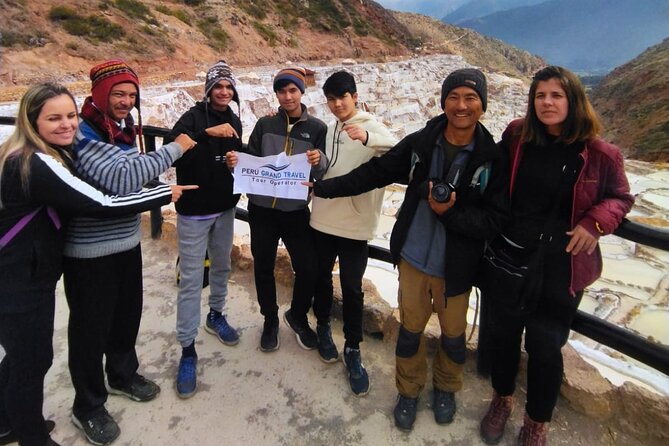
This tour caps at 15 travelers, which is exactly the sweet spot for a day like this. Big enough that you feel like you’re with a group, small enough that your guide can still manage questions and keep everyone moving.
Pickup is from your hotel, and you’re using round-trip tourist transport. That matters in Cusco because getting around efficiently saves energy for the actual sights. The day also lists a professional guide in Portuguese, English, or Spanish. That’s not a trivial detail. A tour where you can follow the guide in your language will make Moray and Salinas far more rewarding.
From the feedback style I’m using to guide my expectations, the logistics and guiding quality are a strong part of the experience. The tour is described as reliable, with a guide who does a good job keeping the group engaged in the limited time.
Now for the caveat. One review complaint pointed to added stops that felt like shopping, with the claim that they weren’t clearly part of the core program. Even if those stops aren’t required, you should plan your mindset accordingly. If you’d rather spend every minute at the sites, ask your guide (or at booking time) whether there will be optional retail stops and how much time they take. You can then decide how you want to spend your energy that day.

What to expect at each stop: timing and pacing
Here’s how the day typically unfolds in the tour plan:
- Moray (about 1 hour): your main learning stop. Focus on the circular terrace layout and the idea of microclimates and irrigation canals.
- Maras town (about 45 minutes): short, visual town introduction. You’re there to see the architecture and stone doors, then move on.
- Salinas de Maras (about 45 minutes): your salt-work viewing stop. Plan for photos, then look for the pattern of pans and the active working areas.
Because the timing is tight, don’t treat this as three separate half-days. Treat it as a guided sampler of the area’s most meaningful features. I’d plan to be decisive with photos and comfortable walking at a moderate pace.
Also, build in your own comfort needs. Food and drinks aren’t included, so you’ll want snacks and water you can rely on. If you get lightheaded easily at altitude, having something in your bag can help you stay patient during transfers.
What to bring so the day feels easy
This is a practical one, since you’ll be outdoors and moving through multiple sites in one go:
- Comfortable, grippy shoes for uneven ground
- Water and a snack (since food isn’t included)
- A light layer for temperature changes
- A phone with enough battery for Moray’s walk and salt-flat photos
If you’re the type who likes good photos, bring something to stabilize shots. Wind and uneven footing can make handheld shots less crisp than you’d hope.
If you’re budgeting, also keep the entrance tickets in mind ahead of time. Moray and Salinas each have their own entry cost, and those are part of what you’ll pay in addition to the tour price.
Who this tour suits best (and who should skip)
This tour is best for you if you want:
- A guided explanation that makes Moray’s terraces feel meaningful
- A mix of ruins/engineering (Moray) and working landscapes (Salinas)
- A structured day without planning transport from scratch
- A small-group setting capped at 15
You might want to skip it (or choose a different format) if:
- You hate any shopping-style stops during sightseeing
- You prefer slow travel and long time at one site
- You want everything included with no extra ticket costs
If you’re newer to Peru or you want a “best of” day near Cusco, this fits that role well. It’s also a good choice if you’re short on time but still want more than just a single viewpoint.
Should you book this Moray and Maras Salt Mines tour?
I’d book it if you want an efficient, guide-led day that hits the two big names—Moray and Salinas de Maras—plus a quick, free taste of Maras town. The included pickup, transport, and professional guide make the $45 price feel reasonable, especially when you factor in that Moray and Salinas aren’t quick stops by themselves.
But don’t ignore the practical side. Plan for separate entrance tickets (PEN70 for Moray, PEN20 for Salinas) and bring your own snacks and water. And if you’re strongly opposed to extra retail stops, ask in advance how that fits into the day so you can protect your time.
If your style is curious, photo-friendly, and you like clear structure, this is a very workable way to see why Moray is more than just pretty circles—and why Salinas still matters.
FAQ
What time does the tour start?
The tour starts at 8:00 am.
How long is the tour?
The duration is about 6 hours.
What’s included in the price?
Included are hotel pickup, round-trip tourist transportation, a professional guide, and agency services.
Are the entrance fees included?
No. Moray and Salinas de Maras have separate entrance fees. Maras town is free.
How much are the entrance fees?
Moray costs PEN70.00 per person, and Salinas de Maras costs PEN20.00 per person.
Is food and drinks included?
No. Food, drinks, and snacks are not included.
How long is each main stop?
Moray is about 1 hour, Maras town is about 45 minutes, and Salinas de Maras is about 45 minutes.
What group size is used for this tour?
The maximum group size is 15 travelers.
What languages does the guide speak?
The professional guide is available in Portuguese, English, or Spanish.
Can I cancel for a full refund?
Yes, you can cancel up to 24 hours in advance for a full refund.
If you want, tell me your travel dates and your language preference, and I’ll help you decide whether this timing fits your Cusco schedule.