REVIEW · HISTORICAL TOURS
Cusco: Half-Day Historic City Tour
Book on GetYourGuide →Operated by MPTC GETS · Bookable on GetYourGuide
Half a day, and you cover Cusco fast. I really like the combo of the Cathedral of Cusco and the Qoricancha Museum, because you start with mind-blowing sacred spaces before you switch gears to major Inca sites. Add an air-conditioned coach and a guided explanation in English, and it turns into a practical way to see the highlights without burning your whole day.
One thing to consider: this tour includes a craft-center stop where you can expect sales-style pitches as part of the experience. If you prefer a totally no-pressure route, you may want to keep your expectations dialed in.
In This Review
- Key takeaways before you go
- Cusco at 1 PM: how this half-day tour actually feels
- Cathedral of Cusco: start with art, carvings, and a UNESCO site
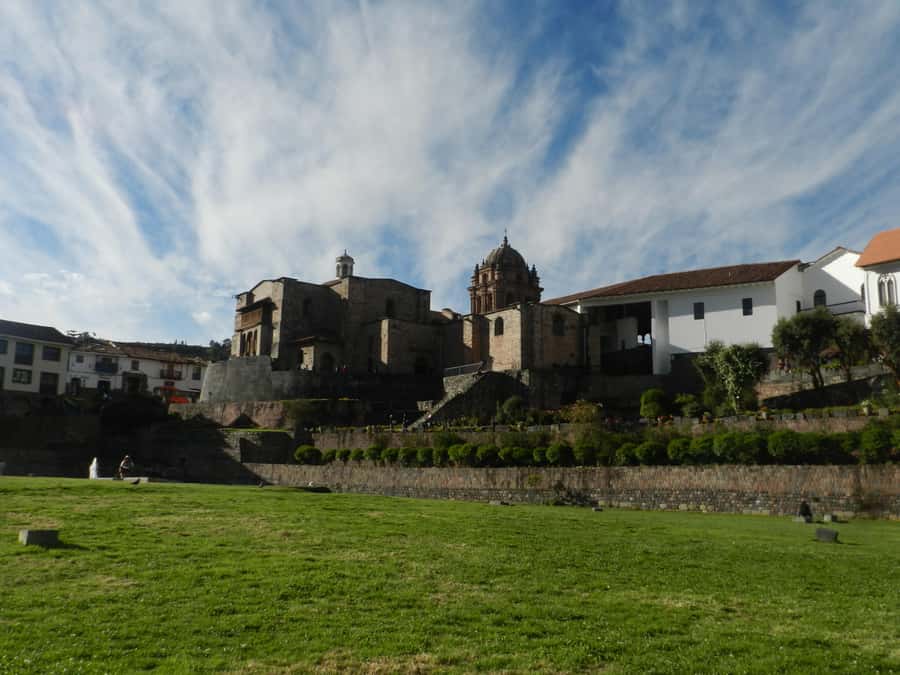
- Qoricancha Museum: the Sun temple layer beneath modern Cusco
- The air-conditioned coach: the practical reason this works
- Sacsayhuaman: 33 archaeological sites and the military feel
- Qenqo: the labyrinth and star-focused ceremonies
- Puca Pucara: watchtowers, halls, aqueducts, and food storage ideas
- Tambomachay and its fresh-water spring
- The craft center: vicuña wool, tradition, and real-vs-fake learning
- Price and tickets: the real math behind the $18 headline
- Group size, English narration, and what to watch for
- What to bring for Cusco ruins (and what will save you)
- Who this Cusco historic city tour suits best
- Should you book the Cusco Half-Day Historic City Tour?
- FAQ
- What time does pickup happen?
- How long is the tour?
- What’s included in the tour price?
- Which entrance fees do I need to pay separately?
- What sites are visited during the tour?
- What should I bring?
- Is the tour wheelchair accessible?
- Does the tour run in bad weather?
Key takeaways before you go
- Cathedral + Qoricancha first: start with UNESCO-listed Cusco and the famous Sun temple.
- Comfortable coach for the ruins: easier logistics with AC while you hop between sites.
- Sacsayhuaman, Qenqo, Tambomachay: the core Inca/ceremonial stops outside the center.
- Puca Pucara adds context: halls and watchtower-like ruins tied to storage and military ideas.
- Craft center focus: learn how to spot traditional camelid-wool clothing, including vicuña wool.
- Small-group feel: English-guided, capped on paper for a more manageable pace.
Cusco at 1 PM: how this half-day tour actually feels
This isn’t an early-morning “rise and shine” Cusco outing. The day kicks off at 1:00 PM, when pickup happens from your hotel in the city center. From there, you’ll work through a set order of stops—starting inside Cusco itself, then moving outward to the ruins—before returning to the area of Santa Catalina Street close to the main square around 7:30 PM.
That timing matters. You avoid the worst mid-morning crowds and you still get prime light for the stone ruins later in the afternoon. It also means you’ll want to dress for the Andes mood swing: warm sun one moment, cooler air and damp clouds the next. The tour runs rain or shine, so plan on layers and bring what you need to stay comfortable.
The pacing is built for “see a lot” travelers. It’s not a slow wander where you linger for hours in each place. You’ll get explanations at each stop, and then you’ll have some time on your own—but overall, you’ll feel the schedule.
You can also read our reviews of more city tours in Cusco
Cathedral of Cusco: start with art, carvings, and a UNESCO site
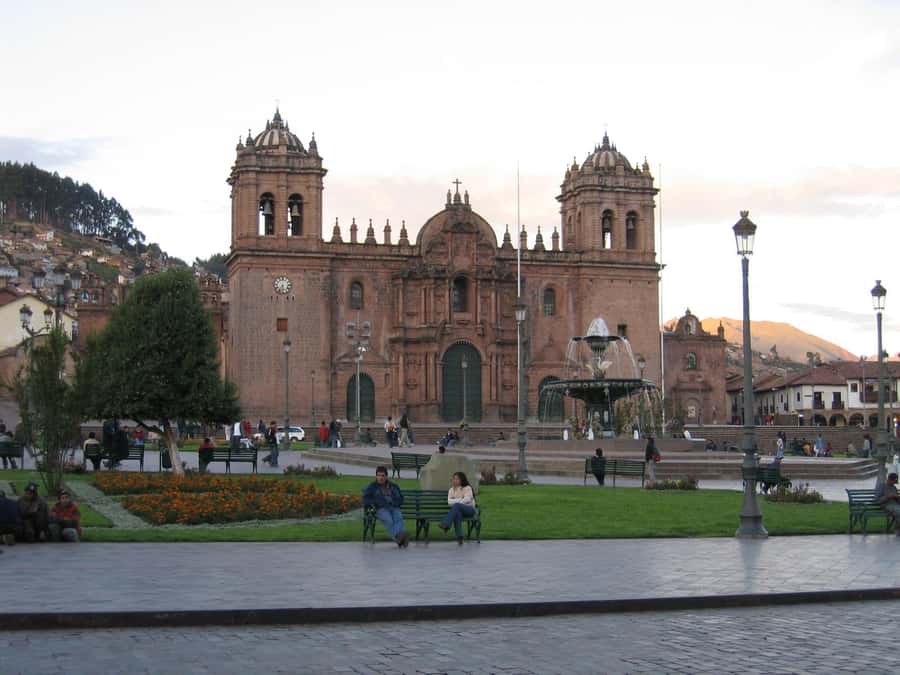
Your first big stop is the Cathedral of Cusco, a UNESCO World Heritage Site. Expect to spend time inside looking at the kind of details that make a cathedral feel less like a single building and more like a whole museum of religious art.
The tour description focuses on what you’ll actually notice inside: paintings, carvings, and sculptures. That’s helpful because it tells you how the guide will steer your attention. Instead of just walking through, you’ll get pointers on what you’re seeing and why it’s there.
Quick practical note: the cathedral entrance ticket (25 soles) is not included. If you want smooth entry, keep cash ready and don’t wait until the last second to figure out what you owe.
Qoricancha Museum: the Sun temple layer beneath modern Cusco
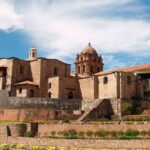
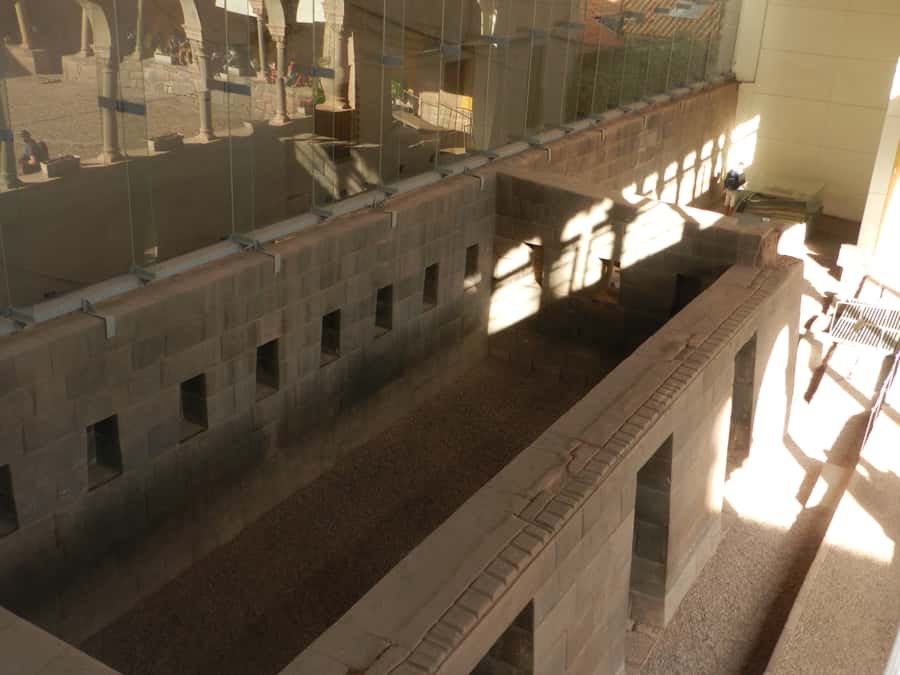
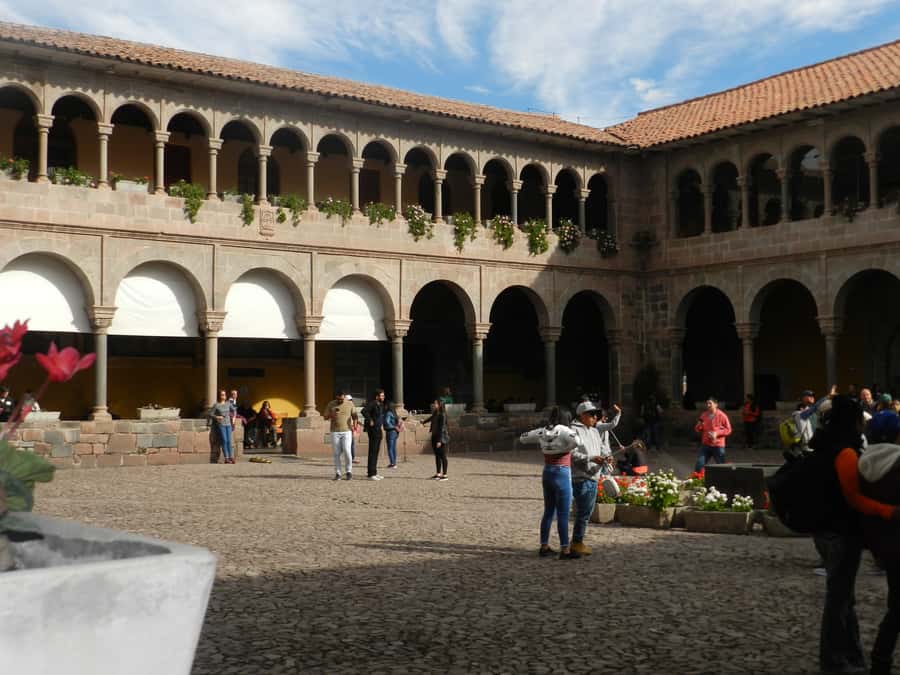
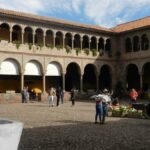
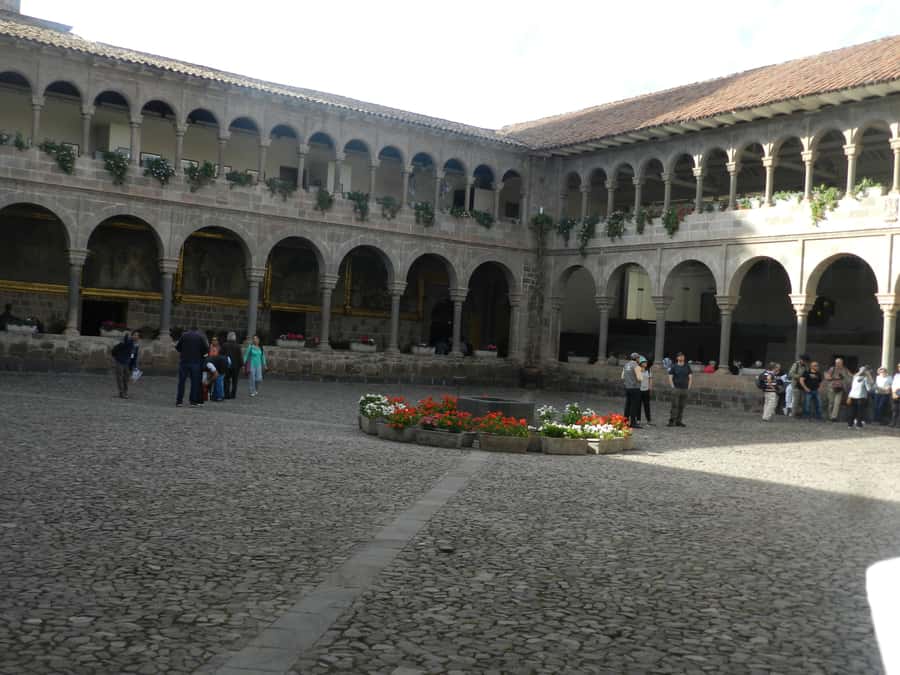
After the cathedral, you’ll head to the Qoricancha Museum. This is where the Cusco story turns layered and complicated in a good way. Qoricancha was originally an Inca-era temple built to worship the Sun, and over time it became part of the Catholic-era landscape.
If you like sites that show how cultures overlap instead of replacing each other overnight, this stop hits that sweet spot. The guide’s role here is big: you’re going to hear how to connect what you’re seeing now with what it originally represented.
The Qoricancha entrance ticket (15 soles) is also not included, so factor that into your budget. If you’re doing this as a budget-conscious traveler, the key is to avoid surprise payments later.
The air-conditioned coach: the practical reason this works
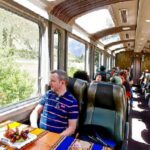
Between the sights in central Cusco and the ruins outside the city, you’re dealing with real distances and real altitude fatigue. This is exactly why the air-conditioned coach is part of the value. The tour takes you roughly 2 km from the city center to Sacsayhuaman, then continues to more distant sites.
When you’re trying to pack multiple ruins into a single outing, comfort isn’t a luxury. It’s what keeps you focused on the experience instead of counting down minutes in uncomfortable transport.
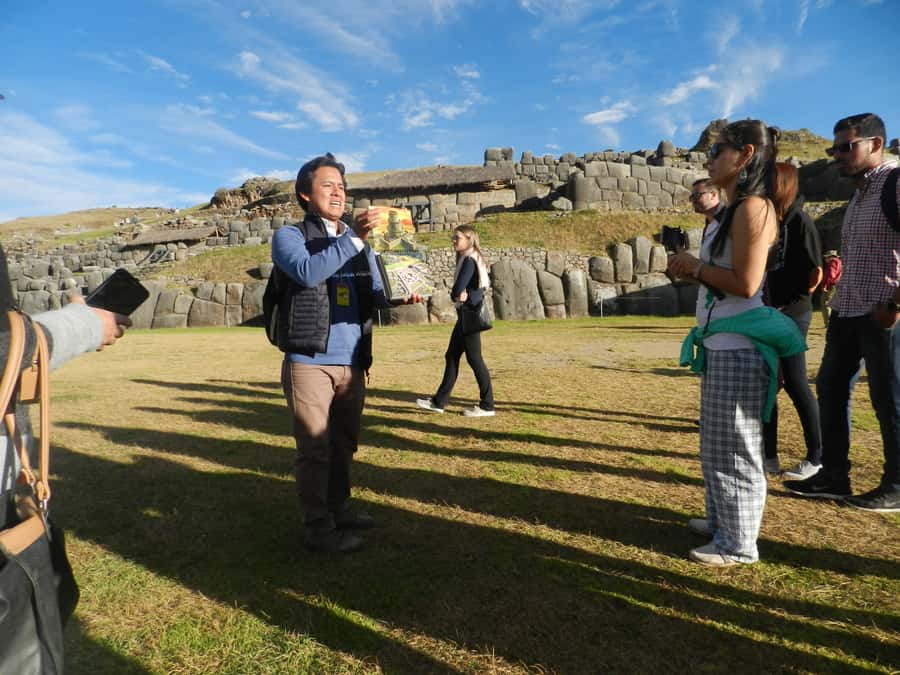
Also, you’re not stuck self-navigating. A local guide keeps the flow organized, and your group stays together. The tour listing states a limited small group, and it’s designed so you’re not fighting crowds at every step.
Sacsayhuaman: 33 archaeological sites and the military feel
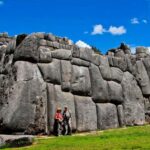
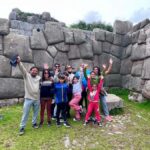
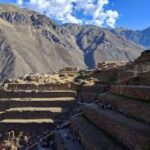
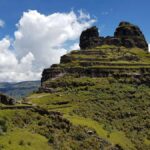
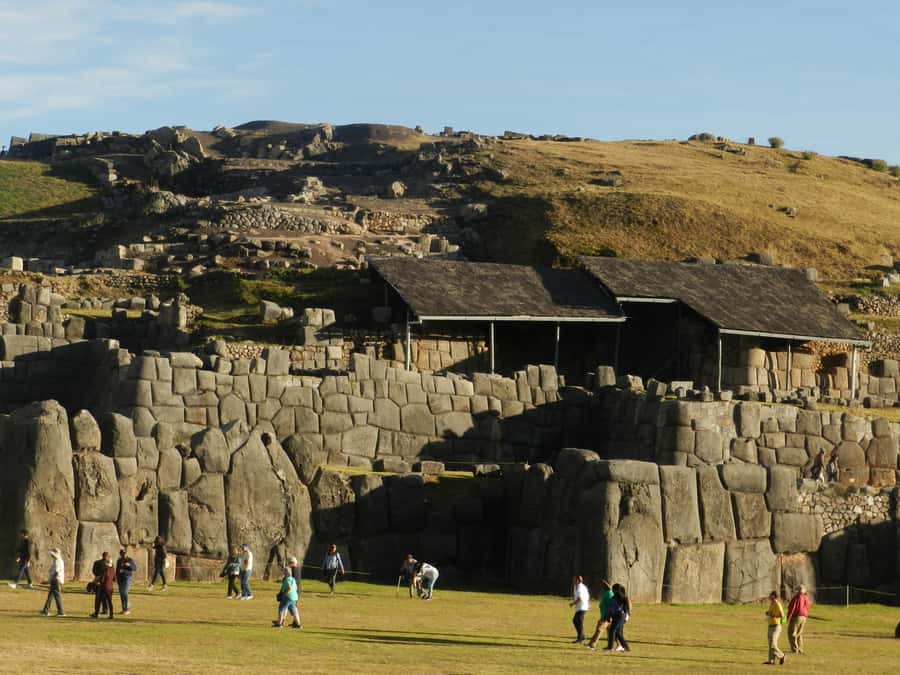
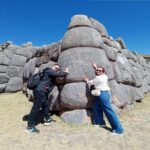
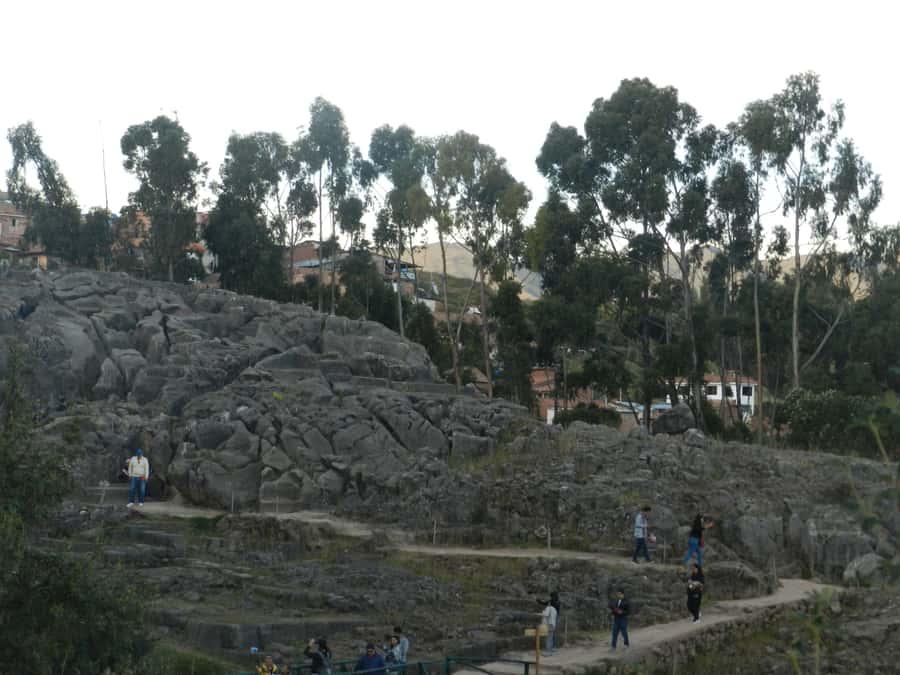
Next up is Sacsayhuaman, a large archaeological complex built up around the idea of defense and control. You’re told it’s a complex made up of 33 archaeological sites, and the overall belief is that it was built for military purposes.
I like starting with Sacsayhuaman because it gives you a sense of Inca engineering before you move into more ceremonial sites. The stonework and the sheer scale make the explanation feel grounded—even if you only understand part of it, you can still “read” the logic in the layout.
Be ready for uneven ground, time spent standing, and some walking between viewpoints. This tour is not suitable for wheelchair users or people with mobility impairments, and that matters most on the ruins where paths can be rough.
You can also read our reviews of more historical tours in Cusco


Qenqo: the labyrinth and star-focused ceremonies
From there you’ll stop at Qenqo, often described as the labyrinth. This site is tied to ceremony and celestial symbolism. The tour frames it as a sacred place where ceremonies were performed in honor of the Sun, the Moon, and the stars.
This is the kind of stop that benefits from a guide. Without context, Qenqo can look like another set of stone shapes. With context, it becomes a map for how people might have understood the sky and timing.
You’ll learn what to pay attention to, then you’ll get a chance to look at the site on your own long enough to connect the story to the physical space.
Puca Pucara: watchtowers, halls, aqueducts, and food storage ideas
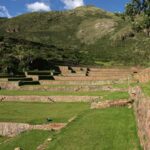
After Qenqo, the itinerary takes you out to Puca Pucara, traveling about 7 km from the city center. This complex includes halls, inner plazas, aqueducts, watchtower-like elements, and paths.
The key idea you’ll hear is that it may have worked as a military complex and a place for food storage. That mix of defensive and practical makes it feel very different from the more ritual-focused sites.
If you’re the kind of traveler who likes learning systems—how communities organized people and supplies—Puca Pucara gives you that. It’s also one of the stops that helps the overall tour feel connected rather than like four unrelated photos.
Tambomachay and its fresh-water spring
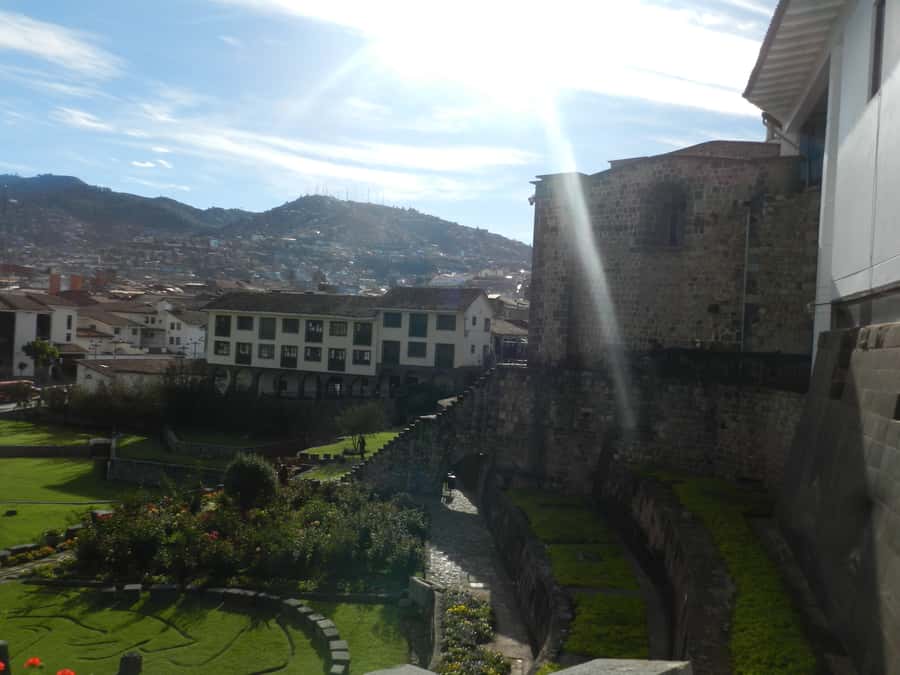
Then comes Tambomachay, tied to a fresh water spring. The tour frames it as a stop you visit before you head back toward the city center.
For me, the value of Tambomachay in a packed schedule is simple: it adds variety. After stone-and-sky sites, a water feature helps you reset your brain and notice the setting differently. Even if you don’t spend ages here, the change of scene makes the tour feel less like a checklist.
The craft center: vicuña wool, tradition, and real-vs-fake learning
Your tour wraps with a visit to a craft center, where a local guide tells the story of ancient Inca crafts and how to identify traditional garments made from vicuña wool.
This part can be educational in a way that goes beyond souvenirs, especially if you’re unsure what to look for in quality. You’ll get guidance on how to recognize what’s real, which is useful whether you shop or simply want to understand the material.
That said, keep expectations realistic. This is still a retail-style stop. The experience can include pitches and product talk—some people love it, others feel it cuts into the free-exploration time.
Price and tickets: the real math behind the $18 headline
The tour price is listed at $18 per person, and that’s attractive for a route that includes pickup and transportation plus a local guide. Where the value equation shifts is the tickets.
You’ll still need to pay for:
- Cathedral entrance ticket: 25 soles
- Qoricancha entrance ticket: 15 soles
- Tourist ticket: 70 soles
That tourist ticket fee is the biggest line item, so it’s smart to plan for it early rather than treating it like an afterthought. In other words: the $18 is for the guided route and logistics, while the main sites have separate entry requirements.
I also like that this tour is priced to be doable last minute—so if your Cusco days shift, you’re not stuck paying a huge premium just because you waited.
If you’re trying to maximize value, bring extra cash, pay in local currency as requested, and don’t show up unprepared. That one move makes the whole afternoon run smoother.
Group size, English narration, and what to watch for
The tour is described as small group and limited to 12 participants, and it’s also described as group tours up to 20. Either way, you should expect a manageable group that’s not a giant busload at every stop.
The tour language is English, and a live guide provides narration throughout. One practical thing I’d do: if your English-only requirement is strict, confirm that your departure time is set up for English. Mixed-language groups can affect how much you actually understand on the go.
The other reality: you’ll likely encounter sales talk in transit and at the craft stop. If you’re the type who hates being sold things, you can still enjoy the ruins portion—but mentally treat the coach ride and craft center like a bonus with some marketing attached.
What to bring for Cusco ruins (and what will save you)
You’re outdoors for a chunk of the afternoon, and you’ll be on uneven ground at archaeological sites. I’d pack to stay comfortable rather than just to stay “technically prepared.”
Bring:
- Passport or ID card
- Sun hat
- Hiking shoes
- Sunscreen
- Cash
- Weather-appropriate clothing
Also remember: the tour runs rain or shine, so bring layers you can adapt quickly. In Cusco, the sun can be intense even when clouds roll in, so sunglasses and sunscreen aren’t optional if you burn easily.
Who this Cusco historic city tour suits best
This is a great fit if you want:
- A guided way to see major Cusco highlights without figuring out transport on your own
- Inca context plus colonial-layer context in the same day (cathedral + Qoricancha)
- A coach-based route that reduces the “how do we get there” stress
It’s less ideal if you:
- Need step-free access. This tour is not suitable for wheelchair users and isn’t designed for mobility limitations.
- Want a slow, no-shopping pace with zero sales interruptions.
- Get annoyed by schedules that feel tight. This is built to cover a lot, so time at each stop can feel shorter than your ideal.
Should you book the Cusco Half-Day Historic City Tour?
Yes, I’d book it if your goal is a guided hit list: Cathedral + Qoricancha, then Sacsayhuaman, Qenqo, Tambomachay, plus the added context of Puca Pucara and a craft-learning finale. The combination of logistics, local guidance, and an air-conditioned ride makes it a practical value for the money—especially if you’re short on time.
Hold off (or shop around) if you hate shopping-style pitches or you need lots of unstructured time at each ruin. Also, because tickets are not included for the cathedral, Qoricancha, and the tourist ticket, budget for that upfront and bring cash.
If you’re flexible, you can often book with confidence because cancellations and flexible payment options are offered. Just don’t wait until the last minute to plan your entry fees.
FAQ
What time does pickup happen?
Pickup begins at 1:00 PM from your Cusco hotel in the city center. If your hotel is outside the city center, pickup is arranged from the Inka Ahy statue in the main square.
How long is the tour?
The tour runs for about 7 hours, and it typically returns around 7:30 PM to the Santa Catalina Street area near the main square.
What’s included in the tour price?
The tour includes hotel pickup in the city center, transportation, and a local English guide.
Which entrance fees do I need to pay separately?
You’ll need to pay separately in local currency for the Cathedral entrance ticket (25 soles), the Qoricancha entrance ticket (15 soles), and the tourist ticket (70 soles).
What sites are visited during the tour?
You’ll visit the Cathedral of Cusco, Qoricancha Museum, and the ruins of Sacsayhuaman, Qenqo, Puca Pucara, Tambomachay, plus a craft center.
What should I bring?
Bring passport or ID, sun hat, hiking shoes, sunscreen, and cash. Wear weather-appropriate clothing since the tour runs rain or shine.
Is the tour wheelchair accessible?
No. The tour is listed as not suitable for people with mobility impairments and wheelchair users.
Does the tour run in bad weather?
Yes. The tour is held rain or shine, so plan for weather changes.