REVIEW · HISTORICAL TOURS
Cusco: Full-Day Sacred Valley History Tour
Book on GetYourGuide →Operated by PVTravel · Bookable on GetYourGuide
The Sacred Valley hits fast. This full-day tour strings together Písac, Ollantaytambo, and Chinchero with a scenic Cusco mountain drive, guided history, and a proper break for lunch. I love the way the Inca architecture and irrigation terraces come into focus as you travel, and I like the hands-on textile angle at Chinchero. One caution: the day runs long, and timing can get messy at pickup and at lunch.
You’ll also want comfy shoes and a little patience for a road day on Andean terrain. This works best if you want a guided overview without having to plan your own stops, and if you’re okay with a small-group van format where English and Spanish can be mixed.
In This Review
- Key points at a glance
- Cusco to El Mirador: setting the tone with views and Inca ideas
- Písac market: color, trade, and Inca terrace geometry
- Urubamba: river drive and lunch that you should plan around
- Ollantaytambo ruins: Inca engineering and Wiracocha symbolism
- Chinchero: natural dyes, knitting, and living Quechua culture
- Guide quality and the small-group advantage (Eddy and Manuel are good signs)
- Price and tickets: where the real value shows up
- Logistics you should plan for: pickup, timing, and comfort
- Who this Sacred Valley tour fits best
- Should you book this Cusco Sacred Valley History Tour?
- FAQ
- FAQ
- What is the duration of the Cusco Sacred Valley history tour?
- Where are you picked up in Cusco?
- What is included in the price?
- Is lunch included, and where is it served?
- Do I need to buy a ticket for the sites?
- What are the main stops on the itinerary?
- What language is the guide?
- Is the tour accessible for wheelchair users?
- What should I bring?
Key points at a glance
- El Mirador lookout: a quick history-and-view setup before you start hitting the ruins
- Písac market + stonework: market color paired with Inca terracing and agricultural design
- Urubamba River drive: the scenery changes as you move toward Ollantaytambo
- Ollantaytambo ruins: Inca construction with rock formations tied to Wiracocha
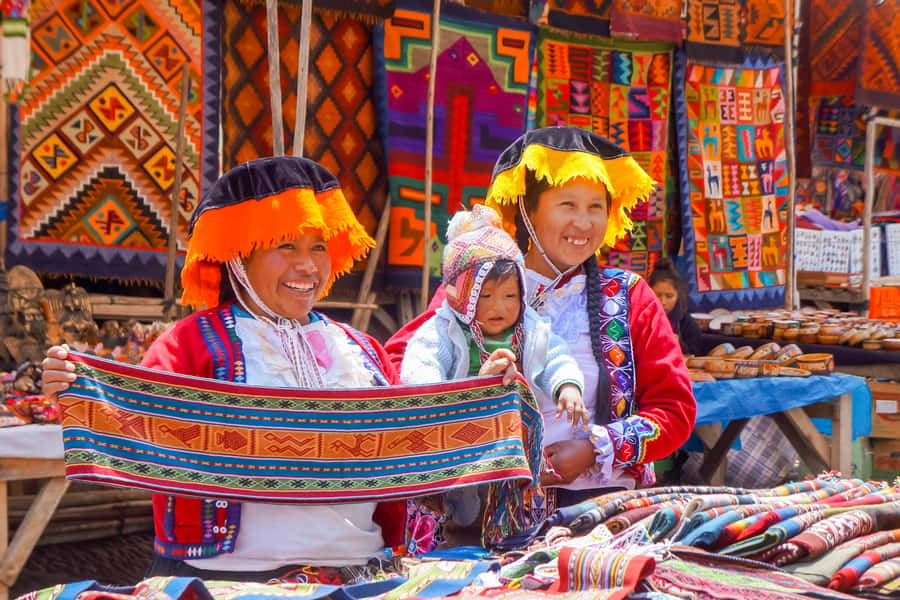
- Chinchero textiles: natural dye and knitting traditions using alpaca and sheep wool
- Small group (up to 15): enough attention from your bilingual guide without feeling packed
Cusco to El Mirador: setting the tone with views and Inca ideas
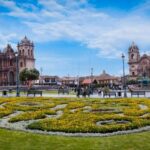
This tour starts with pickup from hotels in the historic center of Cusco, typically around 7:30AM, with the day wrapping up back in Cusco around 7:00PM. It’s a full 11-hour loop through the Sacred Valley, so I treat it like a daylong “orientation plus highlights” plan. If you’re the type who wants to understand what you’re seeing, the guide’s narration matters here.
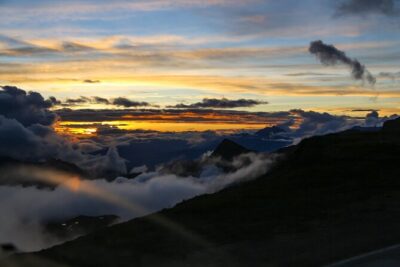
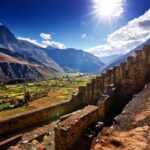
Before the stops, you drive north around the mountains. The first stop is El Mirador (Lookout Point). This is more than a photo break. It gives you the big-picture view of the Sacred Valley and helps you connect the dots: why the Incas chose this area, how altitude and fertile land work together, and why you’ll keep noticing terracing and irrigation channels as you go.
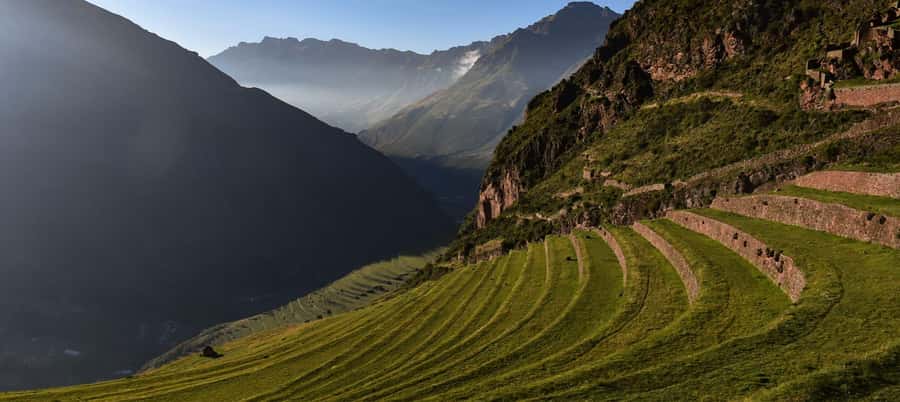
I like El Mirador because it helps you read the valley later. When you hit Písac and Urubamba, it’s not just “pretty hills.” You start spotting how the land was engineered—especially those contour-style terraces that look almost like drawn lines across slopes. If you’re prone to rushing, use this moment to slow down. It pays off.
You can also read our reviews of more historical tours in Cusco
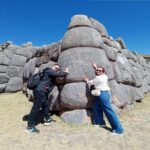
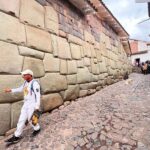

Písac market: color, trade, and Inca terrace geometry
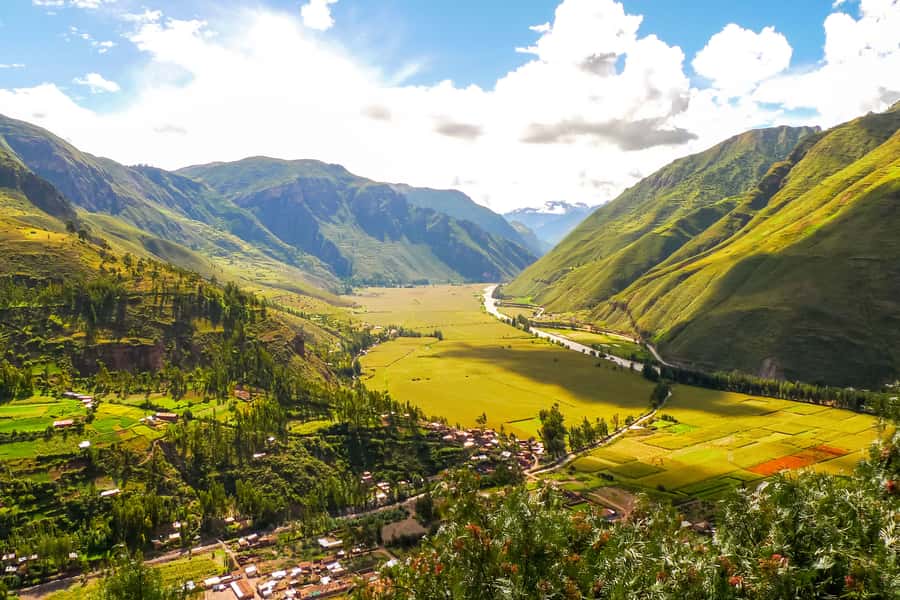
Next up is Pisac. This stop has two sides that work well together: the Písac market vibe and the nearby Inca stone-and-agriculture setting.
The market is where you see daily life. Expect color, motion, and plenty of people selling textiles and crafts. It’s also a good place to reset your energy before more ruins time. If you’re shopping, keep your pace calm. Prices and quality can vary a lot, so it helps to ask questions about materials and what’s handmade.
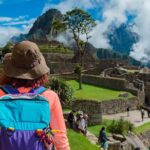
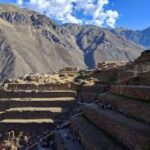
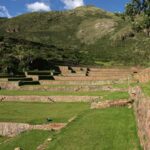
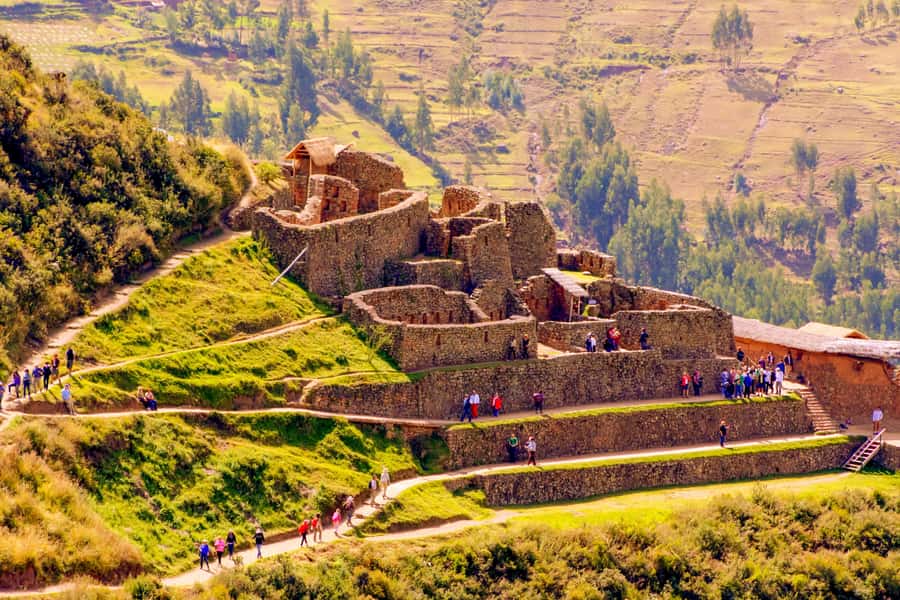
The other side of Písac is the archaeological area: stone art and impressive agricultural terraces. The point isn’t just that the Inca built well—it’s how smart the design was. Terraces weren’t decoration. They were engineering to control water, slow erosion, and make steep land usable. When you combine that with what you saw from El Mirador, you understand the logic behind the scenery.
One practical note: market time can feel like it runs short if you’re also trying to walk ruins sections. Wear shoes you trust on uneven ground. And if you like shopping, don’t wait until the last minute. It’s easier to decide when you can compare items while you’re still fresh.
Urubamba: river drive and lunch that you should plan around
After Písac, the tour moves toward Urubamba, where you get a buffet lunch. This is your main sit-down break before the second half: Ollantaytambo and Chinchero.
The ride between stops follows the Urubamba River, so the scenery gets a more river-valley feel as you travel. The guide usually keeps the story going in the van—life, culture, and historical context—so even the drive feels useful rather than wasted.
Lunch is at Urubamba at a buffet restaurant (one commonly used option is T’ika Wasi Restaurant, per guide routing). The food can be fine, but here’s the timing consideration: lunch length may run long compared to what you’d expect, and some days it’s scheduled later than you’d hope if you’re hungry. If you snack lightly before pickup and then save your appetite for lunch, you’ll enjoy this stop more.
Buffet lunches in the Sacred Valley can also mean you’re eating right before continued walking. So keep it simple: a plate that covers your energy needs without making you feel heavy. You don’t want lunch to steal your stamina for Ollantaytambo’s stone steps.
Ollantaytambo ruins: Inca engineering and Wiracocha symbolism
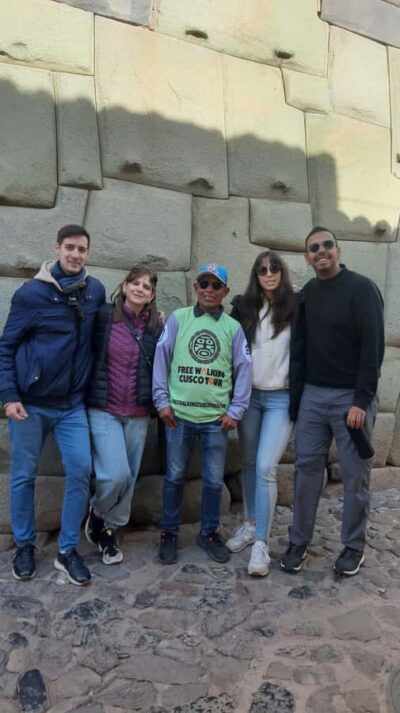
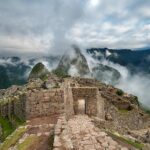
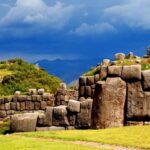
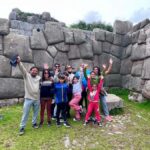
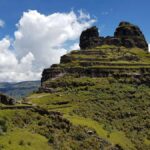
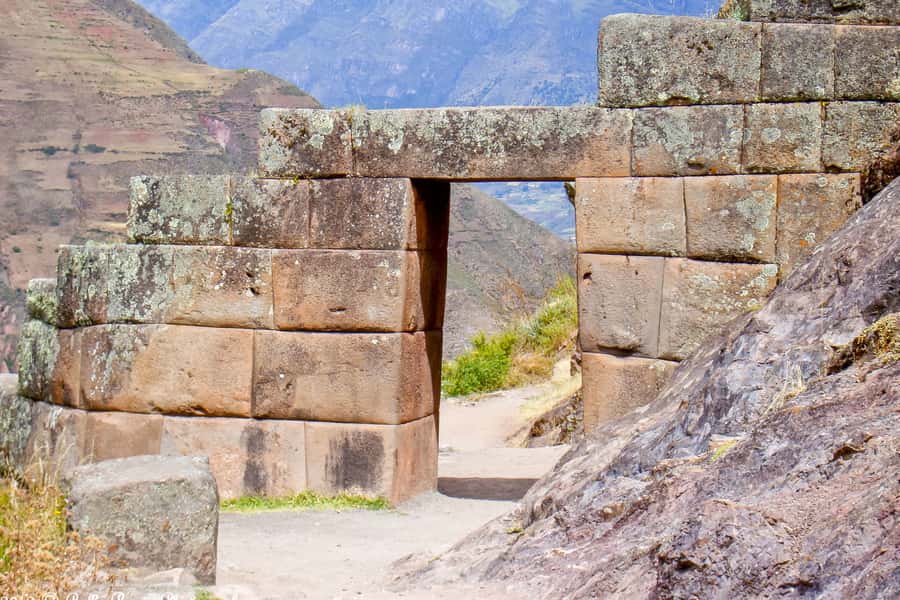
From Urubamba, you head on to Ollantaytambo, one of the most satisfying archaeological stops of the day. This is an important Inca construction area, and the ruins here are the kind you can’t fully appreciate from a distance. Up close, you see the precision in the stonework.
The guide perspective matters at Ollantaytambo. The story includes rock formations connected to the Inca god Wiracocha. Even if you don’t know the theology ahead of time, you’ll get enough context to make those shapes mean something instead of just looking like random cliffs.
I also like that Ollantaytambo is a “real town” experience, not only a ruin. After exploring, you’ll understand why so many people use this place as a base for onward travel. In fact, some passengers on this route are continuing toward Machu Picchu by train from Ollantaytambo later in the day. That can change the energy on your final leg—people might be watching the time closely—but it also confirms the stop is strategically placed.
Drawback to plan for: Ollantaytambo takes time and walking. The ruins don’t care if you’re on a schedule. If you’re coming off a slower morning or you didn’t rest at lunch, you’ll feel it here. But if you like Inca architecture and want a site that feels “built to last,” this is one of the best moments of the tour.
Chinchero: natural dyes, knitting, and living Quechua culture
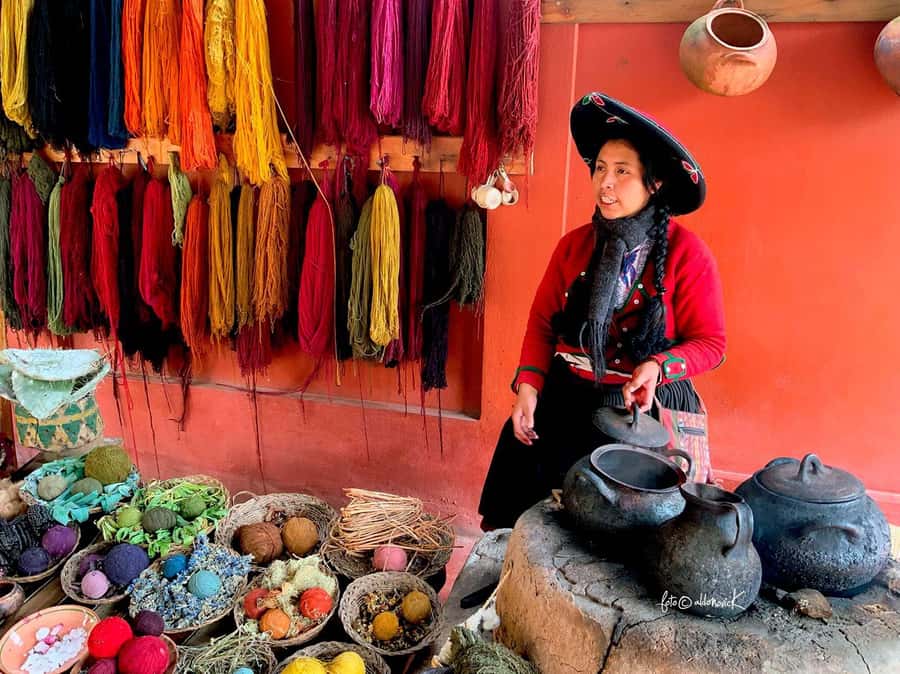
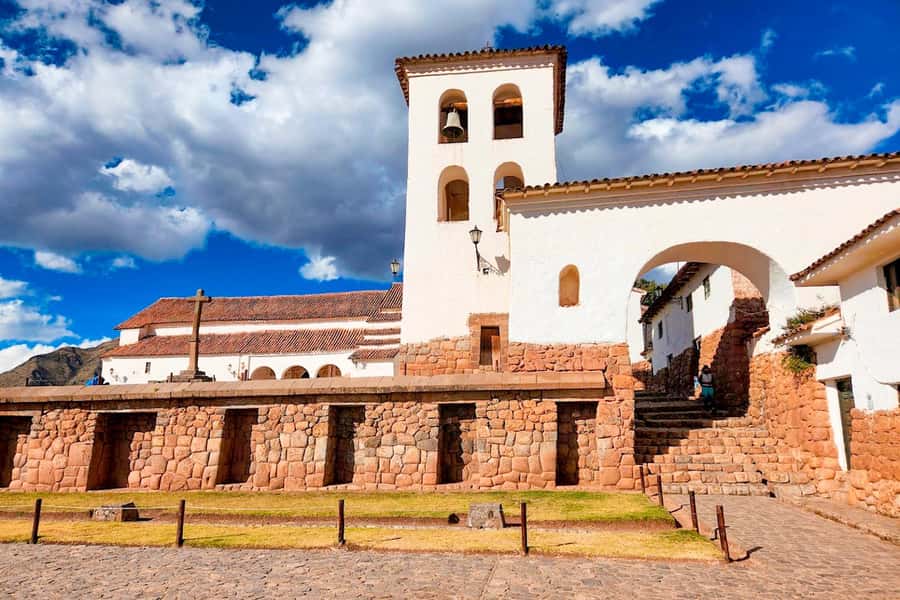
After Ollantaytambo, the tour continues to Chinchero, where the focus shifts from ruins to traditional craft and daily life. This is where the tour gets more human and less archaeological.
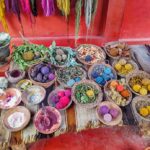
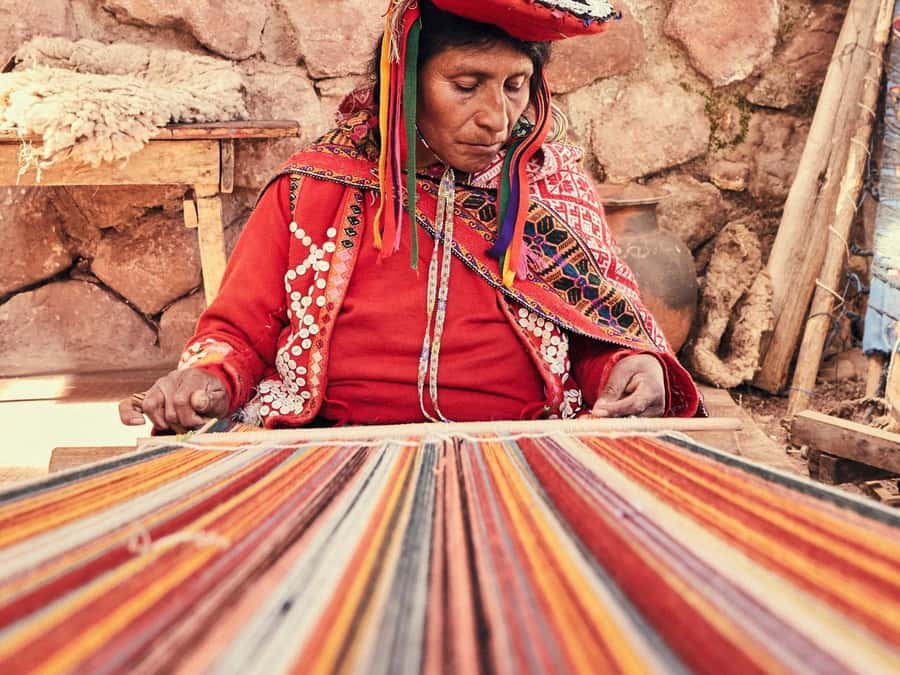
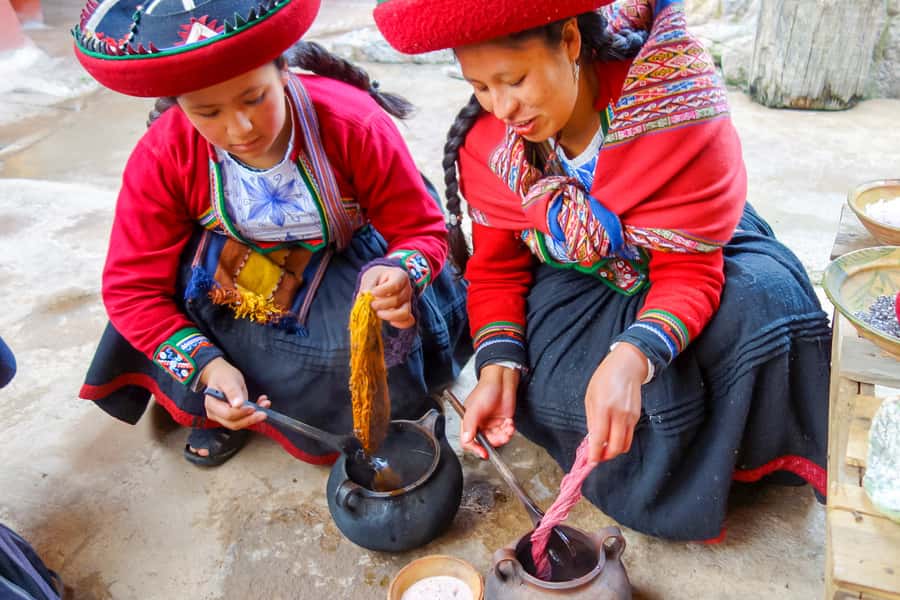
At Chinchero, you can learn about natural dyes used for artisanal textiles and how knitting techniques connect to Inca traditions. You’ll also see how people make textiles from alpaca and sheep wool. This stop tends to be popular because it’s tangible: you’re not only hearing about the culture, you’re watching processes.
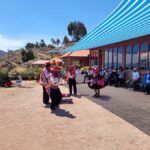
One of the strong points here is the cultural continuity angle. You’ll see inhabitants living in dwellings and conditions that resemble their ancestors’ way of life, and you may notice the language and clothing patterns: many people speak Quechua and dress in multicolored outfits. It’s not a museum. It’s a working community.
If you want to buy something, plan smart. Some people recommend bringing cash for Chinchero purchases so you’re not stuck trying to solve payment logistics on the spot. Also, give yourself time to watch the steps rather than trying to rush to the final product. The value is in understanding how the color and fiber become cloth.
The only downside is that Chinchero can feel like a lot if you already did Písac market + Ollantaytambo ruins. This is why I recommend arriving mentally ready for variety. Think of the day like a playlist: terraces, then river and lunch, then stonework, then textiles. Your brain gets a break from one theme while another one stays active.
You can also read our reviews of more tours and experiences in Cusco


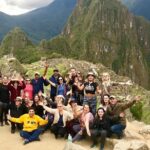

Guide quality and the small-group advantage (Eddy and Manuel are good signs)
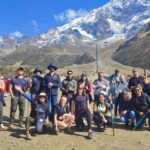
A small group matters on this route because the stops aren’t “one-and-done.” You’ll want the guide to connect the dots between sites. This tour includes a bilingual, professional guide (English/Spanish) and group size is capped at 15 participants.
From real day-to-day experience patterns, the guide can make or break the tour. On some days, you might share the van mostly with Spanish speakers even if you booked for English. The good news: the guide is set up to explain in both languages, so you don’t have to choose between getting the facts and enjoying the day.
Also, pay attention if your guide is named Eddy or Manuel. They’re examples of guides who have delivered clear explanations and kept the history and culture thread running while driving between sites. Even when the schedule is long, that kind of commentary helps the day feel coherent instead of random driving between attractions.
Price and tickets: where the real value shows up
On paper, the tour cost is $45 per person, which is a solid “coverage rate” for a full 11-hour day with pickup, transportation, a bilingual guide, and lunch. The catch is that there are usually extra charges for sightseeing.
The touristic ticket is listed separately at S/70.00 per person. Also, entrances to ruins can be included if you select that option—so it’s worth confirming what you’re paying for upfront. The best value here comes when your booking matches what you intend to see, especially if you care about entering archaeological sites rather than only viewing from outside.
If you’re comparing options, I’d weigh three things:
- You’re paying for transport + guidance, not just entrance fees.
- Lunch is included, which saves you time and planning.
- The small group helps you get explanations rather than just a driver.
At the same time, this isn’t the cheapest way to “do the valley.” It’s the practical way to do it with context. If that context is your priority, the price makes sense.
Logistics you should plan for: pickup, timing, and comfort
This tour is long, and the logistics reflect real road travel in the Andes.
Pickup from central Cusco is usually around 7:30AM, but on some days pickups can be staggered and you may wait if the van is collecting multiple hotels. That’s not unusual in a city layout like Cusco’s, but it can still eat time. When you’re traveling, time feels expensive when you’re on a strict train or onward connection.
The tour typically drops you back at Plaza Regocijo. Plan your return evening calmly. You’ll likely want a real meal after you get back to Cusco, not a quick snack.
What to bring is simple:
- Comfortable shoes (you’ll be on uneven ground)
- A light layer (van mornings and late-day temps can shift)
Not suitable for wheelchair users, since you’ll be dealing with steps and irregular terrain at sites.
Who this Sacred Valley tour fits best
This is a good fit if you want:
- A guided overview of the Sacred Valley without coordinating separate tickets and transport
- A day that mixes market culture, Inca ruins, and living textile tradition
- A small group, up to 15, with bilingual guidance
It’s less ideal if you:
- Have tight timing needs for later connections without buffer time
- Hate long days with multiple stops
- Need mobility accommodations for uneven ground
If you’re also thinking about Machu Picchu logistics, remember that some guests are continuing from Ollantaytambo onward. That doesn’t affect your experience directly, but it’s a sign the stop is built into real travel flows.
Should you book this Cusco Sacred Valley History Tour?
I’d book it if you want the Sacred Valley’s main story beats in one day: terraces and trade at Písac, Inca stonework at Ollantaytambo, and the craft-to-culture connection at Chinchero. The combination is efficient, and the bilingual guiding helps you leave with names, meaning, and a sense of how the land shaped the Inca world.
I’d hesitate only if your schedule is extremely tight or if you’re sensitive to timing hiccups. This route runs for 11 hours, and lunch schedules can be longer than you’d hope. Still, with comfy shoes, a snack buffer, and realistic expectations for a road day, it’s a strong value way to see a lot and understand what you’re seeing.
FAQ
FAQ
What is the duration of the Cusco Sacred Valley history tour?
It runs for 11 hours. Starting times vary, so you’ll want to check availability for the exact pickup and departure schedule.
Where are you picked up in Cusco?
Pickup is included from hotels in the historic center of Cusco.
What is included in the price?
Included are transportation, a bilingual professional guide (English/Spanish), buffet lunch in Urubamba, pickup from central Cusco, and drop-off at Plaza Regocijo. Entrances to ruins are included if the selected option includes them.
Is lunch included, and where is it served?
Yes. You get a buffet lunch in Urubamba.
Do I need to buy a ticket for the sites?
Yes. A touristic ticket is listed separately at S/70.00 per person. Also, some ruins entrances may depend on whether you selected that option.
What are the main stops on the itinerary?
Key stops include El Mirador, Písac (including the market), Urubamba for lunch, Ollantaytambo ruins, and Chinchero for textile dyeing and knitting.
What language is the guide?
The guide is bilingual in English and Spanish.
Is the tour accessible for wheelchair users?
No, it is not suitable for wheelchair users.
What should I bring?
Bring comfortable shoes for walking on uneven ground.