REVIEW · WALKING TOURS
Cusco: Walking Tour Cusco
Book on GetYourGuide →Operated by LimaTours · Bookable on GetYourGuide
Cusco gets easier fast on foot. The San Blas area, the twelve-angled stone, and Cusco’s main-square scene make this walk feel like a quick, well-planned orientation. I like the way the route mixes big landmarks with street-level details you can actually see up close, not just read about.
Two things I really appreciate: the San Pedro local market stop (a sensory hit of regional products) and the Central Cusco architecture stops around Plaza de Armas and Plaza Regocijo. One thing to consider is logistics: there’s no pickup, and the tour expects you to be at the meeting point (Plaza de Armas) about 15 minutes early.
In This Review
- Key things to notice on this Cusco walk
- Start in Plaza de Armas, where Cusco’s story is already visible
- La Compañía de Jesús and the Cathedral: the main square as a navigation tool
- Heading to San Blas: the twelve-angled stone on the route
- San Blas to Coricancha: moving from artisans to the Sun Temple
- Plaza Regocijo (Cusipata) and Plaza San Francisco: colonial corners with local meaning
- San Pedro Market finale: the sensory stop that makes Cusco feel real
- Price and value: what $29 buys you in central Cusco
- Who this Cusco walking tour suits best
- Should you book this Cusco walking tour?
- FAQ
- Where is the meeting point for the Cusco walking tour?
- How long is the walking tour?
- Is pickup or drop-off included?
- What languages are available for the guide?
- Are admissions, snacks, or beverages included in the price?
- Is the tour wheelchair accessible?
Key things to notice on this Cusco walk
- Plaza de Armas first: a fast orientation using the Cathedral and the Church of La Compañía de Jesús as anchors
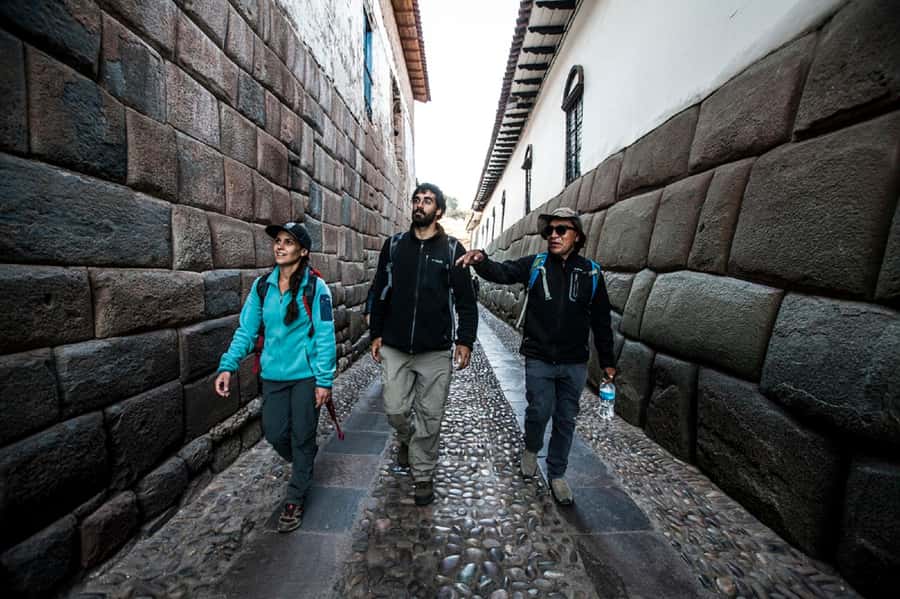
- The twelve-angled stone: Inca stonework precision you’ll see from the street
- San Blas artisan streets: historic neighborhood energy, now known for top workshops
- Coricancha (Sun Temple): homage to Inti during the Inca Empire, right at the center of the story
- Plaza Regocijo (Cusipata): name rooted in Quechua meaning, tied to public celebrations
- San Pedro market finale: a “thousands of products” stop you’ll experience with all your senses
Start in Plaza de Armas, where Cusco’s story is already visible
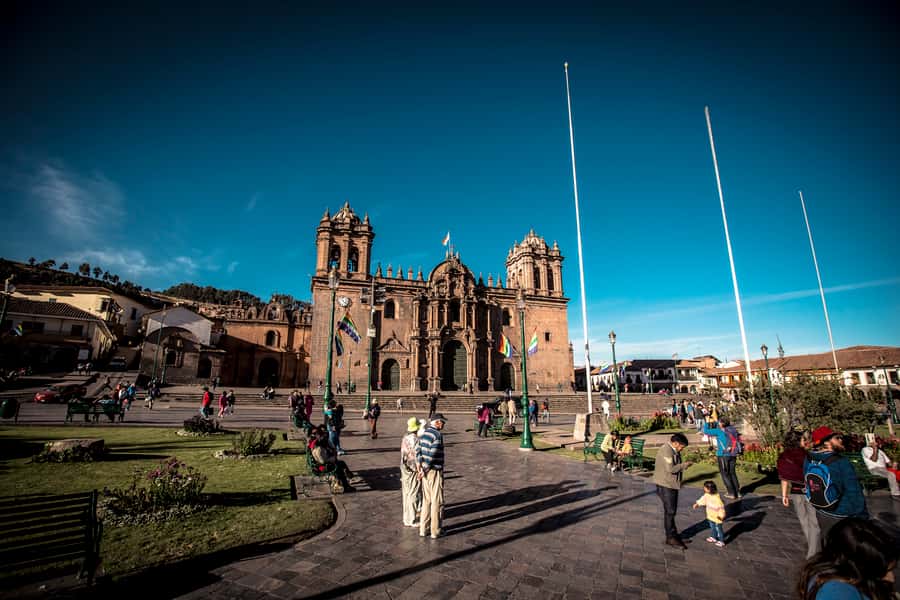
Most Cusco tours start with a view. This one starts with a location that basically does the storytelling for you. You meet in Plaza de Armas by the Inca monument, with your guide waiting in the square near Calle Portal Belén.
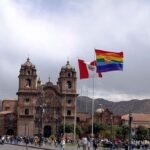
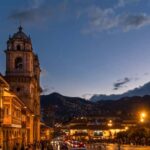
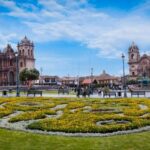
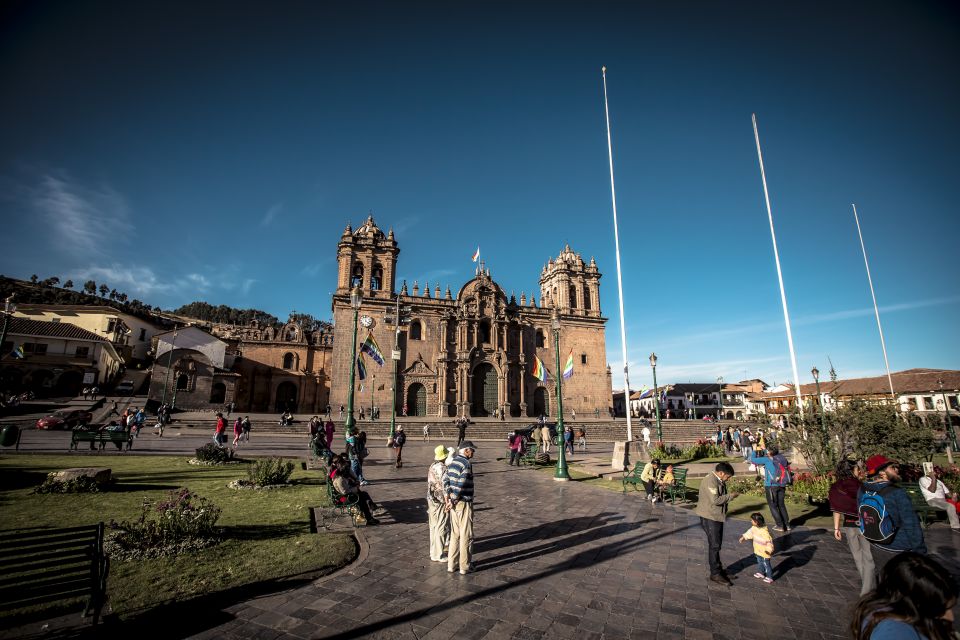
From there, you’re in the middle of the city’s visual mix: colonial churches, city-center commerce, and the kind of streets where you can look up and see the layers. The tour begins at the main-square area around La Compañía de Jesus and the Cusco Cathedral, so you get your bearings before you start moving uphill toward the more local neighborhoods.
This is smart for first-time visitors. Cusco can feel like a puzzle at street level. Starting here helps you understand what you’re seeing as you walk rather than later, when you’re tired and trying to remember which church was where.
You can also read our reviews of more walking tours in Cusco

La Compañía de Jesús and the Cathedral: the main square as a navigation tool
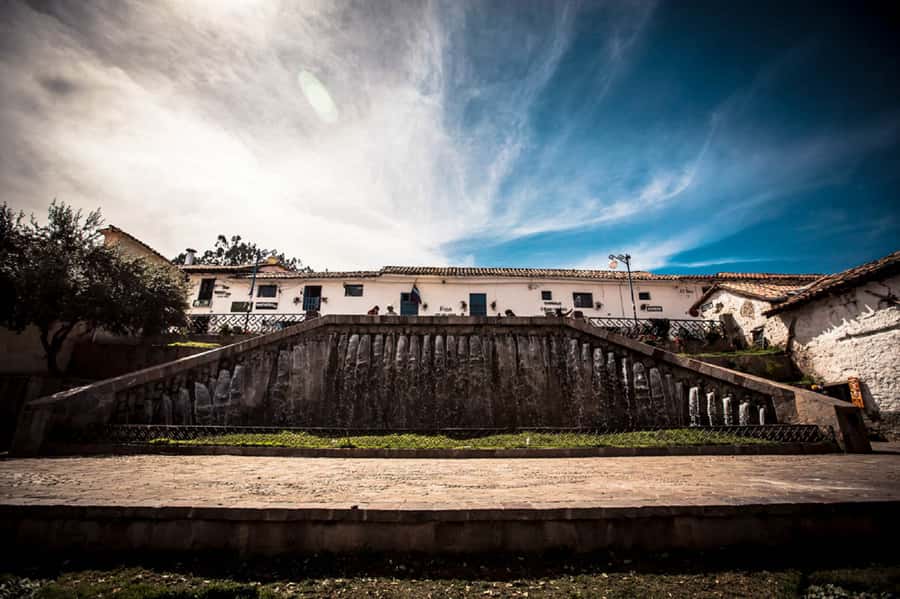
In the first stretch, the focus is the same thing you’d do on your own: use landmark buildings to orient yourself. La Compañía de Jesús and the Cathedral are the kind of anchors that help you “map” Cusco in your head while you’re still fresh.
The tour doesn’t just treat these as photo stops. It sets you up to understand why the main square matters: it’s where Cusco’s civic and spiritual life has long overlapped. Even if you’re more interested in markets and neighborhoods than churches, this is where you’ll feel the city’s layout click into place.
Practical tip: wear shoes that can handle uneven stone. The early part is easy because you’re inside the flatter core, but Cusco’s paving isn’t uniform. You’ll get less enjoyment if you’re constantly watching your footing.
Heading to San Blas: the twelve-angled stone on the route
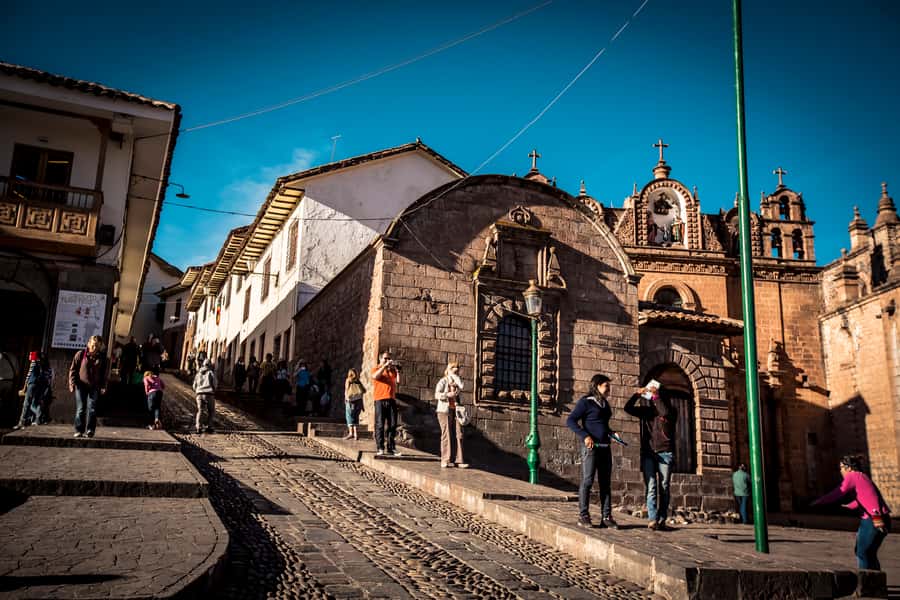
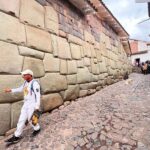
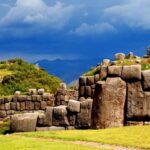
After the main square, you head toward San Blas and pass a spot many people miss if they’re not listening for it: the twelve-angled stone. This is Inca stonework known for the perfect assembly of its 12 corners and sides—precision you can actually spot once you know what to look for.
The fun here is that the stone isn’t behind glass. It’s part of the street story. When you notice the edges and how cleanly everything fits, you start to appreciate how skilled the builders were without needing a museum setting.
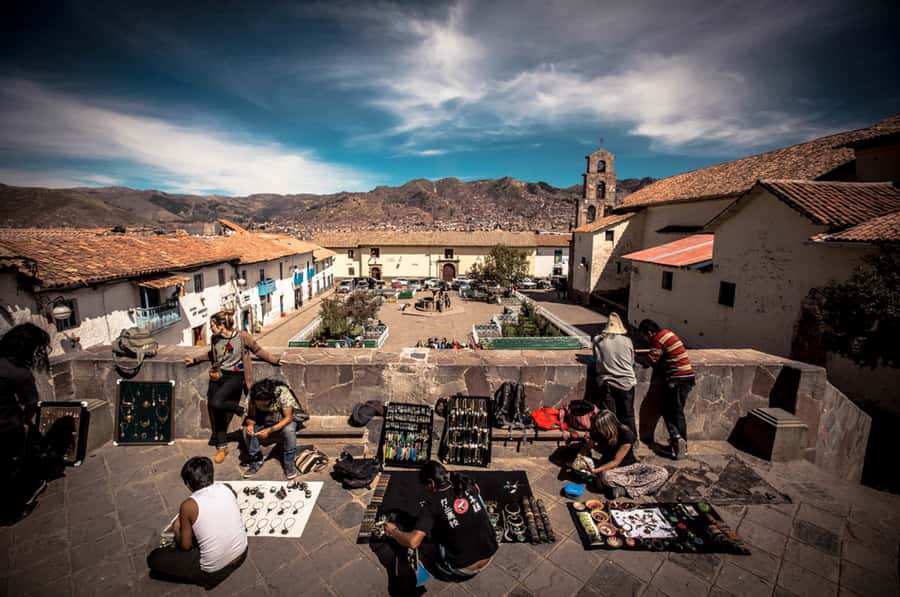
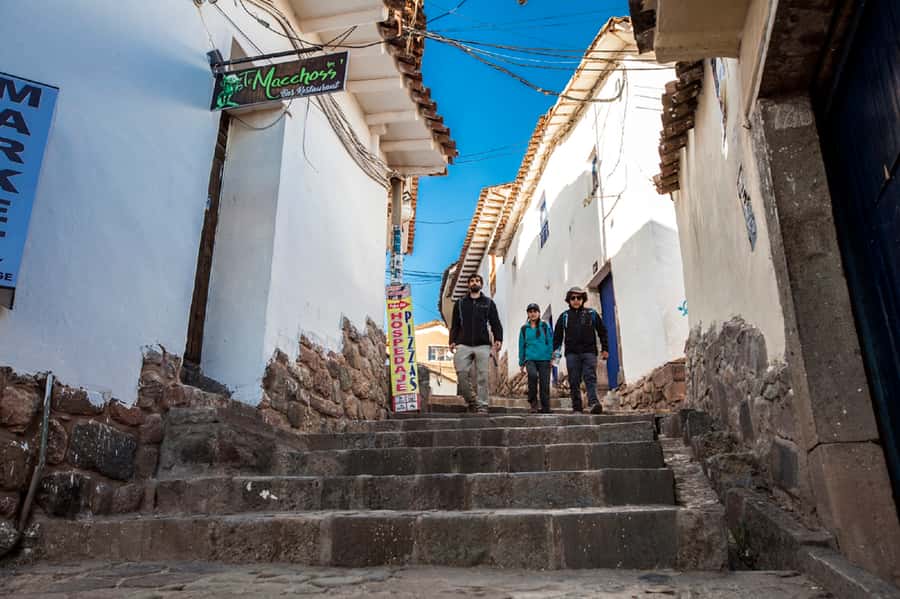
Then you reach San Blas, historically associated with Inca nobility. Today it’s famous for prestigious artisan workshops, and that matters because it changes the feel of the neighborhood. This isn’t just a “pretty quarter.” It’s an active place where craft is the point. You’ll see stone constructions and walk streets shaped by centuries of use.
San Blas to Coricancha: moving from artisans to the Sun Temple
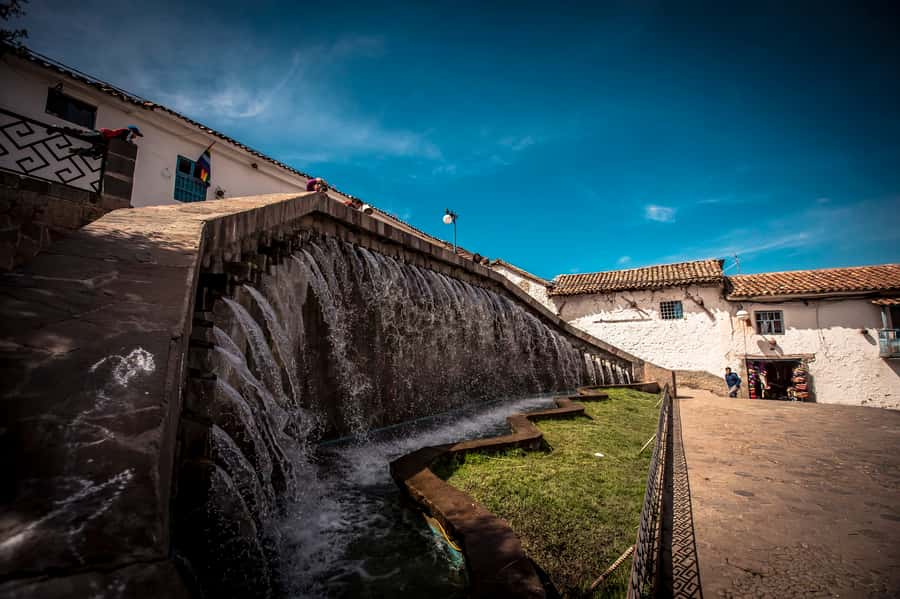
From San Blas, the tour keeps descending toward Coricancha, also known as the Temple of the Sun. This stop shifts the mood. Your eyes start scanning differently—less for craft shop fronts and more for the spiritual center of the Inca world.
The key fact to hold onto is simple: during the Inca Empire, homage was paid to the sun (Inti). That one detail helps you connect the physical location with the idea behind it. You’re not just looking at “another historic site.” You’re visiting a place tied directly to Inca cosmology.
One practical consideration: this part of the walk can feel like a change in pace. Cusco is altitude country, and any uphill-to-downhill walking affects people differently. If you’re sensitive to altitude or you’re coming from a travel day, pace yourself. Take short pauses when you need them so you can still enjoy the architecture when you arrive.
Plaza Regocijo (Cusipata) and Plaza San Francisco: colonial corners with local meaning
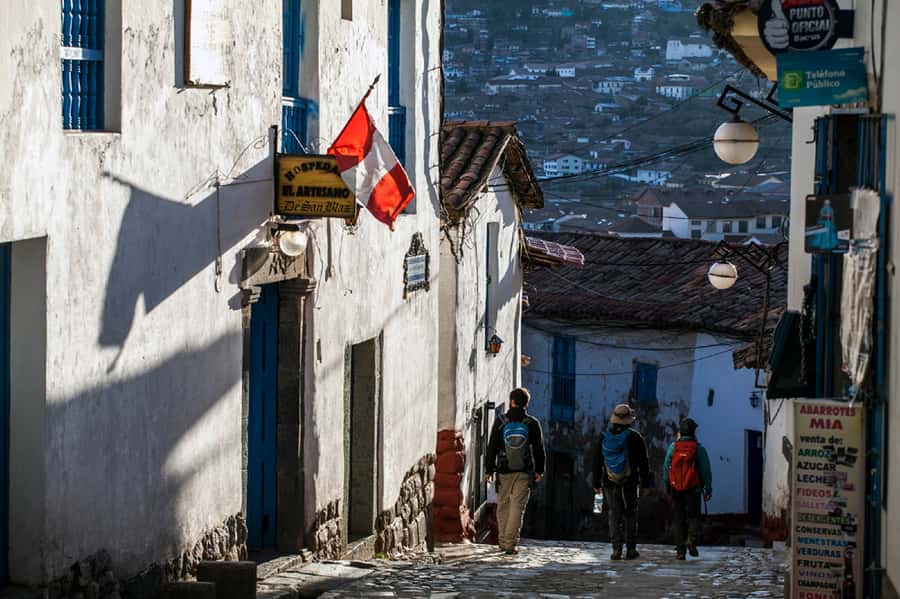
Next comes Plaza Regocijo, a square you’ll likely feel more than analyze. Its name comes from the Quechua word Cusipata, which translates as patio of joy. The reason for that name is tied to public celebrations such as bullfights held there.
That’s a useful lens. Squares aren’t only for photos; they’re where people gathered for events and daily life. When you connect the meaning of Cusipata to what happened there, the plaza becomes more than scenery—it becomes a stage for the city’s social life.
The tour also passes colonial houses you may recognize by name, including Casa de Garcilaso de la Vega, and it continues toward Plaza San Francisco. Even if you don’t go inside anywhere, these stops help you see how Cusco balances its layers: Inca foundations, colonial-era shaping, and everyday street life all moving together.
San Pedro Market finale: the sensory stop that makes Cusco feel real
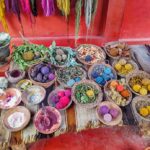
The tour ends at San Pedro market, and this is where the experience turns from landmarks to everyday culture. The market is described as an exceptional display of thousands of products from different areas of Cusco, and you really do experience it with all your senses.
This final stop is valuable because it connects the rest of the day. You’ve been walking through history and architecture; now you see what fuels daily Cusco life and how regional goods make it into the city. If you’ve been wondering what “local” means in Cusco beyond restaurants, the market gives you a direct answer.
Also, markets are where your guide’s English/Spanish/Portuguese skills matter. Even without deep product details, being able to ask questions—what you’re seeing, what it’s used for, what locals buy—turns the market into a learning moment rather than a quick browse.
If you want to linger, keep in mind the tour is time-based (about 210 minutes total). You can absolutely enjoy a browse, but don’t run out of the tour window before you’ve soaked it in.
Price and value: what $29 buys you in central Cusco
At $29 per person, this is priced like a practical orientation walk rather than a “special entry” tour. That’s a good thing. The value is built around the logic of the route: it touches multiple key areas in about 210 minutes, with a professional guide who can explain the meaning behind what you’re seeing.
A few costs to remember: admissions aren’t included, and snacks and beverages aren’t included either. You should plan to grab water yourself during the walk. The good news is that most of what you’re experiencing—churches, plazas, streets, and the market—doesn’t require paid entry, so you can still get solid value even if you don’t add extra tickets.
Also, there’s no pickup and drop-off, so you’re effectively paying for the guided route and the guide’s time—not transport convenience. If you’re staying near Plaza de Armas or within easy walking distance, this becomes a very friendly way to learn Cusco without doubling your day.
Quick reality check: one guide can only do so much in 3.5 hours. This tour gives you breadth. If you want depth at a single site, save extra time for follow-up on your own afterward.
Who this Cusco walking tour suits best
This tour fits best if you want a first pass at Cusco’s core neighborhoods and want your guide to connect dots between sites. It’s especially good for you if you like street-level viewing: plazas you can stand in, artisan areas where you can feel the craft vibe, and a market that’s not behind a ticket line.
It’s also a solid pick if you’re mixing interests: architecture, Inca stonework details like the twelve-angled stone, plus daily life at San Pedro market. The route hits both “big picture” landmarks and “how people actually live here” moments.
It may be less ideal if you need step-free access. The tour is not suitable for wheelchair users, and it’s built around walking on Cusco terrain. If your mobility is limited or you’re uncomfortable with longer walking stretches, you’ll likely need a different format.
Should you book this Cusco walking tour?
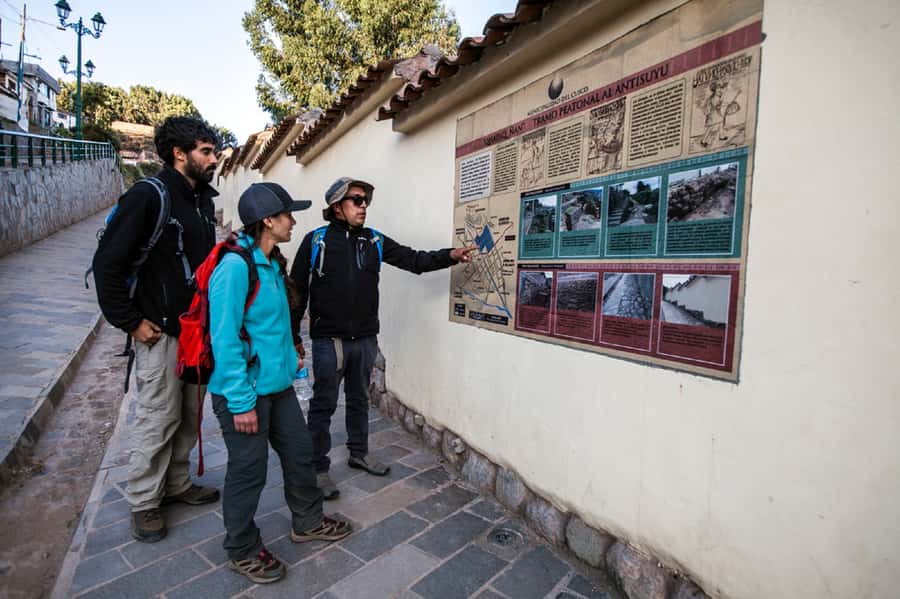
Book it if you want a time-efficient, guide-led way to understand Cusco’s layout and meaning: start at Plaza de Armas, get the San Blas and Inca-stone detail, understand Coricancha’s Inti connection, then end at San Pedro market so the day feels grounded.
Skip it or think twice if you hate walking, need lots of downtime, or you’re looking for a tour with included admissions and snacks. This is a walking sampler, not a sit-and-rest experience.
One more nudge: plan your day around being on time. Arrive about 15 minutes early and be at Plaza de Armas near Calle Portal Belén. In Cusco, that kind of prep turns a stressful start into a smooth one.
FAQ
Where is the meeting point for the Cusco walking tour?
You meet in Plaza de Armas, Cusco (near the Inca monument). The reference point is Calle Portal Belén, Cusco.
How long is the walking tour?
The duration is 210 minutes (about 3.5 hours).
Is pickup or drop-off included?
No. Pickup and drop-off aren’t included, so you’ll need to make your own way to the meeting point.
What languages are available for the guide?
The live tour guide speaks English, Spanish, and Portuguese.
Are admissions, snacks, or beverages included in the price?
No. Admissions aren’t included, and snacks and beverages aren’t included.
Is the tour wheelchair accessible?
No. The tour is not suitable for wheelchair users.
If you’d like, tell me your hotel area (or nearest intersection) and travel dates, and I’ll help you judge how easy it will be to get to Plaza de Armas on time.