REVIEW · URUBAMBA
Super Sacred Valley
Book on GetYourGuide →Operated by Exploor Trip E.R.L · Bookable on GetYourGuide
Sacred Valley packs real Inca engineering into one day. It’s interesting because you’re not just looking at ruins—you’re also getting a guided walk through working farming ideas at Moray, the salt production at Maras, and the everyday life around Ollantaytambo and Pisac, all in a single long circuit through the mountains. Moray and Maras are the two stops that really anchor the day.
I like how the pace is structured around key sites: Chinchero for Inca walls plus a colonial church, then Moray’s circular terraces, then Maras’ salt wells, followed by a real buffet lunch in Urubamba. I also like the guide approach—professional and bilingual (English/Spanish). In one example, guide Emil made sure explanations were clear for an English-speaking group by repeating key points in Spanish too.
One drawback to consider: this kind of day can include short textile or craft stops, and if you’re hoping for maximum time on stone and views, you might feel pulled toward shopping. Also, transport comfort isn’t guaranteed—one guest noted a small bus with tight legroom—so if you’re tall, plan accordingly.
In This Review
- Key takeaways before you go
- The real value of seeing the Sacred Valley in 1 day
- Chinchero start: Inca walls, a colonial church, and textile time
- Moray’s circular terraces: agriculture you can actually picture
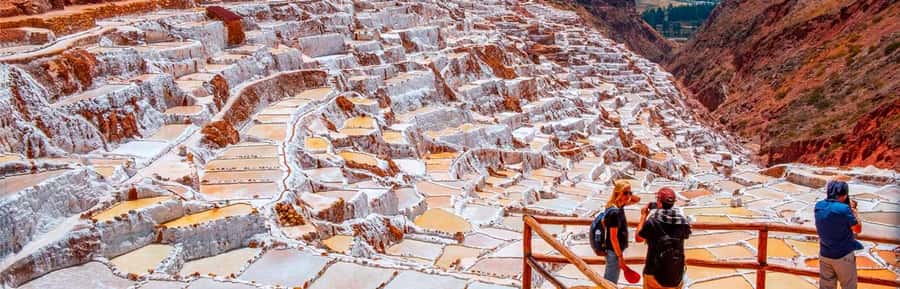
- Maras Salt Mines: 3,000+ wells and a resource story
- Urubamba buffet lunch: fueling up mid-day
- Ollantaytambo: the Last Living Inca City feel
- Pisac: craft market first, then the archaeological park
- Price and logistics: does $50 deliver the right value?
- Who this Sacred Valley day trip suits best
- Should you book Super Sacred Valley?
- FAQ
- How long is the Super Sacred Valley tour?
- What time does the tour start and when do we return to Cusco?
- Where are pickups done?
- Which main places will we visit?
- Is lunch included?
- What’s included in the price besides the tour guide?
- What tourist tickets are not included?
- Do I need separate tickets for the salt mines?
- What languages does the guide speak?
- Is free cancellation available?
Key takeaways before you go
- A tight, high-impact route across four major Sacred Valley stops plus market time in Pisac
- Moray’s circular terraces explained as Inca agricultural experimentation, not just scenery
- Maras Salt Mines’ 3,000+ salt wells for a “wow, it’s all still being used” moment
- Ollantaytambo as a living Inca city, with a strong sense of place beyond photo stops
- Pisac market time where crafts are the point, not souvenirs piled in a corner
- English/Spanish guidance, and in practice that repetition helps a lot if you want both languages
The real value of seeing the Sacred Valley in 1 day
A one-day Sacred Valley tour works best when you want the “big hits” without committing to a second day of driving and lodging. This format is built around the idea that you can cover Chinchero, Moray, Maras, Ollantaytambo, and Pisac in a single rhythm—so you leave Cusco and still get back around 7:00 pm.
The value is not just convenience. Each stop has a different kind of story. Chinchero mixes Inca construction with colonial religious architecture, Moray shows Inca thinking about climate and crops, Maras reflects resource production, and Ollantaytambo and Pisac bring you into towns where people still live among the stones.
The one trade-off is time pressure. You’ll be moving between places all day, so you’ll want to focus on what matters to you most: guided context, best viewpoints, or extra time to wander slowly.
You can also read our reviews of more tours and experiences in Urubamba.
Chinchero start: Inca walls, a colonial church, and textile time
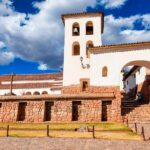
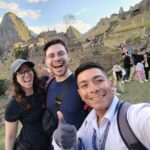
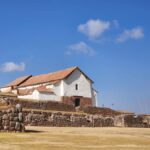
You’ll start around 7:00 am with hotel pickup in Cusco area, then head to Chinchero. This stop is a strong opener because it combines Inca wall constructions with a colonial church, so you get two layers of the region’s past in one place.
Chinchero also includes a small participation tied to a textile center. This is where you’ll decide your personal preference: some people find it engaging, while others prefer to spend every minute on stones and streets. Either way, it’s a useful reminder that the Sacred Valley isn’t frozen in time—it’s also a craft and family economy.
If you’re sensitive to “quick demo” vibes, keep your expectations realistic. Short cultural participation can be meaningful, but it can also eat minutes. The upside is that it sets the tone early for why these towns matter to local communities today.
Moray’s circular terraces: agriculture you can actually picture
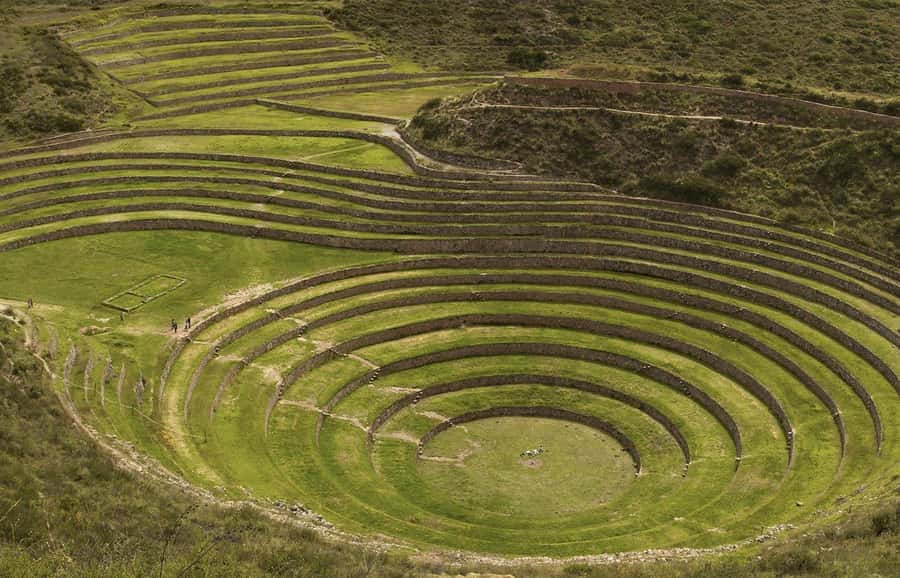
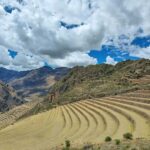
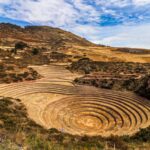
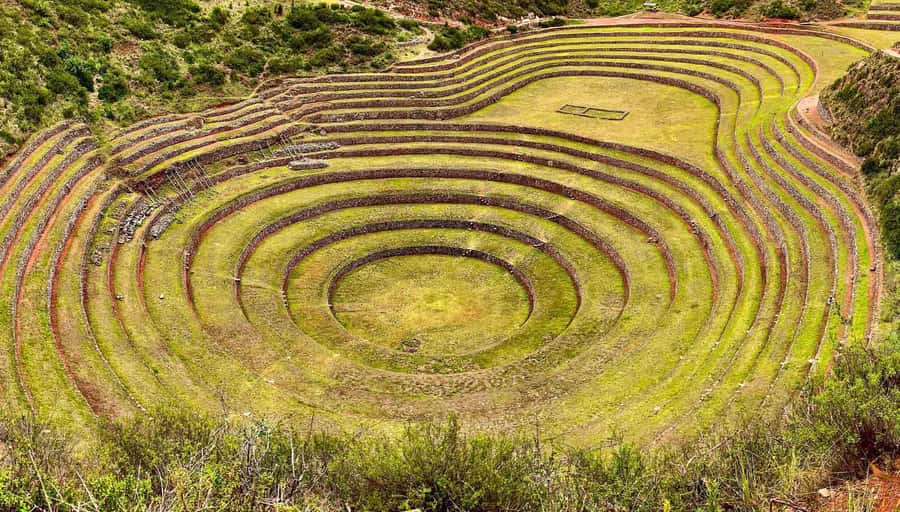
Next comes Moray, famous for its circular farming terraces. Moray isn’t just an architectural flex—it was important in the Inca era, especially for agriculture.
What I like about Moray is how the terraces help you understand rather than simply notice. Standing in a place like this, you can imagine how the Incas experimented with microclimates and growing conditions. Even if you don’t memorize every detail, the visual logic of circles and terraces makes the explanation easier to grasp.
One practical point: Moray can involve walking over uneven surfaces and stairs. Wear shoes you’re comfortable with for archaeological ground, and keep water handy. You’re high in altitude and you’ll still be active later in the day.
Maras Salt Mines: 3,000+ wells and a resource story
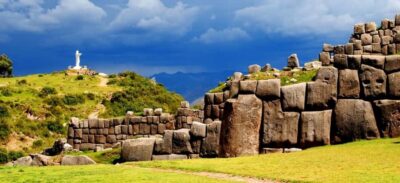
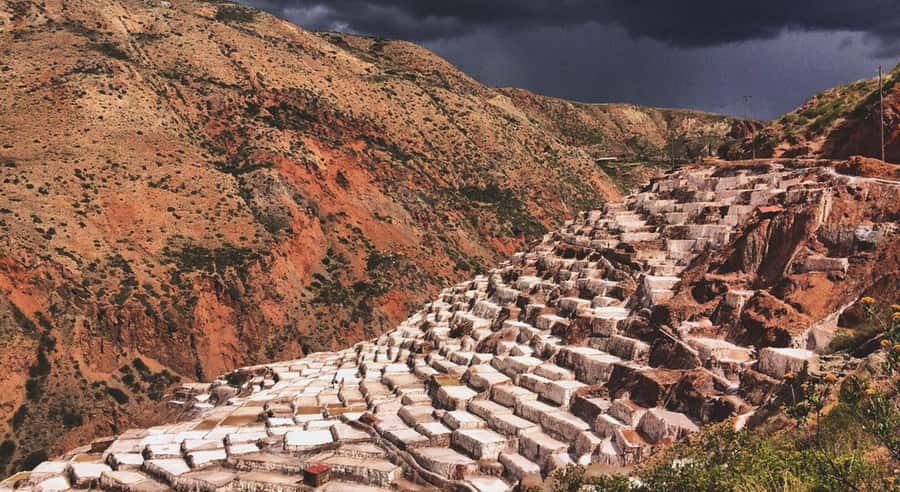
Then you’ll descend to the Maras Salt Mines, a picture-perfect spot built around more than 3,000 salt wells. This is the kind of place where the scale hits you—so many small wells, one after another, climbing and spreading across the hillside.
What makes it more than a photo stop is the context: this salt was used by the Incas for consumption. So you’re not just looking at a natural curiosity. You’re seeing an ongoing resource tradition with deep historical roots.
If you want a tip that pays off, it’s this: slow down for a minute here. The mines look best when you pause and let your eyes trace patterns across the hillside. And since you’ll be back in motion after, this is one stop where a little extra patience makes the images (and the memory) better.
Urubamba buffet lunch: fueling up mid-day
After Moray and Maras, the tour reaches Urubamba for a buffet lunch. This matters more than it sounds. One-day trips can feel long, and lunch is your reset button—food, a short sit-down break, and the chance to rehydrate.
One guest highlighted that the restaurant for lunch was excellent, which fits the overall goal of the day: keep you fed so the afternoon sites don’t feel like an endurance test. Try to eat what agrees with you, not only what looks good. If you’re already feeling altitude fatigue, go for simpler choices and drink water steadily.
Also, you’ll want to keep an eye on timing here. Lunch is the breathing space, but the bus still moves on.
Ollantaytambo: the Last Living Inca City feel
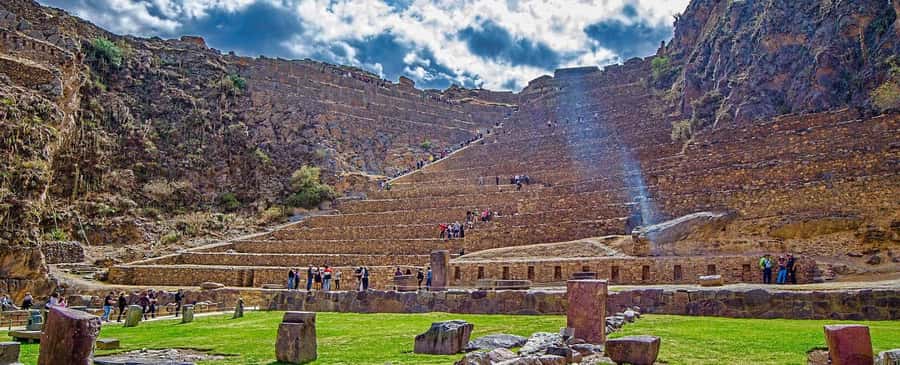
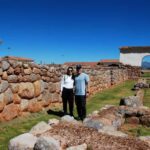
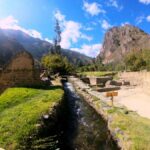
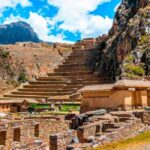
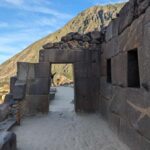
Ollantaytambo is next, known as the Last Living Inca City. The big difference between a “ruins visit” and Ollantaytambo is that you get more than stone structures. You’re in a town with an ongoing sense of life and continuity.
It’s also a site where guided explanation helps. The more you understand about what you’re looking at, the less you rely on just photos to carry the meaning. This stop is a good one for your guide’s strengths—how they connect construction, daily function, and Inca-era planning.
Practical note: Ollantaytambo involves walking and stairs. It’s not a flat stroll. Comfortable shoes matter more than style, and it’s worth taking a moment before you start to adjust layers for wind or sun changes.
Pisac: craft market first, then the archaeological park
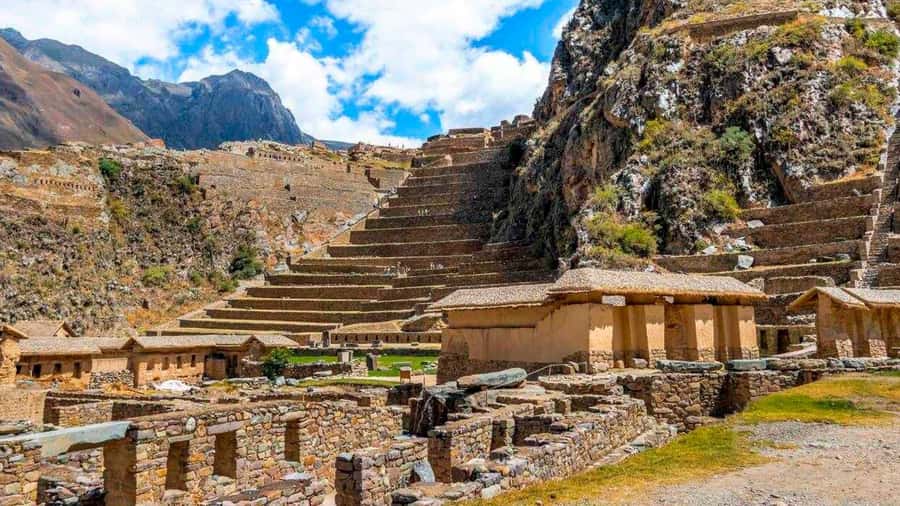
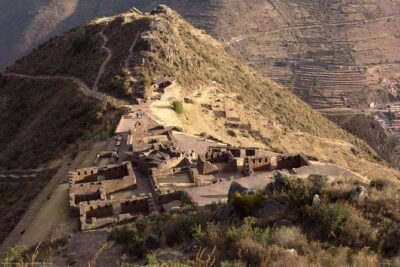
After Ollantaytambo, you head to Pisac, located on the slopes of the Intihuatana hill (Place where the Sun is moored). Pisac feels like a transition from Inca engineering back into daily rhythms—markets, crafts, and town life.
The day includes time entering the indigenous market of Pisac, often considered one of the better places to buy crafts. If you like to bring home something that isn’t mass-produced, this is where your browsing time makes sense. I’d treat this as your chance to shop intentionally, not as random stops. Go in knowing what you want—textiles, small handicrafts, or gifts—and don’t be pressured into impulse buys.
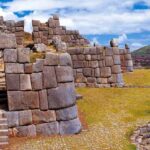
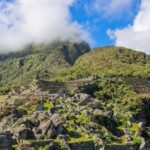
Then you visit the Archaeological Park of Pisac, with Inca archaeological sites and finely assembled polished stone buildings. This is where the route finishes strong, because Pisac’s stonework feels like a continuation of what you learned earlier. Once you’ve seen Moray and the salt wells with explanations, Pisac’s stone details are easier to “read.”
Price and logistics: does $50 deliver the right value?
At $50 per person for a one-day circuit, the headline value is the combination of transportation, a professional guide, and a meal. You’re also getting safety basics: a first aid kit and oxygen bottle for emergencies.
The big add-on to budget for is tickets. You’ll need to buy the tourist tickets separately: PEN 70 for Chinchero, Moray, Ollantaytambo and Pisac, plus PEN 10 for the Maras Salt Mines. So the tour price is not the full cost, but it is a major chunk of what makes the day easy.
The main “value check” comes down to comfort and time spent on non-site stops. One guest felt the tour included several tourist-trap boutiques and that shopping time reduced time at actual sites. Another guest, though, loved how the guide handled the explanation and praised the lunch.
So here’s how I’d think about it: if you want a guided sampler of the Sacred Valley and you’re okay with a few short craft-related moments, this is good value. If your priority is maximum archaeological time and you hate shopping stops, look for alternatives or plan to keep your purchases minimal.
Who this Sacred Valley day trip suits best
This tour fits best if you fall into one of these categories:
- You want the core Sacred Valley sites in a single day, not two.
- You like guided context—especially explanations tied to agriculture and Inca-era function, not just names.
- Your group includes different comfort levels, and you want a guide who can explain in more than one language.
It’s also a solid choice for visitors who want both sides of the Valley: the archaeological sites and the local culture of markets and craft centers. That mix is the point of the day.
If you’re very sensitive to tight schedules, crowded transport, or you’re tall and legroom is a concern, you’ll want to be realistic. One review noted a small bus with limited space for legs, and that’s exactly the kind of issue that can turn a good day sour.
Should you book Super Sacred Valley?
I’d book it if you want a single-day plan that hits the essential Sacred Valley pillars: Chinchero, Moray, Maras, Urubamba lunch, Ollantaytambo, and Pisac—plus guided explanations in English/Spanish and practical safety gear. The route is built for people who don’t have time for a two-day itinerary, but still want meaning, not just motion.
I would hesitate if your personal goal is maximum time on ruins and you’re strongly opposed to any shopping or short craft demonstrations. In that case, check whether you can manage your expectations and keep purchases selective.
If you’re flexible, wear good shoes, and show up ready for a long day, you’ll come away with a clear picture of how the Incas engineered farming, produced resources, and built towns that still feel inhabited.
FAQ
How long is the Super Sacred Valley tour?
The duration is 1 day.
What time does the tour start and when do we return to Cusco?
Pickup is at approximately 7:00 am, and you return to Cusco at about 7:00 pm.
Where are pickups done?
The tour includes pick up at your hotel.
Which main places will we visit?
You’ll visit Chinchero, Moray, the Maras Salt Mines, Urubamba (for lunch), Ollantaytambo, and Pisac.
Is lunch included?
Yes. Lunch is included as a buffet lunch in Urubamba.
What’s included in the price besides the tour guide?
The price includes round trip transportation, a professional English/Spanish speaking tour guide, buffet lunch, pick up at your hotel, and first aid kit plus an oxygen bottle for emergencies.
What tourist tickets are not included?
Ticket costs are not included. Tourist ticket costs are PEN 70.00 for Chinchero, Moray, Ollantaytambo and Pisac, and PEN 10.00 for the Maras Salt Mines.
Do I need separate tickets for the salt mines?
Yes. The Maras Salt Mines have a separate tourist ticket cost of PEN 10.00.
What languages does the guide speak?
The guide is described as professional and speaking English and Spanish.
Is free cancellation available?
Yes. You can cancel up to 24 hours in advance for a full refund.