REVIEW · COOKING CLASSES & FOOD TOURS
Cusco: Bean to bar chocolate workshop
Book on GetYourGuide →Operated by Uyuni Experience EIRL · Bookable on GetYourGuide
Chocolate starts at a cacao tree. This Cusco workshop turns you from curious onlooker into someone who’s actually making bean-to-bar chocolate, including grinding cacao paste the old way, then shaping your own handmade organic chocolates. You’ll also get to taste cultural drink styles like the Maya and the conquistadores, so the class isn’t just kitchen work.
One thing to keep in mind: with a tight 2-hour schedule, the pace is quick. If you like to linger over every step, you may feel a bit rushed—but you’ll still get the full sequence and end with real chocolate in hand.
In This Review
- Quick hits: what you’ll remember most
- From Cacao to Chocolate Bar: what the 2-hour class really feels like
- The four cacao steps you do yourself (and why each one matters)
- The metate moment: grinding cacao the Aztec way
- Hot chocolate and your custom bar: building flavor, not just eating it
- Maya and conquistadores drinks: tasting the cultural flavor stories
- Cusco cacao and the museum piece: why the location matters
- Who should book this Cusco bean-to-bar workshop
- Price and value: what you’re getting for your time
- Should you book? My take
- FAQ
- How long is the Cusco bean to bar chocolate workshop?
- What languages is the live guide available in?
- What are the main steps you learn during the workshop?
- Do I make hot chocolate and a chocolate bar, or only taste?
- Can I take the chocolates home?
- What’s the cancellation and last-minute booking situation?
Quick hits: what you’ll remember most
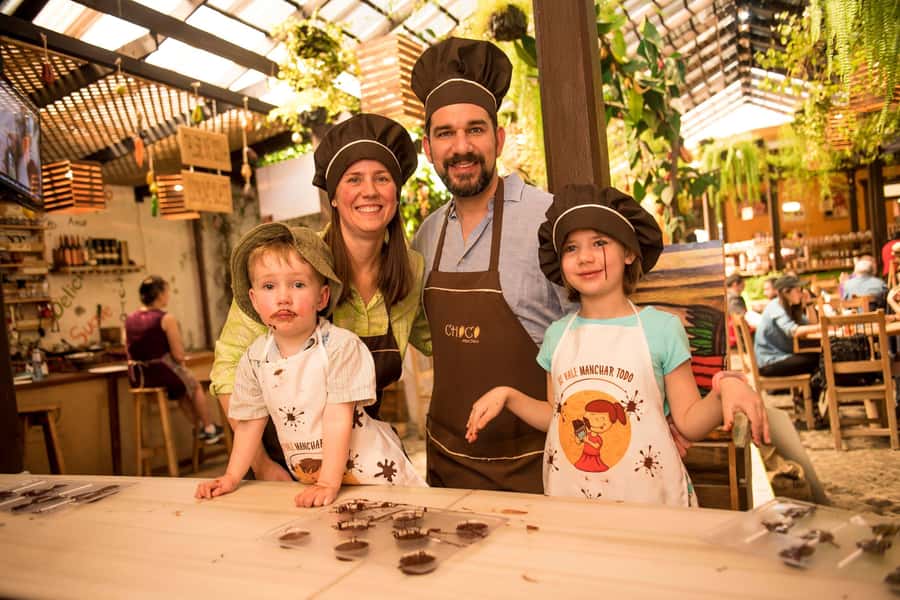
- Full bean-to-bar workflow: roasting, husking, grinding, and refining, all explained in plain language
- Hands-on metate grinding: use a metate and mano the Aztecs used, not just watch it happen
- You’ll taste and build flavor: hot chocolate and a custom bar with ingredient choices
- Try two signature drink styles: the Maya and the conquistadores
- Take-home payoff: you leave with the chocolates you made (unless you ate them on the spot)
From Cacao to Chocolate Bar: what the 2-hour class really feels like
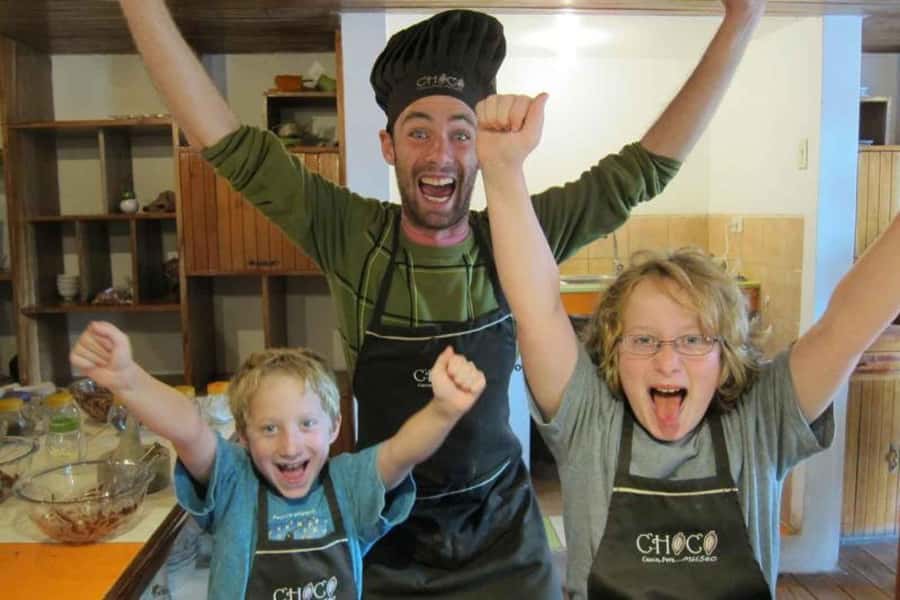
In Cusco, you get a compact, interactive session that follows the real logic of chocolate making: start with cacao, transform it step-by-step, and finish by turning your work into edible results. The workshop also includes a museum-style component, so you’re not only learning technique—you’re learning why cacao has a story in Peru and why people talk about Cusco chocolate as some of the finest.
I like that it feels like two experiences braided together. First, you’re guided through the transformation process with hands-on tasks. Second, you get context for what you’re doing, including the history behind the famous cacao beans and why this region matters. If you’re the type who hates vague food tours, this one gives you concrete steps and outcomes.
Duration is short, so expect an efficient rhythm. You’ll practice the key stages, then focus on taste: hot chocolate first, and then your own bar. The end result is that you leave with something you can show people later and not just a bag of souvenirs.
You can also read our reviews of more drinking tours in Cusco

The four cacao steps you do yourself (and why each one matters)
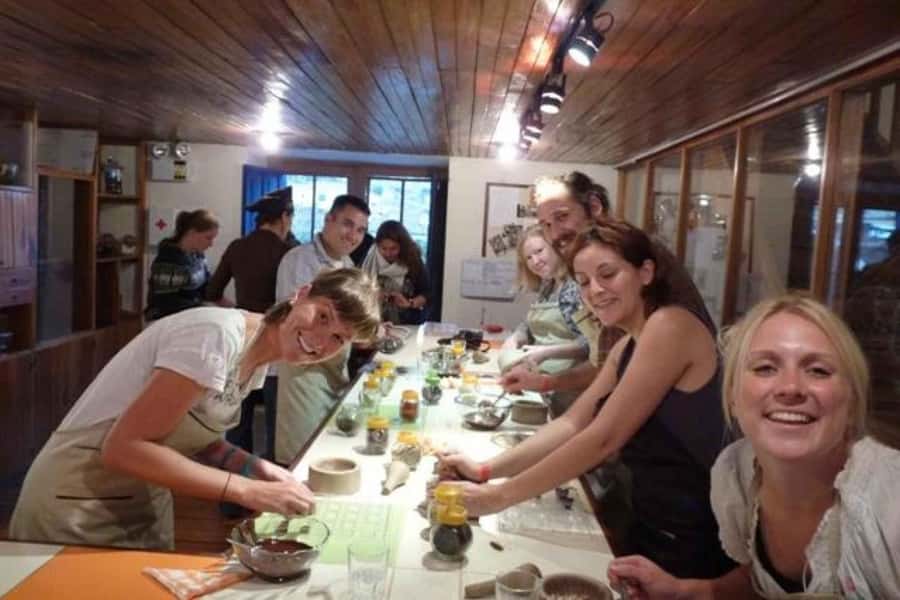
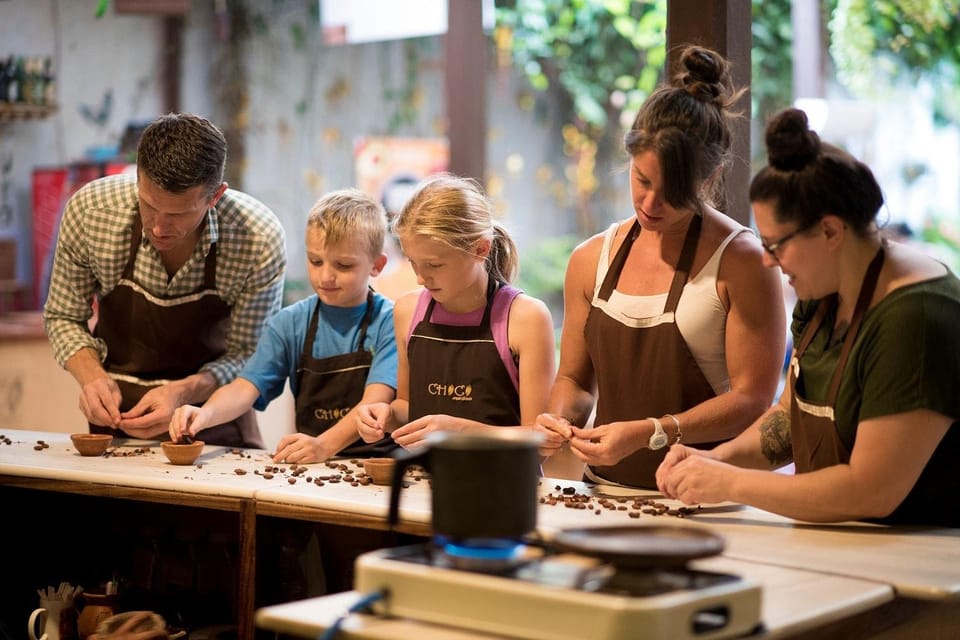
This is the heart of the workshop. You learn the four processes involved in making chocolate, and you get hands-on time doing the work:
1) Roasting the cacao beans
Roasting is where the flavor starts to change from raw/green to chocolatey. You’re not just performing a step—you’re watching how the same ingredient begins to behave differently.
2) Removing the cacao husk
The husk isn’t what turns into chocolate. Getting the nibs exposed matters because it’s the nibs that get ground and refined.
3) Grinding the cacao nibs on a metate with a mano
This is the manual, sensory step. Grinding turns nibs into a paste. You’ll feel how texture changes as you work.
4) Refining the cacao paste in a melangeur
Grinding makes it paste-like, but refining smooths it out. If you’ve ever wondered why some chocolate feels velvety and some feels gritty, this is the difference you’re learning in real time.
What I like for you here is how each step has a clear job. You’re not memorizing chocolate jargon. You’re learning what changes and why, so later you can taste and make sense of what’s happening.
The metate moment: grinding cacao the Aztec way
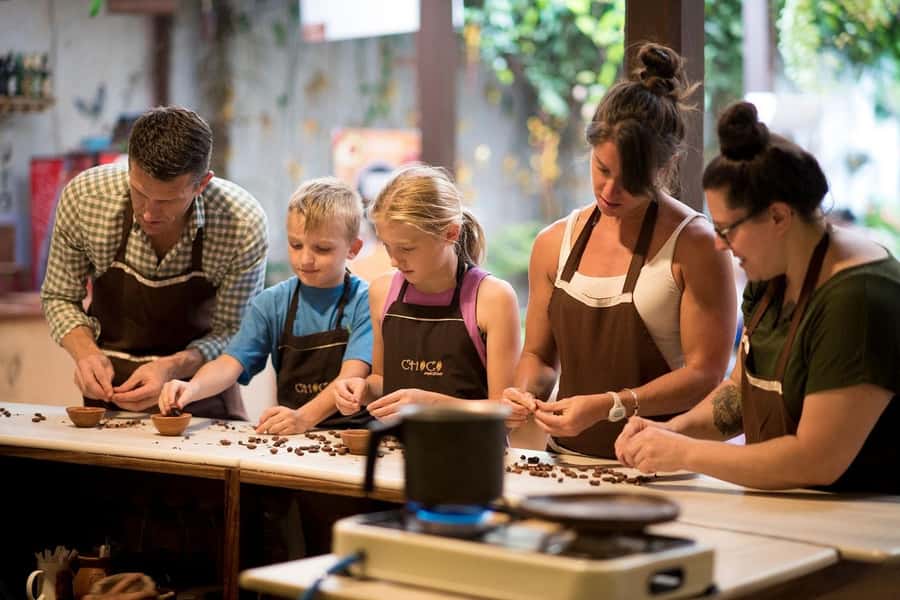
The metate and mano part is the coolest. You’re not watching a demonstration while you half-check your phone. You’re actually grinding cacao nibs on the stone surface, using the hand tool—closer to how people did it long ago.
Why this is more than a novelty: grinding is where texture and aroma begin to come alive. As you work, the mixture shifts, and you can feel the transition from separate pieces to a cohesive paste. It also makes the story of cacao feel physical. When you later taste hot chocolate or your own bar, you’ll remember the manual effort behind that first texture change.
One practical note: this isn’t a hands-free activity. If you have very tight wrist/hand limitations, ask about the workload beforehand. The workshop is interactive, and grinding takes actual effort.
Hot chocolate and your custom bar: building flavor, not just eating it
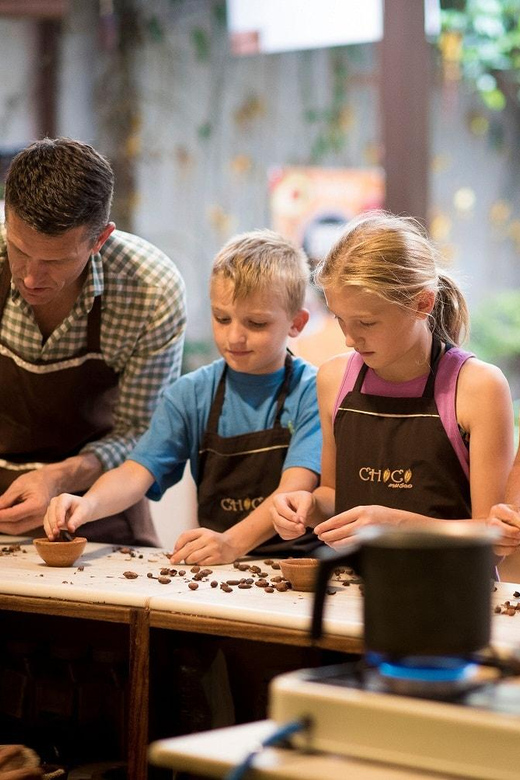
After the core processing, you move into tasting and making. You’ll enjoy hot chocolates, and you’ll also create your own chocolate bar with your choice of ingredients.
This is where the workshop becomes fun for food lovers. Instead of following a single recipe, you get to influence the outcome. That matters because chocolate isn’t one flavor—it’s a blend of cocoa taste plus whatever you mix in. You’re learning by doing: choose ingredients, taste the result, and connect your choices to what you like.
Also, you’ll likely appreciate how the class doesn’t treat the hot drink as a side quest. You’re not only making chocolate for later; you’re tasting it as part of the process. That keeps the workshop grounded in real eating.
When you finish, you can take home the chocolates you made. Yes, you may also end up eating some first, but the option is there—so you get both a memory and something edible to share.
Maya and conquistadores drinks: tasting the cultural flavor stories
The workshop includes trying drinks like the Maya and the conquistadores. Even if you’re not a drinks historian, this part adds a layer of context: cacao wasn’t always a modern candy-bar ingredient. It was part of rituals, flavors, and traditions, and those traditions influenced how cacao got prepared.
For you, the value here is simple. It turns cacao into something you can taste in multiple styles, so you can understand why people associate cacao with more than sweets. It also makes the museum portion feel relevant instead of decorative.
If you have sensitivities (common ones are caffeine or certain flavor ingredients), it’s smart to mention that to the guide when you arrive. The class includes drinks, so you’ll want to make sure the options fit you.
You can also read our reviews of more tours and experiences in Cusco
Cusco cacao and the museum piece: why the location matters
Cusco isn’t just a backdrop. The workshop explains why Cusco makes some of the finest chocolate around the world. It also covers the history behind famous cacao beans and how cacao’s reputation grew.
This isn’t academic lecturing. The museum-style component is meant to connect your hands-on steps to bigger ideas: cacao’s journey, why certain beans became famous, and what makes the Peruvian cacao experience distinct. When I look for value in a food workshop, I want more than technique. I want meaning—why this place, why this ingredient, and why people care.
A potential drawback: if you want a long, deep historical tour with lots of dates and geography, the 2-hour time limit may not satisfy that craving. This class stays focused on process and taste, with history as the supporting framework.
Who should book this Cusco bean-to-bar workshop
This workshop is a great match if you want:
- Hands-on cooking/food crafts instead of passive sightseeing
- A clear, step-by-step explanation of how chocolate becomes chocolate
- A tasting element that goes beyond one standard sample
- A take-home result that feels worth the time
It’s especially good for couples, friends, and anyone traveling with kids old enough to handle short structured activities. Chocolate tends to be a universal interest, and grinding cacao makes it instantly more memorable than another museum visit.
Who might want to look elsewhere: if you mainly want a full-day cacao farm tour, or you’re chasing a very slow, detailed culinary course, the short duration could feel limiting.
Price and value: what you’re getting for your time
Even without pricing details in front of me, the value is easy to understand from what’s included. You’re paying for a guided, interactive workflow that covers the full process from cacao beans to finished chocolate, plus hot chocolate tastings and a custom bar-making component. That’s a lot of practical learning inside a 2-hour window.
The take-home part also changes the equation. Many workshops end with a small tasting and a nice story. Here, you leave with the actual chocolates you made, which turns the class into something you can share and enjoy after you’re back in your room.
One more value point: the workshop is guided in English and Spanish, so you should be able to follow along comfortably even if your Spanish level isn’t perfect.
Should you book? My take
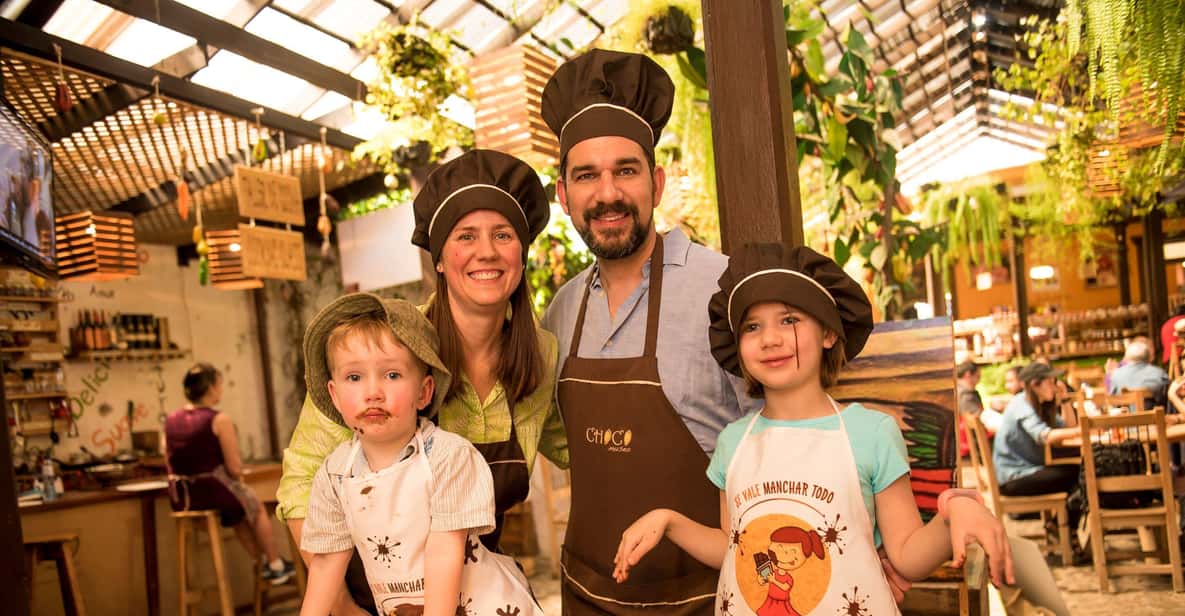
If you like your travel experiences hands-on and you want a real food craft outcome, I’d book this. It hits the sweet spot: interactive bean-to-bar making, a cultural taste component (Maya and conquistadores drinks), and a clear finish with hot chocolate and your own bar.
Skip it only if you know you dislike structured food activities, or if you’re looking for a long farm-style day. For a short, focused Cusco experience that’s genuinely about making chocolate rather than just talking about it, this one earns its place.
FAQ
How long is the Cusco bean to bar chocolate workshop?
It lasts 2 hours.
What languages is the live guide available in?
The tour guide is available in English and Spanish.
What are the main steps you learn during the workshop?
You learn four processes: roasting the cacao beans, removing the cacao husk, grinding the cacao nibs on a metate with a mano, and refining the cacao paste in a melangeur.
Do I make hot chocolate and a chocolate bar, or only taste?
You make hot chocolates and also create your own chocolate bar with your choice of ingredients.
Can I take the chocolates home?
Yes. You can take home all the handmade chocolates unless you’ve already eaten them.
What’s the cancellation and last-minute booking situation?
You can cancel up to 24 hours in advance for a full refund. For last minute reservations, you should check availability with the supplier by email before booking.