REVIEW · WALKING TOURS
Cusco: Walking Tour with a Local Guide
Book on GetYourGuide →Operated by Free Walking Cusco Tour · Bookable on GetYourGuide
Cusco by foot feels like a secret lesson. This local-guided walk connects the big landmarks with the smaller streets people actually use, so you get context fast instead of wandering in circles. I especially love how the route pairs Qoricancha and Inca solar symbolism with the everyday feel of San Blas, including artisan workshops and neighborhood life.
One thing to consider: it is a moderate-walking route on cobblestones, so comfortable shoes matter. It is also not wheelchair accessible, so plan accordingly if mobility is an issue.
In This Review
- Top things to notice on this Cusco walk
- Meeting point: finding your guide near Plaza de Armas
- Plaza de Armas: the city’s stories on colonial stone
- Loreto Street: colonial charm and craftwork in motion
- Qoricancha (Temple of the Sun): why the Sun mattered
- Cusicancha: the Inca palace that became a church
- Inka Roca Street: cobblestones, colonial houses, and real daily life
- San Blas: artisan workshops and the Cusqueño neighborhood feel
- Price and value: what $15 buys in real time
- What to bring (and what to skip) for a smooth walk
- Who this tour is best for
- Should you book Cusco: Walking Tour with a Local Guide?
- FAQ
- Where is the meeting point for the Cusco walking tour?
- How long is the tour?
- How much does it cost?
- What’s included in the price?
- What is not included?
- What languages does the guide speak?
- Do I need to buy tickets in advance?
- What should I bring?
- Are there any rules during the tour?
- Is the tour wheelchair accessible?
Top things to notice on this Cusco walk
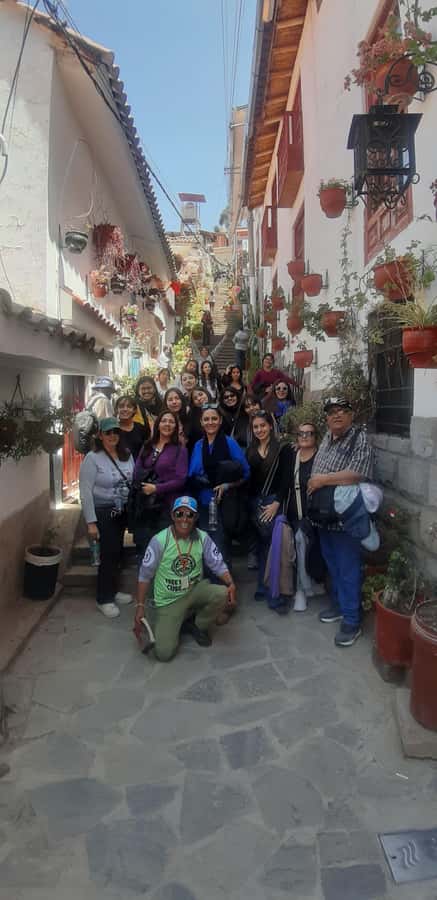
- Plaza de Armas first: you’ll get the city’s key stories right at the start, before you move into the side streets.
- Loreto Street character: colonial-era buildings, local shops, and artisan workshops along the way.
- Qoricancha + the Sun: you learn why the Sun mattered in Inca culture, not just what you’re looking at.
- Cusicancha palace layers: an Inca palace/temple that later became a church, showing how Cusco kept changing.
- San Blas daily life: you end in a creative neighborhood and finish at the Mirador de San Blas.
Meeting point: finding your guide near Plaza de Armas
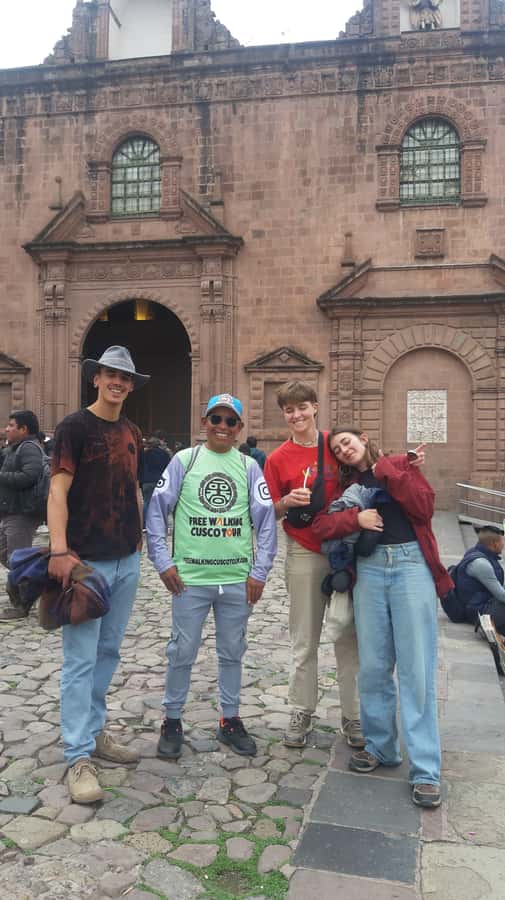
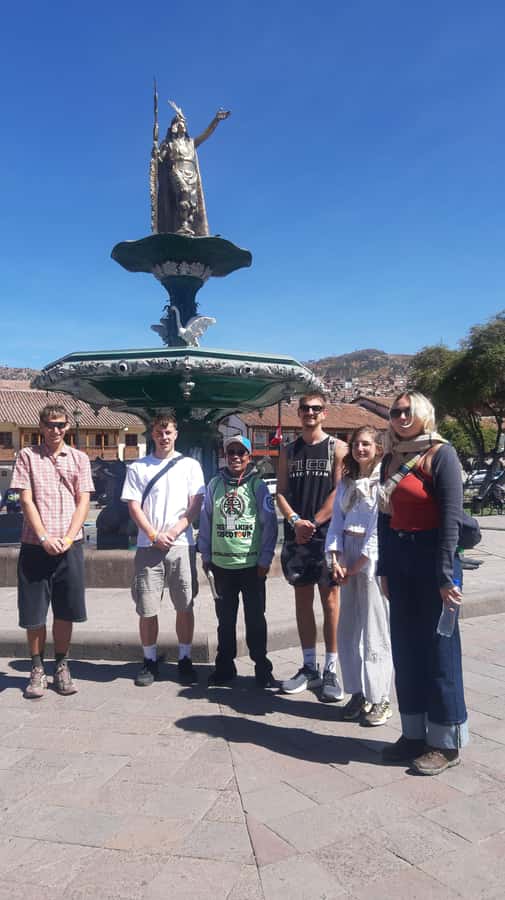
You start near Plaza de Armas, with the meeting point listed between Calle del Medio and Plaza de Armas. The practical part is easy: look for the tour team in a green T-shirt. If you like double-checking, the coordinates given for the area are -13.5170627, -71.9795113.
Why this matters: Cusco’s center is compact, but it’s also easy to lose time at the start. With a clear meeting point, you can focus on the walk instead of doing the map shuffle.
The walk is about 150 minutes total, so it’s long enough to feel like a real orientation, but not so long you’re dragging yourself around the city afterward. And you finish at the Mirador de San Blas, which is a smart way to end: you get views and a neighborhood vibe instead of immediately heading back into the noise.
You can also read our reviews of more walking tours in Cusco

Plaza de Armas: the city’s stories on colonial stone
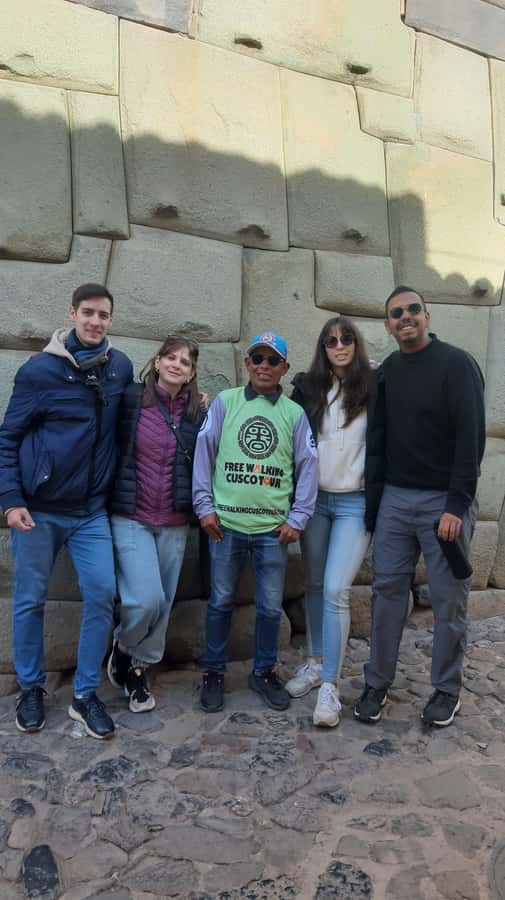
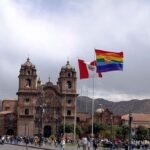
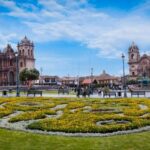
The tour kicks off at Plaza de Armas, Cusco’s main square. This is where your guide sets the tone by explaining the plaza’s history, the colonial buildings around it, and Inca legends tied to the location.
This stop is worth doing with a guide because the square can look straightforward from a distance. Up close, you can see how the city’s layers overlap: where power shifted over time, how architecture reflects those changes, and why the center mattered. Even if you already read about Cusco, having someone connect the dots makes it easier to keep noticing details as you walk.
Also, this is a natural starting rhythm for most people. You’re not thrown onto a steep ramp or a long out-of-the-way detour right away. You’re orienting first, moving second.
Loreto Street: colonial charm and craftwork in motion
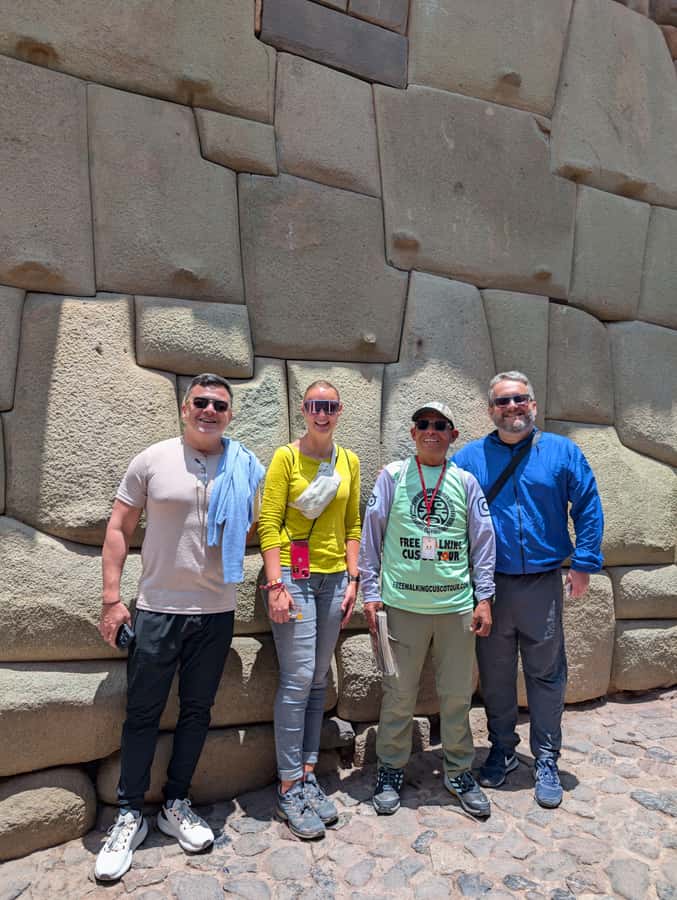
From the plaza you head toward Loreto Street. This is a classic Cusco connector street: narrow lanes, colonial-style architecture, and lots of small shops. What I like here is that it doesn’t feel like a museum corridor. It feels like people are still doing their daily thing, and you get to watch craft culture at street level.
You’ll also get pointed toward artisan workshops along the route. That matters because Cusco’s reputation can be all souvenirs and photos. Here, you’re getting a guided explanation of what you’re seeing as you pass it: why this kind of work fits the city, and how neighborhoods develop their own identities.
Practical note: the walk is on uneven cobblestones. You don’t need hiking boots, but you do need shoes that don’t hate you after 30 minutes. If your feet are picky, bring padding (or at least socks you’ve trusted before).
Qoricancha (Temple of the Sun): why the Sun mattered
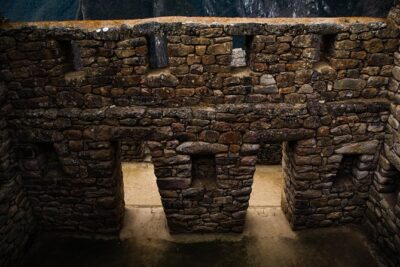
Next up is Qoricancha, also called the Temple of the Sun. This is the moment the tour earns its main name. Your guide focuses on the importance of the Sun in Inca culture and ties that symbolism back to what you can actually see at the site.
Why it’s valuable: you’re not just reading about Inca religion in the abstract. You’re learning the meaning behind the stones, then looking at the architecture with context. Even if you’re new to Inca history, this stop gives you a clear, memorable theme to carry through the rest of the walk.
The tour also includes a skip-the-ticket-line feature. The real benefit is time: less waiting means more time for your guide’s explanations and less time standing around wondering what to do next.
Bring sun protection here. The tour’s suggested packing list includes a hat and sunscreen for a reason. You’ll be outside and moving through open sections of the route.
Cusicancha: the Inca palace that became a church
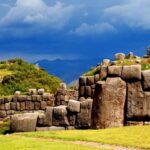
After Qoricancha, you’ll visit the Inka Palace Cusicancha. This is an Inca palace and temple that is now a church. That layered history is the kind of thing that sounds simple until you see it up close.
This stop helps you understand Cusco’s pattern: old sacred spaces did not just vanish. Over time, new rulers and new religious practices shaped what those spaces became. When your guide points out what’s Inca and what’s later, it turns the contrast into a story instead of just a visual mismatch.
It’s also a good pacing break. You’ve been moving through streets; now you’re slowing down to focus on a single place with a heavy backstory. That balance keeps the tour from feeling like a checklist.
You can also read our reviews of more guided tours in Cusco

Inka Roca Street: cobblestones, colonial houses, and real daily life
You then stroll down Inka Roca Street. This is one of those Cusco streets that instantly communicates character: narrow cobblestone path, colonial houses, and local life going on alongside you.
This part is where I think the tour feels most “local.” The big sites are great, but the vibe is what makes Cusco stick in your head. You’ll notice how people navigate tight spaces, how shops and residences sit close to the street, and how the city’s architecture looks in everyday use rather than staged for visitors.
If you like photos, remember flash photography is not allowed. The rule isn’t there to ruin your fun; it’s just something to respect so the experience stays smooth for everyone.
San Blas: artisan workshops and the Cusqueño neighborhood feel
The final neighborhood stop is San Blas, and this is one of the strongest reasons to choose this tour. You’re not only seeing buildings. You’re seeing artisan workshops and colonial churches, and you’re getting a window into daily life for Cusqueños.
This section changes your perspective. By the time you reach San Blas, Cusco’s center has already been explained, the Inca themes have been covered, and now you get to see how creativity and community show up in the streets.
Finish at the Mirador de San Blas. For many people, this is the payoff moment: a viewpoint at the end so you can slow down, take in the surroundings, and let everything you learned settle in.
Price and value: what $15 buys in real time
At $15 per person for about 150 minutes, this tour is priced in the budget-friendly range for a professional guided walk that hits major landmarks. What makes it good value is the mix: you’re getting your money’s worth in two ways.
First, you’re paying for a guide who can connect the plazas, streets, and sacred sites into one coherent story. Second, you’re paying for time efficiency—especially with the skip-the-ticket-line feature—so you spend less of your vacation stuck in queues and more time moving and learning.
Is it the cheapest option in Cusco? Possibly, depending on what else is running. But based on the structure—Plaza de Armas, Qoricancha, Inca palace/temple layers, and San Blas—this is a lot of guided content for one ticket.
One caution: there has been at least one reported issue where a guide did not turn up and the booking joined another group instead. That’s rare, but it’s still smart to confirm the meeting time and be ready to navigate to the meeting point if needed.
What to bring (and what to skip) for a smooth walk
The tour’s guidance is simple, and it’s correct.
Bring:
- Comfortable shoes for cobblestones
- A hat and sunscreen
- Water
Skip:
- Smoking
- Flash photography
That small checklist makes a real difference, especially in a place where you’ll be outside for long stretches. If you arrive underprepared, you’ll feel it fast—in energy, in focus, and in how much you enjoy the guide’s explanations.
Who this tour is best for
This walking tour is a great fit if you want a guided Cusco orientation without the stress of planning each stop yourself. I’d especially recommend it for:
- First-timers who want key Inca and colonial stories in one route
- People who like history when it’s tied to what they see right now
- Travelers who enjoy neighborhood flavor, not only landmark photos
It’s not a match if you have mobility impairments or need wheelchair access. The walking route and cobblestones are a dealbreaker for some people.
Language options are English and Spanish. That’s helpful if you want your guide to explain the symbolism behind sites like Qoricancha, rather than relying only on signage.
Should you book Cusco: Walking Tour with a Local Guide?
I think you should book it if you want a smart, efficient way to understand Cusco in about two and a half hours. The strongest draw for me is the combination: Qoricancha’s Sun symbolism plus the San Blas neighborhood reality, all explained by a professional guide.
I’d also lean toward booking if you’re value-minded. For $15, you’re not just buying access to sights—you’re buying interpretation, pacing, and a route that makes the city feel connected.
Only skip or reconsider if cobblestones and walking time are a problem for you, or if you need a very high guarantee of last-minute reliability. If that’s your concern, plan to arrive early and locate the green-shirt meeting point confidently.
FAQ
Where is the meeting point for the Cusco walking tour?
The meeting point is between Calle del Medio and Plaza de Armas. Look for the team in a green T-shirt. The coordinates given are -13.5170627, -71.9795113.
How long is the tour?
The duration is 150 minutes.
How much does it cost?
It costs $15 per person.
What’s included in the price?
Included are a professional guide and fun.
What is not included?
Pick up, drop off, and food and drinks are not included.
What languages does the guide speak?
The live tour guide speaks Spanish and English.
Do I need to buy tickets in advance?
The tour includes skip-the-ticket-line, which helps you avoid waiting in the ticket line where applicable.
What should I bring?
Bring comfortable shoes, a hat, sunscreen, and water.
Are there any rules during the tour?
Smoking is not allowed, and flash photography is not allowed.
Is the tour wheelchair accessible?
No, it is not wheelchair accessible, and it is not suitable for people with mobility impairments.