REVIEW · WALKING TOURS
Cusco: Cultural Walking Tour with Local Guide⭐⭐⭐⭐⭐
Book on GetYourGuide →Operated by Andean World Explorer · Bookable on GetYourGuide
Cusco feels like a living textbook when you walk it. This cultural walking tour threads together Inca and colonial Cusco, with great stops like Qoricancha and San Blas, plus a luthier visit where you hear the stories behind the instruments. I like that you get a real local guide for the whole walk, not a quick handoff, and the route is built for seeing the city at street level.
Two things I really enjoy: the mix of iconic landmarks (like the 12-angled stone) with everyday neighborhoods, and the music-focused stop that helps you understand what you’re actually hearing. One consideration: it’s not for people who need wheelchair access, and it may be a lot of walking if you’re dealing with mobility limits or fatigue.
In This Review
- Key highlights you’ll actually care about
- Cusco on Foot: What 138 Minutes Feels Like
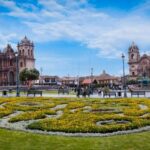
- Start at the Main Square Near the Inca Fountain
- Qoricancha: The Inca Palace to Start Your Story
- The 12-Angled Stone: Geometry You Can Actually Notice
- San Blas Streets: From Monuments to Neighborhood Cusco
- Viewpoints Included, Not Added On
- Inca and Colonial Streets: Reading the City as You Walk
- The Luthier Visit and Traditional Music Stop
- Guide Quality: What You Can Learn From Ernesto and Nilo
- Price and Value: Why $1.20 Can Still Be Worth It
- Who Should Book This Walking Tour (and Who Should Skip It)
- Should You Book This Cusco Cultural Walking Tour?
- FAQ
- How long is the Cusco cultural walking tour?
- Where is the meeting point for the tour?
- Is the tour guide available in English?
- What are some key places you’ll visit?
- Are entrance fees included?
- Is free cancellation available?
- Does the booking allow pay later?
- Is the tour wheelchair accessible?
- Is there an age limit?
Key highlights you’ll actually care about
- Qoricancha first so you start with a major Inca site and build context as you go
- The 12-angled stone for a quick but memorable look at Cusco’s engineering
- San Blas neighborhood streets, where the vibe changes from monument to community
- Viewpoints included as part of the walk, so you’re not hunting them down
- Luthier + traditional music to connect Cusco sounds to the instruments and craft
Cusco on Foot: What 138 Minutes Feels Like
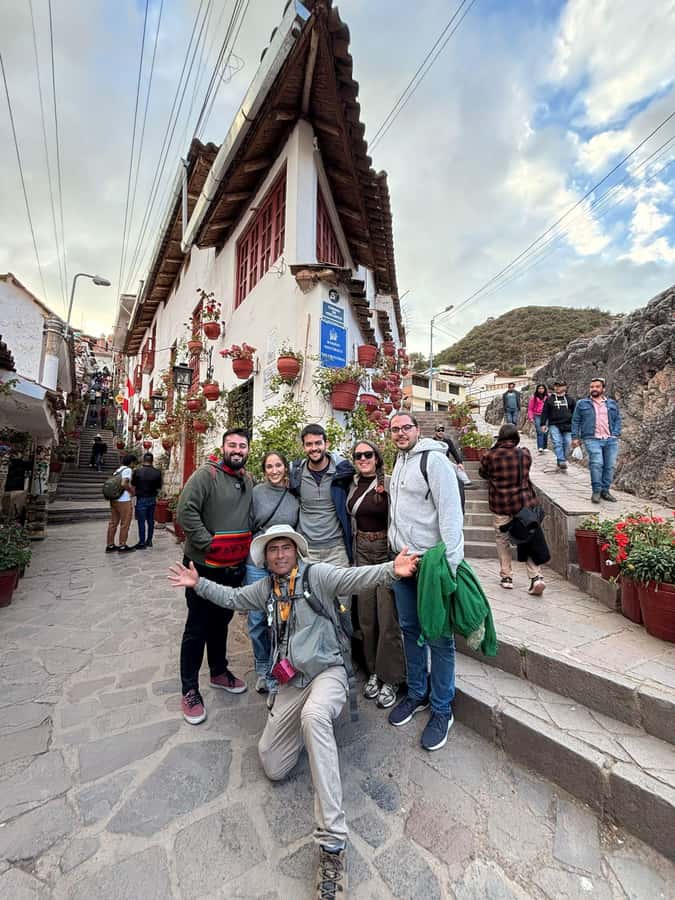
This is a walking tour designed for a single, focused block of time: 138 minutes. That’s long enough to cover real ground and still feel like a proper experience, not a rushed checklist. You’ll start in the main core of Cusco and keep moving through the layers of the city.
Because it’s on foot, your best move is to treat it like you’re sightseeing with a plan, not sightseeing at random. Wear comfortable shoes, stay hydrated, and listen when your guide points out details you’d normally miss. The payoff is that you’ll come away with a stronger mental map of where things sit and how they connect.
Also, this tour is built around an actual guide-led story. The guide is live, in Spanish and English, so you can follow along at your pace and ask questions when something clicks.
You can also read our reviews of more walking tours in Cusco

Start at the Main Square Near the Inca Fountain
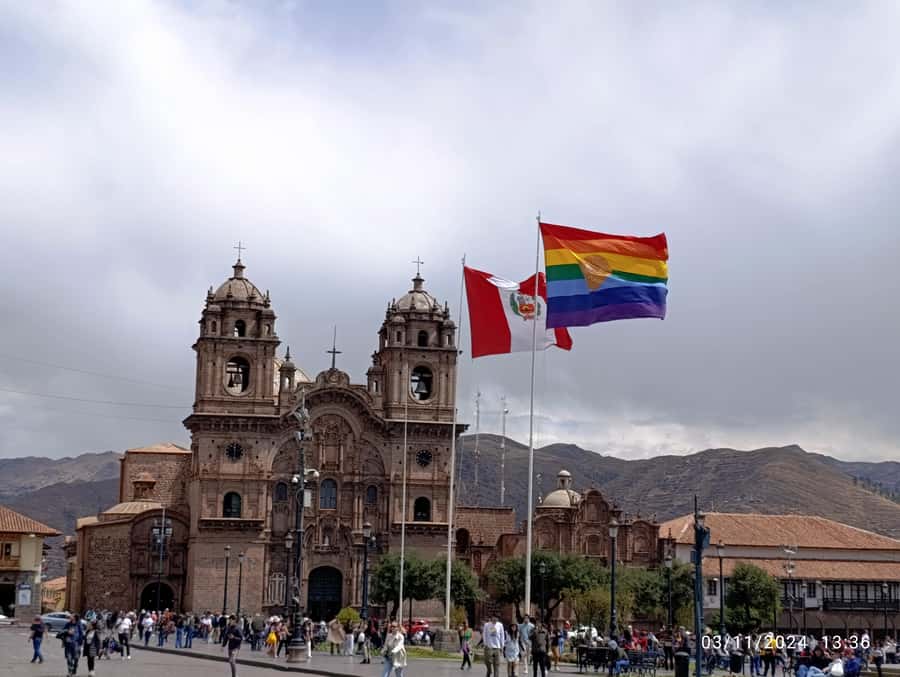
You’ll meet in Cusco’s main square, near the Inca fountain. The meeting point can vary depending on the option booked, but the anchor is the square, close to that fountain area. If you’re navigating by GPS, the coordinates given are -13.5167681, -71.9787795.
Arriving early helps. Cusco streets can be tight, and the sooner you’re in place, the less time you spend hovering and scanning for your group. Once you connect with the guide, the tone is pretty clear: this is about walking, learning, and getting your bearings fast.
It also matters that the tour begins centrally. You don’t spend your time commuting across town before anything interesting happens. You get straight into the sights and start building your understanding immediately.
Qoricancha: The Inca Palace to Start Your Story
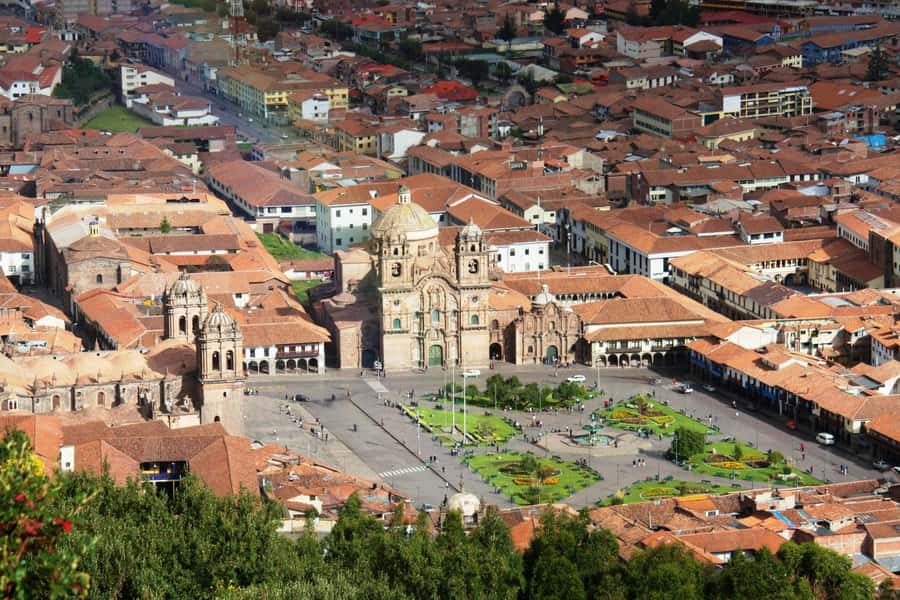
The tour begins with Qoricancha, described here as the ancient Inca palace. It’s a smart first stop because it sets the frame for everything that follows: the Inca presence in Cusco, how power used to be centered, and why so many later structures relate back to these earlier sites.
When a tour starts at a major monument like this, you’re not just looking at a building. You’re learning the city’s logic. As you walk on to smaller landmarks and neighborhoods, you’ll understand what you’re seeing in relation to that first anchor point.
One practical note: entrance fees are not included. So if any portion of Qoricancha requires a ticket during your tour time, you’ll want to have a bit of cash or payment method ready.
The 12-Angled Stone: Geometry You Can Actually Notice
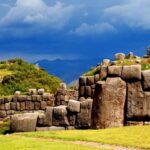
Another highlight is the famous 12-angled stone. Even if you’ve heard of it before, it tends to land better in person because your eyes can track the craftsmanship as you get close. This is one of those moments where a guide’s explanation makes the difference between looking at a rock and realizing why it’s remarkable.
Why I like this stop in a walking tour: it’s not an “only photo” moment. It’s a point that helps you see Cusco’s scale of skill. The best part is that it fits naturally between bigger attractions—so the experience doesn’t feel like one long waiting game for the next big thing.
San Blas Streets: From Monuments to Neighborhood Cusco
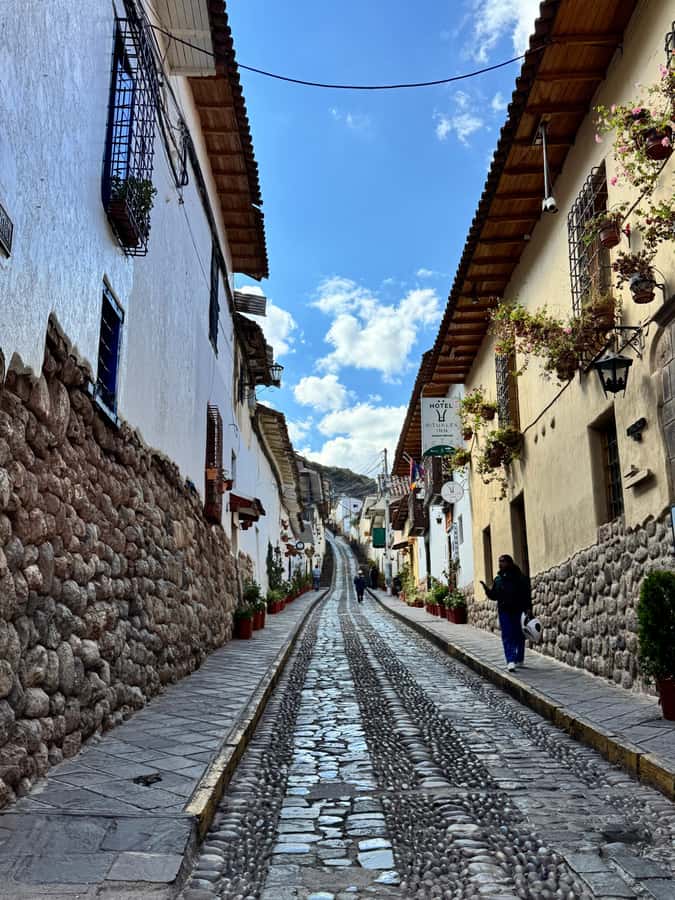
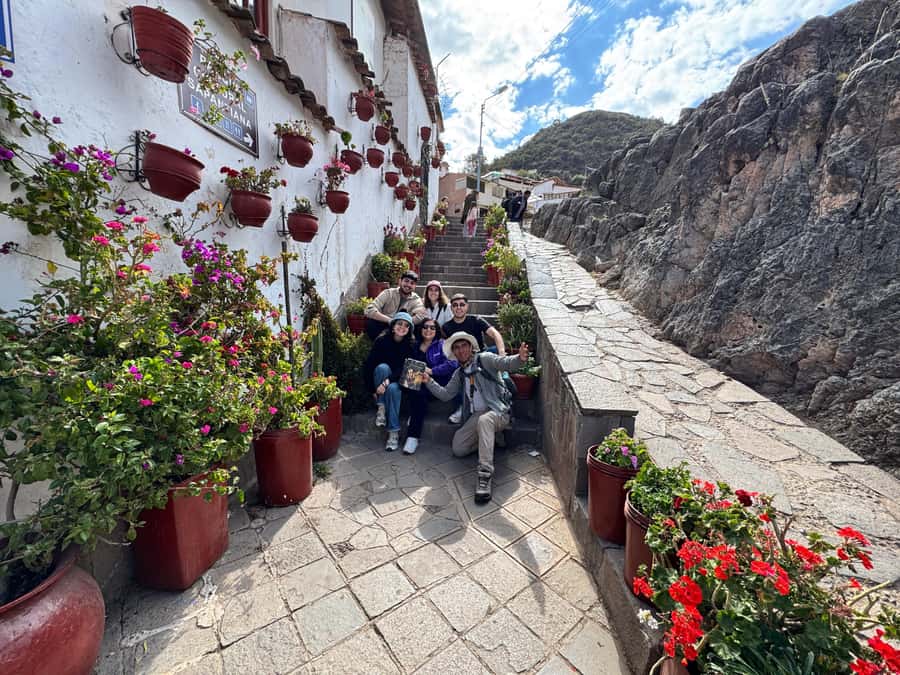
After the major landmarks, the tour moves into San Blas, described as a traditional neighborhood. This change of pace is valuable. Instead of staying in strictly monumental zones, you’re seeing how Cusco feels as a lived-in place.
San Blas works well on foot because you’re not just passing by buildings. You’re walking the streets—Inca and colonial streets are part of the route—so you start noticing how different eras share space in the same city block.
Also, San Blas is exactly the kind of area where viewpoints often come up. This tour includes best viewpoints in the city, and being on foot means you can stop where the view makes sense, not where a bus would drop you.
A quick reality check: walking through older neighborhoods often means uneven sidewalks. Plan for some uneven ground, and keep that in mind if you’re traveling with limited mobility.
You can also read our reviews of more guided tours in Cusco




Viewpoints Included, Not Added On
One of the clearest promises in the tour info is that you’ll visit the best viewpoints in Cusco. That’s a big deal for two reasons.
First, it saves you energy. If you have only a short window in Cusco, you don’t want to spend half of it searching for the viewpoints map apps recommend. Second, the guide can time stops so you get the best angles and the right context right before or after a key landmark.
You’ll also appreciate the viewpoints more when they connect to what you just learned. This tour keeps moving, so each view feels like it belongs to the story you’re being told—not like a random photo stop.
If you’re the type who likes to take photos, bring your camera plan. If you’re more low-key, just enjoy looking and listening. Either way, viewpoints make Cusco feel three-dimensional.
Inca and Colonial Streets: Reading the City as You Walk
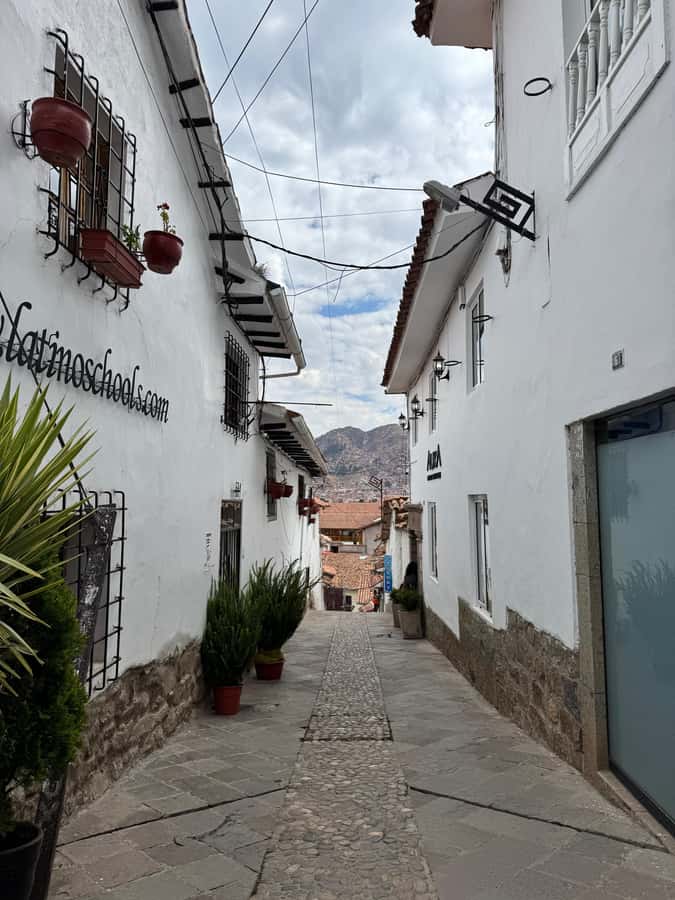
A major theme here is the walk through Inca and colonial streets. That matters because Cusco isn’t neatly organized by era. It’s layered, with older foundations and newer changes appearing side by side.
Walking this route with a guide turns those layers into something you can read. You start noticing patterns: how sections line up, how streets weave together, and why certain corners feel important.
The biggest value of this part of the tour is that it gives you structure for your next day in the city. Once you’ve walked these streets once with context, it’s easier to explore on your own later without feeling like you’re guessing.
The Luthier Visit and Traditional Music Stop
One of the most memorable elements is the visit to a luthier (a maker or craftsman of string instruments) paired with traditional music. This is the kind of stop that’s easy to skip if you only chase famous ruins and plazas—but it’s often the most meaningful cultural experience.
Here’s why it works: you don’t just watch or listen. Your guide explains the traditional musical instruments, which helps you understand what you’re hearing. Even if you don’t know anything about instruments, you’ll come away with a better sense of the craft and the role music plays in Cusco’s cultural life.
This stop also breaks up the physical rhythm of sightseeing. You get a pause, and you shift from streets and stones to sound and storytelling. That contrast can make the whole tour feel more balanced.
Since entrance fees are not included, double-check if the luthier stop requires any paid entry at the time you join. The tour description doesn’t list it separately, but it’s common for workshops or venues to have their own requirements.
Guide Quality: What You Can Learn From Ernesto and Nilo
The tour includes a professional, expert, and friendly guide throughout. The guide isn’t just there to escort you; they’re there to connect the dots.
The submitted feedback highlights specific guides by name: Ernesto and Nilo. That matters because a good guide tends to make small details worth noticing—like the why behind a stone feature or the function of an instrument. When the guide is strong, the whole walk feels smoother, and you don’t have awkward moments of standing around wondering what you’re supposed to be seeing.
Language support is also a real plus: the guide provides Spanish and English interpretation. If you’re comfortable in either language, you’ll get the explanations without losing the flow.
My practical advice: ask one question early in the tour. Something simple like what to notice next. Once you see how your guide explains, you’ll start picking up details on your own.
Price and Value: Why $1.20 Can Still Be Worth It
The listed price is $1.20 per person, which is strikingly low for a guided, multi-stop tour. At that price, the value is less about paying for logistics and more about what you gain from the experience: a guide-led walking route, key sights, viewpoints, and a cultural music component.
That said, the tour notes entrance fees are not included. So the all-in cost depends on which sites, if any, require tickets during your specific tour time. Still, you can treat this as a high-value way to get orientation plus culture without a heavy spend.
The other “value lever” is time. At about a little over two hours, you’re fitting this into a busy Cusco schedule. If you’re trying to see more with less planning, this sort of guided walk helps.
Also remember: some content may be shown in its original language. Since the tour runs with Spanish and English support, this usually shouldn’t block you, but it’s worth knowing that not everything might be translated word-for-word.
Who Should Book This Walking Tour (and Who Should Skip It)
This tour is built for walking, and the info is clear on limitations. It’s not suitable for wheelchair users, and it’s also listed as not suitable for people over 70 years.
If you fit those limitations, you’ll probably enjoy it—especially if you like culture that’s not stuck behind a ticket booth. The itinerary mixes landmarks, neighborhood streets, viewpoints, and the luthier/music stop, which makes it more than a single-style sightseeing loop.
Best fit:
- You want a guided introduction to Cusco’s layout and cultural layers
- You enjoy street-level sightseeing with context
- You want something that includes music and instruments, not only monuments
Not the best fit:
- You need step-free or wheelchair-friendly routing
- You prefer shorter stops with lots of sitting breaks (this is a walking tour with set sights)
Should You Book This Cusco Cultural Walking Tour?
I’d book this if you want a guided Cusco walkthrough that doesn’t just shout names of places. You’re getting Qoricancha to set the story, a clear Cusco feature with the 12-angled stone, an honest neighborhood stop in San Blas, and the music-and-instruments layer with a luthier. That mix is exactly what makes Cusco feel like Cusco.
Hold off if walking is a challenge for you, or if you strongly prefer experiences where everything is included and you don’t want to think about potential entrance fees. Also, if you want a quiet tour where you linger for hours at each stop, this format won’t match that. It’s designed to keep moving.
If you decide to go, come ready to listen. The guide is the real ticket here—names like Ernesto and Nilo show that the guiding can make the difference between seeing sights and understanding them.
FAQ
How long is the Cusco cultural walking tour?
The duration is 138 minutes.
Where is the meeting point for the tour?
The meeting point may vary by option, but it’s stated to be in the main square near the Inca fountain. The provided coordinates are -13.5167681, -71.9787795.
Is the tour guide available in English?
Yes. The live tour guide is listed in Spanish and English.
What are some key places you’ll visit?
You’ll visit Qoricancha, the 12-angled stone, the traditional neighborhood of San Blas, and you’ll walk through Inca and colonial streets. The tour also includes a stop at a luthier and traditional music.
Are entrance fees included?
No. Entrance fees are not included.
Is free cancellation available?
Yes. You can cancel up to 24 hours in advance for a full refund.
Does the booking allow pay later?
Yes. The listing offers Reserve now & pay later, meaning you can book your spot and pay nothing today.
Is the tour wheelchair accessible?
No. It is not suitable for wheelchair users.
Is there an age limit?
Yes. The listing states it is not suitable for people over 70 years.