REVIEW · CHINCHERO VILLAGE TOURS
Pisaq, Ollantaytambo, Chinchero – Sacred Valley Experience
Book on GetYourGuide →Operated by INCA SOUL TOURS · Bookable on GetYourGuide
Sacred Valley runs on stone and stories. This 9-hour trip strings together Pisac’s Inca ruins with a real Andean market, then keeps going with Ollantaytambo—so you’re not just looking at ruins, you’re walking through a place that still feels alive. You also get a hands-on style moment with a weaving stop, and the day is structured so you’ll see both the “wow” views and the everyday culture that makes Cusco’s region tick.
I especially like that the pace gives you time to wander, not just rush past stones: the guided walk at Pisac Archaeological Park and the longer look at Ollantaytambo’s fortress area make the history easier to place. One drawback to plan for: entrance tickets for the Inca sites aren’t included, and there are small climbs and walks on the ruins, rain or shine.
In This Review
- Key highlights to watch for
- Sacred Valley in 9 hours: the pacing that works
- Pisac Ruins and the Andean market: more than pretty stones
- Lunch in the Sacred Valley: a break that keeps the day fun
- Ollantaytambo fortress: the living museum feeling
- Chinchero weaving cooperative and natural dyes: where culture becomes hands-on
- Price and entrance tickets: what $119 really buys
- Guide quality and language: English support that matters
- What to pack and what to expect on the ground
- Who should book this Sacred Valley day trip
- Should you book this Pisac, Ollantaytambo, Chinchero tour?
- FAQ
- How long is the Sacred Valley experience?
- What’s included in the tour price?
- Are entrance tickets included?
- What languages are available for the guide?
- What should I bring with me?
- Does the tour run in bad weather?
Key highlights to watch for
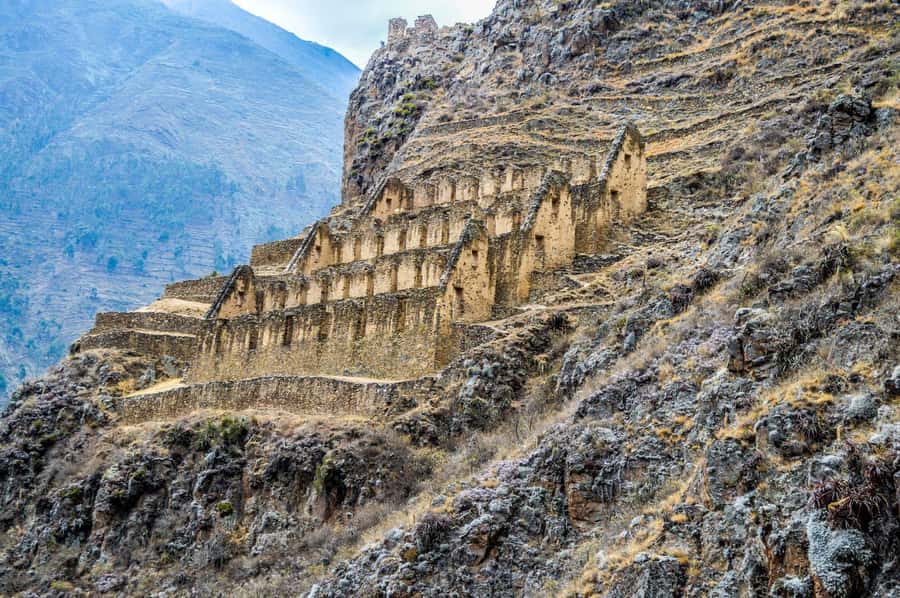
- Pisac ruins + market in the Andes: big photo moments, then a chance to talk with artisans and shop thoughtfully
- Ollantaytambo fortress walk: you’ll feel how the Inca used terrain as defense
- Free weaving techniques and natural dyes demo: see how patterns and plant-based color work in real time
- Lunch break built in: you get a proper 75-minute slot to eat and reset
- Guide flexibility for train timing: there’s an option to leave at Ollantaytambo if you need to catch a Machu Picchu train
Sacred Valley in 9 hours: the pacing that works
This is a full-day circuit, and the main trick is the rhythm: short van rides, photo stops, then actual time on the ground. You start with pickup from either Plaza de Armas or Av. Velasco Astete f5, and the day is designed to get you out of the Cusco traffic bubble early enough to enjoy Pisac and still make it to the far side of the valley.
You’ll notice the schedule has a mix of guided time and free time. That matters because Sacred Valley sites can feel similar if you’re sprinting. Here, you get moments to listen, then moments to look around at your own speed.
Expect the day to feel active. The tour notes small walks and climbing on Inca sites, and it runs rain or shine, which means you’ll want shoes with traction and quick-drying layers.
You can also read our reviews of more tours and experiences in Cusco.

Pisac Ruins and the Andean market: more than pretty stones
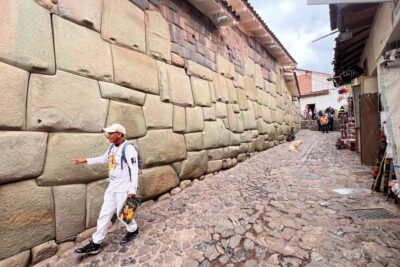
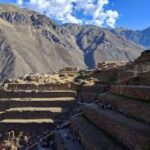
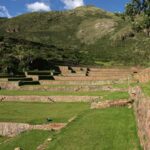
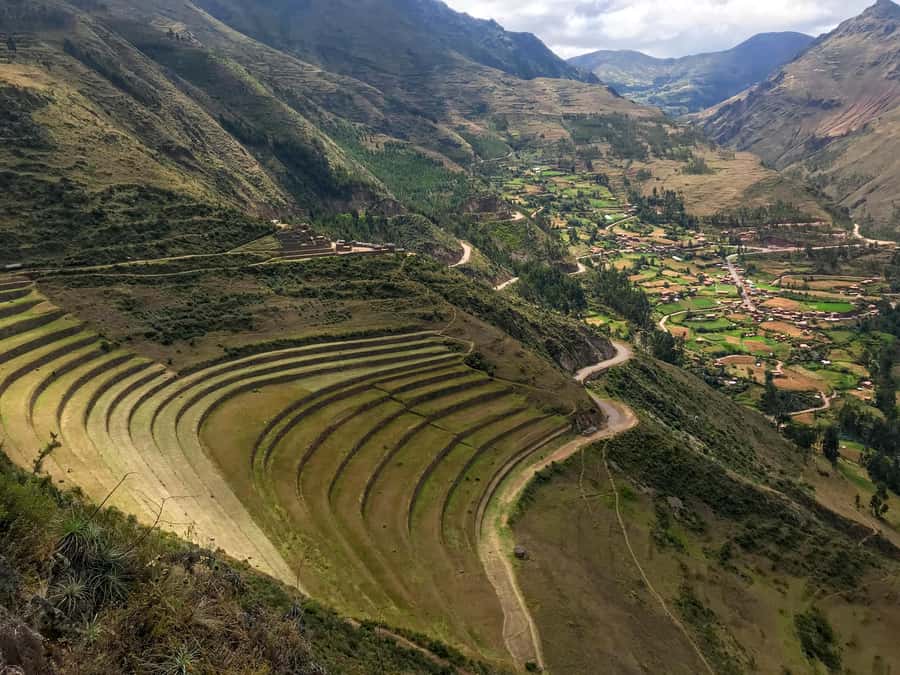
Pisac is one of those places where your brain starts sorting. First, you see the precision—stonework, terraces, and the way the site steps up along the valley. Then you connect it to farming. Inca terraces weren’t decorative; they helped manage water and growing conditions. Standing there, you get a clearer sense of why this area mattered beyond sightseeing.
You also get a guided tour at the Pisac Archaeological Park, with enough time to walk and take in panoramic views over the valley. If you’re the type who likes to understand what you’re looking at, this guided layer is what turns “nice ruins” into “I get it now.”
After Pisac, you head to the Pisac Market. This is where the trip shifts gears from ancient engineering to today’s craft culture. You’ll find stalls with textiles, jewelry, and handicrafts, and you can browse at a relaxed pace rather than doing a frantic souvenir dash.
Practical tip: bring some cash for market shopping. Card payments aren’t mentioned in the tour details, so cash is the safest bet. Also, if you plan to buy textiles, ask simple questions like what plant-based dyes they use and what the designs represent. Even when your Spanish isn’t perfect, the best conversations happen when you show curiosity.
Lunch in the Sacred Valley: a break that keeps the day fun
Lunch is handled with a 75-minute break at a local restaurant, plus a buffet lunch is included. This matters more than it sounds, because a Sacred Valley day can turn exhausting if you’re underfed or rushed.
The menu isn’t limited to one option, and you’re likely to see familiar Andean flavors. The tour highlights dishes such as rocoto relleno (stuffed spicy pepper), ceviche, and quinoa soup. If you’re not sure about spice levels, you can use lunch as your “try one new thing” moment rather than going all-in.
If you’re sensitive to strong flavors, start with the quinoa soup or a milder choice first. Then decide whether to sample the pepper dish. You’ll have another big block of walking later, so don’t let lunch become a stomach gamble.
Ollantaytambo fortress: the living museum feeling

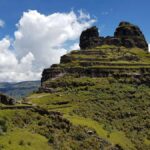
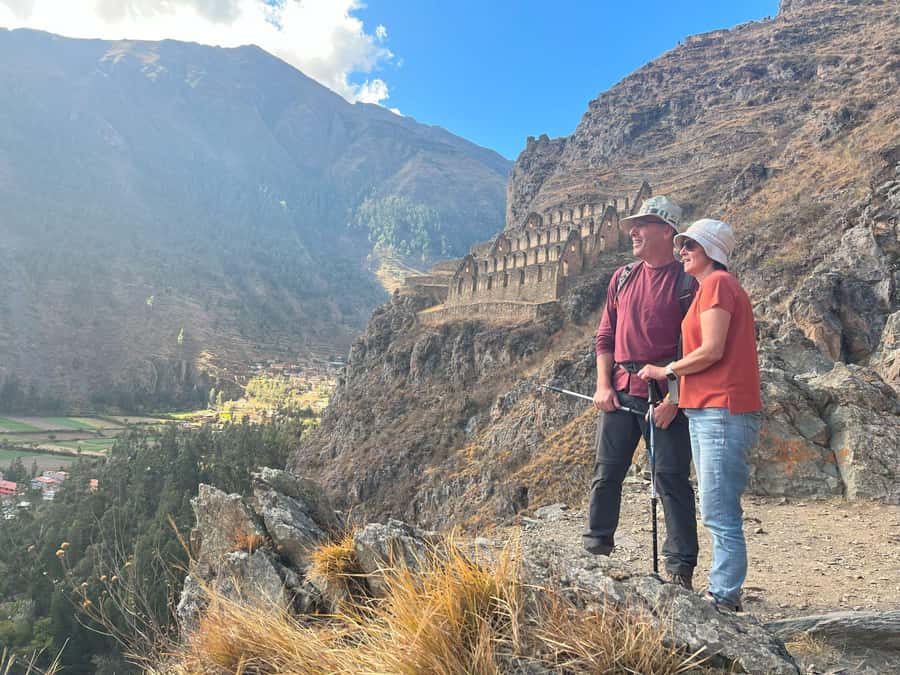
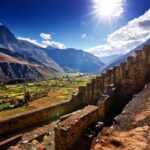
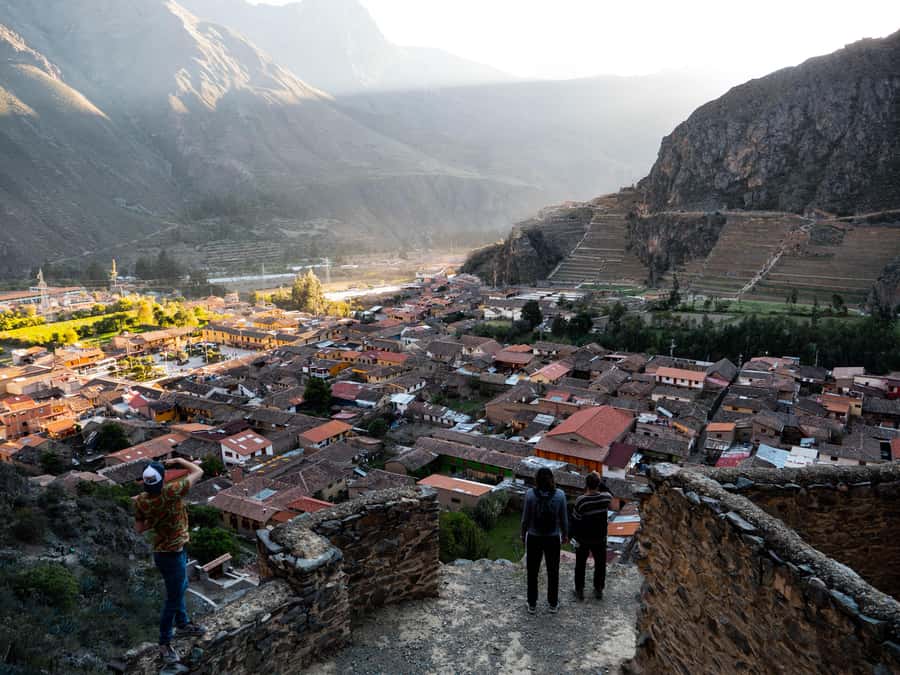
Ollantaytambo is often the highlight for people who like to feel the terrain under their feet. The fortress area is all about mass stone walls and terraces, built to dominate sightlines and control movement.
You get guided time and sightseeing here, plus a walk that helps you understand why this place worked. The Inca weren’t just building for beauty. They were building for survival, and the layout makes that hard to ignore.
Photos are easy here, but the better win is the mental picture you form while walking the paths. You’ll see how the Inca took advantage of elevation changes rather than fighting them.
One smart planning note: there’s an option to leave some passengers in Ollantaytambo to catch a Machu Picchu train, which can mean missing the last town stop. If your train schedule is tight, tell your guide early. It’s better to decide before you’ve already mentally settled into the Chinchero weaving stop.
Chinchero weaving cooperative and natural dyes: where culture becomes hands-on
Chinchero is best for people who want to understand craft, not just buy it. You’ll do a photo stop, then a guided visit and sightseeing at the Centro Arqueológico de Chinchero, followed by time in town.
The main “wow” on this leg is the weaving experience. The tour includes a free demonstration of Andean weaving techniques and natural dyes. That’s the key phrase to remember: natural dyes. Instead of treating textiles as decoration, the demo connects patterns to materials—plant-based colors and traditional methods.
Here’s what you can do to make this stop more meaningful:
- Look closely at the patterns and ask what symbols mean.
- Watch the steps of the weaving process, even if you can’t translate every term.
- If you buy something, treat it like a conversation, not a bargain hunt.
This is also where you’ll likely find unique handcrafted textiles. If you’re trying to travel light, you might want to plan ahead for shipping or choose smaller items. The tour says you can purchase textiles, but it doesn’t promise packaging details—so ask before you buy.
Price and entrance tickets: what $119 really buys
At $119 per person for a 9-hour day with pickup, transportation, a guide (English or Español), and a buffet lunch, the core value is strong: you’re paying for a guided route that links Pisac, Ollantaytambo, and Chinchero without you needing to manage transport between sites.
What you should budget extra for: entrance tickets for the Inca sites are not included. Since the day includes visits to archaeological areas, you’ll want to assume you’ll pay something on top for site access. If you’re doing a tight budget, ask your guide or the operator ahead of time what you should expect to pay for entry.
Also remember: the tour includes audio guide (English) plus a live guide. That’s helpful because Sacred Valley sites can be information-dense. Audio gives you a second chance to catch details while you walk.
Guide quality and language: English support that matters
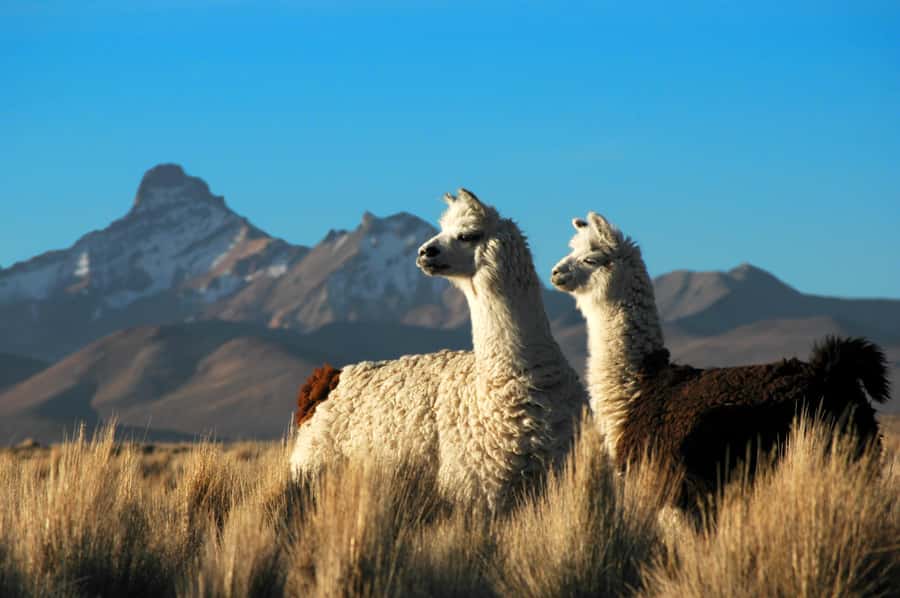
A day like this lives or dies by explanations. You’ll have a guide in English or Español, and the experience includes an English audio guide as backup. That combo helps a lot when you’re bouncing between three different areas and trying to follow the logic of what each place was used for.
From the guide examples tied to this operator, names like Nora, Junior, and Freddy have come up with praise for English delivery and storytelling. The key for you is simple: if you want more than surface-level facts, ask questions. A good guide will connect the stones to how people lived and worked.
What to pack and what to expect on the ground
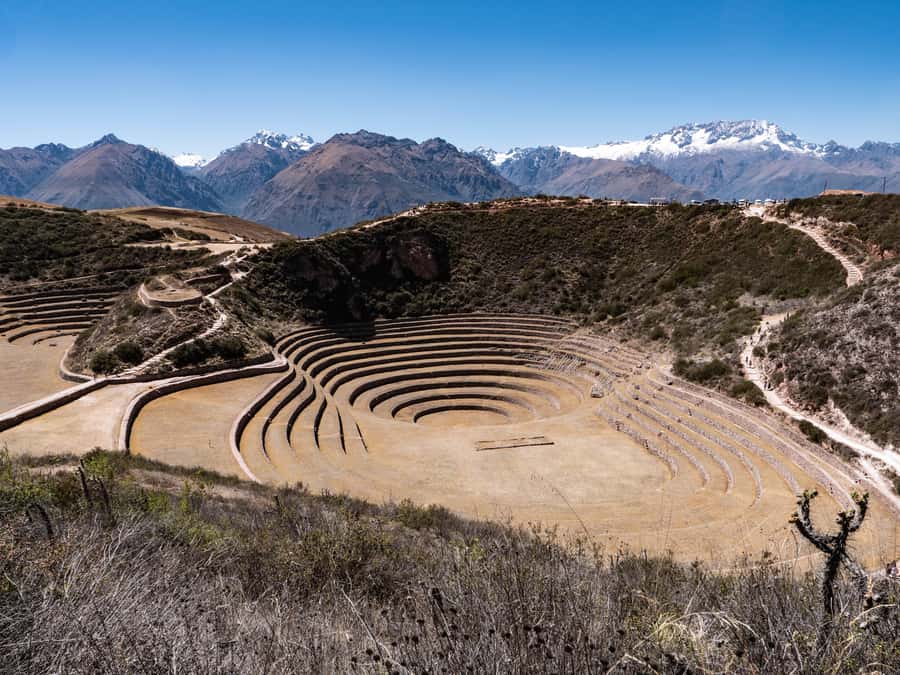
You’ll want to come ready for altitude-adjacent effort and possible rain. The tour is rain or shine, and it includes climbing and small walks on Inca sites.
Bring:
- Cash
- Passport
Wear:
- Walking shoes you trust on stone and uneven ground
- Layers you can adjust quickly if clouds roll in
- A small rain layer just in case
And yes, your calves get a vote. Ollantaytambo and the ruins are where you’ll feel it most.
Who should book this Sacred Valley day trip
This tour fits best if you want:
- A one-day overview of the Sacred Valley’s standout stops
- Enough guided context to understand what you’re seeing
- A culture stop beyond ruins—especially weaving and natural dyes
It’s less ideal if:
- You don’t like walking or climbing on uneven ruins
- You have very tight timing and can’t handle possible schedule adjustments
The tour notes it’s not suitable for people over 331 lbs (150 kg) or over 95 years. It also says wheelchair accessible, so it may work for some mobility needs—but because the tour includes climbs and small walks, you should ask specific questions before booking if you’re using a wheelchair.
Should you book this Pisac, Ollantaytambo, Chinchero tour?
If you’re trying to choose one Sacred Valley day that balances Inca sites with Andean life, I’d lean toward booking. You’re getting the major names—Pisac, Ollantaytambo, and Chinchero—with a lunch break that keeps the day enjoyable and a weaving demo that gives you something practical to remember.
Do book with eyes open about two things: entrance tickets aren’t included, and there’s real walking on the ruins. If you’re preparing for that and you want a full day that feels organized rather than rushed, this is a solid pick.
If you’re on a Machu Picchu train schedule, ask about the option to adjust at Ollantaytambo early. That way, you can decide whether Chinchero is a must for you or a nice-to-have.
FAQ
How long is the Sacred Valley experience?
It lasts 9 hours, for a full day moving between Sacred Valley towns and sites.
What’s included in the tour price?
Pickup and drop-off, private transportation, a buffet lunch, and a guide in English or Español are included. An English audio guide is also included.
Are entrance tickets included?
No. Entrance tickets for the Inca sites are not included.
What languages are available for the guide?
The live guide is available in English or Español, and the audio guide is included in English.
What should I bring with me?
Bring cash and your passport.
Does the tour run in bad weather?
Yes. The tour takes place rain or shine, and you should expect small climbs and walks on the Inca sites.