REVIEW · SACRED VALLEY
Inca Trail Machu Picchu 4 Days
Book on Viator →Operated by Dreamy Tours · Bookable on Viator
Four days of hiking end at Machu Picchu at dawn. It’s a structured Inca Trail trek in Peru’s Sacred Valley, with a real camp setup and a guided visit to the citadel.
I especially like the way the day plan builds toward Machu Picchu: the Inti Punku sunrise approach and an approximately two-hour guided tour around 8:00 am. You also get solid support on the trail, including camping equipment (tents, mats, dining area) and meals timed for multi-day hiking.
One thing to consider: this is demanding at altitude, including the Warmihuañusca (Death Pass) climb to 4,200 m, and the second day lists cold weather plus a long walking day.
In This Review
- Key things that make this trek worth your attention
- Cusco to Km 82: getting your bearings before the trail
- Day 1 from Urubamba to Ayapata: easy hiking plus archaeology context
- Day 2’s Death Pass at 4,200 m: the day that tests your plan
- Day 3 through rainforest to Phuyupatamarca and Wiñayhuayna
- Day 4: Inti Punku sunrise, a guided Machu Picchu visit, and free time
- Value and pace: what the $905 price is really buying
- Camps, food, and porters: the comfort you notice most at night
- Your guide and group size: small-team support on a big route
- Fitness and altitude: the real requirement isn’t just willpower
- Should you book this Inca Trail + Machu Picchu 4-day tour?
- FAQ
- How long is the Inca Trail trek and when do you start from Cusco?
- What is the highest point on the trek?
- Will Machu Picchu be guided, and is there time to explore on my own?
- What’s included in the price for camping and food?
- What do I need to bring that isn’t included?
- How large is the group, and what languages are guides available in?
- Is the tour refundable or changeable if I need to cancel?
Key things that make this trek worth your attention
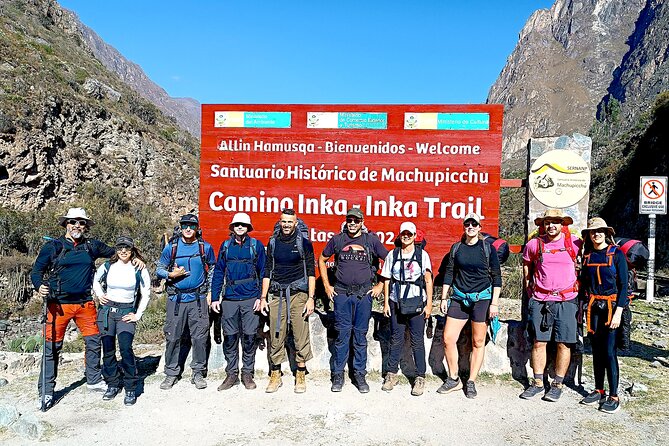
- Dawn-first Machu Picchu timing via Inti Punku (Puerta del Sol) for early views
- Well-supported camping setup with tents, mats, dining space, and portable bathrooms
- A small group size (max 10) that helps the pace feel human
- A real guide team in Portuguese or Spanish on request, including highly praised staff like Franklin
- Tough day 2 planning around Warmihuañusca (Death Pass) and the highest points
- Oxygen and first aid included, which matters when you’re at altitude for days
Cusco to Km 82: getting your bearings before the trail
Most people underestimate how much Day 1 matters. You start early: pickup from your Cusco hotel at 5:30 am, then a drive toward the Sacred Valley. Before you begin the Inca Trail at Km 82, you’ll stop in Ollantaytambo, with an option to have breakfast, and you’ll use that time to get organized and not rush.
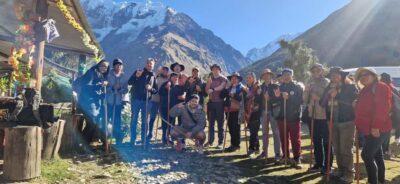
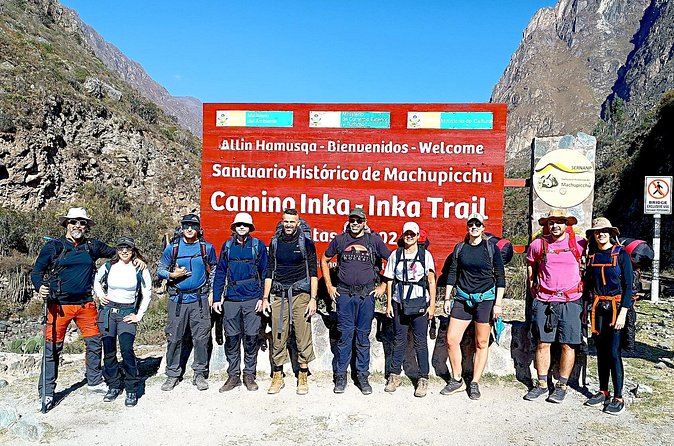
At Km 82 (and before the first real walking begins), you meet your group and go through the document control/registration. It’s one of those moments that feels bureaucratic in the middle of excitement, but it’s also what keeps the whole experience running smoothly.
Once you cross the Urubamba River (about 2,200 m), you’re officially on the Inca Trail. Day 1 is listed as easier and straightforward to follow, which is smart for your body and brain—this is where you learn the rhythm of the trek. Expect a lunch stop in Miskay (a river bank), plus a guide explanation tied to the Llactapata archaeological area.
Then you finish Day 1 at Wayllabamba (3,100 m) and camp at Ayapata. You’ll want to treat the evening like part of the trek, not a reward you can sleep through. Cold nights at altitude happen fast, and you’ll feel it most on Day 2.
You can also read our reviews of more tours and experiences in Sacred Valley.
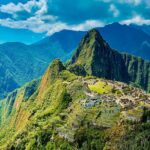
Day 1 from Urubamba to Ayapata: easy hiking plus archaeology context
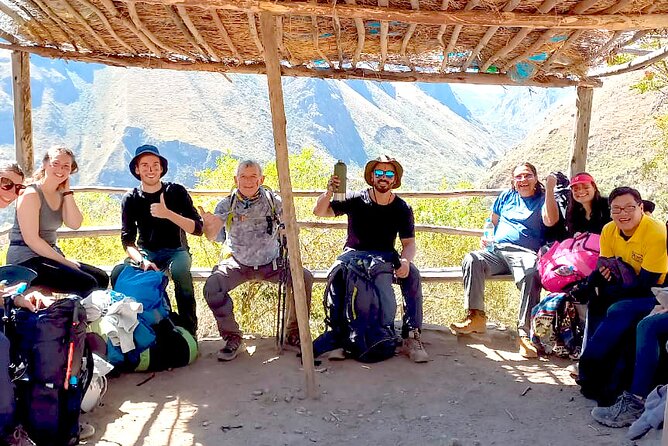
This is the day for settling in. The walking time is around 7 hours, and the plan includes a gentle lead-in so you don’t blow your energy before the big altitude work starts later. The Urubamba crossing and early trail sections help you adjust to the height without the shock of a huge climb on day one.
The best “practical” bonus here is that lunch at Miskay isn’t just food. Your guide talks about the Llactapata archaeological complex while you’re there, so you understand what you’re actually walking through. That makes later ruins feel less random and more intentional.
The main drawback of Day 1 is also what makes it necessary: you start early and you’re still hiking when many people are rolling out of bed back in Cusco. If you’re sensitive to mornings, plan for it now, not later.
Day 2’s Death Pass at 4,200 m: the day that tests your plan
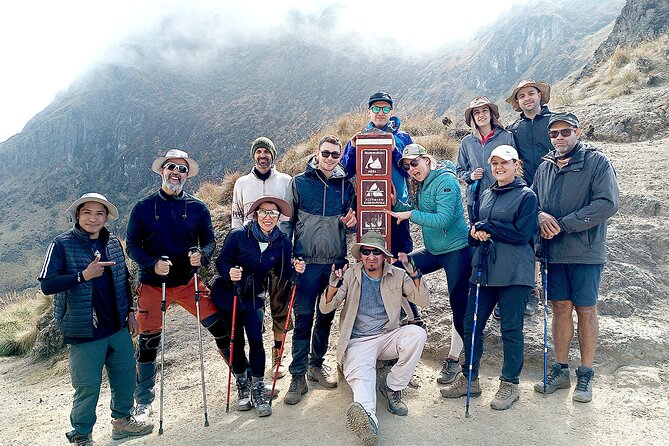
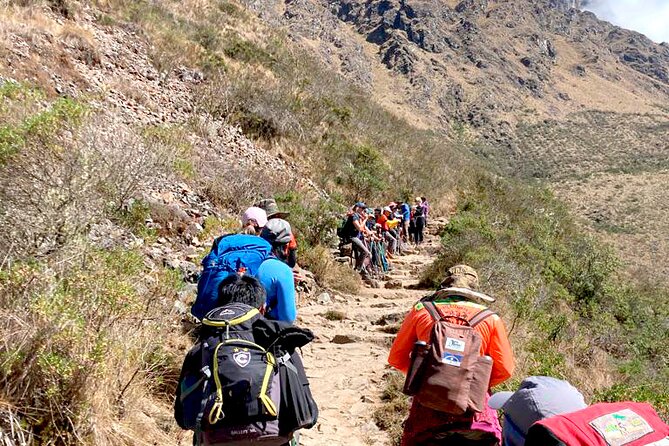
Day 2 is the classic hard day, and the itinerary calls it out. You walk about 9 hours and it notes cold weather. The route starts with Llulluchapampa, and early on you move through a valley around 3,850 m, where you’ll notice the mix of rainforest sounds and water along the way.
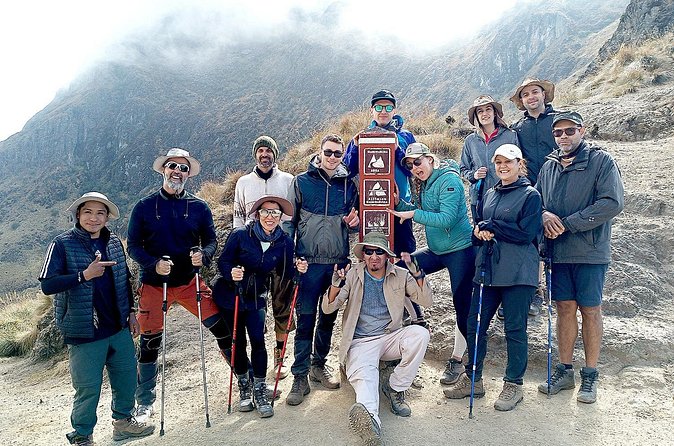
Then the trail heads toward the highest point of the trek. The big moment is Warmihuañusca (Death Pass) at 4,200 m. This climb is described as the most difficult part of the Inca Trail, and it shows up in your body right away—short, controlled breathing helps. After a brief stop at the summit, you continue downhill on a long and steep slope toward the Pacaymayu River, moving toward Runkurakay pass (3,050 m).
The day ends at the camp Chaquicocha (3,650 m). This is where you learn a key trekking trick: don’t “win” the hardest day by going faster than you should. You’ll feel better at camp if you pace the climb instead of attacking it.
If you’re worried about altitude, focus on your breathing, not your speed. This is also a reason the tour includes oxygen and first aid—while it doesn’t replace good judgment, it gives you extra safety coverage at high elevation.
Day 3 through rainforest to Phuyupatamarca and Wiñayhuayna
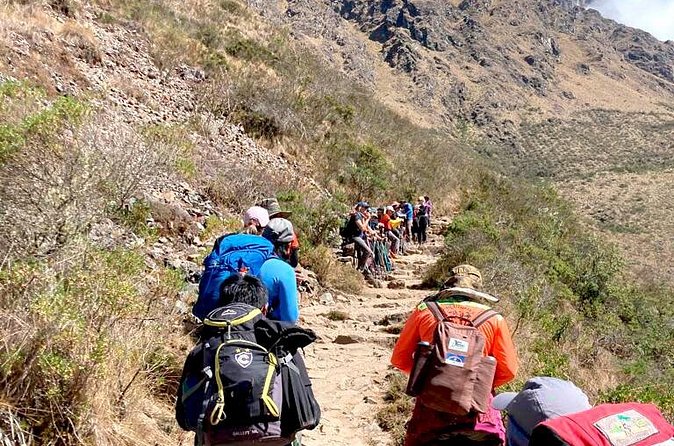
Day 3 is often the emotional turning point. You get a change in ecosystem as you move into the rainforest zone around Wiñayhuayna. The itinerary mentions two small lakes near the top of the second pass (around 3,950 m), plus a gentle ascent through a small Inca tunnel with views over the Urubamba River in the Sacred Valley.
After that, you reach Phuyupatamarca (meaning city above the clouds) at around 3,600 m. The campsite there is described as well-preserved, and one detail I’d file away for your own mental picture: the “long chain Inca bath.” Even if you’re not a stone-nerd, it helps you understand these weren’t random stops. People lived, washed, and managed water and routines here.
From Phuyupatamarca, you pass through another Inca tunnel, then continue toward the Wiñayhuayna complex (“Forever young”) at about 2,650 m. Your day ends with descent through the valley and your first views of the Machu Picchu mountain—a moment that usually changes how people walk the final day. Even if you’ve seen photos, the mountain shape hits differently when you’re already in it.
Day 3 walking time is listed as about 6 hours, which feels easier than Day 2 but still takes you through multiple elevation shifts.
Day 4: Inti Punku sunrise, a guided Machu Picchu visit, and free time
Day 4 is where the trek cashes out. After breakfast, you hike to Inti Punku, also called La Puerta del Sol. The whole point is the first view of Machu Picchu and the chance to see the sunrise over it. The itinerary says the final slope takes almost an hour before the Machu Picchu visit around 8:00 am.
You then get a guided tour of about two hours. This helps you connect the spiritual and practical sides of the site—how the park’s ancient work makes sense once someone explains it.
After that, you have free time to explore on your own. The itinerary specifically lists options like going to the Inca Bridge, exploring different Inca monuments, and climbing Huayna Picchu for a panoramic shot. If you plan to do Huayna Picchu, I’d treat that as a decision you make early in your free-time window, since it can change the feel of your day.
Finally, you descend to Aguas Calientes for lunch, then take the return train to Ollantaytambo and Cusco (with the note that it’s depending on availability). This is one of those logistical moments where you want to be ready to move when your group is told to move—hike energy doesn’t always translate to ticket lines.
Value and pace: what the $905 price is really buying
At $905 per person for about 4 days, the value comes from the combination. This isn’t just “you hike and hope.” You’re paying for regulated access to the Inca Trail and Machu Picchu, plus the structured transport from Cusco to Km 82 and back from the Machu Picchu area to Cusco.
What’s clearly included:
- Entry to the Inca Trail and Machu Picchu
- Transport Cusco – Km 82 and Ollanta – Cusco
- A Consettur tourist bus from Machu Picchu Pueblo to the archaeological site
- Camping equipment (tents, mats, bathroom setup, dining space)
- A cooking team plus daily food (breakfasts, lunches, dinners, snacks)
- Oxygen and first aid
- A guide (Portuguese/Spanish on request)
What you still need to plan for:
- Sleeping bag is not included
- Breakfast on the first day isn’t included
- Lunch at Machu Picchu or in Aguas Calientes isn’t included
That last line matters. The tour gives you a lot of food across the trek, but not every single meal. If you’re budgeting tightly, you’ll want to set aside money for lunch on the final day. And if you forget a sleeping bag, you’ll pay for it in comfort, not cost.
Camps, food, and porters: the comfort you notice most at night
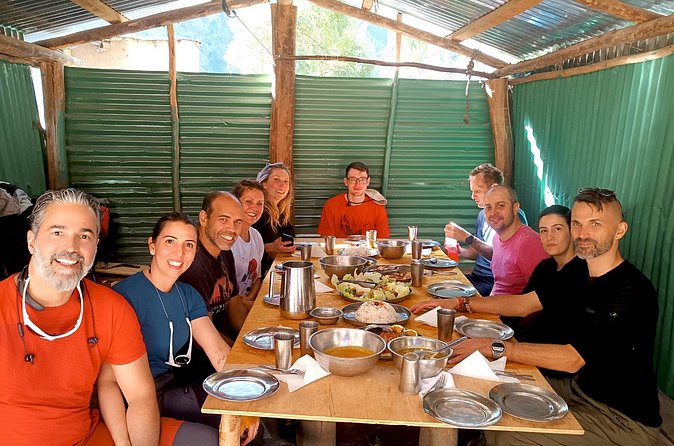
Multi-day trekking feels romantic until you’re trying to sleep at altitude. That’s why I like that this tour includes camping infrastructure: tents, mats, a dining room, and bathroom facilities. The idea is simple: you shouldn’t be fighting your own setup after hiking all day.
Food is a big part of the experience here. The included plan lists Breakfast (3D), 3 lunches, 3 dinners, and 3 snacks. Even better, the kitchen team gets praised for quality, including the ability to handle “special moments” like baking a cake one night.
The porter team is also a major value driver. The amount of equipment is significant—tents, meal tents, cooking setup, portable bathrooms, and the cooking gear. You’ll be hiking with a lighter personal load, while the infrastructure moves behind you. This is one of those practical differences between doing it “yourself” and doing it well.
If you’re the type who wants a smooth schedule, you’ll appreciate the rhythm too: dinner, then downtime like a tea time period is described as part of the nightly flow.
Your guide and group size: small-team support on a big route
This trek caps at 10 travelers, which is a sweet spot for Day 2 and Day 3. You can move as a group without feeling like you’re stuck in a crowd. The itinerary also states the guide is Portuguese/Spanish (language on request), so you’re not stuck with a single language no matter your background.
The human side gets positive mentions in names like Franklin, praised for keeping the group together while staying flexible when people want to explore different sights. Another name that comes up is Giuliana, noted for energy and a helpful, positive presence. You might not get those exact staff members, but the point remains: the tour emphasizes guide attention and group well-being, not just route tracking.
Fitness and altitude: the real requirement isn’t just willpower
The tour clearly asks for strong physical fitness. And the itinerary gives you specifics to match that warning.
- Day 2 includes 9 hours and cold weather
- Warmihuañusca (Death Pass) hits 4,200 m
- You camp at multiple elevations (3,100 m on Day 1; 3,650 m on Day 2; 3,600 m on Day 3)
- You finish at Machu Picchu around 2,400 m
So the question isn’t whether you’re “an athlete.” It’s whether you can keep a steady effort when the air gets thin and the walking stretches into long hours. If you do, you’ll feel the reward more than the strain. If you don’t, you’ll still reach the end, but you’ll probably feel it more each day.
Should you book this Inca Trail + Machu Picchu 4-day tour?
If you want a guided, supported way to do the classic Inca Trail route, this is a strong fit. You get regulated access, a clear four-day progression, camping and meals handled, and a Machu Picchu visit that includes a guided explanation plus time to wander. The small group size helps a lot on a route this long.
I’d especially recommend it if:
- you want less planning and more trail focus
- you’re okay with a tough Day 2 and cold conditions
- you’d rather have staff manage the heavy stuff while you hike
I wouldn’t book it if:
- you hate early starts (Cusco pickup is 5:30 am)
- you don’t have a sleeping bag
- you know your fitness level struggles with high altitude and long walking days
If that checklist looks like you, then $905 feels like you’re paying for the right things: access, logistics, comfort basics, and a guided approach that makes Machu Picchu easier to understand once you arrive.
FAQ
How long is the Inca Trail trek and when do you start from Cusco?
The tour runs about 4 days. On Day 1, pickup is from your Cusco hotel at 5:30 am, and you start hiking the Inca Trail at Km 82 after the meeting, document control, and a stop in Ollantaytambo.
What is the highest point on the trek?
The itinerary lists Warmihuañusca, also called Death Pass, at about 4,200 m as the highest point.
Will Machu Picchu be guided, and is there time to explore on my own?
Yes. You visit Machu Picchu around 8:00 am for a guided tour of approximately two hours. After that, you have free time to explore on your own, including options like the Inca Bridge and Huayna Picchu (if you choose to climb it).
What’s included in the price for camping and food?
Included are entrance tickets to the Inca Trail and Machu Picchu, transport from Cusco to Km 82, camping equipment (tents, mats, dining room and bathroom setup), and food for the trek (breakfasts, lunches, dinners, and snacks). Oxygen and first aid are also included.
What do I need to bring that isn’t included?
The tour does not include a sleeping bag. Breakfast on the first day is also not included, and lunch at Machu Picchu or in Aguas Calientes isn’t included either.
How large is the group, and what languages are guides available in?
The maximum group size is 10 travelers. The guide is listed as Portuguese/Spanish, with the language available on request.
Is the tour refundable or changeable if I need to cancel?
No. The experience is non-refundable and cannot be changed for any reason.