REVIEW · OPEN-TOP BUS TOURS
Cusco: Sightseeing Tour of the City on an Open-Top Bus
Book on GetYourGuide →Operated by Cusco Open Tour: Open Bus City Sightseeing Operator · Bookable on GetYourGuide
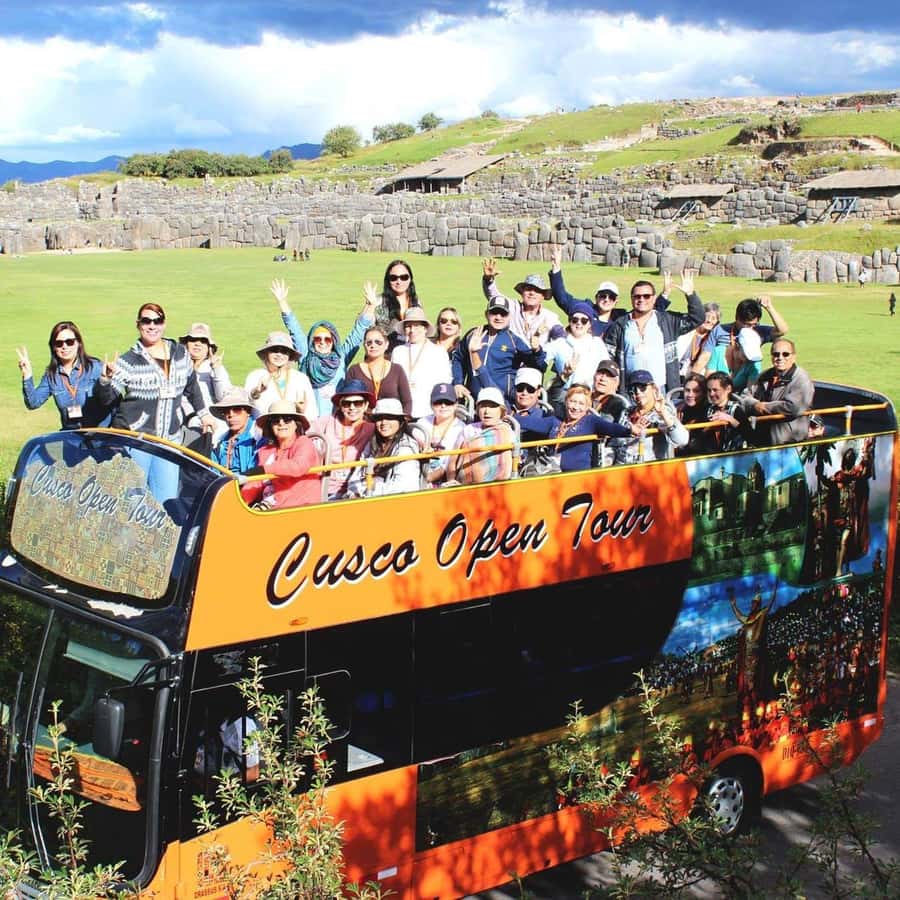
Cusco’s views start rolling fast. This open-top bus tour is a simple way to get your bearings, see major landmarks, and learn what Inca-era and colonial Cusco have in common—all while you acclimatize. I love the stop-by-stop explanations from a bilingual guide, and I love how you get several big-picture viewpoints from the top deck. The one thing to think about: it’s a mostly fixed, ride-and-look route, so you won’t have tons of time wandering on your own.
The real win here is pacing. You get a handful of photo stops, a guided visit at major archaeological sites, plus a cultural experience at a shamanic center and an alpaca-wool stop meant to help you shop smarter. If you hate any chance of being rushed through market-style stops, go in with eyes open.
In This Review
- Key highlights worth making time for
- Why this $12 tour is such an efficient Cusco first day
- The meeting point: start where Cusco street life is real
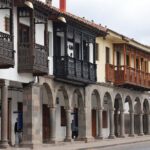
- Plaza de Armas photo stop: the classic center, without overthinking it
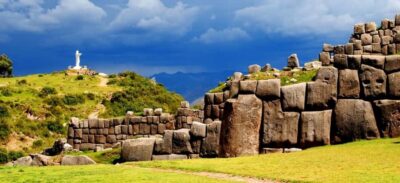
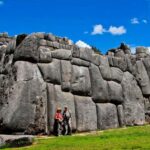
- Sacsayhuamán: Inca stonework plus big angles over the city
- The open-top deck viewpoints: where Cusco clicks into place
- The shamanic center stop: Pachamama ceremony and a cultural moment
- Alpaca wool and textile center: learn before you buy
- Cristo Blanco viewpoint: the hilltop photo that makes the day
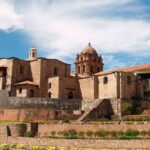
- Coricancha: a meaningful stop for Inca roots and colonial layers
- How the route actually works (and why it’s not hop-on hop-off)
- Guides and language: what bilingual usually means in Cusco
- What to pack for an open-top day in Cusco
- Who should book this Cusco open-top city tour
- Should you book this tour?
- FAQ
- How long is the Cusco sightseeing tour?
- What does the tour cost?
- Where do I meet for the tour?
- Are there guided stops, or is it self-guided?
- What languages is the guide available in?
- Is the bus open-top?
- What should I bring?
- Is food included?
Key highlights worth making time for
- Open-top, panoramic Cusco views without a long uphill slog
- Bilingual live guide (Spanish/English) to connect the dots at each stop
- Sacsayhuamán and Coricancha for two major Cusco icons
- Pachamama ceremony at a shamanic center for a hands-on cultural moment
- Cristo Blanco viewpoint for the classic hilltop photo angle
- Alpaca wool explanation so you can recognize quality when buying gifts
Why this $12 tour is such an efficient Cusco first day
At $12 per person for 150 minutes, this tour is built for value. You’re paying for transportation, a guide, and a tight route that hits several “must-see” places in one sitting. In Cusco, that matters because your schedule is usually fighting altitude, fatigue, and the time it takes to plan your next day.
Also, the pacing is gentle. There are short on-foot segments, but most of your time is spent sitting on the bus, soaking in views from above. That’s a good match for travelers who want information and orientation, not a long day of steep walking.
You can also read our reviews of more city tours in Cusco
The meeting point: start where Cusco street life is real
You start at Sta. Catalina Angosta 120, then there’s a short walk to begin the route. Before you go, you exchange your voucher at the designated ticket counter—don’t skip that step, since you’ll be routed from there to the bus start.
What I like about this kind of start is that it keeps you from wasting time hunting for the right vehicle. You’ll be guided into the flow of the day, and the bus ride itself starts quickly enough that you don’t lose momentum.
Plaza de Armas photo stop: the classic center, without overthinking it
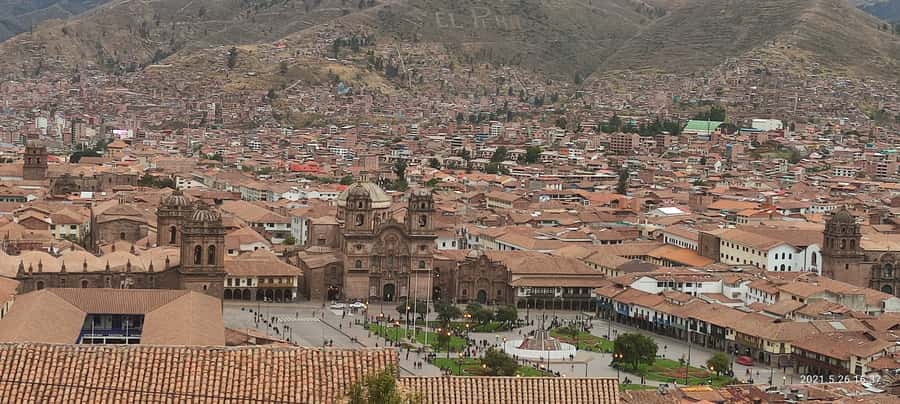
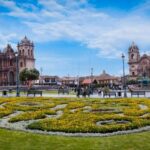
The tour passes by and pauses briefly at Plaza de Armas, Cusco. It’s not a long wandering visit, so treat it like a landmark moment. You’ll get your first sense of where things sit in the city center before you move outward.
Even a quick stop helps. Cusco’s streets can feel like a maze when you first arrive, and anchoring your mental map early makes the later viewpoints make more sense.
Sacsayhuamán: Inca stonework plus big angles over the city
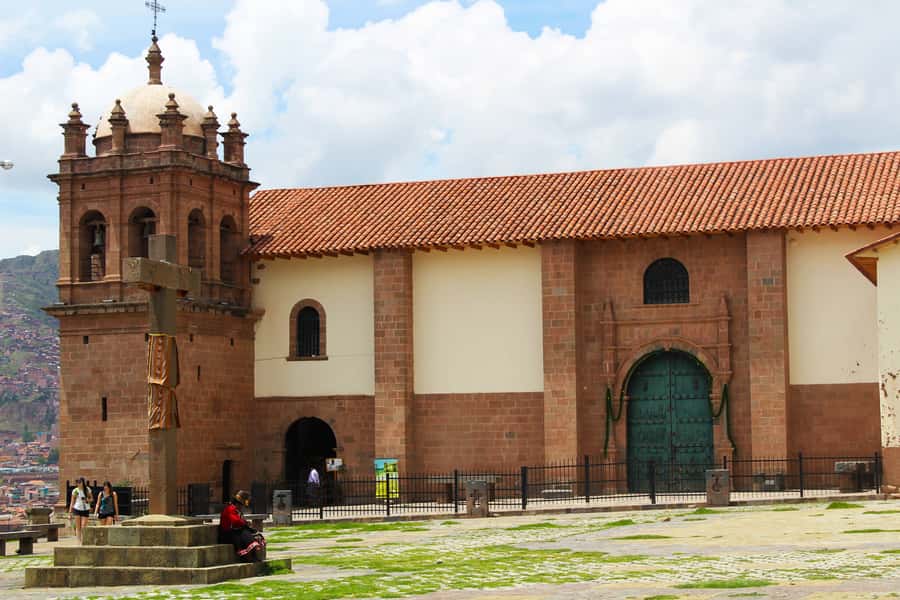
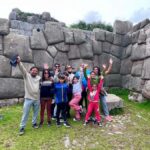
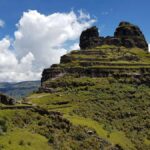
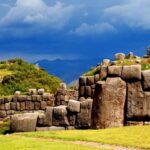
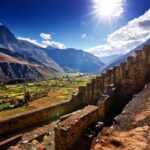
One of the most satisfying parts is the Sacsayhuamán stop. You get a guided tour and a photo stop, and the bus route itself keeps you oriented as you move toward the heights.
This site is famous for a reason: the scale of Inca stonework and the way it frames the area around Cusco. From this kind of vantage, you also start to understand why Cusco developed where it did—how the city relates to the surrounding terrain and the ancient sense of “place.”
Time note: it’s not an all-day deep exploration. Plan on learning the essentials with the group, taking your photos, and then moving on.
The open-top deck viewpoints: where Cusco clicks into place
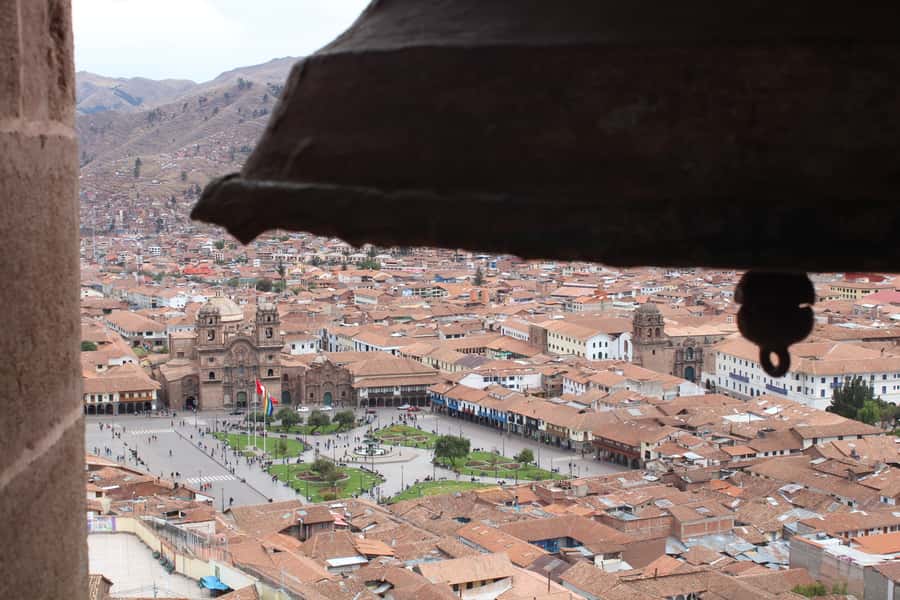
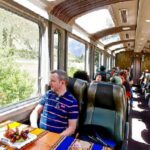
This is the part you’ll feel immediately. Riding an open-top bus means you get air, light, and wide sight lines—especially helpful in a city surrounded by mountain views.
You’ll also get panoramic views of the city from several viewpoints. That matters because Cusco can look completely different from different angles, and a skyline view helps you stop thinking in streets and start thinking in geography.
Two practical tips: bring sunglasses and wear sunscreen even when it’s cloudy. Cusco wind can fool you, and you’re exposed up higher than you think.
The shamanic center stop: Pachamama ceremony and a cultural moment
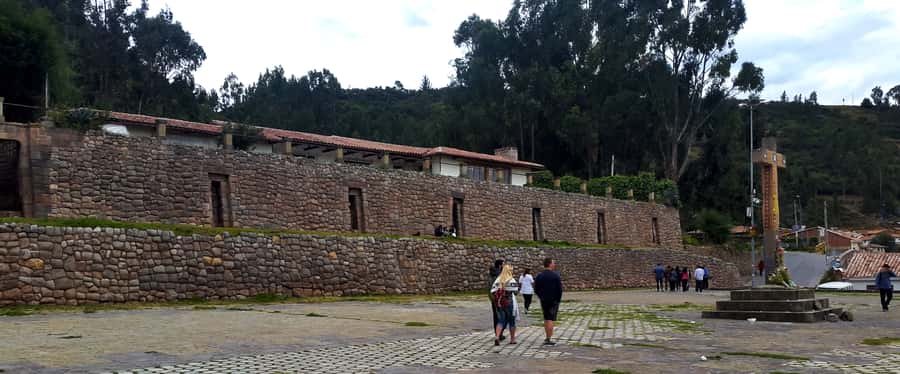
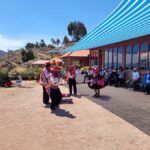
A major feature of this tour is the stop at a shamanic center, where you witness a traditional Inca ceremony that pays homage to Pachamama (mother earth), the mountains, and the natural world.
If you’re curious about Andean traditions, this is the best “why am I here?” moment on the tour. It shifts the day from sightseeing to meaning—less about checking boxes, more about understanding how people connect to the land.
What it might feel like in practice: it’s presented as a ritual experience, and you’ll be part of the group setting. Some ceremonies on similar routes include coca-leaf-related practices and blessing elements; the exact tone can vary, but the emphasis here is on paying respects through tradition.
Keep expectations grounded. This isn’t a performance meant for entertainment—it’s a guided cultural observance. Ask questions calmly, follow instructions, and be respectful of how participants and staff handle the moment.
Alpaca wool and textile center: learn before you buy
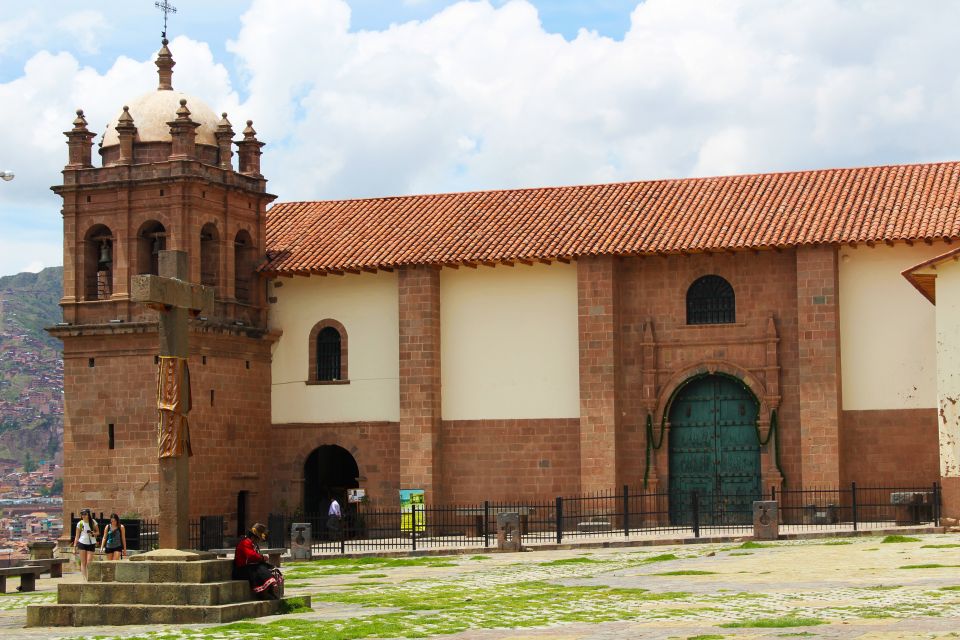
Another stop built into the day is an alpaca wool weaving center. One of the workers explains differences between wool types, and that’s not just trivia. It helps you shop with less guesswork when you’re surrounded by souvenirs.
Here’s what to take away before you open your wallet:
- Wool quality is often about fiber type and processing, not just the color or the price tag.
- If you hear an explanation of how to identify authentic alpaca wool, pay attention, even if you mostly plan to browse.
This is also where the tour can feel slightly more market-focused. The good part is the instruction: you’re less likely to get swept up by hype if you already know what you’re looking for. The less-good part is that shopping time can be the longest part for some people.
Cristo Blanco viewpoint: the hilltop photo that makes the day
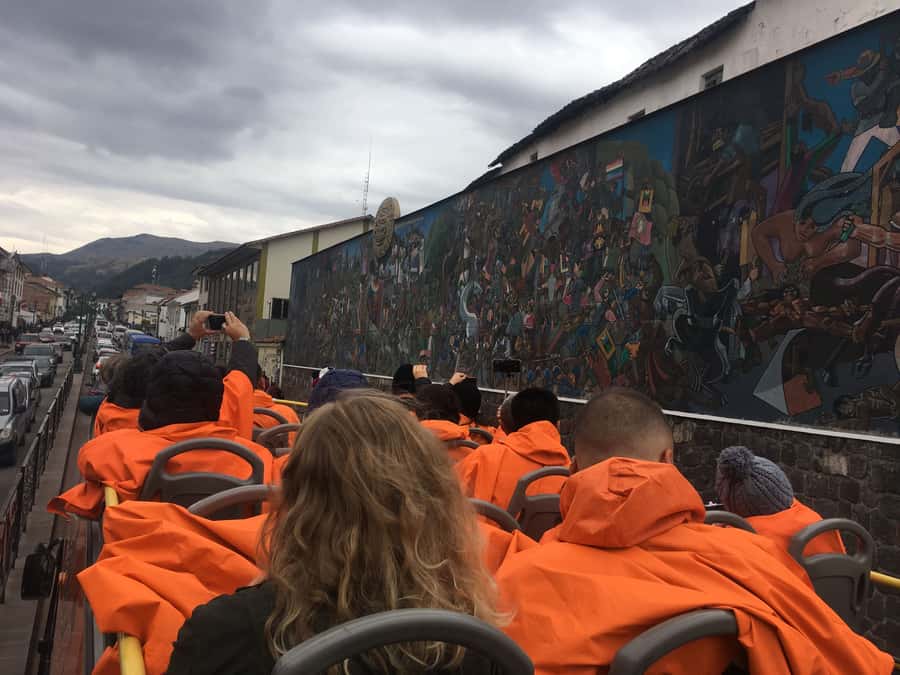
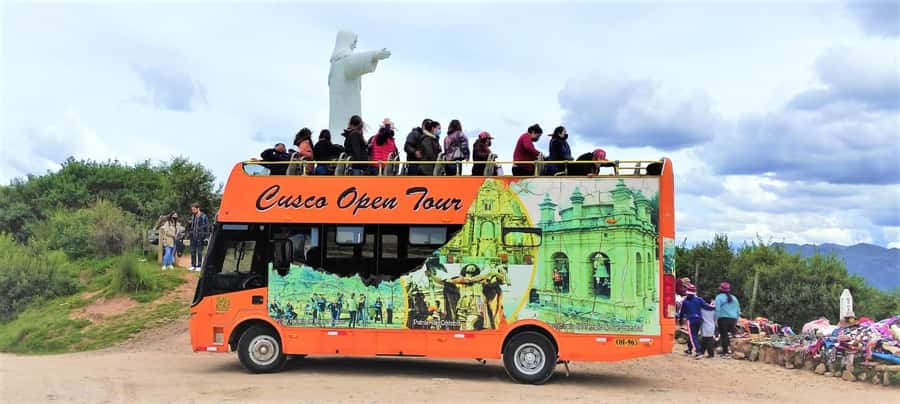
Near the end of the sightseeing loop, you stop at the Mirador desde el Cristo Blanco. This is the big white statue on the hill overlooking Cusco, and the point is clear: you get fantastic views of the whole city from a dramatic angle.
Even if you’ve seen photos online, it’s different when you’re there. The hilltop viewpoint changes your sense of scale and helps you connect the earlier stops to what’s actually around Cusco.
Time note: you’ll have a photo stop with some guidance, but it’s not a long stay for wandering. Go right when you arrive, pick your photo spots quickly, and keep moving when the group does.
Coricancha: a meaningful stop for Inca roots and colonial layers
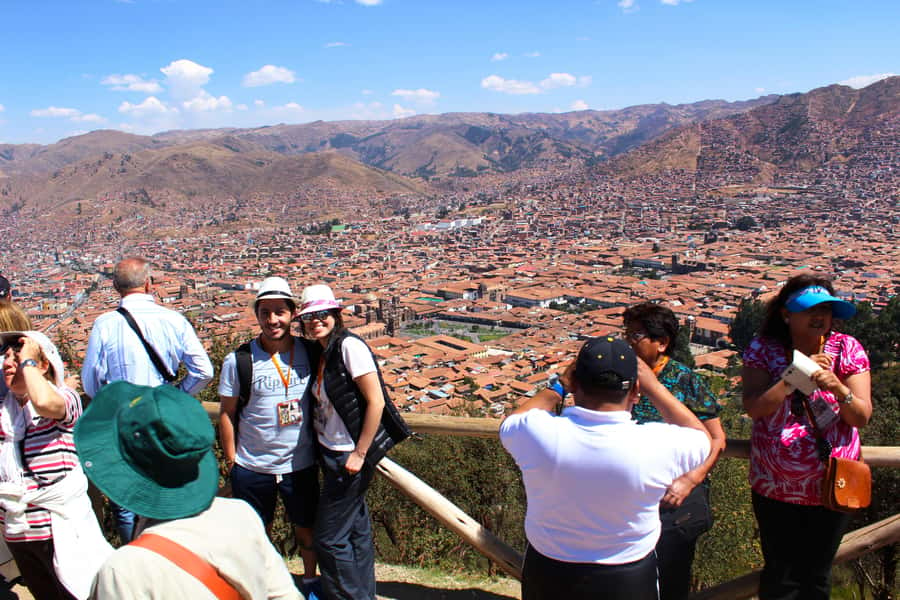
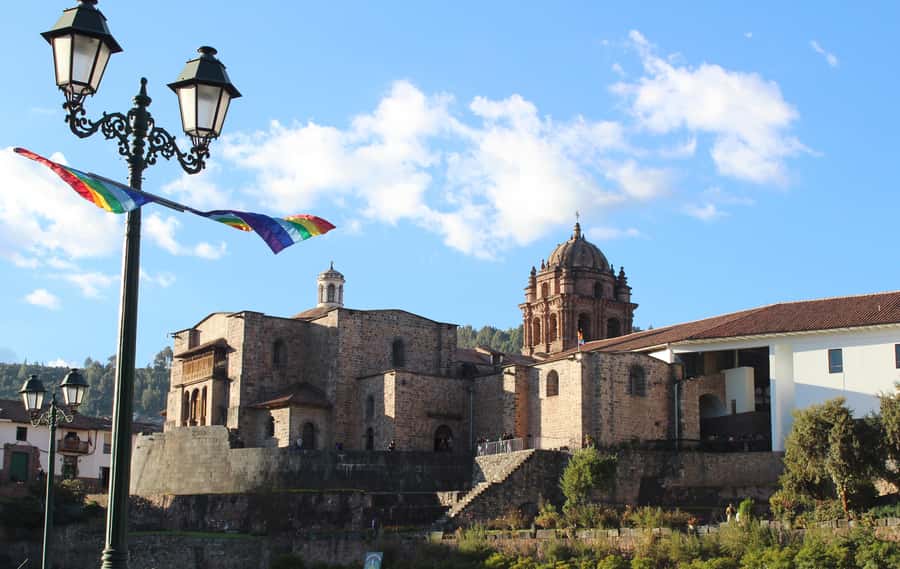
The tour also includes Coricancha sightseeing. This is one of those Cusco stops where you’re seeing the Inca story and the later colonial layer built on top of it.
Even if your time here feels short compared to a full museum-level visit, the guide context matters. You’ll walk away understanding why Coricancha matters and what makes it distinct in Cusco’s timeline.
How the route actually works (and why it’s not hop-on hop-off)
This isn’t a free-form hop-on, hop-off bus like you might expect in some European cities. You follow a set sequence with limited opportunities to get off with the group. In practice, that means the schedule stays efficient, but you can’t just wander for an hour and then catch a later bus.
There are a couple of times when you’ll have real stops to get photos or participate in activities, and most other sights are viewed from the bus. If your goal is maximum independent time, this may feel a bit structured. If your goal is a fast orientation plus highlights, it’s a strong fit.
Guides and language: what bilingual usually means in Cusco
The guide is live and bilingual, with Spanish and English. In an open-top bus, that’s a tricky combination because wind and traffic noise can make audio tougher than you expect.
So here’s how to make it work for you:
- Sit where you can hear best, usually closer to the front and side where the guide’s voice carries.
- If you miss a detail, don’t panic. The guide usually repeats key ideas and you’ll still get the story behind the landmarks.
I also like that guide support can make a difference at quick photo moments. When the guide helps you understand what to look for, your photos improve—and you learn something, too.
What to pack for an open-top day in Cusco
You’ll want the basics dialed in because it’s rain or shine. Cusco weather can change fast, and being exposed on an open deck means you feel it.
Bring:
- Sunglasses
- Sun hat
- Biodegradable sunscreen
- A jacket
Also, plan for wind. Even in cooler moments, sun can still be strong from higher elevations.
Who should book this Cusco open-top city tour
This tour fits best if you:
- Want a first-day orientation in Cusco before committing to longer excursions
- Prefer light walking and more time seated
- Want major landmarks without spending hours changing plans
- Like cultural add-ons such as the Pachamama ceremony and the alpaca-wool stop
It’s less ideal if you:
- Need wheelchair access or mobility-friendly routing (it’s not suitable for wheelchair users)
- Hate any shopping stops, even short ones
- Want long, independent time at each site rather than a guided overview
Should you book this tour?
If you’re in Cusco for a short time and you want your bearings fast, I think this is an easy yes. The value is strong: for $12 you get open-top viewpoints, bilingual guidance, major Cusco highlights like Sacsayhuamán and Coricancha, plus a memorable ritual stop.
Book it if you want efficiency with meaning, not just photos. Skip it only if you know you’ll resent structured group time or shopping-focused stops. If you go in prepared—with sunscreen, a jacket, and realistic expectations—you’ll come away with a clearer mental map of Cusco and a more grounded sense of Andean culture.
FAQ
How long is the Cusco sightseeing tour?
The tour duration is 150 minutes, which is about 2.5 hours.
What does the tour cost?
The price is $12 per person.
Where do I meet for the tour?
You meet at Sta. Catalina Angosta 120. Exchange your voucher at the designated ticket counter before the tour begins.
Are there guided stops, or is it self-guided?
This is a guided tour with a live guide.
What languages is the guide available in?
The guide provides live narration in Spanish and English.
Is the bus open-top?
Yes, it’s an open-top sightseeing bus.
What should I bring?
Bring sunglasses, a sun hat, biodegradable sunscreen, and a jacket.
Is food included?
No. Food and drinks are not included.