REVIEW · INCA TRAIL TREKS
2 Days Inca Trail to Machu Picchu with hotel
Book on Viator →Operated by MACHU PICCHU VIAJES PERU · Bookable on Viator
Sunrise at Machu Picchu hits hard. This private 2-day Inca Trail to Machu Picchu experience pairs an English-Spanish guide with smooth transport, key entrance tickets, and a real in-citadel arrival plan. I love the hassle-free logistics (meals, fees, train, buses, and transfers handled) and I love the viewpoint timing that gets you to Inti Punku and then to Machu Picchu for the early morning glow. The main drawback is the early start plus stair-heavy hiking on Day 1, so you should be ready for up-and-down effort.
Day 1 works in a smart rhythm: train to km 104, hike through Inca agricultural terraces at Wiñaywayna, then continue toward Inti Punku (Puerta del Sol) before descending to the citadel area and heading to your hotel. On Day 2, you go back early with bus timing set for sunrise and then get a guided tour before free exploration.
One more note to keep you comfortable: the hotel is 3 in Aguas Calientes for one night, and lunch after the Day 2 guided tour is not included, so you’ll want a little cash or card for that meal.
In This Review
- Key points to know before you go
- Getting to km 104: the 5:00 AM pickup and train plan that saves energy
- Day 1 Inca Trail hike: Wiñaywayna, stone stairs, and arriving through Inti Punku
- Aguas Calientes night: the value of a real reset after a big first day
- Day 2 sunrise at Machu Picchu: how the 06:00 timing changes everything
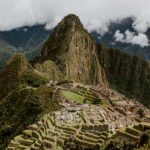
- Inside the citadel: the exact highlights you’ll hear about and why they matter
- Pace and fitness: doable for many, but don’t treat it like a stroll
- Private value check: why $750 can make sense for this schedule
- Who should book this 2-day Inca Trail with hotel
- Should you book it?
- FAQ
- What time does the tour start in Cusco?
- Is this tour private?
- How do you get to the Inca Trail trailhead at km 104?
- How do you return to Cusco after Machu Picchu?
- Do you get to see Machu Picchu sunrise?
- How long is the guided tour inside Machu Picchu?
- What meals are included, and is lunch included on Day 2?
- Is first aid or oxygen provided?
- What’s the cancellation policy?
Key points to know before you go
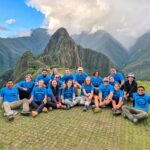
- Private group with an English-Spanish guide, so the pace and questions stay personal
- Train to km 104 and return from Aguas Calientes keeps the trail and Machu Picchu timing tight
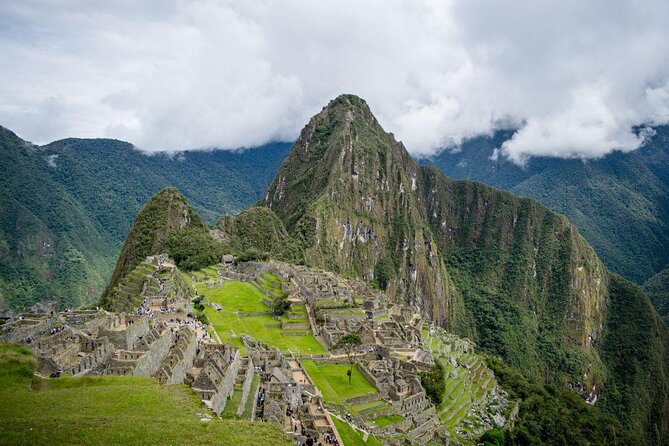
- Wiñaywayna terraces and the approach to Inti Punku (Sun Gate) set up your best first impressions
- Sunrise visit on Day 2 with a guided 2.5-hour walk through the main Machu Picchu highlights
- Hotel + meals included, plus first-aid support with a first aid kit and oxygen bottle
- You’ll be active on Day 1: short-distance, but stairs and elevation changes matter
Getting to km 104: the 5:00 AM pickup and train plan that saves energy
Your day starts early. You’ll be picked up from your Cusco hotel around 5:00 AM for the transfer to the train station in Ollantaytambo, with the overall start time listed as 5:30 AM. The goal here is simple: get you to the trailhead with less stress and less wasted time.
The train leaves Ollantaytambo at 7:00 AM for km 104 (about 1 hour). This matters for two reasons. First, it helps you avoid scrambling for connections while managing altitude. Second, it turns the trek into a planned “doable day” instead of an all-morning logistics test.
This is where private service can genuinely feel worth it. Because transportation and tickets are already built into the plan, you spend less time figuring out who goes where and more time preparing your body for the walk. The tour also includes first aid support and an oxygen bottle, which is reassuring for a long day at elevation.
You can also read our reviews of more tours and experiences in Cusco
Day 1 Inca Trail hike: Wiñaywayna, stone stairs, and arriving through Inti Punku
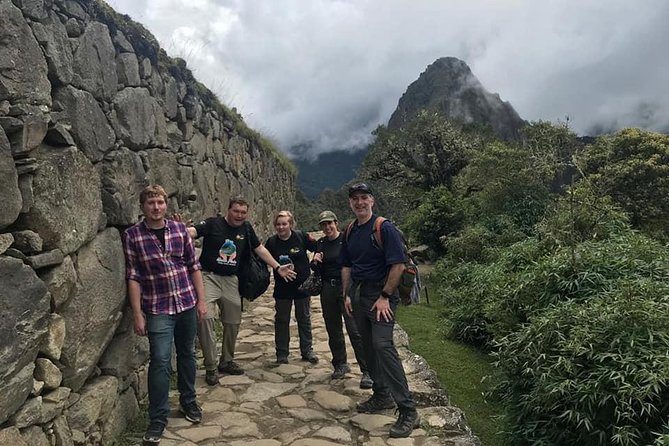
After you step onto the trail at km 104, Day 1 is structured in segments that feel both scenic and manageable.
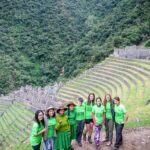
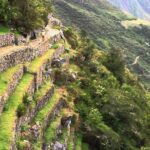
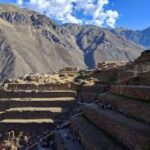
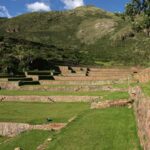
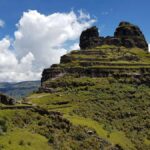
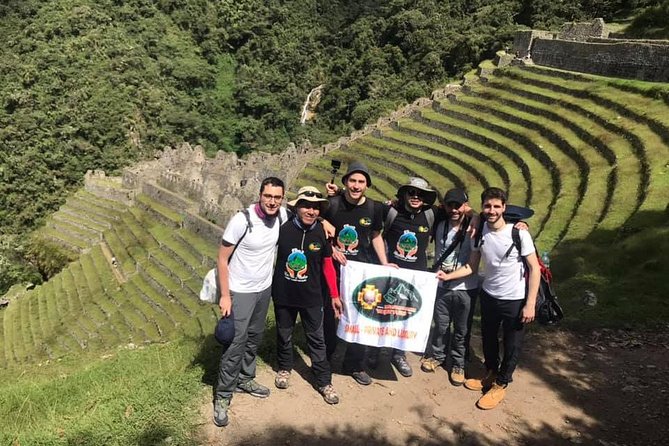
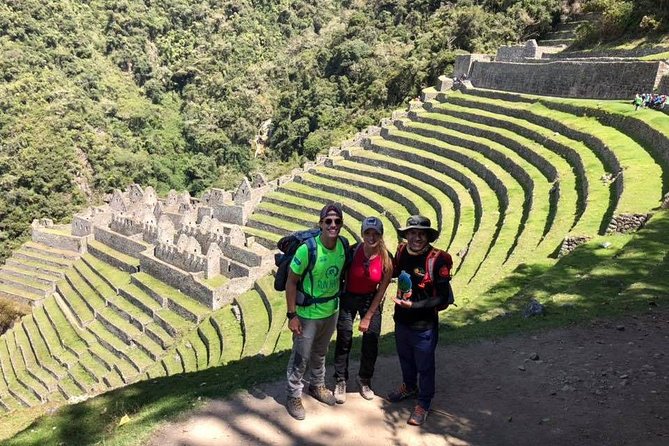
You walk for about 3 hours and reach Wiñaywayna, known for showcasing how the Incas used terracing for agriculture. The terraces aren’t just “pretty ruins.” They’re a working-style solution to Andean slopes: channeling water, creating usable levels, and turning steep ground into a productive system.
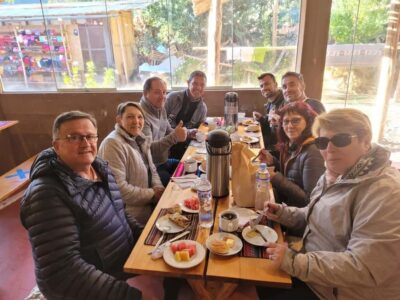
You’ll then enjoy a box lunch, and continue to the Wiñaywayna control. This part of the day is a good breather. Controls and timing breaks are built in, and they help keep the day from turning into a constant push.
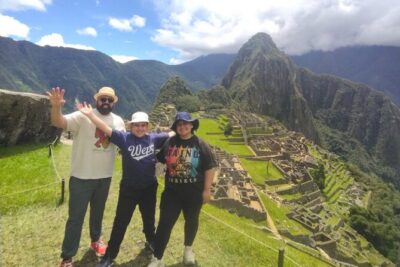
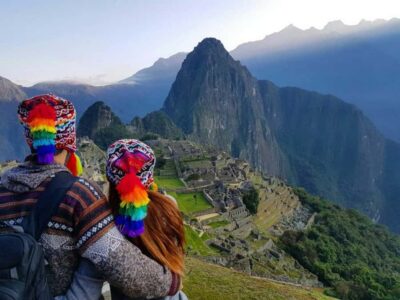
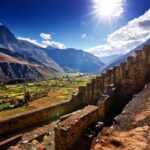
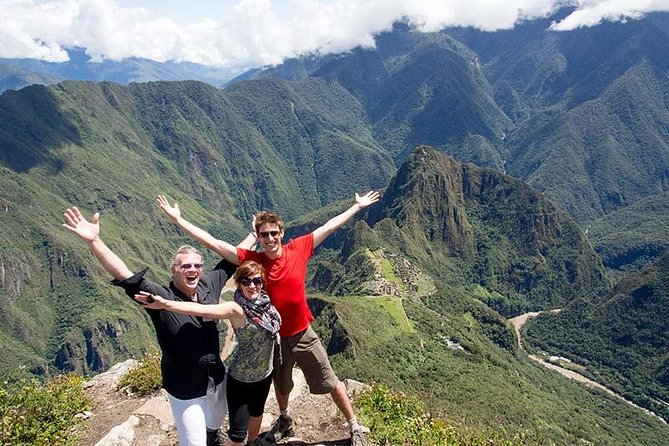
From there, the next leg is about 2 hours through an open Andean plain and over stone stairs. Then you reach Inti Punku (Puerta del Sol). This is one of the reasons people love the Inca Trail route: the site finally opens up in a controlled dramatic moment, with panoramic views of Machu Picchu and surrounding mountains.
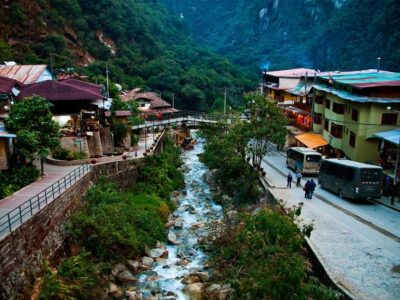
After that viewpoint hit, you descend for about 30 minutes to the Machu Picchu area and then take the bus to Aguas Calientes for your hotel. One helpful detail: the Day 1 trekking experience is often described as roughly 11 km with a “relaxed” feel when you stick to the planned pace. Still, don’t treat it like an easy walk. The stairs and elevation shifts do their work.
Aguas Calientes night: the value of a real reset after a big first day
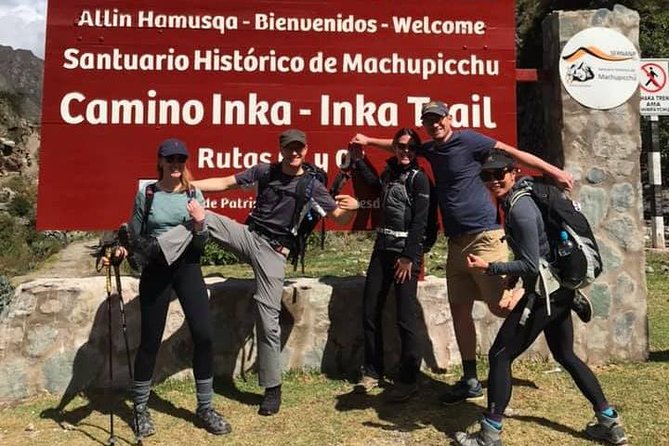
By the time you arrive in Aguas Calientes, you’ve done the hard part: the walk, the viewpoint, and the descent. That’s when the included comfort matters.
You’ll have dinner in the afternoon/evening at a nice restaurant, and then you settle into a 3 hotel for one night. Aguas Calientes is compact, so you’re not losing time traveling to dinner or scrambling for a place to recharge. You can also use the night to manage the practical stuff: drying shoes, gathering layers, and making sure you’re ready for an early wake-up.
Why this overnight is valuable: it’s not just “sleep.” It’s how you avoid burning your second day on travel fatigue. Instead, your Day 2 starts with breakfast in the hotel, and you’re set for the sunrise strategy at Machu Picchu.
A small consideration: you won’t have the full luxury-hotel experience here. It’s a solid 3*** base designed to keep the schedule smooth and the trek recovery realistic.
Day 2 sunrise at Machu Picchu: how the 06:00 timing changes everything
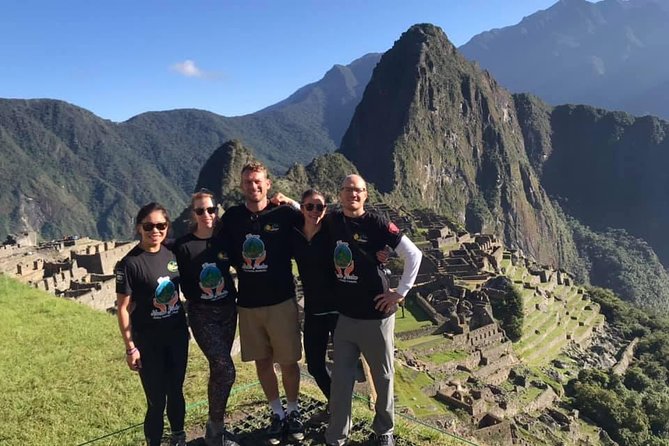
Day 2 is built for early light. You’ll wake up, have breakfast, and then take a bus about 30 minutes to the citadel area. The plan is to arrive around 06:00 AM, so you can appreciate the sunrise.
This timing is one of the biggest quality-of-life advantages of the whole package. If you’ve ever tried to coordinate sunrise at Machu Picchu without help, you know how quickly it becomes a stress spiral. Here, the bus schedule is part of the experience, which makes it easier to show up calm and ready.
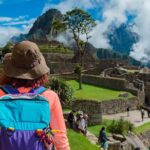
Once you’re at the citadel, you get a guided tour of 2 hours and 30 minutes covering the most important places. The guide is English-Spanish and is positioned to connect what you’re seeing with how the site was used.
After the guided portion, you’ll have free time to revisit spots at your pace. That free time is key. Machu Picchu is one of those places where you want a second look, not just photos from one angle.
Then, at the right time, you’ll board the bus back down to Aguas Calientes, have time for lunch on your own, and in the afternoon take the train back to Cusco (arrival around 7:00 PM). You’ll end with a transfer to your hotel.
Inside the citadel: the exact highlights you’ll hear about and why they matter
The day-2 guide doesn’t just point at famous structures. The tour is organized around the core sequence of Machu Picchu’s main areas, so your understanding grows as you move.
Here are the headline stops included in the guided tour:
- Royal Mausoleum
- Temple of the 3 Windows
- Main Temple
- Sacred Plaza
- Intihuatana (tied to the winter solstice in June)
- Plus steps, squares, fountains, and other core features
The Intihuatana detail is especially worth paying attention to. The experience explains how the Incas used this point in their seasonal cycle, tying it to the winter solstice in June. Even if you don’t memorize every detail, it helps you look at the site as an observatory-like space and not only a fortress view.
I also like the mix of guided structure and free time. The guide helps you get oriented fast and avoid “wandering without meaning,” and then your free time lets you slow down for your own photo angles and personal favorite corners.
You may also run into guides known for practical history explanations. In the past, named guides like Juan Carlos, Dominic, and Domingo have been singled out for being friendly, patient, and focused on historical context. Whoever you get, the goal is the same: make the site feel human and understandable.

Pace and fitness: doable for many, but don’t treat it like a stroll
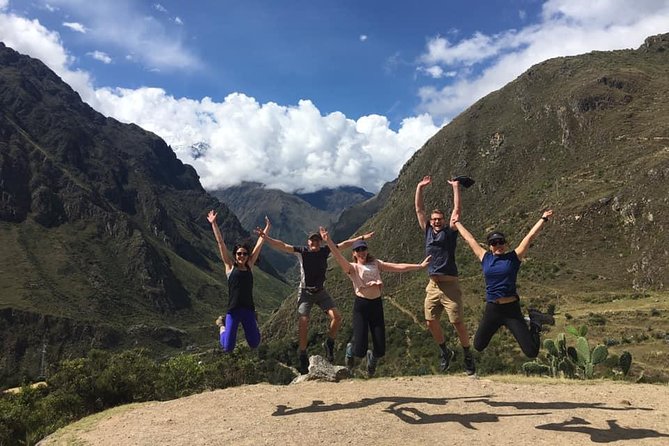
The tour is described for people with moderate physical fitness. That means you don’t need to be an athlete, but you do need to be comfortable with:
- Early mornings
- Stairs on Day 1
- A full day of walking with elevation
What makes this particular Inca Trail version feel manageable for many people is the shorter time on the trail compared with longer treks. One older couple described doing the entire route even though they couldn’t climb like they used to, as long as they took it at the right pace. That’s not a guarantee for everyone, but it tells you the route can be reasonable if you move steadily and listen to your body.
Practical tip: on Day 1, start slower than you think you should. The first part sets your rhythm for the rest of the hike. Stone stairs can feel fine until you hit the fatigue point, and then it becomes a mental game more than a physical one.
Altitude also plays a role. The tour includes a first aid kit and oxygen bottle, which is there for emergencies and peace of mind. You still should take altitude seriously: hydrate, keep your effort controlled, and let your breathing find a steady tempo.
Private value check: why $750 can make sense for this schedule
At $750 per person for 2 days, this tour earns its price when you look at what’s actually included. You’re not just paying for a guide to walk beside you. You’re paying for the whole “machine” that makes Machu Picchu work on time.
Included highlights:
- Private tour for your group only
- Meals: breakfast, lunch, and dinner (Day 2 lunch after the guided tour is not included)
- Entrance tickets to the Inca Trail and Machu Picchu
- Train: Ollantaytambo to km 104 (start of the Inca Trail), and Aguas Calientes to Ollantaytambo for the return
- Buses: Machu Picchu to Aguas Calientes round trip
- Hotel: 1 night in Aguas Calientes (3*)
- Transfers: pickup in Cusco to the train station, plus end-of-tour transfer back to your Cusco hotel
Here’s how that can translate into real value for you:
- If you tried to DIY this, you’d spend time securing timed tickets, managing train schedules, and coordinating buses around sunrise.
- With private service, your group doesn’t get lost in crowd logistics. Your day follows the built plan.
- The meals reduce decision fatigue. You’ll know you have food at the right times instead of hunting for it while tired.
What to budget separately: lunch on Day 2 after the guided tour. Also plan for small personal costs like snacks and water.
Who should book this 2-day Inca Trail with hotel
I’d point you toward this tour if you want:
- A private, guide-led experience rather than a large-group scramble
- The Sun Gate / Inti Punku experience on Day 1, plus sunrise at Machu Picchu on Day 2
- A schedule where transport, tickets, and meals are handled for you
- Enough guidance that you get meaning from the ruins, not just a checklist of photos
You might look at other options if you:
- Have very limited mobility or struggle strongly with stairs (the tour asks for moderate fitness)
- Need total control over lunch choices on Day 2 (since that lunch isn’t included)
- Prefer to build your own itinerary from scratch, because this one is designed to run on time and function as a packaged system
Should you book it?
If you want Machu Picchu with less stress and a plan that protects sunrise timing, this is a strong choice. The mix of private guiding, included tickets, and real recovery time in Aguas Calientes makes the experience feel practical, not just scenic.
My advice: book it if you can handle early starts and Day 1 stairs. Then go in with the right mindset: pace yourself on the hike, trust the logistics, and use your free time on Day 2 to linger where you feel the most connection. That’s where Machu Picchu stops being a famous stop and becomes personal.
FAQ
What time does the tour start in Cusco?
You’ll be picked up around 5:00 AM from your hotel, with the start time listed as 5:30 AM.
Is this tour private?
Yes. It’s a private tour/activity, meaning only your group participates. A minimum of 2 people is required per booking.
How do you get to the Inca Trail trailhead at km 104?
You’ll transfer from Cusco to the train station in Ollantaytambo, then board the train at 7:00 AM to km 104.
How do you return to Cusco after Machu Picchu?
After the Machu Picchu experience, you’ll take a bus back to Aguas Calientes, have time for lunch, and then board the train back to Cusco. Arrival is approximately 7:00 PM, followed by transfer to your Cusco hotel.
Do you get to see Machu Picchu sunrise?
Yes. On Day 2 you’ll take a bus (about 30 minutes) and arrive around 06:00 AM to appreciate sunrise.
How long is the guided tour inside Machu Picchu?
The guided tour lasts 2 hours and 30 minutes.
What meals are included, and is lunch included on Day 2?
Meals included are breakfast, lunch (box lunch on Day 1), and dinner. Lunch on the last day after the guided visit to Machu Picchu is not included.
Is first aid or oxygen provided?
Yes. The tour includes a first aid kit and an oxygen bottle.
What’s the cancellation policy?
You can cancel up to 6 days in advance for a full refund. Cancel 2–6 days before for a 50% refund, and less than 2 days before is not refunded.