REVIEW · HIKING & TREKKING
Cusco: 4-Day Lares Trek to Machu Picchu with Panoramic Train
Book on GetYourGuide →Operated by TreXperience · Bookable on GetYourGuide
Hot springs and Machu Picchu in four days.
What makes this trip smart is the mix of Andean villages, thermal breaks, and big-ticket sights—without turning Machu Picchu into your only memory. I especially like the pairing of Lares hot springs with the Vistadome train at the end, so you get both calm recovery time and that wow-factor ride.
Day 1 also has a lot of texture before you even start hiking: a stop at Calca’s market area, the Inca site of Ancashmarca, and a chance to see Puyas de Raimondi on a high plateau (timing matters, but it’s a cool addition). Day 2 goes for high altitude views at Condor Pass, then you finish by meeting families in Canchacancha and picking up a few Quechua phrases.
One consideration: cold and low oxygen can slow you down, especially at night on the camping days and at the higher pass. This isn’t the kind of trek where you just wing it—if you’re prone to altitude issues or you’re not comfortable hiking uphill, plan carefully.
In This Review
- Key points I’d bookmark before you go
- Why this Lares-to-Machu Picchu route feels worth the time
- Day 1: Calca market, Ancashmarca, Puyas de Raimondi, and Lares hot springs
- Weaving communities and women-run cooperatives (more than a photo stop)
- Day 2: Blue Lagoon to Condor Pass at 4,750 m and Canchacancha village
- Day 3: Canchacancha homes, the Sacred Valley downhill, Maras salt mines, Ollantaytambo, and Aguas Calientes
- Day 4: Sunrise Machu Picchu, a guided walking tour, then Vistadome to Ollantaytambo
- Difficulty, altitude, and cold: what to plan for in real terms
- Price and value: how $690 turns into real logistics
- Food quality and dietary needs: what you should expect
- What to pack (and what to rent) for cold nights and wet surprises
- Booking advice: who this tour suits best
- So, should you book it?
- FAQ
- What is the duration of the Cusco 4-Day Lares Trek to Machu Picchu with Panoramic Train?
- Where does the trip start and end?
- What activities are included besides the trek?
- Are entrance fees included?
- What meals are included?
- What type of accommodation is provided?
- Do I need to bring a sleeping bag or trekking poles?
- Is Machu Picchu Mountain or Huayna Picchu included?
- What should I bring for altitude and weather?
- Who is this not suitable for?
Key points I’d bookmark before you go
Women-run weaving stops: you’ll see how textile traditions connect to real community income.
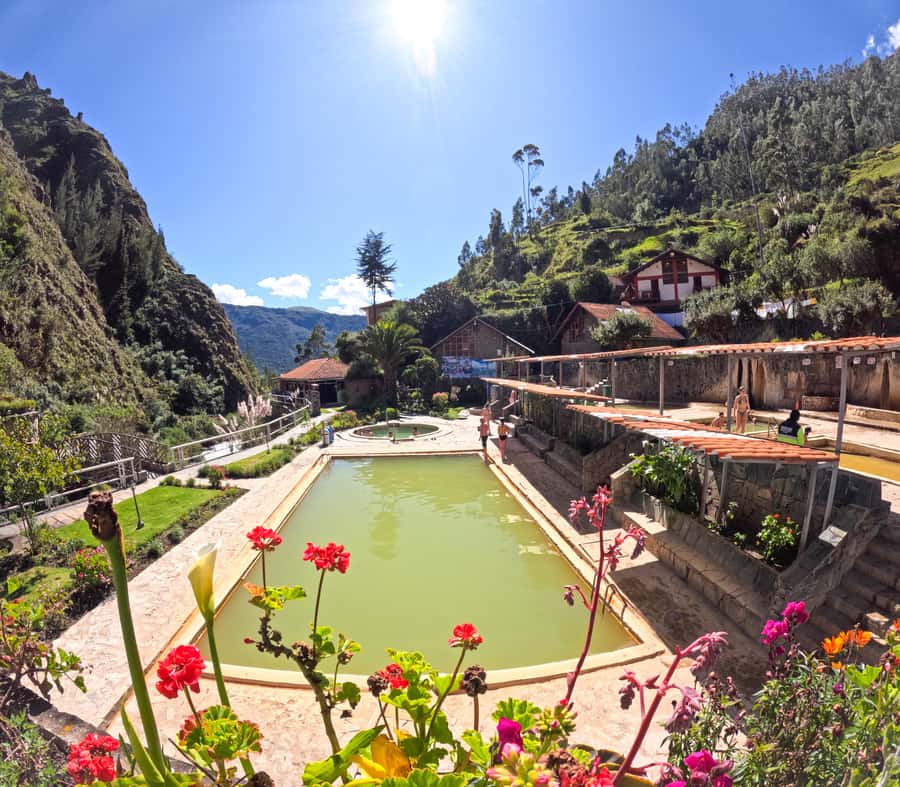
Lares hot springs with mountain views: a genuine reset after your first day of trekking.
Condor Pass at altitude: big views come with altitude breathing, so pace matters.
Sacred Valley downhill day: easier on the legs than constant ascent, with strong crop-and-river scenery.
Maras salt mines + Ollantaytambo: two very different windows into Inca-era life.
Sunrise Machu Picchu + Vistadome return: you get the early entry feel and a scenic rail ride back.
Why this Lares-to-Machu Picchu route feels worth the time
Most Machu Picchu trips fall into a simple pattern: train or bus, then a short stop, then Machu Picchu. This one layers in a slower rhythm that starts in the Cusco region and keeps you moving through real rural Andean life.
I like that the day-by-day pacing gives you recovery built in. You hike, you warm up in the Lares hot springs, you take altitude breaks with viewpoints and ceremonies, and you sleep where it makes sense for the route (camping, then a proper hotel night before Machu Picchu). It’s not a luxury-only itinerary, but it’s thoughtfully balanced.
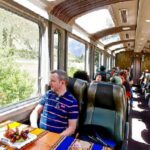
Another value point is the transport plan. You finish with the Vistadome panoramic train, and that matters because it turns the return leg into part of the trip, not just logistics. After a long trek, that scenic ride helps you land smoothly back into normal travel mode.
You can also read our reviews of more hiking tours in Cusco
Day 1: Calca market, Ancashmarca, Puyas de Raimondi, and Lares hot springs
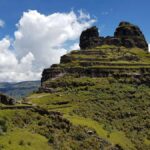
Your day starts with an early pickup from Cusco (or the Sacred Valley area) and a quick orientation. Then you move into the Calca area for a market stop and onward to Ancashmarca, an ancient Inca site that sets the tone for the trip: you’re not only chasing famous ruins, you’re seeing how this region is stitched together by history and daily life.
A memorable twist on Day 1 is the high plateau stop to look for Puyas de Raimondi. These are famous Andean plants, and if you catch them in bloom during your dates, it adds a unique “only in this altitude zone” moment to the day.
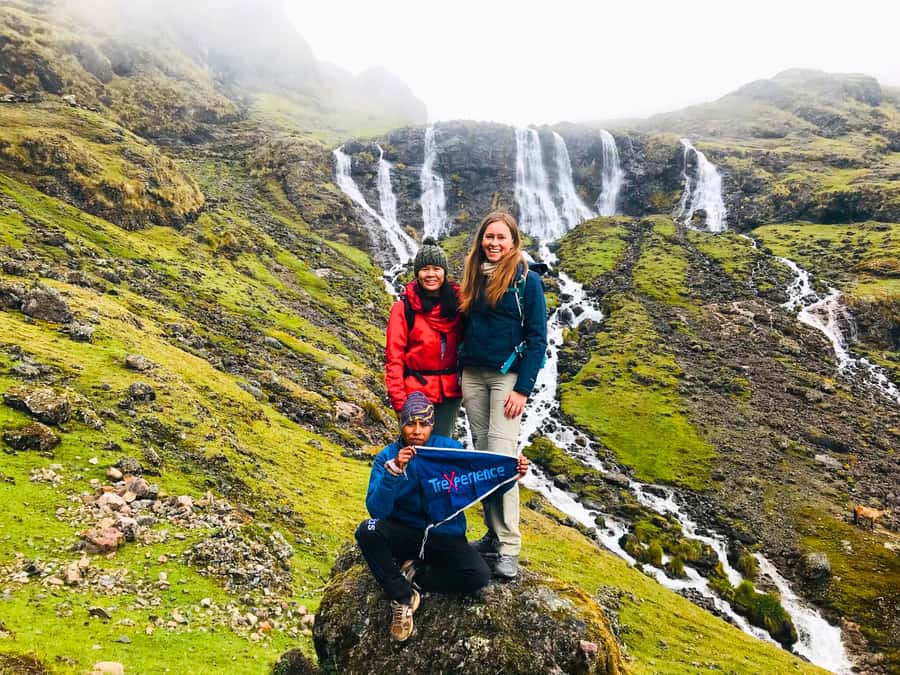
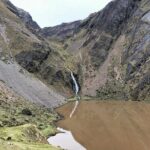
From there, it’s time to hike through alpaca-dotted valleys and potato fields. You’ll have lunch at Kiswarani, and the route follows waterfalls toward the campsite at about 3,900 m at the Blue Lagoon area. Nights at this altitude can feel intense, but the payoff is the setting: dinner, coca tea, and stargazing with mountains all around.
Practical note: Day 1 is about getting your body used to trekking time and altitude. Even if you feel strong, keep your pace steady. The pass days are coming.
Weaving communities and women-run cooperatives (more than a photo stop)
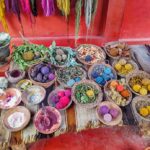
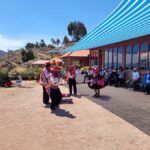
This trip includes a weaving cooperative visit where you can learn Andean textile traditions. This is one of those stops that can be either meaningful or quick-and-awkward, depending on how the tour handles it. In this case, it’s framed as cultural learning, and the emphasis on women-run cooperatives makes it feel tied to livelihoods instead of just souvenirs.
If you like craft work, bring a curious mindset. Ask how patterns relate to identity, what materials they use, and what selling textiles supports. You’ll also get a clearer sense of how the region’s traditions continue right alongside modern travel routes.
Day 2: Blue Lagoon to Condor Pass at 4,750 m and Canchacancha village
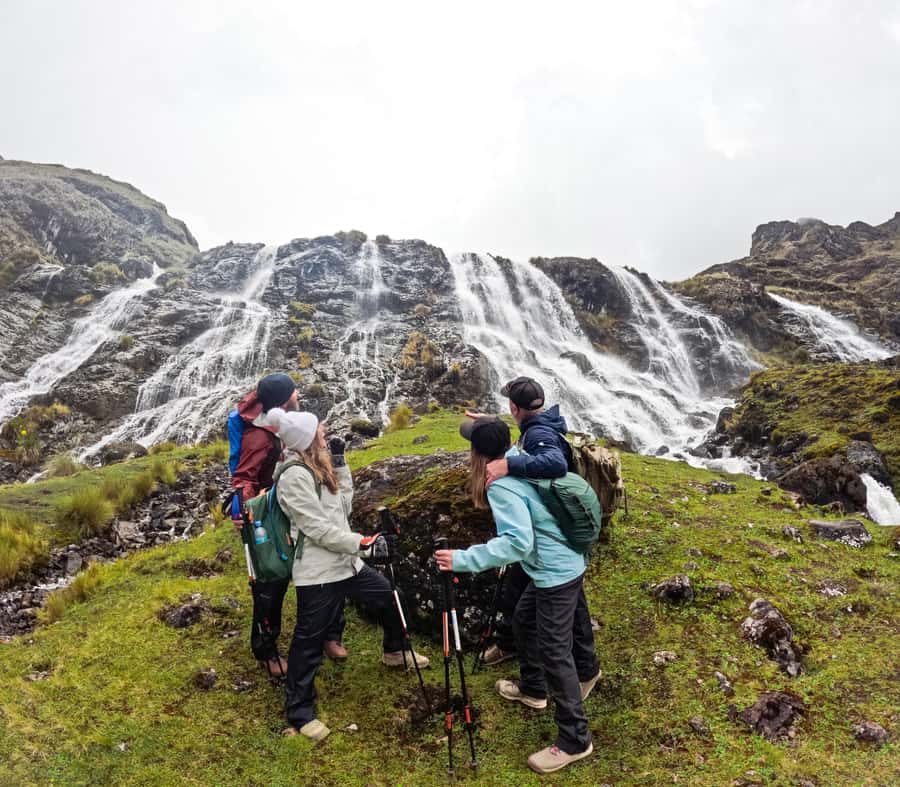
Day 2 begins at the campsite with coca tea or coffee, then breakfast. After that, you start a steady climb through valleys with lakes and Andean wildlife. This is where you’ll feel the altitude more than on Day 1, because you’re working toward the higher viewpoint zones.
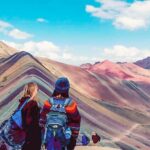
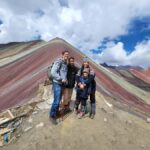
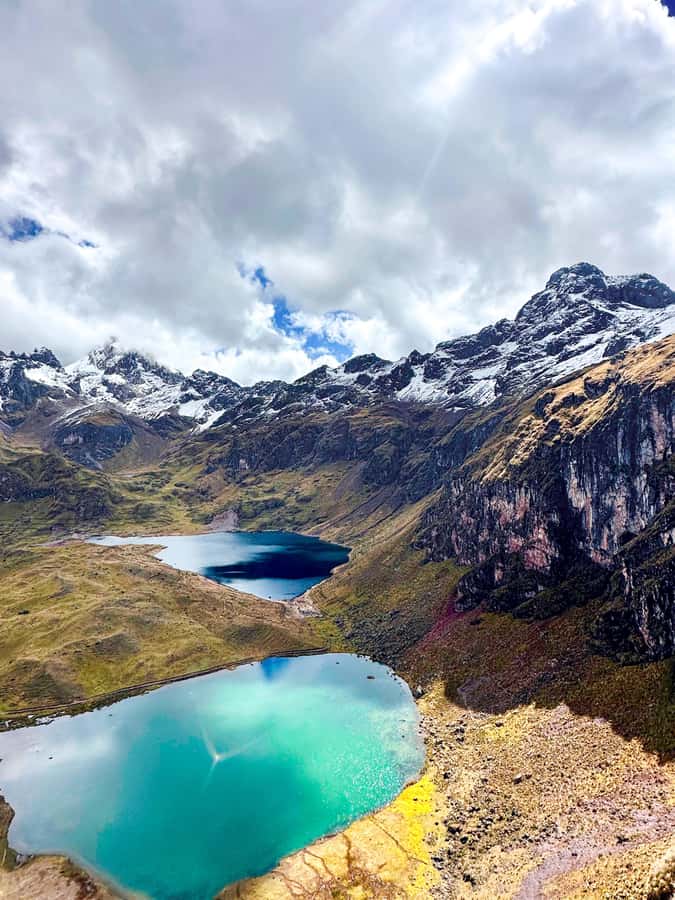
The highlight is reaching Condor Pass at 4,750 m. The view is the point: snowy peaks and turquoise lagoons spread out below, and the contrast between stark rock and bright water is something you feel in your chest. The tour also includes a traditional offering ceremony when you reach the pass, which gives the high-altitude moment more meaning than a simple photo stop.
After Condor Pass, you descend. You’ll have a hot lunch in Acopata, then continue hiking through valleys with llamas and alpacas. The route keeps you in that “watch every step” mode because the scenery changes often and the ground can be uneven.
You end at Canchacancha village at about 3,750 m, where you meet local families and learn a few Quechua phrases. This is one of the quieter emotional parts of the trek, because it shifts from scenery to people you can actually talk to.
One detail that stood out in feedback: guides can matter a lot here, and several people specifically praised guides named Manolo and Filio for pacing and for keeping the group comfortable. If you’re someone who needs pauses, it helps to know the trip is built around maintaining your rhythm rather than forcing a rigid march.
Day 3: Canchacancha homes, the Sacred Valley downhill, Maras salt mines, Ollantaytambo, and Aguas Calientes
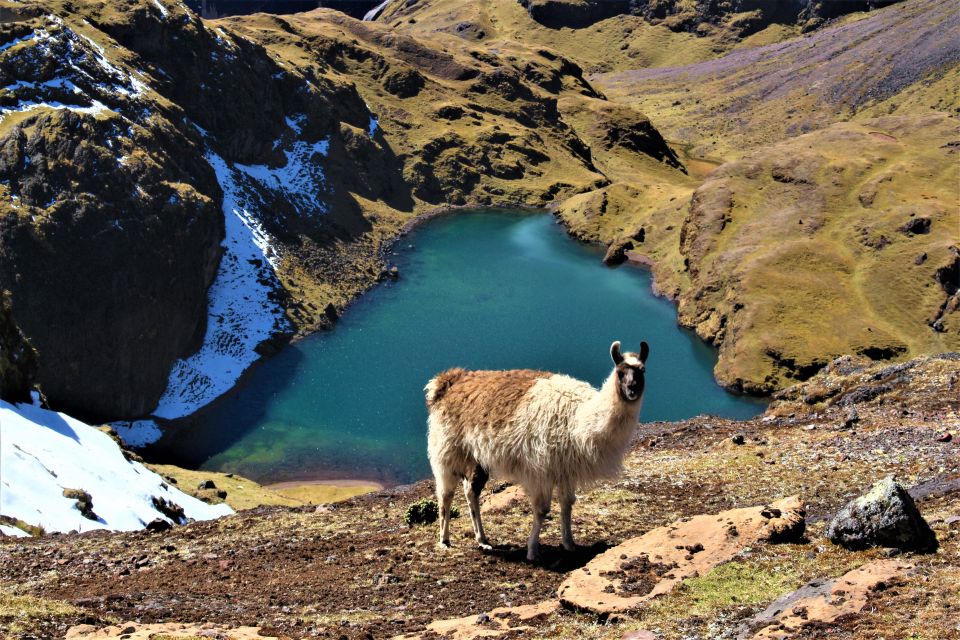
Day 3 starts with breakfast and mountain views. Then you explore Canchacancha village more deeply, including visits to homes and the school. There’s also an option to donate supplies, which is a nice way to turn your time there into something practical rather than purely observational.
Then comes the most leg-friendly switch of the trek: a scenic downhill hike into the Sacred Valley. It’s about four hours of descending, passing through fields with potato, corn, and avocado crops. Downhill can still be tough on your knees, but it’s usually easier than constant ascent—especially after two days at altitude.
You’ll stop for a picnic lunch in Huaran at about 2,700 m. After lunch, you say goodbye to the muleteers and trekking chef. That moment can feel unexpectedly emotional, because you’ve built a working relationship with the team that’s kept your gear, food, and schedule running.
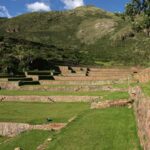
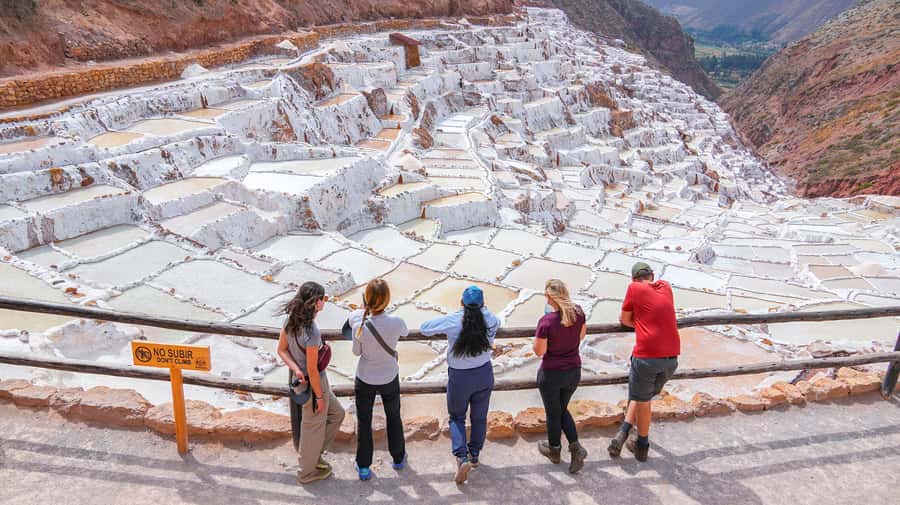
Next, a private van moves you to the Maras salt mines of Salineras. This is traditional salt harvesting, still done with patterns of work that go way back. Seeing it firsthand helps you understand why the salt is historically important and why Inca-era engineering and later farming practices share the same “resource thinking.”
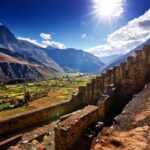
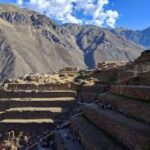
After Maras, you head to Ollantaytambo, described as the last living Inca town. It’s a different kind of Inca experience than Machu Picchu: more lived-in, more street-level.
You’ll dine and board the train to Aguas Calientes. Then you sleep in a comfortable 3-star hotel, which is a welcome cushion after two nights camping.
You can also read our reviews of more tours and experiences in Cusco
Day 4: Sunrise Machu Picchu, a guided walking tour, then Vistadome to Ollantaytambo
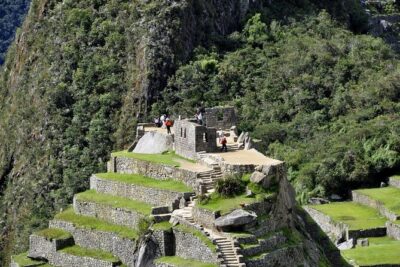
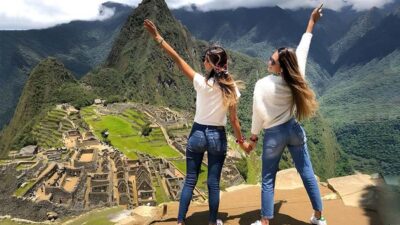
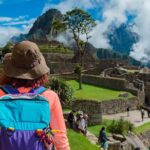
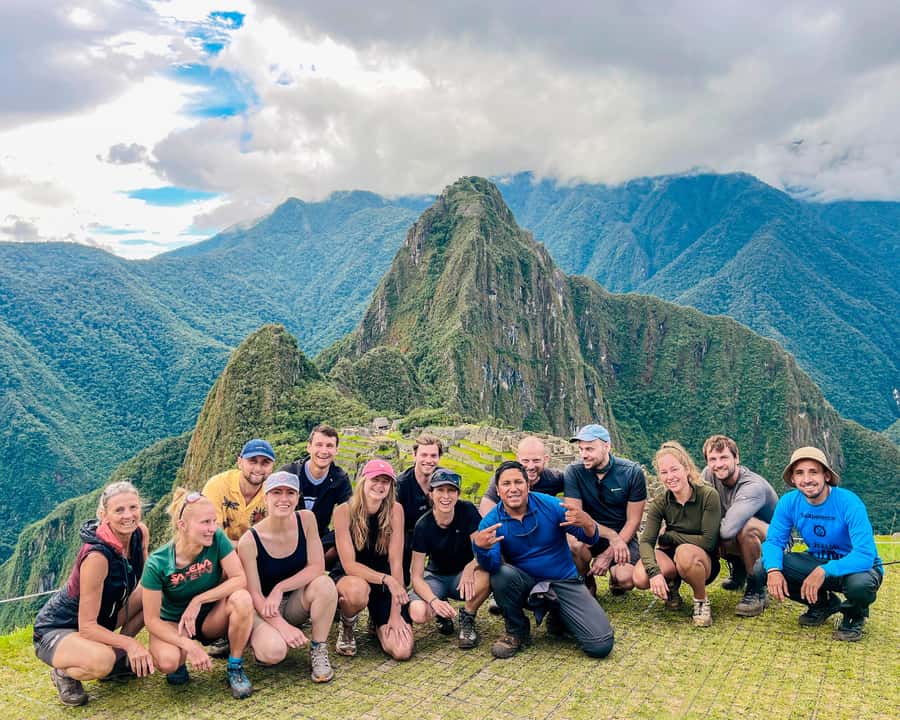
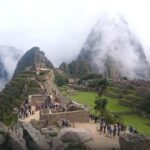
Day 4 is the classic Machu Picchu setup, but with enough structure to keep it moving without feeling rushed. You’ll have an early breakfast, then take the bus to Machu Picchu so you arrive just as sunrise light hits the citadel. That timing is everything. The ruins look sharper, and the crowds feel less oppressive at first.
You’ll pause at iconic viewpoints for photos, then join your guide for a 2–3 hour walking tour focused on the most fascinating landmarks. The emphasis here is understanding Inca engineering and how the site functioned, not just pointing at walls.
After the tour, you return to Aguas Calientes for lunch and some downtime. Then it’s on to the Vistadome train back to Ollantaytambo. This is where the day shifts from “intense morning” to “let your eyes breathe” during the rail ride.
Finally, a private transfer brings you back to Cusco by evening.
Difficulty, altitude, and cold: what to plan for in real terms
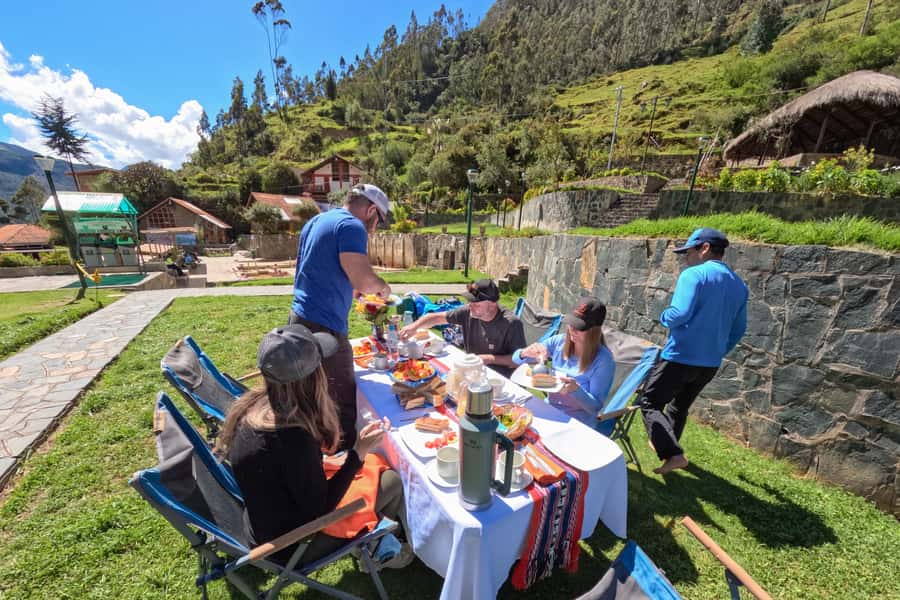
This trek is described as an affordable difficulty in many accounts, but altitude and cold are the two variables you can’t ignore. Day 2 includes a major high point at 4,750 m. Even if you’re physically fit, the air will feel thinner. Also, nights during the camping days can be very cold, and one family-focused note called out that both low oxygen and nighttime chill can reduce physical capacity.
So here’s how to handle it smartly:
- Go slow uphill. If you can’t talk in full sentences, you’re probably going too fast.
- Dress for camp, not for daytime. You’ll want warm layers for sleeping and evenings.
- Drink and eat even when you don’t feel like it. You need fuel and hydration to recover between hiking days.
If you’re prone to altitude sickness or you have existing heart or mobility concerns, this kind of high-elevation itinerary may not be a good match. The experience explicitly isn’t suitable for pregnant travelers, people with back problems, mobility impairments, heart problems, or wheelchair users.
Price and value: how $690 turns into real logistics
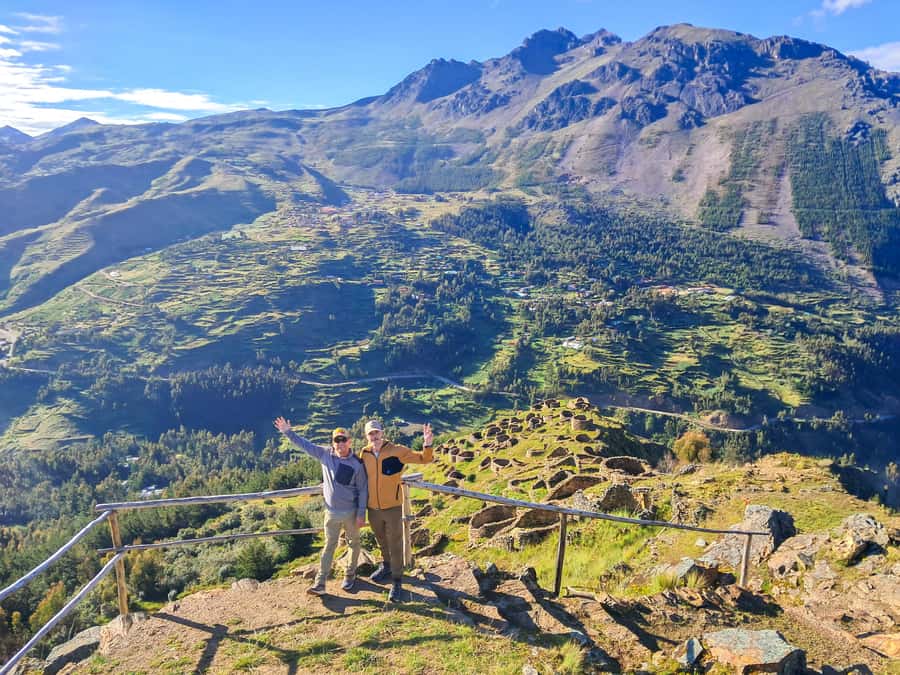
At $690 per person, you’re paying for more than the trek. You’re also paying for the “invisible” parts that usually ruin DIY trips: certified guiding, entrance fees, scheduled transport, meals, and the support team that carries gear.
Here’s where your money goes:
- Entrance fees: Machu Picchu, Maras salt mines, and Lares hot springs.
- Transport: pickup and drop-off, bus to Machu Picchu, and the Vistadome return train.
- Food and cooking support: trekking chefs provide 4 breakfasts, 3 lunches, and 3 dinners.
- Gear hauling: horses and muleteers carry food and equipment, plus a personal duffle bag (up to 7 kg / 11 lb) for your camping gear.
- Sleep setup: two nights camping and one night in a 3-star hotel.
Two things I think matter for value: first, the support team reduces your mental load. You’re hiking, not managing logistics every step. Second, the Machu Picchu morning is handled with an early bus and a guided walk that lasts 2–3 hours, so you don’t just arrive and wander.
Cost also lines up with the fact that you’re getting both trekking days and major attractions, including the Sacred Valley and the salt mines, without needing a separate day planning session.
Food quality and dietary needs: what you should expect
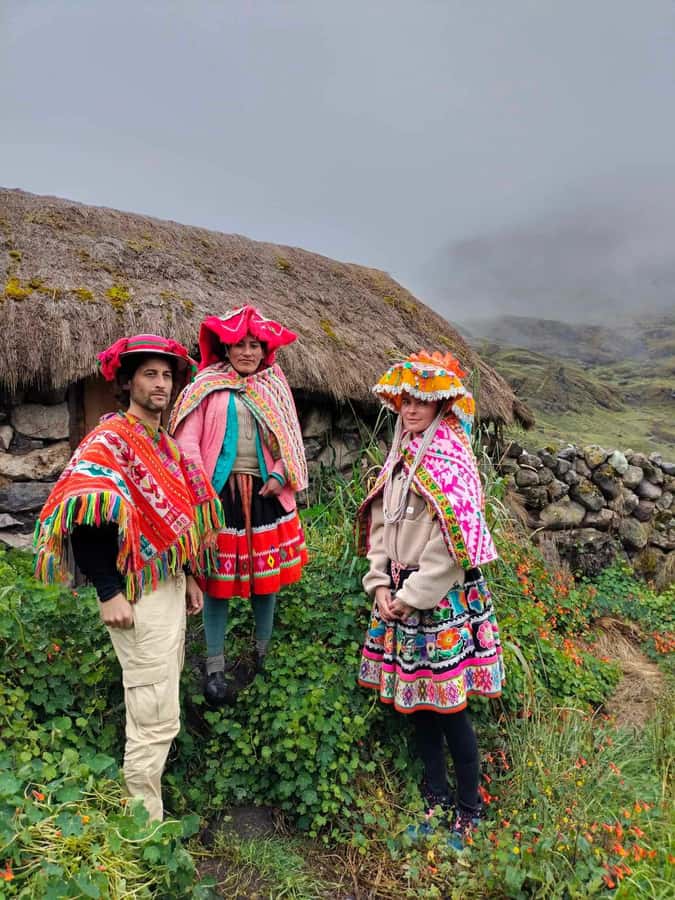
Food is included for the trekking portion, and the chef team handles meals for the group. One booking specifically mentioned vegan preferences being accommodated, which is a strong signal that the operation can handle dietary requests if you tell them in advance.
That’s why I’d treat the booking message as important. Advise special dietary needs right away so the kitchen can plan. Also remember that the final day lunch in Aguas Calientes isn’t included, so plan a small budget or pick up something when you arrive.
What to pack (and what to rent) for cold nights and wet surprises
This trip provides trekking support, but you still carry responsibility for what you wear. The basics that matter most:
- Passport (required)
- Comfortable hiking shoes
- Sun hat, sunglasses, sunscreen
- Rain gear
- Insect repellent
- Camera
- Hand sanitizer or tissues
- Hiking pants and weather-appropriate layers
You’ll likely want trekking poles, a sleeping bag, and an air mattress, but those are not included. They’re available for rent upon request, so if you run cold or want more comfort, ask early.
Also: pack light. You only get that 7 kg duffle bag carried by muleteers for camping gear, and you’ll feel it if your personal load becomes heavy.
Booking advice: who this tour suits best
This experience is a good fit if you want a real trekking itinerary that includes people and places beyond Machu Picchu. It works well for couples, groups of friends, and people who like getting a window into village life and local crafts.
It also suits you if you like a structured day plan. The route is timed with hot springs, pass views, and the Sacred Valley descent, and it ends with a guided Machu Picchu walk and the scenic Vistadome train.
It’s not a fit if any of these are true: you’re pregnant, you have heart problems, you have significant back issues, you need mobility assistance, or you use a wheelchair. Cold nights and altitude will be part of the experience.
So, should you book it?
If you’re aiming for Machu Picchu plus a meaningful trek, I’d lean toward booking this. The combination of Lares hot springs, a high pass viewpoint at Condor Pass, village visits in Canchacancha, and two major Inca-adjacent stops (Maras and Ollantaytambo) gives you a fuller Cusco-region story than a fast day-trip style plan.
Book it if you’re comfortable with altitude and you can handle cold camping nights with warm layers. Skip it if you know altitude and evening chill hit you hard or if you’re in one of the non-suitable categories listed.
FAQ
What is the duration of the Cusco 4-Day Lares Trek to Machu Picchu with Panoramic Train?
The experience runs for 4 days.
Where does the trip start and end?
It starts with pickup from your accommodation in Cusco (or a meeting point near the main square if needed) and ends with a private transfer back to Cusco by evening.
What activities are included besides the trek?
You get Lares hot springs, a weaving cooperative visit, traditional offering ceremony at Condor Pass, Maras salt mines, Ollantaytambo, and a guided Machu Picchu visit. You also ride the panoramic Vistadome train.
Are entrance fees included?
Yes. Entrance fees are included for Machu Picchu, Maras Salt Mines, and Lares Hot Springs.
What meals are included?
The trek includes 4 breakfasts, 3 lunches, and 3 dinners. Lunch on the final day in Aguas Calientes is not included.
What type of accommodation is provided?
You’ll have two nights camping and one night in a comfortable 3-star hotel.
Do I need to bring a sleeping bag or trekking poles?
Not necessarily. Sleeping bag, air mattress, and trekking poles are not included, but they are available for rent upon request.
Is Machu Picchu Mountain or Huayna Picchu included?
Optional add-ons for Huayna Picchu or Machu Picchu Mountain are not included in the base experience.
What should I bring for altitude and weather?
Bring your passport, hiking shoes, sun hat, sunglasses, sunscreen, rain gear, insect repellent, and weather-appropriate clothing. Cold at night is a factor during the camping days.
Who is this not suitable for?
It’s not suitable for pregnant women, people with back problems, people with mobility impairments, people with heart problems, and wheelchair users. Unaccompanied minors are also not allowed.