REVIEW · HIKING & TREKKING
4-Day Lares Trek to Machu Picchu
Book on Viator →Operated by Inkayni Peru Tours · Bookable on Viator
Machu Picchu, minus the chaos. This 4-day Lares Trek to Machu Picchu skips the main drag and trades it for small Quechua communities, alpine lakes, and high passes before you reach the Inca citadel with early morning access plus guided time and chances to wander on your own. I like how the trip feels active and human, not just a checklist. I also like that it’s set up as an all-in plan, so you’re not juggling logistics while you’re focused on altitude and trail legs.
One thing to consider: the trekking days run at high altitude, including a pass that reaches nearly 14,000 ft (4,400m). If you’re not comfortable with strenuous hiking, you’ll want a smart preparation plan and a steady pace.
In This Review
- Key takeaways before you go
- Why the Lares Trek feels more real than the main route
- Getting from Cusco to the trail: Sacred Valley mornings at 5:00am
- Day 1 on the trail: Pumahuanca to camp with quiet Andean energy
- Day 2: The highest pass, the descent, and Yanacocha Black Water Lake
- Day 2’s hidden value: altitude plus variety, not just altitude
- Day 3: Meet an Andean family, then ease down to Lares hot springs
- Day 3’s best payoff: culture and recovery in the same day
- Day 4: Morning bus to Machu Picchu, guided tour, then optional mountain views
- Machu Picchu timing: why early entry changes the whole feeling
- What’s included (and what it really means for your comfort)
- The group size and support system: small enough to feel personal
- Altitude reality check: plan for high passes, not just good will
- Price and value: is $656.42 actually fair here?
- Who should book this Lares Trek (and who should think twice)
- Before you go: packing list that matches this trek’s rhythm
- Should you book the 4-Day Lares Trek to Machu Picchu?
- FAQ
- How long is the 4-Day Lares Trek to Machu Picchu?
- What time does the pickup and start happen in Cusco?
- What’s included in the price?
- Is there a hotel during the trek?
- Do I need a sleeping bag?
- Is Machu Picchu only guided, or do I get time on my own?
- Can I add Huayna Picchu or Machu Picchu Mountain?
- Are meals included, and are there vegetarian options?
- What should I bring and how old do I need to be?
Key takeaways before you go
- Less-crowded Lares route instead of the usual bottleneck trail.
- Morning Machu Picchu entry to help you enjoy the site before the biggest rush.
- A high pass plus mountain lakes like Yanacocha, also called Black Water Lake.
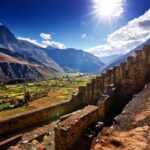
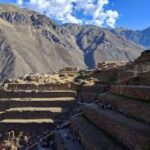
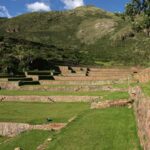
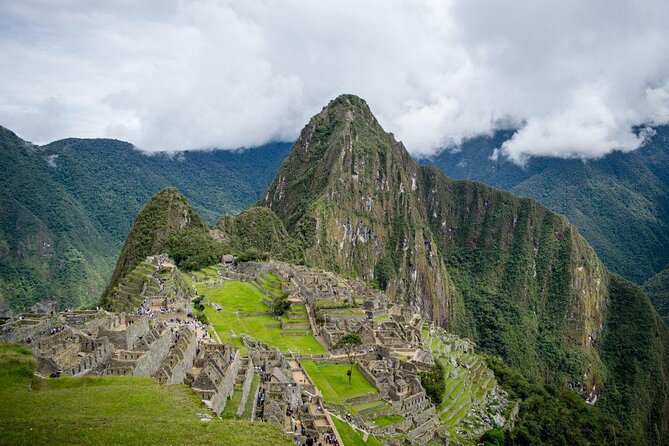
- Ollantaytambo and its Inca farming terraces for context beyond the main ruins.
- On-trail support including a guide team, chef, and mule help for camp gear.
- Real altitude coaching shows up in guide feedback, including encouragement like Edgar provided to one guest.
Why the Lares Trek feels more real than the main route
The Lares option to Machu Picchu is built for people who like their travel grounded. You start near Cusco and move through the Sacred Valley first, then you get onto the Lares path—rugged, less crowded, and more likely to feel like you’re passing through living Andean terrain rather than moving through a theme park.
Two things make it especially appealing. First, you’re not just hiking above the clouds; you’re hiking through places with names, farms, and traditions. You’ll see small Quechua communities along the way, plus agricultural views tied to how the Incas planned their land. Second, your Machu Picchu day starts early enough to matter. The experience is still Machu Picchu—seriously iconic—but you get a better shot at enjoying it with less crowd pressure.
The trip is also structured in a way that helps you keep moving. It includes a professional bilingual guide, a chef, and mule transport for camp and cooking gear, plus 7 kg of your personal items. That means your day pack stays manageable, and you can focus on breathing, steps, and the view when it opens up.
You can also read our reviews of more hiking tours in Cusco
Getting from Cusco to the trail: Sacred Valley mornings at 5:00am
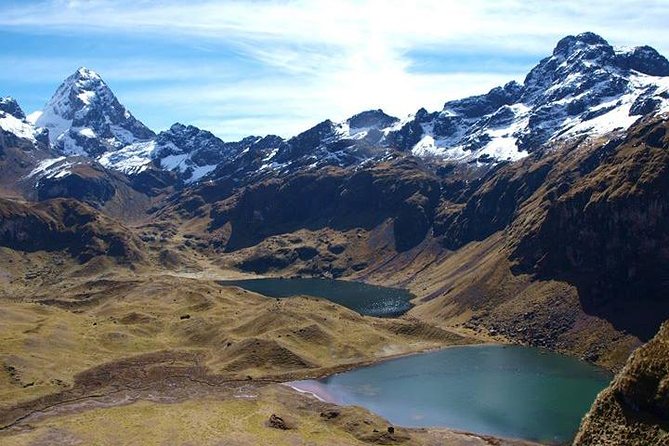
You’ll start early—the meeting start time is 5:00am. Pickup is offered from your Cusco hotel, then you travel by private transport through the Sacred Valley. The vibe here is gentle: snow-capped peaks, traditional villages, and that “this is the Andes” sense that only kicks in when you’re actually moving through the region.
Your trek start point is Pumahuanca (2,950 masl / 9,678 ft.) after the ride. Then you begin a gradual ascent. Day 1 is about 14 km (8.7 mi) with around 1,150 m (3,773 ft.) of gain, and you hike through valleys with native forest and streams. Along the way, you visit Pumahuanca, an Inca site where your guide explains local history, flora, and birdlife.
What I like about this setup is pacing. You’re not thrown into the steepest part immediately. You get time to find your rhythm, test your footwear, and get used to the altitude before the biggest day(s) arrive.
Day 1 on the trail: Pumahuanca to camp with quiet Andean energy
Day 1 is a real “slow burn” day. The ascent is steady rather than chaotic. You’re trekking a scenic valley with streams and forest, which matters because it gives your eyes and mind something to do besides stare at your feet.
A practical detail: you’ll carry water at first. Water is included, but the note says it’s excluding the first 4 hours of the trek, so plan to have your initial supply sorted when you set off.
The big payoff of Day 1 is the feeling of separation from the crowds. If you come to Peru expecting the usual heavy tourism rhythm, the Lares trail often corrects that. The landscape is dramatic, but the quieter parts let you hear the trail around you—footsteps, wind, and the subtle sounds of village life you might otherwise miss.
Day 2: The highest pass, the descent, and Yanacocha Black Water Lake
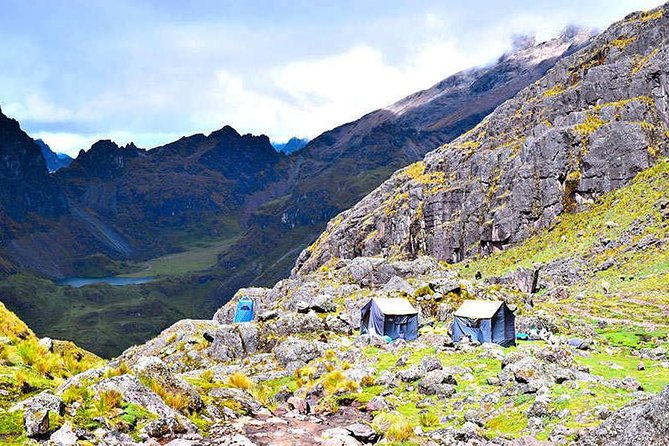
Day 2 is the defining trekking day. After camping at Puyoc, you hike about 13 km (8 mi) toward Cuncani (3,900 masl / 12,795 ft.). The route is described as mostly gentle downhill descent—good news after Day 1.
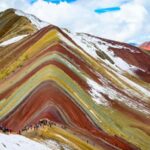
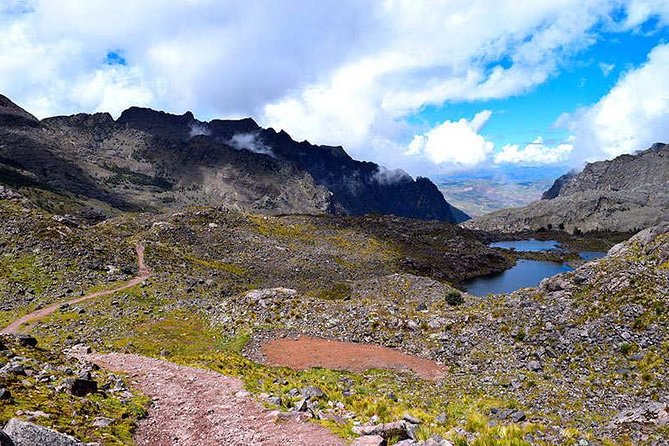
But it’s not “easy.” It begins with a two-hour climb to the highest pass of the trek, reaching nearly 14,000 ft (4,400m). When you hit that point, you’ll get wide views over snowcapped peaks and remote valleys. Expect this to be where your pace matters most. Go slow enough to keep your breathing steady, not heroic.
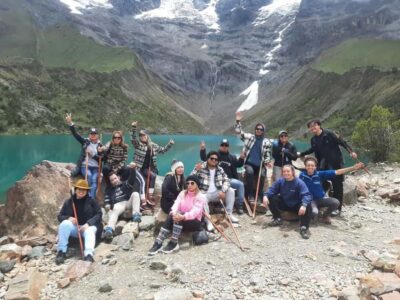
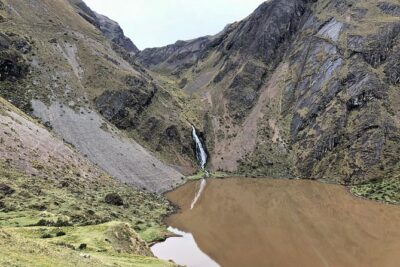
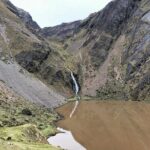
Then comes the quieter payoff of the day: you descend and pass high-altitude lakes, including Yanacocha, also called Black Water Lake, where the water reflects the sky like a dark mirror. This is the kind of scene where the trek stops feeling like exercise and starts feeling like you’re moving through a living map.
Day 2’s hidden value: altitude plus variety, not just altitude
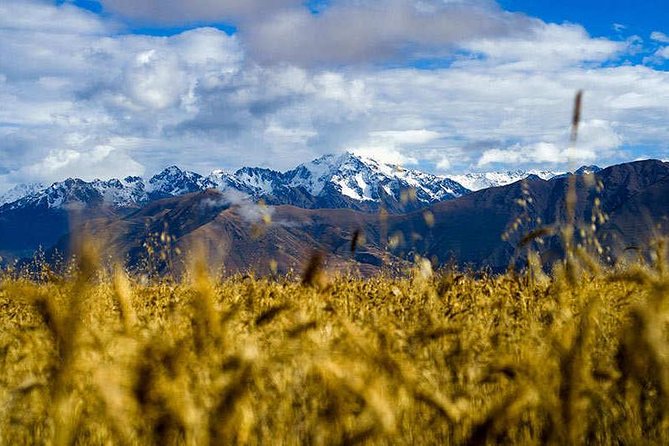
A lot of high-altitude trips only give you the hard part. Here you get contrast. You get the climb, then you get a descent with lakes and a change in pace. That helps your body recover and it helps your brain stay engaged.
Also, the cultural contrast is real on this side of the trek. By Day 2, you’re deep into mountain terrain where local life isn’t an “excursion.” It’s the backdrop of your route.
If you’ve got any hesitation about the hardest day, focus on one thing: your job is to keep moving, not to race. The guide support matters here—especially if someone on your departure is like Edgar, who’s been praised for encouragement when altitude is tough for someone’s legs.
You can also read our reviews of more tours and experiences in Cusco
Day 3: Meet an Andean family, then ease down to Lares hot springs
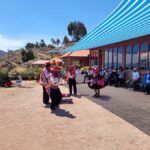
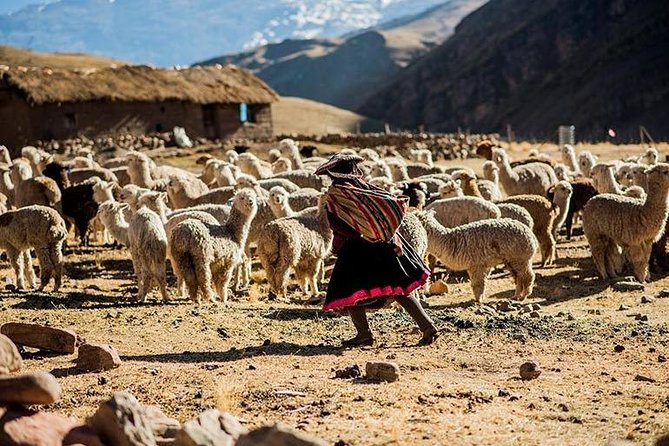
Day 3 is where the trip turns personal. After an early wake-up, you visit a local home and meet an Andean family eager to share traditions. You’ll have a chance to hear how people live and you can try a few Quechua phrases. It’s the kind of moment that makes the trek feel less staged.
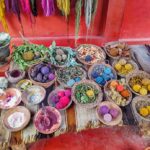
You’ll also have time to offer small gifts and browse handwoven alpaca textiles, known for quality and craftsmanship. This is a good time to slow down with your senses: feel the fabrics, look at patterns, and ask questions if your guide thinks it’s appropriate.
Then you’re back on the move. Leaving Cuncani (3,900 masl / 12,795 ft.), you hike a gentle 6 km (3.7 mi) descent toward Lares hot springs (3,150 masl / 10,334 ft.). Along the way, you’ll pass fields like quinoa and tarwi while spotting animals.
Later, you’ll enjoy the hot springs before the night’s rest, which is practical recovery in a way that feels earned. After a high-altitude trek, soaking is less about luxury and more about getting your body ready for Machu Picchu day.
Day 3’s best payoff: culture and recovery in the same day
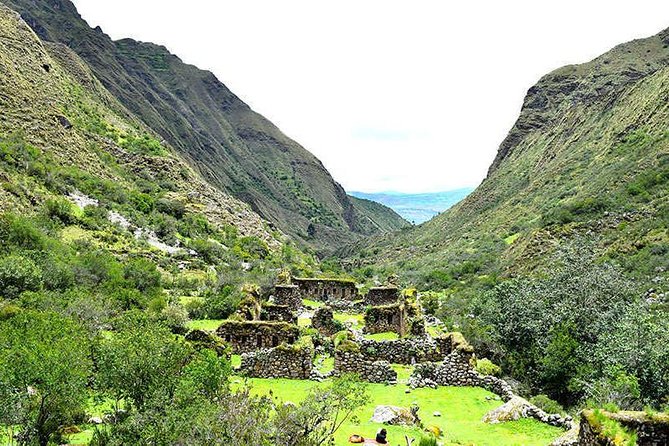
This is a smart pairing. You get real human connection, not just scenery, and then you get a physical reset at the hot springs. It helps you arrive at Machu Picchu calmer and less wrecked.
One more practical point: your packing strategy matters. Since mules carry cooking and camping equipment and 7 kg of your items, you can keep your personal load lighter. Still, you’ll want layers you can move in—your body will work hard on hikes, then cool off at night and in the mornings.
Day 4: Morning bus to Machu Picchu, guided tour, then optional mountain views
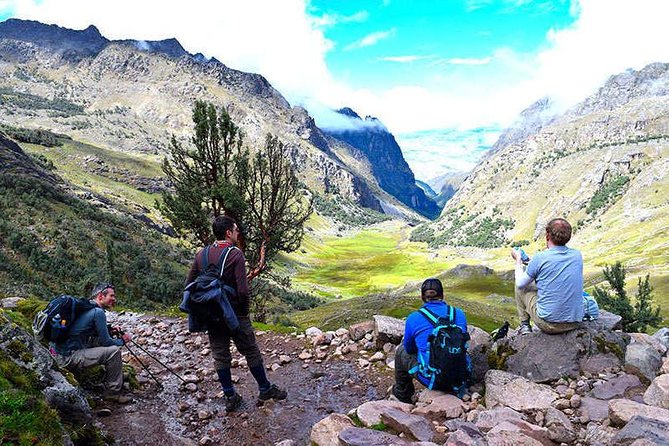
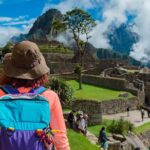
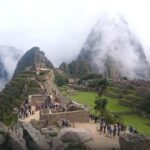
Day 4 starts early with breakfast before you board a morning bus to Machu Picchu. The entry point is 2,430 meters (7,972 ft.), and your guide leads an in-depth tour inside the Inca citadel.
Your guided walk covers the big parts: temples, ceremonial areas, terraces, and storage structures. This matters because Machu Picchu looks “beautiful” from afar, but it’s easier to appreciate when you understand what you’re seeing and how the site was organized.
After the guided tour, you return to Aguas Calientes. If you bought an additional ticket in advance, you can also explore either Huayna Picchu or Machu Picchu Mountain for a different perspective of the surroundings. Entrance to those is not included, so you’ll need to plan ahead if that’s on your wish list.
Then the trip continues with return transportation by train and bus to Cusco, using what’s included in your package.
Machu Picchu timing: why early entry changes the whole feeling
The best “value” in this whole trip is how the day is timed. Starting early reduces the sense of being swept into a crowd. It won’t make Machu Picchu empty, but it helps you see it with more breathing room.
And you also get the balance of guided plus solo time. The guide helps you get your bearings fast. Then your time on your own is where you slow down, take photos without feeling rushed, and actually look at stonework details and sightlines.
What’s included (and what it really means for your comfort)
This package is built to be functional. You get:
- Professional bilingual guide, plus an assistant guide for groups of 9+
- Chef and meal plan: breakfast (3), lunch (3), dinner (3) plus 3 afternoon snacks
- Camping setup: dining tent with tables and chairs, 4-man tents for every 2 trekkers
- Comfort extras: inflatable sleeping mattress (Thermarest) and oxygen bottle plus first aid kit
- Hotel in Aguas Calientes on Day 3
- Bus round-trip from Aguas Calientes to Machu Picchu
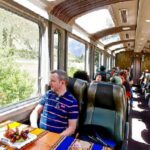
- Transfers: pickup from your hotel in Cusco, transport to the trail start, and train and bus back to Cusco
What’s not included is also clear:
- Sleeping bag (you can hire it from the operator)
- Breakfast on Day 1 and lunch on Day 4
- Entrance to Huayna Picchu Mountain
- Tips and travel insurance
For me, the key comfort/value points are the oxygen bottle and first aid kit. You can’t plan for every altitude issue, but it’s reassuring to know the operator carries tools for it.
The group size and support system: small enough to feel personal
The max group size is 15 travelers, which makes a difference on a trek. Smaller groups move with fewer bottlenecks on trail sections, and your guide can actually manage people without shouting over the whole valley.
The mule team is another practical win. Your personal items allowance is 7 kg, and the mules handle cooking and camping equipment. This can be the difference between enjoying the trek and constantly feeling like you’re hauling fatigue on your back.
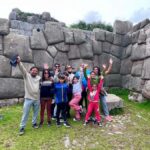
And in terms of guidance quality, at least one named guide—Edgar—has been praised for encouragement and support when someone struggled at higher altitudes. That lines up with the kind of coaching you’ll need when your body starts asking for extra time.
Altitude reality check: plan for high passes, not just good will
This trip reaches nearly 14,000 ft (4,400m), and you’re also starting at Cusco (3,399 masl / 11,152 ft.). You’re stacking altitude, hiking effort, and early starts—so preparation matters.
The operator explicitly asks for a strong physical fitness level, and they provide an oxygen bottle and first aid kit, which is helpful. Still, the biggest altitude tool is your own pace:
- Take the climbs slowly
- Keep water intake steady, within what you’re carrying and what’s provided
- Don’t treat the highest pass like a personal challenge
- Use the guide’s pacing advice even if you feel okay at the start
Also pack for temperature swings. Even if the day feels warm, mornings and high points often call for a warm layer. The recommended kit includes a warm jacket, hat and gloves, plus a waterproof jacket or rain poncho.
Price and value: is $656.42 actually fair here?
At $656.42 per person, this trek isn’t “cheap,” but it’s not just you paying for a route on a map. You’re paying for:
- A bilingual guide team
- A chef and camp setup
- Camping gear like tents and sleeping mattresses
- Transfers (pickup, Sacred Valley transport, and return by train and bus)
- Park and site-related entrance fees (Machu Picchu entry is included; Huayna Picchu is not)
- Accommodation in Aguas Calientes on Day 3
- Basic support tools for altitude, like oxygen and first aid
In other words, you’re not assembling five separate services on your own. That’s a big deal when altitude and timing are involved. If you’re comfortable paying for guided structure and you want the less-crowded Lares experience, this price looks aligned with what’s included.
Where you might feel the pinch is the extras: Huayna Picchu/Machu Picchu Mountain tickets aren’t included, and you’ll likely want a sleeping bag rental if you don’t already have one.
Who should book this Lares Trek (and who should think twice)
This is a strong match if you want:
- A quieter route into Machu Picchu rather than the busiest trail options
- Village-life moments like meeting a local family and seeing woven textiles
- The “earned” feeling of recovery at Lares hot springs
- A guided Machu Picchu visit with time to explore afterward
- A small group size capped at 15, with mule support to keep your pack reasonable
It may be less ideal if:
- You’re sensitive to altitude or you haven’t built up hiking stamina
- You can’t handle early starts and long walking days (Day 1 and Day 2 are substantial)
- You’re hoping to keep everything ultra-budget after paying for the base trip, because optional mountain tickets cost extra
Before you go: packing list that matches this trek’s rhythm
The tour info gives a practical gear list. Stick close to it:
- Walking boots
- Waterproof jacket or rain poncho
- Warm jacket
- Hat and gloves
- T-shirts and comfortable trousers
- Sunscreen factor 35 or higher
- Insect repellent
- Toiletries and hand sanitizer
- Personal medication
- Camera and film (if relevant) and a torch with spare batteries
You’ll also want to bring your original passport. If you’re a student, it mentions an ISIC card for qualifying for a discount.
Should you book the 4-Day Lares Trek to Machu Picchu?
If your goal is Machu Picchu with less stress, more real Andean contact, and an experience that feels earned step by step, I’d book this. The combination of less-crowded trekking, the highest pass challenge, and a Machu Picchu day timed for earlier entry is a smart mix.
Book it confidently if you train enough to hike at altitude and you’re open to camping and long walking days. If you’re unsure about your fitness, consider doing a few longer hikes before you go and ask questions early so you’re not guessing once you’re at altitude.
FAQ
How long is the 4-Day Lares Trek to Machu Picchu?
It runs for approximately 4 days.
What time does the pickup and start happen in Cusco?
The meeting start time is 5:00am, with pickup from your Cusco hotel.
What’s included in the price?
The package includes a professional bilingual guide, an assistant guide for larger groups, a chef, mules for camp and cooking equipment, hotel in Aguas Calientes on Day 3, meals (with Day 1 breakfast and Day 4 lunch not included), transfers, entrance fees, and round-trip bus to Machu Picchu from Aguas Calientes.
Is there a hotel during the trek?
Yes. You have a hotel stay in Aguas Calientes on Day 3.
Do I need a sleeping bag?
A sleeping bag is not included, but it can be hired. Inflatable sleeping mattresses are provided.
Is Machu Picchu only guided, or do I get time on my own?
You’ll get a guided tour at Machu Picchu and then time to explore on your own after.
Can I add Huayna Picchu or Machu Picchu Mountain?
Yes, but entrance to those is not included in the base package. You need an additional ticket secured in advance.
Are meals included, and are there vegetarian options?
Meals are included for the trek days, with breakfast on Day 1 and lunch on Day 4 not included. Vegetarian meals are available if you request them when booking.
What should I bring and how old do I need to be?
You should bring walking boots, waterproof gear, warm layers, sunscreen (factor 35 or higher), insect repellent, and personal medication. The minimum age is 6, and the tour asks for a strong physical fitness level.