REVIEW · MACHU PICCHU TICKETS & GUIDE SERVICE
2-Day Tour: Sacred Valley & Machu Picchu – All Tickets Included
Book on Viator →Operated by FLY CUSCO Perú Travel Agency · Bookable on Viator
Machu Picchu without the stress. This two-day Sacred Valley + Machu Picchu trip strings together the big sights with pickup, hotel, and tickets included, so you spend less time figuring out logistics and more time seeing the real Inca places. You also get to choose the train style for the ride to Aguas Calientes, including the Vista Dome 360° option.
I especially like how Day 1 mixes iconic viewpoints with hands-on moments at the alpaca farm, plus stops like Pisac and Ollantaytambo where you can actually picture how the Inca landscape worked. I also like the service setup: a small group (up to 10), door-to-door transfers, and communication that’s built around clear timing (some groups note coordinators like Rayza sending updates by WhatsApp).
One drawback to plan for: the Sacred Valley entrance ticket (70 soles, cash) is not included, and tips aren’t included either. Also, Machu Picchu entry is in limited time slots (circuits), so the experience depends on what’s available for your shift.
In This Review
- Key highlights you’ll feel right away
- Why this two-day plan works: one trip, many Inca moments
- Day 1 in the Sacred Valley: alpacas, Pisac views, and a buffet with options
- Awana Kancha: the alpaca farm stop that feels like a breather
- Taray: a quick photo break with glacier-and-terrace views
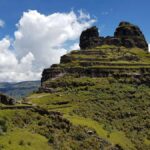
- Pisac Archaeological Park: the Inca engineering lesson
- Pisac Market: quick local interaction and souvenir time
- Urubamba buffet lunch: 40+ dishes, not just a hotel plate
- Ollantaytambo: a fortress-like Inca site and the route to Machu Picchu
- Evening in Aguas Calientes: hotel check-in and free time
- The Vista Dome vs normal train choice: what you’re really buying
- Day 2 at Machu Picchu: circuits, bus timing, and the guided walk
- The important Machu Picchu detail: entry is in limited circuits
- Practical pacing on the ruins
- Why the overnight in Aguas Calientes helps more than you think
- What’s included vs what hits your pocket later
- The guides and communication that make the day feel smooth
- Price and value: what $499 is really paying for
- Who should book this tour, and who should rethink it
- Should you book this Sacred Valley and Machu Picchu package?
- FAQ
- What time does pickup start in Cusco?
- How long is the tour?
- Where do I sleep overnight?
- Is Machu Picchu entrance included?
- Are bus and train tickets included?
- Can I choose a train option?
- What meals are included?
- What is the Sacred Valley entrance cost?
- How many people are in the group?
- What should I bring for the overnight and Machu Picchu day?
Key highlights you’ll feel right away
- Small group up to 10 people, which makes the day feel calm instead of cattle-car fast
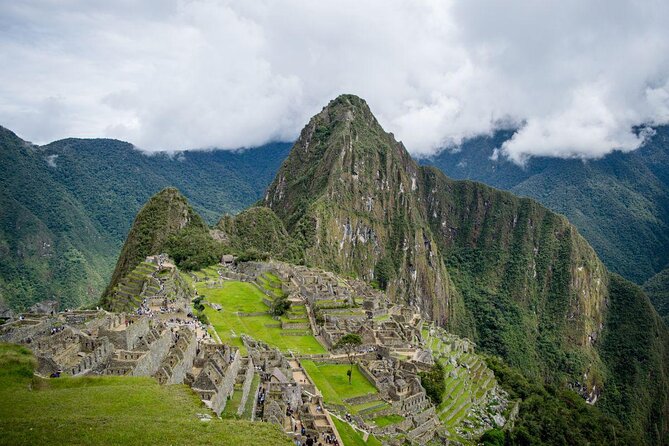
- All Machu Picchu essentials included: entrance ticket, bus round-trip, and guided route through the ruins
- Train choice matters: normal train or the Vista Dome 360° ride on the Aguas Calientes leg
- A real Sacred Valley lunch with a buffet that goes well beyond a basic set menu
- Clever timing: you sleep in Aguas Calientes so you can start Machu Picchu morning early
- Photo help on the ground: your guide is there to help with group photos, not just talking
Why this two-day plan works: one trip, many Inca moments
This tour is built around one simple idea: Machu Picchu is hard enough to time, so let someone else handle the moving parts. You get a tight, guided route through the Sacred Valley highlights, then you transition to Aguas Calientes for an early start the next day. That overnight step is a big deal in Peru because it reduces the “rush and hope” factor.
Value-wise, you’re not just paying for a guide. You’re also paying for the headache removal: transfers from your hotel, train tickets on the key route, bus tickets for Machu Picchu, and the Machu Picchu entrance itself. When you compare what it typically costs to piece these items together separately, the bundled feel is where the money starts to make sense—especially when you include the hotel night.
The tour also leans into comfort. The transportation is described as modern and there’s a focus on keeping the schedule smooth, with door-to-door pickup and drop-off.
You can also read our reviews of more tours and experiences in Cusco
Day 1 in the Sacred Valley: alpacas, Pisac views, and a buffet with options
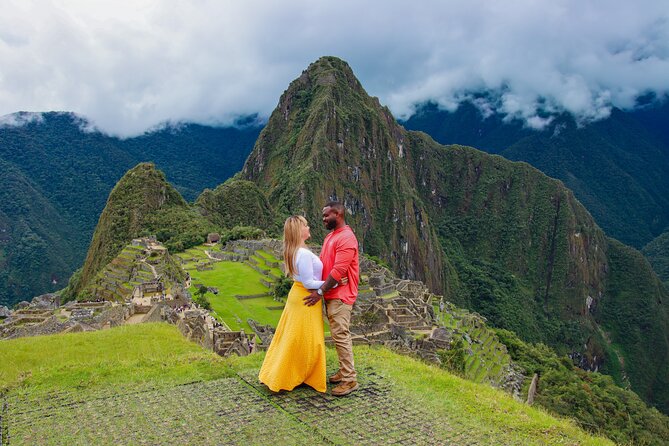
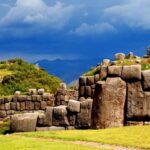
Your day starts early. Pickup is scheduled for 7:45 AM from your Cusco hotel after breakfast, and you’ll head toward the Sacred Valley, passing classic Cusco-area archaeological stops such as Sacsayhuamán, Qenqo, and Pucapucará. There’s also an optional viewpoint stop at Cristo Blanco (if time allows), which can be a nice warm-up to what’s coming.
Awana Kancha: the alpaca farm stop that feels like a breather
Around 8:20 AM, you stop at Awana Kancha, the Sacred Valley’s largest alpaca farm stop on this route. You’ll see South American camelids like llamas, alpacas, huanacos, and vicuñas, with time to take photos and even feed them. It’s short (about 20 minutes), but it changes the vibe from “stone ruins” to “living Inca-era animals” fast.
Practical tip: wear something easy to move in and keep sunscreen on. This stop is exposed and you’ll want to stay comfortable for the rest of the morning.
Taray: a quick photo break with glacier-and-terrace views
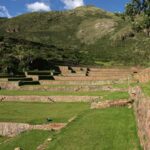
Next is Taray, another brief stop (about 10 minutes) built for classic photographs. The big draw here is the view: you can look out toward Inca terraces and glacier views in the distance. Even if you don’t get every photo you imagine, it’s a useful pause before the longer historical stops.
Pisac Archaeological Park: the Inca engineering lesson
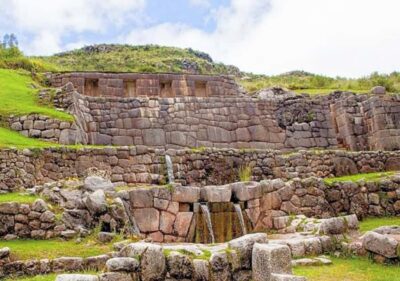
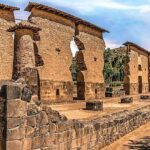
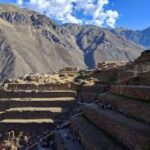
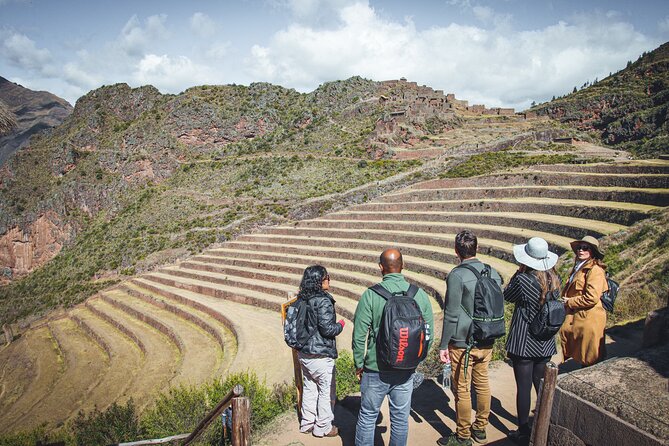
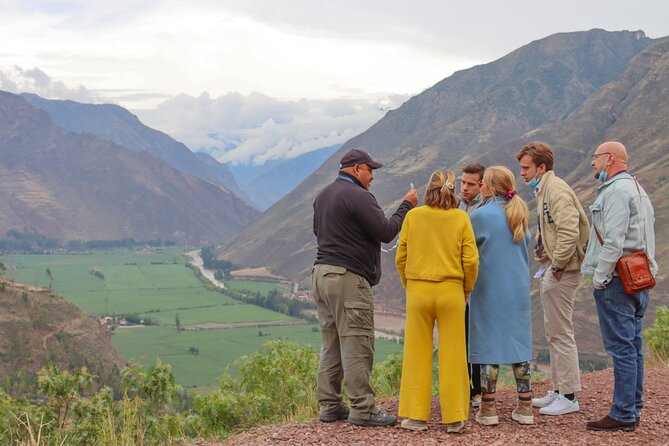
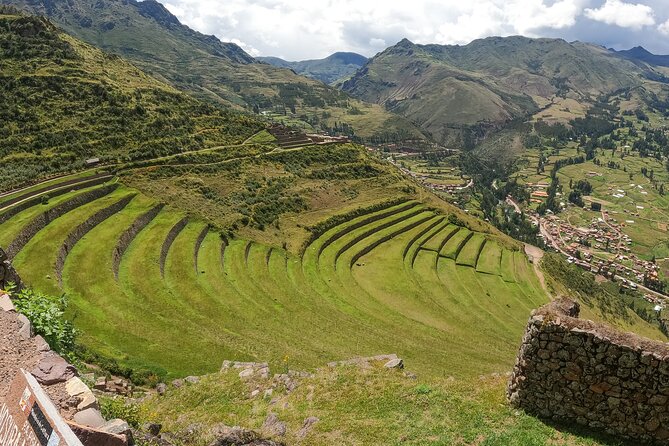
At Pisac Archaeological Park, you get about 45 minutes to walk and learn about the terraces, residences, altars, water channels, and tomb areas. The guide explains how Inca agriculture worked—this is the part where you start seeing the Valley less like scenery and more like a system.
Watch the detail that matters for your wallet: the Pisac entrance ticket is not included here. The tour explicitly notes the Sacred Valley entrance ticket cost (70 soles in cash), so assume you’ll need to pay on-site.
One more note: Pisac gets busy on tours. If you’re hoping for super quiet photos, go slowly near edges and look for angles where the terrace lines lead your eye.
You can also read our reviews of more tours and experiences in Cusco


Pisac Market: quick local interaction and souvenir time
Around 11:20 AM, you visit the Pisac market for about 15 minutes. This isn’t a long shopping spree. It’s a chance to interact with local people and grab small souvenirs if something catches your eye.
Practical tip: keep your cash handy and don’t overspend early. You’ll have another day of spending opportunities back in Cusco later.
Urubamba buffet lunch: 40+ dishes, not just a hotel plate
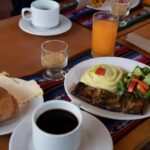
Lunch is in Urubamba, about 1:00 PM, at a well-regarded restaurant (described as colonial-style), with vegetarian options available. The buffet is described as offering more than 50 Peruvian dishes, including salads, soups, main dishes, and Peruvian desserts.
For me, what makes this lunch stop valuable is that it’s not just filling. It’s a chance to eat a range of flavors in a controlled setting, so you don’t spend the rest of the day hunting for food. Also, you’re on a schedule, so the buffet format helps keep things moving.
Ollantaytambo: a fortress-like Inca site and the route to Machu Picchu
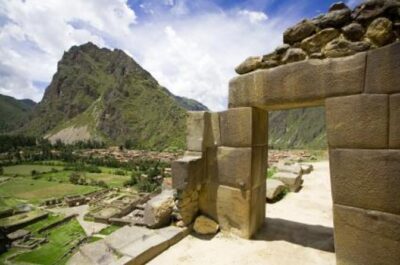
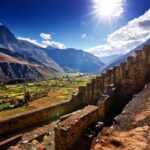
After lunch, you head along the Urubamba River to Ollantaytambo at around 2:20 PM, with about 2 hours total time that includes the train boarding process. Ollantaytambo was protected because it was part of the road leading toward Machu Picchu, and the guide connects the site to what happened during the Spanish invasion.
This stop can be intense in a good way because it’s both strategic and dramatic. You’re not just looking at ruins—you’re learning why the Inca cared about this exact area.
Then comes the transfer to the station in the same town. Your train ride to Aguas Calientes is about 1 hour 45 minutes, and you’ll get the mountain views while heading toward Machu Picchu.
Evening in Aguas Calientes: hotel check-in and free time
Around 6:10 PM, you arrive in Aguas Calientes and are taken to your hotel. After check-in, you have the rest of the evening free at your own expense (so you can eat, walk a bit, or just rest).
If you want to move efficiently, set yourself up for tomorrow: charge your phone, refill water if you can, and keep a small overnight bag ready. The tour suggests leaving most items in Cusco (some places store luggage at no extra cost) and packing a smaller carry-on for the night.
The Vista Dome vs normal train choice: what you’re really buying
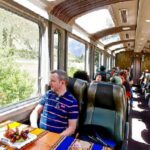
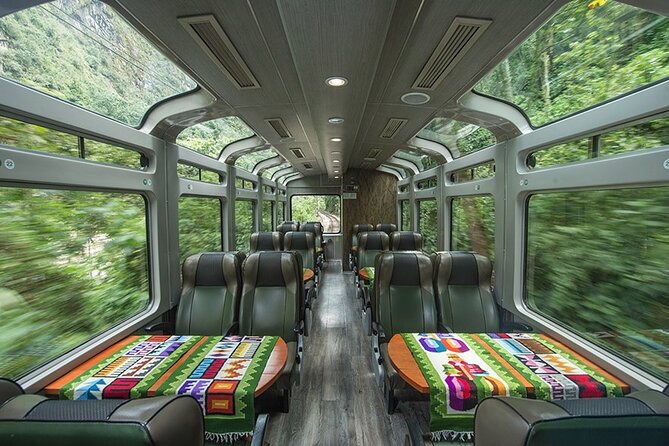
The train is one of the most enjoyable “in-between” parts of the trip. You can choose normal train or Vista Dome 360° panoramic on the Ollantaytambo–Aguas Calientes ride.
Here’s how to decide:
- If you like photos and want wider views for the ride, choose Vista Dome.
- If you’re mainly focused on getting there on time and would rather not pay extra where available, the normal train still does the job.
Either way, you’re not looking at a flat route. The schedule is timed so you’re moving through mountainous terrain while the light is decent for photos.
Day 2 at Machu Picchu: circuits, bus timing, and the guided walk
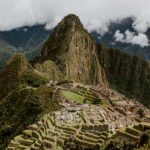
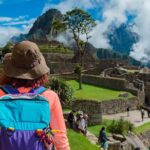
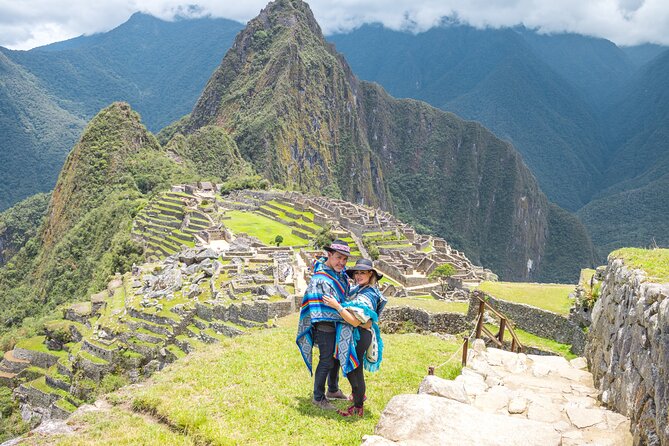
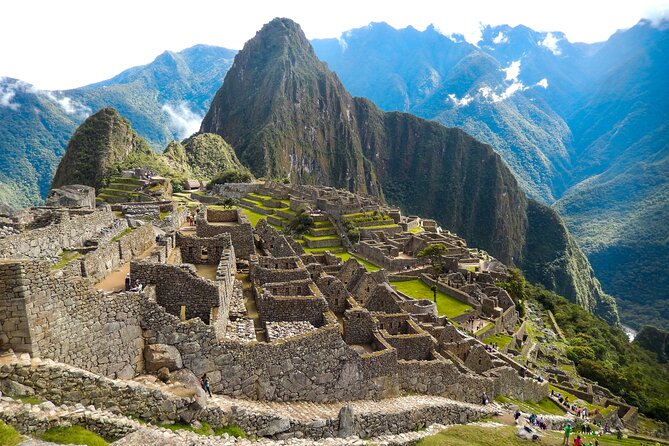
Your second day starts with breakfast at the hotel, then a transfer to the bus station. The bus ride takes you to the main gate of the Historic Sanctuary of Machu Picchu, and your guide begins the experience by walking you through the main areas—city squares, stone stairs, and the central ruin zones.
The visit includes about 4 hours total time with the guide, and you also get time to explore on your own afterward. That solo time matters. Machu Picchu is one of those places where your brain needs a few quiet minutes to catch up with your eyes.
The important Machu Picchu detail: entry is in limited circuits
Machu Picchu access happens in time shifts, and your tour is designed around circuits 1 and 2 plus the classic photo, in shifts from 6:00 AM to 11:00 AM. The capacity is limited, so if your exact slots aren’t available, the operator confirms the tour at the next available time and still works to deliver your admission ticket with priority when possible.
What this means for you: you’re going to follow a planned route. You’ll see a lot, but you’re not doing a free-form wander wherever you want. If you like structure on days like this, that’s a plus.
Practical pacing on the ruins
Machu Picchu involves walking, stairs, and uneven surfaces. The tour says most travelers can participate, but your comfort still depends on your fitness level and how you handle altitude. Wear comfortable shoes and bring sunscreen even if the sky looks friendly.
If you’re prone to cold mornings, consider a light jacket. The start is early, and Aguas Calientes mornings can feel chilly.
Why the overnight in Aguas Calientes helps more than you think
This is the part people sometimes undervalue. Staying overnight in Aguas Calientes means you don’t have to drag yourself from Cusco in the dark, guessing your way through transportation timing. You get a proper night, then start fresh for the morning bus and entry.
That setup also improves your photo chances. You get to be at Machu Picchu during a controlled circuit time instead of arriving late and rushing through the most important moments.
Plus, that free afternoon in Aguas Calientes on Day 1 gives you time to find your footing. You can keep it simple: eat something, take a short walk, or just rest and let your body adjust.
What’s included vs what hits your pocket later
This tour includes a lot of the hard-to-price stuff. Here’s what’s covered:
- 1 night of accommodation in Aguas Calientes at a hotel class you choose (3, 4, or 5-star)
- Breakfast (Day 2)
- Buffet lunch (Day 1) with vegetarian options
- Door-to-door hotel pickup and drop-off in Cusco
- Guided Sacred Valley visits including alpaca farm, Pisac Archaeological Park, and Ollantaytambo
- Machu Picchu guided tour and Machu Picchu entrance ticket
- Train tickets: Ollantaytambo–Aguas Calientes–Ollantaytambo
- Round-trip bus tickets: Aguas Calientes–Machu Picchu–Aguas Calientes
- Transfer back to your Cusco hotel after the Machu Picchu day
- Complimentary bottled water
- Small-group format (1 to 10 guests max)
What’s not included:
- Sacred Valley entrance ticket (70 soles in cash)
- Tips
- Hotel upgrade or extra nights
One more decision factor: the tour is non-refundable and cannot be changed for any reason. That’s not something to skim past. If you’re still juggling flight times or uncertain plans, double-check your calendar first.
The guides and communication that make the day feel smooth
What really shows up in the experience is how the day is run like a sequence, not a string of surprises. Many groups highlight strong English delivery and punctual timing, and the coordination is often done through WhatsApp updates (Rayza is specifically named by groups in their feedback).
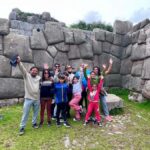
It’s also common for guides to help practically, not just interpret ruins. Several comments point out that guides were flexible and went out of their way to help with photos for the group. In a place like Machu Picchu, having someone manage timing and photo stops can save you from spending the best light yelling at a selfie stick.
Also, there’s a guide handoff across days. Day 1 is typically a different guide than Day 2, and that matters because it keeps you from repeating basic explanations twice. You also get the benefit of specialized focus: Sacred Valley context on Day 1, then a Machu Picchu route on Day 2.
Price and value: what $499 is really paying for
At $499 per person, this isn’t a bargain tour. It’s priced like a convenience product: you’re paying for the bundle of transport + admissions + guidance + lodging.
The big value drivers for most people:
- Hotel night included in Aguas Calientes
- Train + bus tickets included
- Machu Picchu entrance included
- A guided schedule across the Sacred Valley, plus the buffered lunch stop
The only “weak spot” on the price is that you still need to cover the Sacred Valley entrance ticket in cash. But compared to booking trains, buses, entrance slots, and a hotel independently, the overall math usually lands on the side of simplicity.
For best results, book early. The tour’s average booking timeline is about 52 days in advance, which makes sense because Machu Picchu tickets and circuits are limited and timing matters.
Who should book this tour, and who should rethink it
This tour fits you best if:
- You’re seeing Machu Picchu for the first time and want a route that stays on track
- You want small-group energy instead of a big bus crowd
- You like having clear plans for meals, entry timing, and hotel transitions
- You want a mix of Inca sites plus a real lunch without hunting for details
You might choose something else if:
- You want total freedom to roam Machu Picchu without following circuit constraints
- You prefer building your own itinerary and buying tickets on your own terms
- You’re on a tight budget and can’t handle the extra 70 soles cash for Sacred Valley entrance
And if you have any mobility limits, remember that both Sacred Valley sites and Machu Picchu involve walking and stairs. The tour says most travelers can participate, but your body still has the final word.
Should you book this Sacred Valley and Machu Picchu package?
Yes, if you want the simplest way to get from Cusco to Machu Picchu with all the big-ticket logistics handled. The combination of Sacred Valley highlights (alpaca farm, Pisac, Ollantaytambo), a satisfying buffet lunch, and a guided Machu Picchu visit with entry circuits is a strong “first-timer with limited time” fit.
I’d book it especially if you value early entry comfort and hate last-minute ticket stress. The only reasons I’d hesitate are the extra cash for the Sacred Valley entrance ticket and the non-refundable policy—so confirm your dates and keep cash accessible.
If you do book, come ready with the essentials the tour asks for: sunglasses, hat, sunscreen, repellent, comfortable walking shoes, and a small overnight bag. Bring extra battery too. Machu Picchu photos are not optional; they happen whether you plan for them or not.
FAQ
What time does pickup start in Cusco?
Pickup starts at 7:45 AM from the lobby of your hotel after breakfast.
How long is the tour?
The experience runs for about 2 days.
Where do I sleep overnight?
You’ll stay one night in Aguas Calientes (the town of Machu Picchu).
Is Machu Picchu entrance included?
Yes, the Machu Picchu entrance ticket is included.
Are bus and train tickets included?
Yes. Train tickets are included for Ollantaytambo–Aguas Calientes–Ollantaytambo, and round-trip bus tickets are included for Aguas Calientes–Machu Picchu–Aguas Calientes.
Can I choose a train option?
Yes. You can choose between a normal train or the Vistadome 360° panoramic train.
What meals are included?
Breakfast (Day 2) and a buffet lunch (Day 1) are included.
What is the Sacred Valley entrance cost?
The Sacred Valley entrance ticket is 70 Peruvian soles, paid in cash, and it is not included.
How many people are in the group?
This experience is limited to a maximum of 10 travelers.
What should I bring for the overnight and Machu Picchu day?
The tour recommends sunglasses, comfortable clothes and shoes, a hat, sunscreen, repellent, a water bottle, an extra battery, a jacket, and a small backpack with what you need for the night in Aguas Calientes.