REVIEW · URUBAMBA
From Cusco: Chinchero, Moray, Maras and Ollantaytambo
Book on GetYourGuide →Operated by Midway Peru Adventures · Bookable on GetYourGuide
A long day, but it moves with purpose. This tour is a fast, focused run through the Sacred Valley highlights—Chinchero’s Inca site and alpaca-textile making, Moray’s circular terraces, and the salt mines at Maras. I especially like how the guide-led explanations keep the stops meaningful, the way Miguel is known for delivering clear, illuminating English (and how Richard also got praise for being fantastic). One drawback to plan around: each site is visited for a limited time, so it can feel a bit rushed if you’re hoping to linger.
The best part is that the day feels stitched together: you go from wool processing to Inca agriculture experiments to salt extraction, then wrap up with Ollantaytambo fortress views. I also like that lunch is built into the day—an Andean buffet in Urubamba with a good variety. The main consideration is timing: the tour ends in Ollantaytambo, and if you’re counting on a tight train connection to Aguas Calientes, you’ll want to double-check your schedule because the day can run slightly differently depending on which groups are also being routed to other sites.
In This Review
- Key things to know before you go
- From Cusco pickup to Sacred Valley rhythm: how the day really feels
- Chinchero: Inca ruins plus alpaca wool textiles
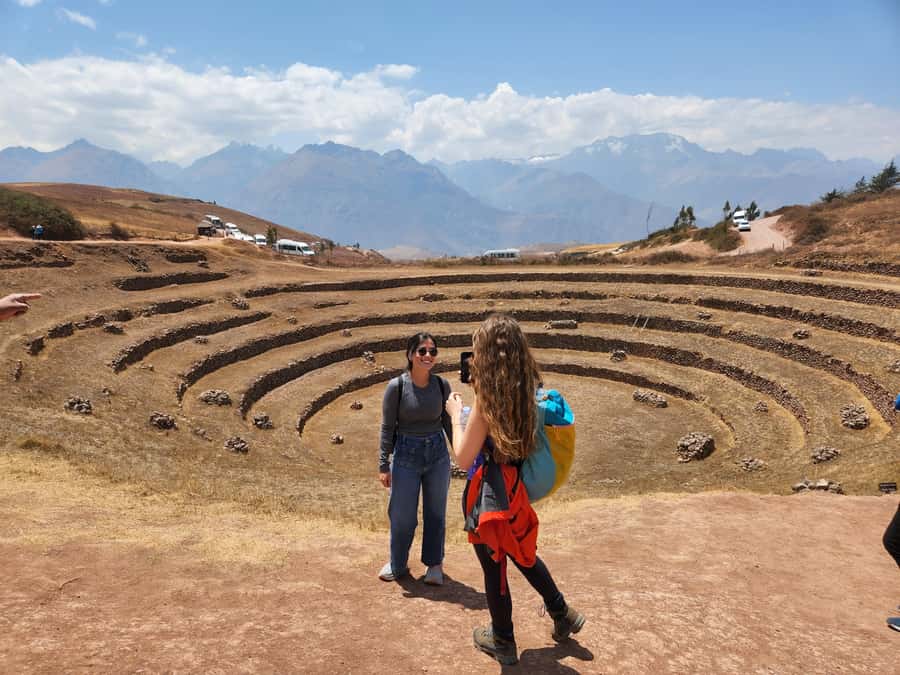
- Moray’s circular terraces: why the Incas built a science experiment
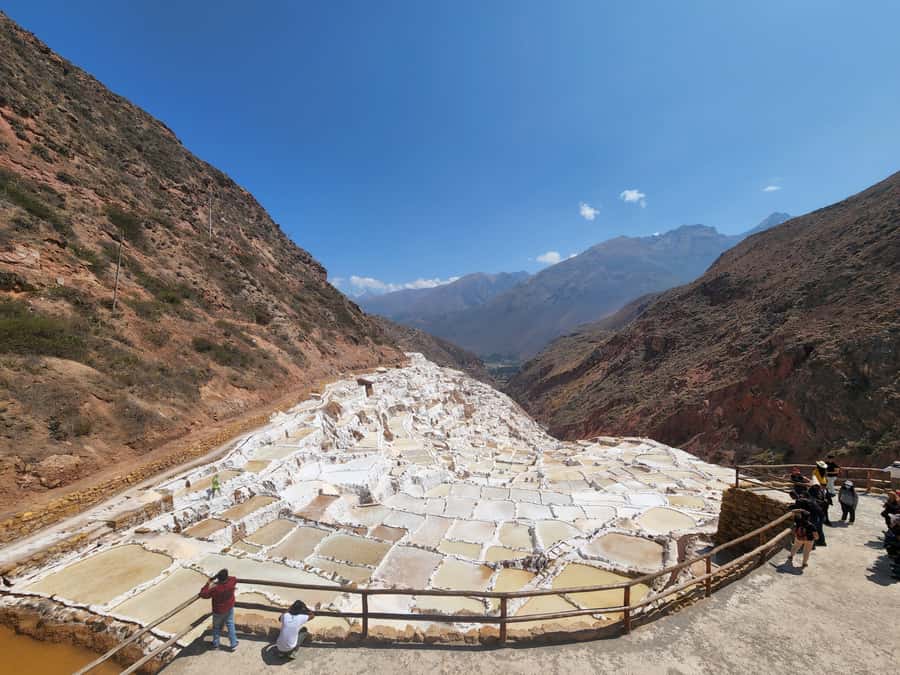
- Maras salt mines: 3,500 extraction pools you can photograph (and understand)
- Urubamba lunch break: an Andean buffet that keeps you fueled
- Ollantaytambo fortress: the Sacred Valley in one uphill view
- Price and value: what you’re really paying for
- Who this tour suits best (and who should skip it)
- Should you book this Sacred Valley day trip?
- FAQ
- FAQ
- How long is the tour?
- What stops are included?
- When does the tour end and where?
- Is hotel pickup included?
- Is lunch included?
- Are entrance tickets included for Moray and Maras?
- What languages is the guide?
- What is the tour price?
- Are drones allowed?
- Can I cancel for a full refund?
Key things to know before you go
- 4 major Sacred Valley stops in one day with guided time built in, not just roadside photo ops
- Chinchero textiles: you’ll see how alpaca wool gets processed into the textiles people still use today
- Moray’s circular terraces: learn how the Incas used them as agricultural experiments
- Maras salt mines: photo-worthy extraction pools (3,500 sites) plus an explanation of how it works
- Ollantaytambo fortress views: a strong finish with Inca design you can actually see from up high
- Lunch included in Urubamba: an Andean buffet that breaks up the drive to the ruins
From Cusco pickup to Sacred Valley rhythm: how the day really feels
This is the kind of day trip that works because the logistics are planned around momentum. You’re picked up from your hotel in Cusco and sent by coach into the Sacred Valley, with short drives between stops so you still get multiple highlights in one sitting. With a duration listed as about 9 hours, it’s long enough to feel like you did something substantial, but structured enough that you don’t spend the whole day trapped in transit.
The pacing is the trade-off. Because the tour is designed to hit four attractions, the time at each is intentionally limited and the guide information is delivered on the bus and at each stop. That means you’ll likely see the big ideas—Inca textile traditions in Chinchero, Inca agricultural engineering at Moray, and salt production at Maras—without having hours to wander on your own.
If you’re the type who likes to read every sign slowly, this might not feel satisfying. But if you want the quickest clear view of what people come to this region to see, the structure makes sense.
You can also read our reviews of more tours and experiences in Urubamba.
Chinchero: Inca ruins plus alpaca wool textiles
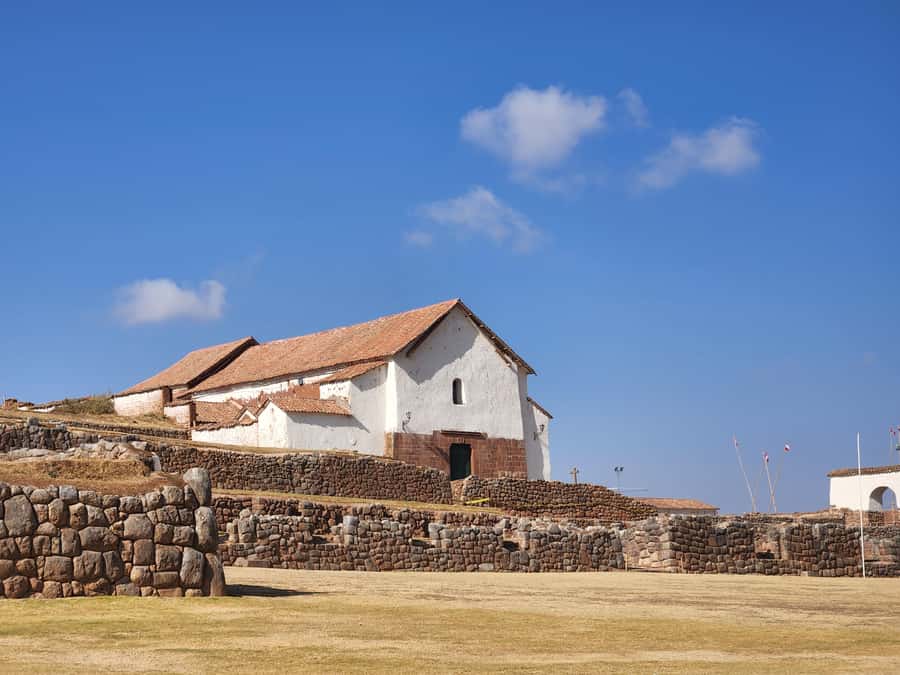
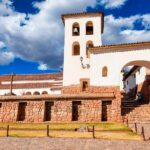
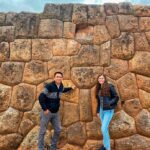
Chinchero is your first real win of the day. You arrive with time set aside for a guided visit at the Centro Arqueológico de Chinchero, plus a photo stop so you’re not arriving cold and rushing straight into explanations. What makes it compelling is the blend of the archaeological site with the living craft right next to it.
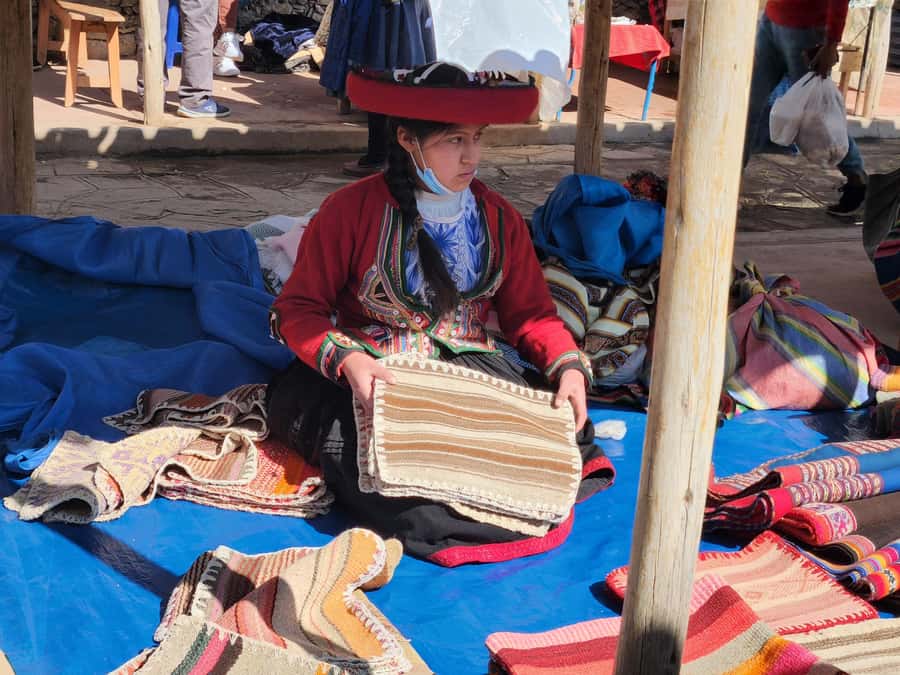
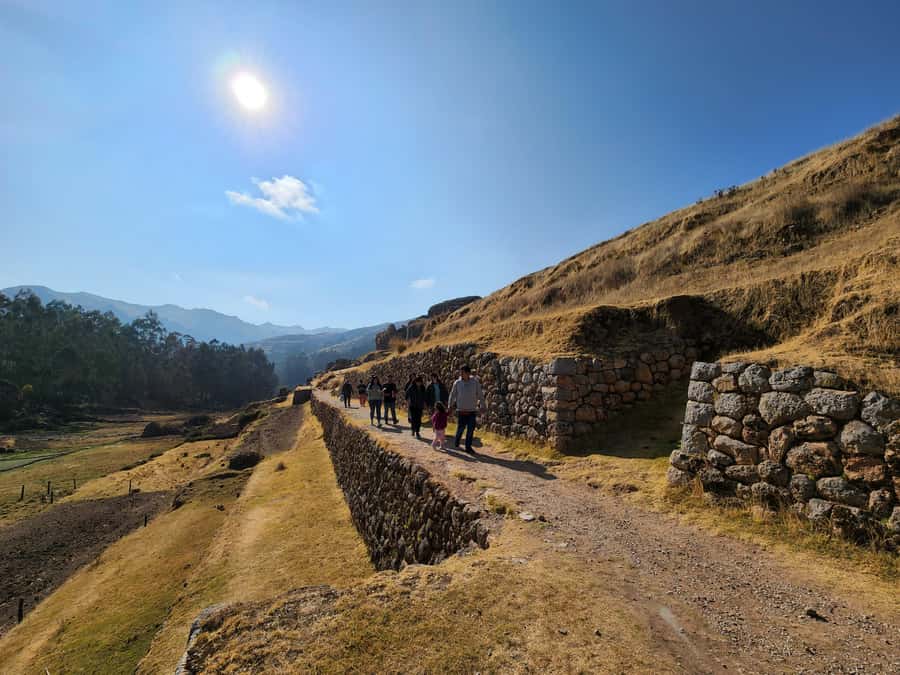
On the Inca side, you’re looking at ruins that connect to the region’s long history of settlement and agriculture. On the craft side, you’ll visit an Andean textile center where you learn about the process of making alpaca wool into textiles. That part matters because it turns the region’s imagery into something practical: you’re not just looking at the result, you’re learning about how wool becomes fabric and what the steps are.
One practical consideration: Chinchero’s time block is about 45 minutes, so treat it like a “get the meaning first” stop. If you want to ask deeper questions about dyeing, spinning, or weaving, you’ll need to keep them quick and targeted.
Moray’s circular terraces: why the Incas built a science experiment
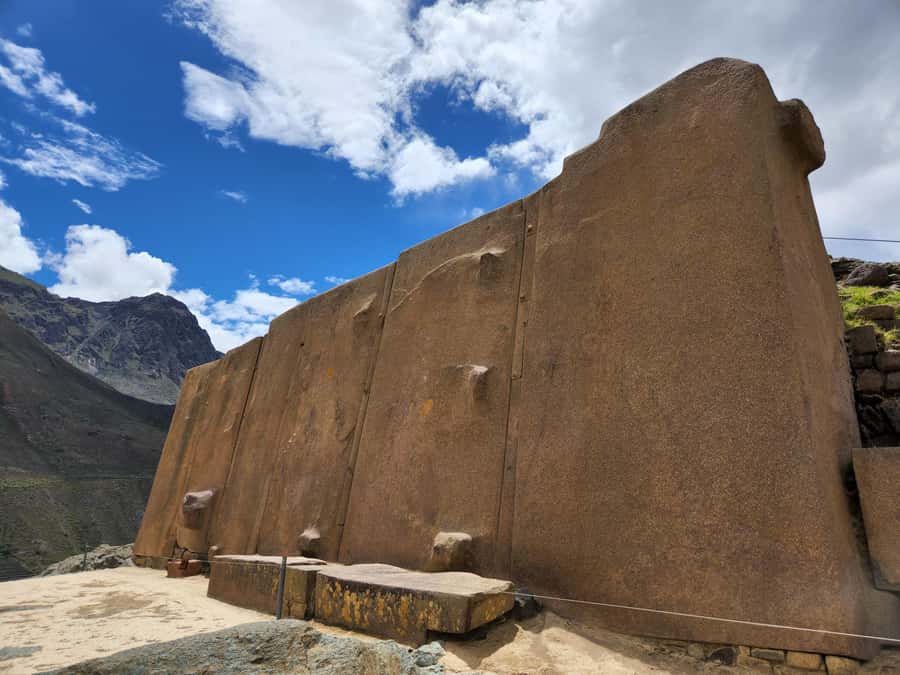
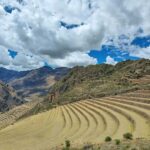
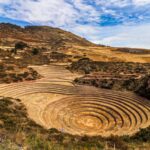
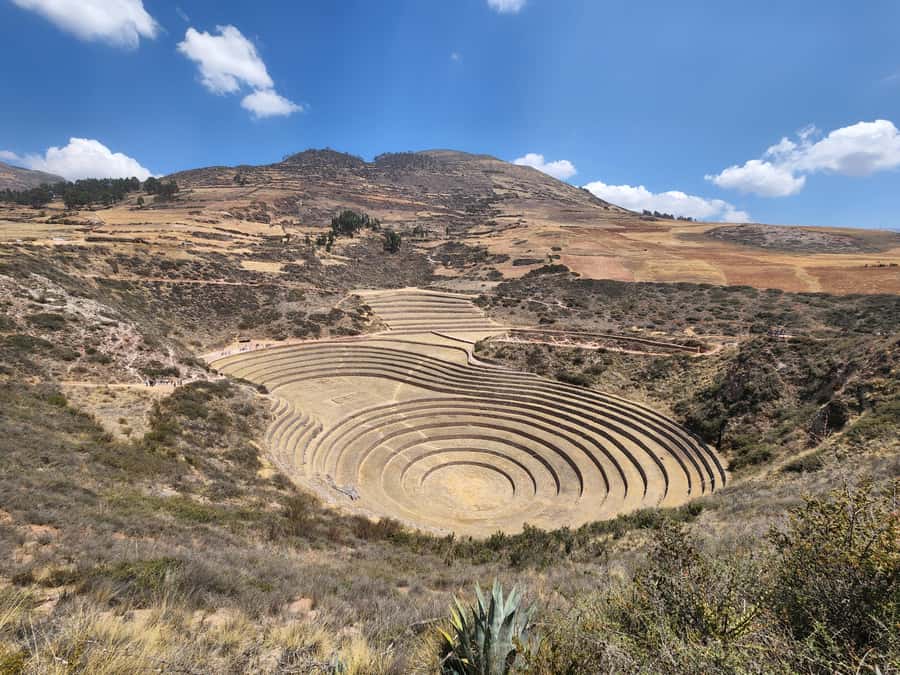
Next comes Moray, and it’s one of those places that feels simple until you learn what it was for. You’ll have a short, guided visit (about 30 minutes) plus a photo stop, with explanations focused on the circular terraces and their agricultural use.
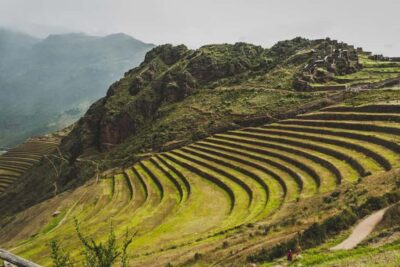
These are not just decorative rings in a valley. The key idea is that they functioned like agricultural laboratories. By shaping and using different terraces, the Incas could experiment with growing conditions—helping them test what worked and where.
In real terms, Moray is a great stop for first-timers because it gives you a clearer mental model for how the Andes were farmed. After Chinchero’s textiles, Moray adds a second “how” lesson: how people used the terrain itself, not just livestock or crops, to make agriculture work.
Because your time is limited, go in knowing the purpose: look for the terraces, then listen for the explanation. If you do that, the 30 minutes feel like they earn their place.
Maras salt mines: 3,500 extraction pools you can photograph (and understand)
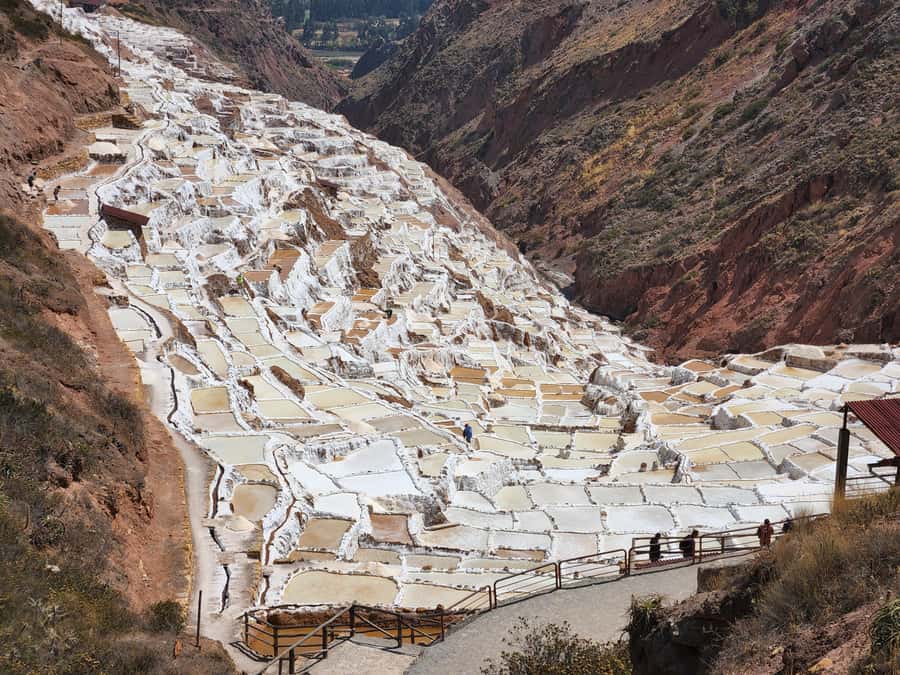
Maras is where the Sacred Valley starts to look dramatically different. The salt mines are made up of thousands of individual extraction sites—around 3,500 pools—that create a visual grid across the hillside. Your visit includes time for photos and video, plus a guided explanation of the extraction process.
What you’ll take away from this stop is not just the look, but the mechanics. The guide-led portion helps you connect what you’re seeing to how salt is extracted from these pools. That’s why this stop tends to land well in a day trip: it’s instant visual payoff, but it also isn’t empty sightseeing.
The time block is also about 30 minutes, so you’ll want to use that window efficiently:
- take a few wide shots first to capture the whole effect
- then move closer for texture and detail
- and keep your questions focused on the steps of extraction
Also note the ticket detail: entrance to the Maras salt mines isn’t included. The listed price is 20 soles, so factor that into your total day budget.
Urubamba lunch break: an Andean buffet that keeps you fueled
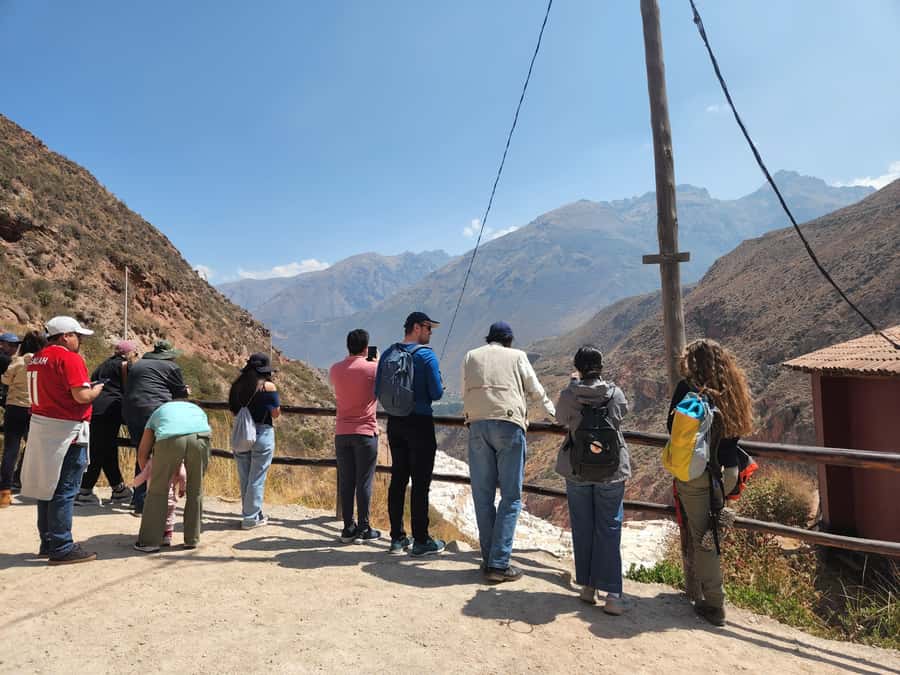
At noon, you head to Urubamba, described as the heart of the Sacred Valley. This is your lunch stop and it’s built in as a buffet with an Andean focus and a stated variety of options.
This meal matters more than it sounds, because it gives your day-trip body a reset. You’ve been on the move since pickup, and lunch at a set time helps you avoid the “find something fast in a tourist town” problem that can derail your energy for the afternoon ruins.
One tip from how the day is structured: don’t treat lunch like a long sit-down. You get about 45 minutes, so eat, relax a bit, and be back ready when the group is called.
Ollantaytambo fortress: the Sacred Valley in one uphill view
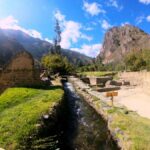
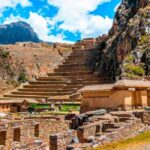
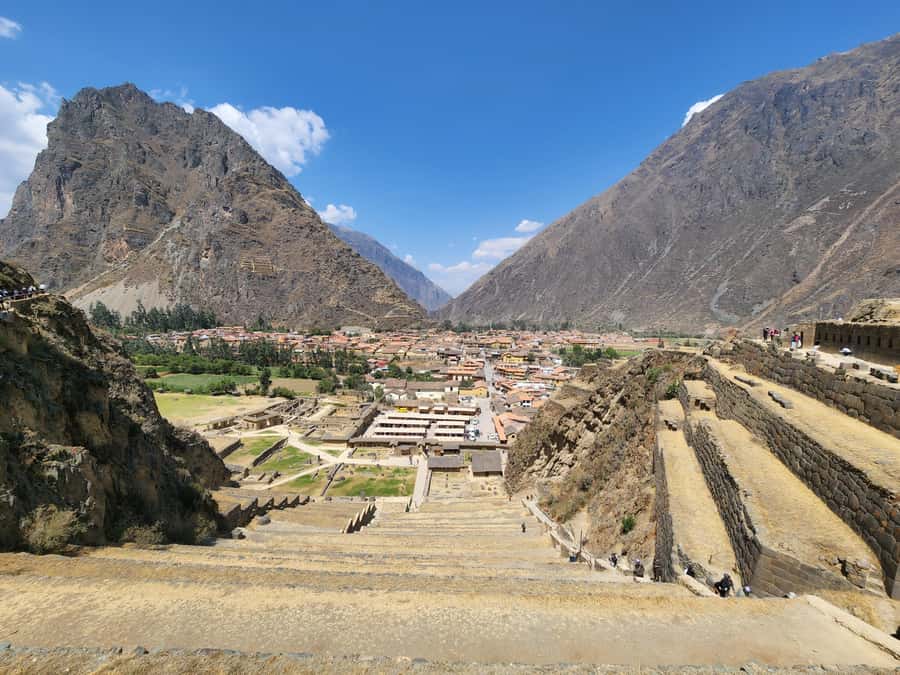
Your final major stop is Ollantaytambo, at the fortress area. You get photo time and a guided visit of about 45 minutes, which is a solid chunk for a last stop because it’s the moment when everything you’ve seen starts to click: engineering, survival, and design all in one place.
The fortress sits above the valley, so the views do a lot of work here. You can look down and connect the geography to why this site was chosen. Ollantaytambo is also known for its Inca architecture and design, and the guided portion helps you see patterns rather than just walls.
By this point, you’ll be ready for a more “stand and look” experience. The day ends in Ollantaytambo at about 3:30 pm, with options to stay in the main square or take the train to Aguas Calientes.
And here’s the part you should plan around: one review pointed out that if you book your train based on the advertised end time, you might face extra waiting. The day can be routed so that other groups also continue onward to Pisac before returning to Cusco, which can affect when your group finishes. If you’re tying this trip to Machu Picchu train timing, give yourself a little buffer.
Price and value: what you’re really paying for
The listed price is $45 per person, and for a one-day Sacred Valley sampler, that’s reasonably priced. The tour includes hotel pickup in Cusco, transportation, a guide, and the buffet lunch.
What’s not included matters, because it changes your true total:
- Moray entrance ticket: 70 soles
- Maras salt mines entrance ticket: 20 soles
So you’re paying extra once you’re on the ground, but those fees are tied to the sites that are the heart of the tour. If you only want one or two stops, this might feel pricey. If you want the whole “big four” idea in a single day, the package becomes better value because you’re not arranging transport and guidance separately for each location.
Also, the guide time is a key part of the value. Reviews praised how clearly the guide explained things, especially in English, and that’s what turns these places from “I took pictures” into “I understand what I’m seeing.”
Who this tour suits best (and who should skip it)
This tour is a strong match for you if:
- you’re visiting Cusco with limited time before Machu Picchu, and you want a structured Sacred Valley day
- you like learning fast, with guided context at each stop
- you want a day that ends in Ollantaytambo, with a possible link toward Aguas Calientes
It’s less ideal if:
- you need long, unhurried time at each site
- your plans depend on a very tight train connection without any buffer
- you’re looking for deep museum-style pacing rather than “see the main ideas and move on”
Should you book this Sacred Valley day trip?
If you want the cleanest first overview of the Sacred Valley—textiles in Chinchero, agricultural engineering at Moray, salt extraction at Maras, and the Inca fortress at Ollantaytambo—this is a sensible booking. The combination of guide-led explanations and included lunch adds real comfort, and reviews consistently highlight how guides like Miguel and Richard helped make the day feel clear and worthwhile.
Before you commit, do one planning step: map your post-tour timing carefully if you’re taking the train to Aguas Calientes. Build in a little slack, because the day can run with variations depending on how other groups are scheduled.
FAQ
FAQ
How long is the tour?
It lasts about 9 hours.
What stops are included?
You visit Chinchero, Moray, the Maras Salt Mines, Urubamba for lunch, and the Ollantaytambo fortress.
When does the tour end and where?
The tour ends in Ollantaytambo at around 3:30 pm.
Is hotel pickup included?
Yes. Pickup is included from your hotel in Cusco.
Is lunch included?
Yes. Lunch is an Andean buffet in Urubamba and is included in the price.
Are entrance tickets included for Moray and Maras?
No. Moray entrance is listed at 70 soles and Maras salt mines entrance is listed at 20 soles.
What languages is the guide?
The live tour guide is available in English and Spanish.
What is the tour price?
The listed price is $45 per person.
Are drones allowed?
No, drones are not allowed.
Can I cancel for a full refund?
Yes, you can cancel up to 24 hours in advance for a full refund.