REVIEW · PRIVATE DRIVERS
Cusco: Private City Tour and Saksaywaman Visit with Transfer
Book on GetYourGuide →Operated by Andina Expeditions · Bookable on GetYourGuide
Cusco feels like a time machine when you move efficiently. This private circuit stitches together the Inca engineering and the city’s colonial jewels in about four hours. You’ll start in the center, then head out to the major ruins and come back for the best-known religious landmarks.
I particularly liked two things: the way your guide explains what you’re seeing at places like Sacsayhuaman, and the contrast between Inca sacred sites and the Cusco Cathedral’s gold-and-silver colonial interior. The tour also runs with a private van, which makes the pacing feel smoother at altitude.
One thing to consider: the headline entrance fees are not included. You’ll need extra cash for Sacsayhuaman, the Cathedral, and Koricancha.
In This Review
- Key highlights you should not miss
- What makes this private Cusco circuit work so well
- Cusco Cathedral: colonial power in gold and silver
- Koricancha (Sun Temple): the shortcut to Cusco’s spiritual center
- Sacsayhuaman: the Inca fortress that explains itself
- Q’enqo: a ritual complex with clues about beliefs
- Tambomachay: water fountains and why they matter
- Puka Pukara: a fortress stop you can finish strong
- Transportation, timing, and what “private” really changes
- Price and value: $80 per person plus entrance fees
- Who this tour suits best
- Should you book this Cusco tour?
- FAQ
- FAQ
- How long is the Cusco Private City Tour with Saksayhuaman Visit?
- What entrance fees are not included?
- Are hotel pickup and drop-off included?
- Is this tour private?
- What languages does the live guide speak?
- What should I bring, and what is not allowed?
- Can I cancel for a full refund?
Key highlights you should not miss
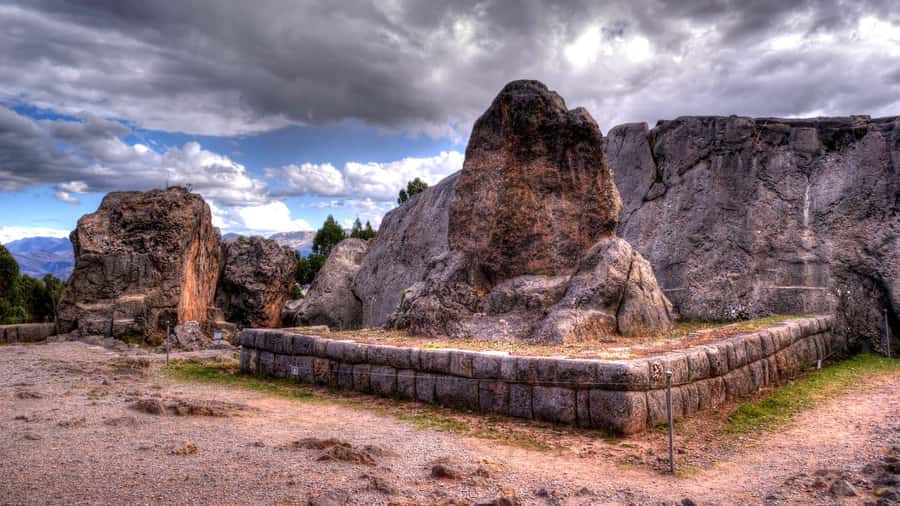
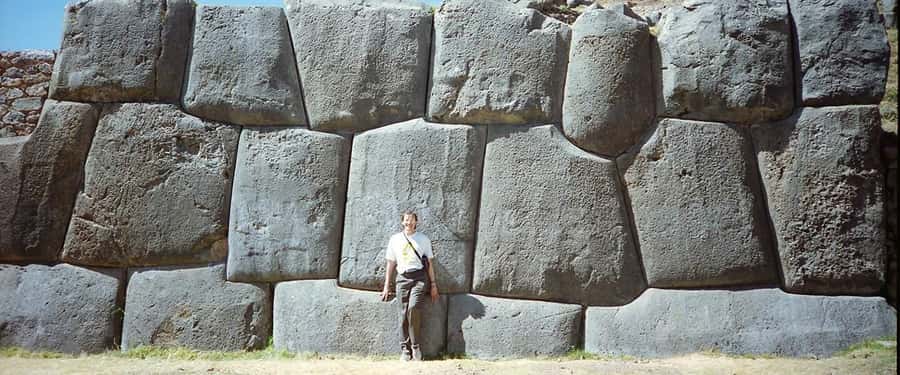
- Sacsayhuaman’s stonework: Big “how did they do that?” engineering, explained in plain terms.
- Tambomachay’s water story: The water fountains feel like a living part of the site, not just scenery.
- Q’enqo’s ritual design: You’ll get context for its symbolic role, including references to Inca funerary practices.
- Cusco Cathedral’s metal and art: Think heavy colonial-era religious grandeur, with gold and silver described by your guide.
- Koricancha’s quick hit near Plaza de Armas: A very efficient stop right by the main square.
- English, Quechua, or Spanish guiding: You can choose a guide language that fits you best.
What makes this private Cusco circuit work so well
This tour is built for one thing: getting your bearings fast without rushing you through the important stops. You’ll be picked up at your hotel or accommodation at the time you select, then travel by private van with your expert guide. That matters in Cusco, where traffic, altitude, and uneven walking can make a self-guided day feel chaotic.
I also like that the schedule is tight but not cramped. You get guided time at the big sites, with shorter windows at the smaller ones. The result is a tour that functions like an orientation plus a highlights reel. And yes, you’ll receive snacks during the experience—small detail, but helpful on a 4-hour run.
From reviews connected to the tour experience, I’m confident the guides bring energy and clarity. Names that come up include Patricia and Alfredo, both praised for making the information stick and keeping people engaged—even when altitude starts to feel like a tax.
If you’re the kind of traveler who wants context, not just photos, this format fits your style.
You can also read our reviews of more city tours in Cusco
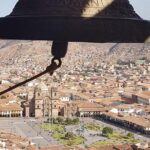
Cusco Cathedral: colonial power in gold and silver
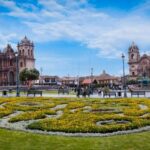
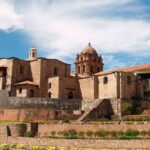
The tour typically begins with the Cusco Cathedral for about 45 minutes. This stop is where Cusco’s colonial story shows up in a very physical way. The Cathedral is described as holding more than 2,000 kilos of silver and more than 1,500 kilos of gold, and your guide points out how that wealth connects to the colonial period.
What I like about including the Cathedral early is pacing. After you arrive and settle in, you can start with a landmark you’ll likely want to return to on your own. Also, churches are a good place to catch your breath if altitude is making you slow down. You can sit, look up, and let your guide narrate as you stand where you can actually see details.
A possible drawback: because the Cathedral is a major sight, it’s also the type of place where you’ll want to pay attention rather than speed through. If you’re in a rush, you might miss the point of what makes it special. If you lean into the guide’s explanations, it turns into more than a pretty interior.
Koricancha (Sun Temple): the shortcut to Cusco’s spiritual center
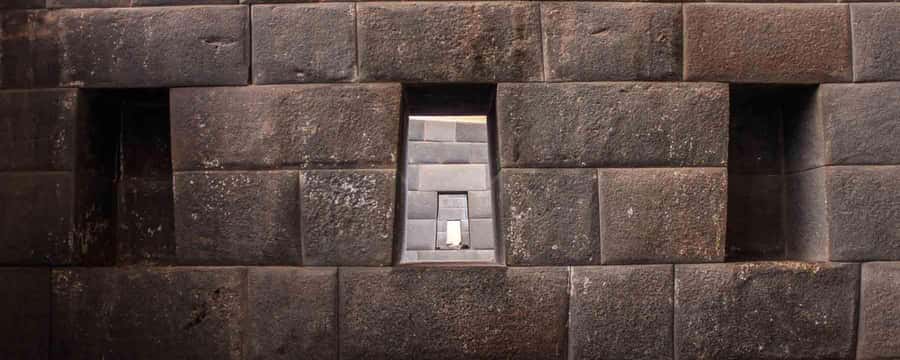
Next comes Koricancha for about 40 minutes. This is the famous Sun Temple complex, located just a couple of blocks away from the Plaza de Armas, so it’s extremely convenient. Even if you only have a short time in Cusco, this stop helps you understand why the area became such a religious magnet.
I like Koricancha because it works as a bridge. You’ll see how Inca sacred space connects to the later layers of Cusco’s spiritual life. Your guide’s job here is interpretation—connecting architecture and location to meaning—so you come away with a clearer mental map.
Entrance fees for Koricancha are extra, so budget for that when you plan your day. The time you get (40 minutes) is enough to see it thoughtfully without feeling trapped in a long museum-style visit.
Sacsayhuaman: the Inca fortress that explains itself
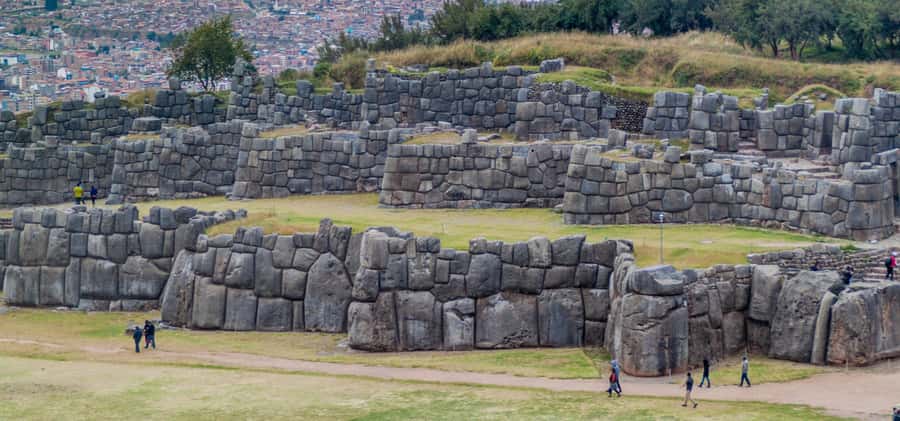
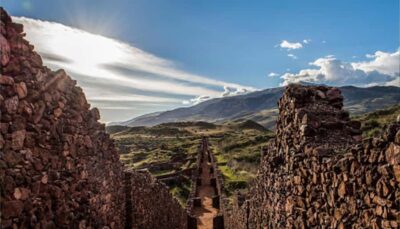
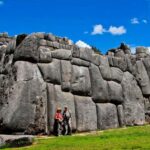
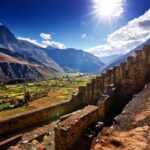
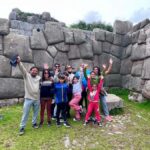
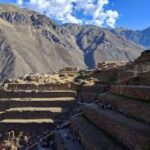
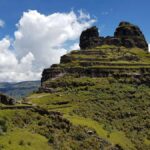
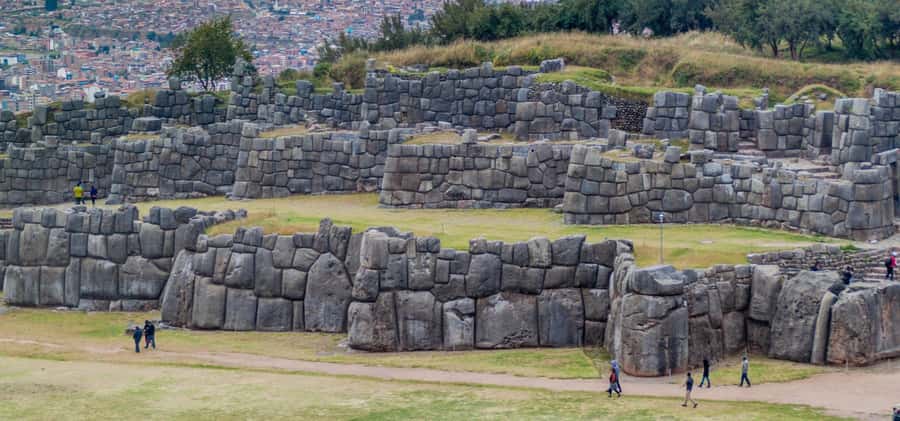
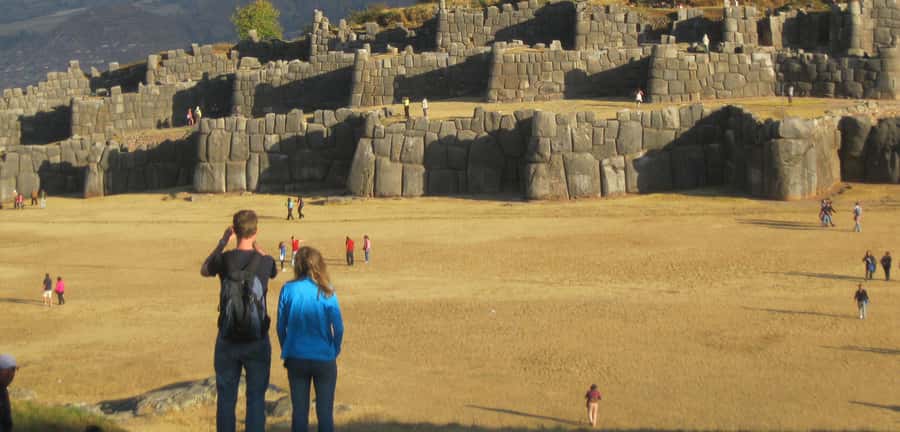
Sacsayhuaman is the centerpiece of the surrounding ruins, and you’ll spend about 40 minutes here. The big draw is how it shows Inca architecture and engineering at full scale. Think massive stone structures and a layout that’s clearly meant for both protection and dominance over the valley.
This is the kind of site where a guide makes your experience much richer. Instead of looking at stones and hoping you understand the why, you get explanations that help you read the place. Inca builders are often praised for their precision, but here you can actually see how planning and purpose show up in the structure.
The tour format is practical: you’re not trapped wandering without direction, and you’re not forced into a long day. That matters because altitude can turn “quick walk” into “long effort” surprisingly fast. One review specifically notes that the team was accommodating when altitude made someone feel unwell, which is a real benefit of having a guide managing the flow.
Entrance fees for Sacsayhuaman are extra, so plan to settle that portion on-site in soles.
Q’enqo: a ritual complex with clues about beliefs
After Sacsayhuaman, the itinerary includes Q’enqo for about 20 minutes. This is a shorter stop, but it can be memorable when your guide explains the symbolism behind the site.
Q’enqo is described as a temple associated with the Puma, and you’ll also see how the Incas used to perform mummification. Now, you won’t need to turn this into a science lesson. The value here is learning the relationship between ritual and place—why certain spaces mattered, and how belief shows up in built form.
Because the time is only 20 minutes, your best strategy is to stay present. Don’t spend the whole stop photographing. Listen for the meaning your guide is giving you, then use your camera as reinforcement rather than distraction.
You can also read our reviews of more private tours in Cusco
Tambomachay: water fountains and why they matter
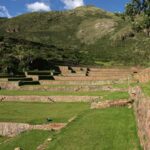
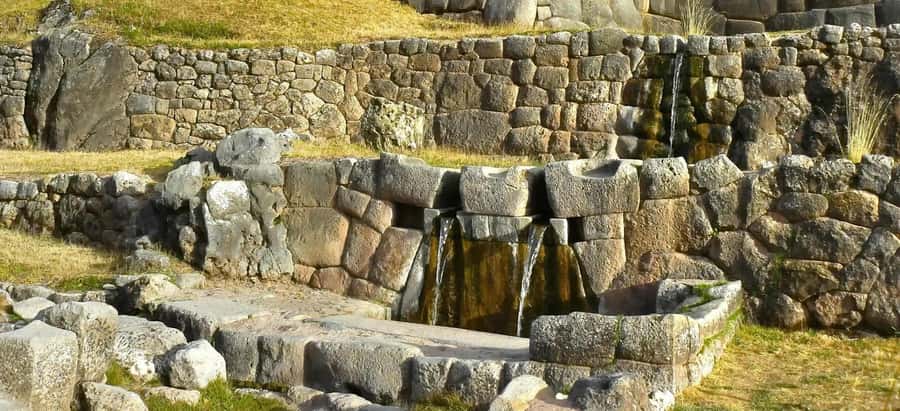
Tambomachay gets about 30 minutes. The name alone doesn’t carry the emotional weight, but your guide’s interpretation does. You’ll see impressive water fountains and learn why this site is linked to water in Inca design.
What I love about Tambomachay is the way it changes the feel of the day. After stone forts and ritual spaces, water brings movement. It also gives you something tangible to anchor your understanding—Inca planning wasn’t only about buildings, it included how people interacted with natural elements.
This is a nice “middle stop” length. Long enough to appreciate, short enough to keep you from tiring out before the final viewpoints. If altitude is affecting you, water sights and shaded moments can help you reset.
Puka Pukara: a fortress stop you can finish strong
Puka Pukara is scheduled for about 15 minutes. It’s an ancient Inca fortress near the water temple area, and it’s often the kind of stop that rewards a guide’s framing. With only 15 minutes, you’ll want to treat this as a viewpoint and context stop—enough time to see the key features and understand the role it played.
The drawback of shorter stops is obvious: if you’re hoping for a long wander, this won’t satisfy that urge. But in a 4-hour tour, this brevity is what makes room for the bigger sites. If you want an extra deep, slow version of Puka Pukara later, you can always return on your own after you’ve learned where it sits in the wider Cusco story.
Transportation, timing, and what “private” really changes
The private van and private guide are more than comfort perks. They change the whole rhythm of the day. You’re not competing with strangers for timing, you’re not stuck in the back of a group minibus, and you can move from stop to stop in a way that feels controlled.
The tour also includes pickup and drop-off at your hotel or accommodation. That sounds simple, but in Cusco it’s a big deal. Short distances can still take time because of altitude, traffic patterns, and the reality that you’ll likely be doing a bit of walking at archaeological and religious sites.
Duration is about 4 hours. That’s a sweet spot for first-time Cusco visitors: long enough to learn key highlights, short enough that you don’t lose your whole afternoon.
If you’re worried about altitude, this structure helps. One review mentions the team accommodating when someone didn’t feel great, which suggests the experience is flexible in how the guide supports you during the day.
Price and value: $80 per person plus entrance fees
At $80 per person, the tour is priced like an efficient, guided highlights package rather than a budget bus ride. What you get for that cost is a private guide, a private van, hotel pickup and drop-off, and snacks.
You’ll also want to plan entrance fees on top. The tour lists extra costs for:
- Sacsayhuaman: 70 soles
- Cathedral: 40 soles
- Koricancha: 15 soles
Notice what’s not listed as extra here: entrance fees for Q’enqo, Tambomachay, and Puka Pukara are not specified in the provided cost details. That means you’ll want to confirm day-of if those fees apply, but at least for the three listed sites, you can budget clearly.
Is it worth it? If you’re visiting Cusco for the first time and want both the Inca and colonial anchors in one afternoon, yes. The biggest “value” isn’t the sites themselves—you could technically see them individually. The value is in getting the interpretation lined up so your photos have meaning later.
If you already know Cusco well and you’re only hunting for one ruin, you might prefer a shorter, cheaper option. But for an introduction tour, this hits a lot of the city’s core.
Who this tour suits best
This tour fits best if you want:
- An orientation to Cusco’s main Inca ruins and central landmarks in one half-day
- Guided interpretation that helps you understand what you’re looking at
- A private van setup that keeps your time efficient
- A guide who can work in English, Quechua, or Spanish
It may feel less ideal if you hate structured schedules. Some sites are time-limited here (especially Q’enqo and Puka Pukara), so you won’t have hours to wander solo.
Age note: it’s not suitable for babies under 1 year, and it’s also listed as not suitable for people over 95 years. If you’re in that range, you’ll want to consider alternative planning.
Should you book this Cusco tour?
I’d book it if you’re arriving in Cusco for the first time and you want a guided route that ties together the key stops around the city. The biggest reason is how the tour balances major ruins (Sacsayhuaman, Tambomachay area) with the central cultural anchors (Cathedral and Koricancha). That mix helps you build a clear mental map fast.
I’d skip it or choose something else if you already have your stops planned with strong prior knowledge and you’d rather go slow at one place. The short windows at Q’enqo and Puka Pukara mean you’re getting highlights, not a long-form experience.
If altitude is on your mind, keep expectations realistic and plan to take it at an easy pace. The tour’s structure and the team’s accommodating approach in past situations are exactly what you want when your body decides to have an opinion.
FAQ
FAQ
How long is the Cusco Private City Tour with Saksayhuaman Visit?
The tour duration is 4 hours.
What entrance fees are not included?
Entrance fees are not included. The listed additional costs are: Sacsayhuaman 70 soles, Cusco Cathedral 40 soles, and Koricancha 15 soles.
Are hotel pickup and drop-off included?
Yes. Hotel pickup and drop-off are included.
Is this tour private?
Yes. It is a private tour with a private group available, and it includes a private van.
What languages does the live guide speak?
The live guide is available in English, Quechua, and Spanish.
What should I bring, and what is not allowed?
You should bring a camera. Alcohol and drugs are not allowed.
Can I cancel for a full refund?
Yes. Free cancellation is available up to 24 hours in advance for a full refund.