REVIEW · SALKANTAY & ANDEAN TREKS
Cusco: Day Trip to the 7 Ausangate Lagoons with Lunch
Book on GetYourGuide →Operated by journey MachuPicchu · Bookable on GetYourGuide
Dawn over Cusco never feels this early. This day trip drives you into the Ausangate foothills for a hike built around the 7 Ausangate lagoons—with seriously striking colors and big open views. The scenery is quiet and natural, and you get that rare feeling of being far from the city without needing a long, multi-day trek.
I especially love the moment when the trail opens up to a viewpoint where you can take in the whole lagoon lineup in one sweep. I also like that the route mixes shorter “look-and-breathe” pauses with steady walking, so you’re seeing more than just one pretty corner.
The main drawback is the early start and the walking time. You’ll be on your feet for about 5 hours total, and this trip is not a good fit if you have limited fitness or any health limits related to altitude and exertion.
In This Review
- Key things I’d focus on before you go
- The Ausangate lagoon colors: why this hike feels different
- The 4:00 a.m. start and how the timing actually works
- Breakfast in Pacchanta: fuel before the uphill grind
- The viewpoint walk: seeing all seven lagoons at once
- After the viewpoint: walking the lagoon area in stages
- Lunch in Pacchanta and the thermomedicinal hot springs option
- Included extras that matter more than you think
- Price and value: is $40 a fair deal?
- Who this trip suits best (and who should skip it)
- What to bring for a high-altitude lagoon trek
- Languages and guiding: what you get on the trail
- Should you book the Cusco day trip to the 7 Ausangate lagoons?
- FAQ
- FAQ
- What’s the duration of the Cusco day trip to the 7 Ausangate lagoons?
- How early is hotel pickup?
- Where are the lagoons located for this tour?
- How long do you walk during the day?
- What are the 7 lagoons included in the route?
- What meals are included?
- Are hot springs included in the price?
- What trekking support is included?
- What languages is the guide available in?
- Is the tour suitable for people with mobility or breathing issues?
Key things I’d focus on before you go
- A 4:00 a.m. pickup means you need a real early-morning routine and sleep the night before.
- Two walks, one big viewpoint: a first stretch to see the lagoons from above, then a longer leg that brings you around multiple lakes.
- Seven lagoon names on one route (Laguna Superior through Laguna Alqa) help you learn what you’re looking at.
- Oxygen, trekking sticks, and a first aid kit are included, which matters on a high-altitude hike.
- Lunch in Pacchanta keeps the day paced instead of rushing you through.
- Thermo-medicinal waters are optional, but entrance tickets are not included.
The Ausangate lagoon colors: why this hike feels different
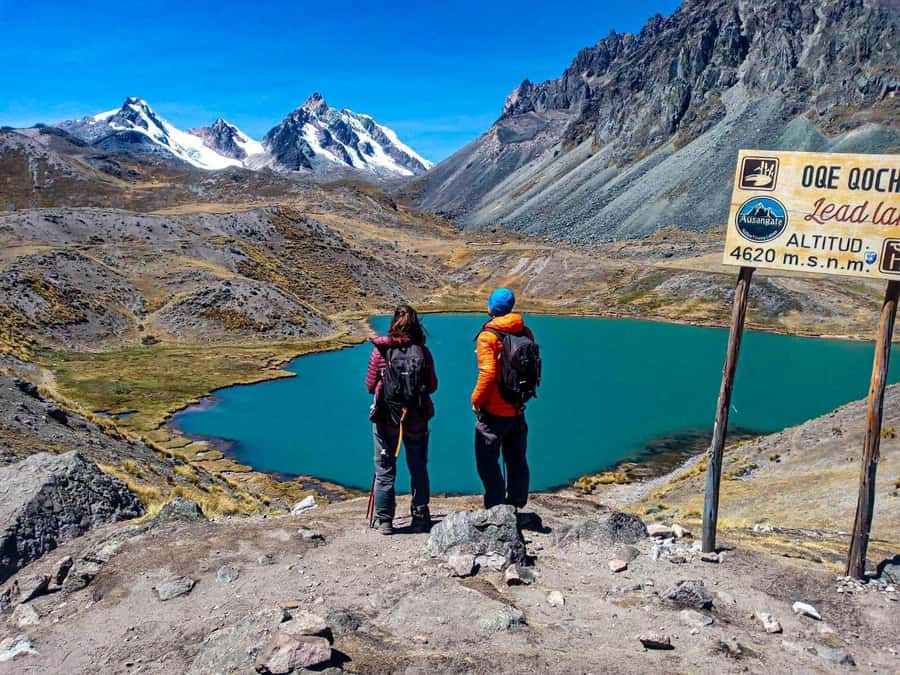
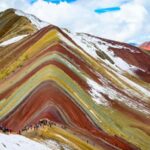
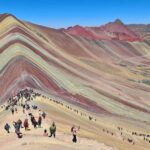
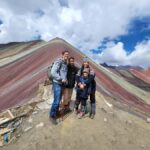
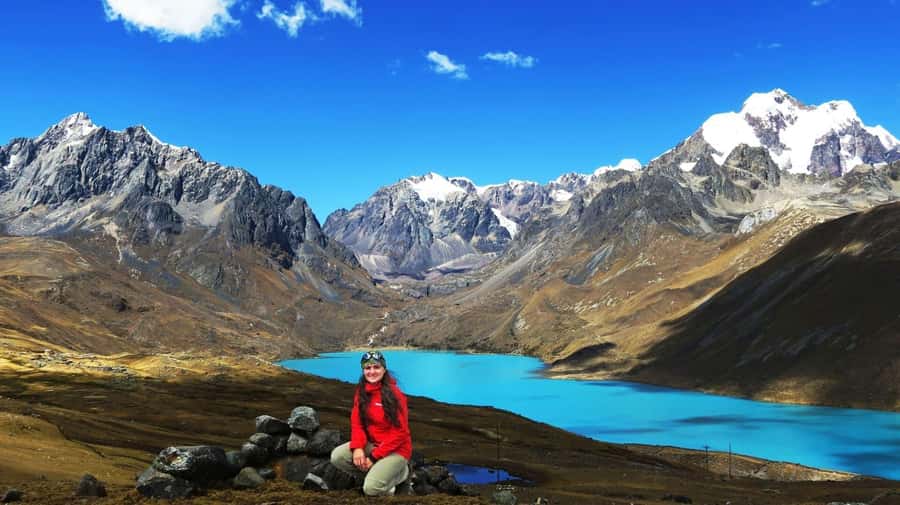
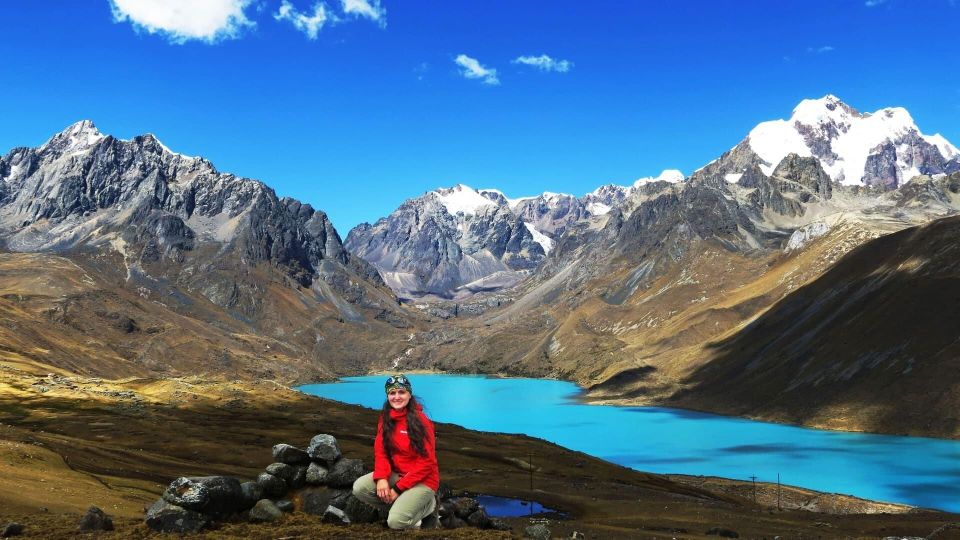
This trip is built around a simple idea: go southeast of Cusco to the base of Ausangate, then hike between water basins that look almost unreal at certain angles. The most memorable part is how the lagoons can appear in different tones—from pale blues to deeper reds—depending on light and where you’re standing.
The route uses that payoff well. You don’t just hike to one lake and call it a day. You get a viewpoint early on where you can start recognizing the set of lagoons—Laguna Superior, Otorongo Macho, Otorongo Fembra, Laguna Roja, Laguna Ccomer, Laguna Azul, and Laguna Alqa—and then you keep moving to reach more perspectives on the same “system” of water.
There’s also something grounding about being in a place that feels truly natural and not staged for sightseeing. You’ll spend your time walking in a high-mountain environment where flora and fauna typical of the area are part of the background, even when you’re focused on the colors.
You can also read our reviews of more tours and experiences in Cusco

The 4:00 a.m. start and how the timing actually works
Your day starts with hotel pickup in Cusco at 04:00 a.m. That’s not a typo. This schedule matters because daylight helps you see the lagoon colors clearly and gives enough time for two walking stretches plus lunch.
After pickup, you head toward Pacchanta, where you’ll have a restorative breakfast before you begin hiking. Then the day breaks into two walking segments:
- About 2 hours to reach a viewpoint where you can see the 7 lagoons together.
- About 3 additional hours walking afterward, covering more of the lagoon area and returning to Pacchanta for lunch.
Finally, you return to Cusco. It’s a “one-day plan” that feels active, but it’s not one long grind without structure—you get meals and you get a major view early.
If you dislike early mornings, set yourself up the night before: pack everything the night before, charge your phone/camera, and plan to be awake and ready. You’ll appreciate not starting the day while half-awake.
Breakfast in Pacchanta: fuel before the uphill grind
Breakfast in Pacchanta is more than a formality. It’s your buffer against the colder morning air and the fact that you’ll start hiking soon after. Since you’re going to spend a big part of the day walking, a real breakfast helps you keep a steady effort instead of burning out early.
This is also a good moment to organize your kit: trekking sticks, water, camera, and anything you want in reach. The trip includes trekking sticks, so you won’t need to buy or carry your own, but you’ll still want to make sure they’re comfortable for you.
One practical note: this route is not described as a gentle stroll. It’s a trekking day, so even if you feel fine at sea level, altitude + walking time can change the experience. Treat breakfast like training fuel, not just breakfast.
The viewpoint walk: seeing all seven lagoons at once
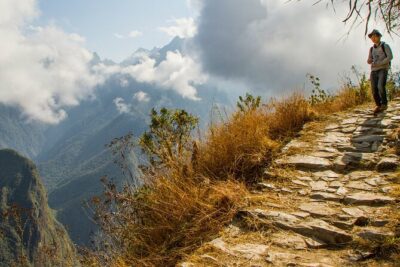
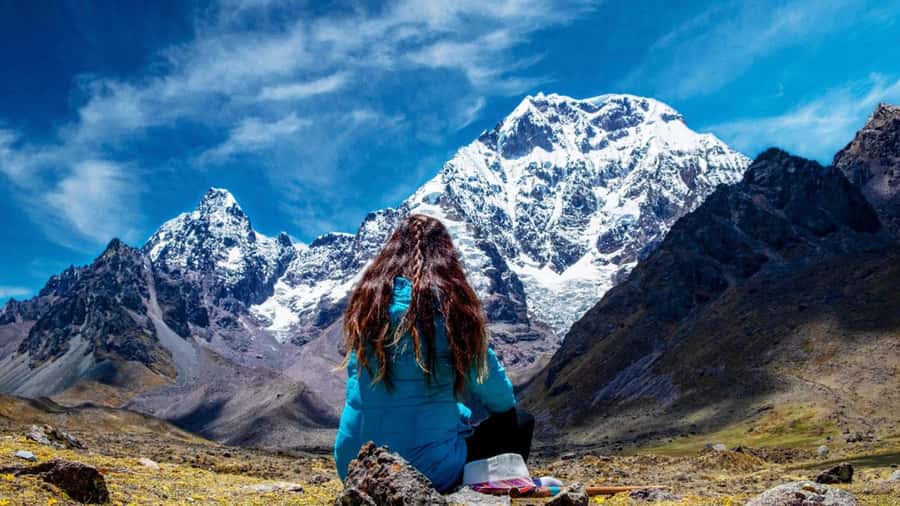
The first hike is about 2 hours to reach a viewpoint. This portion matters because it sets your mental picture. From up there, you can start mapping the lagoon names to actual sight lines—so later, when you’re nearer ground level, things make more sense.
This is also when you’ll be concentrating on the core “wow factor”: color and placement. Even if you’re not a photographer, it helps to pause often. The lagoons can look different as you shift your angle, and that’s part of the beauty of the area.
Because this is a viewpoint, expect cold mornings to feel sharper up high. Wear what you can layer quickly, and don’t wait until you’re uncomfortable to adjust. Small changes in warmth can keep your energy steady.
After the viewpoint: walking the lagoon area in stages
Once you reach the viewpoint, the day becomes a longer walk—about 3 hours—that takes you through more of the lagoon area and back toward the starting point in Pacchanta.
This is where you’ll likely notice how the lagoons don’t behave like a single pond. Different lakes can look more muted or more intense depending on sun and elevation around you. The tour’s lagoon names help you keep track of what you’re looking at—especially if you like learning as you go.
The practical challenge here is pacing. You want to keep a consistent effort so you can enjoy stops without feeling rushed. Since the day includes oxygen and a first aid kit, the tour is clearly designed with altitude and trekking realities in mind, but it still relies on you to walk safely and steadily.
If you’re prone to speeding up at the start, slow down intentionally after the first viewpoint. Save your energy. The second half is where you’ll benefit most from calm pacing.
You can also read our reviews of more tours and experiences in Cusco
Lunch in Pacchanta and the thermomedicinal hot springs option
After the longer walking stretch, you return to Pacchanta where you have lunch. Having lunch back in a populated base helps break up the physical effort and gives you a chance to warm up and refuel.
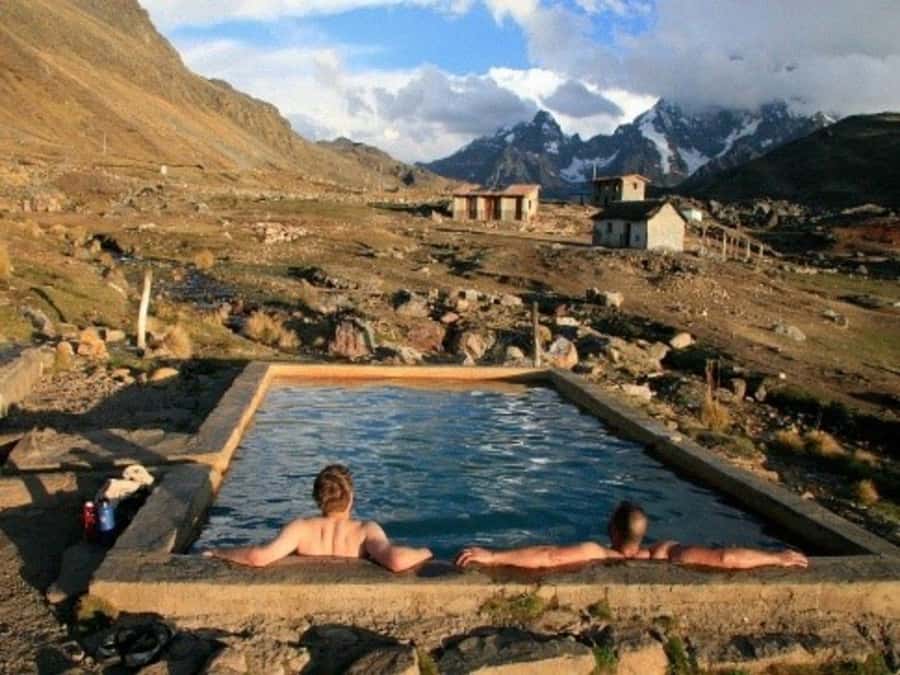
There’s also an option to visit the Pacchanta community and its thermo-medicinal waters. This can be a great way to end a cold, active trek with something restorative. One important detail: entrance tickets to the hot springs are not included, so plan on paying that separately if you choose to go.
In practical terms, I’d treat the hot springs as a bonus rather than a guarantee. It’s an option, and the fit depends on how you’re feeling and how the timing lands for your group that day.
If you do go, bring your mindset accordingly: this is not a theme park stop. It’s a functional recovery-style add-on that can make the whole day feel more comfortable.
Included extras that matter more than you think
This tour includes several items that are genuinely useful on a trekking day:
- Pickup from your hotel and round-trip transport (so you’re not figuring out logistics at dawn)
- A professional guide
- Breakfast and lunch
- Oxygen
- Trekking sticks
- A first aid kit
The oxygen and first aid kit are the big-ticket comfort/safety inclusions here. Even if you’re not sure how you’ll feel at altitude, having oxygen on hand makes the day feel more managed. The trekking sticks are another underrated inclusion because they reduce strain on knees and ankles on uneven trails.
Also, the guide component matters because a route like this is easier—and safer—when someone knows how to pace a group through high-altitude conditions and around the lagoon areas.
Price and value: is $40 a fair deal?
At $40 per person for a full day, the value comes from what’s bundled. You’re not just paying for sightseeing. You’re paying for a package that includes:
- Early pickup and transport
- Guide support
- Meals (breakfast + lunch)
- Oxygen, trekking sticks, and first aid kit
If you tried to arrange a similar day independently, the costs would likely be higher once you price out transportation, a guide, and the extra trekking support items. You also benefit from a schedule that strings together a viewpoint segment plus a second walking segment, which can be hard to recreate on your own without local knowledge.
That said, it’s not a “light and casual” tour. You’re paying for a trek day. If you don’t want to hike for several hours, then the price won’t feel like a deal—it’ll feel like you paid to walk when you wanted sightseeing with less effort.
Who this trip suits best (and who should skip it)
This is best for people who are comfortable walking and want a nature-focused Cusco day with real altitude trekking.
It’s not suitable for:
- children under 8
- pregnant women
- people with back problems
- people with mobility impairments
- people with respiratory issues
- people with low level of fitness
If you’re worried about your fitness level, be honest with yourself. The itinerary totals about 5 hours of walking, plus cold morning timing and altitude. This isn’t built for “try it and see” optimism.
If you are in decent shape and want an active day with the payoff of seeing multiple lagoons in one outing, this is a strong match.
What to bring for a high-altitude lagoon trek
Use your packing list like a checklist, not a suggestion. The tour asks you to bring:
- Passport or ID card
- Comfortable shoes and hiking shoes
- Hiking pants
- Camera
- Cash
And because this is a cold morning start with sustained walking, plan around layers even if the sun shows up later. Keep your gear simple and functional. You’ll be grateful you didn’t pack a bag that’s awkward on your walk.
Not allowed items include weapons or sharp objects, plus smoking indoors, and alcohol and drugs. It’s worth following the rules so your day stays smooth.
Languages and guiding: what you get on the trail
The live tour guide operates in English and Spanish, which is useful if you want clear explanations of what you’re seeing and how to pace the hike.
You should also know the tour includes a support rhythm: you’re picked up, transported, fed, guided on the walks, and brought back. That structure is part of why many people like this format—it’s not “you’re on your own once you arrive.”
Should you book the Cusco day trip to the 7 Ausangate lagoons?
If you want a one-day answer to the question what’s Ausangate country like?, this tour delivers. The most praised parts are the lagoons themselves and the option to soak in the thermo-medicinal waters afterward. The included gear—especially oxygen and trekking sticks—also makes it easier to say yes if you’re slightly nervous about altitude.
But don’t book if you’re looking for a relaxed stroll or if your health limits make long walking a problem. The early pickup at 04:00 a.m. plus the total walking time are not negotiable.
My simple decision rule: book this if you can handle a 5-hour trekking-style day and you want multiple lagoon views packed into one schedule. Skip it if you want low-effort sightseeing.
FAQ
FAQ
What’s the duration of the Cusco day trip to the 7 Ausangate lagoons?
It’s listed as a 1-day experience.
How early is hotel pickup?
Pickup from your hotel in Cusco is at 04:00 a.m.
Where are the lagoons located for this tour?
They’re described as being southeast of Cusco at the foot of Ausangate.
How long do you walk during the day?
The schedule includes 2 hours of walking to a viewpoint and 3 more hours walking afterward.
What are the 7 lagoons included in the route?
The tour lists these lagoons: Laguna Superior, Otorongo Macho, Otorongo Fembra, Laguna Roja, Laguna Ccomer, Laguna Azul, and Laguna Alqa.
What meals are included?
You’ll get breakfast (in Pacchanta) and lunch (back in Pacchanta).
Are hot springs included in the price?
The tour says entry tickets to hot springs are not included. Visiting the thermo-medicinal waters is an option.
What trekking support is included?
You get trekking sticks and oxygen, plus a first aid kit.
What languages is the guide available in?
The live guide is available in English and Spanish.
Is the tour suitable for people with mobility or breathing issues?
The tour lists it as not suitable for people with mobility impairments and respiratory issues, among other conditions.