REVIEW · NIGHTLIFE & PISCO TOURS
Planetarium Cusco Trip
Book on GetYourGuide →Operated by XPLORA AMERICA · Bookable on GetYourGuide
Cusco’s night sky has a plan. I love how this Planetarium Cusco visit turns Inca astronomy into something you can actually see, not just read about. The best part is the combination of an Inca-themed intro plus a sky show that makes the constellations feel personal. One thing to consider: the telescope time depends on conditions, so the stars you want might be limited by the weather.
Second, I really like the structure of the experience: you’re moved from the talk to the dome right away, and the Inca astronomy content stays focused on how the Incas interpreted the universe. If clear skies cooperate, you’ll get to use professional telescopes for close looks at real sky objects; if not, you’ll still leave with a solid mental map of the constellations.
In This Review
- Key things to know before you go
- Meeting at 5:40 p.m.: the part that makes or breaks the experience
- Inside the Planetarium: Inca astronomy in the interpretation rooms
- Dome time: the virtual sky projection that makes constellations click
- Telescope views: what you can hope for, and what weather changes
- Timing and pacing: a full 150 minutes without wasting time
- Price and value: why $43 can make sense in Cusco
- Who this tour suits best (and who should be cautious)
- What to do with the knowledge afterward
- Should you book the Planetarium Cusco trip?
- FAQ
- What time does the Planetarium Cusco trip start and end?
- Where is the planetarium located?
- How long is the tour?
- How much does it cost?
- What languages are offered?
- Is food included?
- What’s included in the price?
- What happens with telescope viewing?
Key things to know before you go
- Meet at 5:40 p.m. in central Cusco and ride a minibus to the observatory in under 20 minutes
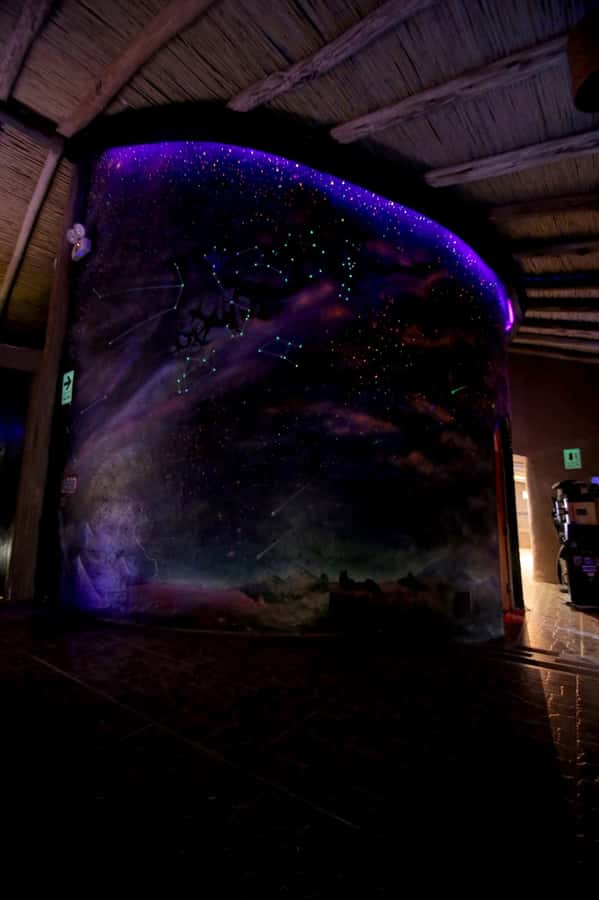
- Inca astronomy talk in interpretation rooms before you look up at anything
- Virtual sky projection over the planetarium dome so you can follow Inca constellations
- Professional telescopes get a chance during the observing window, depending on weather
- English-speaking guide + entry included in the $43 price
Meeting at 5:40 p.m.: the part that makes or breaks the experience
This trip starts with a clear meetup: 5:40 p.m. in the center of Cusco. You’ll board a minibus and head out to the Planetarium Cusco, which is less than 20 minutes away. That short transfer matters. Cusco nights can be cool, and having a quick ride means you spend more time inside doing the fun stuff and less time guessing where to go in the dark.
Because the event has a set start and a set end—back at Plaza de Armas by 7:40 p.m.—you’ll want to arrive a few minutes early. Not because you’re being rushed, but because the schedule is tight: talk first, then the dome show, then telescope time if it’s possible. If you’re even slightly late, you can lose the flow of the evening.
Practical tip: bring something for temperature swings. The sky portion is more enjoyable when you’re comfortable, and the trip is outdoors near the end depending on the observing conditions.
You can also read our reviews of more tours and experiences in Cusco.

Inside the Planetarium: Inca astronomy in the interpretation rooms
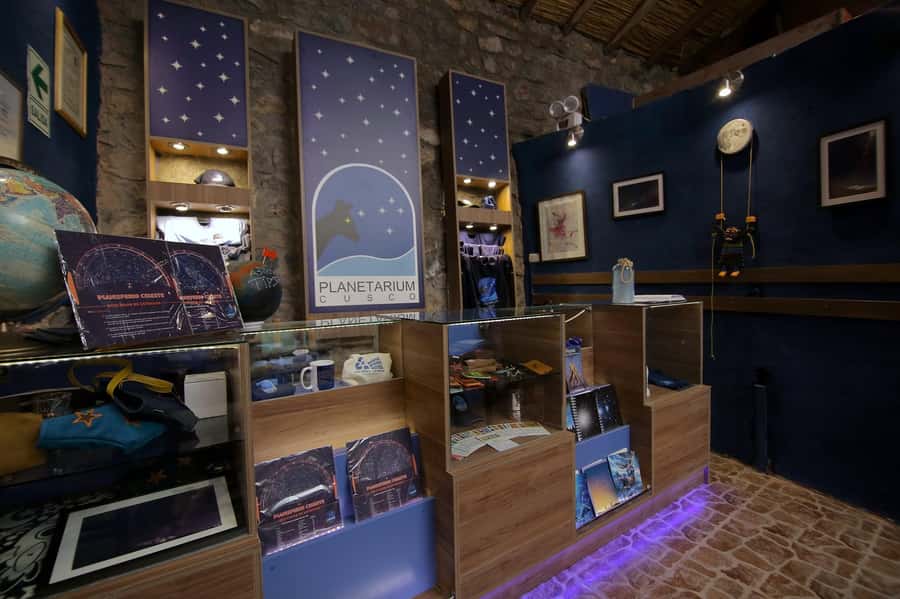
Before you’re staring at the dome, you get a guided talk on Inca astronomy in the observatory’s interpretation rooms. This is the “connect the dots” stage. Instead of treating constellations as random patterns, the talk frames what the Incas were looking at and how they connected the sky to meaning in daily life and belief.
I like this setup because it changes how you watch. When you understand what you’re looking for—even at a basic level—you notice more. You start matching the dome visuals to the ideas the guide has given you, instead of just watching a show like it’s purely entertainment.
The guide is English-speaking (and the tour also runs in Spanish), which is helpful in a place where your options for English guidance can vary. If you’re fluent in neither, you might still get plenty from the visuals, but the talk is clearly part of the value.
Dome time: the virtual sky projection that makes constellations click
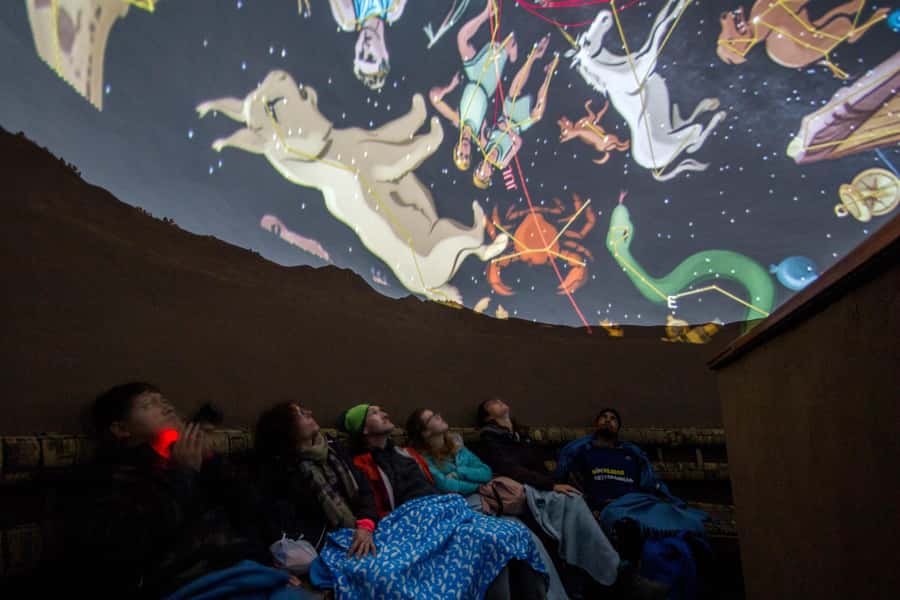
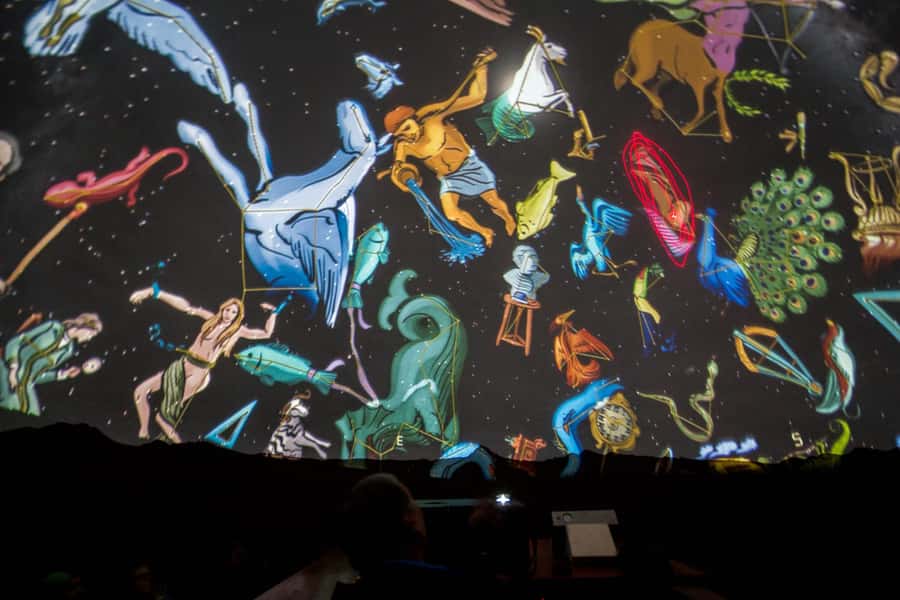
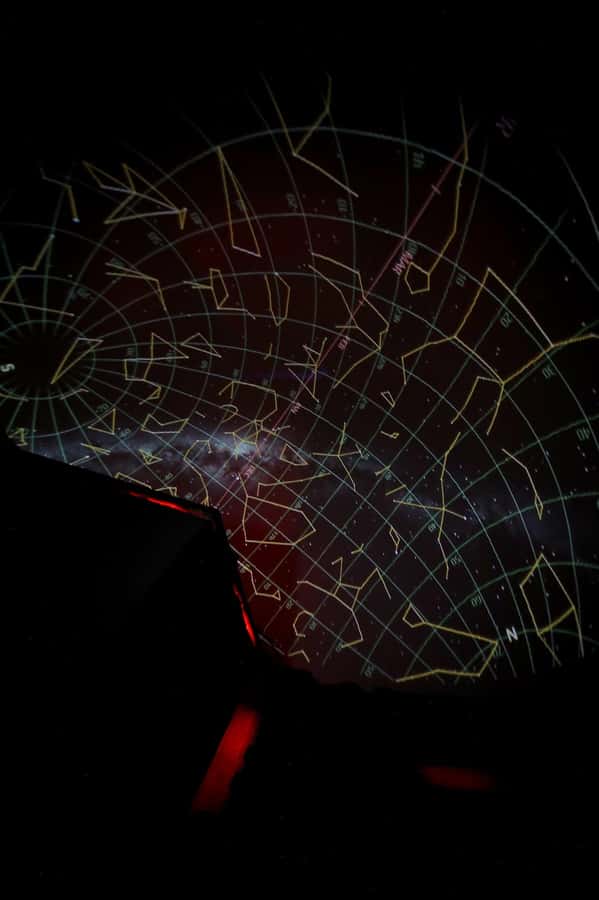
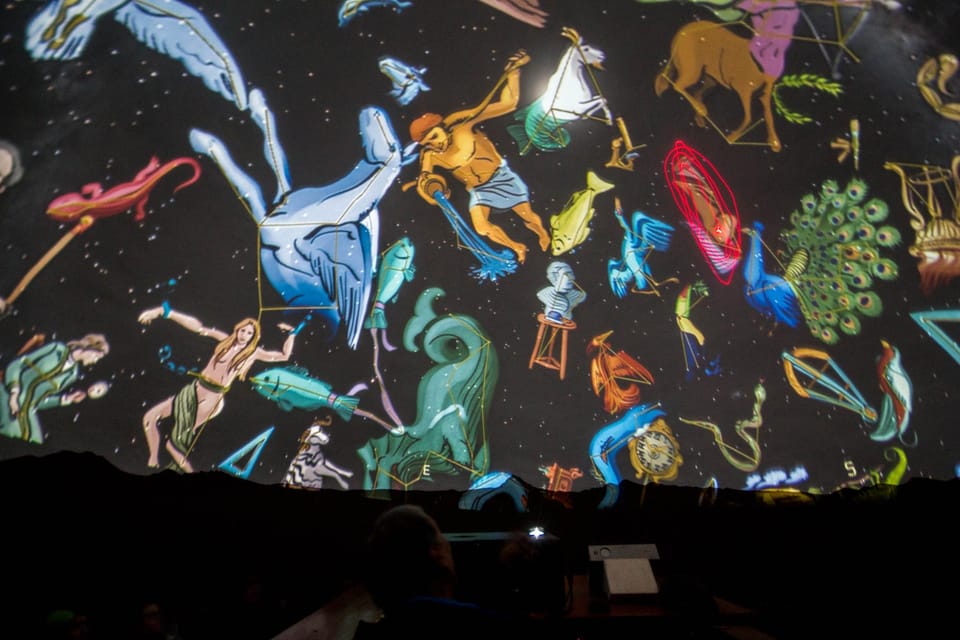
After the talk, you move to the planetarium dome for a virtual projection of the sky. This is where the tour earns its keep. Cusco is a great place for stargazing, but stargazing alone can feel frustrating if you don’t know what you’re seeing. The dome projection solves that.
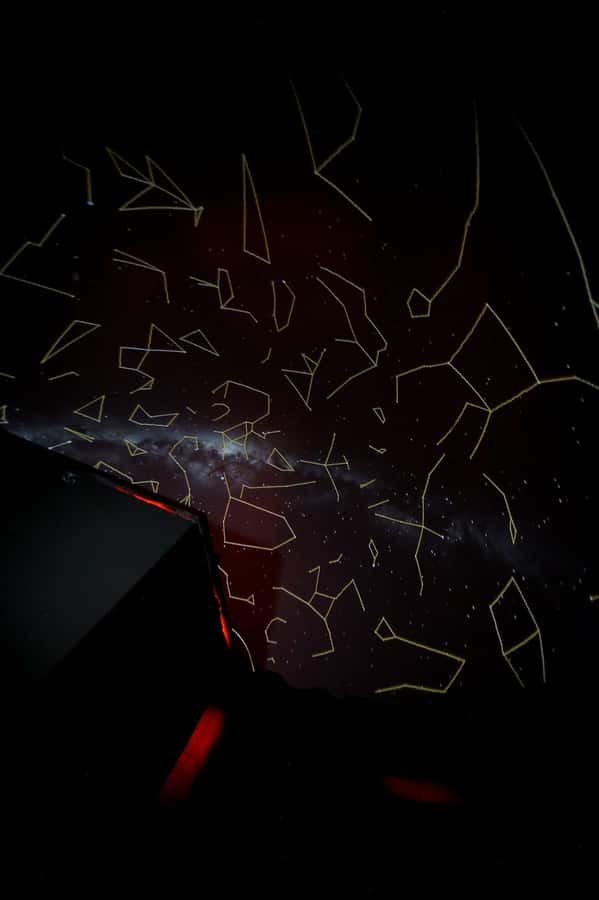
The projection is designed to show you Inca constellations, so you’re not stuck trying to map unfamiliar shapes onto a star field. You get a guided visual path, and you’re asked to keep your eyes wide open as the constellations appear and are pointed out.
For me, the dome segment is the most “skill-building” part of the night. You leave with names and patterns in your head, not just memories of darkness overhead. You’ll also be better prepared for the real sky later, because your brain will already recognize the general areas and shapes being discussed.
Telescope views: what you can hope for, and what weather changes
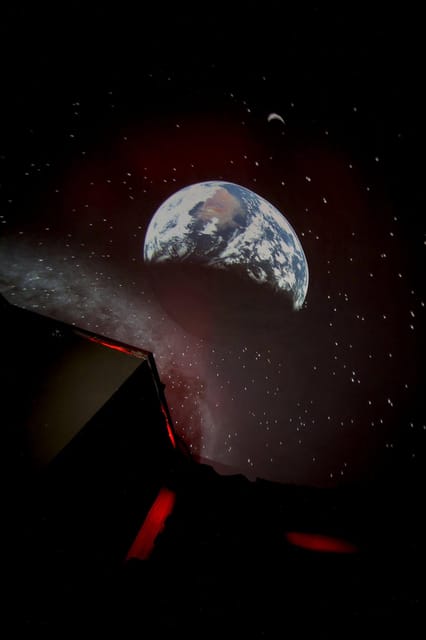
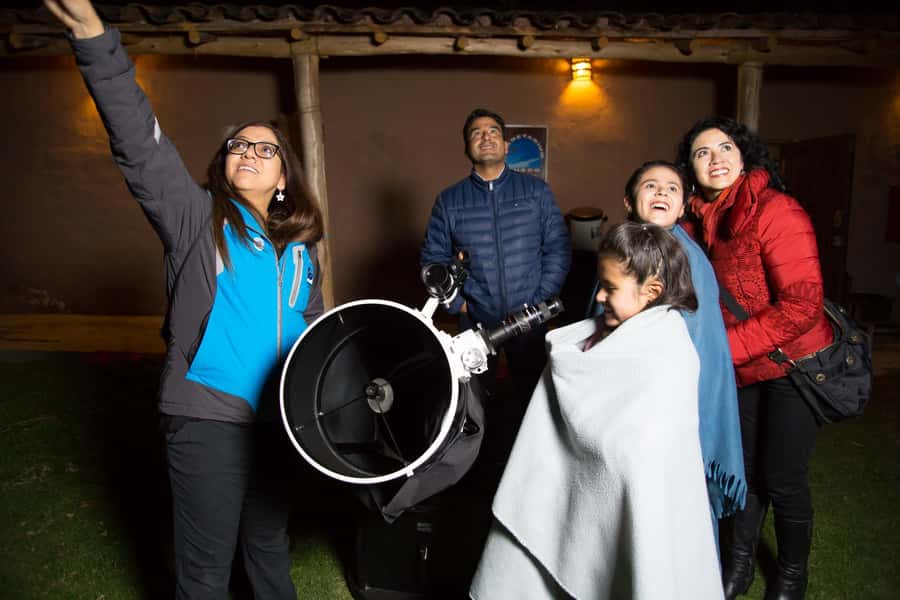
Here’s the truth: the tour includes professional telescopes, and the final observing activity is subject to weather conditions. That wording matters. It means telescope time is a bonus, not a guarantee.
If it’s clear, you’ll be using real optics for close detail, not just looking at a projection. That’s a big upgrade from a standard astronomy talk, and it’s why the evening feels more complete than a museum lecture.
If the sky isn’t cooperating, you’ll still have the dome show and the Inca astronomy talk. You just might not get the telescope view you were hoping for.
My advice: treat this as a two-part experience—dome + talk are the core, telescopes are the payoff. That mindset helps you stay happy either way, and it prevents the common letdown of expecting the sky show to automatically turn into real telescope viewing.
Timing and pacing: a full 150 minutes without wasting time
The total duration is 150 minutes. That’s long enough to feel like a real activity, but not so long that you start counting the minutes. The pacing is also logical:
1) Transfer from Cusco (short and easy)
2) Inca astronomy talk in interpretation rooms
3) Virtual projection over the planetarium dome
4) Telescope observing, if conditions allow
5) Return to Plaza de Armas by 7:40 p.m.
This timing makes the evening convenient. You’re not signing up for an all-night star party. You finish while most dinner options are still active back in town, and you can plan the rest of your night without stress.
Group timing also matters here. Your evening isn’t one long line of standing around. You move through indoor spaces in a set sequence, which keeps the experience focused and reduces downtime.

Price and value: why $43 can make sense in Cusco
The price is $43 per person, and it includes transport by minibus, an English-speaking guide, and entry to the Planetarium Cusco. Food is not included.
On its face, it’s not the cheapest thing in Cusco. But value comes from what’s wrapped into that $43. You’re paying for guidance, a structured astronomy experience, and access to the planetarium’s dome programming and professional telescopes (weather permitting). Most self-guided stargazing in the dark costs less money, but you usually pay with confusion: unfamiliar constellations and no clear way to confirm what you’re seeing.
So if your goal is to learn while you look up—without needing to be an astronomer yourself—this price can be fair. You’re buying direction. And direction is what turns stars from random dots into something memorable.
If you’re on a tight budget, skip the extras you’d normally add for the same evening. But if you want a guided, high-impact astronomy night, this is one of those “worth it” payments.
Who this tour suits best (and who should be cautious)
This experience is a strong fit if you:
- want a guided introduction to Inca astronomy
- enjoy astronomy but don’t want to struggle with star identification
- like structured learning that still ends with real sky time
It’s also a good option for people who can’t gamble on a long outdoor stargazing window. The dome projection gives you content even when conditions aren’t perfect.
A possible mismatch: if you’re only chasing the hardest telescope views and you’re the type who’s upset when weather ruins the plan. Since telescope time is explicitly weather-dependent, you should expect that reality can change.
One more consideration from the available feedback: there have been rare reports of a guide not showing up. That’s not something you can control, but you can manage your risk by arriving on time at the 5:40 p.m. meeting spot and keeping your confirmation information handy.
What to do with the knowledge afterward
The best souvenirs aren’t only photos. Here, the goal is to walk away knowing how to recognize what you saw.
After the tour, take a moment back in town to think about:
- which Inca constellations were explained to you
- how the dome patterns matched ideas from the talk
- whether you want to re-look at the sky that night with your new mental map
Even a basic understanding can transform the sky. Cusco is good for that because the night sky feels close and dramatic. With your dome projection knowledge, you’ll spot familiar shapes faster.
And if you plan any additional stargazing—whether near your hotel or during a separate tour—your best move is to go in with a few names in mind. That’s how you get real learning instead of random staring.
Should you book the Planetarium Cusco trip?
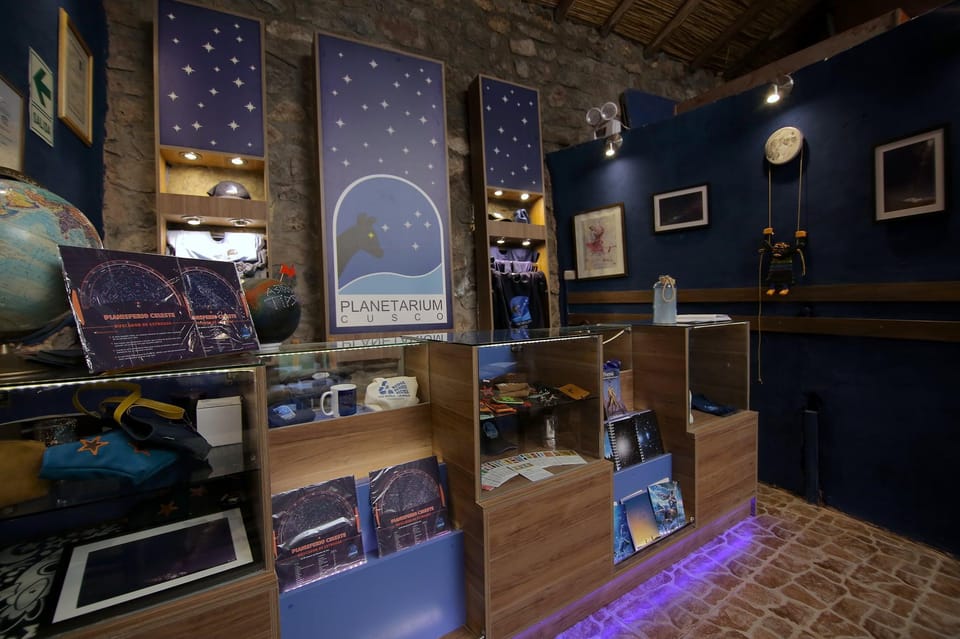
If you want an evening that combines Inca astronomy, a dome projection that teaches constellations, and a possible telescope viewing window, I’d say it’s a smart booking. The structure is efficient, the price includes transport and entry, and the experience is designed so you aren’t guessing what you’re seeing.
Book it especially if you’re in Cusco for a short time and want one night that feels educational without being dry. If weather is a big concern for you, keep expectations flexible: the dome show and talk are the core, and telescopes are the upgrade when the sky cooperates.
If you’re the type who needs zero uncertainty, you might look for other astronomy options with different formats. But for most people, this is a practical, guided way to connect to Cusco’s sky.
FAQ
What time does the Planetarium Cusco trip start and end?
You meet in the center of Cusco at 5:40 p.m. and return to the Plaza de Armas by 7:40 p.m.
Where is the planetarium located?
The Planetarium Cusco is less than 20 minutes from the center of Cusco, reached by minibus.
How long is the tour?
The duration is 150 minutes.
How much does it cost?
The price is $43 per person.
What languages are offered?
The live tour guide is available in English and Spanish.
Is food included?
No. Food is not included.
What’s included in the price?
The price includes transport by minibus, an English-speaking guide, and entry to the Planetarium Cusco.
What happens with telescope viewing?
Using the planetarium’s professional telescopes is subject to weather conditions.