REVIEW · HIKING & TREKKING
Cusco: 4-Day Salkantay Trek to Machu Picchu, Panoramic Train
Book on GetYourGuide →Operated by TreXperience · Bookable on GetYourGuide
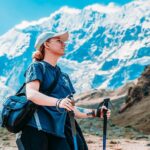
The Andes wake you up early. This 4-day Salkantay trek from Cusco brings you to Humantay Lake and Machu Picchu with a comfort-first twist: glamping and huts so you can focus on walking, not suffering.
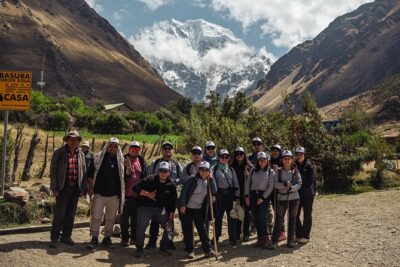
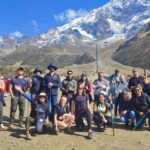
I like that the day-to-day rhythm feels built for real hikers—early starts, clear meal stops, and enough structure that you’re never guessing what comes next. I also like the small group size (up to 16), which makes the guide-to-you ratio feel human instead of rushed.
I love how the trip is organized around altitude and energy, with guides like ALEX and Filio praised for staying calm, explaining what you’re seeing, and pacing the group thoughtfully. Chef teams such as FELIX and Zenobio are repeatedly mentioned for filling, freshly cooked trail food that keeps you steady on the hard sections.
One possible drawback: the second-night Andean hut stay can be basic, and there are reports about things like extra cost for a warm shower. If you’re picky about bathrooms, go in with realistic expectations and pack for practical solutions.
In This Review
- Key highlights to know before you go
- The big idea: hike Salkantay to Machu Picchu, then ride the rails back in style
- Day 1: Cusco pickup, Humantay Lake, and SalkaGlamp Basecamp
- Practical takeaway for Day 1
- Day 2: The Salkantay Pass push to 4,630 m, then cloud forest to Collpapampa
- A real consideration: hut conditions
- Day 3: Pachamanca at Lucmabamba, coffee you make yourself, then Hidroeléctrica to Aguas Calientes
- Day 4: Sunrise timing at Machu Picchu, guided citadel highlights, then the panoramic train home
- Comfort and sleep setup: what glamping, huts, and a 3-star hotel really mean
- Food, coffee, and the cultural stops that make the miles feel worth it
- Included logistics and safety tools you can plan around
- Price and value: is $552 reasonable for a full Cusco-to-Machu Picchu package?
- Who should book this Salkantay trek with TreXperience, and who should skip it
- Should you book?
- FAQ
- What’s the duration of the tour?
- Where does pickup happen in Cusco?
- What’s the highest point on the trek?
- Are meals included during the trek?
- Is the last day lunch included?
- What lodging do I get during the trip?
- How do I get back to Cusco after Machu Picchu?
- Are Machu Picchu tickets included?
- Do I need a sleeping bag or trekking poles?
- Is this tour refundable?
Key highlights to know before you go
- Salkantay Pass at 4,630 m: the high point with big mountain views before a long descent
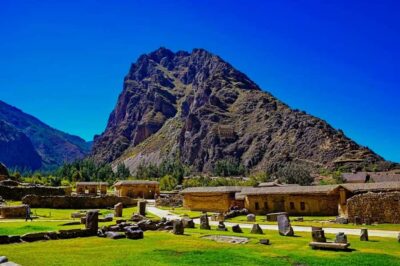
- Humantay Lake first, not last: turquoise water and iconic Inca-era scenery on Day 1
- Pachamanca + coffee farm stop: a traditional underground-cooked meal and hands-on espresso time
- Huts + glamping, not just tents: glamping on Day 1, Andean huts on Day 2, then a 3-star hotel
- Machu Picchu timing and guide: early bus, guided visit for 2–3 hours, then train back to Cusco
The big idea: hike Salkantay to Machu Picchu, then ride the rails back in style
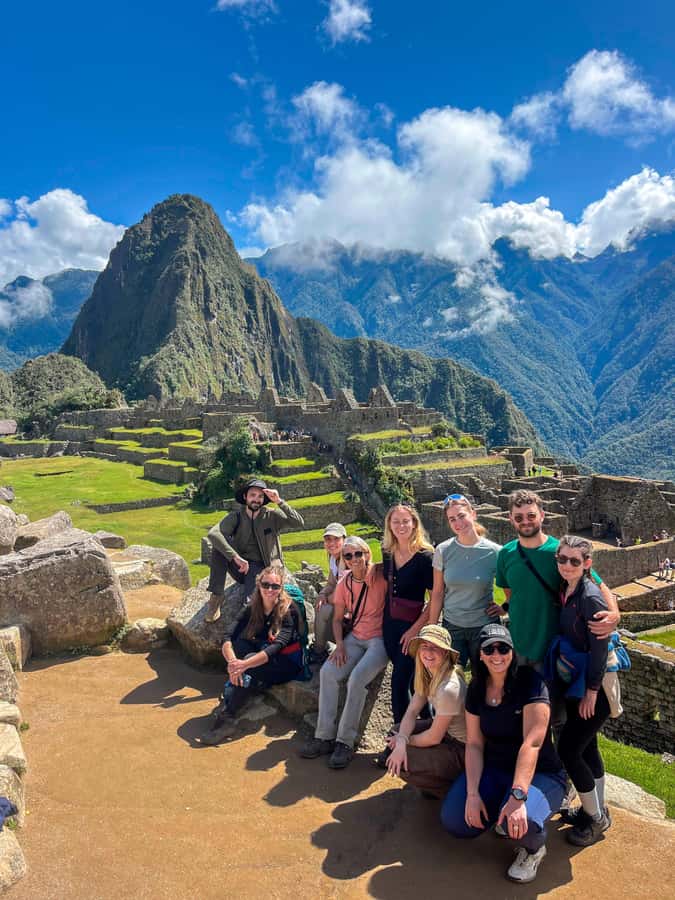
This is a classic route with a smarter finish. You walk from the Cusco area through high passes and down into cloud-forest scenery, then you get the Machu Picchu experience with guided timing and a scenic train ride back. The mix of trails plus comfort stops is what makes it more doable than the fully rough version of the Salkantay trek.
What you’re really buying here is less decision fatigue. Tickets, transport, and meal planning are handled. Your job is to show up with good shoes, stay hydrated, and pace yourself on the big altitude days.
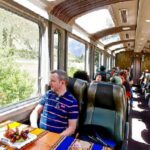
And yes, the train part matters. The Vistadome or 360° panoramic train gives you that slow, rewarding “I made it” moment after a strenuous trek, instead of jumping straight back into a chaotic travel day.
You can also read our reviews of more hiking tours in Cusco
Day 1: Cusco pickup, Humantay Lake, and SalkaGlamp Basecamp
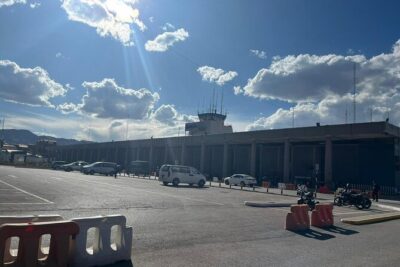
Your day starts before the city fully wakes up. You’ll get a hotel pickup in Cusco’s historic center at 4:30 a.m., then ride through Andean valleys toward the trail start.
Morning includes a break for breakfast in the Mollepata area, which is a small thing, but it sets the tone. When you eat early and correctly, Day 1 feels less like a scramble.
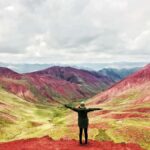
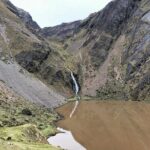
Then comes Humantay Lake. You’ll hike toward that turquoise lake with mountain views, which is one reason so many people remember Salkantay even if they later forget the exact names of every ridge. The lake is also a good introduction to what the trek demands: you’ll feel the altitude, but it’s not the Day 2 wall yet.
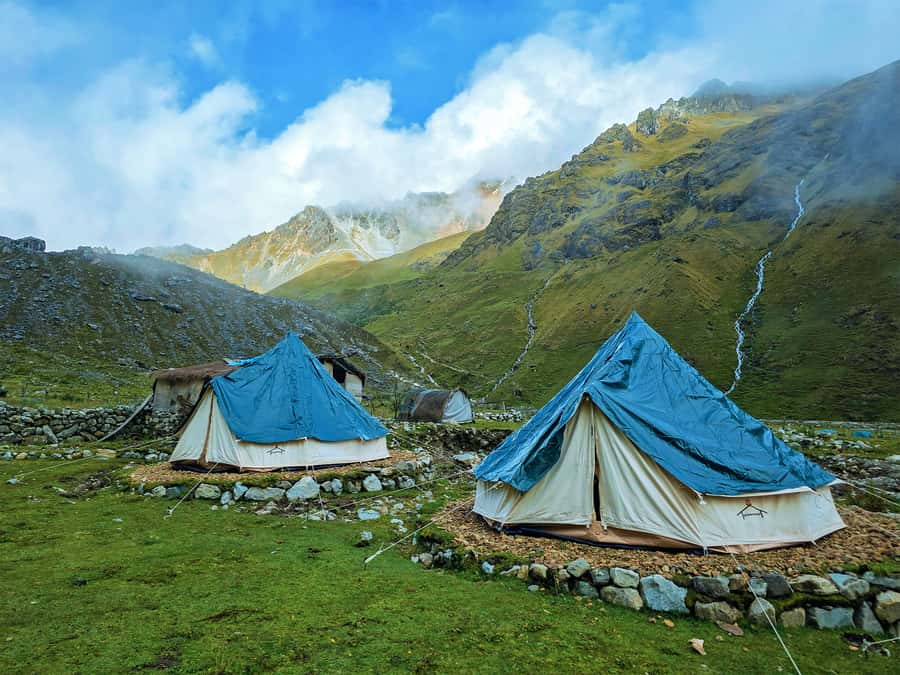
After that, the plan continues down toward lunch around Soraypampa, and then on to the Salkantaypampa glamping camp. That glamping stop is more than a marketing word. You’ll have cozy tents, dinner, and a peaceful night under the Andes—exactly what you need after long walking hours and steep terrain.
Practical takeaway for Day 1
- Start the day dry and clean: fresh layers help when you shift from valley warmth to mountain cold.
- Keep your pace steady on the lake hike. It’s pretty, but you’re still training your lungs for later.
Day 2: The Salkantay Pass push to 4,630 m, then cloud forest to Collpapampa
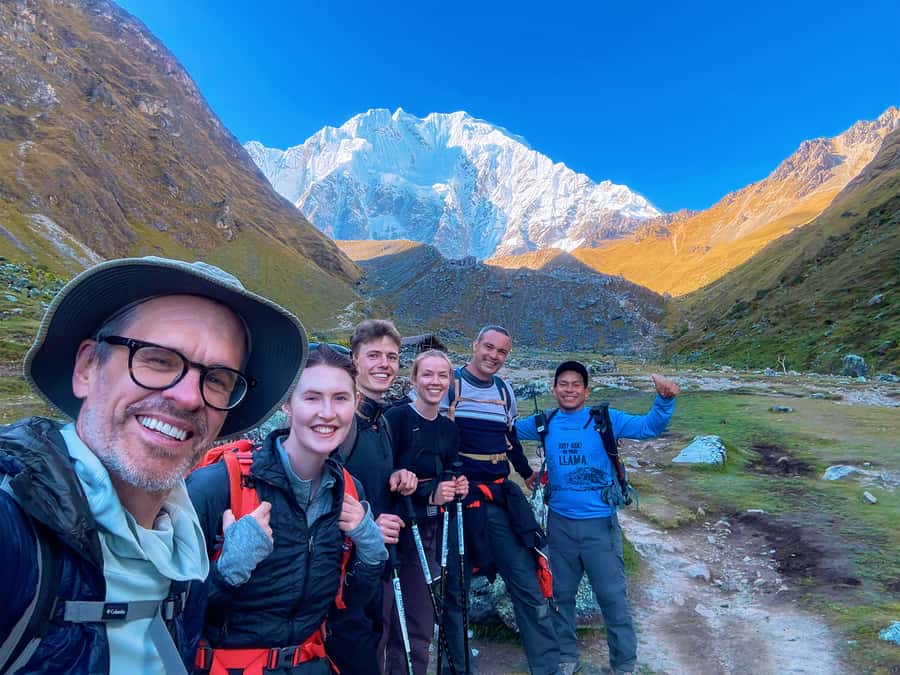
This is the day that earns the name of the trek. You wake up at camp with coffee or coca tea served at your tent, then eat breakfast and begin a 2-hour ascent toward the Salkantay Pass (4,630 m / 15,190 ft).
At altitude, the goal is simple: don’t race. The pass isn’t just about distance—it’s about breathing efficiency. The good news is you’re not hiking in total uncertainty. The trip is set up with organized stops and timing, and guides are repeatedly noted for keeping the group informed and adjusting when needed.
After the pass, you descend for about three hours toward Wayracmachay for lunch. This is where the scenery often shifts in a way you’ll feel in your body. The air changes. The ground changes. Your legs get a workout, but your lungs often get a tiny break as you lose elevation.
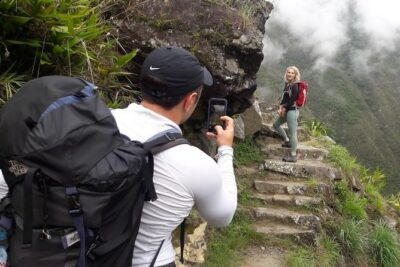
Then you hike another three hours into the cloud forest, with flowers, orchids, and hummingbirds mentioned as part of the experience. This contrast is a huge part of the Salkantay magic: you go from high, dramatic peaks to a greener world that feels almost like a different planet.
By evening, you arrive in Collpapampa, where you sleep in cozy Andean huts. This is your “rest and recover” night, and the overall trip structure makes that recovery matter.
A real consideration: hut conditions
Some past trips have had concerns about the second-night facilities, including reports about sanitation or extra costs tied to a warm shower. That doesn’t mean the camp is unusable, but it does mean you should pack expectations that are practical, not hotel-level.
If you want, you can bring a few comfort add-ons (like a small towel and tissues) so the basic setup still feels manageable.
You can also read our reviews of more tours and experiences in Cusco
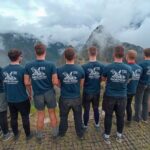
Day 3: Pachamanca at Lucmabamba, coffee you make yourself, then Hidroeléctrica to Aguas Calientes
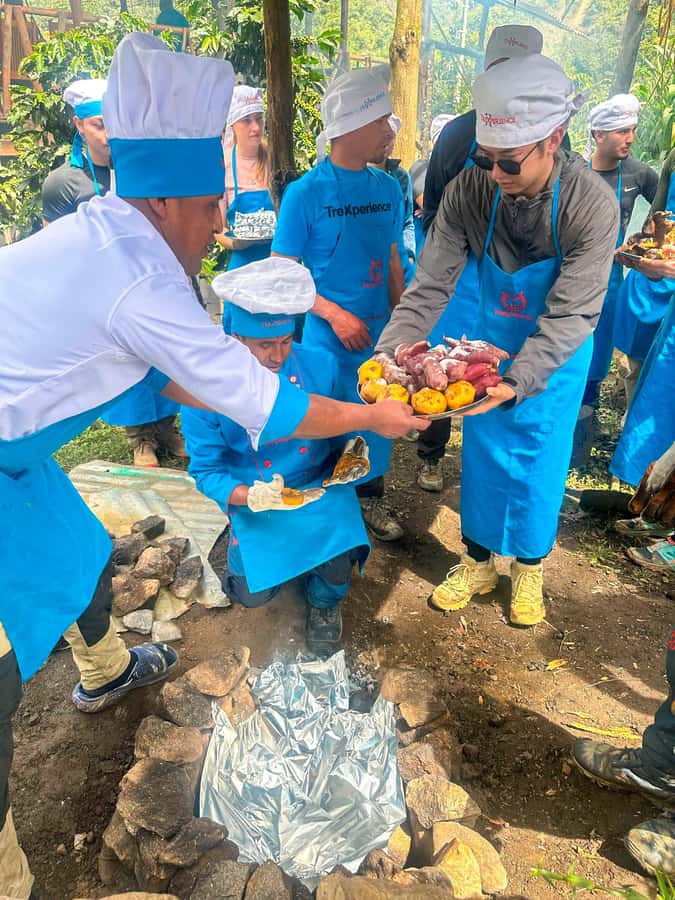
Day 3 is the “culture + momentum” day. You begin with breakfast, then hike for about three hours to Lucmabamba.
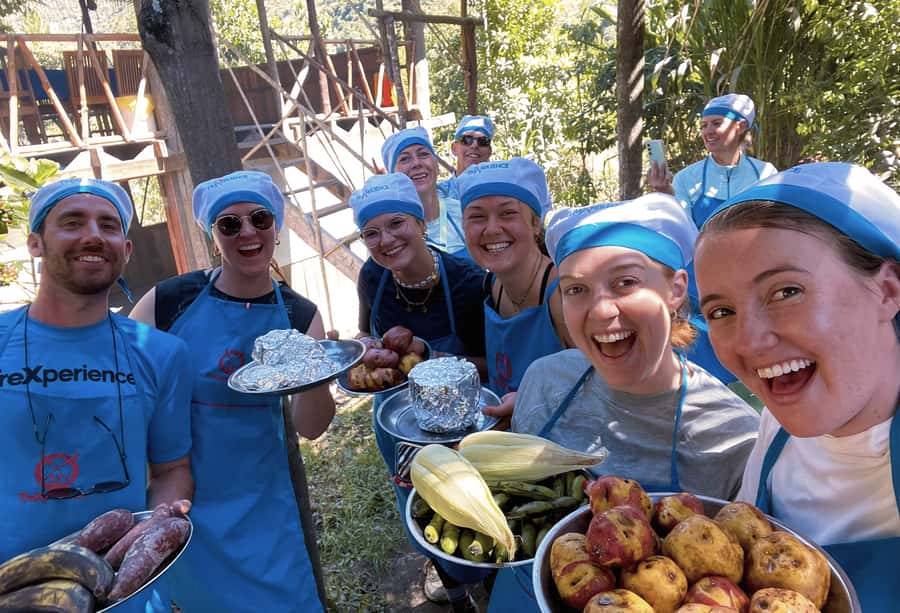
Here’s the standout cultural stop: a traditional Pachamanca barbecue. Pachamanca is cooked using hot stones underground, and the meal includes vegetables, fruits, and meats slow-cooked in that earthy way. It’s not just food. It’s a break from trekking where the effort turns into something you actually taste and remember.
Right after that, you visit a local coffee farm. The experience includes learning the process from bean to cup and then preparing your own freshly brewed espresso. Even if you’re not a coffee nerd, this is a great “hands-on” moment that keeps the day from being purely logistical.
Later, you drive to Hidroeléctrica, then hike around three hours to Aguas Calientes. This is one of the legs that can feel long because you’re combining transport plus walking, but it’s also a natural ramp toward Machu Picchu day.
Once you arrive, you check into a 3-star hotel in Aguas Calientes and enjoy dinner at a local restaurant. Then you rest, because you’ll want your legs and brain ready for early Machu Picchu access.
Day 4: Sunrise timing at Machu Picchu, guided citadel highlights, then the panoramic train home
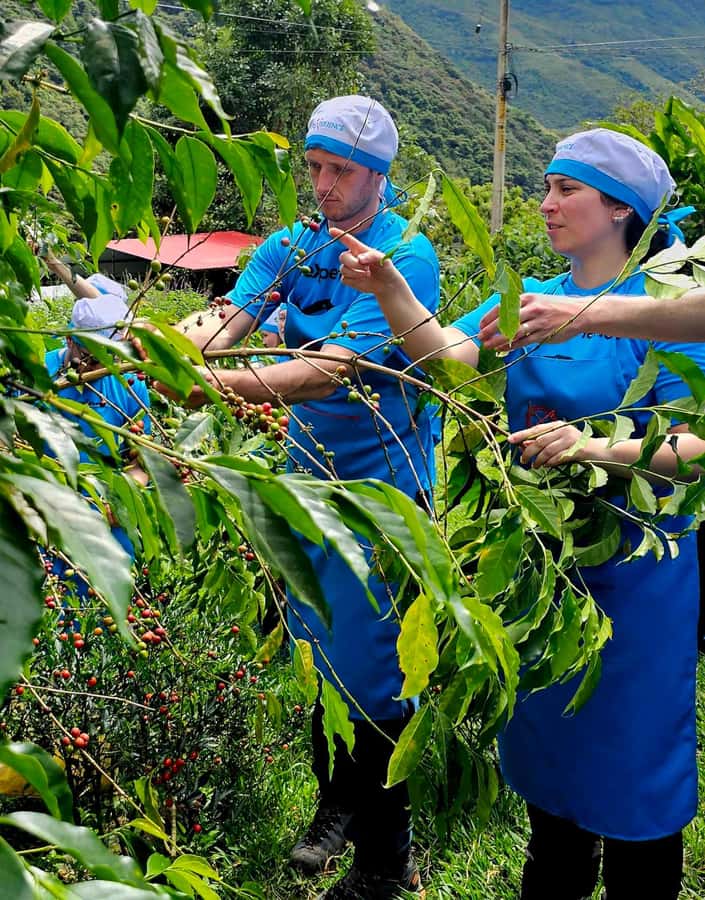
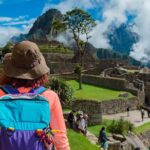
Machu Picchu day runs on early energy. You’ll rise early to catch one of the first buses to the site, then watch sunrise over the surrounding mountains.
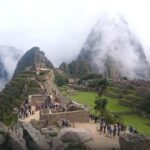
You’ll get a guided exploration of the citadel for 2–3 hours. A good guide changes everything here. You don’t just look at stones—you start linking structures to the reasons they were built, the routes people walked, and the meaning behind the layout. This is where guides like Jose and Evangelino have been noted for answering questions and offering careful group support.
After your visit, you return to Aguas Calientes for lunch (not included). Then comes the reward: the scenic ride back to Cusco on the Vistadome or 360° panoramic train.
This train isn’t just transportation. It’s a moving viewing platform after intense hiking. And the final transfer back to your Cusco hotel is included, so you don’t have to figure out the last mile when you’re tired.
Comfort and sleep setup: what glamping, huts, and a 3-star hotel really mean
The comfort level here is a balancing act between authentic trekking and not being miserable the whole time.
- Night 1: glamping at Salkantay Camp
You’ll get a tent setup plus practical gear like a pillow and sleeping pad, plus a rain poncho and hand towels. This matters because cold nights and wet weather can drain you fast on a trek.
- Night 2: Andean huts at Collpapampa
Expect simple conditions. Comfort depends on the specific camp setup, and some past feedback has flagged issues with hygiene or warm shower fees. If you’re traveling from a place where clean bathrooms are automatic, you should adjust your mindset here.
- Night 3: 3-star hotel in Aguas Calientes
This is the “real bed” night in the middle of a trek that keeps moving. Breakfast is included, and you’ll have a proper base before Machu Picchu.
If you’re the type who packs carefully and likes a plan, you’ll probably find this combo fair. If you need predictable luxury at every stop, you may feel annoyed on Night 2.
Food, coffee, and the cultural stops that make the miles feel worth it
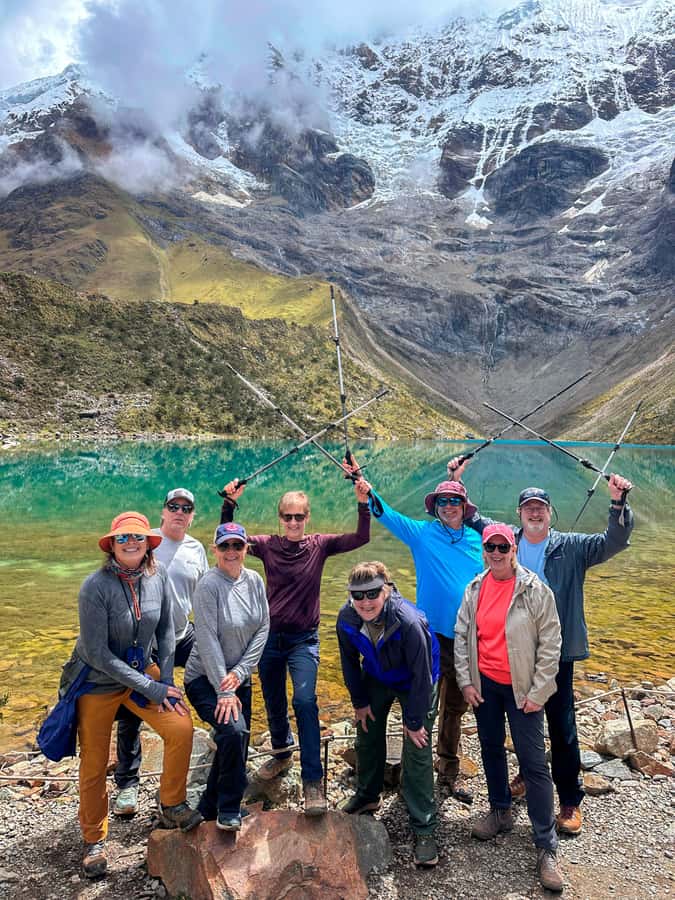
Trail food is a big deal on Salkantay. If meals are bland or poorly timed, the whole trek feels harder than it needs to be.
This trip includes all meals on the trail: 3 breakfasts, 3 lunches, and 3 dinners, plus water and daily snacks. That means you’re not hunting for food at the wrong moment or worrying about whether you’ll find anything edible along the route.
Two cultural experiences matter most:
- Pachamanca barbecue at Lucmabamba
It gives you a grounded, local reset on Day 3. Slow-cooked underground food tastes like effort turned into reward.
- Coffee experience at the farm
You learn the process from bean to cup, then brew your own espresso. You end the trek day with a small memory you can take home: the smell of freshly made coffee, not just the photos.
And from guide feedback, the food isn’t only quantity. There’s consistent praise for chefs cooking hearty meals with enough variety to keep you from feeling like you’re eating the same plate for days.
Included logistics and safety tools you can plan around
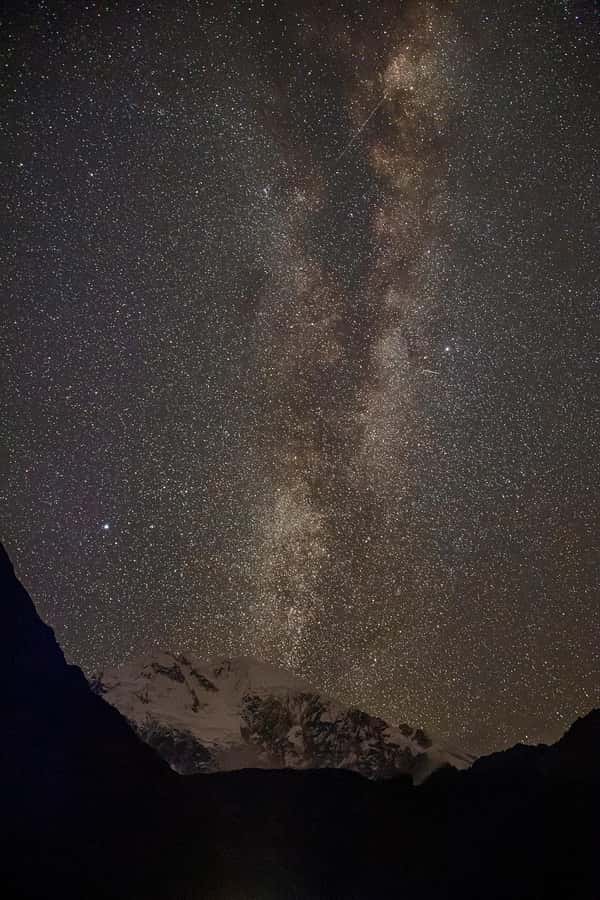
This route is busy, and you’ll feel it. The best part is that key parts are already handled:
- Entrance tickets for the trek and Machu Picchu, with a professional guide
- All transportation and transfers, plus return on the train
- A group size limited to 16 participants
- A safety briefing one day before departure
- On-the-ground safety support with a satellite phone, first-aid kit, and an oxygen tank
Also nice: you get a duffle bag (up to 7 kg / 11 lb) for personal belongings, plus key items like a rain poncho, sleeping pad, and pillow. You still need to bring your own day-to-day hiking stuff like shoes, sunscreen, and a hat, but you don’t have to travel as if you’re packing for camping in the wilderness.
One detail to remember: Day 4 lunch in Aguas Calientes is not included. So bring a bit of cash for that last meal.
Price and value: is $552 reasonable for a full Cusco-to-Machu Picchu package?
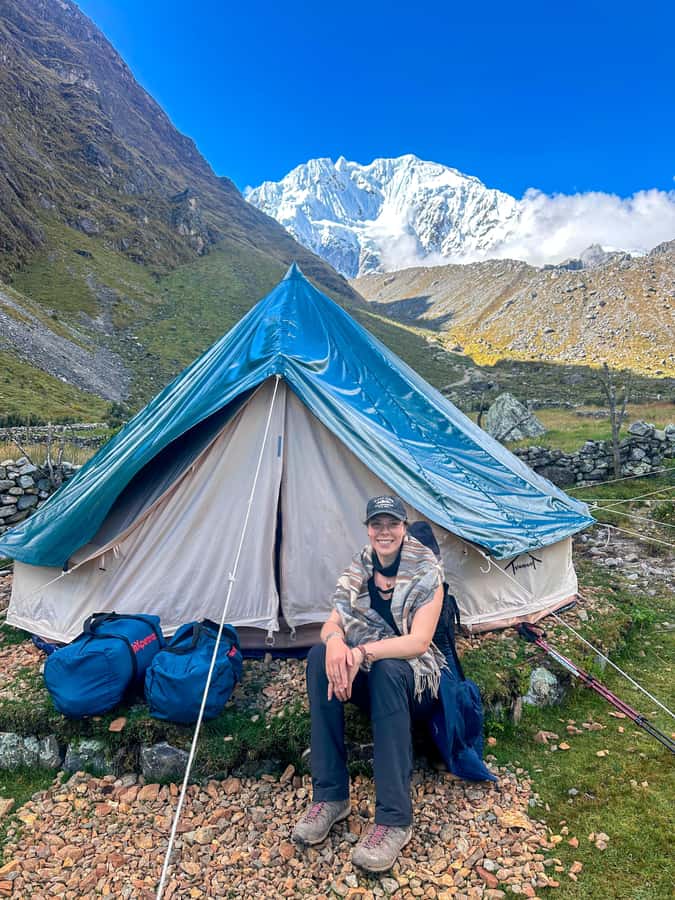
$552 per person sounds specific because it is. You’re paying for more than a hike: you’re paying for the whole system—guides, tickets, transport, two nights of structured lodging (glamping plus huts), one hotel night, and meals.
If you tried to piece everything together yourself, the cost often creeps up fast. Machu Picchu access, guided time, train selection, and coordinating the trek logistics would each take time and planning. Here, you’re buying relief from that.
Where value depends on you is Night 2 comfort. Some people are totally fine with basic hut setups; others are less tolerant. If you know you’ll be bothered by sanitation issues or extra shower fees, that should factor into your decision.
But if you like structure, want food covered, and want the convenience of a guided Machu Picchu visit plus panoramic train return, this price can feel fair.
Who should book this Salkantay trek with TreXperience, and who should skip it
This tour suits you if you want:
- A 4-day trek that hits Salkantay Pass, Humantay Lake, and Machu Picchu
- A small group experience and a guided Machu Picchu visit for 2–3 hours
- Meals handled end to end and practical comfort upgrades like glamping and a 3-star hotel night
You should skip it if you fall into the tour’s not-suitable categories:
- Pregnant women
- People with back problems
- People with mobility impairments
- People with heart problems
- Wheelchair users
Also, be honest with yourself about your hiking comfort. This route includes high altitude at 4,630 m plus long hiking days with ascent and descent.
A final note: the tour follows strict rules like no alcohol and drugs, no smoking, no weapons or sharp objects, and no littering. It’s meant to stay respectful and safe in the mountains and around sacred sites.
Should you book?
I’d book this trek if you want a well-planned route that still feels real: pass day on Salkantay, Humantay Lake for early wow-factor, Pachamanca and coffee for local flavor, then Machu Picchu guided timing plus a scenic return train.
I wouldn’t book it if you’re counting on consistently nice bathrooms in the huts, or if you need predictable comfort at every overnight stop. Night 2 is the gamble.
If you do book, protect yourself with basics: solid hiking shoes, rain gear, sunscreen, sunglasses, a hat, and a calm pace on the pass. If you handle that, this is one of the best ways to get from Cusco to Machu Picchu without turning your vacation into a spreadsheet.
FAQ
What’s the duration of the tour?
It’s a 4-day experience, with availability and starting times depending on the dates you choose.
Where does pickup happen in Cusco?
Pickup is included from your accommodation in Cusco’s Historic Center. You should be in the hotel lobby about 10 minutes before the scheduled pickup.
What’s the highest point on the trek?
The highest point is the Salkantay Pass at 4,630 m / 15,190 ft on Day 2.
Are meals included during the trek?
Yes. The tour includes 3 breakfasts, 3 lunches, 3 dinners, plus water and daily snacks.
Is the last day lunch included?
No. Lunch on the last day in Aguas Calientes is not included.
What lodging do I get during the trip?
You’ll sleep 1 night in glamping tents at Salkantay Camp, 1 night in Andean huts at Collpapampa, and 1 night in a 3-star hotel in Aguas Calientes with breakfast.
How do I get back to Cusco after Machu Picchu?
You return to Cusco by the Vistadome or 360° panoramic train, and transfers back to your hotel are included.
Are Machu Picchu tickets included?
Yes. Entrance tickets for Machu Picchu are included, and Machu Picchu access follows the included circuit. Huayna Picchu tickets are not included and must be booked ahead.
Do I need a sleeping bag or trekking poles?
A sleeping bag and trekking poles are not included (trekking poles can be rented). An air mattress is also not included, and you should plan accordingly.
Is this tour refundable?
No. The activity is listed as non-refundable.
If you tell me your travel month and fitness level (beginner / intermediate / strong hiker), I can suggest what to prioritize packing for altitude and weather on these specific days.