REVIEW · MANU JUNGLE TOURS
Amazonas Manu Cultural Zone 4 Days / 3 Nights
Book on GetYourGuide →Operated by Exploor Trip E.R.L · Bookable on GetYourGuide
Parrots feed where the clay is alive. I love the parrot clay lick at dawn and the cloud-forest bird walks, and you get real jungle time with night excursions. One thing to consider: this trip starts early (pickups around 5:30–6:00 AM) and includes long road-and-boat transfers, so it’s not for lazy mornings.
I also like how practical the operation is: small group size (up to 15), guides with binoculars and telescopes, and safety gear included. You’ll sleep in a lodge setup that can include private bathrooms/showers, plus there’s a camping experience in Pilcopata for that more hands-on jungle feel.
If you want guided nature time that focuses on animals, birds, and plant life rather than rushed stops, this fits well. It’s a solid wildlife-and-wild-Peru adventure for travelers who can handle early mornings and getting a bit damp.
In This Review
- Key things I’d plan around
- Cusco to Ajanaco (3500m): the Andes-to-jungle switch
- Cloud forest birding: orchids, heliconias, and bird-scans that matter
- Pilcopata camping: why one night in the wild is worth it
- Atalaya to the lodge: boat time, optional river fun, and real immersion (the good kind)
- Watchtower and Machuhuasi Lagoon: wildlife spotting with the right pacing
- Parrot clay lick at dawn: the show that feels scientific and alive
- Ceiba and the jungle trail: thick trees, quiet attention, and more night wildlife
- Returning to Cusco: trails, river views, and that last wildlife scan
- Price and value: what $430 covers that you’d otherwise pay for
- Who this trip fits best
- Should you book this Amazonas Manu Cultural Zone 4 Days / 3 Nights?
- FAQ
- What time is pickup in Cusco?
- How big is the group?
- What languages do the guides speak?
- Are meals included, and can you accommodate dietary restrictions?
- What kind of lodging and bathrooms are included?
- What’s included in the price, and what’s not?
Key things I’d plan around
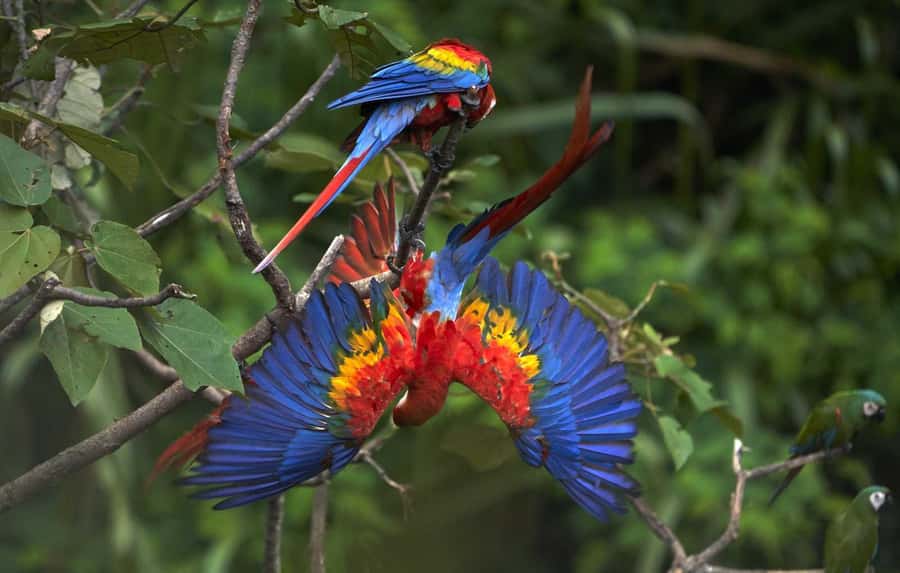
- Parrot clay lick at dawn: watch the birds feed on a nutrient-rich wall, with guides helping you spot details.
- Cloud forest descent from Ajanaco (3500m): orchids, heliconias, ferns, and possible big-name birds.
- Atalaya transfers: a bus ride plus a boat crossing that can include swimming and even mud bath time.
- Machuhuasi Lagoon / Cocha Maravilla: raft time with the chance to see monkeys, reptiles, dwarf caimans, capybaras, and tapirs.
- Ceiba trail and watchtower time: look for the tallest and thickest tree (ceiba) and scan the canopy from higher ground.
- Night walks twice: one focused on general wildlife sounds, another geared toward insects, amphibians, and snakes.
Cusco to Ajanaco (3500m): the Andes-to-jungle switch
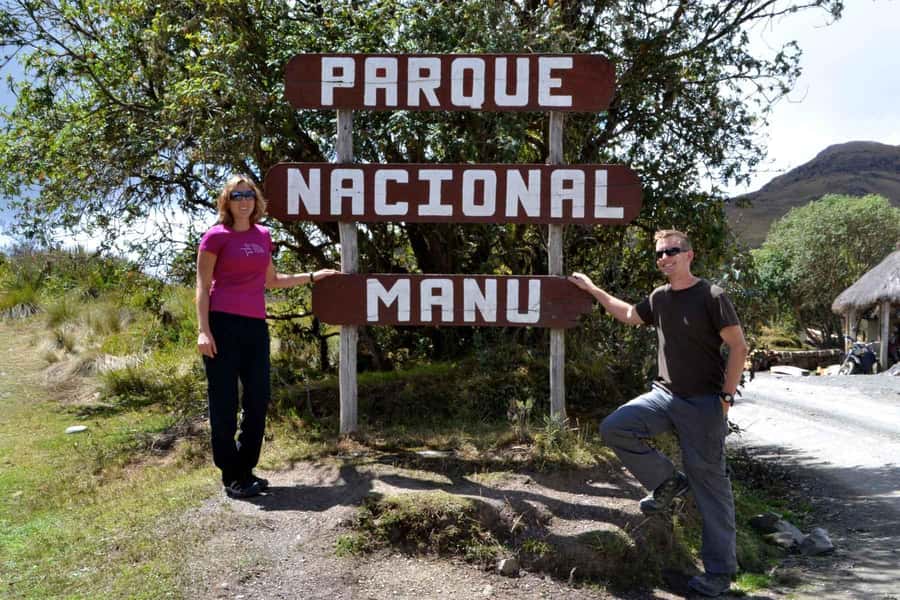
Your day starts early in Cusco. Between 5:30 and 6:00 AM, your guide meets you and you leave in a company vehicle, climbing through winding Andes roads. Along the way you pass villages and towns, and this slow ascent is your first hint that the trip will feel like a real transition, not just a transfer.
You’ll reach the jungle entrance area at Ajanaco (around 3500m). From there, you switch gears and descend into the cloud forest, where the air cools and the vegetation thickens. Expect a change in sound and light as you move from mountain views to misty greenery.
You can also read our reviews of more tours and experiences in Cusco
Cloud forest birding: orchids, heliconias, and bird-scans that matter
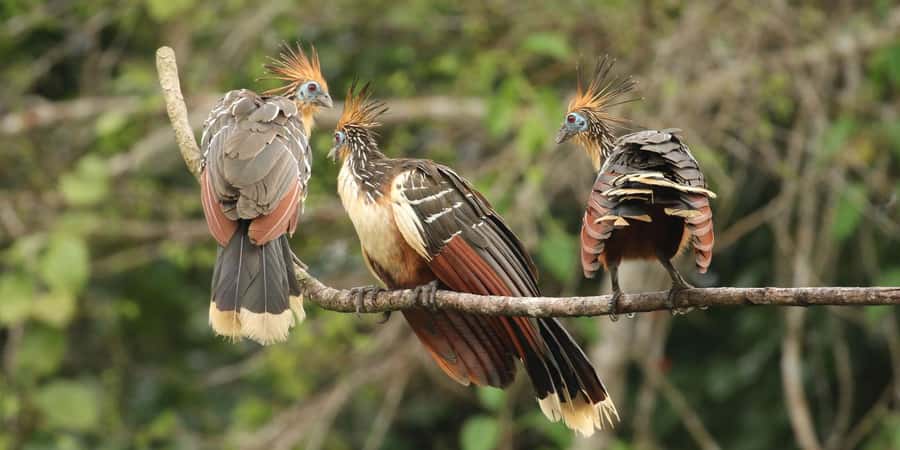
This first walking section is where the trip starts earning its keep. The cloud forest is where you can see exotic plants like orchids, heliconias, and ferns, and your guides can help you connect what you’re seeing to what’s around it. And because the guides carry binoculars and telescopes, you’re not just looking with your eyes—you’re scanning like a birder.
Wildlife possibilities include the cock-of-the-rock, umbrella bird, trogons, quetzal, and orioles. You might not spot all of these, but the point is that the guide approach is built for it: slow pacing, focused watching, and repeated checks rather than one quick look and move on.
By the time you arrive at the lodge, the day is about recovery. I like that they don’t oversell the first day as a marathon—after the long travel and altitude change, you get time to relax, reset, and sleep.
Pilcopata camping: why one night in the wild is worth it
The program includes a camping experience in Pilcopata, and that matters because it changes the feeling of the jungle. Lodges are comfortable, but camping puts you closer to the rhythms you hear at night and the mood of the forest after dark.
You should come in expecting it to be more outdoors-focused than a hotel night. The good news is the tour is still guided and supported, and you’ll already have learned the basics of how the trip operates by then.
If you’re someone who loves the sounds of the wild and doesn’t need modern comforts every minute, this camping night is often the memory that sticks.
Atalaya to the lodge: boat time, optional river fun, and real immersion (the good kind)
Day two shifts into river territory. After breakfast, you start with a nature walk designed for birds and monkeys. Then you take about a 1-hour bus ride to the port area of Atalaya, followed by a 30-minute boat ride to your lodge.
This part is more than just transportation. It’s also a chance to see the river corridor up close, and your schedule is flexible enough to include optional water time. The trip can include opportunities to swim in the river or try a mud bath as you travel—fun if you’re game, but completely fine if you’d rather keep your clothes dry.
Overnight is at the lodge, and at least for this day you’ll have private bathrooms and showers, which I really appreciate after a day on the move. It makes the night walk easier too, because you can warm up and clean up before heading out again.
Watchtower and Machuhuasi Lagoon: wildlife spotting with the right pacing
The day’s wildlife theme keeps going. The schedule includes a watchtower stop, which is smart because birds and animals don’t always come down to the trail. From a higher viewpoint, you’re more likely to catch movement in the canopy or spot activity without guessing.
Then comes the highlight water time: a raft ride on Machuhuasi Lagoon. This is one of those moments where the tour’s structure helps you. You’re not just “on the water,” you’re on the water with a plan—eyes up, scanning shoreline and edges where animals move through.
You might see shanshos, monkeys, reptiles, dwarf caimans, capybaras, tapirs, and more. Even if sightings are spotty, the raft pacing is usually better for wildlife than long, exhausting hiking. You can stay attentive, but you’re not wrecked.
And your night doesn’t stop at dinner. After dinner, you’ll go on an intriguing night walk, where the goal shifts from daytime sightings to whatever is active after dark.
Parrot clay lick at dawn: the show that feels scientific and alive
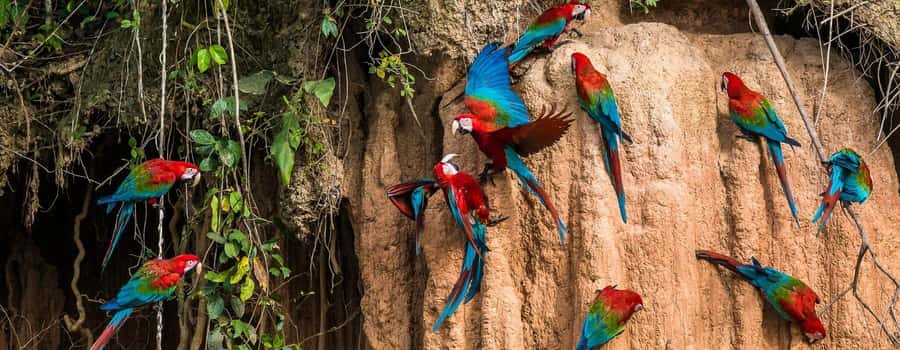
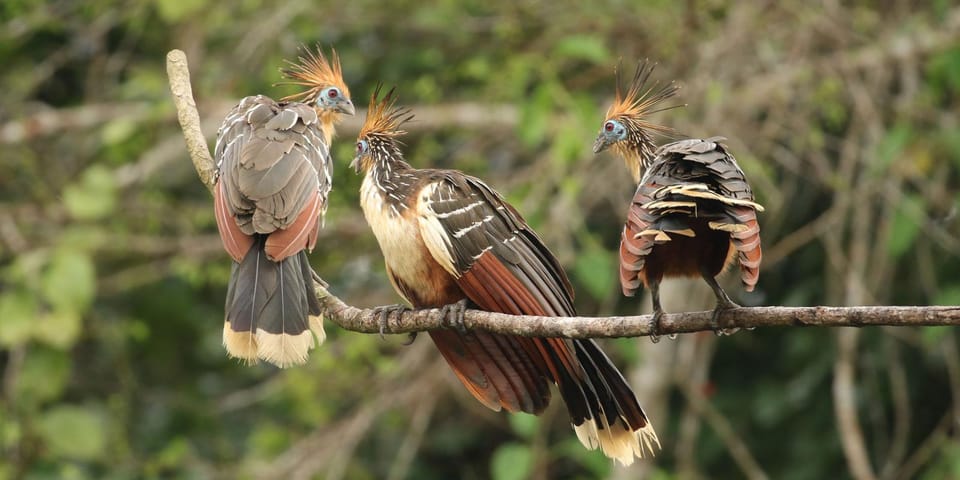
Day three starts early enough that you’re in position before the action. At dawn, you set out by boat to the parrot clay lick. This is one of those natural feeding stations that makes sense once you learn why it exists: the parrots feed on a nutrient-rich wall, and that consistent behavior draws them in.
I love that the guides don’t just point and hope. With binoculars and telescopes, you get help focusing on the birds as they approach, feed, and move away. It also helps you notice patterns, like which direction the activity comes from and what the birds are doing between bursts.
After that, breakfast and a rest break come before you hit the trail again. This balance is practical. You get the big dawn moment, then you’re not expected to sprint through the rest of the day while half-asleep.
Ceiba and the jungle trail: thick trees, quiet attention, and more night wildlife
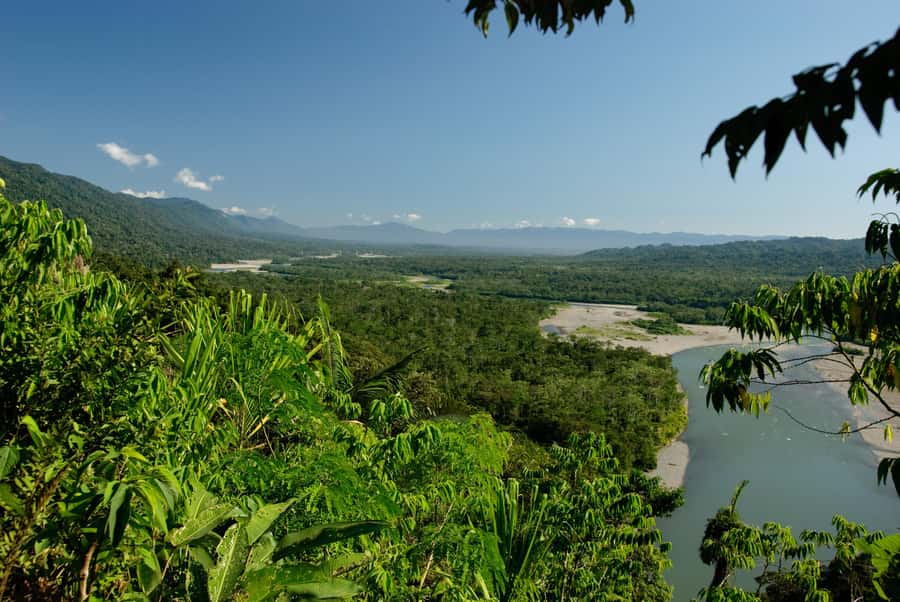
Later in the morning, you explore trails for diverse flora and fauna. The program specifically highlights the ceiba tree—described as the tallest and thickest tree—so you’ll be looking for one of the giants that defines the forest. Even without exact measurements, it’s the kind of tree you can recognize by how much space it commands.
Wildlife possibilities continue: monkeys, reptiles, dwarf caimans, capybaras, and tapirs. Again, it’s not about guaranteeing sightings. It’s about staying with the trail the right way: enough time to notice small movement, and enough focus to make the guide’s spotting skills pay off.
Then it’s back out after dark for another night walk, this time with a more specific focus on insects, amphibians, or snakes. This is where I recommend you lean into curiosity and keep your eyes open without expecting dramatic scenes every minute. Night walks are about detection—quiet steps, head movements, and listening for signs of life.
Returning to Cusco: trails, river views, and that last wildlife scan
On day four, the trip doesn’t just rush home. In the morning, you explore a trail one last time to observe jungle wildlife. It’s a good way to end the tour with your attention still sharp, rather than spending the morning already emotionally packing.
After breakfast, you head back by boat to Atalaya. Then you take a van back to Cusco, arriving sometime between 5:00 PM and 7:00 PM. On the way, you get additional spotting opportunities, including hummingbirds, orchids, waterfalls, and possibly birds and monkeys.
I like that this final stretch still carries the wildlife theme. Even if you’ve already seen a lot, the return route can offer new views simply because your position and time of day change.
Price and value: what $430 covers that you’d otherwise pay for
At $430 per person for 4 days, you’re paying for far more than transportation. You’re getting guided wildlife work: professional guides with telescope and binoculars, safety equipment, and a first aid box. You’re also covered for most meals—breakfasts, lunches, dinners, and snacks—plus mineral water at the lodge.
On top of that, the trip includes land and river transport (bus and boat), plus lodging with private or shared bathroom/shower options. For many travelers, this is where the value shows up: you avoid the headaches of organizing guides, meals, and logistics across both Andes and river zones.
What’s not included is also clear. First-day breakfast is not included, and alcohol, soft drinks, and water for breakfast on the first day are extra. If you like bottled drinks or plan to buy many extras, budget a little ahead. If you’re okay with water included at the lodge and you keep snacks simple, the all-in structure should feel fair.
Who this trip fits best
This is a great match for you if you:
- want wildlife-focused guiding, not just scenery stops
- enjoy early mornings and can handle long travel days
- like birding and pay attention to details (the guide gear helps a lot)
- are comfortable with hiking and the slower pace of nature spotting
It’s less ideal if you:
- dislike early wakeups and tight daily starts
- want a strictly “comfort first” trip with no camping element
- need very predictable, guaranteed animal sightings
Should you book this Amazonas Manu Cultural Zone 4 Days / 3 Nights?
If your top priority is seeing animals and birds with real guide support, I think this is a strong booking. The pairing of cloud forest bird walks, boat-and-raft wildlife time, and the parrot clay lick at dawn is hard to beat for a single 4-day window.
The biggest decision point is your tolerance for the schedule. Pickup is early, and you’ll spend meaningful time on roads and boats. If that works for you, you’ll get a trip that feels like a guided expedition—one part comfort (lodge nights), one part raw jungle life (Pilcopata camping), and multiple night walks that turn “after dark” into a real part of the experience.
FAQ
What time is pickup in Cusco?
Your guide pickup in Cusco is scheduled between 5:30 and 6:00 AM.
How big is the group?
This is a small group limited to 15 participants.
What languages do the guides speak?
The live tour guide works in Spanish and English.
Are meals included, and can you accommodate dietary restrictions?
Meals are included: breakfasts, lunches, dinners, and snacks. The accommodations can include dietary restrictions such as vegetarian, vegan, or gluten-free meals.
What kind of lodging and bathrooms are included?
You’ll stay in accommodations with private and shared bathroom/shower options, and the program specifies private bathrooms and showers for the lodge overnight on day two.
What’s included in the price, and what’s not?
Included are land and river transport, guides with telescope and binoculars, safety equipment, meals, lodging, wellingtons, and mineral water at the lodge. Not included are first-day breakfast, alcoholic drinks, soft drinks, and water for breakfast on the first day.