REVIEW · MARAS & MORAY SALT MINE TOURS
Sacred Valley of the Incas Tour with Moray & the Salt Mines
Book on Viator →Operated by Machu Picchu Tours · Bookable on Viator
You can cover a lot without feeling lost. This Sacred Valley of the Incas tour strings together the big names—Pisac, Ollantaytambo, Moray, the Maras salt mines, and Chinchero—with a licensed local guide and roundtrip transport from Cusco. The small group size (up to 9 travelers) also helps the day feel more human than a mega-coach shuffle.
I especially like the order of the day: hilltop views first at Pisac, then a practical buffet lunch in Urubamba, then ruins and living villages as you head deeper into the valley. I also appreciate the straightforward guidance, including bilingual explanations, so you’re not just collecting photos—you know what you’re looking at.
The main thing to watch is the pace. It’s a long day with multiple stops, so you may feel rushed at each site, and the schedule includes some time near local shops (which can feel more sales-focused than sightseeing, depending on your preference).
In This Review
- Key things to know before you go
- 7:00 AM Cusco pickup and a day that stays organized
- Pisac hilltop ruins and Taray’s valley viewpoint
- Urubamba buffet lunch: a real break, not a snack trap
- Ollantaytambo: town planning and the road to Machu Picchu
- Moray’s circular terraces: an Inca agriculture experiment you can picture
- Maras salt mines: traditional solar evaporation in a working maze
- Chinchero: textiles, Pachacutec, and terrace-water engineering
- Back in Cusco at Plaza Regocijo
- Price and entrance fees: where the real cost lands
- What the small-group format changes in real life
- The main drawback to plan around: pacing and shop stops
- Who this Sacred Valley tour suits best
- Should you book the Sacred Valley tour with Moray and the Salt Mines?
- FAQ
- What time does the Sacred Valley tour start?
- Where is the meeting point in Cusco?
- How long is the tour?
- Is lunch included, and where is it served?
- Is there a group limit?
- Do I need to pay entrance fees?
- Which sites are included in the day?
- Can I cancel for free?
Key things to know before you go
- Small group size (max 9 travelers) keeps questions and pacing more manageable
- Licensed bilingual guide means fewer confusing moments at the ruins
- Buffet lunch in Urubamba is included, so you’re not hunting for food mid-day
- Moray + Maras show two sides of Inca knowledge: agriculture and salt production
- Chinchero textiles + Pachacutec connection adds a cultural layer beyond the stone sites
7:00 AM Cusco pickup and a day that stays organized
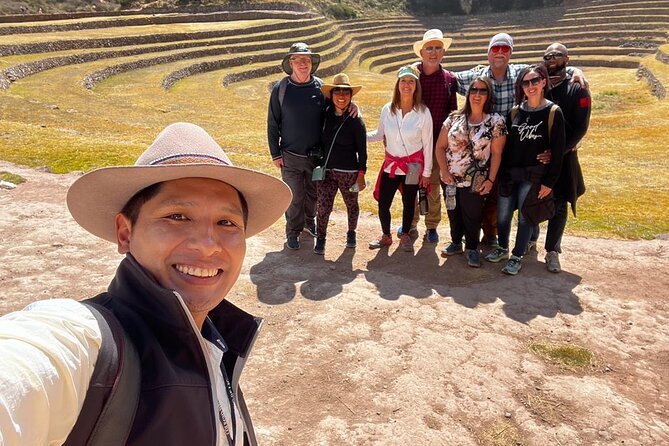
This tour starts early, with hotel pickup in Cusco around 7:00 AM. You’ll travel by private transport, and the day is built like a route, not a random walk of ruins. That matters because Sacred Valley sites are spread out, and transit takes time even when everything goes smoothly.
You’re also not left to figure it out alone. A bi-lingual local tour guide leads the day, and that’s a big deal for two reasons. First, it helps you understand the Inca sites you see. Second, it keeps the logistics simple when you’re moving from place to place all day.
The tour runs about 9 hours and ends back near the center of Cusco, at Plaza Regocijo, about a block from Plaza de Armas. This is a practical finish if you want to keep your evening free for dinner and an unplanned stroll.
You can also read our reviews of more tours and experiences in Cusco.

Pisac hilltop ruins and Taray’s valley viewpoint
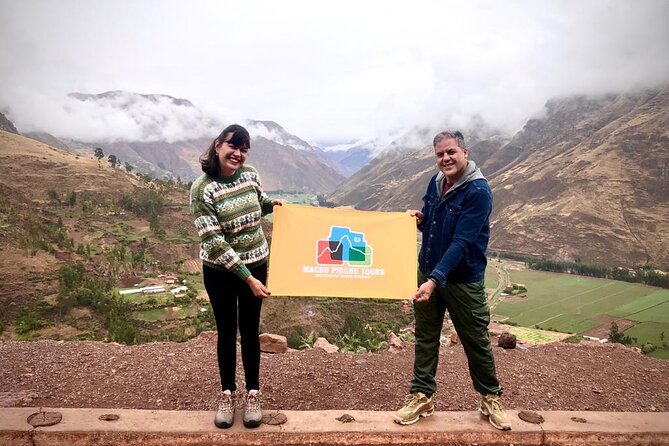
Your first major stop is Pisac. On the way out of Cusco, there’s a quick viewpoint stop in Taray, where you can look down over the Sacred Valley. From that viewpoint, you’ll see the valley villages and the Urubamba River winding through them, which gives you context before you ever reach the stones.
Then comes Pisac itself: a large Inca site perched above the town. You’ll drive up to the main entrance and take a guided walk through the complex. Pisac is a classic Sacred Valley experience because it mixes scale and setting. You’re not just looking at ruins; you’re seeing how the Inca used elevation and geography.
After the main tour, you’ll head down to the main plaza. During weekends, the narrow cobblestone streets tend to fill with local people selling handicrafts. If you enjoy browsing, this is a good spot to slow down. If shopping isn’t your thing, treat it like a quick pass-through—keep your focus on the ruins and viewpoints you came for.
Urubamba buffet lunch: a real break, not a snack trap
Next is Urubamba, the lower part of the Sacred Valley. This is where the day gives you something practical: a buffet lunch at a local restaurant. Since lunch is included, you can eat without worrying about finding a menu fast or overpaying near a tourist stop.
This is also your mental reset. By the time you reach Urubamba, you’ve already seen a viewpoint and a major Inca site, and you’ve been in transit. A proper meal helps you keep energy for the afternoon, especially if you plan to enjoy photos, short walks, and a few steps on uneven ground.
One more small but important detail: Urubamba is a change of pace from the ruins. It’s a reminder that the Sacred Valley isn’t only archaeology—it’s still a working region with towns and daily life.
Ollantaytambo: town planning and the road to Machu Picchu
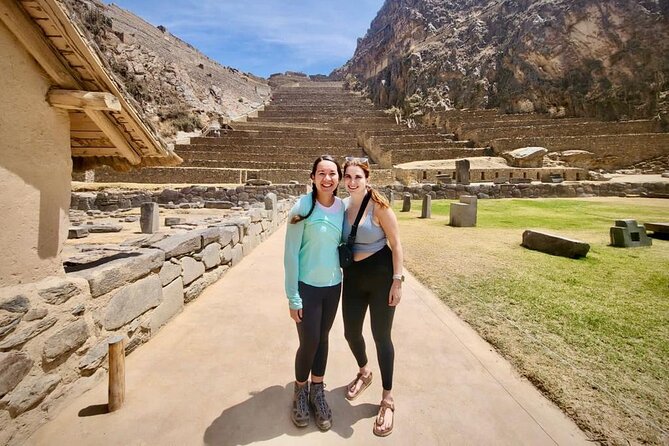
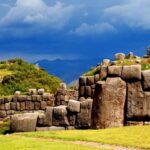
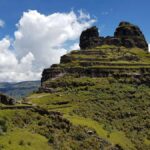
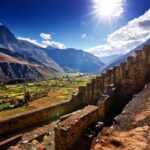
After lunch, you’ll continue to Ollantaytambo, one of the most prominent Inca sites in the area. This stop is great for anyone who likes when architecture tells a story. Here, you’ll see advanced Inca town planning, and you’ll get a sense of how carefully the Incas shaped daily life in built space.
Ollantaytambo is also described as one of the oldest and continuously inhabited villages of the Inca empire. That continuity matters because it means you’re not walking through a dead zone of history. You’re seeing a living town framed by Inca ruins, which changes the feeling of the visit.
The village is also described as being sandwiched between two Inca ruins. That physical framing is memorable: the stones aren’t off in the distance. They’re part of the experience around you.
And yes, there’s a practical connection to future travel: Ollantaytambo is where you board the train to Machu Picchu and the start point for the Inca Trail. Even if you’re not on that train today, understanding this connection helps you see why this town is such a hub for travelers.
Moray’s circular terraces: an Inca agriculture experiment you can picture
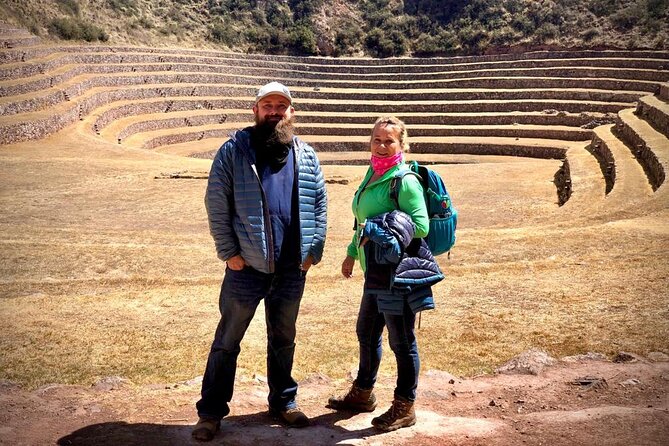
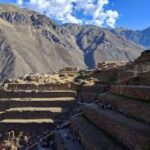
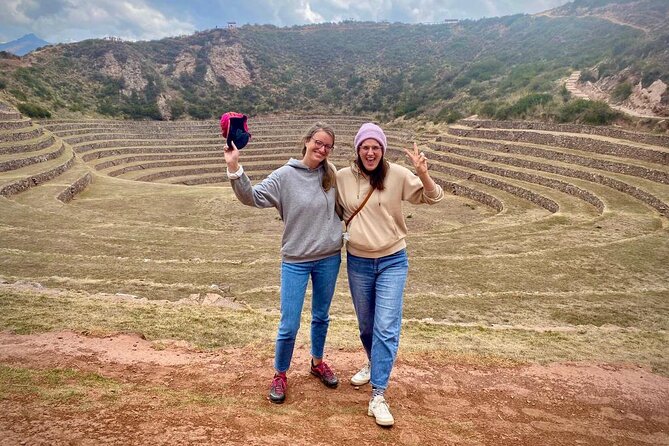
After Ollantaytambo, the tour heads to Moray. Moray is famous for its circular agricultural terraces, which served as an agricultural laboratory for the Incas. The idea is simple and clever: different levels have different temperatures, so farmers could test what crops might grow best.
A guided explanation makes Moray click. Without context, you might see it as impressive stonework. With context, you start seeing it as data gathering—trial plots built into an engineering system. That’s part of why Moray feels different from many “look but don’t touch” ruins. It has a clear purpose.
You’re given about one hour here. That’s usually enough for the main loop and understanding the concept, but it’s not a long sit-and-stare experience. If you like reading every stone and taking a slow walk, keep your expectations aligned with the day’s schedule.
Maras salt mines: traditional solar evaporation in a working maze
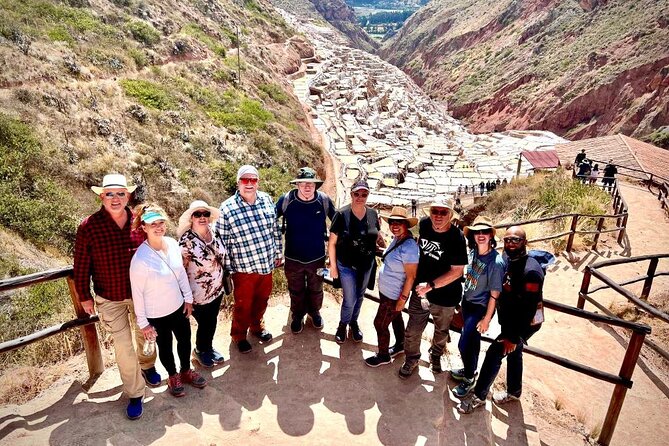
Next is Maras, home to the salt mines. This is one of the most fascinating stops because it’s both historical and still active. The mines are passed down through generations, and locals continue the traditional method of solar evaporation salt farming.
What you’ll notice is how visual it is. Instead of a single monument, you’re looking at a functioning grid of salt pans. It feels like a landscape of work, not just a preserved site.
Moray and Maras together give you two “Inca brains at work” moments: one about climate testing for agriculture, and one about turning a natural resource into salt through patient process. It’s a great pairing because the tour doesn’t treat the Incas like a museum-only culture. It shows problem-solving that still makes sense.
Practical note: Maras entrance isn’t included (listed as PEN 10). Plan to budget for it on the day so there’s no last-minute scramble.
Chinchero: textiles, Pachacutec, and terrace-water engineering
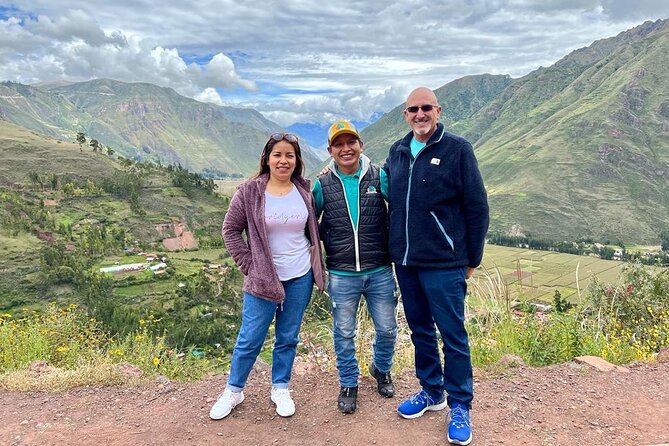
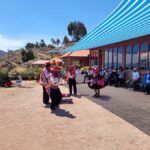
The final cultural stop is Chinchero. This village is known for Andean textile traditions, and it’s often overlooked compared to the bigger names. That can be a good thing. You tend to get a calmer feel and more chance to focus on craft and design rather than crowds.
Chinchero also includes a whitewashed church that was once a royal palace of Inca emperor Pachacutec. That kind of overlap—Inca past followed by later structures—is common in the region, but Chinchero makes it easy to understand why people talk about continuity and change.
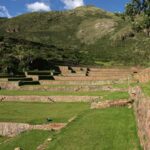
One of the most useful details here is why Chinchero mattered agriculturally. It’s described as having the most fertile soil among Sacred Valley sites. During Inca civilization under Pachacutec, farming terraces were built there, and the water channels are evidence of Inca engineering.
You get about one hour at Chinchero. Again, that’s enough to absorb the main points and take in the visuals, especially with a guide explaining how the textiles and terraces connect. If you enjoy hands-on culture, this is the stop where you’ll feel most “in the village” rather than just on top of ruins.
Back in Cusco at Plaza Regocijo
At the end of the day, you’ll be driven back to Cusco and dropped near Plaza Regocijo, about a block away from Plaza de Armas. This finish is helpful because you’re not sent out to some far edge of town. It’s easy to catch dinner and reorient yourself for the next day.
Your tour ends back at the meeting point, so you don’t have to hunt for where you’ll be left. When a day runs long, that kind of clarity is underrated.
Price and entrance fees: where the real cost lands
The advertised price is $99 per person for about 9 hours. What you get for that price is the engine of the day: roundtrip transport, a bi-lingual local tour guide, and buffet lunch in Urubamba. For a day that covers multiple sites, the “included basics” are meaningful.
The part you should budget for separately is entrances:
- Archaeological site entrance tickets: listed as USD 20 (70 Soles per person)
- Maras entrance: listed as PEN 10 (not included)
That means you should expect the total day cost to be higher than the headline price once you add the gates. Still, paying for guided time plus transport can be good value if you’d otherwise be hiring separate guides or arranging your own transit between remote sites.
What the small-group format changes in real life
A tour capped at 9 travelers may sound like a minor detail until you’re in the schedule. In practice, small groups tend to do a few key things better:
- You spend less time waiting while everyone regroups
- Your guide can answer questions without repeating themselves for a busload
- The day feels less like a checklist and more like a conversation
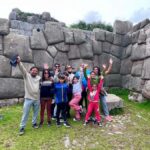
That said, the day is still packed. If you prefer long wandering and repeated stops for photos, you might find the time windows tight. One guide style can make a bigger difference here: explanations that are clear and paced can make even short visits feel satisfying. In the past, Julio has been praised for being kind and patient, and Adolfo for energy and being helpful—traits that help when you’re moving fast.
Also, the driving matters. Luis has been specifically noted for being focused and for making guests feel safe. That’s not a small detail on winding Sacred Valley roads.
The main drawback to plan around: pacing and shop stops
This day includes several structured stops, and each one has a time limit. The tour is designed to keep you moving between sites, which is efficient. But it can also feel rushed if you like lingering.
There’s also the chance you’ll spend some time near local shops selling items like alpaca clothing and silver, plus snacks. Whether that feels like a helpful cultural stop or a distraction depends on what you want from the day. If your priority is ruins and village context, keep your expectations firm and your shopping impulse on a short leash.
If you’re the kind of person who wants “more time at fewer places,” you’ll probably like a slower itinerary better. If you want a strong overview day that hits the key Sacred Valley highlights, this is built for you.
Who this Sacred Valley tour suits best
This tour fits well if you:
- Want one organized day that covers Pisac, Ollantaytambo, Moray, Maras, and Chinchero
- Prefer having a bilingual guide explain what you’re seeing
- Like the idea of a small group and a guaranteed included lunch
- Are connecting your schedule around Machu Picchu, since Ollantaytambo is part of that story
It may not be perfect if you:
- Want lots of free time at each ruin
- Dislike any time spent near shops (even when the tour keeps moving)
- Prefer a more relaxed pace with fewer stops
Should you book the Sacred Valley tour with Moray and the Salt Mines?
I’d book it if you want the Sacred Valley highlights with minimal planning stress. The value is strongest when you factor in transport, a guide who can translate the sites into something you understand, and a real lunch in Urubamba.
Before you commit, decide what you want most: a tight “great overview” day or a slow “live in the details” day. If your goal is to leave Cusco with a solid mental map of how the Incas worked—agriculture at Moray, salt production at Maras, and living culture at Chinchero—this route makes a lot of sense.
FAQ
What time does the Sacred Valley tour start?
The tour starts at 7:00 AM, with pickup in Cusco.
Where is the meeting point in Cusco?
The meeting point is Plaza Regocijo (F2M9+5X2, Cusco 08002, Peru).
How long is the tour?
The tour duration is about 9 hours.
Is lunch included, and where is it served?
Yes. There’s a buffet lunch in Urubamba included in the tour.
Is there a group limit?
Yes. The tour has a maximum of 9 travelers.
Do I need to pay entrance fees?
Yes. Entrance tickets to archaeological sites are listed as USD 20 (70 Soles per person), and Maras entrance is listed as PEN 10 (not included).
Which sites are included in the day?
The day includes Pisac, Urubamba, Ollantaytambo, Moray, Maras, and Chinchero, then a return drop-off in Cusco.
Can I cancel for free?
Yes, there is free cancellation. You must cancel at least 24 hours before the experience start time for a full refund.