REVIEW · MACHU PICCHU BY TRAIN
2-Day Sacred Valley & Machu Picchu by Train – Small Group Tour
Book on Viator →Operated by Elvis Adventures Peru · Bookable on Viator
In This Review
- A train day to Machu Picchu is the good kind of stress.
- Key things to know before you go
- Why the Ollantaytambo to Aguas Calientes train feels worth it
- Cusco sites on the way out: a smart warm-up before the Valley
- Taray viewpoint: quick stop, big-picture Sacred Valley views
- Awana Kancha alpaca farm: the culture behind the wool
- Pisac archaeological site: terraces, water channels, and those “wait, how did they do that?” moments
- Pisac market time: buy what you’ll actually use
- Ollantaytambo fortress: a strong start to train day
- Machu Picchu day: guided route plus time to breathe
- Price and what you’re really paying for at $599
- The guide factor: why names like Rubén and Elvis pop up
- Practical tips that make this itinerary easier (and less stressful)
- Who should book this train tour to Machu Picchu
- Should you book this 2-Day Sacred Valley & Machu Picchu by Train tour?
- FAQ
- What time does the tour start in Cusco?
- How many people are in the small group?
- Is Machu Picchu entrance included?
- Are Huayna Picchu and Aguas Calientes hot springs included?
- What meals are included?
- How do you travel from Ollantaytambo to Aguas Calientes and to Machu Picchu?
- Where is the meeting point, and does the tour end back there?
A train day to Machu Picchu is the good kind of stress.
This 2-day Sacred Valley and Machu Picchu by train tour is interesting because it strings together the key stops in a smart order, then lands you at the citadel with a guide doing the heavy lifting. I like that the group stays small (max 9), so you’re not yelling over a crowd all day. I also like the pacing of the day-one sightseeing into the train ride, plus the guided highlights at Machu Picchu like the Condor Temple area. One possible drawback: it’s a tight schedule with early starts and lots of moving parts, so you’ll want to be organized and flexible—especially if anything about ticketing or timing changes.
You start with Cusco hotel pickup and get driven through major Inca sites on the way out of town, including Sacsayhuaman, Qenqo, and Pucapucara. Then you hit alpacas at Awana Kancha, panoramic viewpoints around Taray, and the Pisac mix of ruins plus market. That blend matters because it stops you from doing Machu Picchu as a one-stop photo sprint.
On day two, you ride the bus up to Machu Picchu, take a guided route through temples and terraces, then get some spare time to roam before returning by train and private transport back toward Cusco. I like that you’re not trapped in a rigid script the entire time, but you do have to work within the entrance timing and your circuit.
Key things to know before you go
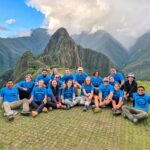
- Small group (max 9): better pace and easier questions for your guide.
- Train from Ollantaytambo to Aguas Calientes: scenic route along the Urubamba River, with a smoother feel than changing buses all day.
- Pisac ruins plus Pisac market: you get both the engineered terraces and the local craft scene.
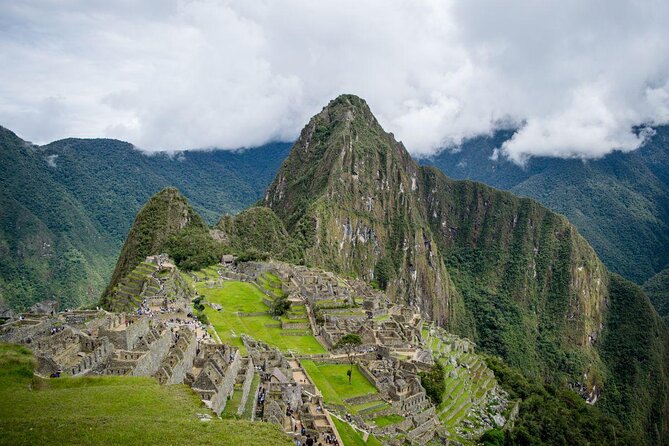
- Machu Picchu entrance included: guided citadel tour plus time to explore afterward.
- Optional add-ons cost extra: Huayna Picchu and Aguas Calientes hot springs are not included.
- Bring passport details if asked: at least some operators request passport copies by message to confirm names.
You can also read our reviews of more tours and experiences in Cusco
Why the Ollantaytambo to Aguas Calientes train feels worth it
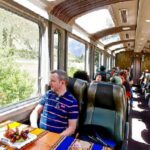
Most Machu Picchu itineraries make you choose between comfort and convenience. This one chooses both, using the train hop from Ollantaytambo to Aguas Calientes (and it’s listed as the Expedition category). You board after your Ollantaytambo fortress visit, and then you ride about 2 hours through mountain-and-river scenery toward the town where you’ll sleep.
What I like here is the flow. You’re not stuck in Cusco traffic all the way to Machu Picchu. You also arrive at Aguas Calientes ready for the next morning, instead of trying to cram everything into one day. If you’re the kind of traveler who’s thinking about photos, this train leg also gives you a different angle on the Sacred Valley scenery before the big reveal.
One note: the schedule still moves. This isn’t a slow scenic tour; it’s “see a lot, efficiently.” If you’re sensitive to early starts or you get anxious with tight timelines, keep your expectations grounded.
Cusco sites on the way out: a smart warm-up before the Valley
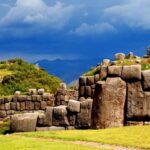
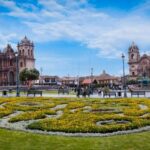
Your morning starts in Cusco with hotel pickup (meeting point is Plaza Regocijo) and a scenic drive into the Sacred Valley. Along the way you pass some of Cusco’s best-known Inca archaeological spots: Sacsayhuaman, Qenqo, and Pucapucara.
This isn’t just sightseeing wallpaper. It’s your mental key. The best way to understand the Sacred Valley isn’t to treat Machu Picchu as an isolated postcard—it helps to see how Inca cities, ritual sites, and fortifications relate to each other.
There’s also an optional stop at Cristo Blanco viewpoint. If you’re into photos, it’s a great place to get your bearings fast—Cusco’s historic skyline gives you a visual baseline before the valley opens up.
Taray viewpoint: quick stop, big-picture Sacred Valley views
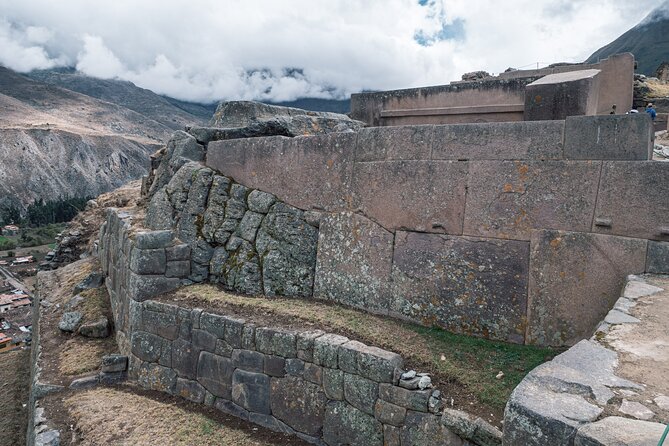
After the alpacas and a short break, you stop at Taray Viewpoint for about 10 minutes. This is one of those stops that seems small on paper, but it works because it’s timed when you’ve already gotten some context. You’re looking at terraces, villages, and high Andean peaks framed by the valley.
Your guide shares how the valley became an agricultural powerhouse for the Inca. The payoff is practical: once you understand the role of farming there, Pisac’s terraces on day one and Machu Picchu’s agricultural logic on day two feel connected, not random.
Tip: even if you’re not a photographer, use this stop to stretch and get water. It’s short, so don’t waste it watching from the bus—walk to where you can see the full valley line.
Awana Kancha alpaca farm: the culture behind the wool
At Awana Kancha, you get a quick alpaca farm experience—about 20 minutes at a major Sacred Valley alpaca operation. You’ll meet llamas, alpacas, huanacos, and even vicuñas, plus you can feed the animals and interact a bit (not just snap photos and move on).
Here’s why I think this stop is more useful than it sounds. It gives you a real-world look at Andean textile materials. Wool isn’t just a product—its qualities shaped traditions in what people weave and how they make clothing for cold mountain life.
You’ll also likely take some of the easiest photos of the trip here, because the animals do their own thing. And yes, it’s fun to watch your brain switch from ancient stones to living Andean life for a moment.

Pisac archaeological site: terraces, water channels, and those “wait, how did they do that?” moments
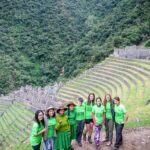
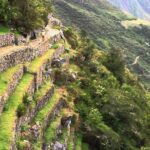
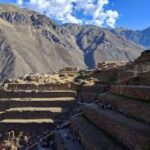
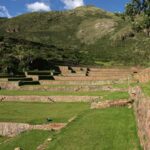
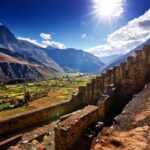
Pisac is the heart of day one’s Inca sites, and it’s scheduled for about 45 minutes at the archaeological park (entrance ticket not included). You walk through stone residences, ceremonial altars, and—most importantly—agricultural terraces plus the water channels that helped make farming work on steep slopes.
If you only visit the market, you’ll miss what makes Pisac special. The ruins explain the valley logic: engineering plus ritual plus survival. The terraces aren’t decoration. They are infrastructure.
Drawback to know: 45 minutes goes fast once you start looking closely. If you want slower pacing and more time to read stone details, plan to bring your curiosity and don’t expect a full museum-style experience.
Pisac market time: buy what you’ll actually use
Pisac Market is another short stop, around 15 minutes, but it’s packed with texture. You’ll find textiles, ceramics, silver jewelry, and local craftwork—plus you get music and the buzz of everyday Quechua culture.
I like this as a practical shopping window because it’s short enough to avoid decision fatigue, but long enough to find something you genuinely connect with. If you’re careful, you can get great souvenirs without turning this day into a “hunt.”
Two good ways to shop smarter:
- Pick one category first (like scarves or small woven items) so you don’t overspend trying to cover everything.
- Ask questions about materials and process if your vendor offers it. Even basic conversation helps you avoid buying something that’s just tourist-made.
Also, remember the Pisac archaeological ticket isn’t included. So if you’re visiting that site, budget for that entrance.
Ollantaytambo fortress: a strong start to train day
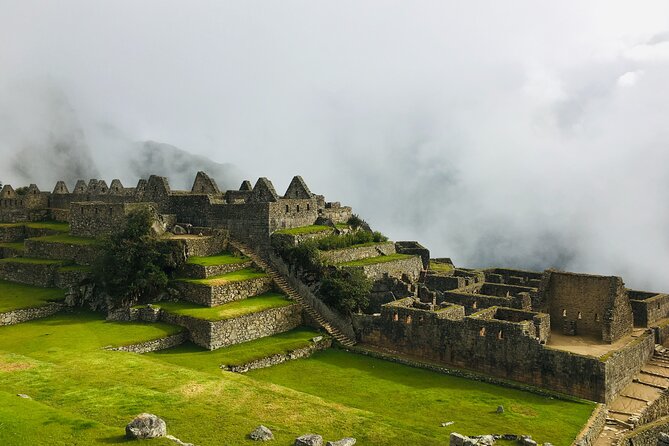
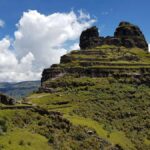
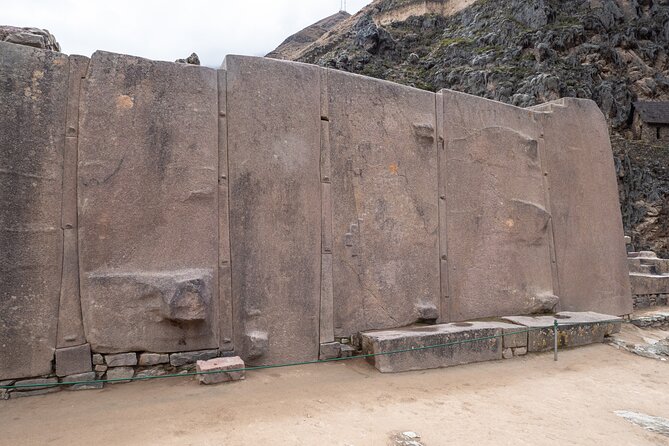
After lunch in Urubamba (you’re scheduled for a buffet, and it’s listed as offering over 50 Peruvian dishes with vegetarian and other options), you head to Ollantaytambo for the archaeological park visit. Ollantaytambo functioned as a fortress and stronghold for the Inca, and you explore terraces and temples while your guide gives the story behind key structures.
This stop works well emotionally. You’re not jumping from market to train with no bridge—you build intensity. Ollantaytambo is visually dramatic, and it helps Machu Picchu feel less like a random wonder and more like the high point of a regional system.
Then you go to the station and board the train to Aguas Calientes. Once you arrive, you check into your hotel, and the evening is yours. This is not a forced activity—use it for a normal dinner, early sleep, and a slow walk in town if you want.
Optional hot springs are mentioned as extra if you want them. If you do, keep in mind they add another line item and you’ll likely want to manage your timing so you’re not rushed the next morning.
Machu Picchu day: guided route plus time to breathe
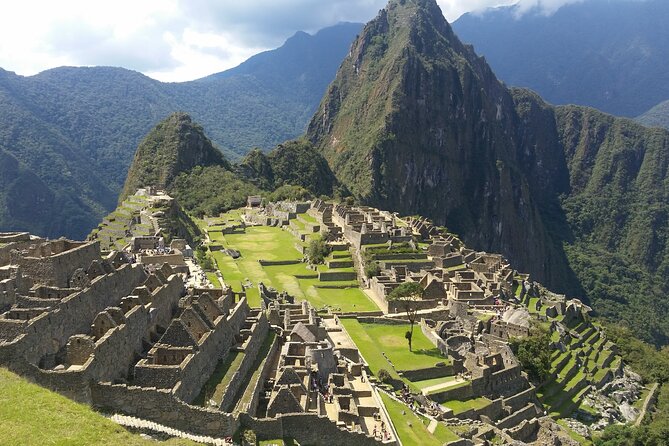
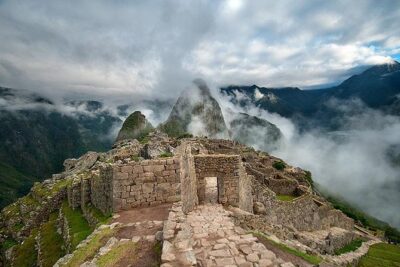
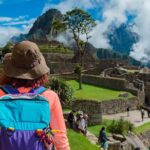
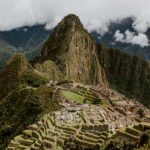
Day two starts with breakfast and escort to the bus station for the ride up to Machu Picchu’s entrance. From there, your guided tour begins and covers major areas of the citadel, including Condor Temple as one of the highlighted landmarks.
Your guide’s job here is huge: they connect what you’re seeing—temples, terraces, and special corners—to the site’s meaning and layout. A good guide also helps you navigate the timing reality of Machu Picchu: where to stand for the best views, when to move, and how to interpret stone features you might otherwise miss.
When the guided portion ends, you get spare time to explore on your own. That is important. Machu Picchu isn’t just about checking boxes. Use the self-time to do what a guide can’t: take longer looks, find quieter angles, and just sit for a few minutes when your legs start negotiating with your altitude brain.
Lunch on day two is not included, so it’s smart to plan for that part of the day. After exploring, you return by bus to Aguas Calientes, then board the train back. The tour lists boarding the train back at 2:00 PM and then continuing transfers back to Cusco, with arrival around 6:00 PM.
Photo note: you’ll want to be ready for changing weather. Even if skies look fine in the morning, clouds can roll in and out on the mountain. Pack for layers and expect some variability.
Price and what you’re really paying for at $599
At $599 per person, the value isn’t in a single line item—it’s in how the tour stitches together transportation, timed entry, and guides.
Here’s what is included:
- Breakfast and lunch (day one buffet in Urubamba)
- Guided tours of Pisac, Ollantaytambo, and Machu Picchu citadel
- Machu Picchu entrance ticket to the citadel
- Train Ollantaytambo → Aguas Calientes (Expedition category)
- Bus Aguas Calientes → Machu Picchu
- Private transport Ollantaytambo → Cusco
- Pickup from your Cusco hotel
What’s not included:
- Huayna Picchu entrance (optional) and any hot springs entry (optional)
- Lunch on day two
- Personal expenses and additional beverages
Why this matters for value: arranging train tickets, coordinating bus times, and matching everything to Machu Picchu entrance schedules can eat up time and energy. This tour reduces that mental load and gives you a guide on the ruins, which is where most people get the most meaning per minute.
Small group size (max 9) is also part of the value. It’s easier to get help with timing, and it’s generally less chaotic than big motorcoach-style tours.
The guide factor: why names like Rubén and Elvis pop up
Good guides change how fast time feels on days like this. In the feedback you were given, guides like Rubén and Elvis are specifically highlighted for being kind, organized, and helpful with smooth day-of coordination. That lines up with what you want in a two-day, train-based itinerary: you need someone who handles details while you focus on the experience.
If you’re trying to gauge fit before booking, I’d look for communication style: clear instructions, practical advice for where to stand and when to move, and calm handling of delays. One negative note in the material also shows how stressful poor communication can get, even if the guide themselves is great. That’s why your best bet is a team that’s proactive about confirmations and tickets.
Practical tips that make this itinerary easier (and less stressful)
This is the kind of trip where small prep pays off.
- Be ready early. Day one starts around 7:45 AM with pickup and driving, and the overall schedule is tight.
- Plan for extra tickets. Pisac archaeological entrance is not included, and optional Huayna Picchu and hot springs are extra.
- Bring a small daypack for water and layers. If the weather changes, you’ll thank yourself.
- Check your Machu Picchu circuit details. The tour includes guided entry to the citadel, but your exact route can depend on your ticket.
- Keep essentials handy: passport info sometimes gets requested to match names for tickets.
- Go easy on the second day lunch expectations. Lunch on day two isn’t included, so don’t assume it’s part of the package.
And one mindset shift: Machu Picchu is popular. Even with a guided tour, there will be crowds at certain points. Your goal is not to beat everyone. Your goal is to use your guided time well, then use your free time to slow down when you can.
Who should book this train tour to Machu Picchu
This small-group 2-day plan is a strong fit if you:
- Want Sacred Valley highlights without adding extra overnight confusion
- Like guided context at ruins (so you understand what you’re looking at)
- Prefer a train experience over more bus time
- Travel with friends or as a couple and want a small group feel (max 9)
It may be less ideal if you:
- Hate early mornings or tight schedules
- Want total freedom to roam without any structure
- Get easily stressed by ticket timing and day-of logistics
Should you book this 2-Day Sacred Valley & Machu Picchu by Train tour?
I’d book it if your priority is a well-run route that connects Cusco, Sacred Valley sites, and Machu Picchu in two days, with train comfort and guided ruins. The $599 price makes more sense when you consider what’s included: pickup, meals, multiple guided stops, Machu Picchu entry, and the train and bus routing that can be tricky to line up on your own.
Before you click confirm, do two things:
- Ask (or confirm in your materials) what exactly is included in your Machu Picchu visit—especially entrance type and any optional items you might want like Huayna Picchu.
- Make sure you know where you’re meeting and what time, because early starts are part of the deal.
If you want an efficient, guide-supported Machu Picchu day that also gives you real Sacred Valley texture first, this is a solid choice. Just come with flexibility, and treat the schedule like a plan—not a promise.
FAQ
What time does the tour start in Cusco?
The tour start time is listed as 7:00 AM, with hotel pickup beginning around 7:45 AM per the day-one schedule.
How many people are in the small group?
This tour/activity has a maximum of 9 travelers.
Is Machu Picchu entrance included?
Yes. The tour includes the entrance ticket to Machu Picchu citadel.
Are Huayna Picchu and Aguas Calientes hot springs included?
No. Entrance tickets to Huayna Picchu mountain and the hot springs of Aguas Calientes are listed as optional activities and are not included.
What meals are included?
Breakfast is included, and lunch is included on day one. Lunch on the second day is not included.
How do you travel from Ollantaytambo to Aguas Calientes and to Machu Picchu?
You take the train from Ollantaytambo to Aguas Calientes, and then a bus from Aguas Calientes to Machu Picchu.
Where is the meeting point, and does the tour end back there?
The meeting point is Plaza Regocijo (Cusco). The activity ends back at the meeting point.