REVIEW · EVENING EXPERIENCES
Sacred Valley & Machu Picchu by Train: 2-Day, 1-Night Tour
Book on GetYourGuide →Operated by TreXperience · Bookable on GetYourGuide
Two days can change your whole view of the Incas. This Sacred Valley and Machu Picchu train tour strings together the most efficient highlights: Pisac, Moray, Salineras de Maras, and then that early Machu Picchu sunrise moment. I like how the day is organized so you’re not stuck figuring out routes, tickets, or timing in a place where everything moves fast.
What I really like most are two things: the guided Sacred Valley route that hits the standout sites (not just one ruin and a photo stop), and the long, structured visit at Machu Picchu with a proper guide-led circuit. If you want a “see the key stuff” trip without feeling rushed, this fits well.
One possible drawback: the tour is strict about logistics, including early morning departure for Machu Picchu and a no-luggage rule, so you’ll need to pack light and be ready to move on someone else’s schedule.
In This Review
- Key highlights worth circling
- Sacred Valley Day 1: Cusco pickup, alpacas, and a scenic first look
- Pisac ruins plus Pisac Market: terraces by day, real craft shopping by nightfall
- Moray terraces and Salineras de Maras: the two “wow” styles of the Sacred Valley
- Ollantaytambo, dinner, then the Expedition train to Aguas Calientes
- Machu Picchu sunrise: passport entry, a guided 3-hour route, and optional hikes
- Price and value: what $698 covers (and what you’ll likely add)
- Packing rules and timing tips that keep you from wasting time
- Who should book this Sacred Valley and Machu Picchu train tour?
- Should you book it? A fair call
- FAQ
- What’s included in the tour price?
- How many people are in the group, and what languages are offered?
- Do I need a passport for Machu Picchu?
- Are Huayna Picchu or Machu Picchu Mountain included?
- What meals are included during the tour?
- Is there any luggage or device restriction?
Key highlights worth circling
- Small group (max 16) means less chaos in tight archaeological areas
- Alpaca farm + textile center where natural colors and weaving are part of the story
- Pisac Market bargaining time paired with the Inca site perched above it
- Moray and Salineras de Maras show two very different sides of Inca ingenuity
- Round-trip Expedition train to Aguas Calientes reduces the stress of day-of travel
- Sunrise Machu Picchu with a guided 3-hour tour plus optional hikes
Sacred Valley Day 1: Cusco pickup, alpacas, and a scenic first look
Day 1 starts with hotel pickup in Cusco, and it’s door-to-door—whatever lodging you’re using (hotel, hostel, or Airbnb). Then you head out toward the Sacred Valley with transportation handled for you the whole day. In practical terms, it means you’re spending your energy on seeing things, not negotiating buses, taxis, or timing.
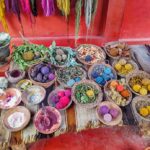
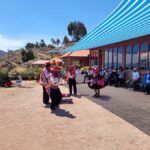
First stop is an alpaca farm and textile center. You’ll see llamas, alpacas, viñuna, and guanacos, and you’ll get a look at the animals as part of the wider craft story. It’s not just a photo stop. The textile center focuses on how locals weave and how they get natural colors, which makes the later market browsing at Pisac feel more grounded.
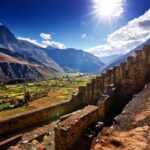
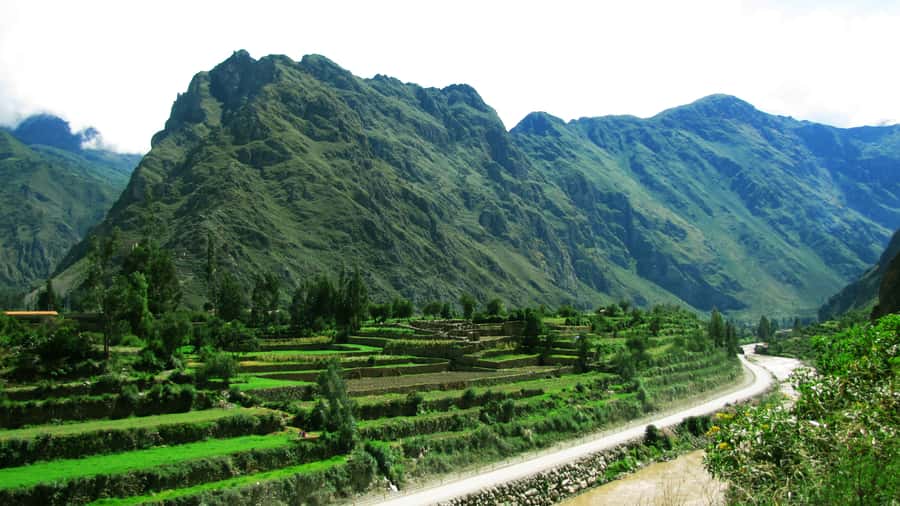
Next comes a lookout point in the Sacred Valley area (Mirador Taray). This is where I like the pacing: you get scenic context before you go into archaeology. You’re looking over the Andes, the Urubamba River, and the farming lands the Incas shaped around this valley system. Even if you’ve seen “Inca valley” photos before, the scale hits differently in person.
You can also read our reviews of more evening experiences in Cusco
Pisac ruins plus Pisac Market: terraces by day, real craft shopping by nightfall
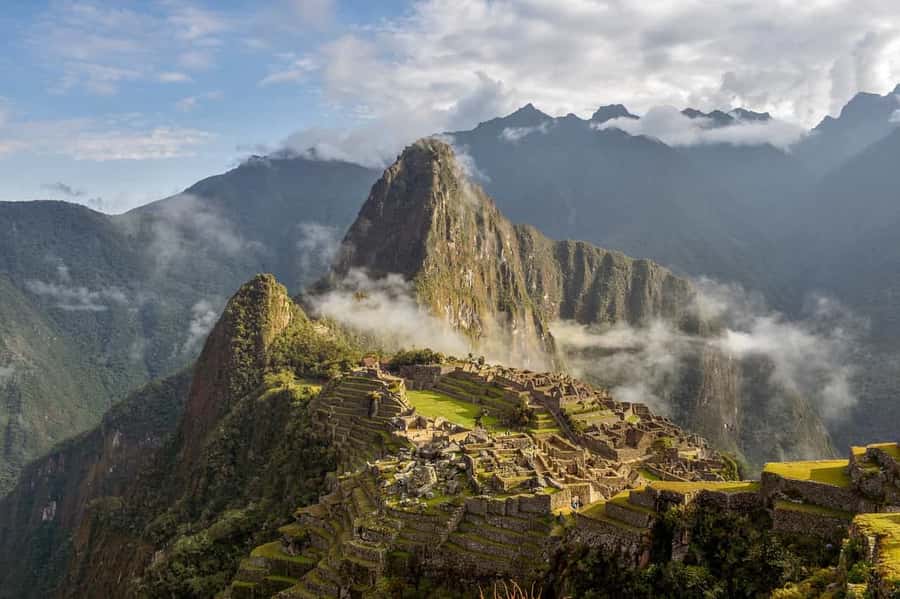
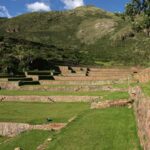
Pisac archaeological site is a major stop because it’s set up like a living hillside. You’ll explore the stone walls, agricultural terraces, and irrigation systems—plus what’s described as the largest Inca cemetery in the area. This is one of those places where the layout matters. The terraces and water channels are part of why the ruins still make sense even today.
After the ruins, you move into Pisac Market. This is your shopping window, and it’s a useful one because it gives you context for what you’re buying. You can find ceramics, textiles, jewelry, Andean instruments, alpaca products, and general souvenirs. The highlight here is that you’re not rushed in a parking-lot market. You have time to browse and bargain for traditional crafts.
Bring a calm shopping mindset. If you’re after a specific item, ask questions about what it’s made from and why. That simple habit usually leads to better choices than just picking the first thing that looks cute.
Moray terraces and Salineras de Maras: the two “wow” styles of the Sacred Valley
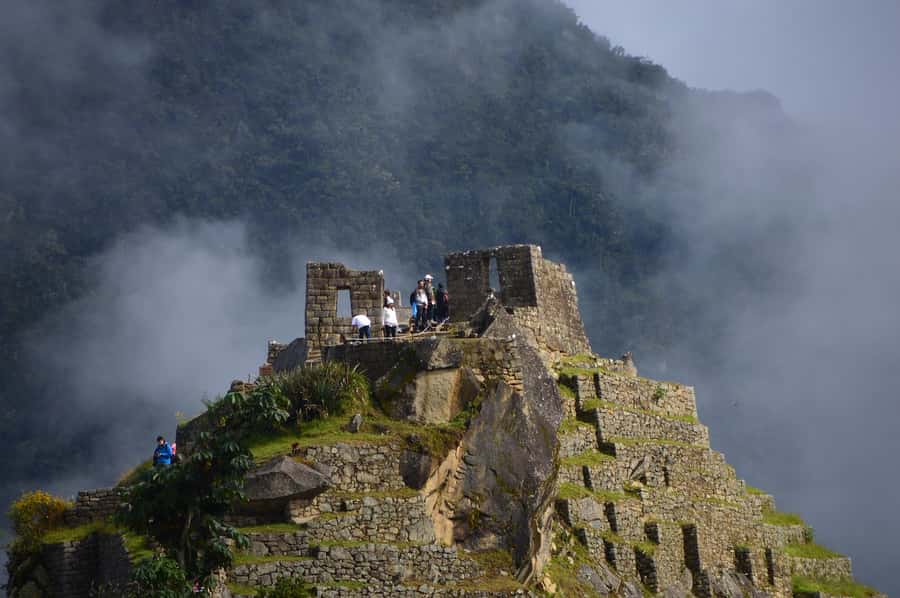
Moray is where you see the Incas doing something that feels almost experimental. The terraces are famous, and on this route you get a guided visit that helps you understand the site beyond the postcard look. Even when you’ve read about Moray before, seeing the terraces in person gives you a better sense of scale and design.
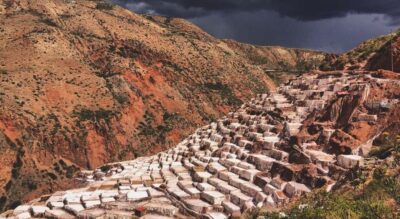
Then you head to the Salineras de Maras (Salinas of Maras). These are the salt pools spread across the hillside. The visuals are striking: many small pools, bright and patterned across the slopes, tied to water flow through the area’s engineered system. It’s very different from Moray, so the pairing works. One place feels like controlled experimentation; the other feels like a working landscape tied to daily life and resource use.
In a small-group setting, you’ll usually get better viewing angles because you’re not competing with huge tour crowds at every viewpoint. With a max group size of 16, the flow stays manageable.
Ollantaytambo, dinner, then the Expedition train to Aguas Calientes
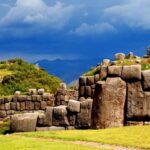
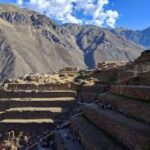
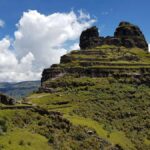
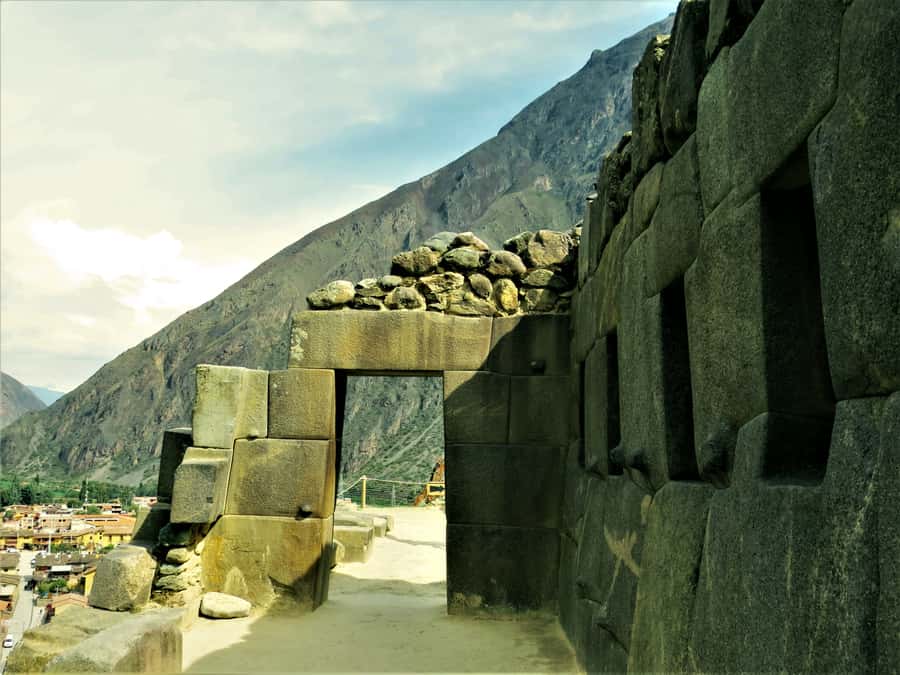
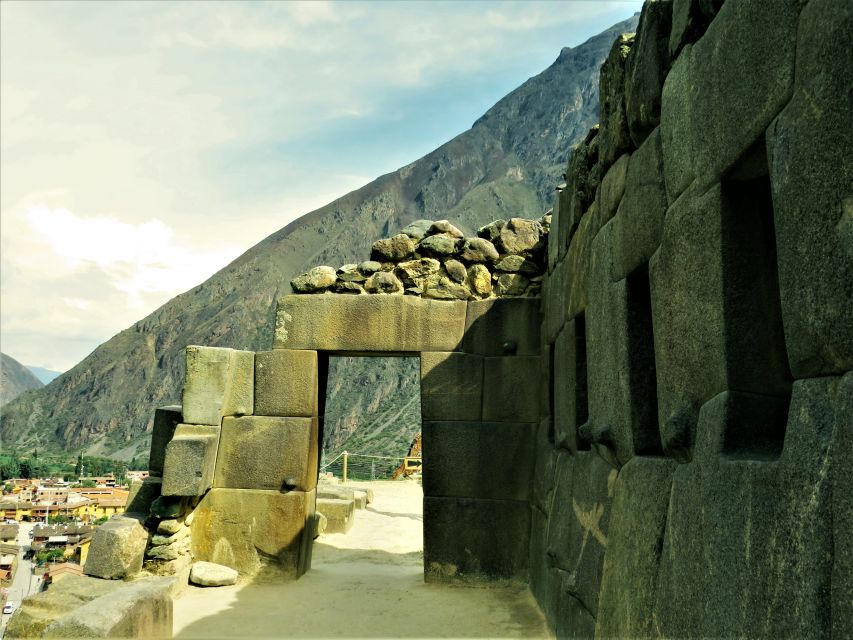
Ollantaytambo comes after Moray and the salt pools. This stop matters because it’s described as the last standing Inca citadel. You’ll explore temples, terraces, storehouses, and a large Inca monolithic. The town is also built above older Inca buildings, which makes it feel more layered than ruins sitting alone in a field.
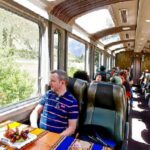
After you tour Ollantaytambo, you’ll take the Expedition train to Aguas Calientes, where you’ll stay overnight. Dinner is included in Ollantaytambo, and you’ll also have a buffet lunch earlier in the day in Urubamba. By the time you’re on the train, you’ve already been fed and checked off the major stops—so you can focus on the ride and the first glimpse of what comes next.
One practical note from experience with this kind of route: train timing can be a factor. In one account, the trip had a late moment on the train to Machu Picchu. That’s not something you can always control, so it helps to keep your next-day plans flexible and not schedule a tight connection right after Machu Picchu.
Your hotel in Aguas Calientes is 3-star, and you have one night there. That’s a smart trade-off if you want a sunrise Machu Picchu arrival without doing a longer, more complicated overnight logistics puzzle.
Machu Picchu sunrise: passport entry, a guided 3-hour route, and optional hikes
Day 2 is built around Machu Picchu timing. You wake up early, eat breakfast, and then take one of the first buses up to the site. When you arrive, you show your original passport at the checkpoint. That matters: don’t rely on a photo or copy.
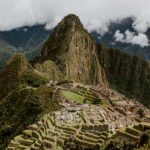
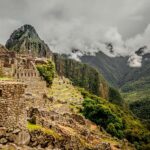
Entry is followed by a guided tour lasting about 3 hours. You’ll visit major areas like terraces, storehouses, temples, and palaces. A guided circuit is where this tour earns real value, because Machu Picchu is easy to see but harder to interpret. You’ll walk away knowing what you’re looking at instead of just collecting angles.
The guides used on this route are a big part of the payoff. In reviews, guides like Herbert Vidal and Oliver were singled out for clear explanations and patience with questions about Inca time and meaning in the ruins. Another guide, Alex, was praised as especially strong and helpful. You’ll likely feel that same energy if you engage with questions during the walk.
After the main tour, you can choose an extra hike if you want: Huayna Picchu or Machu Picchu Mountain. Those hikes aren’t included, so you’ll plan for that extra cost if you want them. If you don’t hike, you’ll still have plenty of time to enjoy views and take photos before heading back down.
Lunch on Day 2 is on your own in Aguas Calientes, and then you return by train to Ollantaytambo. Finally, a van takes you back to your Cusco hotel.
You can also read our reviews of more tours and experiences in Cusco

Price and value: what $698 covers (and what you’ll likely add)
At $698 per person for a 2-day, 1-night package, you’re paying for a lot of the expensive and annoying parts of the trip. This itinerary includes transportation throughout, hotel pickup and drop-off, and tickets/entry for key sites: Pisac, Moray, Salineras de Maras, Ollantaytambo, and Machu Picchu.
It also includes the big-ticket logistics: the round-trip Expedition train and the round-trip bus to Machu Picchu. On top of that, you get an expert guide, a 3-star hotel night in Aguas Calientes, and meals that are clearly defined (buffet lunch in Urubamba and dinner in Ollantaytambo, plus breakfast on Day 2 as described in the flow). Taxes and reservation charges are included too.
What’s not included is also pretty straightforward:
- Huayna Picchu or Machu Picchu Mountain hikes (extra)
- Meals not mentioned in the program (like lunch on your own on Day 2)
- Travel insurance
Is it worth it? For most people, yes, if you want a guided run that hits the essentials without spending time building a plan around trains and bus schedules. The price feels more reasonable when you compare it to booking each piece separately while also paying for the time you’d spend coordinating it yourself.
Packing rules and timing tips that keep you from wasting time
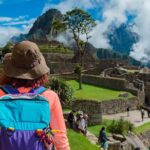
This trip is best when you follow the rules early. You’ll need a passport, and you should carry a daypack. No luggage or large bags are allowed, so plan for a light kit. If you’re carrying multiple days of clothing or heavy gear, you’ll want to rethink that before you arrive in Cusco for the tour.
Drones aren’t allowed, and alcohol and drugs are not permitted. Feeding animals is also not allowed. None of these feel like surprises if you’ve visited Peru’s protected areas, but they can matter if you were planning for extra filming or bringing things “just in case.”
Timing is another hidden factor. Machu Picchu day runs early, and your schedule is tied to buses and the train back. If you’re the kind of traveler who likes to sleep in and wander whenever, this probably won’t feel comfortable. If you’re okay with an efficient early start, it’s the kind of plan that protects your Machu Picchu experience.
Who should book this Sacred Valley and Machu Picchu train tour?
This tour is a good fit if you:
- Want a guided Sacred Valley circuit that includes Pisac, Moray, and Salineras de Maras in one organized route
- Prefer the stress-reduction of the Expedition train and prearranged transport
- Care about Machu Picchu interpretation, not just photos, with a guided 3-hour visit
- Like small-group travel (16 people max)
It’s not for everyone. The tour is not suitable for people over 95 years, and the strict packing and early start rules mean it’s also not ideal for anyone who needs lots of flexibility in the schedule.
If you’re traveling with kids, mobility needs, or a very complicated back-to-back itinerary after Machu Picchu, you’ll want to think carefully. The tour runs on a plan, not a menu of options.
Should you book it? A fair call
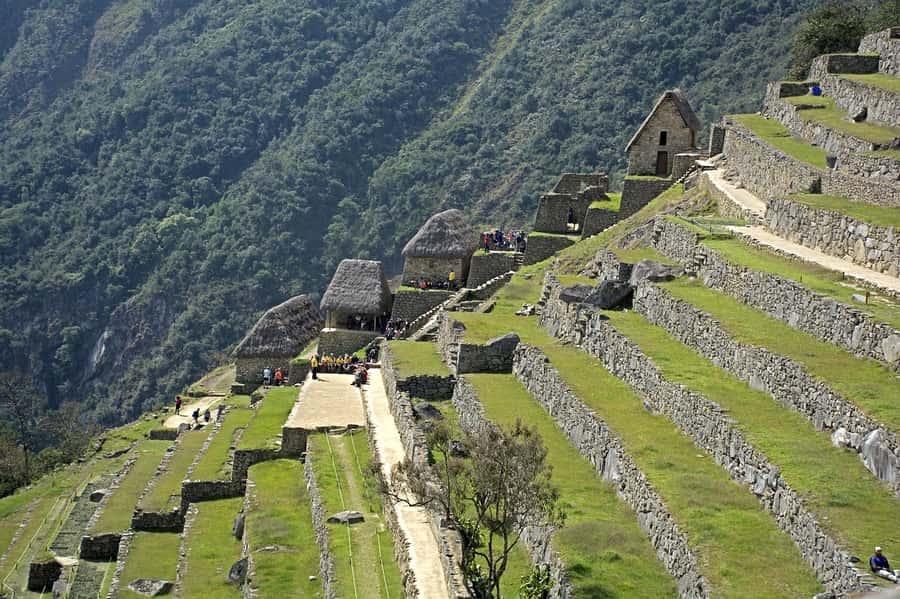
Book it if you want the cleanest route through the Sacred Valley highlights and a sunrise-focused Machu Picchu day with a guided plan you don’t have to build yourself. I especially like the way the trip connects craft (alpaca textiles), ruins (Pisac and Ollantaytambo), and engineering/resource sites (Moray and Salinas de Maras) into one story.
Don’t book it if you hate early mornings, you need to carry large bags, or you want a lot of free time to roam independently without a set schedule. Also, if you’re extremely sensitive to train timing uncertainty, keep your next-day plans loose just in case.
If you’re ready for a focused, guided 2-day run that covers the big names without turning into a transportation headache, this is a strong value approach.
FAQ
What’s included in the tour price?
The tour includes hotel pickup in Cusco, door-to-door service, transportation, entrance tickets to Pisac, Moray, Salineras de Maras, Ollantaytambo, and Machu Picchu, a buffet lunch in Urubamba and dinner in Ollantaytambo, one night in a 3-star hotel in Aguas Calientes, the round-trip bus to Machu Picchu, and round-trip Expedition train tickets. Taxes and reservation charges are included too.
How many people are in the group, and what languages are offered?
It’s a small group limited to 16 participants. The live tour guide is available in English and Spanish.
Do I need a passport for Machu Picchu?
Yes. On Machu Picchu day, you show your original passport at the checkpoint to enter the citadel.
Are Huayna Picchu or Machu Picchu Mountain included?
No. Those extra hikes are not included and cost extra.
What meals are included during the tour?
The program includes a buffet lunch in Urubamba and dinner in Ollantaytambo on Day 1. On Day 2, you’ll have breakfast before heading to Machu Picchu, and lunch is on your own after the tour.
Is there any luggage or device restriction?
Yes. Large bags and luggage are not allowed, and drones are not permitted. Alcohol and drugs are also not allowed, and feeding animals is prohibited.