REVIEW · EVENING EXPERIENCES
From Cusco: 3-Night Lake Titicaca Excursion
Book on GetYourGuide →Operated by Peru Hop · Bookable on GetYourGuide
Lake Titicaca on a timetable.
This trip turns a long journey into real cultural contact, with Uros floating islands and a night on Amantani with a local family. You’ll also get a day on the Llachon Peninsula, where rural life around the lake isn’t staged.
What I like most is how the experience splits naturally between two different kinds of Titicaca: the reed-built world of Uros, then the day-to-day rhythms of Amantani and Llachon. I also really value the bilingual guide and the way the plan is structured around set boat times, so you’re not guessing your way through the lake. One thing to consider: parts of the trip involve long, cold overnight bus rides and waiting time in Puno at a hostel that some people found less-than-pleasant.
In This Review
- Key highlights worth planning for
- Cusco to Puno: the overnight Peru Hop rhythm
- Uros Floating Islands: totora reed worlds on Titicaca
- Amantani overnight: a homestay night that feels human
- Pachatata sunset hike: optional, but the timing is perfect
- Llachon Peninsula day: rural Titicaca beyond the postcards
- Back to Cusco: more night bus, less sightseeing
- Price and value: what $109 covers (and what it doesn’t)
- Who should book this Titicaca excursion from Cusco
- Practical tips so your Titicaca days feel smooth
- Should you book? My honest take
- FAQ
- How long is the Lake Titicaca excursion from Cusco?
- Where do I meet the group in Cusco?
- Is onboard Wi-Fi included?
- What meals are included?
- Do I get an English and Spanish guide?
- Are there extra costs during the tour?
- Can the itinerary change due to conditions on the ground?
- Is the tour suitable for young children?
Key highlights worth planning for
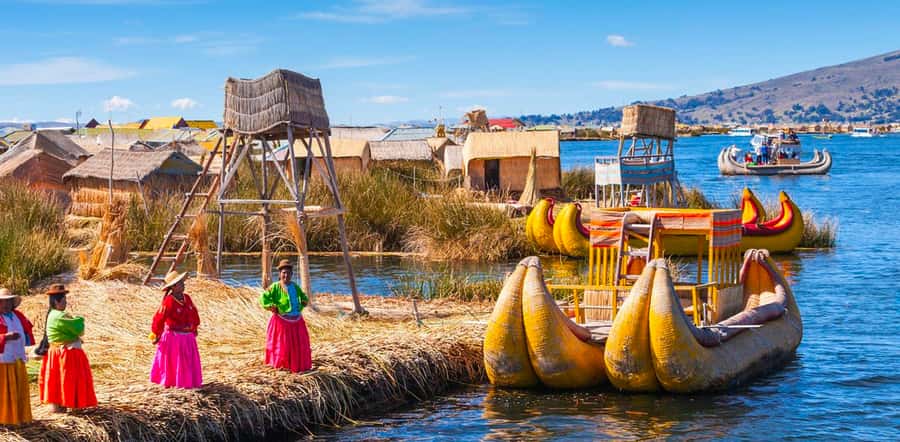
- Uros floating islands of totora reed: a guided look at how the islands are built and maintained
- Amantani homestay night: sleep with a local family and join family activities
- Pachatata sunset option: hike up in the late afternoon if you want big views
- Llachon Peninsula community day: seasonal rural life plus free time by the water
- Bilingual support: English and Spanish guidance to keep logistics smooth
- Overnight Peru Hop buses: long travel included, with onboard Wi-Fi (if you bring your charger)
Cusco to Puno: the overnight Peru Hop rhythm
This tour starts with one of the first trade-offs you should actually plan for. You meet at the Hop private bus terminal in Cusco, at Alameda Pachacuteq 499 B, and the bus departs at 9:30 pm. Plan on a short walk—about 10 to 15 minutes from Plaza de Armas—to get your bearings before it’s dark and you’re dragging your bag.
On the upside, the bus is set up for comfort more than it is for sightseeing. Peru Hop includes high-speed onboard Wi-Fi, which is a nice little perk if you want to message friends, plan your next stop, or download offline maps before the lake days begin. You also travel as a group, so you’re not trying to line up separate transport across regions.
Now for the practical reality: some people noted the buses were very cold because there’s no heat. If you run cold, I’d treat this like a winter bus ride even if Cusco feels mild during the day. Bring layers you can actually move in—thermal base layer, warm socks, hat, and a jacket you don’t mind using as your personal blanket. Even if you pack “just in case,” the night is where you’ll appreciate it.
You can also read our reviews of more evening experiences in Cusco



Uros Floating Islands: totora reed worlds on Titicaca
The next morning, you arrive in Puno around 5:00 am. There’s a partner hostel where you can store luggage for free while you start the tour. If you want breakfast, it’s optional and not baked into the core package.
Pick-up for the Uros portion happens around 7:40 am, and then the boat leaves at 8:15 am. This part matters because Uros is a place where timing changes the vibe. Early boat hours help you see the islands before the day gets busy and before the lake turns into a choppy mess.
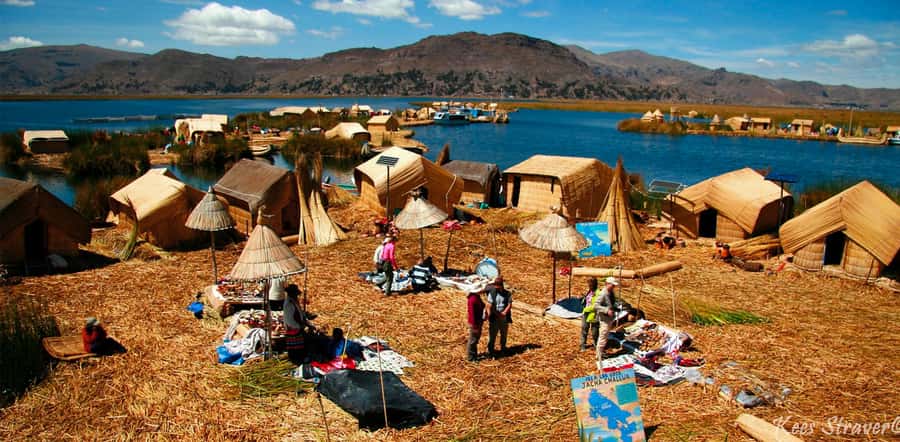
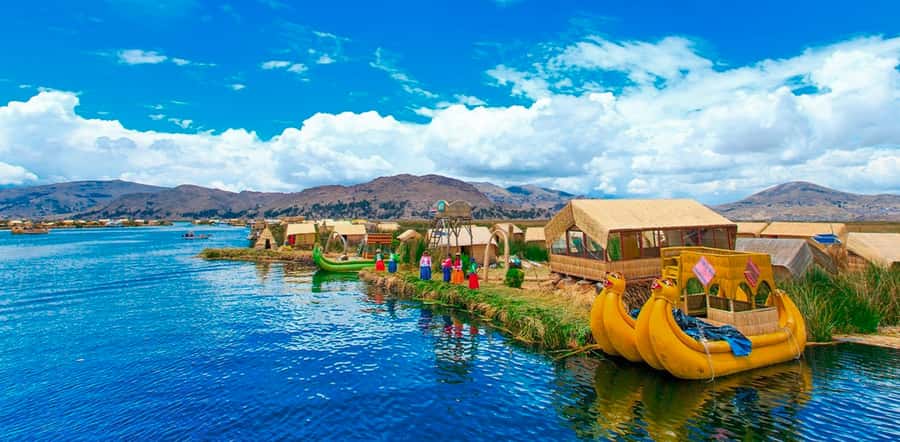
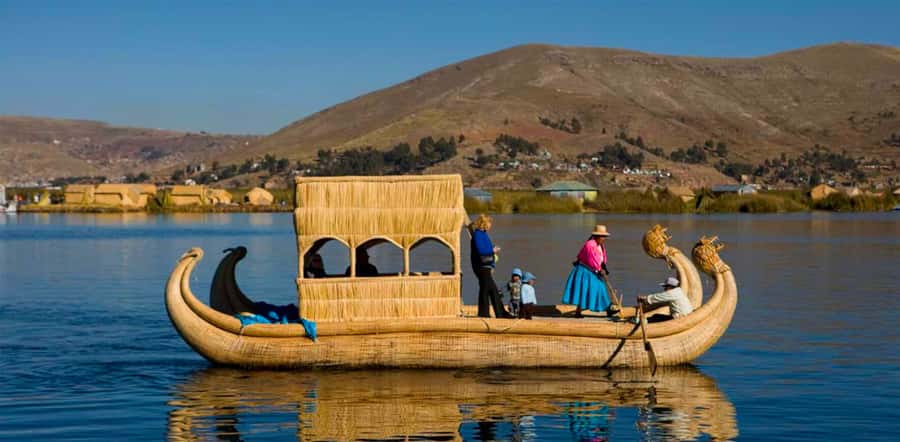
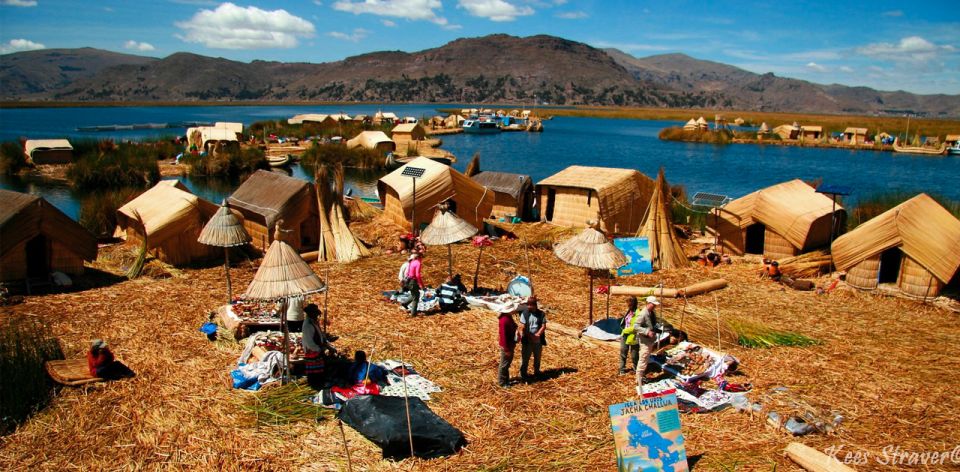
Uros itself is the headline: these are floating islands made entirely out of totora reed. The guided tour focuses on how the islands work and why the reed matters for the community’s daily life. You’ll spend time with an island community that’s built a living around the lake—strongly connected to water, wind, and maintenance.
One optional add-on appears here: there’s an extra reed boat ride (often called the Kontiki ride) for S/. 10 soles. If you like hands-on, it’s a small cost to consider. If you’re on a tight budget, skip it and put that energy into the guided portions and the time on land.
A quick note from the reviews that’s worth taking seriously: one booking mentioned the experience was very organized, but another noted that the overall bus station logistics in Cusco could feel inefficient. The best way to protect your energy is to arrive early for the first meeting point and keep your printed notes or screenshots handy in case directions get confusing.
Amantani overnight: a homestay night that feels human
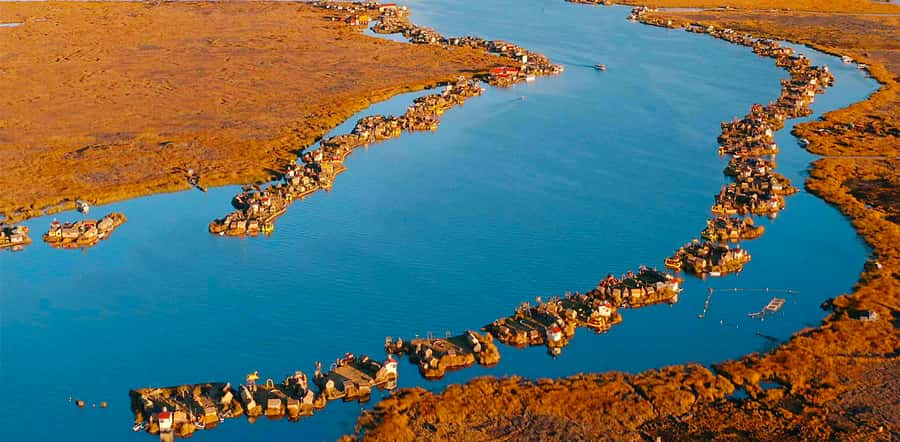
After Uros, you cruise across Titicaca to Amantani, and you’ll arrive around 1:30 pm. This is not a quick stop; it’s a full cultural shift. You’ll meet your host family, check in to the homestay, and share a lunch made from natural products.
What makes this part special is the difference in scale and intimacy. Uros is a guided visit and a community you tour. Amantani is family life: you’re living inside it for a night. That’s why this segment is often the moment people remember most.
During the afternoon, you’ll have time for intercultural activities with your hosts. The pace is typically relaxed, with a chance to talk, share space, and see routines you don’t get from a standard boat-and-gift-shop stop. Then dinner is normally served around 7:00 pm, and later you may have the chance to join local dance and music or just rest in the home.
From the reviews, I’ve seen two clear signals. First: people often describe the Amantani homestay as a highlight. One guest specifically praised the friendly hosts and the activities. Second: language comfort can vary—one traveler noted that their host family didn’t speak English. Plan for that without panicking. Even when English doesn’t happen, daily life still communicates. Bring a smile, a few simple Spanish phrases if you know them, and a willingness to follow the moment.
Pachatata sunset hike: optional, but the timing is perfect
Around 4:00 pm, you have an option to hike up to Pachatata temple to watch the sunset. The tour doesn’t force it, which is smart. This hike is one of those choices that pays off if you’re feeling energetic and weather cooperates, because sunset views on Titicaca are often the kind you can’t fully appreciate from the water.
Here’s what makes the timing workable: Amantani is slow enough that you’re not racing immediately after arrival. You can settle in, have lunch, then decide whether you want the hike when the light is shifting. If you do go, pack for altitude comfort—Titicaca can feel sharp in the air, even when the sun is out.
Also, sunset plans are only as good as the weather, and the tour info clearly states the itinerary can vary due to rain, mudslides, overflows, strikes, and demonstrations. That’s not a reason to skip; it’s a reason to stay flexible and keep your expectations practical.
Llachon Peninsula day: rural Titicaca beyond the postcards
The following morning starts with breakfast at 7:00 am at the homestay. Then you head to Llachon Peninsula at 12:30 pm, arriving around 1:15 pm. Before departure, the morning is free—use it to rest, take photos, or ask your hosts any questions you didn’t get time for the day before.
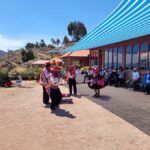
Llachon is a different kind of cultural day. You’ll arrive to witness seasonal activities of this rural community, and then you’ll have free time in one of the most scenic areas on the lake. Lunch is normally served around 12:00 pm (so don’t assume you’ll be starving on arrival—still, it’s smart to have a snack).
One thing I appreciate about this portion is the balance: it’s not only “walk and listen.” You get guided context, then time to enjoy the place at your own speed. On Titicaca, that freedom matters. You’ll want moments to stand still, look across the water, and realize you’re not just passing through.
Then it’s back to the boat. You catch the return to Puno around 5:00 pm, arriving about 5:00 pm as well, and you’re dropped at the partner hostel a few blocks from the central plaza. You can store bags for free, and you can pay a low price for shower access if needed—useful after a day of lake air and boat time.




Back to Cusco: more night bus, less sightseeing
The final leg is another overnight bus: pick-up in Puno is between 9:00 pm and 9:30 pm, and you board the Peru Hop bus back to Cusco. The bus arrives in Cusco around 5:00 am and you’re dropped at your hotel or hostel.
This is where the “value vs. comfort” math gets real. You’re not paying extra to avoid the night bus. You’re paying for a full Titicaca experience that includes both long transfers and the lake segments. If you already know you dislike overnight buses, this tour will feel like a lot of travel time.
Also watch your expectations about the waiting space. Several reviews complained about hostels in Puno during waiting periods—things like dingy bathrooms, moldy shower curtains, and unwelcoming vibes. If you’re sensitive to those details, come prepared: bring flip-flops, a small towel if you use one, and a few comfort items to make the waiting time tolerable. Even better, set your mental frame: you’re spending a short amount of discomfort so you can gain two full lake days and a homestay night.
Price and value: what $109 covers (and what it doesn’t)
At $109 per person for 4 days, this package isn’t trying to be a luxury cruise. It’s built around transport, boat time, guide time, and the homestay inclusion.
Here’s what you get in the included basics:
- Guided transport from Cusco to Puno
- Boat transportation
- Bilingual Spanish and English guide
- Entry tickets to Uros and Amantani
- Lunch in Llachon Peninsula
- Peru Hop onboard Wi-Fi
What’s not included:
- Breakfast in Puno on arrival (optional extra)
- Dinner in Puno on the return evening
- The optional Kontiki reed boat ride in Uros (S/. 10 soles)
- Hotel pickup
- Hostel bag storage (though the partner hostel itself offers storage for free)
For me, the value rests on one question: do you want a real cultural overnight on the lake, or do you just want the best photos? If you want the homestay night and a day on Llachon, then this price starts to make sense because you’re not paying separate tour components. If you’d rather spend less time on transport and sleep with a predictable hotel setup, you might feel the trade-offs more strongly.
The reviews are also honest about where value can slip: long waits in Puno, cold buses, and not-so-great waiting hostel conditions. Those aren’t “small complaints” when you’re traveling at night. They do suggest you should plan comfort ahead of time—warm layers are not optional here.
Who should book this Titicaca excursion from Cusco
This tour fits you best if:
- You want more than a day trip and you’re okay with overnight buses
- You’re excited by community-based experiences, especially the Amantani homestay
- You like structured logistics with a bilingual guide so you spend less time figuring out what happens next
It may be a poor fit if:
- You hate cold overnight travel
- You need spotless accommodations during waiting time in Puno
- You’re traveling with very specific dietary needs (the itinerary mentions meals like lunch and typical family dinners, but it doesn’t promise special meal planning)
And the tour is not suitable for children under 4 years, pregnant women, or wheelchair users.
Practical tips so your Titicaca days feel smooth
A few “do this now” tips based on the trip details and what people flagged:
- Bring cash. The tour explicitly says cash is needed, and you’ll also face optional spending like the Kontiki reed boat ride.
- Pack for cold: warm layers for the overnight buses, plus something for wind off the lake.
- For the homestay night, expect conversation to work even if English doesn’t. One review noted a homestay family didn’t speak English, and that didn’t cancel the experience—just changed how interactions happened.
- If you’re picky about bathrooms during waits in Puno, plan comfort items: flip-flops, hand sanitizer, and a few wipes.
- Keep your meeting-point details saved: Alameda Pachacuteq 499 B. The walk from Plaza de Armas is short, but in the dark it’s easy to second-guess yourself.
Also note: the itinerary can change due to weather, mudslides, overflows, strikes, or demonstrations. You can’t control that, so your best move is to travel with flexibility and use the guide as your anchor when plans shift.
Should you book? My honest take
If your ideal Lake Titicaca moment includes Uros floating islands plus a real Amantani homestay night, then this tour is one of the more direct ways to get it from Cusco without piecing everything together yourself. The combination of boats, bilingual guiding, and the chance to live with a family is the big reason this works.
I’d still tell you to go in with your eyes open. Some people found the waiting hostels in Puno rough, and the overnight buses can be cold. If those issues would ruin your trip, you might prefer a different format with less overnight travel.
If you’re flexible, warm, and ready to treat the homestay as the main event, you’ll likely come away thinking you didn’t just visit Titicaca—you met people who live with it.
FAQ
How long is the Lake Titicaca excursion from Cusco?
The experience runs about 4 days. It’s described as a 3-day activity with two overnight bus journeys.
Where do I meet the group in Cusco?
You meet at the Hop private bus terminal at Alameda Pachacuteq 499 B. It’s typically a 10 to 15 minute walk from Plaza de Armas.
Is onboard Wi-Fi included?
Yes. High-speed onboard Wi-Fi is included on the Peru Hop overnight bus.
What meals are included?
The tour includes lunch on the Llachon Peninsula. Breakfast after arrival in Puno is optional extra, and dinner in Puno on the return evening is not included.
Do I get an English and Spanish guide?
Yes. The guide is bilingual, speaking Spanish and English.
Are there extra costs during the tour?
You should bring cash. The Kontiki reed boat ride in Uros is optional and costs S/. 10 soles.
Can the itinerary change due to conditions on the ground?
Yes. The itinerary can vary due to weather issues (like rain, mudslides, or overflows), strikes, demonstrations, or other events that affect normal travel.
Is the tour suitable for young children?
No. It’s not suitable for children under 4 years old.