REVIEW · EVENING EXPERIENCES
From Cusco: 2-Night Lake Titicaca Excursion
Book on GetYourGuide →Operated by Peru Hop · Bookable on GetYourGuide
Two overnights and you wake on Titicaca. This 3-day ride-and-boat trip strings together Uros reed islands and an Amantani community visit, plus lake views and breathing room in Puno.
I especially like the built-in rhythm: a bilingual guide, guided boat time, and enough structure that you don’t feel lost between transfers. I also like that the price covers the big pieces—boat transportation plus entry tickets—so you’re not constantly calculating what costs extra.
The catch is timing and route variation. The day plan can shift for weather and disruptions, and if you’re hoping for a long close-up look at the most famous Uros area, you should confirm what your specific stops and time allowance look like when you check in.
In This Review
- Key things to know before you go
- Cusco to Puno: overnight bus reality check (and how to prepare)
- Uros Floating Islands: a guided reed-island visit that can feel fast
- Cruise toward Amantani: remote-feeling travel with a cultural guide focus
- Llachon Peninsula lunch and free time: where the pace changes
- Puno free time and the return bus: make the city work for you
- Price and logistics: does $86 feel like value or a squeeze?
- The Huacachina and Paracas question: double-check your exact inclusions
- Who this trip fits (and who should skip it)
- Should you book this 2-Night Lake Titicaca Excursion?
- FAQ
- Where is the meeting point in Cusco?
- What time does the bus leave Cusco?
- How long is the tour and how many travel days are included?
- Which meals are included?
- What is included in the price besides transportation?
- Is the tour wheelchair accessible or suitable for pregnant women?
Key things to know before you go

- Overnight buses in both directions: depart Cusco at 9:30 pm and return the same time, with a morning arrival in Puno around 5:30 am.
- Two boat days on Lake Titicaca: Uros first, then a cruise toward Amantani Island.
- A guided community stop on Amantani: you’ll get a tour focused on traditional lifestyle and local culture.
- Included lunch on the Llachon Peninsula: a shore-side village meal plus some free time.
- Budget for small extras: cash helps for snacks, drinks, and whatever pops up during stops.
Cusco to Puno: overnight bus reality check (and how to prepare)

This tour earns its lake views the old-school way: you trade comfort for time. You meet at the Hop private bus terminal at Industrial 252, then board the Peru Hop overnight bus from Cusco at 9:30 pm. If you’re starting near Plaza de Armas, it’s about a 10–15 minute ride to the terminal, so don’t plan to wander too far right before meeting.
Once you’re on the bus, one practical perk is the onboard high-speed Wi‑Fi, but it’s only available through Peru Hop. If you need it for messages, maps, or booking a restaurant later in Puno, test it early—don’t count on it working perfectly once you’re deep into the night.
Why this matters: you’re not just traveling. You’re also setting up your energy for boat days. Bring snacks and water, because breakfast and dinner in Puno are not included. Also pack something small for comfort—this is one of those trips where being slightly prepared saves you from paying extra for basic needs.
And yes, the itinerary can change. The tour is explicitly subject to variation due to weather and disruptions like rain, mudslides, overflows, strikes, or demonstrations. So if you’re the type who likes a perfectly timed checklist, treat the schedule as a plan, not a promise.
You can also read our reviews of more evening experiences in Cusco



Uros Floating Islands: a guided reed-island visit that can feel fast

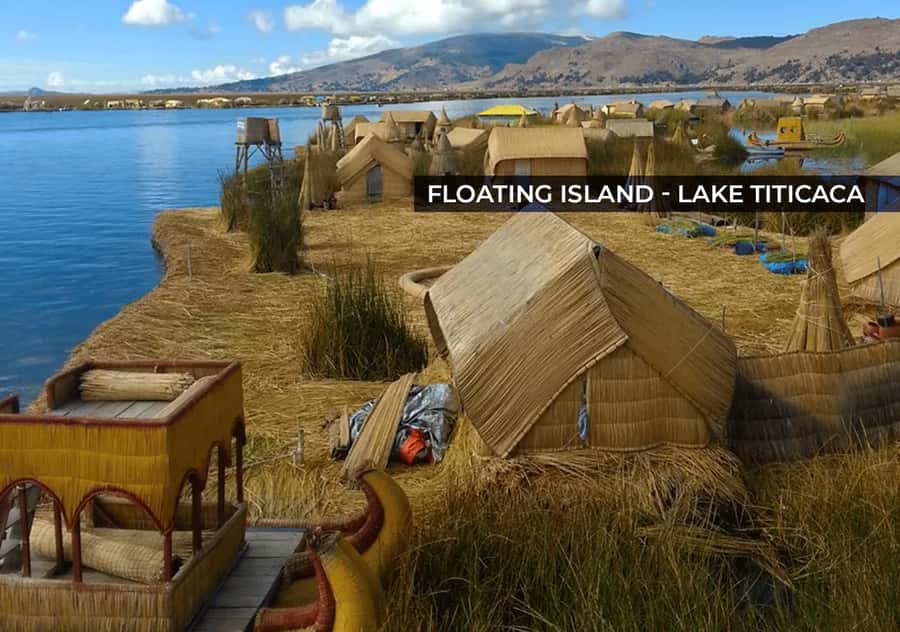
The first big day starts with arrival in Puno around 5:30 am, then you transfer to a partner hostel to store luggage while you tour. After that, you head out by boat for the Uros Floating Islands, including an entry ticket and a guided tour.
What makes this stop interesting is the mix of human-made geography and lake scale. Lake Titicaca is big, and the Uros visit gives you a way to understand that environment through a specific way of living. A guide should also help you decode what you’re seeing—how these floating reed islands work, and what parts are meant for visitors versus daily life.
Here’s the practical side: schedules on the lake tend to be tight, and the boat time can feel like the highlight moves quickly. One negative pattern to watch for is time distribution. Some people felt they saw limited Uros areas and ended up spending more time on quick photo stops and a separate spot with a restaurant vibe than they expected. That doesn’t mean it will happen to you, but it’s a fair reason to be proactive.
When you meet your guide, ask a simple question: how much time will you spend at the Uros area you most want to see, and what are the exact stops included in the boat route that morning? You’re not being difficult—you’re making sure the experience matches your goal.
Also, bring cash. Even when the big tickets are included, there are often small purchases at the stops themselves. You’ll likely want water, snacks, or a few extras for pictures and souvenirs. Having cash avoids the awkward moment of realizing your card is useless on a boat.
Cruise toward Amantani: remote-feeling travel with a cultural guide focus
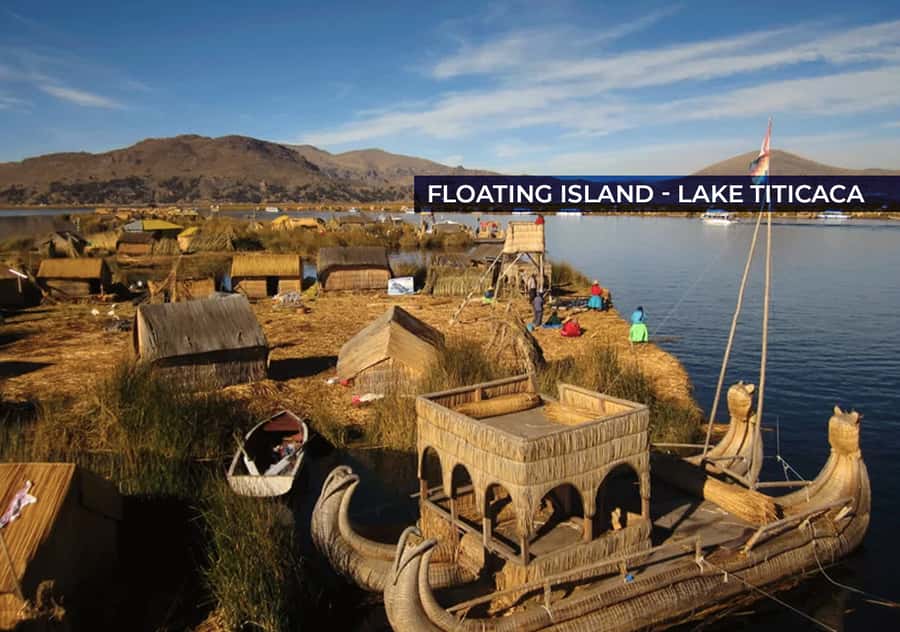
After the Uros visit, the plan is to cruise out toward the remote Amantani Island and enjoy a guided tour there. You’ll also have an entry ticket to Amantani included, and the guide is bilingual English and Spanish.
What’s valuable here is the shift from a visitor-focused island concept to a community-based visit. The tour is described as teaching traditional history, everyday lifestyle, and culture of the Amantani community. That kind of guided framing can make your photos feel less like postcards and more like understanding what you’re looking at.
Still, remote island tours can be weather-sensitive, and your day could adjust depending on lake and conditions. The tour is also clear that it can vary without notice due to weather events and other disruptions. So if you’re booking around a rigid plan in Peru Hop’s schedule, keep your expectations flexible.
A small timing note: the itinerary points to a later jump across the lake after your Amantani time. You’ll take a boat across to the Llachon Peninsula around 12:30 pm, so you’re not getting an all-day Amantani hangout. This is a guided community visit plus a transition to lunch and lake downtime.
If you want maximum time to chat with locals and really slow down, this trip may feel structured. If you want a well-organized cultural stop with clear logistics and included transportation, it’s closer to the mark.
Llachon Peninsula lunch and free time: where the pace changes

Around 12:30 pm, the schedule shifts to the Llachon Peninsula. Lunch is included here, described as in a shore-side village. After lunch, you’ll witness seasonal activities of the rural community and then get free time in one of the most picturesque hideaways on Lake Titicaca.
This is the part of the itinerary where I think the trip can work best for you. A guided morning gives you context for the islands. Then lunch and free time offer a chance to stop chasing the next stop and just look—at the water, at the shoreline, at how the day feels in a quieter setting.
One practical tip: since breakfast and dinner aren’t included, this lunch might be your longest solid meal of the day. Plan to eat it like a main event. And if you’re sensitive to restroom availability, keep expectations realistic. There are notes that hostel bathroom cleanliness can be hit-or-miss. On tours like this, packing basic hygiene items (wipes or hand sanitizer) makes the experience smoother.
Also, time management matters. If the schedule runs longer at certain points, you may face waiting periods at the partner hostel. Having snacks and a plan for what you’ll do while you wait makes those gaps less annoying.
Puno free time and the return bus: make the city work for you
You’ll have free time in Puno after the Llachon segment and before the return trip. The plan says you can explore the city or go for dinner at one of the many restaurants, and then you board your Peru Hop overnight bus back to Cusco at 9:30 pm from the partner hostel.
That structure can be a blessing. You get just enough Puno time to stretch your legs, grab a good meal, and take a shower if you want to pay for it. The info also mentions a hostel where you can store bags and pay to shower, which matters because you’re arriving early in the morning and leaving again the same night.
Why I think this segment is worth your attention: it’s the buffer that stops the trip from feeling like one long transit day. If you only wanted lake time and zero city time, you can still do something simple like a relaxed walk and a meal—but the option is there.
If you care about convenience, know that luggage storage at the hostel is listed as not included, so check your booking terms for what you’ll pay and what you’ll get. The itinerary describes luggage storage being available, but the details can vary by how your specific booking is set up.





Price and logistics: does $86 feel like value or a squeeze?
The price is listed at $86 per person for a 3-day experience, including overnight buses twice, guided boat transport, a bilingual guide, entry tickets to Uros and Amantani, and lunch in Llachon.
Is that good value? In my view, it can be, because the tour covers the expensive-looking pieces you’d otherwise piece together yourself: the long-distance transport between Cusco and Puno via overnight bus, plus boat logistics, plus paid entry tickets. Even the included high-speed Wi‑Fi can matter if you’re coordinating the rest of your trip.
Where value can slip is in extras and expectations. Multiple practical notes point to the reality that you’ll likely find additional spending opportunities throughout the day. That can be simple purchases like snacks and drinks. It can also be photo-related or souvenir-related costs during stops. So I recommend budgeting a little extra cash beyond what’s printed in the price.
Also, the overall rating sits around 3.7 out of 5 based on 62 reviews. That doesn’t doom the trip, but it does signal uneven experiences—usually the kind that come from schedule expectations and how time is allocated at each stop.
The Huacachina and Paracas question: double-check your exact inclusions
One thing I’d definitely sanity-check before you go: the highlights list includes a Huacachina buggy ride and exploration of Paracas Reserve (plus those surreal desert-meets-ocean landscapes). But the day-by-day details you have here focus on Cusco, Puno, Uros, Amantani, and Llachon.
That mismatch is worth your attention. Tours can be marketed with longer-route add-ons or different versions, and the itinerary can vary for operational reasons. Since the tour explicitly states the route may change due to weather and other events, the safest move is to confirm exactly what’s included in your booking confirmation.
Ask the provider one direct question: does my departure package actually include Huacachina and Paracas, or is this specifically the Lake Titicaca boat-and-island itinerary? If you want the buggy dunes and ocean desert stop, don’t assume it’s part of your plan unless it’s clearly confirmed for your date.
Who this trip fits (and who should skip it)
This tour is not suitable for children under 4 years, pregnant women, or wheelchair users. That’s not just a box-check. Overnight buses plus boats plus island transfers can be physically demanding, and the structure is built for people who can comfortably handle early mornings and long transit days.
Who I think will like it most:
- You want a guided way to experience Lake Titicaca’s island stops without arranging boats yourself.
- You’re okay with an efficient schedule and want included entry tickets plus boat transport.
- You like learning through a bilingual guide, especially for the Amantani community visit.
- You’re comfortable bringing snacks, cash, and personal items because meals and small conveniences aren’t fully covered.
Who might not love it:
- You want lots of unstructured time on the lake or unlimited time at any single island.
- You want a slow, deep community immersion where you can linger and roam freely without feeling like a clock is ticking.
- You hate any uncertainty caused by weather-related changes and possible schedule adjustments.
Should you book this 2-Night Lake Titicaca Excursion?
If you’re after a practical, guided introduction to Uros and Amantani, with transport organized for you and a lunch stop that breaks up the day, this trip can be a solid value. The included boat logistics and bilingual guide make it easier to see more than you could manage alone on a tight schedule.
But book with your eyes open. Bring extra cash, be ready for the day to move fast, and confirm the exact stops if your version includes those Huacachina/Paracas highlights. If your main goal is maximum close-up time at Uros, ask how the morning is allocated at check-in.
If the price feels right and you can handle overnight buses without turning grumpy, you’ll likely come away with the kind of “I really saw that” Lake Titicaca memories this route is designed to deliver.
FAQ
Where is the meeting point in Cusco?
Meet in the Hop private bus terminal at Industrial 252.
What time does the bus leave Cusco?
The bus departs Cusco at 9:30 pm.
How long is the tour and how many travel days are included?
The experience lasts 3 days and includes 2 overnight bus journeys.
Which meals are included?
Lunch on the Llachon Peninsula is included. Breakfast and dinner in Puno are not included.
What is included in the price besides transportation?
The tour includes boat transportation, a bilingual English/Spanish-speaking guide, entry tickets to the Uros Floating Islands and Amantani Island, and onboard high-speed Wi‑Fi (only available through Peru Hop).
Is the tour wheelchair accessible or suitable for pregnant women?
No. It is not suitable for wheelchair users or pregnant women.