REVIEW · CUSCO
From Cusco: Balcony of the Devil Rock Climbing
Book on GetYourGuide →Operated by Tangol · Bookable on GetYourGuide
Cusco has a lot of altitude tourism, but this one puts your hands on the rock. Devil’s Balcony is high above town near Sacsayhuaman, and the climb is built to feel manageable even if you’re not a hardcore climber.
What I like most is the clear structure: a real pre-climb briefing, then three different routes/levels to match your comfort. Second, you get to earn those famous heights—finishing at the top with panoramic Andes views and the Saphy River below.
One thing to consider: it’s not a long, drawn-out day. The climbing is intense, the total time is only about 4 hours, and you’re also expected to meet physical limits (including no vertigo).
In This Review
- Key highlights I’d plan around
- From Plaza Regocijo to Devil’s Balcony: how the day flows
- The 20-minute gear briefing that makes or breaks your confidence
- Three routes on the Devil’s Balcony wall: what you’re actually signing up for
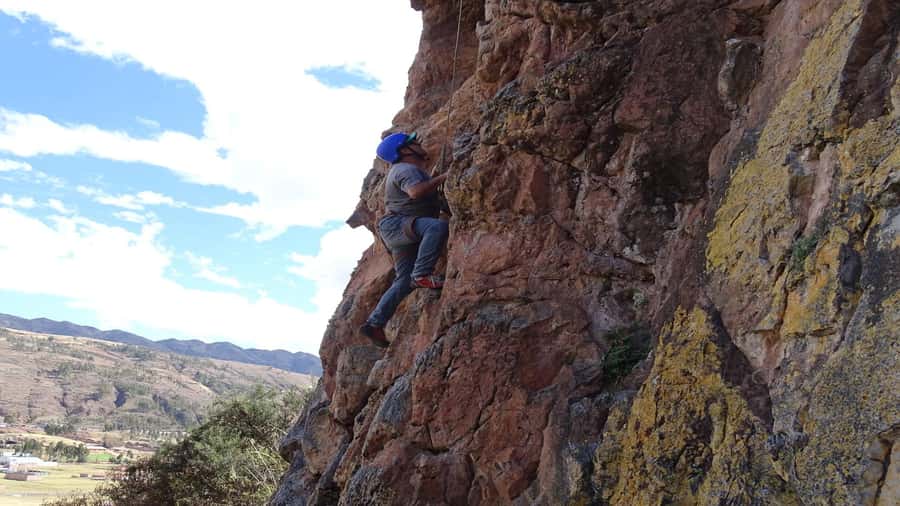
- The climb itself: limestone, exposure, and pacing at 3,750 m
- The best moment: reaching the top and seeing the Saphy River below
- Transportation, duration, and why 4 hours is a practical sweet spot
- What’s included for $59: value vs expectations
- Who should do this climb (and who should skip it)
- What to bring: the small list that matters at high altitude
- Small tips to make your climb smoother
- Should you book Balcony of the Devil Climbing?
- FAQ
- FAQ
- How long is the Devil’s Balcony rock climbing tour?
- Where does the tour start in Cusco?
- How do you get to the climbing area?
- What is included in the price?
- What should I bring?
- Is food included?
- Who should not book this activity?
Key highlights I’d plan around
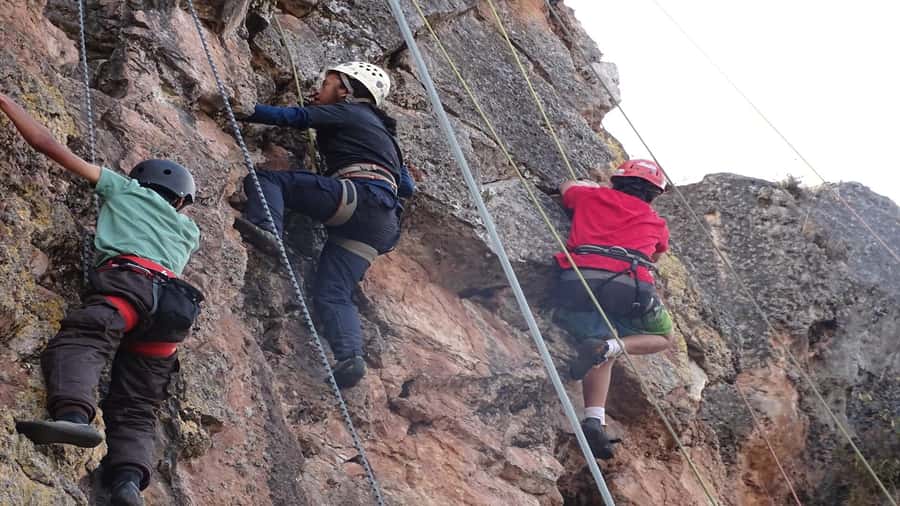
- Plaza Regocijo start: convenient pickup/drop near Cusco’s core, plus about a 30-minute ride to the climbing area
- Pro briefing first: a 20-minute equipment and technique rundown before you start climbing
- Three route levels: you’ll climb the wall in multiple stages, not just one short attempt
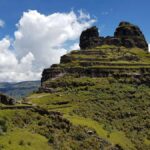
- Devil’s Balcony setting: limestone rock near Sacsayhuaman at about 3,750 m altitude
- Andes views at the summit: the top payoff is real, with wide panoramas once you reach the wall’s end
- Equipment included: you don’t need to hunt gear before you go
From Plaza Regocijo to Devil’s Balcony: how the day flows
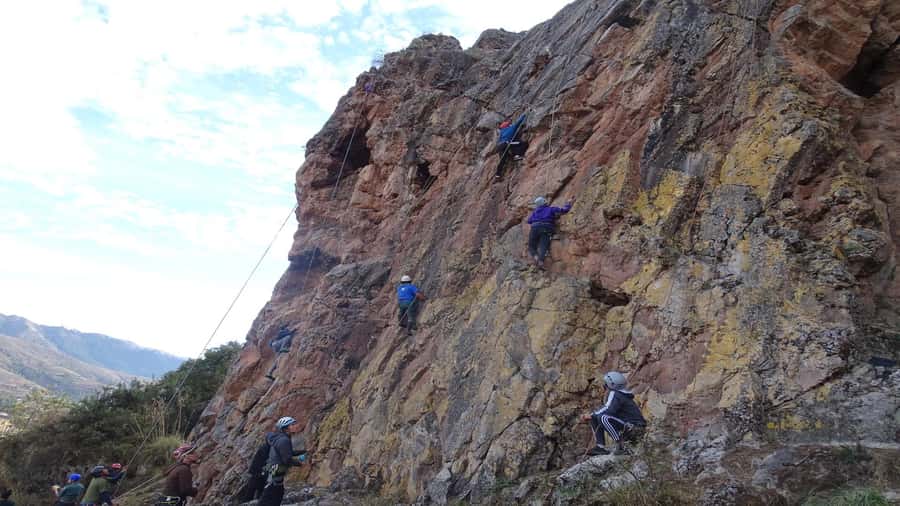
This tour is built for people who want adventure without turning the day into a logistical puzzle. You meet at Plaza Regocijo, just a few steps from Plaza de Armas. That matters because Cusco’s streets can be tricky, and being close to the center makes it easier to time breakfast, walk to the meeting point, and not stress about transfers.
From there, you take a short ride of about 30 minutes toward the Devil’s Balcony area. Once you arrive, there’s a 10-minute walk to reach the start of the climb. I like this pacing because it gives you a chance to shake out your legs and take in the altitude before you’re tied into the harness system.
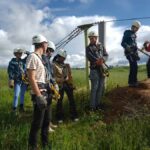
Then comes the climbing phase, and it’s not random. You get a 20-minute briefing before you move onto the rock. That’s important at altitude, when your breathing may feel different, and when you want your first moments on the wall to be focused instead of confusing.
You can also read our reviews of more tours and experiences in Cusco.
The 20-minute gear briefing that makes or breaks your confidence
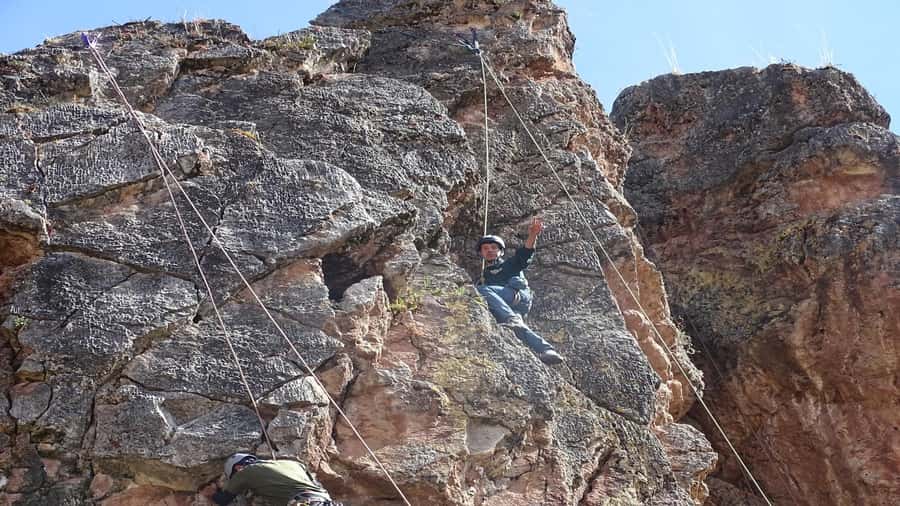
Rock climbing tours often either rush the safety talk or bury it in jargon. Here, the briefing is its own chunk of time—about 20 minutes—so you can actually absorb what you need.
You’ll be shown how the climbing equipment works and how to handle it before you start. Since you’re climbing limestone at about 3,750 meters, this is not the moment to be unsure about how your gear fits or what you’re supposed to do with it.
If you’re used to hiking in Cusco, you know altitude affects you. If you’re not used to it, you’ll still feel the difference once you start climbing. A good briefing helps you keep your mind on the next handhold and not on, say, whether your harness feels right.
Also, remember the guide runs the show in both Spanish and English, so you can ask questions and get answers in the language you’re most comfortable with.
Three routes on the Devil’s Balcony wall: what you’re actually signing up for
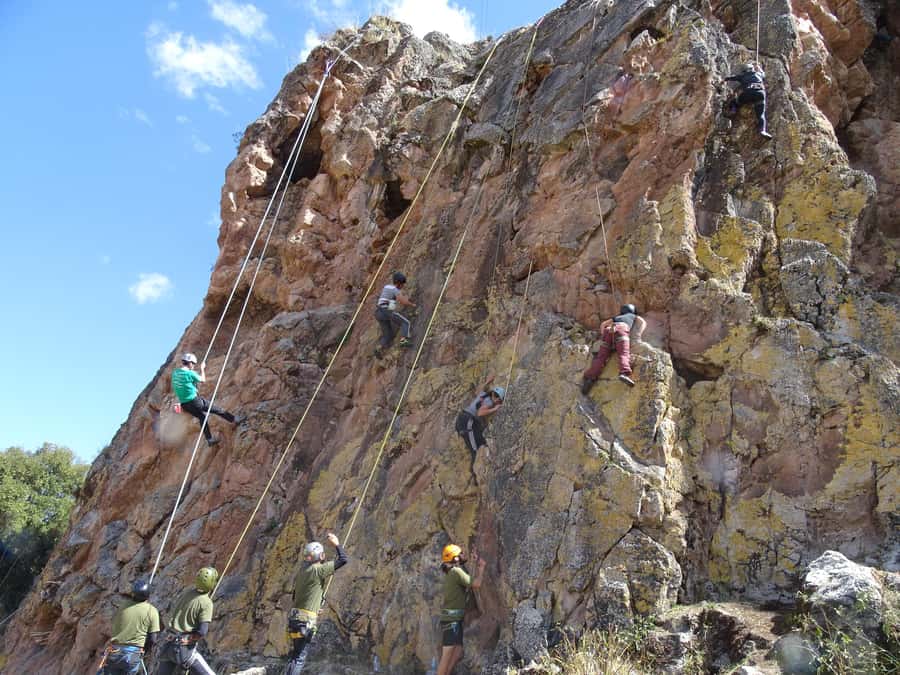
The big promise here is three different climbing levels. That’s a sweet setup because it keeps the experience flexible. Even if you’re a casual climber, you’re not limited to one “prove you’re fit” route.
In real terms, you should think of this as a guided progression. You start with a level that you can manage, then you move to more challenging sections. Each route is still approachable with professional instruction, but your body will feel the difference between the easier and tougher segments.
One review point I find worth taking seriously: one person felt it was a bit expensive because it involved repeating three times up and down a wall. That doesn’t mean the tour is bad. It just means your expectation matters. This is not a long scramble with tons of varied climbing. It’s a short climbing workout with multiple routes, designed for safety and skill-building in a tight window.
For me, that makes the value equation simple:
- If you want structured climbing with a top view payoff, it fits.
- If you want an all-day climbing adventure with constant new terrain, you may feel shorted.
The climb itself: limestone, exposure, and pacing at 3,750 m
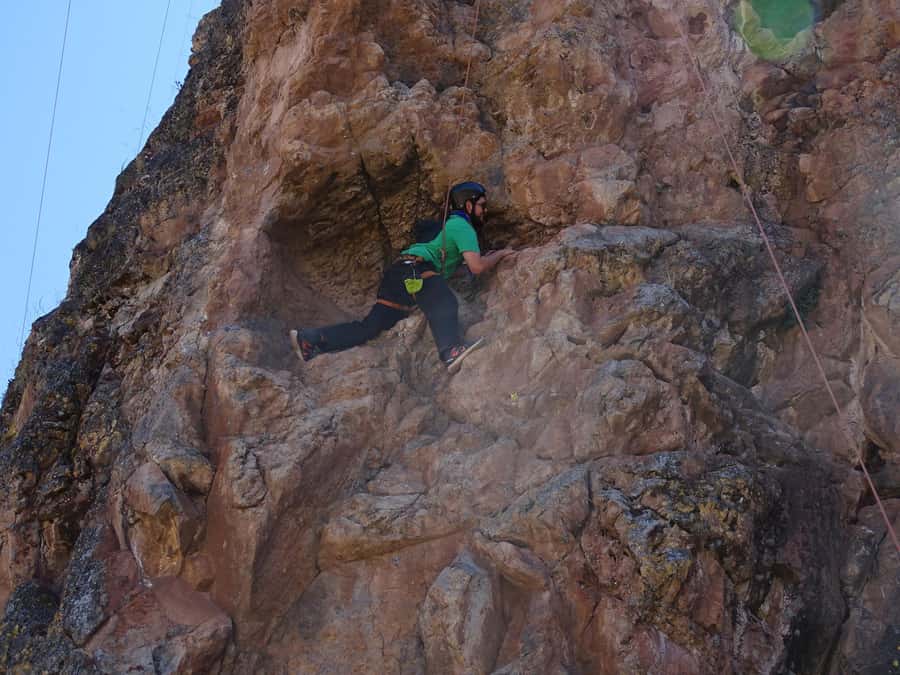
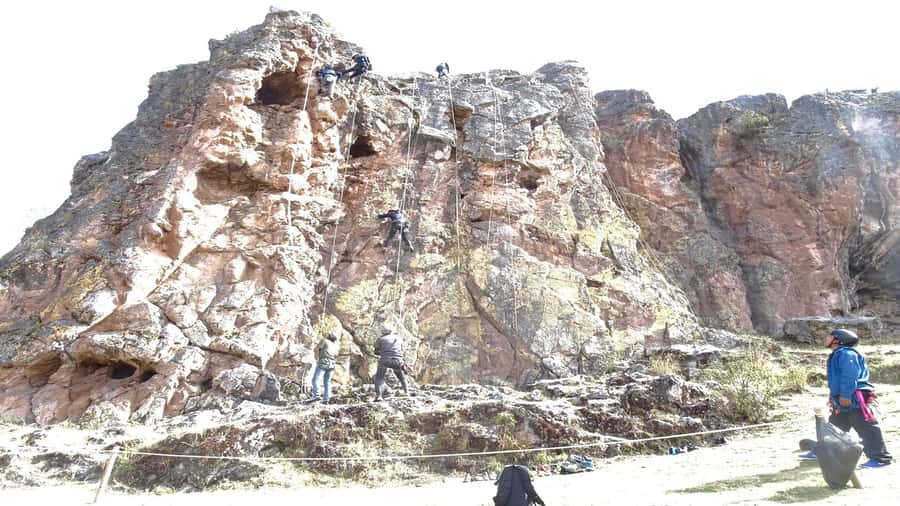
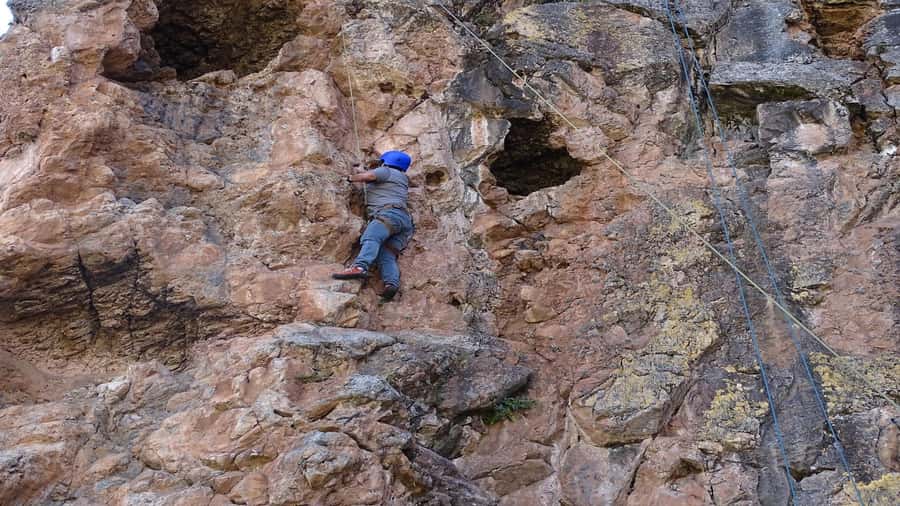
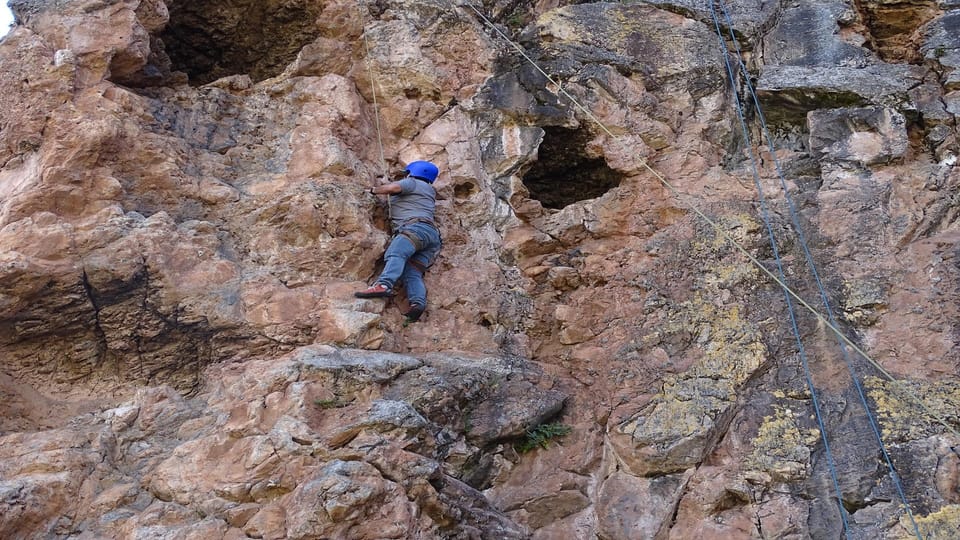
Devil’s Balcony is limestone rock, and that changes the feel compared with many outdoor climbs. Limestone can have different friction and hold shapes, so even if you’ve climbed elsewhere, the wall may feel unfamiliar. That’s where the instructor matters: you need technique cues that fit this specific rock and route style.
You’ll also be climbing in thin air. At 3,750 meters, even simple movement costs more breath than you expect. So the best strategy is to pace yourself like you would on a high-altitude hike: steady, controlled, and not sprinting between moves.
The good part is that you don’t just climb and go. The goal is to reach the top of the wall, where you get those Andes panoramas. That’s the classic motivator for any climbing session: the view isn’t a random bonus, it’s the finish line.
The best moment: reaching the top and seeing the Saphy River below
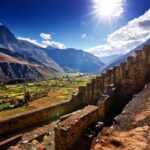
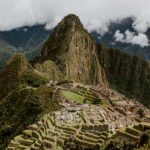
The summit portion is where this experience earns its name. Once you finish climbing, you’re treated to panoramic views of the Andes Mountains. You also get a dramatic backdrop with the Saphy River in view.
For photographers, this is the “don’t rush it” moment. For everyone else, it’s the “take a breath and actually look around” moment. Climbing can make you tunnel-vision. Sitting at the top, the whole area makes more sense—the rock, the river, the scale of the surrounding ridges.
And because the total time is only about 4 hours, this view usually lands while your energy is still decent. That’s not guaranteed on longer adventure tours, where the payoff sometimes comes after fatigue wins.
Transportation, duration, and why 4 hours is a practical sweet spot
This is a 4-hour experience, with roundtrip transportation included to the city center of Cusco. That’s a big practical win if you don’t want to organize taxis, wait times, and exact return logistics.
The timing also keeps the tour accessible to more visitors. Cusco days can be packed—walking tours, ruins, markets—and a 4-hour active block is easier to fit than an all-day outing.
Still, the short duration is part of the tradeoff. You’re not there for hours of free exploration. You’re there for a guided climb with briefing, routes, and a safe return. If you’re the type who likes long, open-ended adventures, you might find the format feels structured.
What’s included for $59: value vs expectations
At $59 per person, this isn’t a cheap “try climbing once” snack. But it also isn’t priced like a private expedition. The value comes from the combination of:
- Roundtrip transport
- A guide in Spanish and English
- Climbing equipment
- A 20-minute briefing
- Professional guidance through three levels/routes
What you’re paying for is time managed by someone who knows the wall and how to keep people safe. In a place like Cusco, where altitude and terrain can turn “simple” plans into stress, that’s not trivial.
So here’s how I’d judge whether it’s worth it for you:
- If you want guided climbing and clear coaching, the price makes sense.
- If you want a longer session with lots of variety and extra routes, you may feel it’s pricey relative to time.
Who should do this climb (and who should skip it)
This activity has clear limits, and I’m glad they’re explicit. It’s not suitable for:
- Children under 13
- Pregnant women
- People with heart problems
- People with vertigo
- People over 65
There’s also a maximum weight limit of 95 kilos per person.
If you’re on the fence because of altitude, keep it honest. Even people who are physically fit can feel altitude differently once they add climbing effort. If you know you get dizzy or short of breath easily in the mountains, take that seriously.
This tour also tends to suit people who like a challenge but don’t want to spend days learning climbing basics. If you’re traveling with friends, the climbing format can be especially fun because you can encourage each other between routes.
What to bring: the small list that matters at high altitude
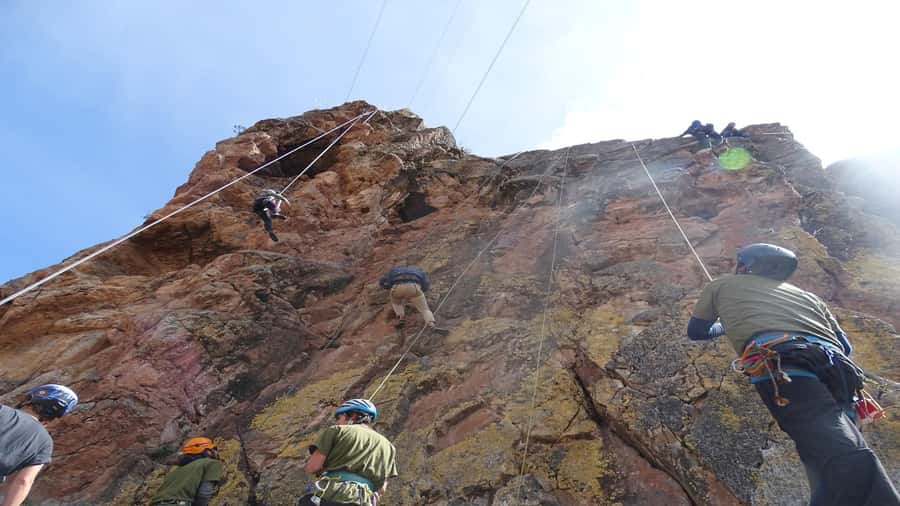
The packing list is short, but it’s the right kind of short—focused on what helps at altitude and on the rock.
Bring:
- Sunglasses
- Sun hat
- Sunscreen
- Insect repellent
- Sportswear
I’d add one practical approach: wear athletic clothing that lets you move. You don’t want loose fabric that catches when you’re adjusting equipment or shifting between holds.
Also, think about the sun. Cusco-area light is intense, and you’ll likely be outside for multiple phases: walking in, briefing, climbing, and then standing at the top for views.
Small tips to make your climb smoother
You don’t need to be a world-class climber to enjoy this. You do need to show up ready to follow instructions and move with control.
Here are a few tips that match how the tour is designed:
- Listen hard during the 20-minute briefing. Ask questions in Spanish or English if anything is unclear.
- Keep your breathing steady at 3,750 m. If you sprint between moves, you’ll gas out faster.
- Expect repetition. Three levels mean some up-and-down rhythm, so mentally plan for that.
- If you’re nervous about heights, be extra honest with yourself. Vertigo is a hard no for this activity.
And if you’re going with friends, choose one mindset together: fun first, safety always.
Should you book Balcony of the Devil Climbing?
If you want a high-altitude rock climbing session near Cusco that’s guided, structured, and built toward a summit view, I think this is a strong fit. The combo of included equipment, a real briefing, three route levels, and the top payoff at Devil’s Balcony makes it feel like more than just a quick photo stop.
I’d skip it if you fall into the listed health/age/vertigo limits, or if you’re expecting a long, variety-heavy climbing day. At around 4 hours, it’s a focused adventure, not an all-day climbing festival.
One last deciding thought: if you’re the type who enjoys clear steps—gear, technique, then climbing—this tour’s format matches your style. If you want lots of unstructured time, look for something longer.
FAQ
FAQ
How long is the Devil’s Balcony rock climbing tour?
The tour duration is about 4 hours.
Where does the tour start in Cusco?
You meet at Plaza Regocijo, near Plaza de Armas, in Cusco.
How do you get to the climbing area?
After meeting in Plaza Regocijo, there’s about a 30-minute journey, followed by a short 10-minute walk to reach Devil’s Balcony near Sacsayhuaman.
What is included in the price?
Roundtrip transportation to the city center, a guide in Spanish and English, and climbing equipment are included.
What should I bring?
Bring sunglasses, a sun hat, sunscreen, insect repellent, and sportswear.
Is food included?
No. Food and drinks are not included.
Who should not book this activity?
It’s not suitable for children under 13, pregnant women, people with heart problems, people with vertigo, or people over 65. There is also a maximum weight limit of 95 kilos per person.