REVIEW · SACSAYHUAMAN & INCA RUINS
Cusco: Half-Day City and Nearby Archaeological Sites Tour
Book on GetYourGuide →Operated by LimaTours · Bookable on GetYourGuide
One of the fastest ways to understand Cusco is to follow its stone layers. This half-day tour strings together Inca engineering and Spanish-era change—from Coricancha’s Temple of the Sun to the Catedral in the Main Square. You also get a “go uphill” hit of Sacsayhuaman, plus quieter ritual sites like Quenqo and Puka Pucara.
What I like most is the clear sequence: you see how power and belief moved from the Inca to the Spaniards, and then you climb to the big fortress where ceremonies were (and still are) staged. The other big plus is the guide—there’s a professional, multilingual team, and real examples of attentive guiding (including names like Fred and Jose) show up in people’s feedback. One possible drawback: you’re walking and climbing on a fixed schedule, so if you hate uphill strolls or you’re moving slowly after Cusco altitude, you’ll want to pace yourself from the first stop.
In This Review
- Key Things You’ll Notice on This Cusco Half-Day Route
- Why This Tour Works So Well for First-Time Cusco Visits
- Coricancha and the Cathedral: Where Belief Gets Rebuilt
- Sacsayhuaman: Giant Stones, Uphill Drama, and Inti Raymi Meaning
- Quenqo: A Religious Complex You’ll Understand Better With Context
- Puka Pucara: The Red Fortress and Its Possible Role
- The 5-Hour Timing: Efficient Without Feeling Like a Sprint
- What You’re Actually Paying For: $49 Value Breakdown
- Pickup, Location, and Meeting Points: Don’t Get Lost on Day One
- Guides Matter: What the Best Versions of This Tour Feel Like
- What to Bring (and What to Skip) for a Comfortable Day
- Should You Book This Half-Day Cusco Tour?
- FAQ
- How long is the Cusco Half-Day City and Nearby Archaeological Sites Tour?
- How much does the tour cost?
- What sites are included in the tour?
- Is pickup and drop-off included?
- Do I need the Cusco Tourist Ticket (BTC)?
- What admission costs are included?
- What languages does the tour guide speak?
- What should I bring?
- Is food included?
- Is the tour wheelchair accessible?
- What is the cancellation policy?
- Is there a reserve-and-pay-later option?
Key Things You’ll Notice on This Cusco Half-Day Route
- Coricancha’s Inca-to-Spanish story: the Temple of the Sun becomes the base for Santo Domingo Convent after the Spanish arrive.
- Sacsayhuaman’s 15th-century fortress feel: huge stones and an enduring mystery about how they were moved.
- Inti Raymi relevance on June 24: Sacsayhuaman is where the sun-worship celebration is recreated each year.
- Quenqo’s religious design: an archaeological complex best understood through ritual use, not military hype.
- Puka Pucara’s “Red Fortress” layout: plazas, baths, aqueducts, walls, and towers—plus the idea it tied to the Inca entourage while resting at Tambomachay.
- Real-world pacing for first timers: in about 5 hours, you get a strong overview of Cusco’s most emblematic Inca sites.
Why This Tour Works So Well for First-Time Cusco Visits
Cusco can feel like sensory overload. There’s church stone everywhere, Inca walls under it, and hills that rise fast once you leave the center. This tour is useful because it’s built like a guided map of meaning: you start in the core, move outward, and then head uphill to the dramatic sites.
It’s also a smart length. At roughly 5 hours, you get enough time to see major monuments without burning your whole day. That matters because many people arrive still adjusting to altitude. The walk isn’t described as easy, and you will go up to places like Sacsayhuaman, so the “half-day” format is a practical tradeoff.
You can also read our reviews of more city tours in Cusco
Coricancha and the Cathedral: Where Belief Gets Rebuilt
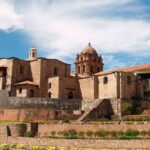
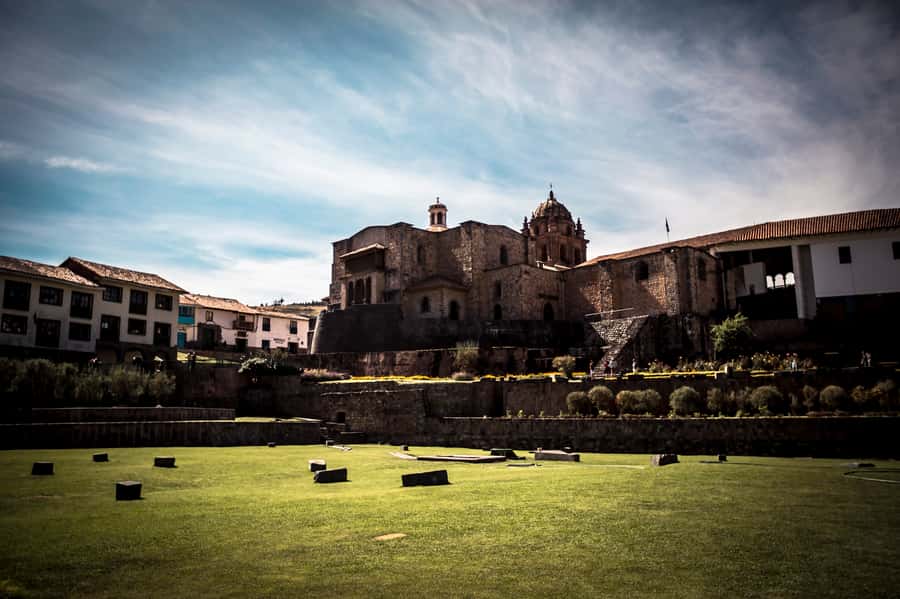
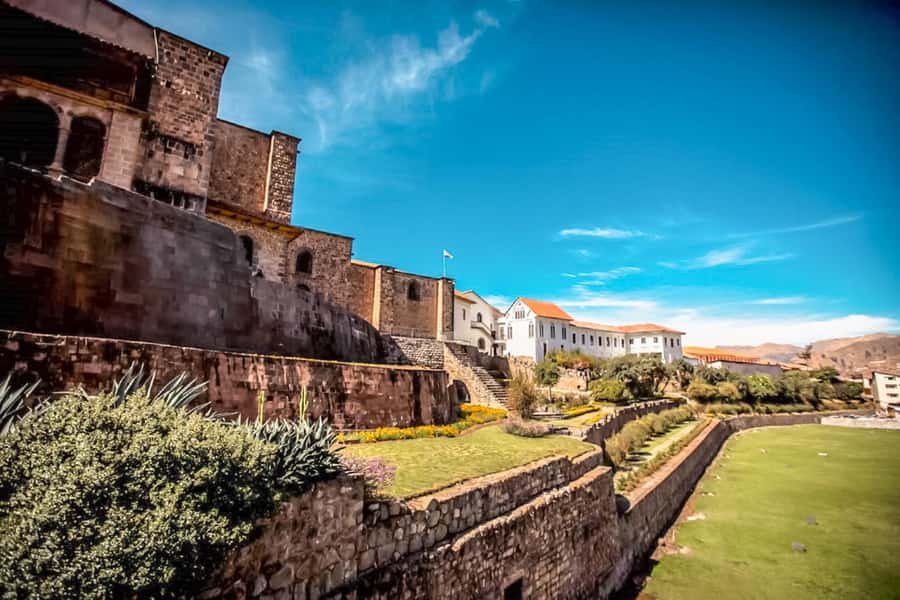
Your tour begins at Coricancha, also called the Temple of the Sun. This is one of those sites where history isn’t just in the background—it’s in the architecture itself. The Temple of the Sun is associated with the Inca emperor Pachacutec, and it’s often described as a high-status religious complex because it’s tied directly to state power and worship.
Then comes the layered twist. When the Spaniards arrived, Coricancha became the foundation for the Santo Domingo Convent. You’re not just looking at ruins; you’re looking at a physical record of replacement—what the Inca built, and what the Spanish later used as a base.
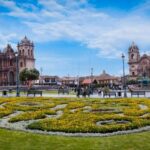
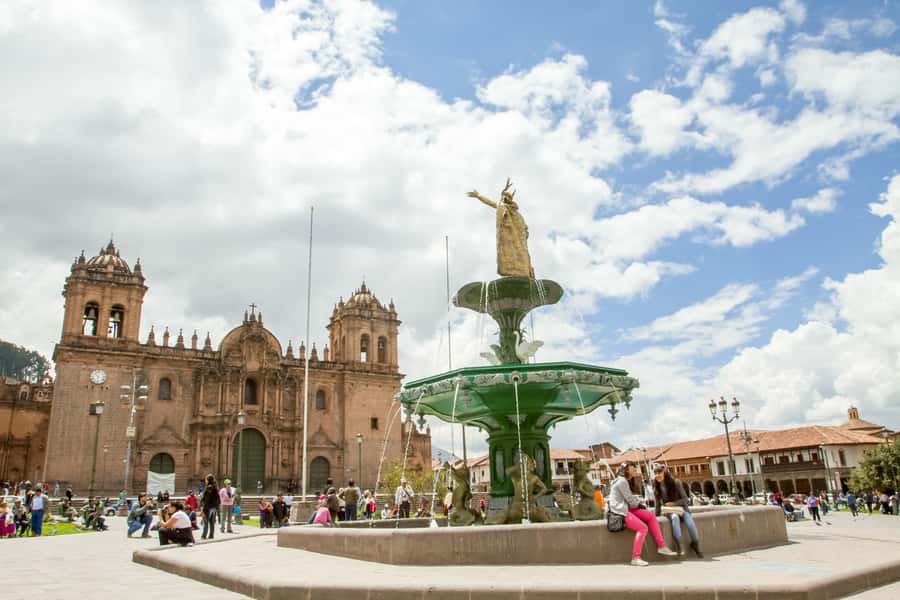
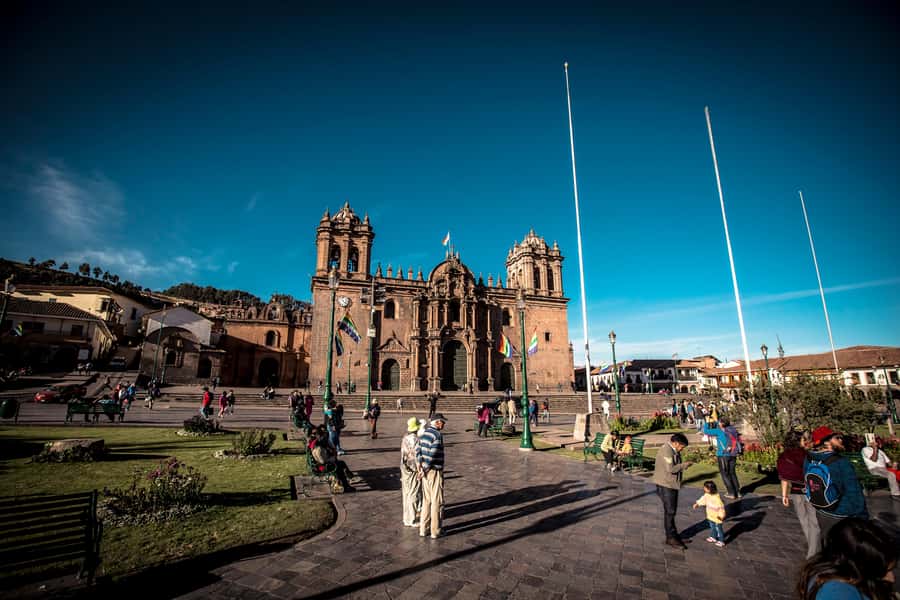
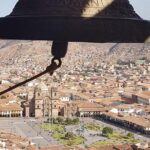
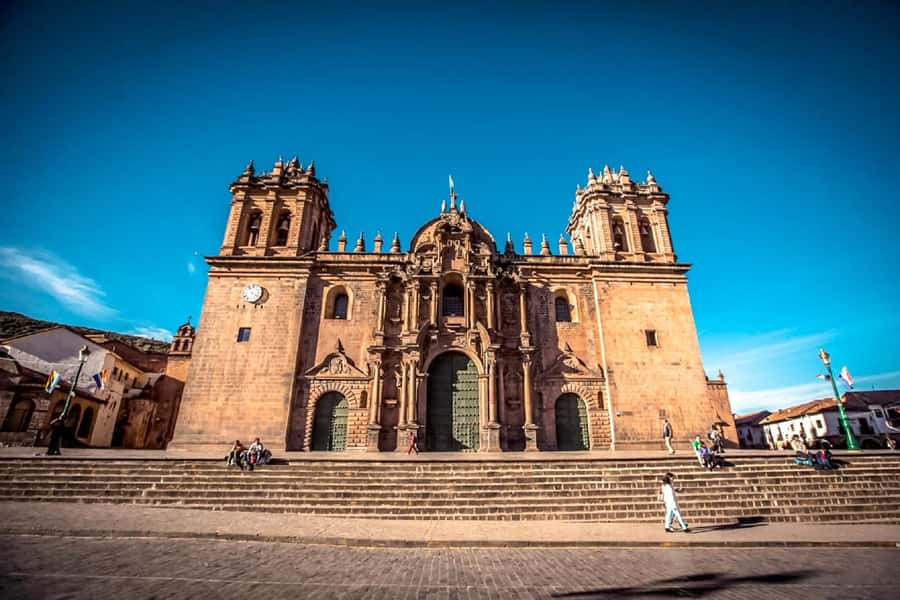
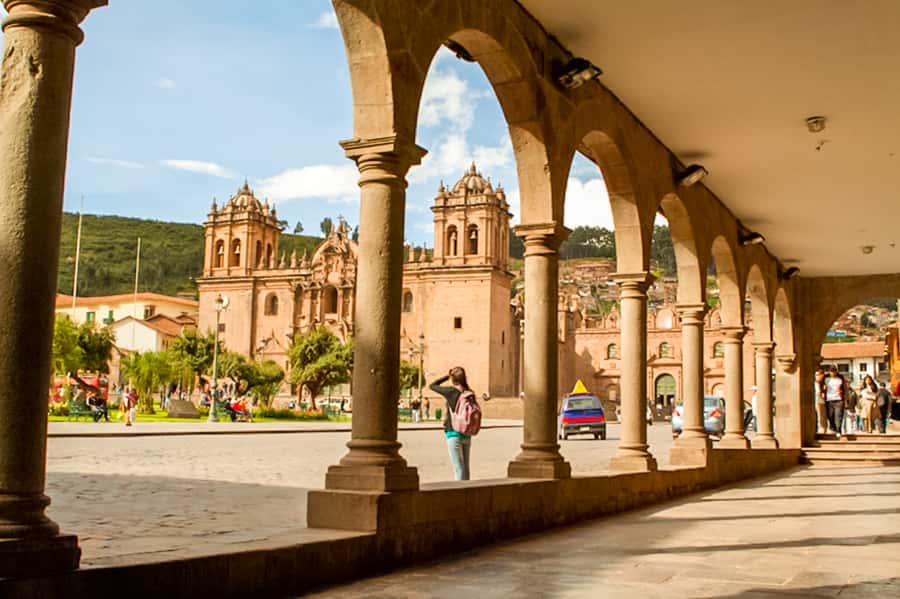
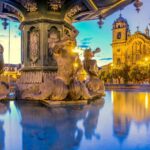
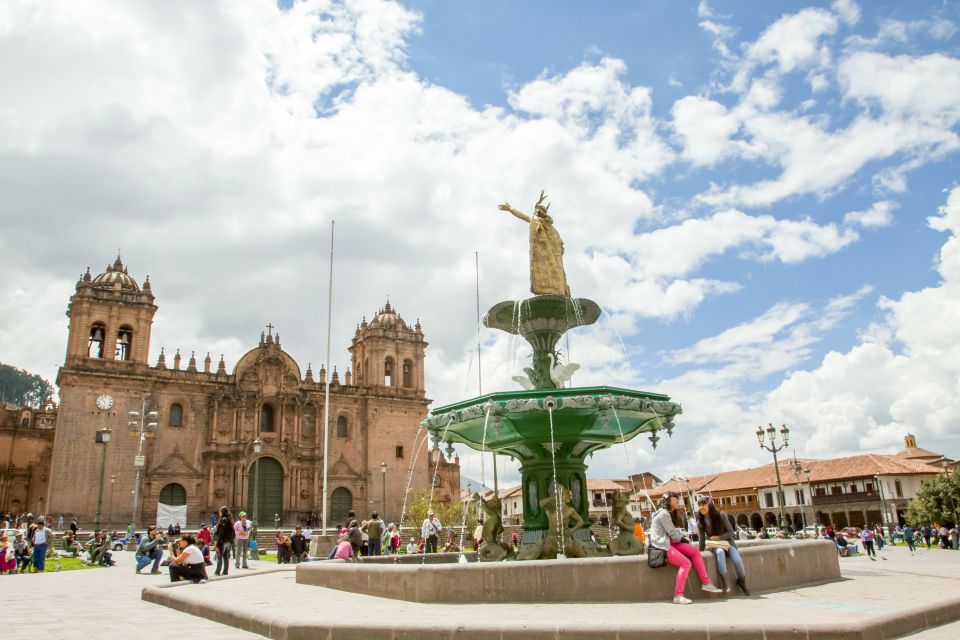
After Coricancha, the tour shifts to the Cathedral of Cusco, described as the most imposing monument in the Main Square. This is valuable even if you’re not a church person. The reason is simple: it shows how the center of Cusco’s power moved. You go from an Inca sun-centered setting to a Christian landmark that became a focal point for the city’s public identity.
Practical note: admission is included for Coricancha and the Cusco Cathedral, which makes this start feel like better value than tours that nickel-and-dime you at the gate.
Sacsayhuaman: Giant Stones, Uphill Drama, and Inti Raymi Meaning
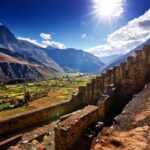
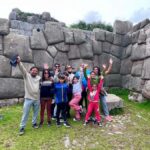
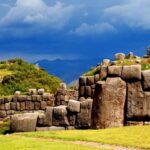
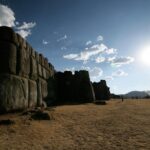
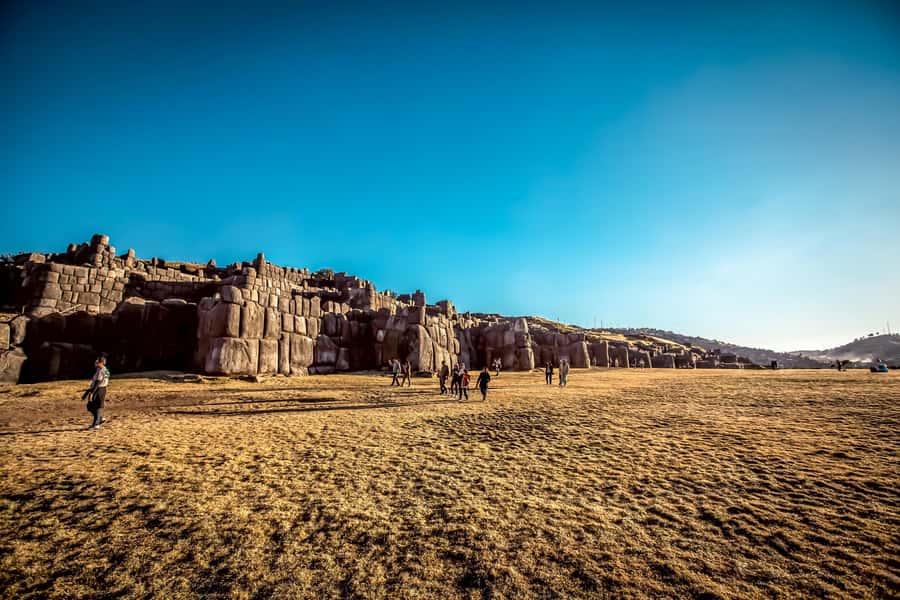
Next, you head uphill to Sacsayhuaman, one of the most emblematic buildings built by the Inca Pachacutec in the 15th century. The defining impression here is the scale. It’s a huge fortress made with large stones, and the information you’ll get includes one of the site’s famous mysteries: how those stones were transported remains unknown.
That might sound like trivia, but it’s actually part of what makes Sacsayhuaman stick in your head. When you stand where the walls meet, you start to understand why people call this place engineering. Even without a textbook, the walls communicate effort, planning, and control over the landscape.
There’s also a big cultural layer you’ll hear about: each year on June 24, the feast of Inti Raymi is recreated here, and the sun is worshipped. You’re seeing not only a historical fortress, but a living calendar connection. It helps you connect what you’re looking at with what still happens in Cusco.
A consideration before you book: this stop is uphill and it’s a fortress setting, so comfortable shoes matter a lot. I’d treat this as a “move with intention” walk—short pauses, slow breathing, and don’t try to rush the views. The payoff is that the fortress setting makes it easier to grasp why the Inca built big, not just tall.
Quenqo: A Religious Complex You’ll Understand Better With Context
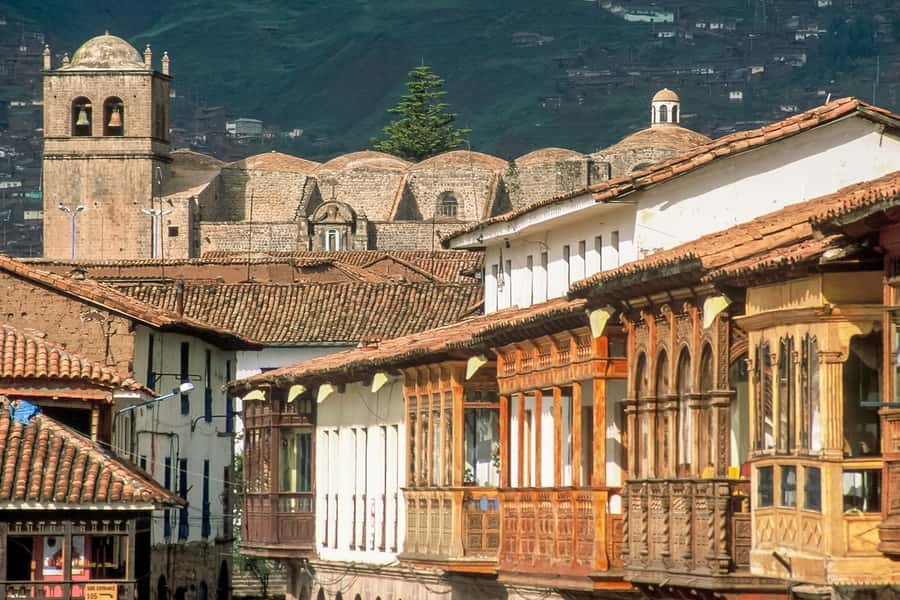
After Sacsayhuaman, you reach Quenqo, an archaeological complex used mainly for religious purposes. This is one of the stops that can feel less dramatic than a fortress, but it’s also the one that often gives you the most “aha” moments.
The reason: religious sites often reward attention to form. Even if you’re not reading every label, a good guide helps you notice how spaces were arranged for ritual use. Quenqo’s layout supports the idea that this wasn’t only about defense or daily life—it was about belief, ceremonies, and the state’s relationship to the sacred.
This stop is a great contrast. Sacsayhuaman is huge and monumental. Quenqo is more about function—how religious activity likely played out in built space. Together, they help you see the Inca world as more than monuments for conquest.
Puka Pucara: The Red Fortress and Its Possible Role
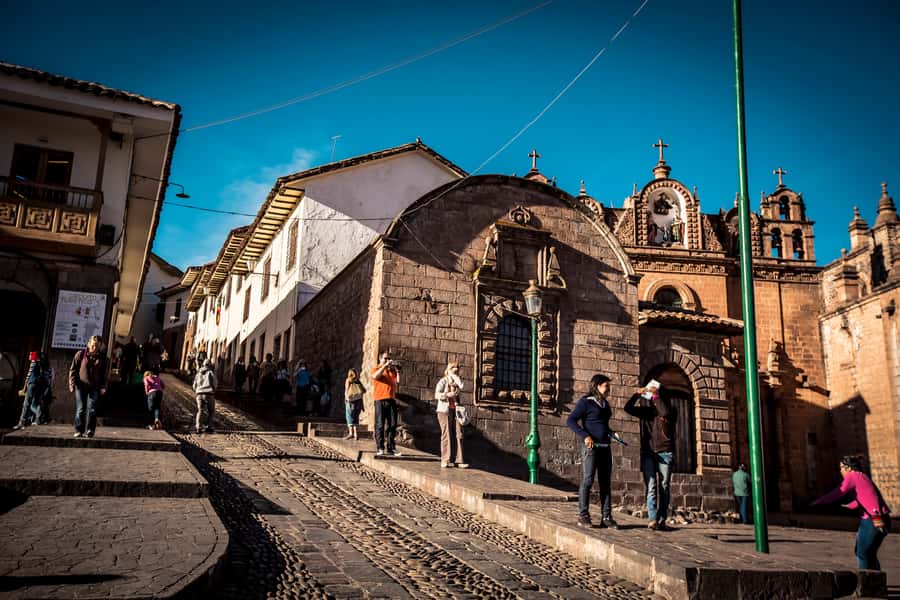
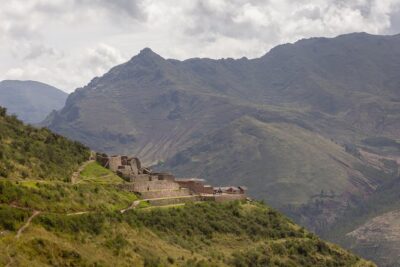
The tour then heads to Puka Pucara, which means Red Fortress. You’ll be told it’s an architectural complex with alleged military use, but the description is wider than “soldiers lived here.” The complex is believed to include multiple spaces, plazas, baths, aqueducts, walls, and towers.
That mix matters. When you’re looking at a place that includes water management (aqueducts) and bathing areas, you start to see it as something more like an organized base for a community—maybe tied to elite movement and downtime—rather than a single-purpose stronghold.
You’ll also learn the theory connecting it to the Inca entourage. The idea is that the entourage of the Inca used it while they rested in Tambomachay. Even if you don’t treat that link as proven fact, it gives you a useful way to interpret why the complex includes both structured spaces and comfort-related elements.
One travel tip: because this tour is time-limited, this last archaeological stop can feel fast. Don’t wait until the end to ask questions. If there’s something about Inca ritual or daily life you want explained, ask your guide during the earlier sites so you can carry that understanding into Puka Pucara.
You can also read our reviews of more tours and experiences in Cusco
The 5-Hour Timing: Efficient Without Feeling Like a Sprint
The tour is listed as 5 hours, and you can check availability to see starting times. The advantage of a timed, half-day tour is focus. You’re not crisscrossing Cusco all day. You’re moving in a logical loop: Main Square core → Coricancha → cathedral → uphill to Sacsayhuaman → then down the line toward Quenqo and Puka Pucara.
This matters at altitude. Cusco is high, and the body doesn’t love repeated steep climbs. The route includes at least one major uphill moment at Sacsayhuaman, so I’d show up ready: water is smart, but food and drinks aren’t included on this tour. If you tend to get lightheaded, consider eating beforehand and keeping your pace steady.
It’s also a good plan if you want a first-day overview. You’ll see the places you’ll keep hearing about later, which makes it easier to choose what to revisit on your own.
What You’re Actually Paying For: $49 Value Breakdown
At $49 per person, this tour is positioned as a good introductory bundle. But the real value depends on what’s included and what you still need to buy.
Included:
- Pickup and drop-off
- Professional guide (English, Spanish, French, Portuguese)
- Admission to Coricancha and Cusco Cathedral
Not included:
- Food and drinks
- Photos
- Cusco Tourist Ticket (BTC)
- Personal expenses
Here’s the value logic I’d use as a buyer: the big fixed costs you avoid are admissions for Coricancha and the Cathedral, plus the guide and transportation inside the Historic Center. That’s meaningful on short tours because the guide’s time is where you’re paying for expertise. The BTC is the one extra cost that can make the overall total feel higher, but it’s also required to visit the four archaeological sites.
So if you’re deciding whether it’s “cheap” or “fair,” I’d say it’s fair for what you get—especially for a first-time Cusco route where logistics and interpretation both matter. If you already have the BTC and you want guided context, you’ll likely feel this price is a solid deal.
Pickup, Location, and Meeting Points: Don’t Get Lost on Day One
Pickup is included from hotels located in the Historic Center of Cusco. That’s a real convenience because Cusco can be confusing to navigate when you’re tired and acclimating.
If you’re staying at an Airbnb or outside the Historic Center, pickup from private residences isn’t included. You’ll need to contact the local operator a few days before to coordinate a meeting point. I’d treat that as a must-do task. One of the most common ways tours go sideways in big cities is simple: no clear meeting plan.
Also, the tour has rules that affect day-of comfort:
- No pets
- No luggage or large bags
- Unaccompanied minors aren’t allowed
- Not wheelchair accessible
So keep your load small. A day pack with water and sunscreen is the right vibe.
Guides Matter: What the Best Versions of This Tour Feel Like
The tour runs with a professional guide who speaks English, Spanish, Portuguese, and French. That’s helpful because Cusco’s sites reward explanation, not just sightseeing.
In the best versions of this experience, the guide doesn’t just point. They help you connect the dots—like the Inca Pachacutec link, the Santo Domingo Convent transformation at Coricancha, and the June 24 Inti Raymi reenactment at Sacsayhuaman.
There’s also evidence of quick problem-solving: on at least one booking, a mismatch about what was included got corrected by the guide on the spot. That’s what you want—someone who can adapt when the day doesn’t match the paperwork.
Still, a balanced caution is worth mentioning. One reported case said the tour didn’t run and that a refund was still pending. You can’t control everything, but you can control your prep: double-check your pickup details before the morning, keep your confirmation handy, and if anything feels off, contact the operator early rather than waiting.
What to Bring (and What to Skip) for a Comfortable Day
The tour’s essentials are simple:
- Comfortable shoes
- Sunscreen
- Comfortable clothes
I’d add one practical behavior: go for layers. Cusco can shift during the day, and archaeological sites often mean sun exposure plus open-air wind when you’re uphill.
Skip big bags and anything heavy. The tour specifically doesn’t allow luggage or large bags, so travel light. If you need to carry a camera, do it in a small way—not as a bulky load that slows you down between sites.
Should You Book This Half-Day Cusco Tour?
Book it if:
- You’re in Cusco for a short time and want a tight intro to Inca sites.
- You like your archaeology paired with culture and ritual context (not just a photo stop).
- You want transport and guided interpretation rolled into one easy plan.
- You don’t mind a bit of uphill and want a structured day that fits the altitude reality.
Skip or reconsider if:
- You need wheelchair-friendly access (this tour isn’t wheelchair accessible).
- You’re traveling with luggage you can’t leave behind.
- You get very uncomfortable with walking climbs, even in short bursts.
My take: this is a strong “first overview” tour. Coricancha, the Cathedral, Sacsayhuaman, Quenqo, and Puka Pucara form a logical story of Cusco—Inca belief, Spanish overlay, and the way built space shaped both ritual and power. If you show up with good shoes and the BTC squared away, you’ll come away with a much clearer sense of what you’re seeing on every street you walk next.
FAQ
How long is the Cusco Half-Day City and Nearby Archaeological Sites Tour?
It lasts 5 hours.
How much does the tour cost?
The price is $49 per person.
What sites are included in the tour?
You visit Coricancha (Temple of the Sun), the Cusco Cathedral, Sacsayhuaman, Quenqo, and Puka Pucara.
Is pickup and drop-off included?
Yes. Pickup and drop-off are included for hotels in Cusco’s Historic Center. Pickup is not included from private residences like Airbnb.
Do I need the Cusco Tourist Ticket (BTC)?
Yes. To visit the four archaeological sites, you need to acquire the Cusco Tourist Ticket (BTC).
What admission costs are included?
Admission is included for Coricancha and the Cusco Cathedral.
What languages does the tour guide speak?
The live guide speaks Spanish, English, Portuguese, and French.
What should I bring?
Bring comfortable shoes, sunscreen, and comfortable clothes.
Is food included?
No. Food and drinks are not included.
Is the tour wheelchair accessible?
No. It is not wheelchair accessible and isn’t suitable for wheelchair users.
What is the cancellation policy?
You can cancel up to 24 hours in advance for a full refund.
Is there a reserve-and-pay-later option?
Yes. You can reserve now and pay later, with nothing due today.